


Latest Posts
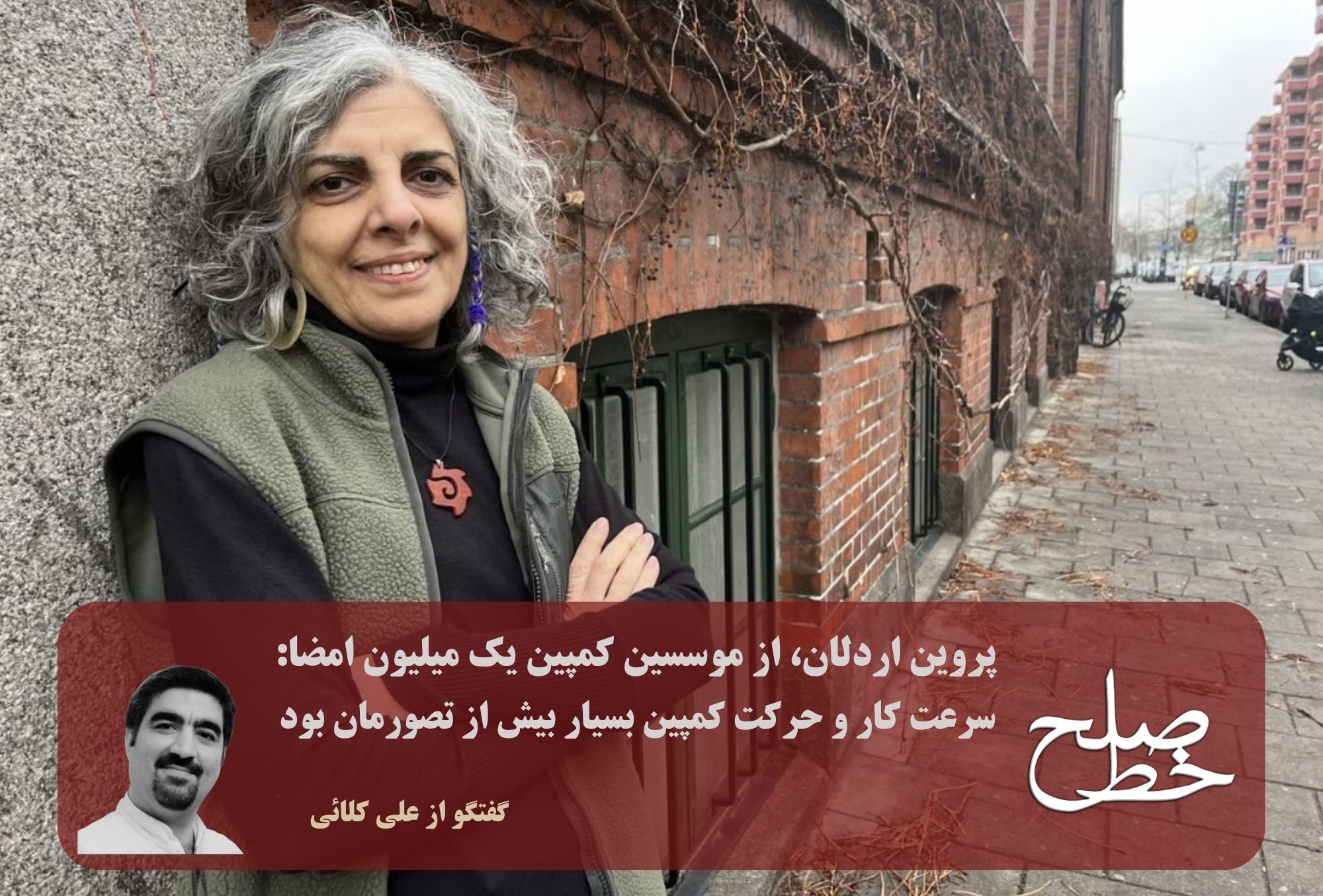
Parvin Ardalan: The Pace of the Campaign’s Work and Movement Was Far Beyond What We Had Imagined/ Ali Kalaei
This September, twenty years have passed since the launch of the “One Million Signatures Campaign to Change Discriminatory Laws,” a rare experience in Iran’s women’s movement that took shape in 2006 (1385), following years of collective discussion and joint activity among various women’s groups. The campaign sought to take the demand for changing unequal laws […]...
Read More Created By: Ali Kalaei
 September 23, 2026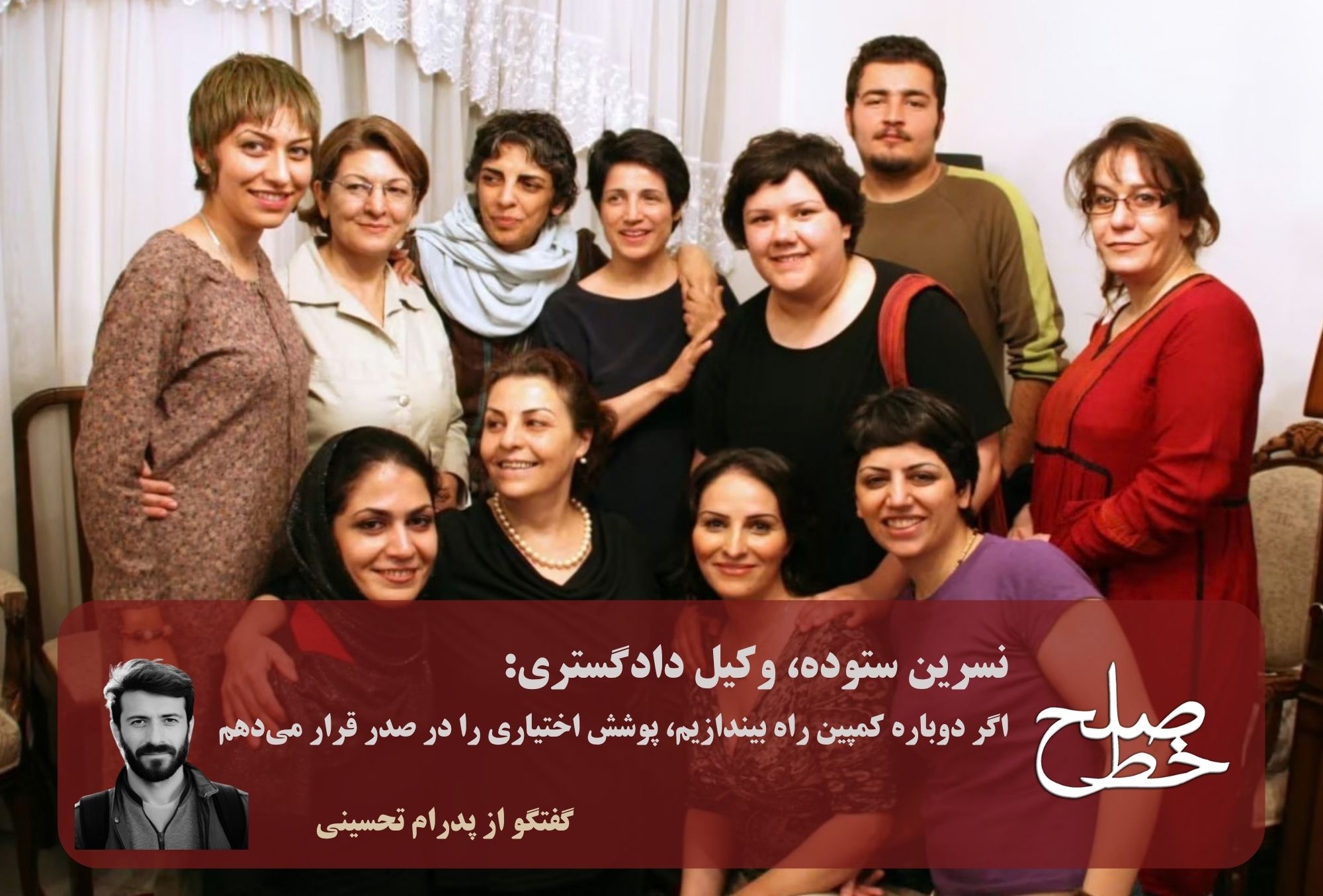
Nasrin Sotoudeh: If We Were to Launch the Campaign Again, I Would Put Optional Hijab at the Top of the Agenda/ Pedram Tahsini
The One Million Signatures Campaign can be regarded as one of the most important and influential experiences of women’s civil activism in contemporary Iran—an experience that emerged from legal demands, entered the public sphere, faced repression, and, despite the cessation of its activities, played a significant role in changing attitudes and expanding women’s demands. What […]...
Read More Created By: Padram TahsiniSeptember 23, 2026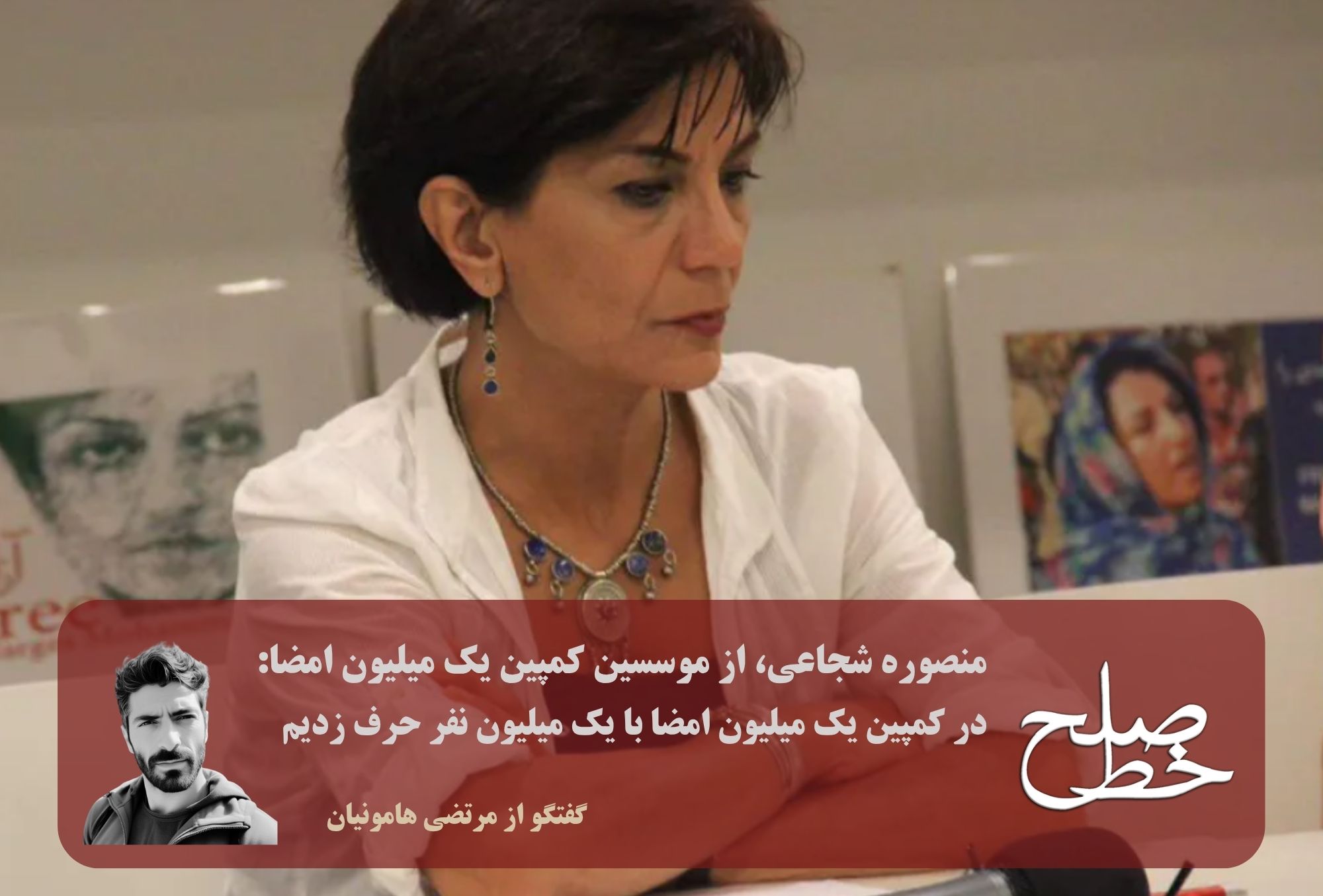
Mansoureh Shojaee: In the One Million Signatures Campaign, We Spoke with One Million People/ Morteza Hamounian
The One Million Signatures Campaign to Change Discriminatory Laws was one of the important and influential experiences of the Iranian women’s movement in the 2000s; a campaign launched in September 2006 (Shahrivar 1385) with the aim of changing unequal laws against women, whose activities were based on direct dialogue with people, legal education, and a […]...
Read More
Created By: Morteza HamounianSeptember 23, 2026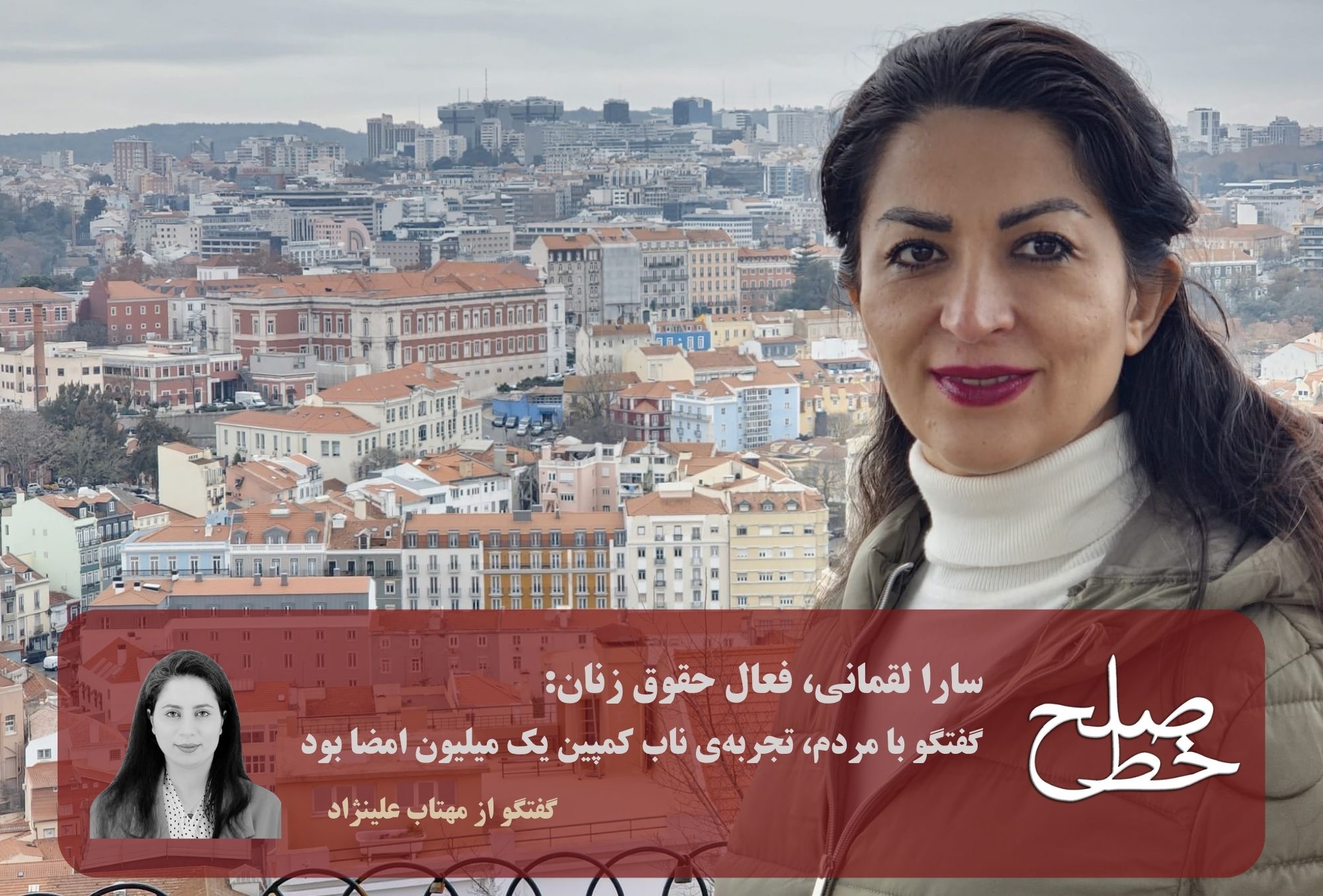
Sara Loghmani: Talking with People Was the One Million Signatures Campaign’s Most Unique Experience/ Mahtab Alinejad
On the twentieth anniversary of the formation of the “One Million Signatures Campaign to Change Discriminatory Laws,” revisiting this experience has once again taken on particular importance. Launched in September 2006 (Shahrivar 1385) with the aim of reforming laws that discriminated against women, the campaign did not limit its activities to collecting signatures. Through direct […]...
Read More
Created By: Mahtab AlinezhadSeptember 23, 2026
Saleh Nikbakht: There Is No Criminal Offense Called “Norm-Breaking” in the Islamic Penal Code/ Ali Kalaei
Following the subsiding of direct clashes between Iran and the United States and Israel, and while Iran continues to remain in a state of “neither war nor peace,” the intensification of business closures, pressure on cafés and social spaces, and actions against activists and social media pages have raised serious questions about the relationship between […]...
Read More
Created By: Ali KalaeiAugust 23, 2026
Cafés and Social Control: Examining an Intermediate Space in Iranian Society; An Interview with Nayereh Tavakoli/ Pedram Tahsini
In contemporary Iranian society, urban spaces have become not only the setting of everyday life, but also arenas for redefining identities, values, and social relations. Among these, cafés, as one of the most important intermediate public-private spaces, play a dual role: on the one hand, they are places where young people gather, converse, and spend […]...
Read More
Created By: Padram TahsiniAugust 23, 2026
Prison Inefficiency in the Country; Interview with Dr. Najafi Tavana, Former Head of the Central Bar Association/Pedram Tahsini
Ali Najafi Tavana was born in 1953 in the Alamut region of Qazvin. He completed his primary education in Tonekabon and completed his secondary education at Hafeziyeh High School in the same city. In 1972, he entered the Faculty of Law of the University of Tehran and in 1975, he obtained a Bachelor of Laws […]...
Read More
Created By: Padram TahsiniJuly 23, 2026
Investigating the situation of imprisoned women; Interview with Mohammad Hossein Aghasi, lawyer/Ali Kalaei
Reports over the years have revealed that some women prisoners are denied medical treatment and other legal rights. The continued publication of these reports highlights the gap between prison regulations and their practice, raising the question of to what extent human rights standards, including the Bangkok Rules, are being observed in Iran, and whether the […]...
Read More
Created By: Ali KalaeiJuly 23, 2026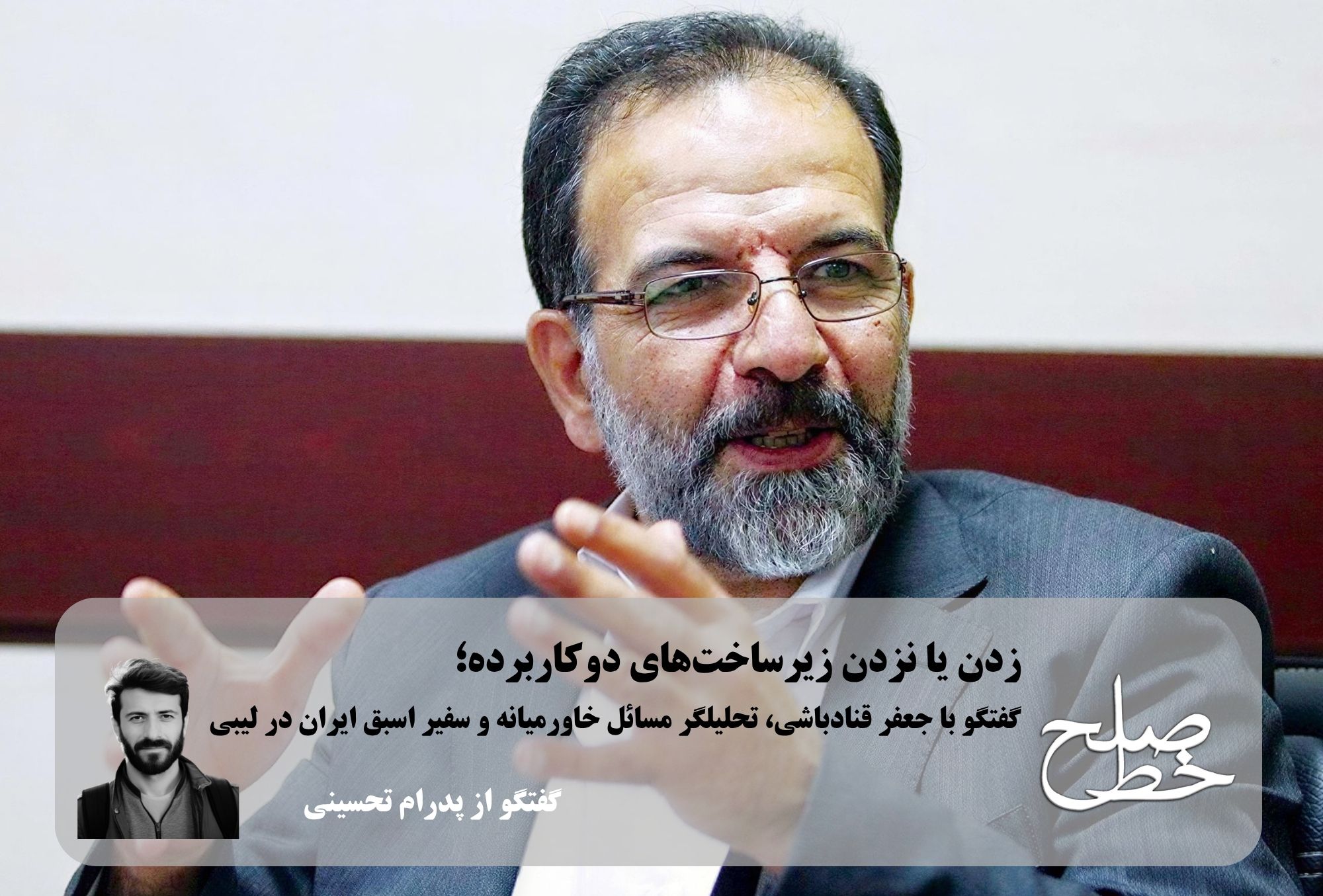
To Strike or Not to Strike Dual-Use Infrastructure: An Interview with Jafar Ghanadbashi, Former IRI’s Ambassador to Libya/ Pedram Tahsini
Dual-use infrastructure refers to a set of physical, networked, systemic, and technological assets that are originally designed and operated for civilian and peaceful purposes, such as transportation, energy, communications, or industrial production; but because of their strategic nature, broad coverage, high capacity, or embedded technical capabilities, they can also be used in conditions of crisis, […]...
Read More
Created By: Padram TahsiniJune 22, 2026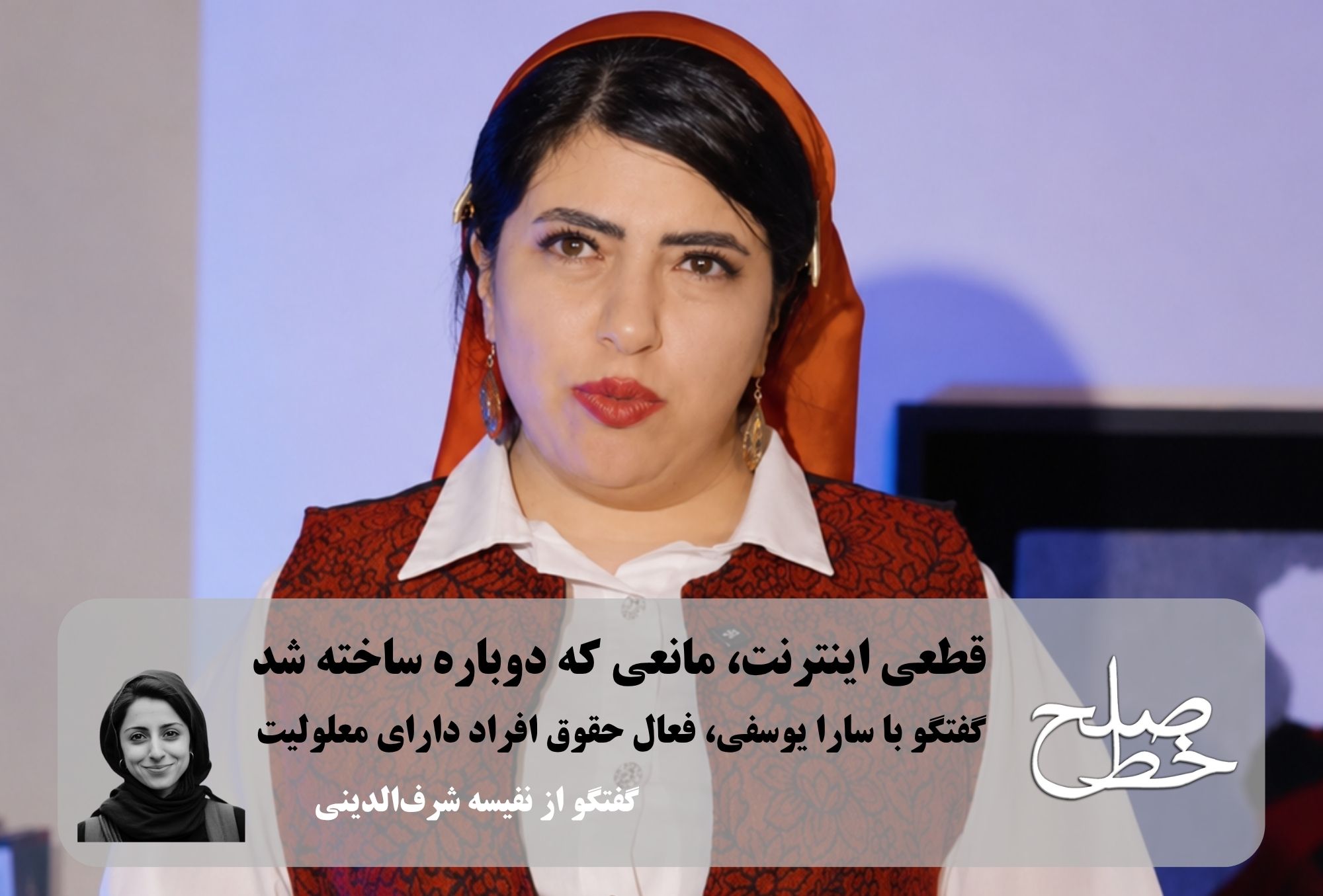
Interview with Sara Yousefi, Disability Rights Activist, on Internet Shutdowns During Wartime/ Nafiseh Sharafaldini
In recent years, digital technologies, the internet, and AI-based tools have played an important role in increasing independence and accessibility for persons with disabilities. For many of these individuals, screen readers, navigation apps, online services, social networks, and smart tools are not merely conveniences, but essential tools for work, education, communication, and even carrying out […]...
Read More
Created By: Nafiseh SharafaldiniJune 22, 2026
