


Latest Posts
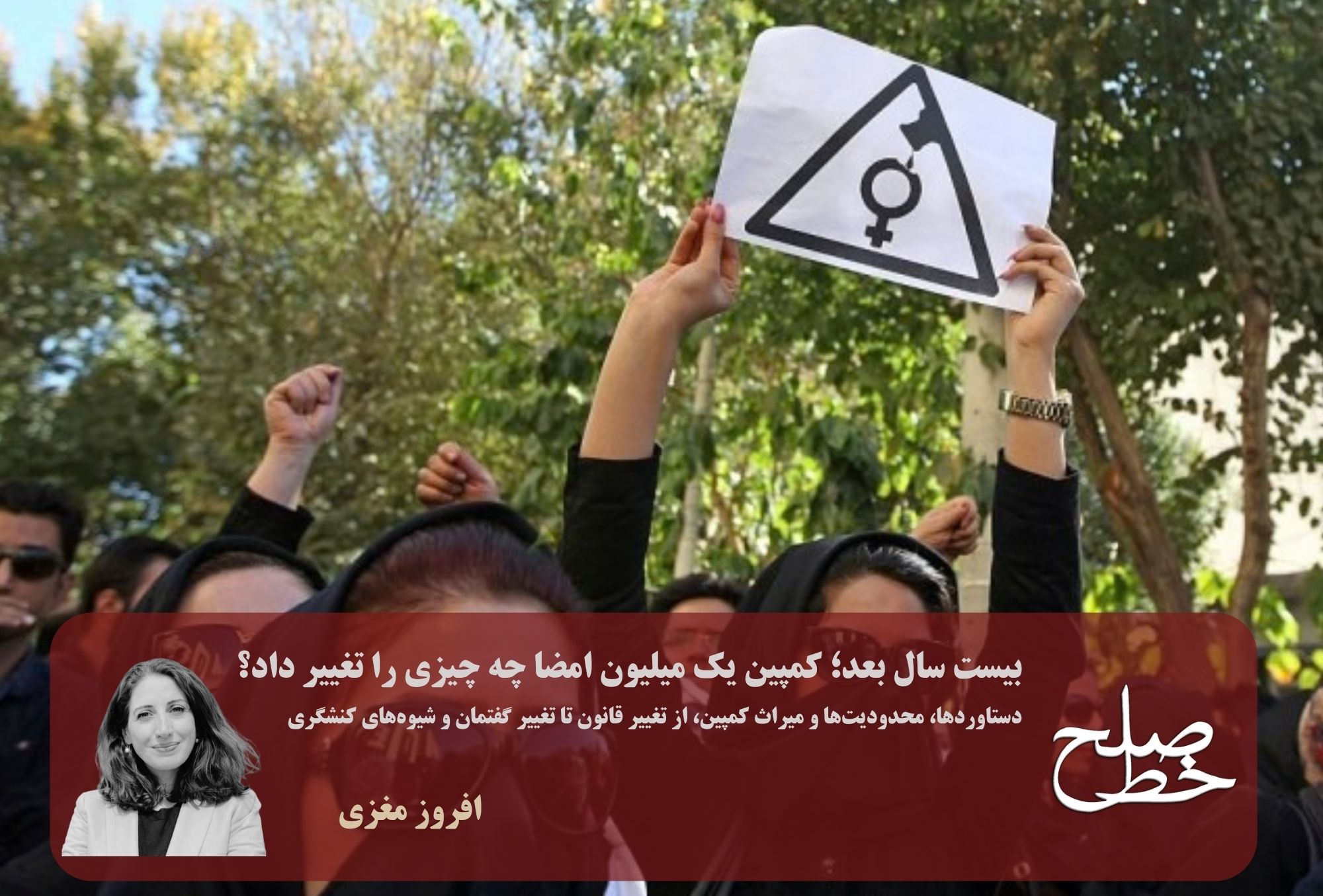
Twenty Years Later: What Did the One Million Signatures Campaign Change?/ Afrouz Maghzi
Question 1: Looking back from a distance of twenty years at August 27, 2006 (5 Shahrivar 1385), and the launch of the “One Million Signatures Campaign,” what is the greatest misconception in evaluating this movement, and where should its real achievement be sought? The greatest mistake is to measure the campaign’s success or failure solely […]...
Read More Created By:
Afrouz Maghzi
Created By:
Afrouz Maghzi September 23, 2026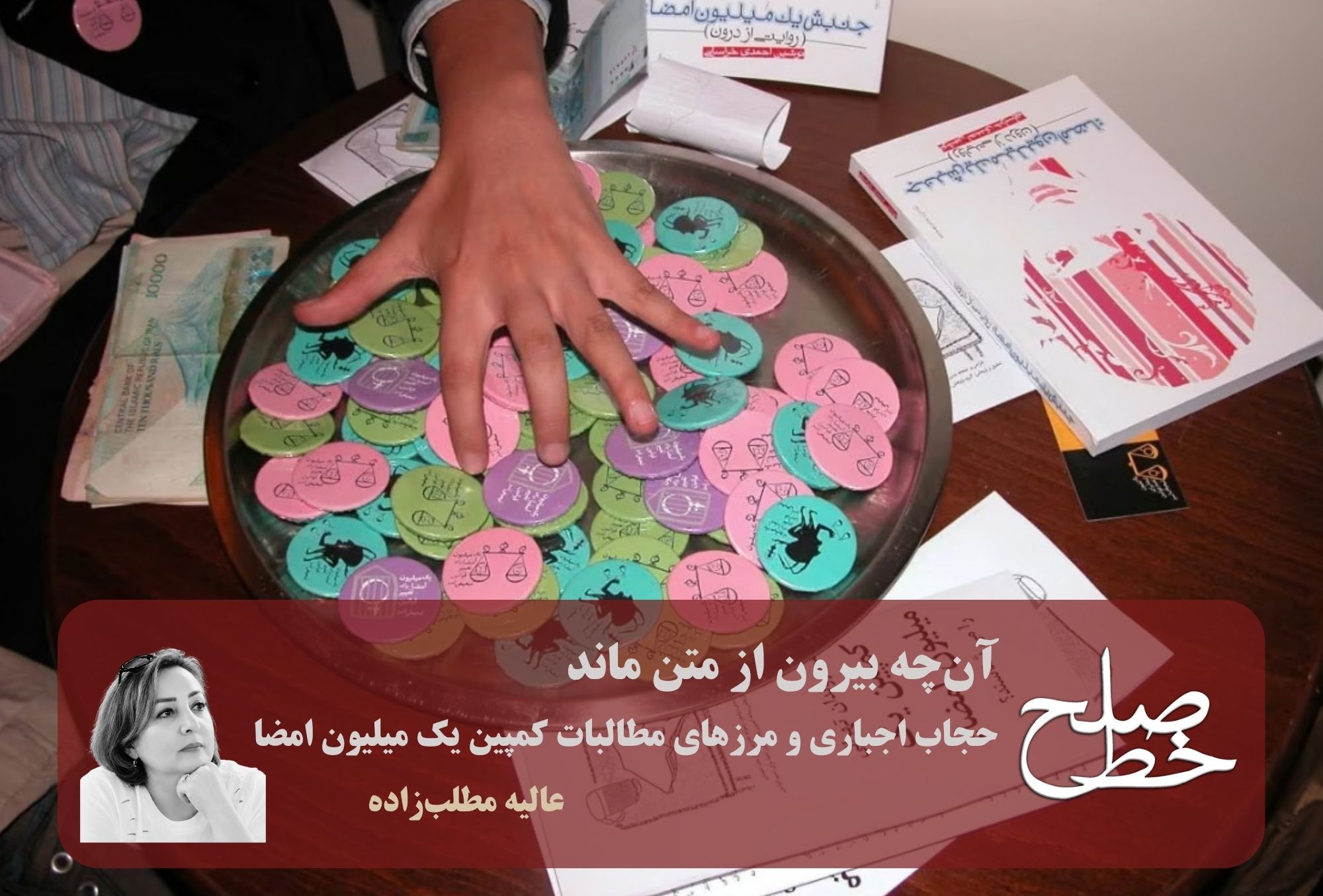
Compulsory Hijab and the Boundaries of the One Million Signatures Campaign’s Demands/ Aliyeh Motalebzadeh
I belong to a generation of women who have spent a large part of their lives in conflict with the Islamic Republic; not only in the streets, in prison, and in civil activism, but also in the media, in photographs and images, in those very places that the government, whenever it has deemed necessary, has […]...
Read MoreCreated By:
Aliyeh Motalebzadeh September 23, 2026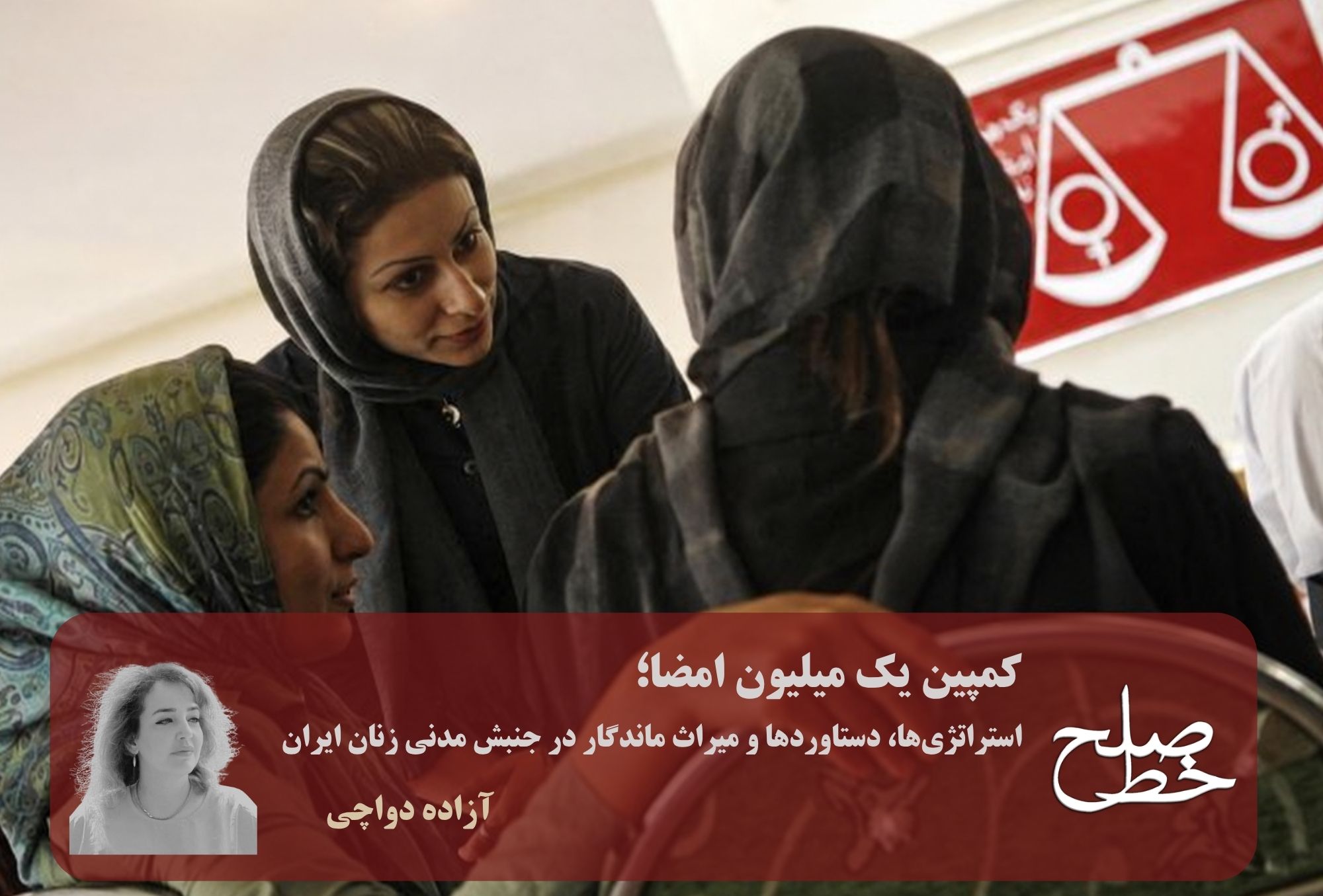
The One Million Signatures Campaign: Strategies, Achievements, and an Enduring Legacy in Iran’s Women’s Civil Movement/ Azadeh Davachi
The “One Million Signatures Campaign to Change Discriminatory Laws” (Change for Equality), launched in August 2006 (Mordad 1385) through the efforts of a group of women’s rights activists, is regarded as one of the most prominent, cohesive, and influential collective actions in Iran’s contemporary history. By adopting an issue-oriented approach and making use of social […]...
Read MoreCreated By:
Azadeh Davachi September 23, 2026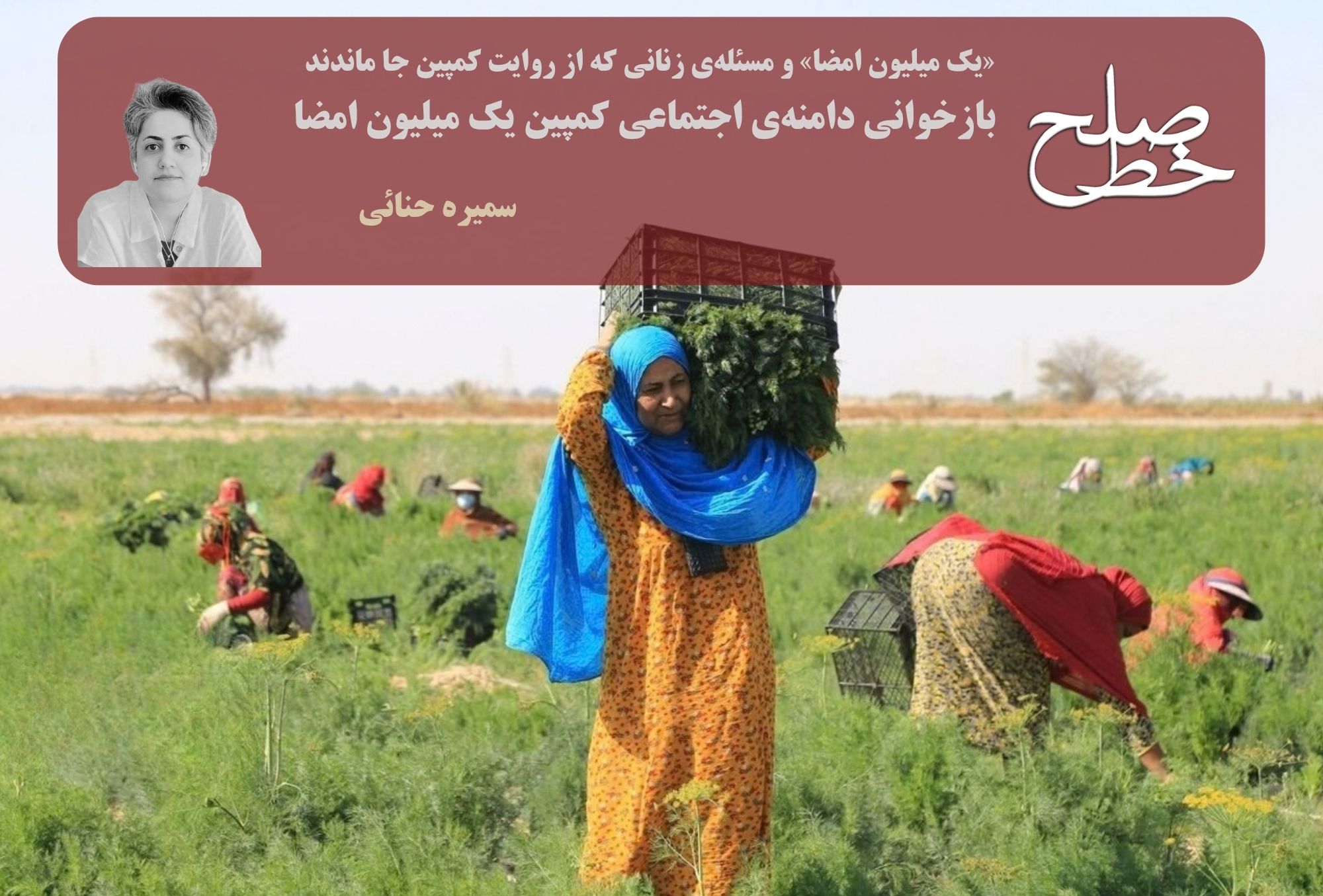
The One Million Signatures Campaign and the Women Left Out of Its Narrative/ Samireh Hanaei
When does a movement that claims to represent “all women” turn the experience of one particular group of women into the general experience of women as a whole? When we speak of the “Iranian women’s movement,” exactly which women are we talking about? Who defines these women? Who decides what constitutes a women’s issue? Is […]...
Read MoreCreated By:
Samireh Hanai September 23, 2026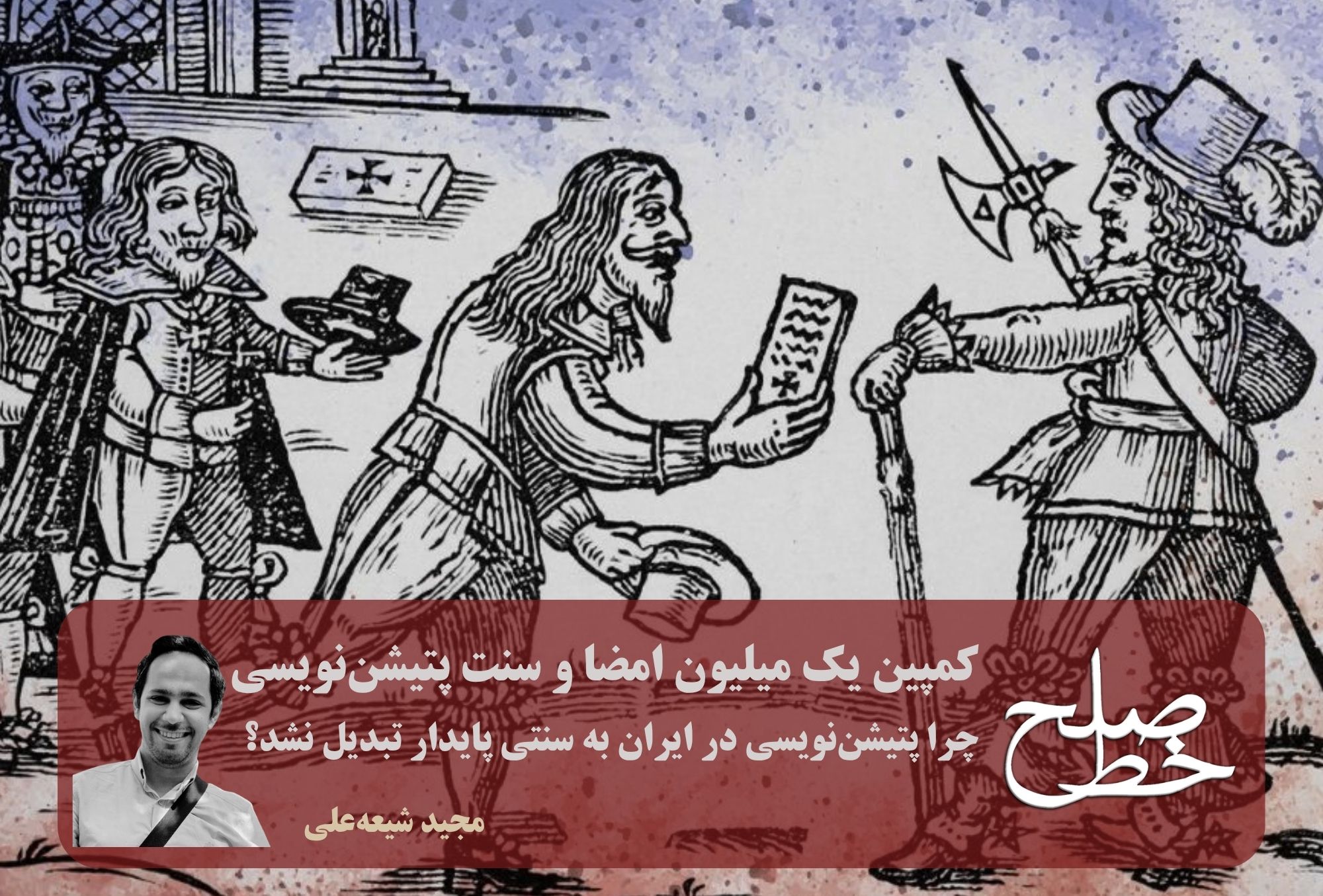
The One Million Signatures Campaign and the Tradition of Petitioning/ Majid Shia’Ali
Twenty years have passed since an experience that was never repeated either before or after it. It was a campaign made unique by the convergence of several characteristics: the formation of a formal feminist movement, political and religious moderation with an emphasis on legality and non-conflict with religious foundations, an emphasis on collective action and […]...
Read MoreCreated By:
Majid Shia’ali September 23, 2026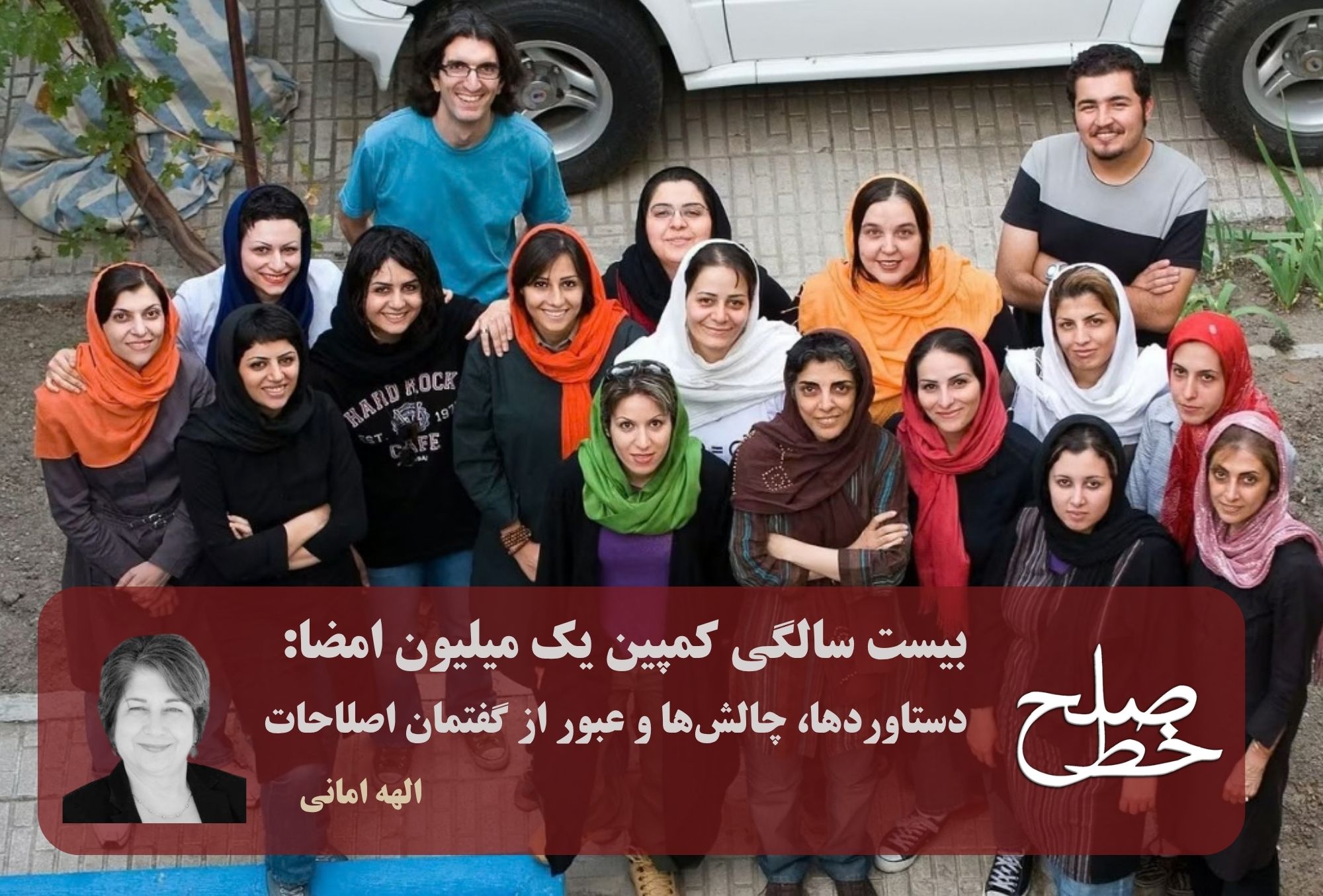
The Twentieth Anniversary of the One Million Signatures Campaign: Achievements, Challenges, and Moving Beyond the Reformist Discourse/ Elahe Amani
The One Million Signatures Campaign in Iran cannot be understood without considering the experience of the women’s movement in Morocco in the early 1990s. Iranian women activists drew inspiration from the Moroccan experience, particularly its use of large-scale signature collection as a tool for social mobilization, raising public awareness, and creating pressure to reform discriminatory […]...
Read MoreCreated By:
Elahe Amani September 23, 2026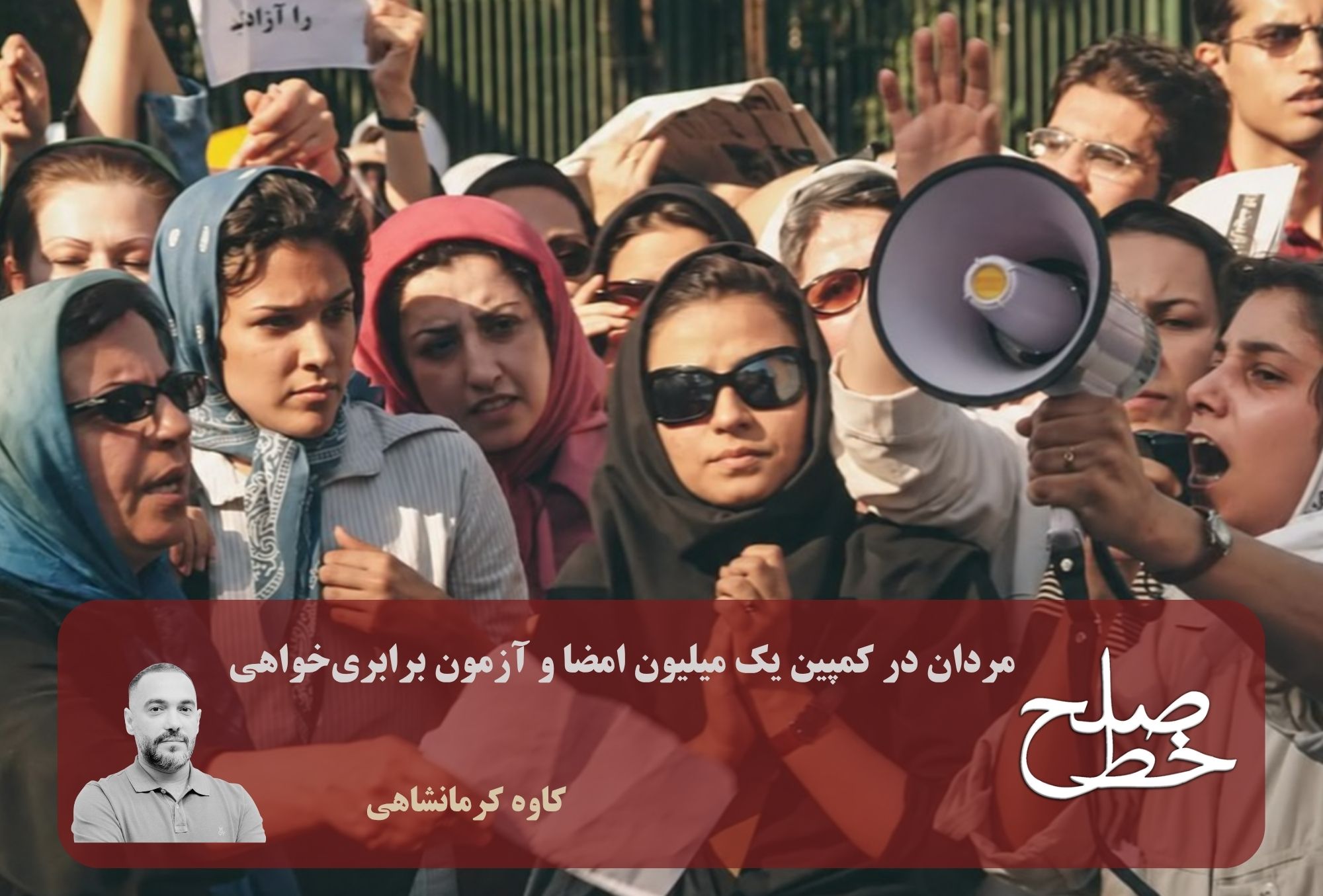
Men in the One Million Signatures Campaign and the Test of Commitment to Equality/ Kaveh Kermanshahi
Twenty years have passed since the launch of the “One Million Signatures Campaign to Change Discriminatory Laws.” The movement was initiated by activists in the women’s movement and, for many young people, became their first experience of social activism and their first close encounter with the struggle for gender equality. Among these young people were […]...
Read MoreCreated By:
Kaveh Kermanshahi September 23, 2026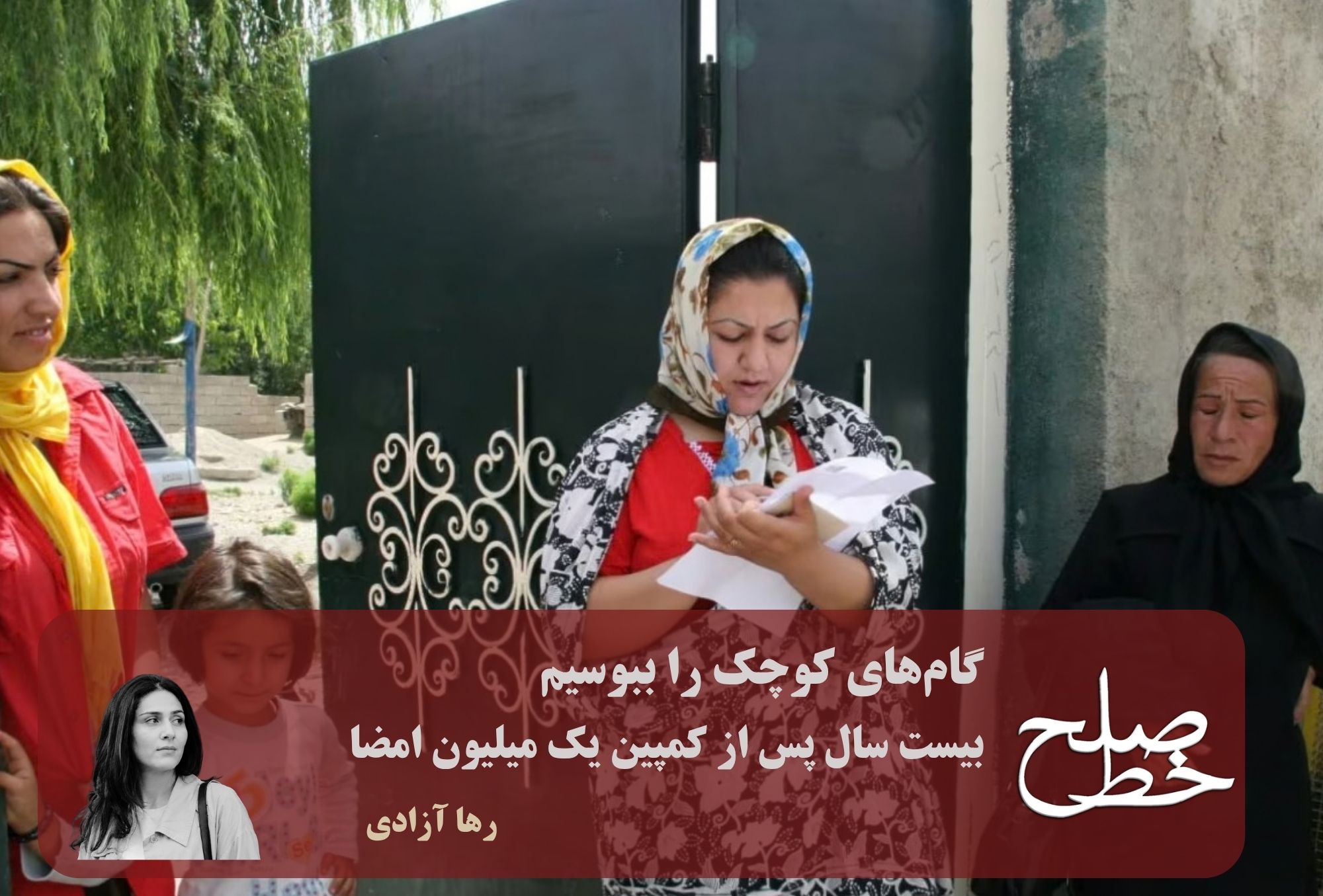
Let’s embrace the small steps/ Raha Azadi
Those who are around my age remember the One Million Signatures Campaign. Just when civil society felt that it had been pushed several steps backward by Mahmoud Ahmadinejad’s presidency, efforts—perhaps struggles—were underway to take steps forward, however small. This was one of them. Its memories now go back twenty years; its website is no longer […]...
Read MoreCreated By:
Raha Azadi September 23, 2026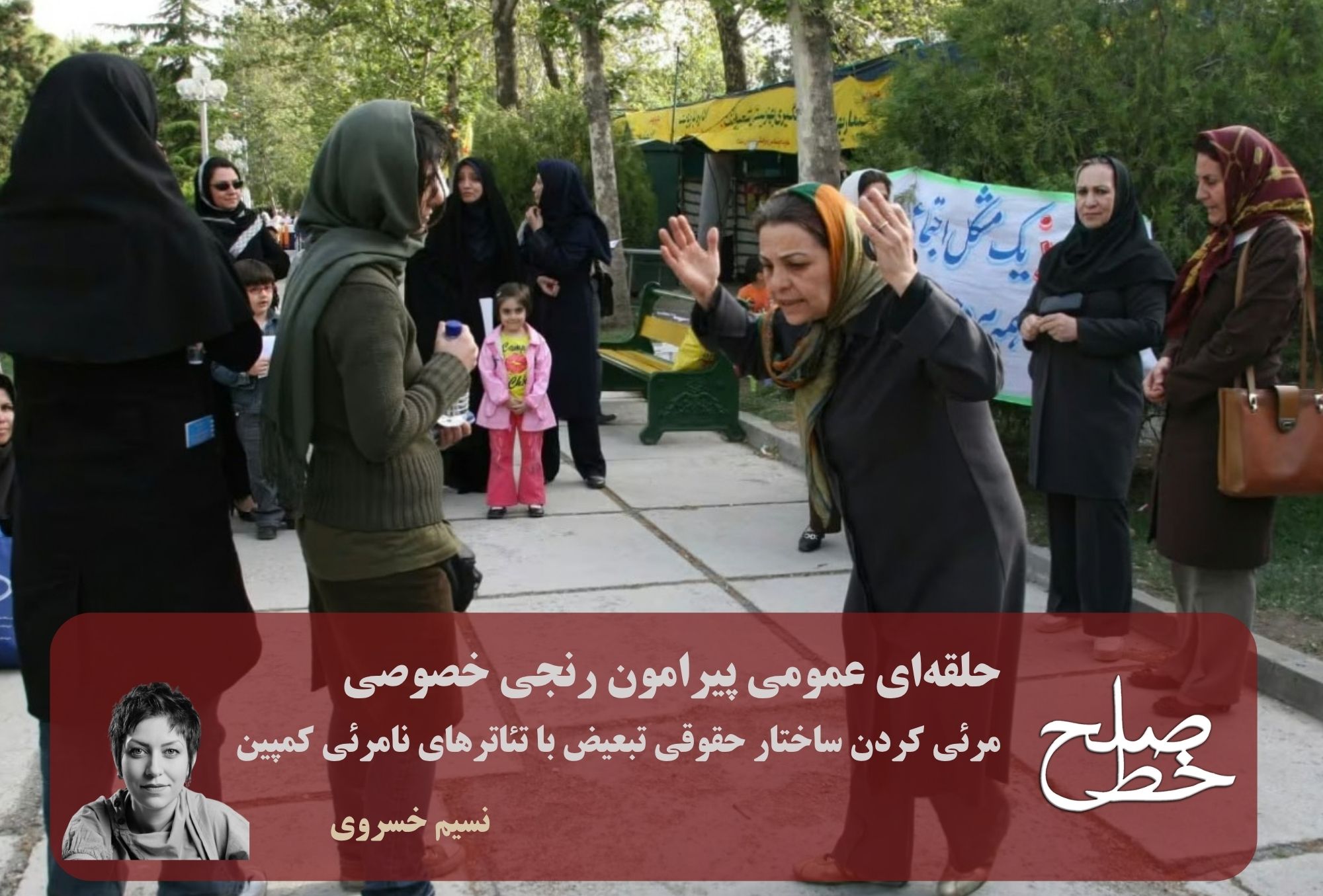
A Public Circle Around a Private Suffering/ Nasim Khosravi
It is a hot afternoon in June 2008 (Khordad 1387), at the entrance of a hospital in central Tehran. A distressed woman asks passersby for help contacting her child’s paternal uncle. The child must undergo surgery as soon as possible, and her signature on the consent form is not acceptable. The father, who separated from […]...
Read MoreCreated By:
Nasim Khosravi September 23, 2026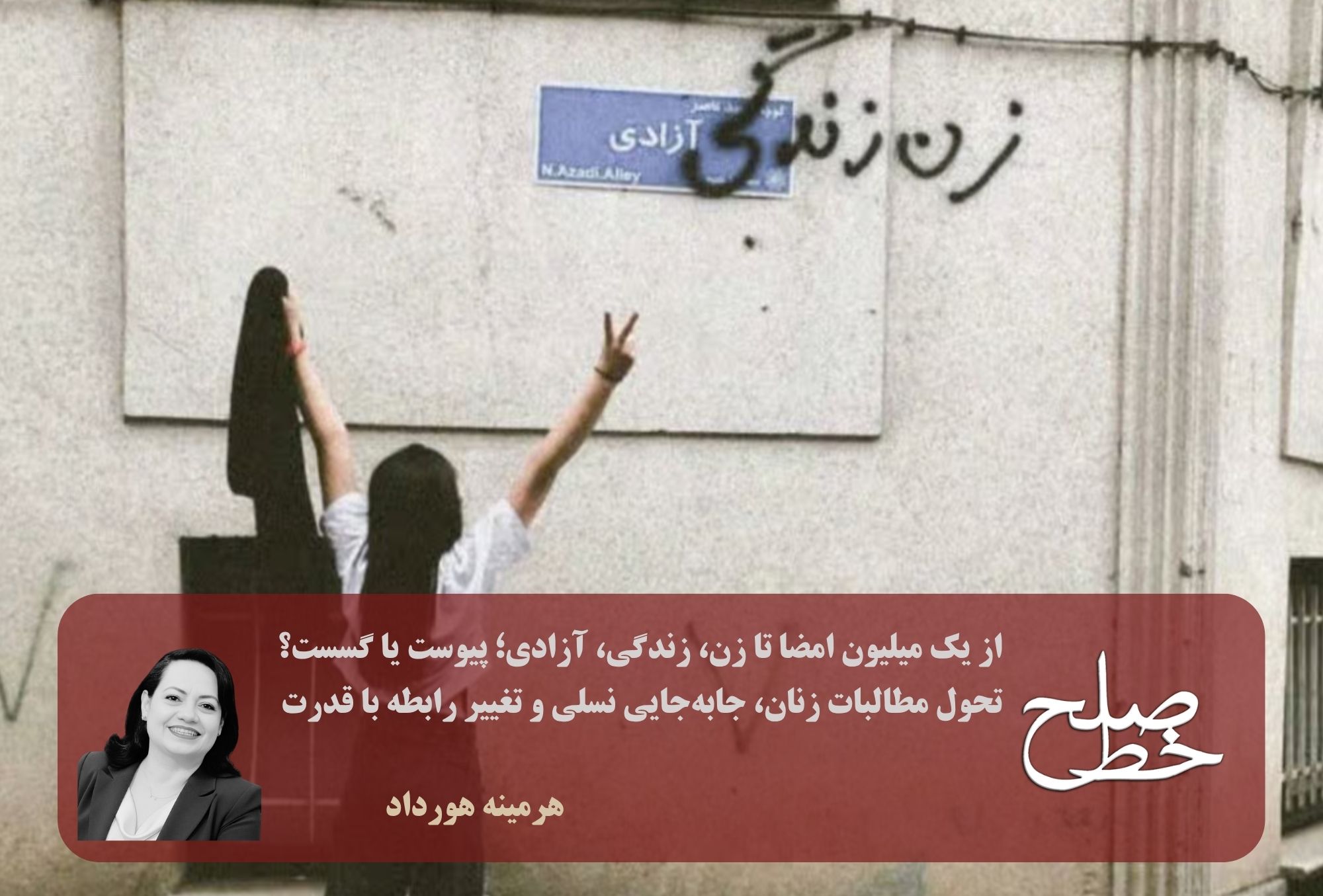
From One Million Signatures to Woman, Life, Freedom: Continuity or Rupture?/ Hermineh Hourdad
When we speak today of the “Woman, Life, Freedom” movement, there is a strong temptation to begin everything in September 2022 (Shahrivar 1401), as though the death of Mahsa (Jina) Amini suddenly gave birth to the questions of women, freedom, and the body in Iranian society. But the memory of the women’s movement tells a […]...
Read MoreCreated By:
Hermineh Hourdad September 23, 2026
