


Latest Posts
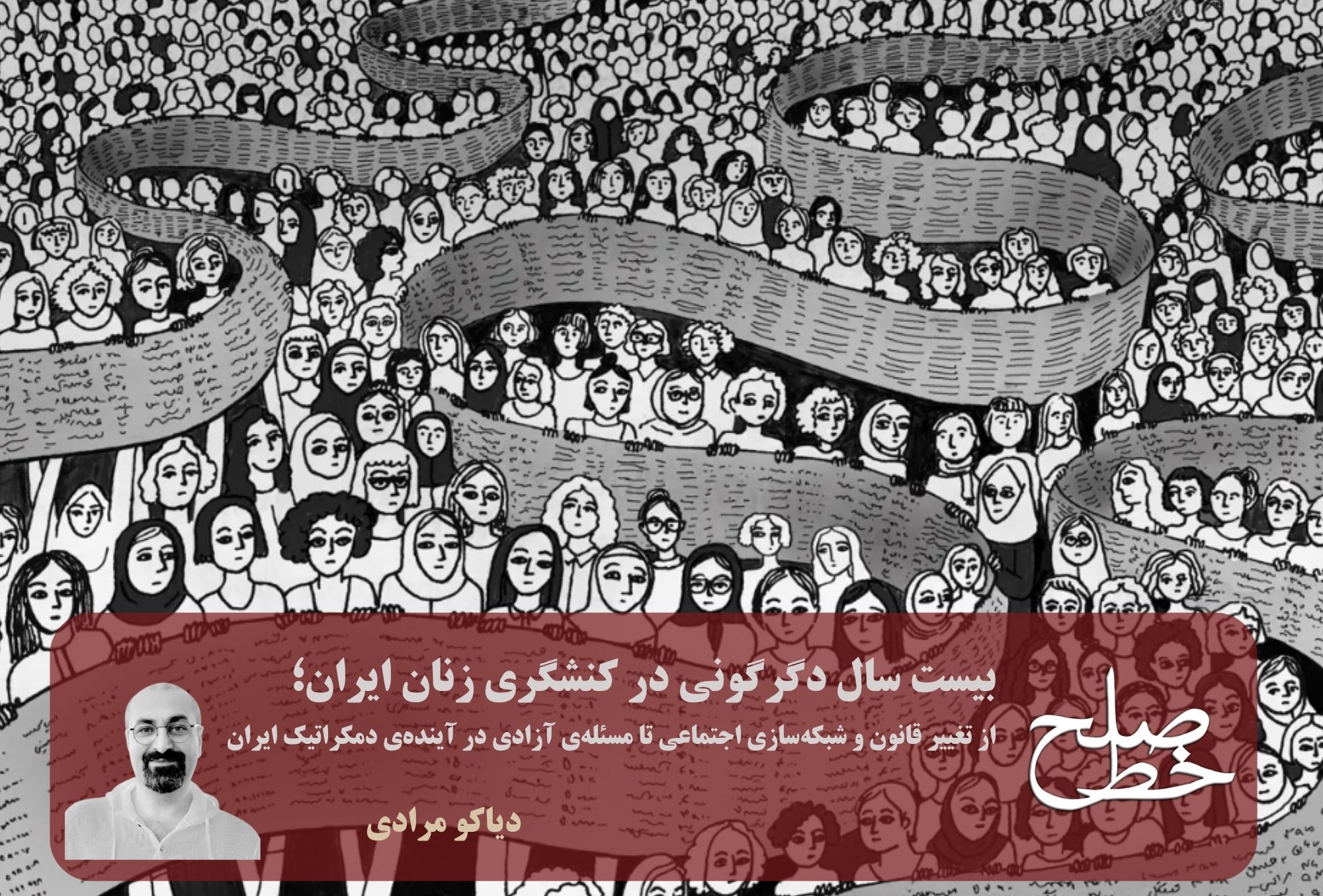
Twenty Years of Transformation in Iranian Women’s Activism/ Diako Moradi
Twenty years after the launch of the “One Million Signatures Campaign to Change Discriminatory Laws,” revisiting this experience becomes meaningful when we assess it not only by the number of signatures that were supposed to be collected or the laws that were supposed to be changed, but by the impact it had on forms of […]...
Read More Created By:
Diako Moradi
Created By:
Diako Moradi September 23, 2026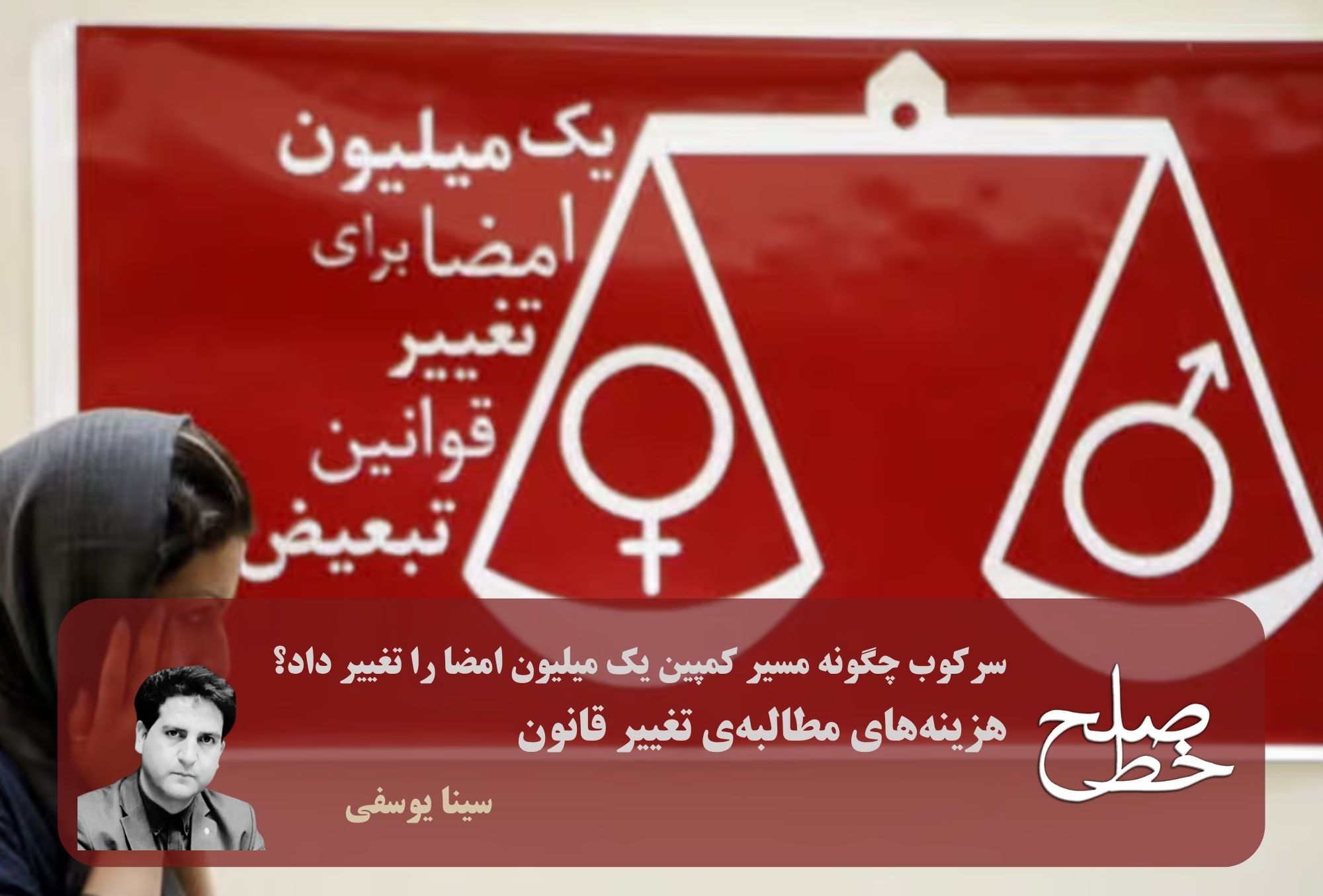
How Did Repression Change the Course of the One Million Signatures Campaign?/ Sina Yousefi
The twentieth anniversary of the One Million Signatures Campaign provides an opportunity to revisit one of the most important experiences of Iran’s women’s movement. It was an experience that, in the mid-2000s, sought to move the demand for legal equality from the realm of specialized discussions and limited circles of activists into the sphere of […]...
Read MoreCreated By:
Sina Yousefi September 23, 2026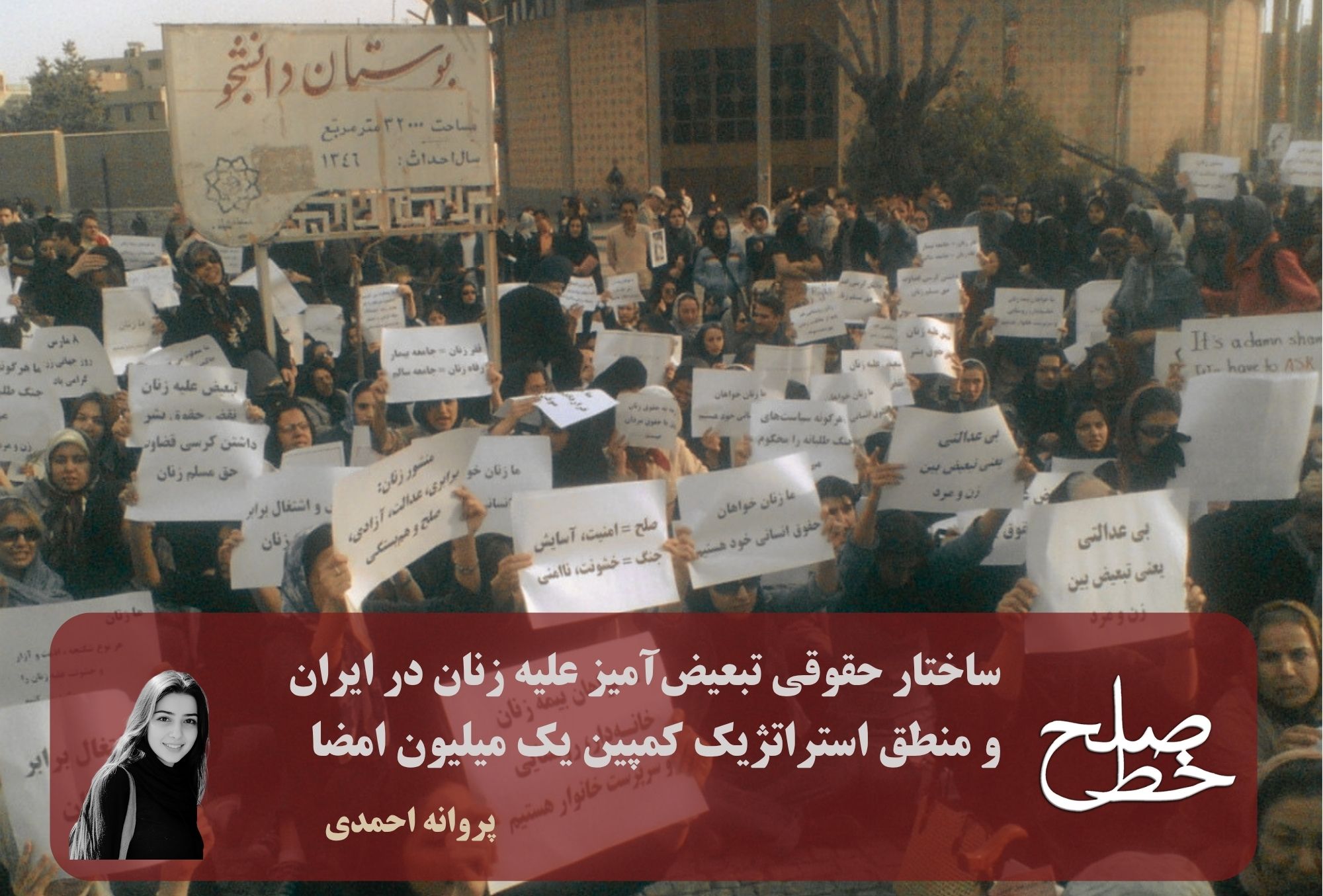
The Discriminatory Legal Structure Against Women in Iran and the Strategic Logic of the One Million Signatures Campaign/ Parvaneh Ahmadi
The legal, social, and political status of women in contemporary Iranian history, particularly in the decades following the establishment of the Islamic Republic in 1979 (1357), has always been marked by profound contradictions and complexities. On the one hand, as time has passed, Iranian society has witnessed the dynamism and extensive presence of women in […]...
Read MoreCreated By:
Parvaneh Ahmadi September 23, 2026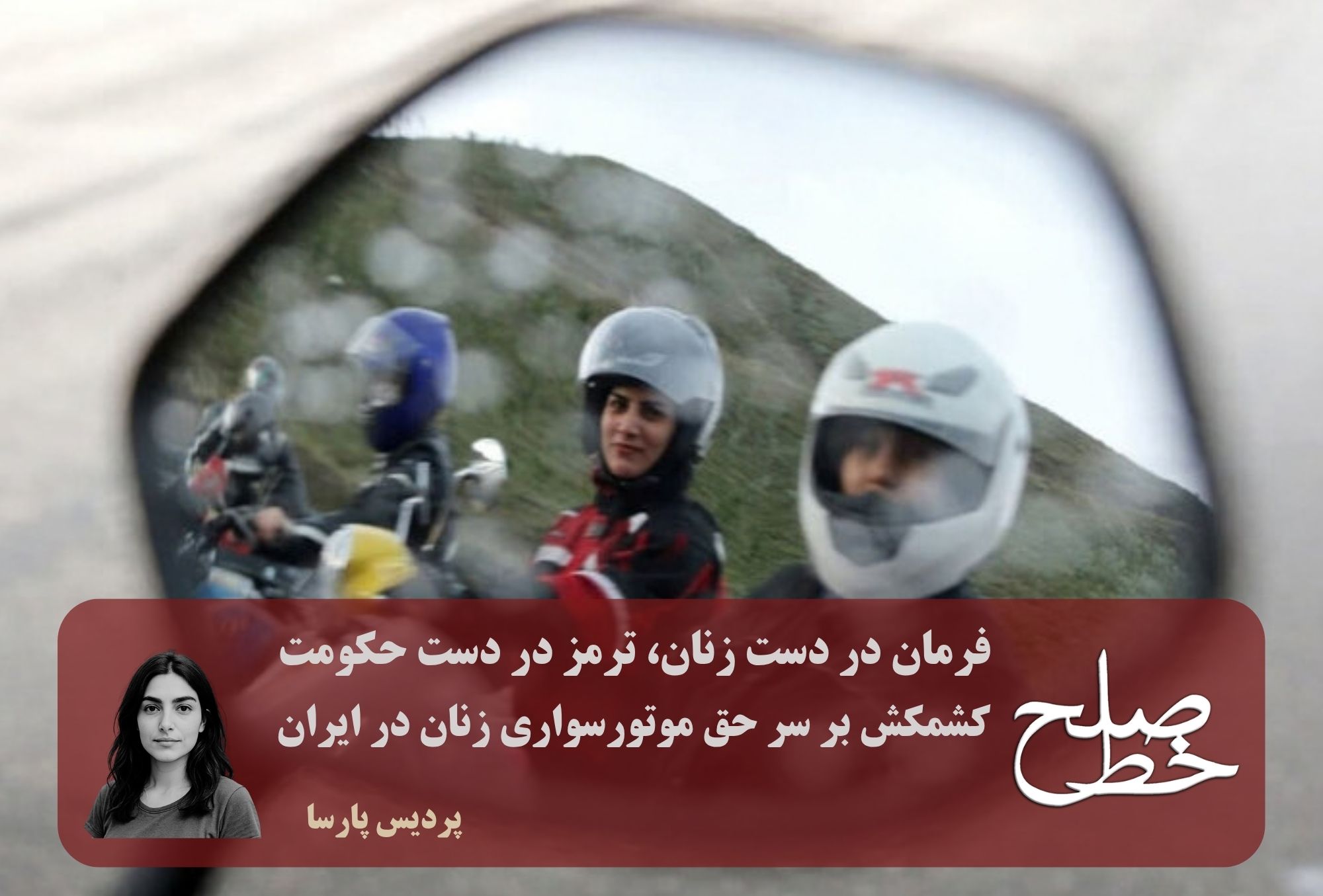
Women at the Helm, the Government on the Brakes/ Pardis Parsa
Today in Iran, motorcycles and electric scooters have evolved from recreational vehicles or means of transportation associated with particular social classes into essential tools for earning a livelihood and for fast, inexpensive transportation. Nevertheless, the absence of a single, transparent procedure for issuing licenses to half of the country’s population has pushed women motorcyclists into […]...
Read MoreCreated By:
Pardis Parsa September 23, 2026
Derrida and the Question of the Death Penalty: Sovereignty, Exception, Violence, and Political Death/ Mustafa Ahmadian
Introduction: When the Law Arrives at Death Discussions of the death penalty usually begin from a point that the law has already determined: what constitutes a crime, what constitutes punishment, and in which cases the most severe punishment—the deprivation of life—may be applied. For this reason, a large part of the legal literature on the […]...
Read MoreCreated By:
Mustafa Ahmadian September 23, 2026
The Erosion of the Middle Class: A Test for Civil Society/ Mina Javani
The middle class is usually defined in terms of income level, consumption patterns, or educational attainment, as though the issue were merely one of drawing an economic boundary separating one segment of society from the lower and upper classes. Yet the historical and political significance of this class cannot be reduced to its economic position. […]...
Read MoreCreated By:
Mina Javani September 23, 2026
The Step-by-Step Conquest of the Right to Choose One’s Lifestyle/ Majid Shia’ali
From the very first days of the 1979 Revolution, when groups among the revolutionaries sought to restrict citizens’ lifestyles to one particular preference, resistance to this tendency also emerged. This resistance ranged broadly, from figures among the revolution’s leaders such as Ayatollah Taleghani to the large women’s gathering on March 8. The forms of resistance […]...
Read MoreCreated By:
Majid Shia’ali August 23, 2026
What Is the State Afraid Of? Sealing as a Technique of Governing Space/ Mina Javani
Political power is not exercised only through laws and formal institutions; it also manifests itself in the way spaces are organized, movement is regulated, and the limits of social presence are defined. One way to observe the logic of power in action is to examine moments when a place becomes the subject of intervention not […]...
Read MoreCreated By:
Mina Javani August 23, 2026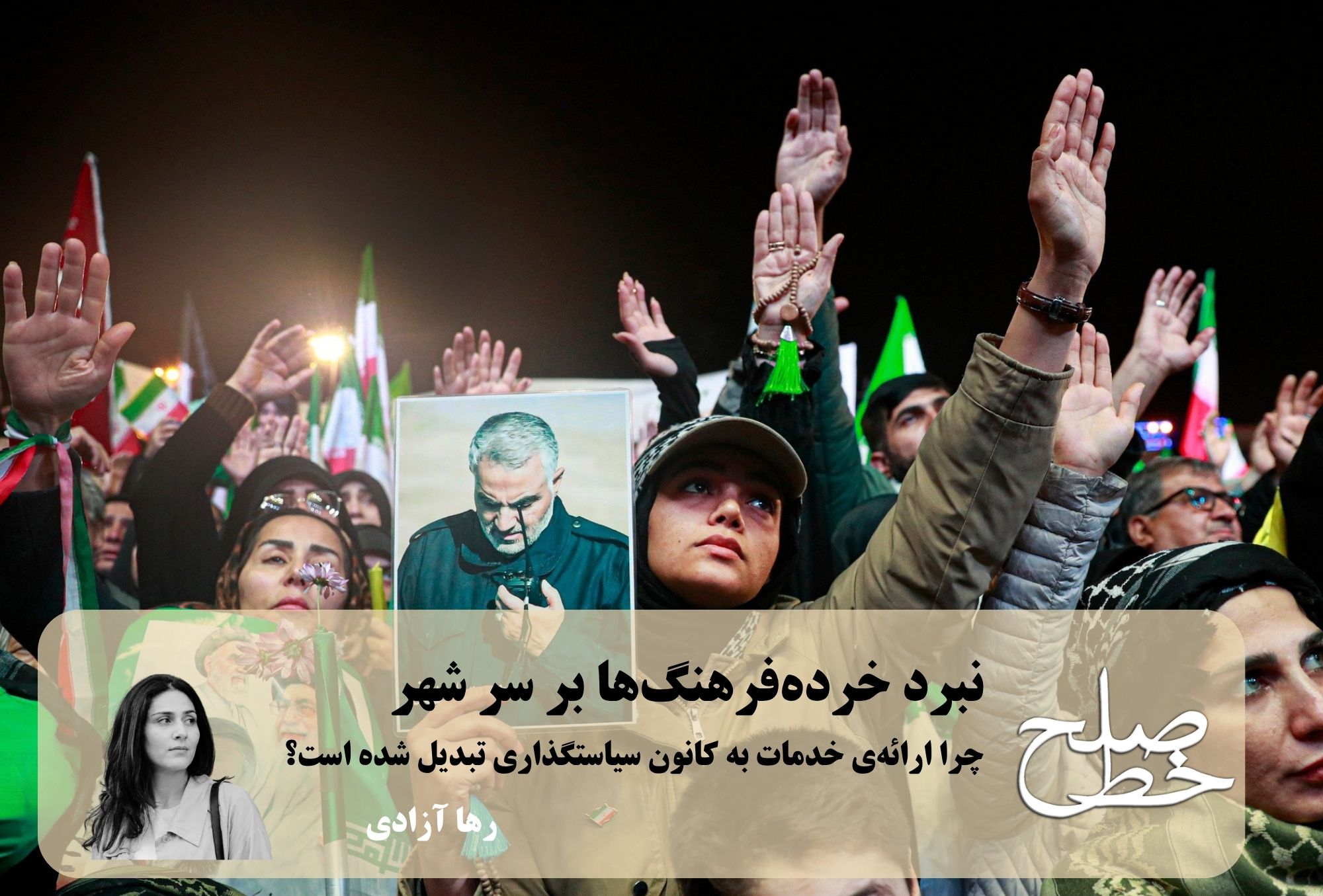
The Battle of Subcultures over the City/Raha Azadi
After the ceasefire in Iran, public policymaking, especially regarding public spaces and service occupations, underwent extensive changes. After 1401, with some twists and turns, the policy that Ali Motahari referred to as the “Sa’ah Sadr Nizam” was put on the agenda, and the previous strictures were somewhat relaxed. In these two or three years, it […]...
Read MoreCreated By:
Raha Azadi August 23, 2026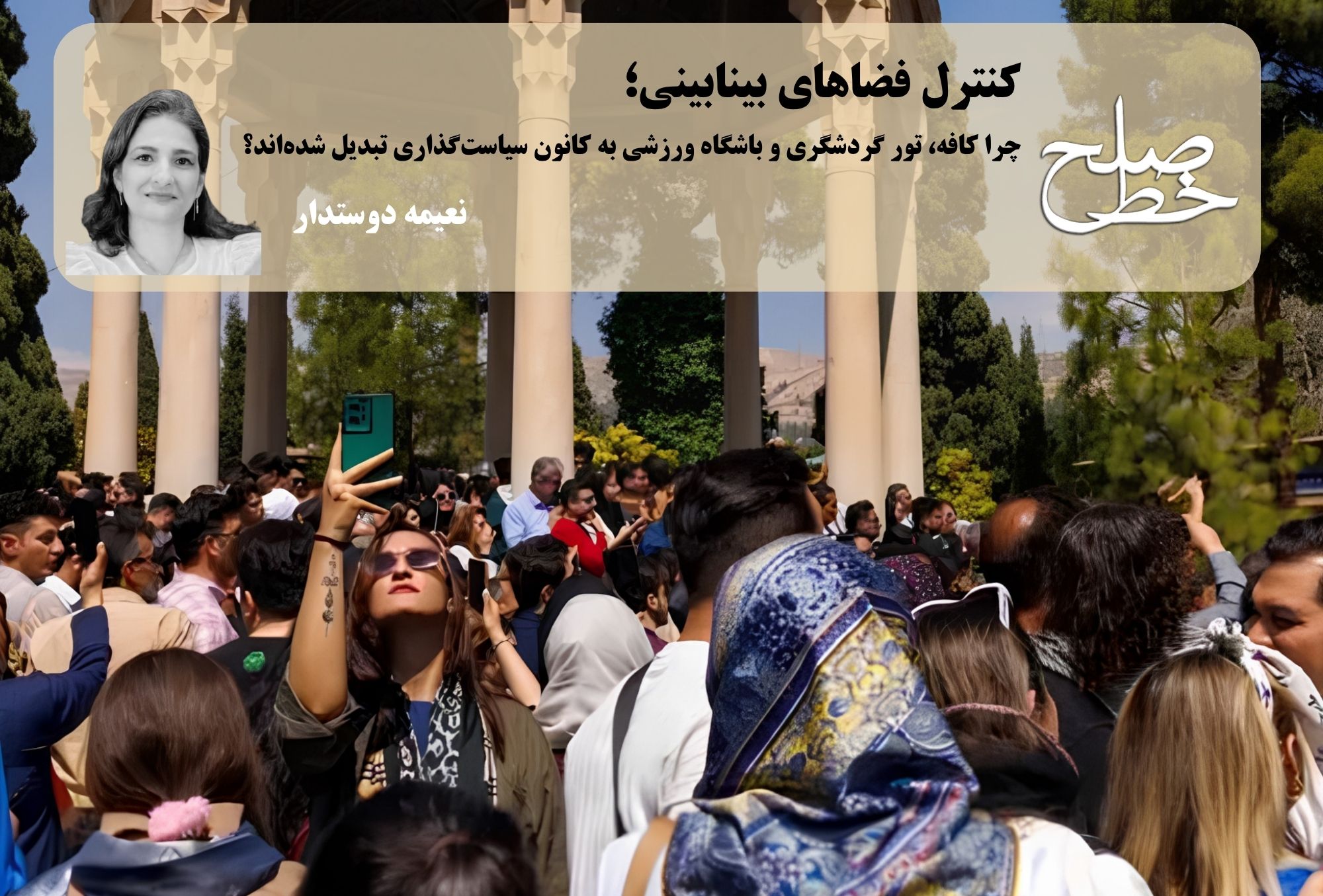
Why Have Cafés, Tourism Tours, and Sports Clubs Become Focal Points of Policymaking?/ Naeimeh Doustdar
Between July 11 and August 1, 2026 (20 Tir to 10 Mordad 1405), at least 72 well-known pages and accounts on Iranian social media were blocked or seized, the administrators of at least 21 pages were forced to publish pledges, and at least 23 business establishments in different cities were sealed. The scope of the […]...
Read More Created By:
Naeimeh Doustar August 23, 2026
Created By:
Naeimeh Doustar August 23, 2026
