


Latest Posts
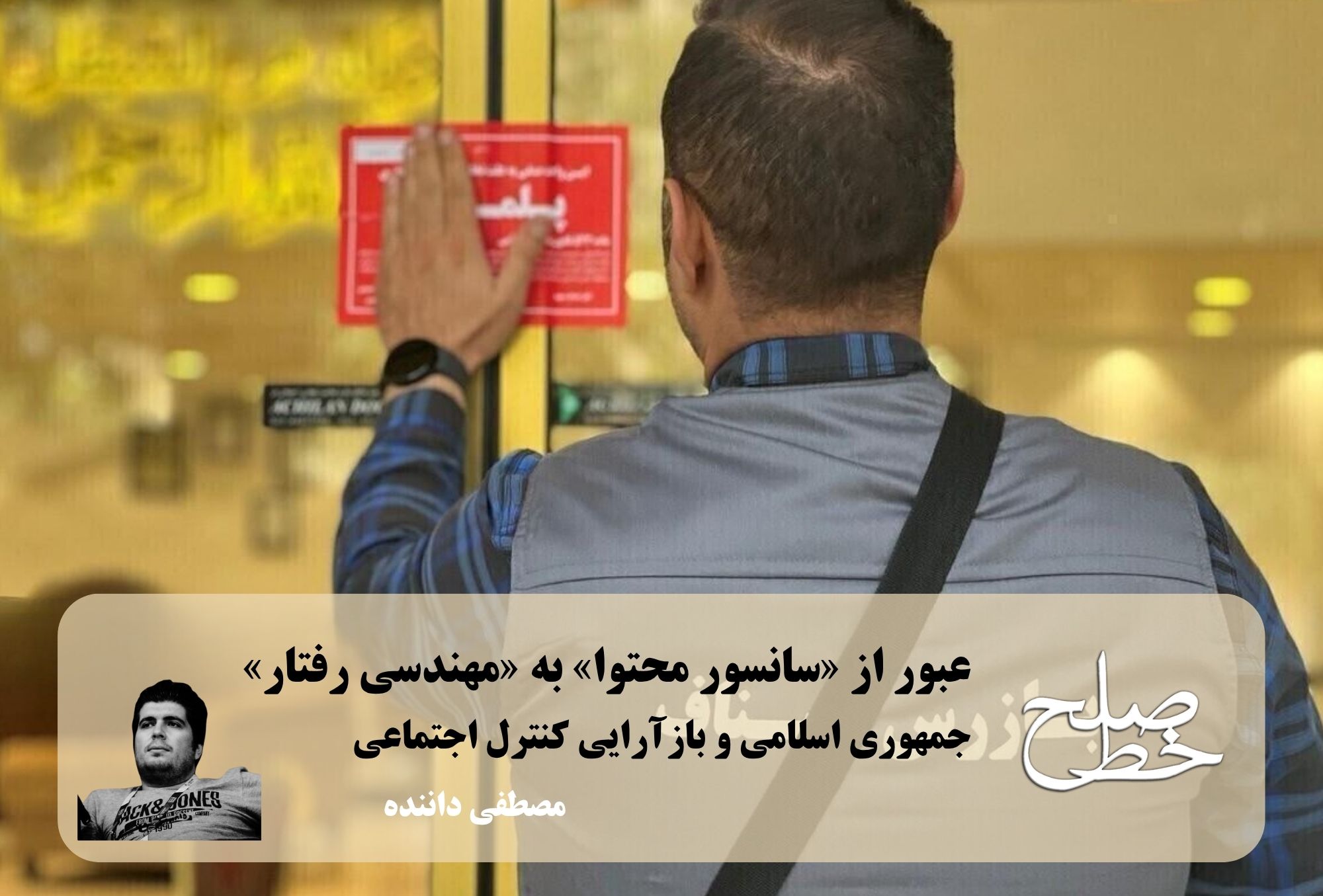
From “Content Censorship” to “Behavioral Engineering”/ Mustafa Danandeh
The issue is not merely the closure of an Instagram page. It is not merely the sealing of a café or the summoning of a blogger. The issue is not even only hijab, music, tourism tours, or the content of an online page. What has been seen in Iran in recent weeks, when viewed together, […]...
Read More Created By:
Mustafa Danandeh
Created By:
Mustafa Danandeh August 23, 2026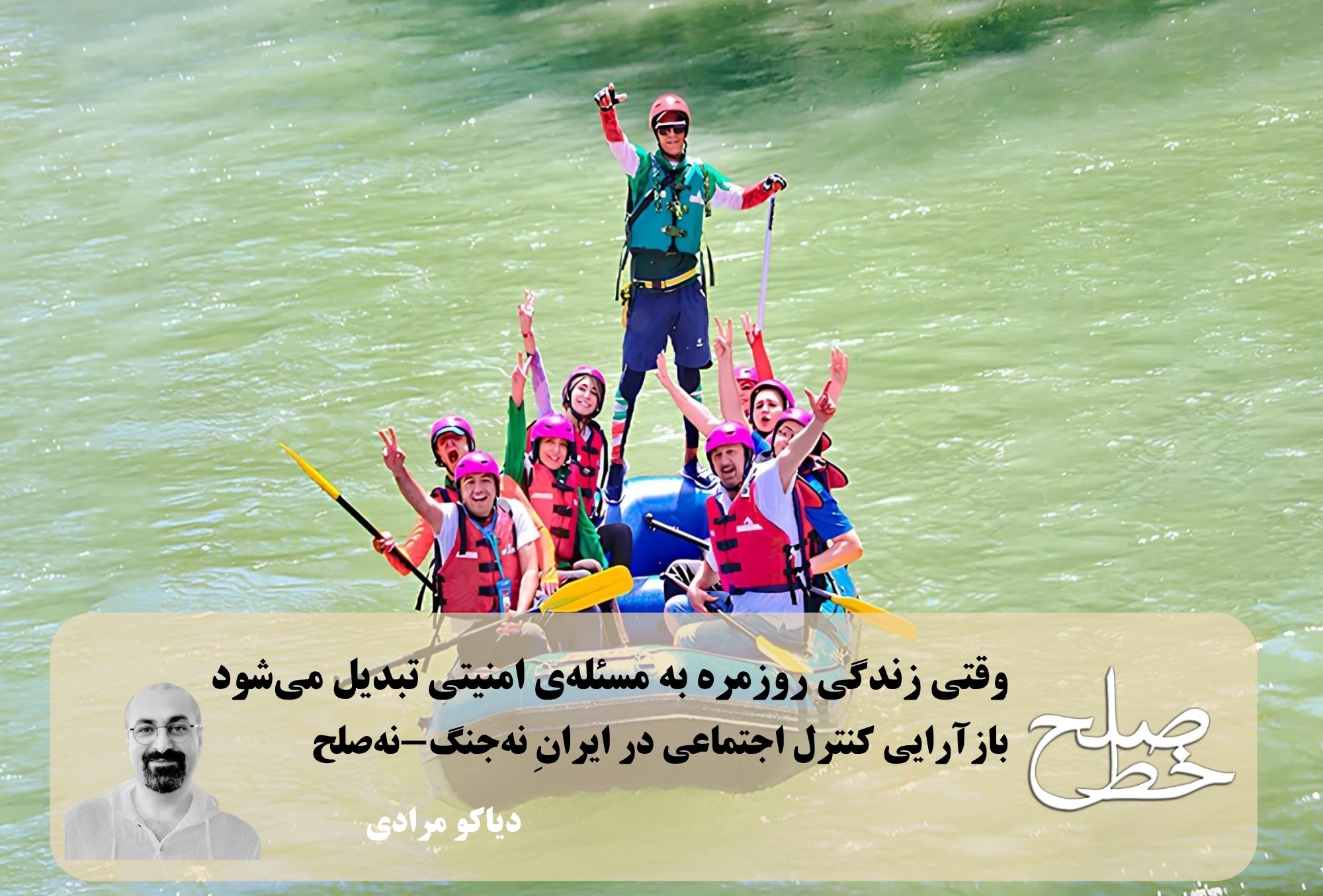
When Everyday Life Becomes a Security Issue/ Diako Moradi
In recent months, as the discourse of war has relatively subsided, significant signs have emerged of intensified government intervention in areas that, at first glance, are not directly political: the sealing of cafés and café-bookstores, measures against tour operators, the blocking of Instagram pages, the summoning of bloggers, removal of content, compulsory pledges, and pressure […]...
Read MoreCreated By:
Diako Moradi August 23, 2026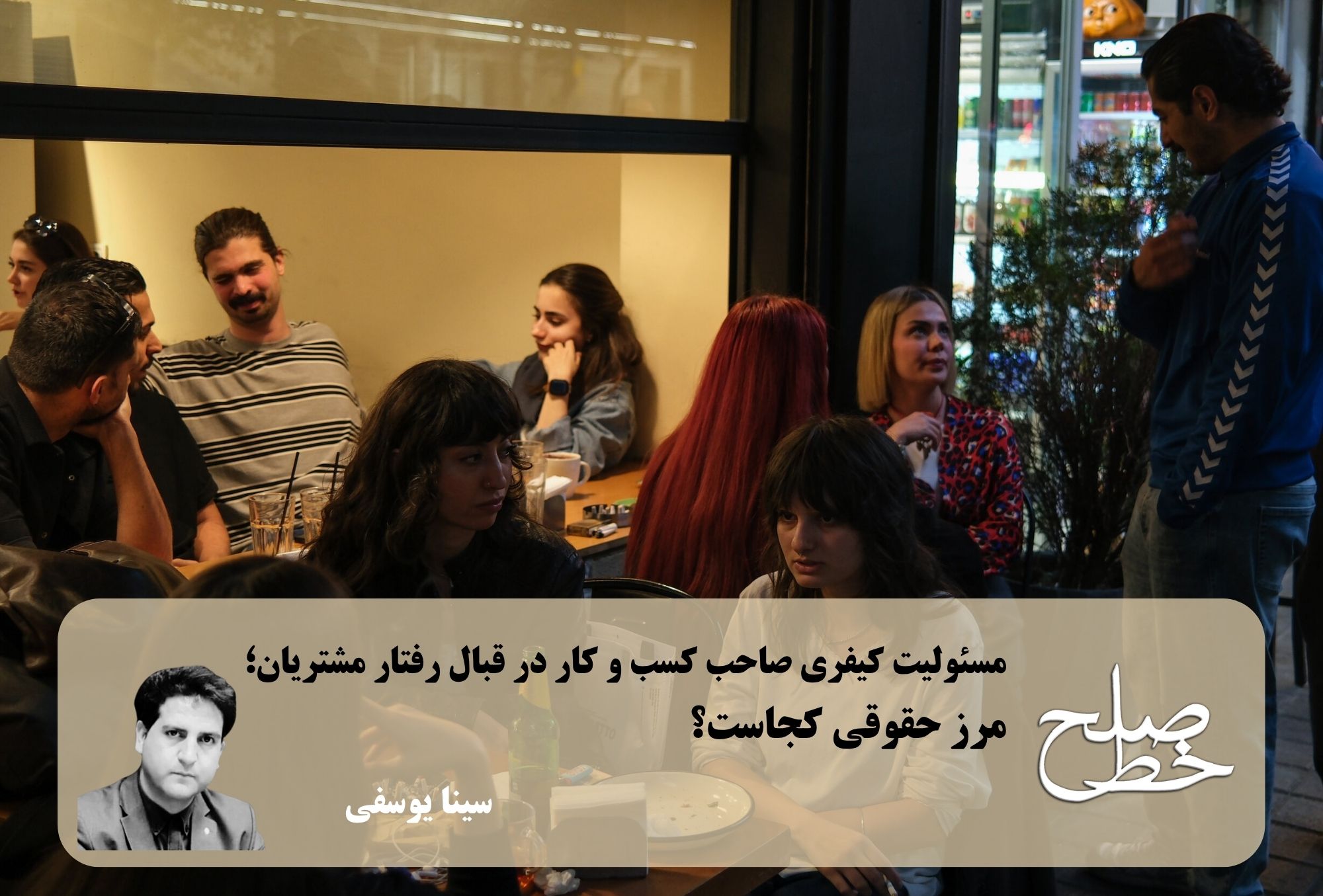
Criminal Liability of Business Owners for Customers’ Conduct: Where Is the Legal Boundary?/ Sina Yousefi
In recent years, one of the significant changes in the way social control policies are enforced in Iran has been the expansion of business owners’ responsibility for the conduct of individuals who are neither their employees nor necessarily under their legal authority or supervision. The owner of a restaurant, café, gym, or tourism center, or […]...
Read MoreCreated By:
Sina Yousefi August 23, 2026
Norm-Breaking: An Ambiguous Label, Broad Criminal Discretion/ Eldar Khiavi
Introduction: Two Complementary Movements in the Language of Power In the official discourse of the Islamic Republic, “norm-breaking” appears to be a simple term used to describe deviation from accepted social rules. But this sociological appearance conceals its political and criminal function. In part of the political discourse of recent years, the central instance of […]...
Read MoreCreated By:
Eldar Khiavi August 23, 2026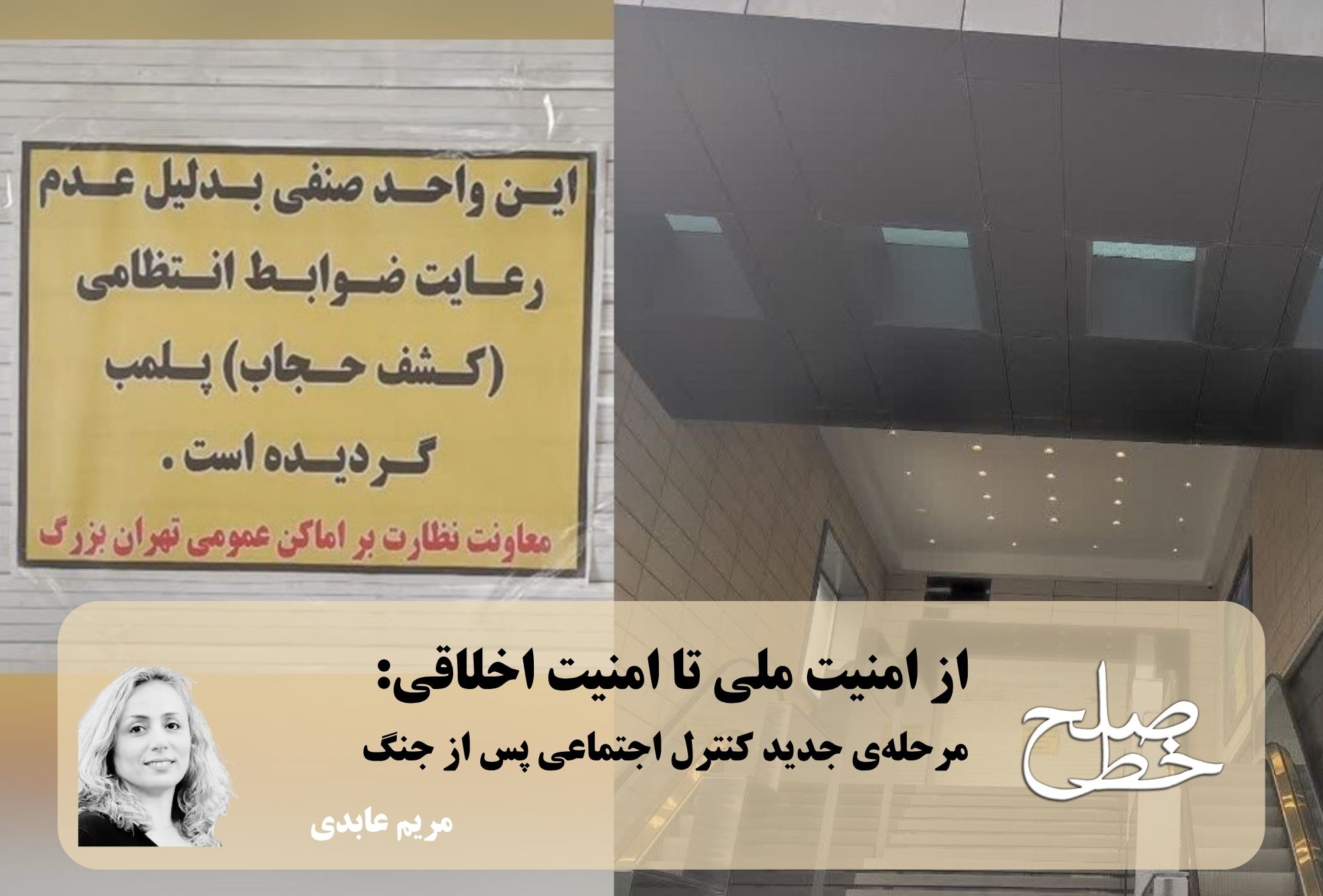
From National Security to Moral Security: The New Stage of Post-War Social Control / Maryam Abedi
In recent months, as the war has subsided, what has been seen on the streets, Instagram, and cyberspace is the return of the focus of governance from Iranian soil to the city; from the sealing of cafes and book cafes in Sana’i and Iranshahr to the crackdown on tourist tours and the blocking of bloggers’ […]...
Read MoreCreated By:
Maryam Abedi August 23, 2026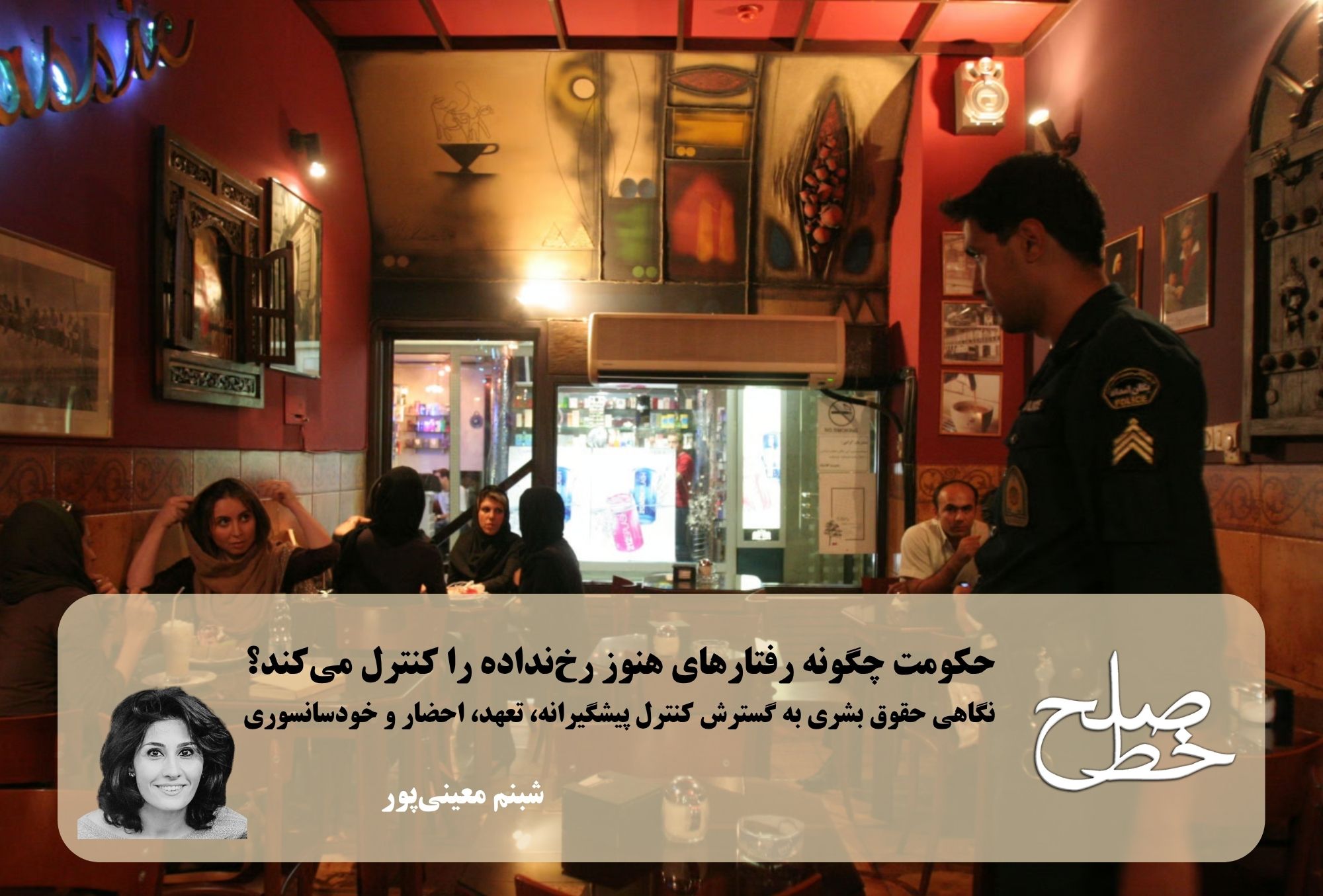
From Punishment to Prevention: How the Islamic Republic of Iran Controls Conduct Before It Happens/ Shabnam Moinipour
A Human Rights Perspective on the Expanding Use of Preventive Control, Written Undertakings, Summonses, and Self-Censorship When examining state action against citizens, attention usually focuses on the final stages of the process: arrest, prosecution, sentencing, or the closure of a business. Yet much of what is happening in Iran today takes place before matters reach […]...
Read MoreCreated By:
Shabnam Moinipour August 23, 2026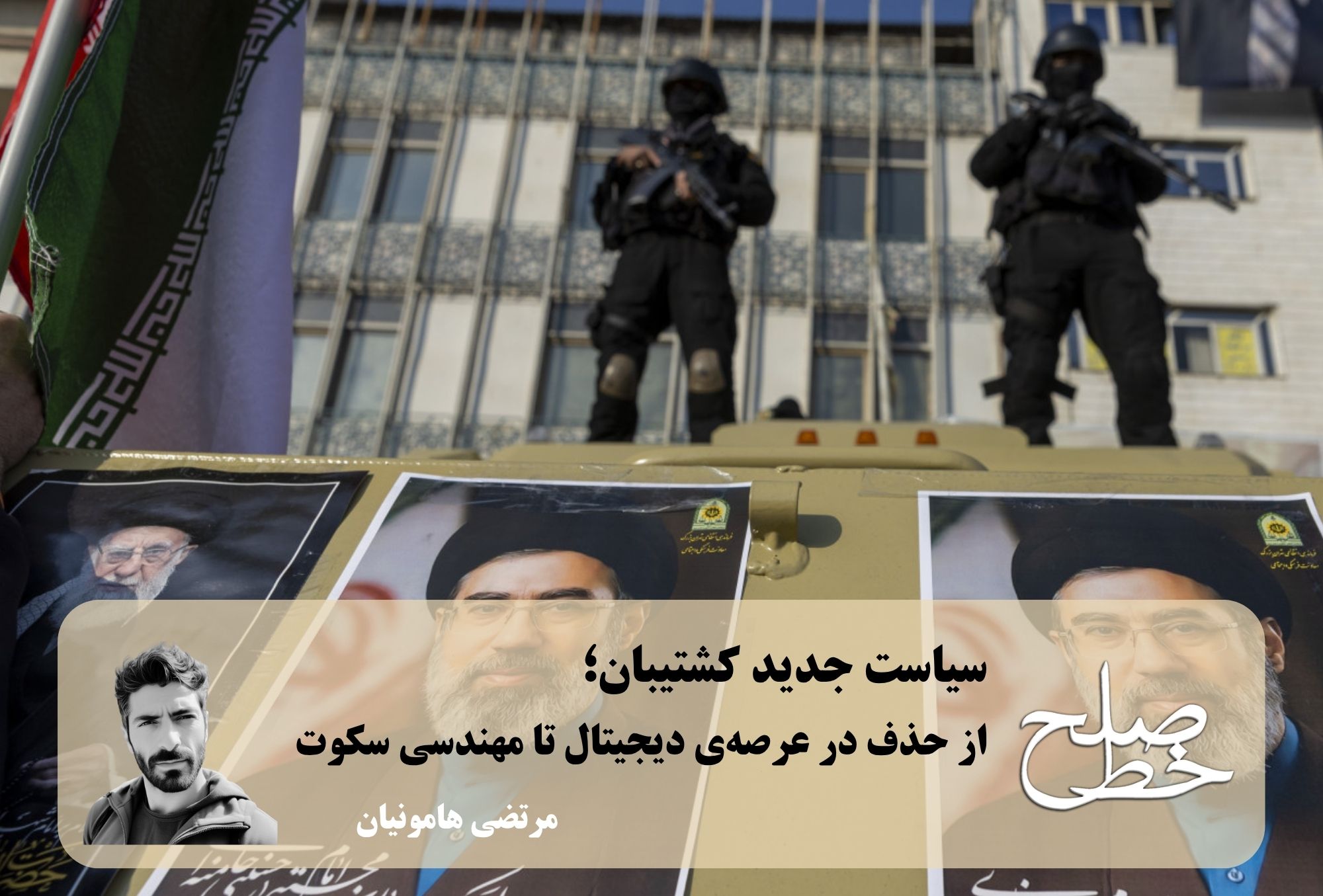
The Helmsman’s New Policy: From Elimination in the Digital Sphere to Engineering Silence/ Morteza Hamounian
Usually, after a calamity, clearing the rubble begins. For example, when a war occurs, after it ends, everyone seeks to clear away the rubble of war and tries, through a collective effort, to heal one another’s wounds. But in the Islamic Republic of Iran, it seems that everything is reversed. Once the war subsides, only […]...
Read MoreCreated By:
Morteza Hamounian August 23, 2026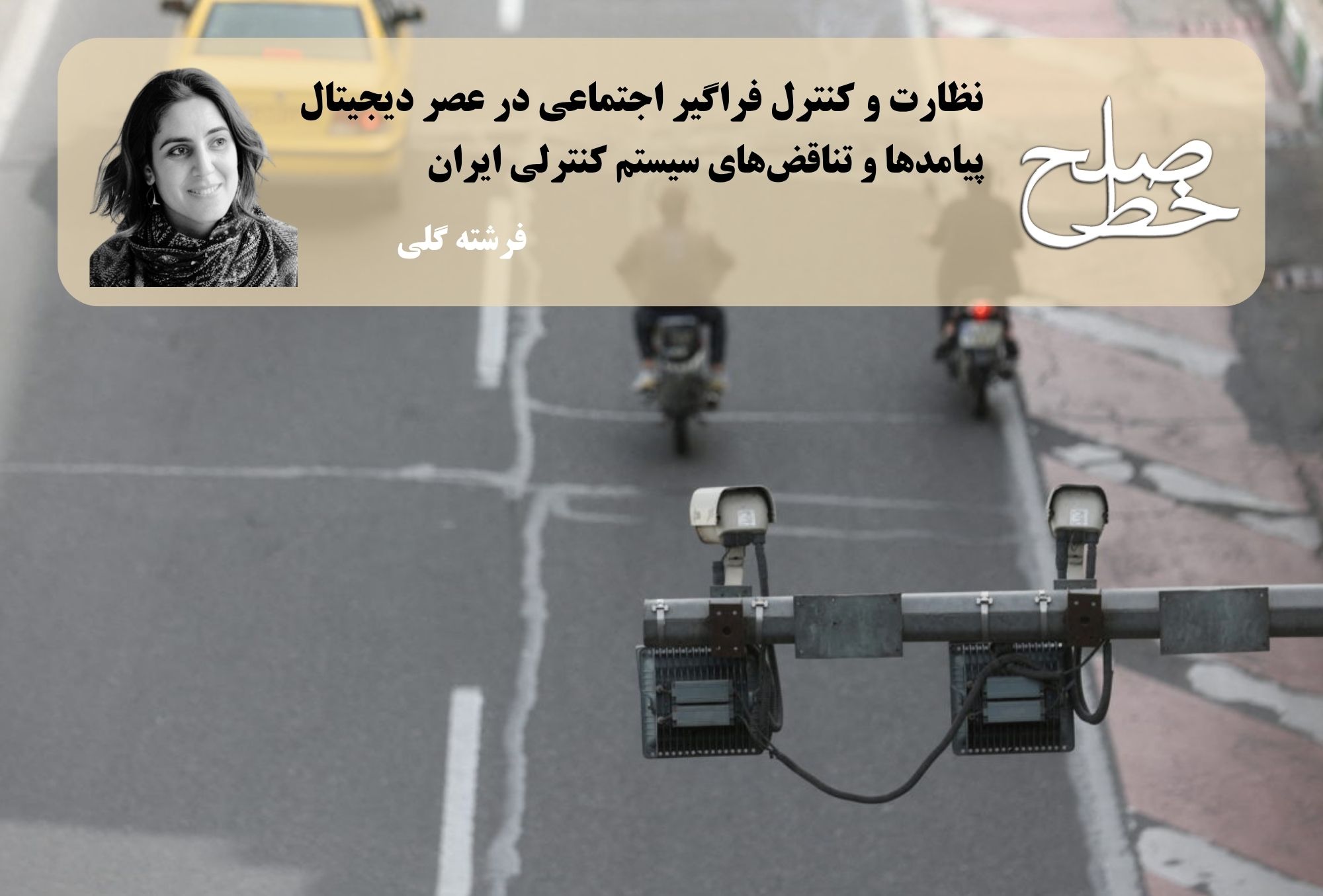
Pervasive Social Surveillance and Control in the Digital Age/ Fereshteh Goli
In recent years, the Islamic Republic has taken major steps in using new technologies for social surveillance and control. This trend, rooted in global developments and what the government regards as domestic needs, has been pursued at different speeds during different periods, but what has turned it into a prominent issue is the increasing acceleration […]...
Read MoreCreated By:
Fereshteh Goli August 23, 2026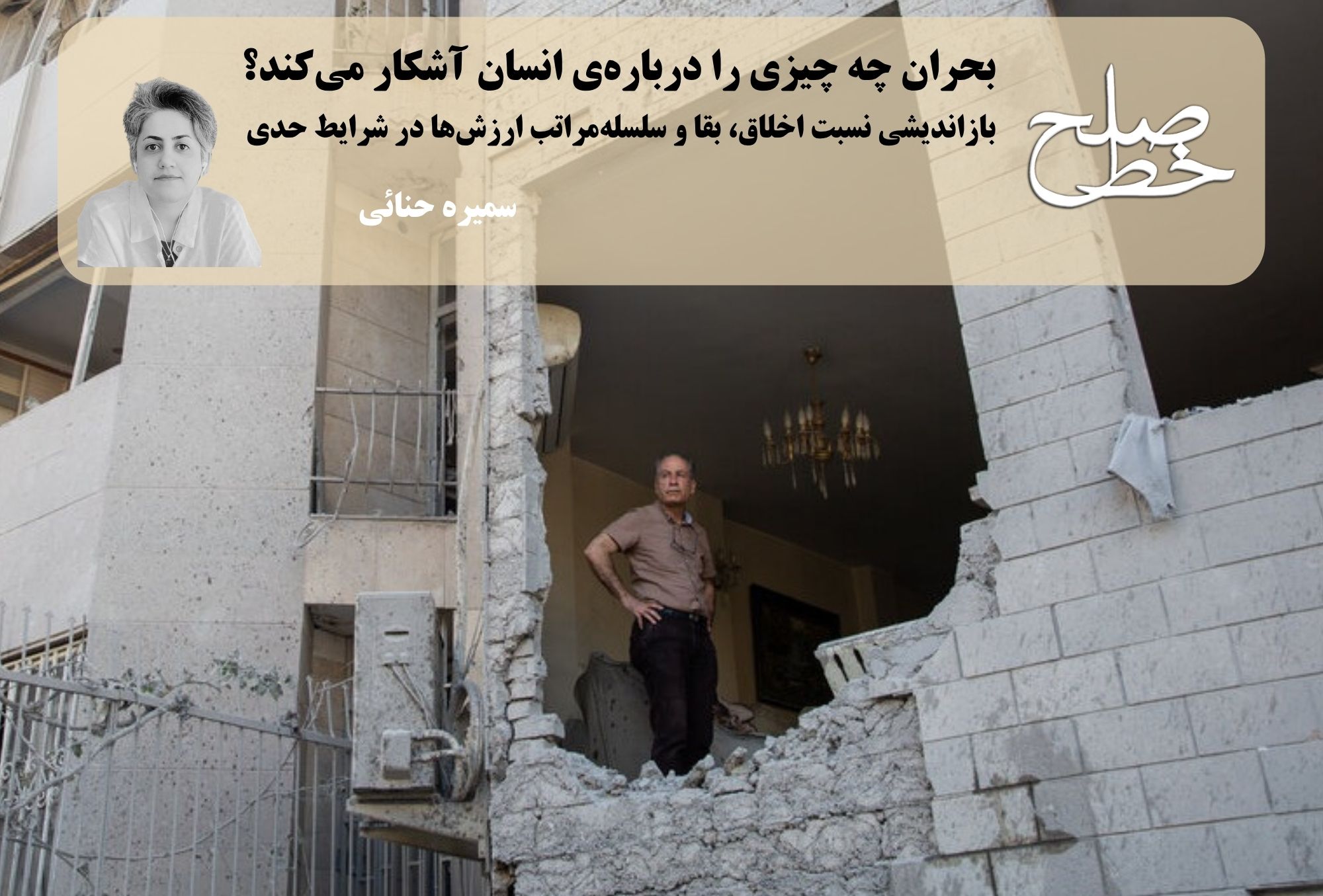
What Does Crisis Reveal About Human Beings? / Samireh Hanaei
War does not only destroy cities. Crisis does not only unravel political or economic order. Perhaps the deepest effect of crisis lies where it is less visible: the moment when a person realizes that they can no longer preserve everything that is valuable to them at the same time. In ordinary life, many moral choices […]...
Read MoreCreated By:
Samireh Hanai August 23, 2026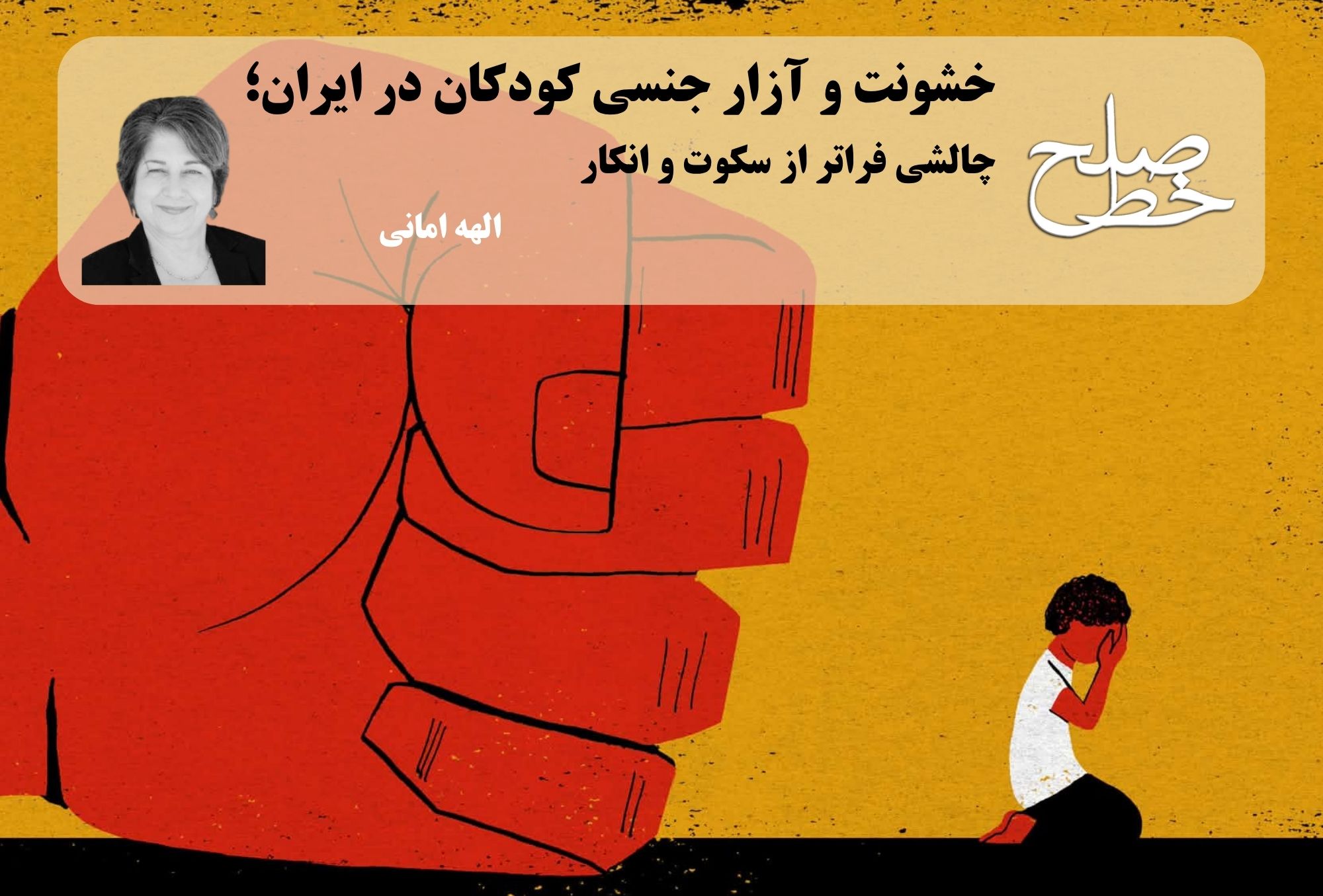
Sexual Violence and Abuse of Children in Iran: A Challenge Beyond Silence and Denial / Elahe Amani
“We owe our children, the most vulnerable citizens in any society, a life free from violence and fear.” — Nelson Mandela A review of the performance of the Society for the Protection of the Rights of the Child in 1404 and the fact that child sexual abuse ranks at the top of the issues in […]...
Read MoreCreated By:
Elahe Amani August 23, 2026
