Writers
Recent Posts
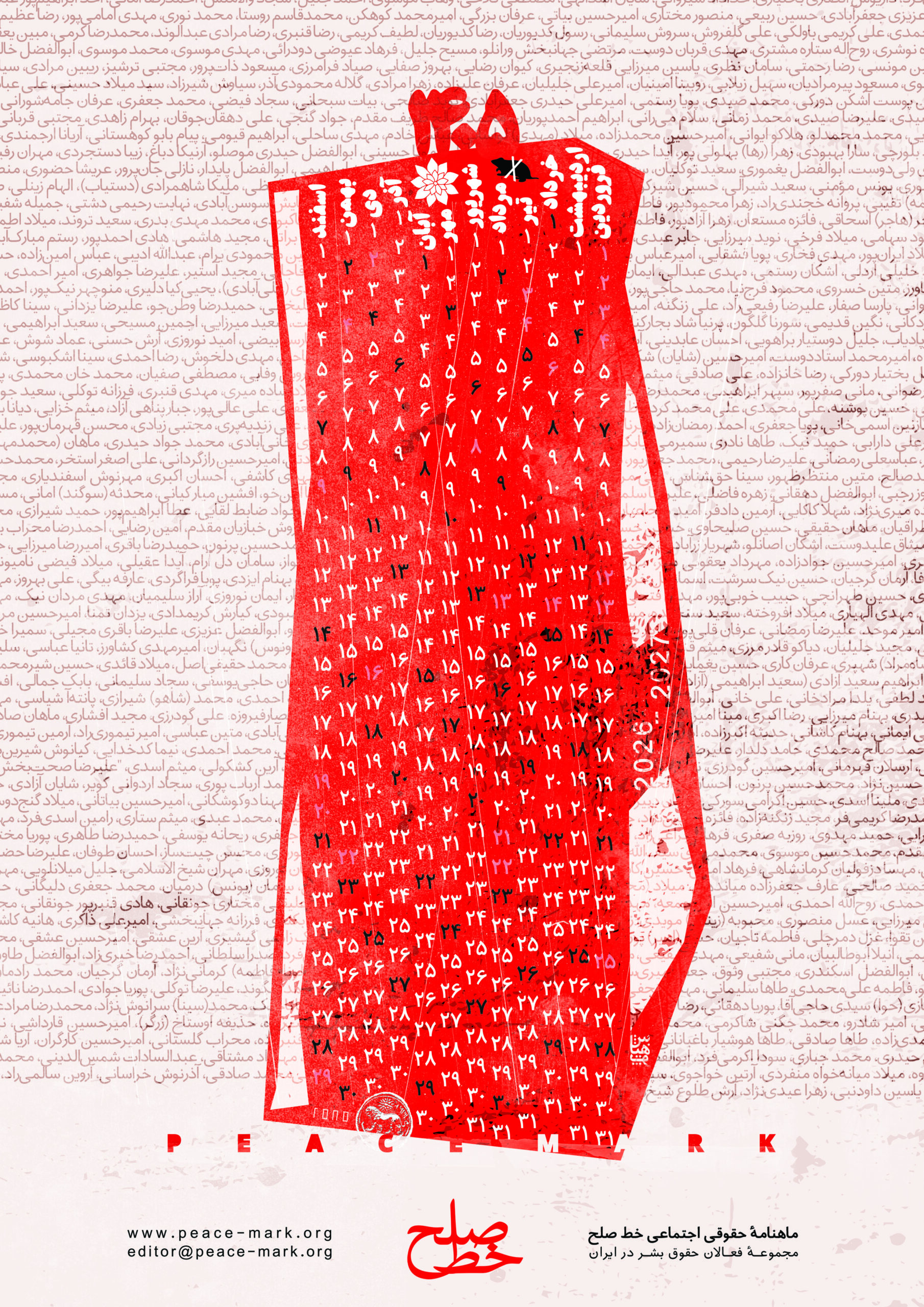
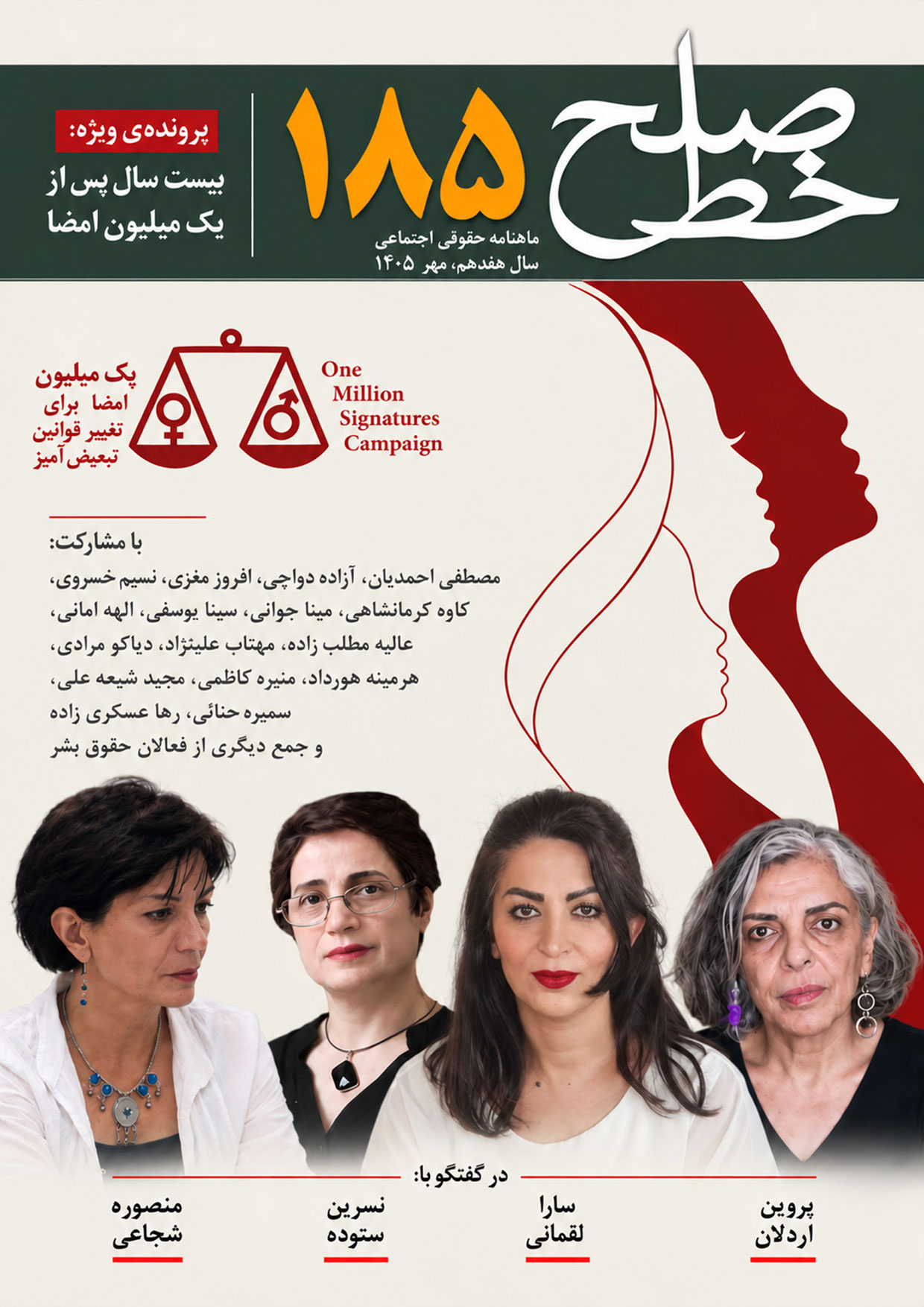
Peace Line Monthly Magazine No. 185
Academic Rights
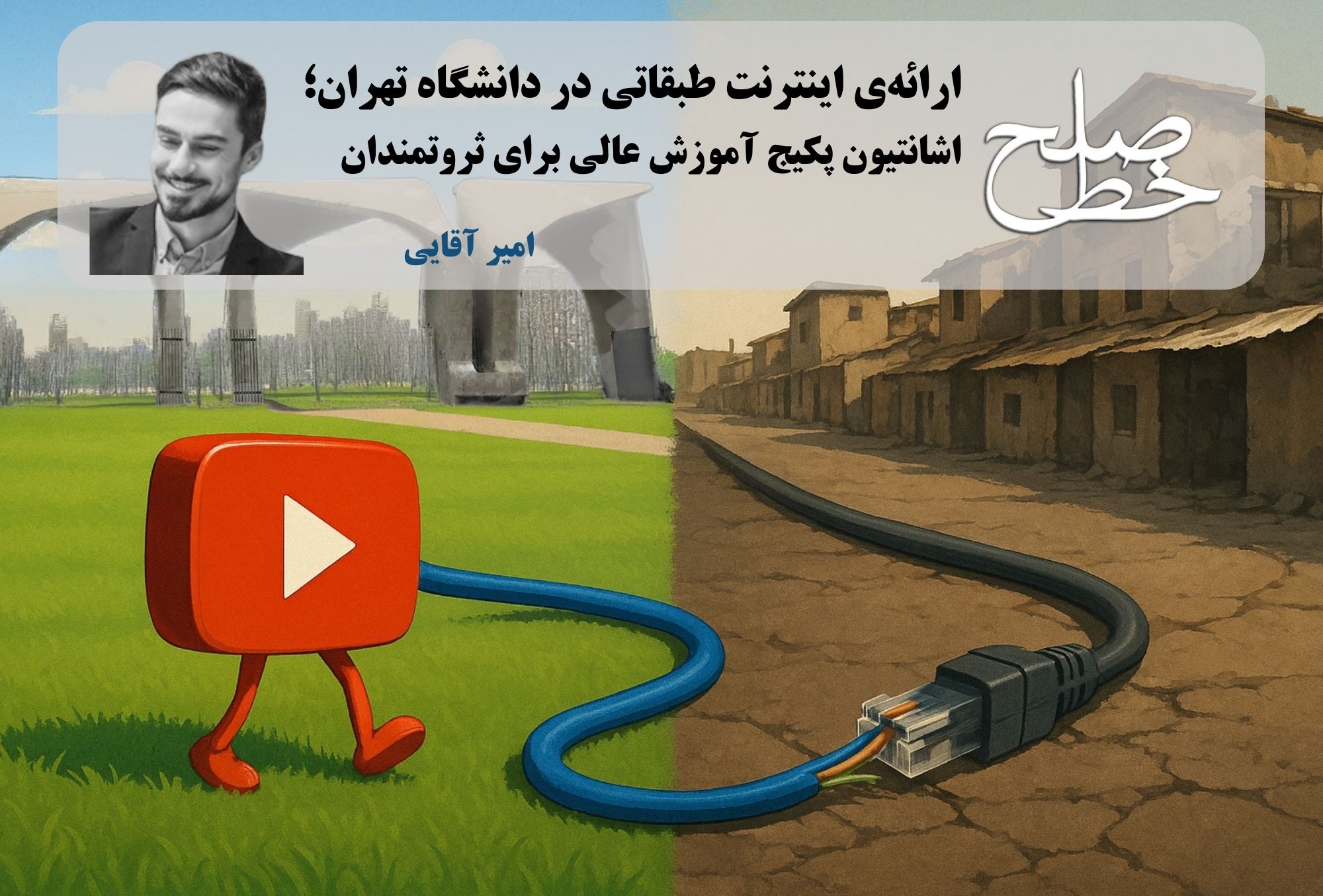
If you flip through any glossary of specialized terminology, you won’t find the term “class-based internet” or a precise definition of it. However, by implementing this project over the past 20 years, the rulers of the Islamic Republic have compelled Iranian internet users to adopt a term to describe it. Class-based internet refers to the […]
The Iranian Parliament Research Center recently published a study indicating that nearly 55% of students ranked in the top 3,000 in the national university entrance exam come from the top two economic deciles. The study warns that access to higher education in Iran, both in terms of quantity and quality, is significantly unequal. One major […]
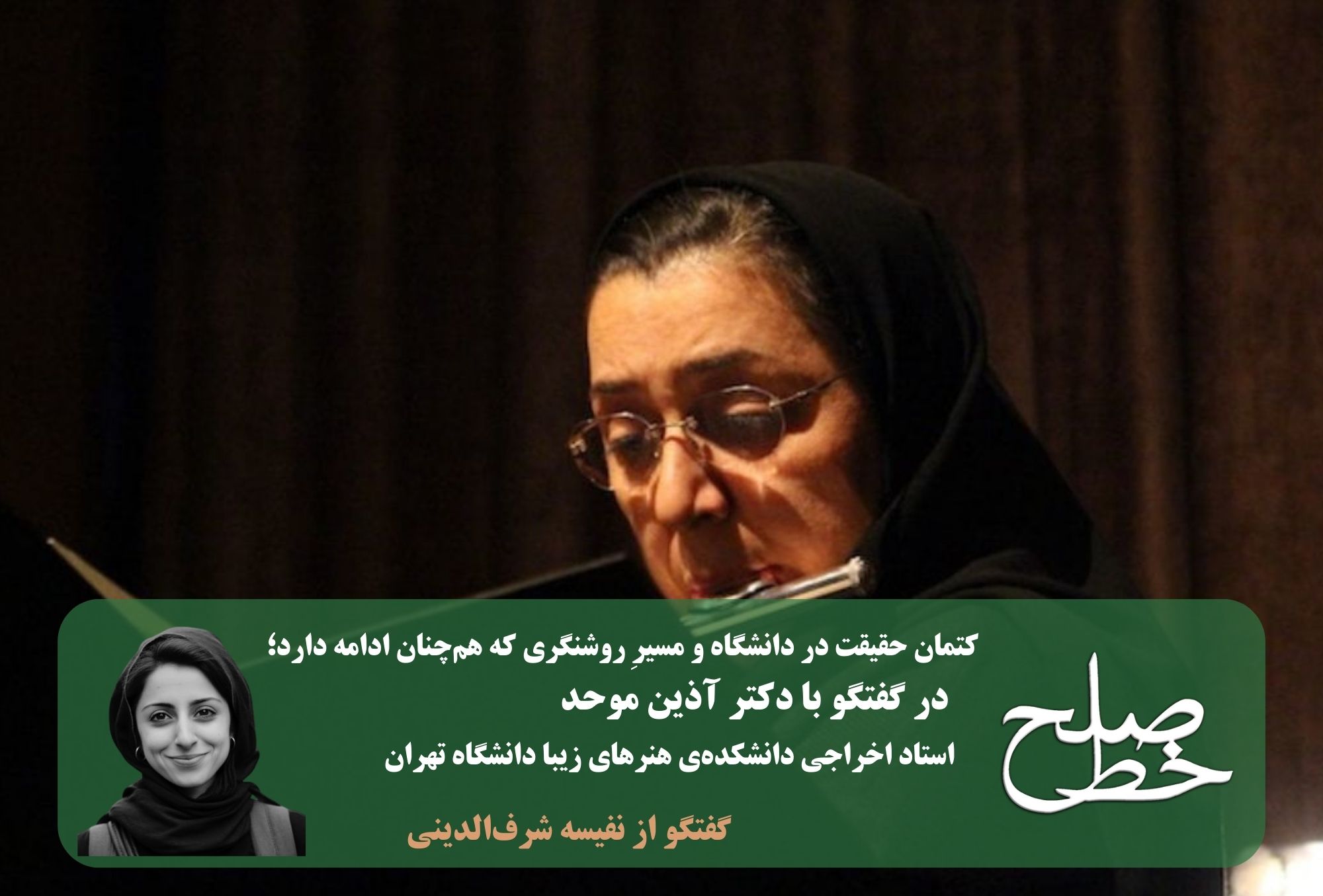
During the Mihssa Movement, universities in Iran were one of the main strongholds where the cry of “Women, Life, Freedom” was raised by students and professors. The demands of this section of the scientific community were completely in line with the demands of the people; demands that led thousands of people to take to the […]
Childrens Rights
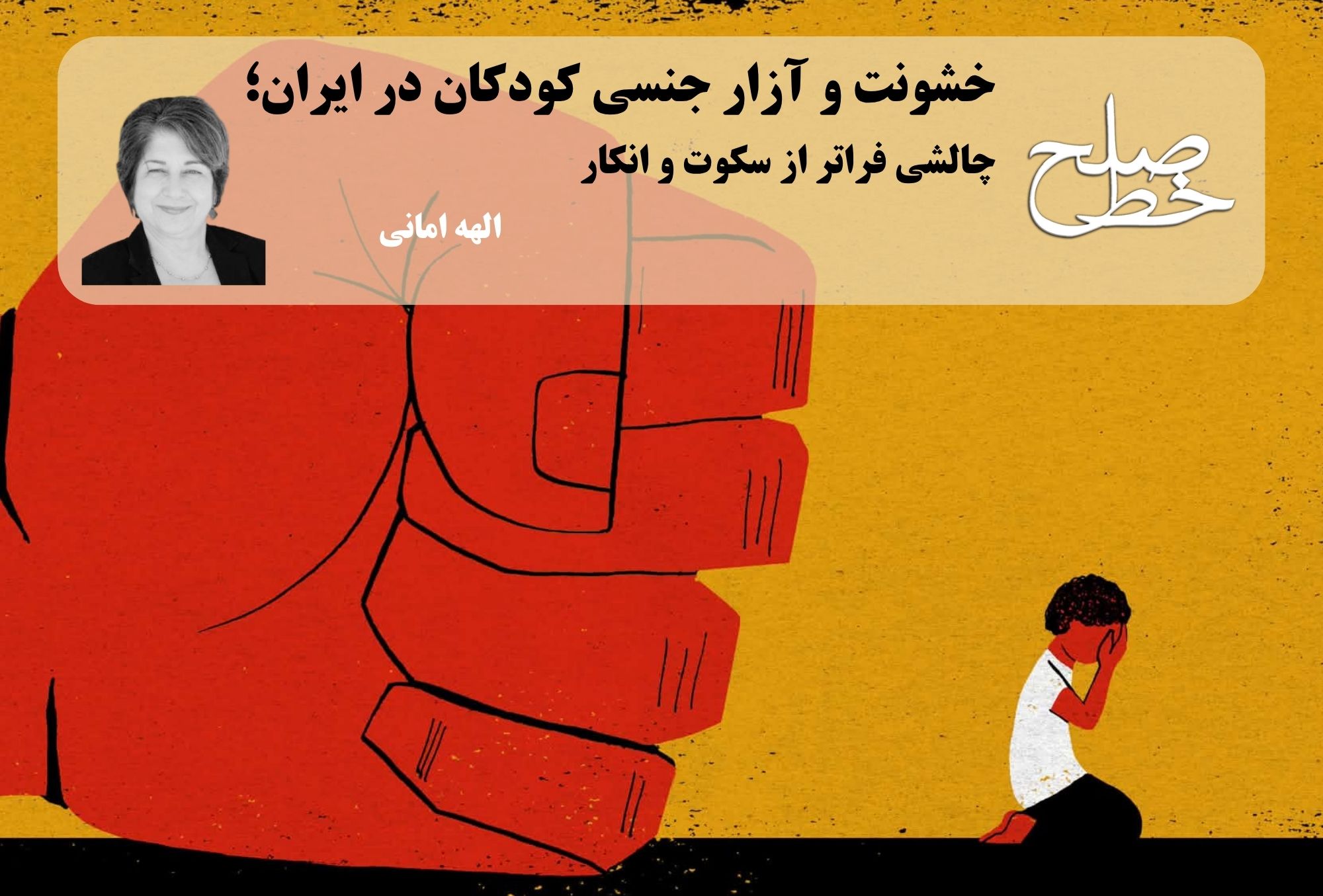
“We owe our children, the most vulnerable citizens in any society, a life free from violence and fear.” — Nelson Mandela A review of the performance of the Society for the Protection of the Rights of the Child in 1404 and the fact that child sexual abuse ranks at the top of the issues in […]
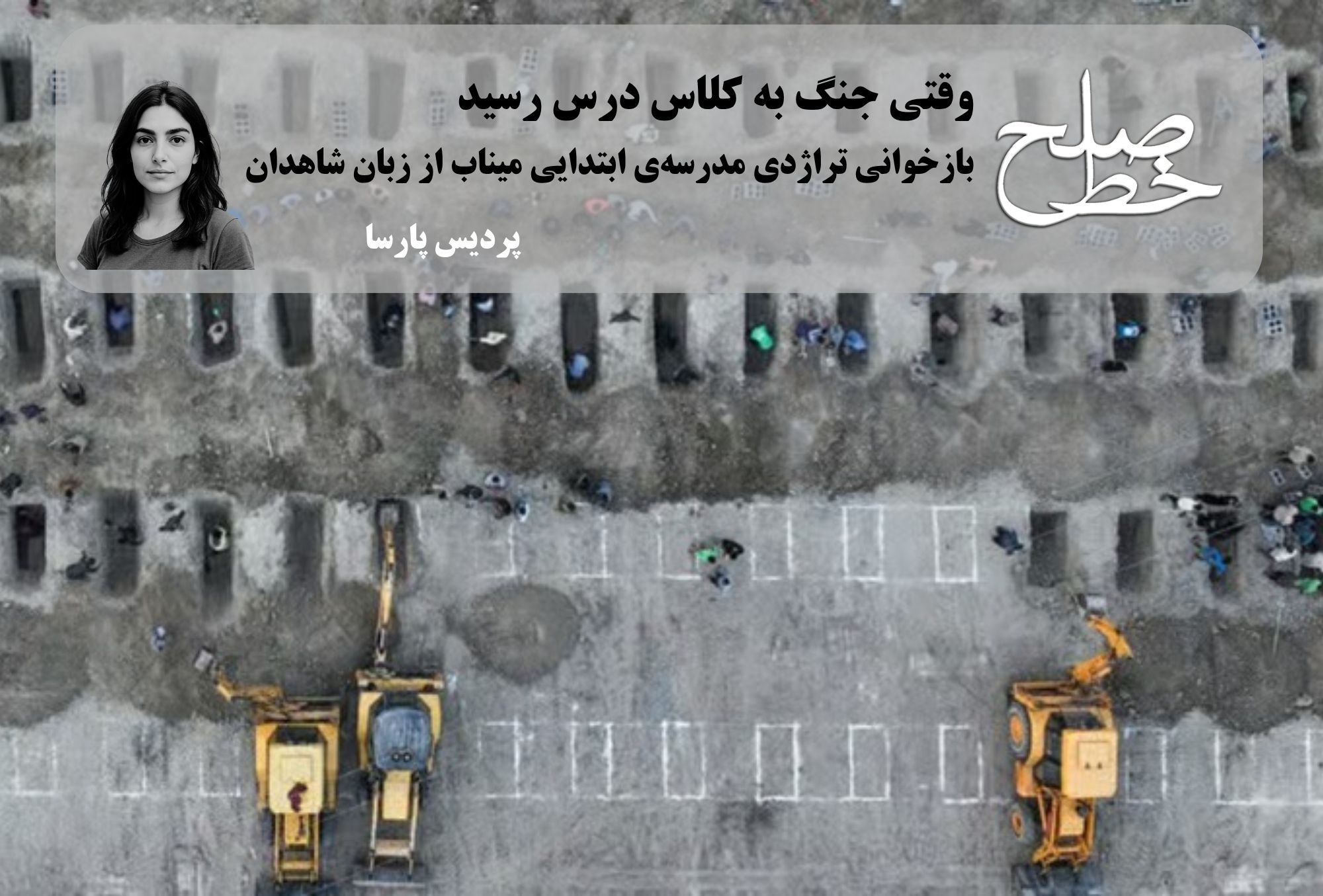
In the first hours of the military operation known as “Epic Wrath,” which began on February 28, 2026 (9 Esfand 1404), a series of air and missile strikes targeted various infrastructures across Iran. Meanwhile, Minab County in Hormozgan Province, due to its strategic proximity to logistical and military infrastructure, became one of the main centers […]
Cultural Rights
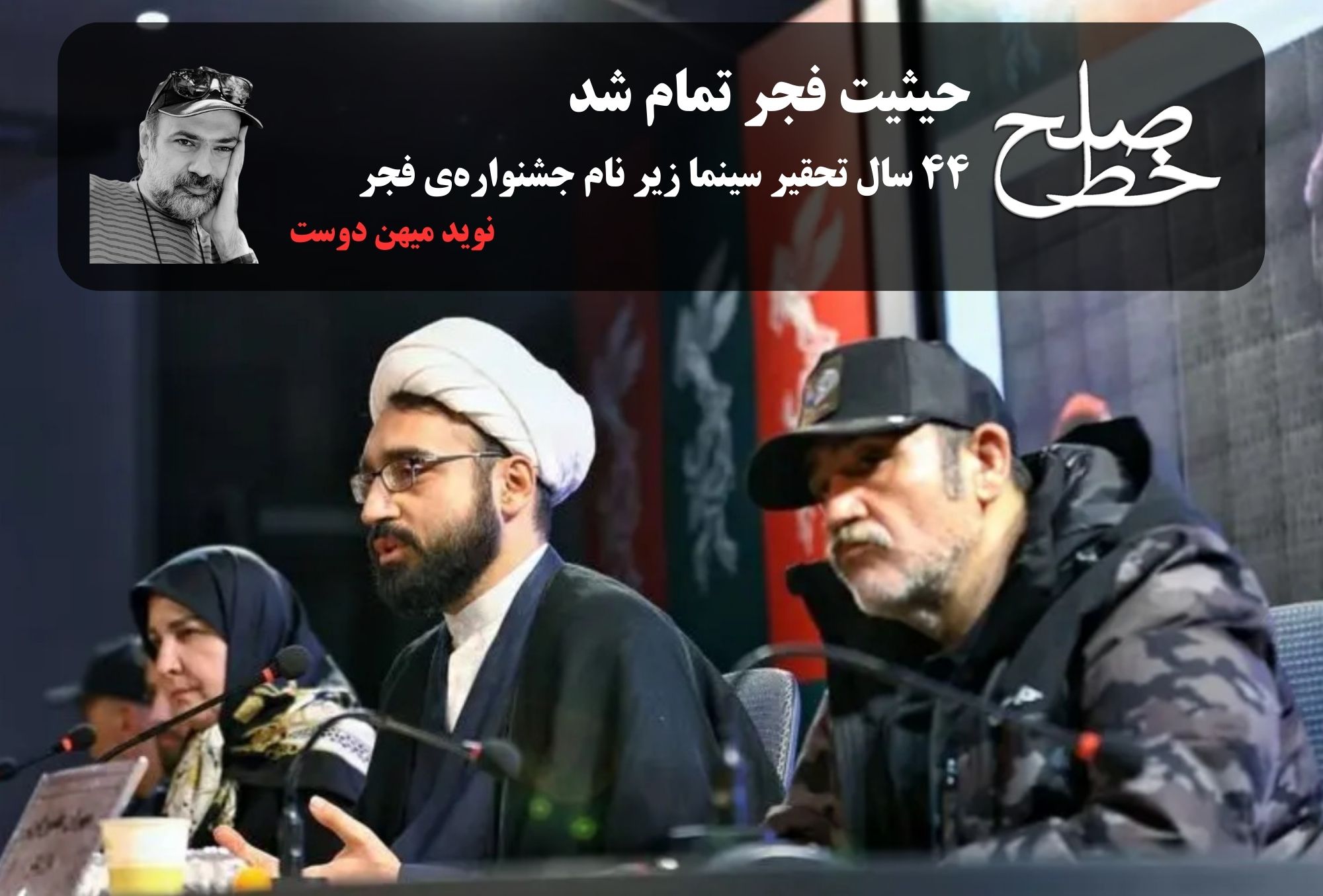
Over its 44-year history, the Fajr Film Festival has gone through different periods which, based on the documented record of this state-run festival, I divide into three main eras: 1) the era of enmity and camaraderie; 2) the era of misery; 3) the era of disgrace. The first era began in February 1983 (Bahman 1361). […]
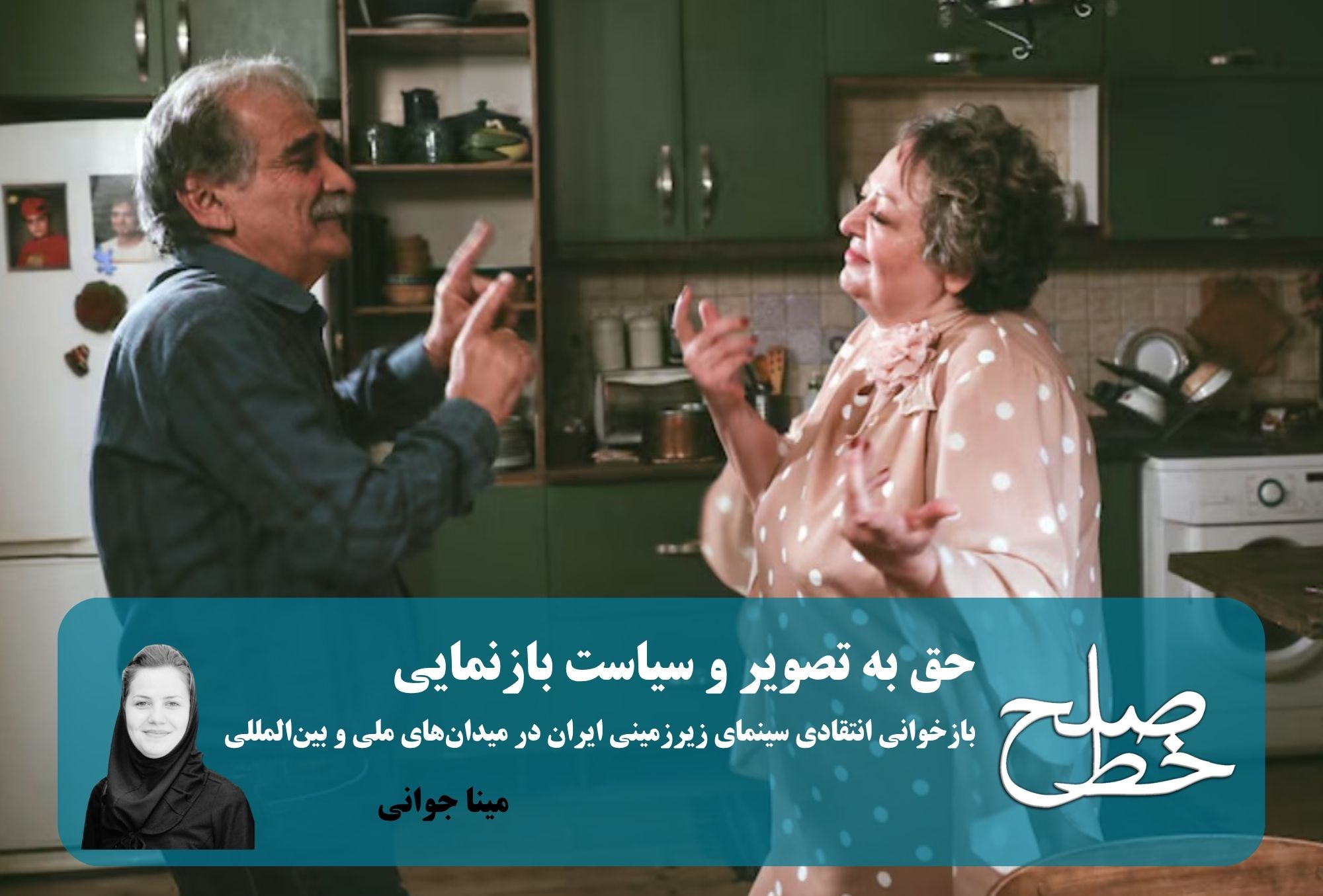
Iran’s underground cinema, as a semi-independent and often marginal sector of the country’s film production, has consistently navigated the intersection of legal restrictions, cultural pressures, and media representations. These films, produced outside the official mechanisms of Iranian cinema, not only provide a platform for expressing real social and ecological experiences, but also serve as vehicles […]
In the heart of the night, the sound of sirens passes through the sleeping cities. The sky is on fire, walls tremble, and the silence of homes is shattered. War, this merciless word, has once again awakened from the slumber of history and cast its shadow over the lives of humans. But amidst the ruins, […]
Ethnic Minorities
Makran is a region in southeastern Iran that extends from the Strait of Hormuz to the east and begins at Minab, continuing to the Sindh River in Balochistan, Pakistan. This region is of special importance due to its geopolitical location and is recognized as an international waterway. Makran holds strategic value for both Iran and […]
A while ago, the government spokesperson announced that the medical government intends to relocate the capital from Tehran to the Makran region and this matter is under consideration. (1) Many countries throughout history have changed their capitals for various reasons, the main reason being the increase in population in the capital and balanced development in […]
Freedom of thought and expression
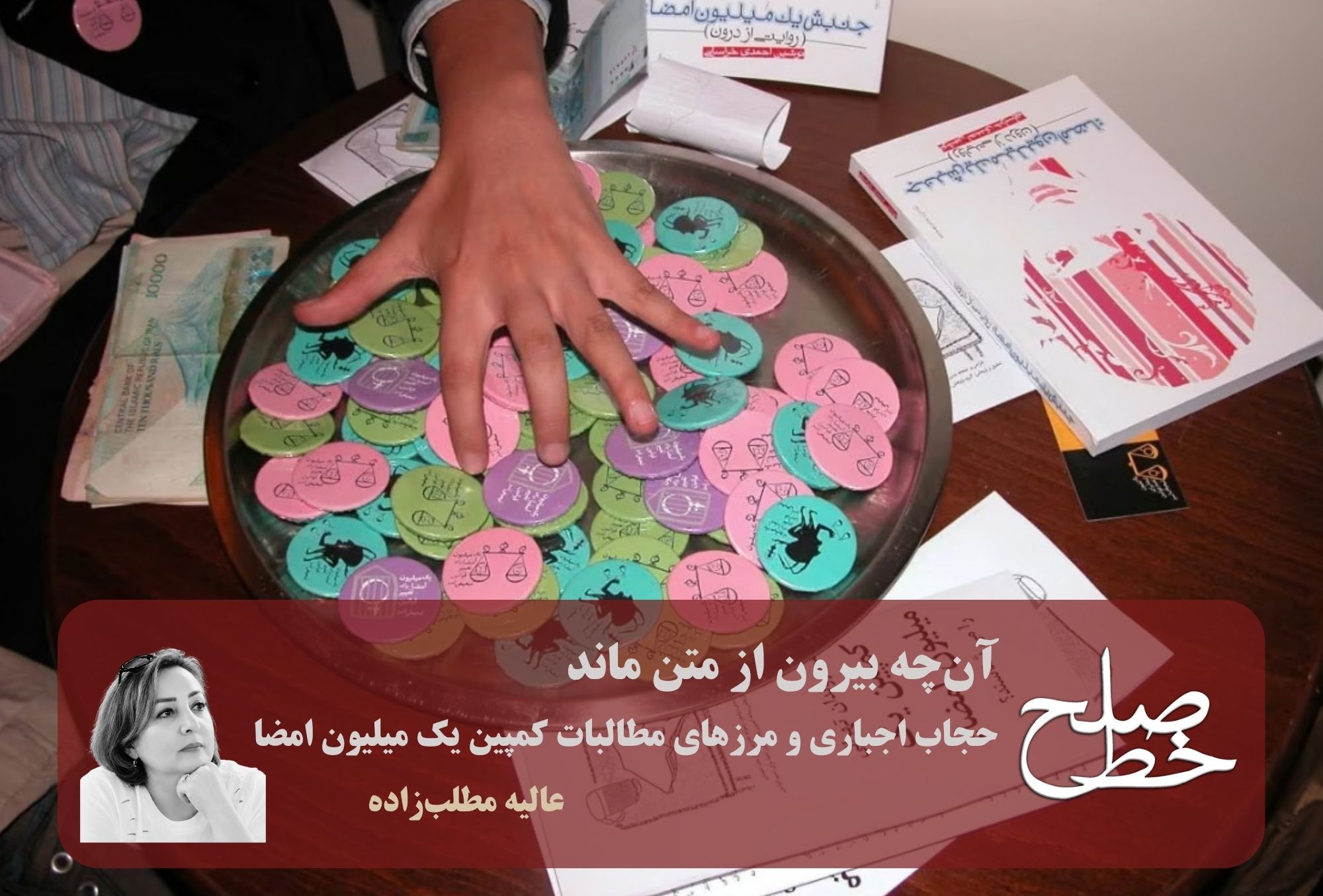
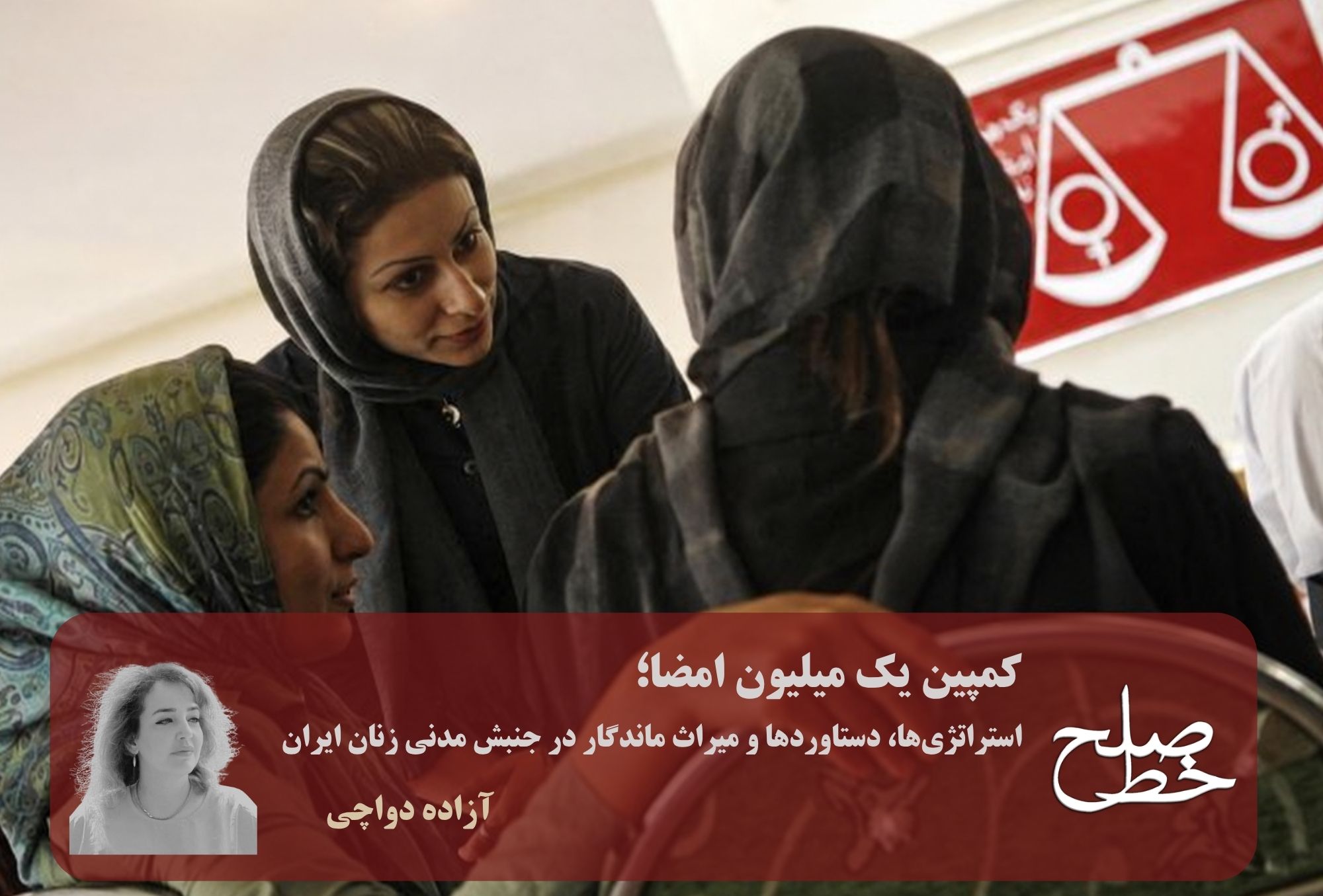
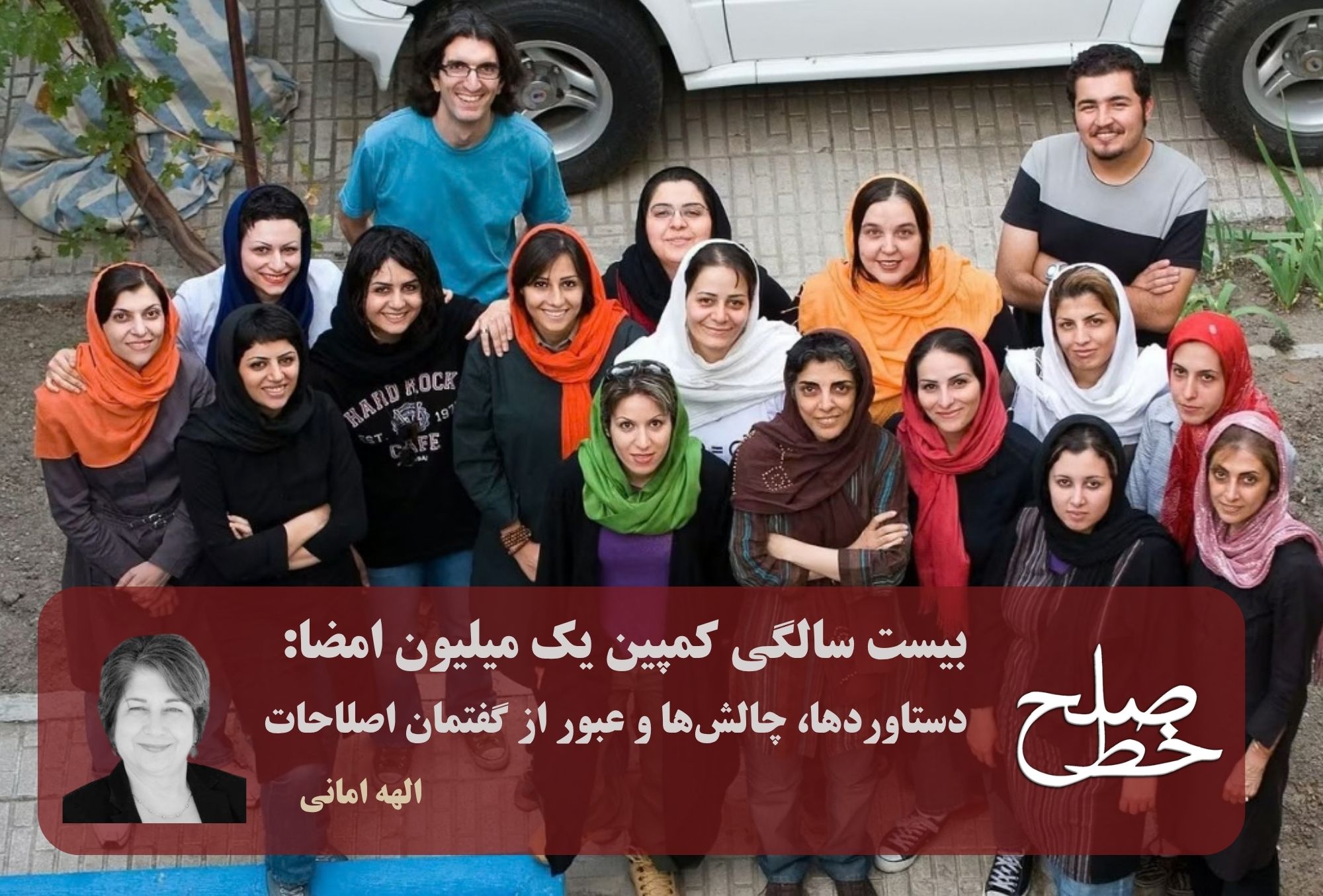
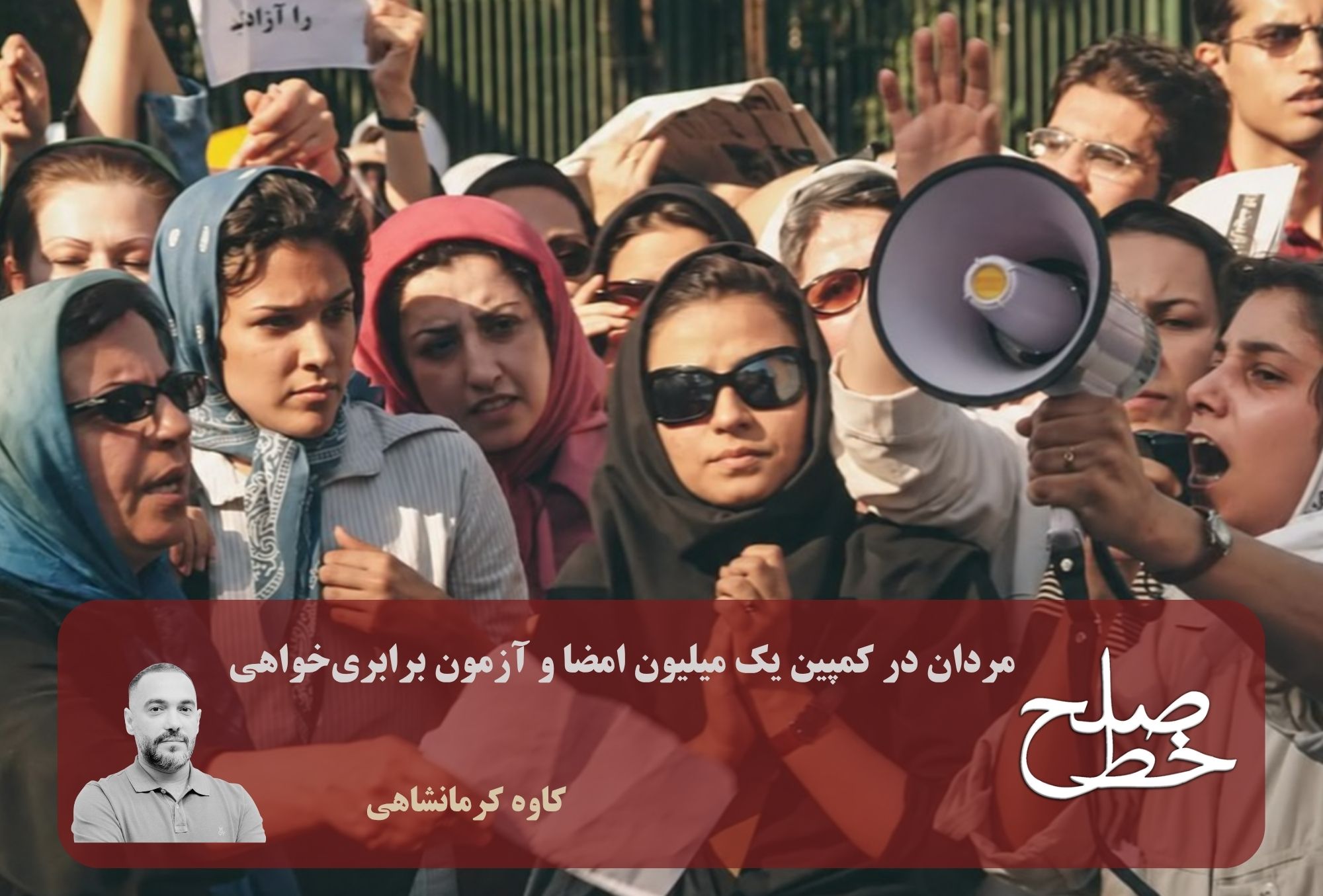
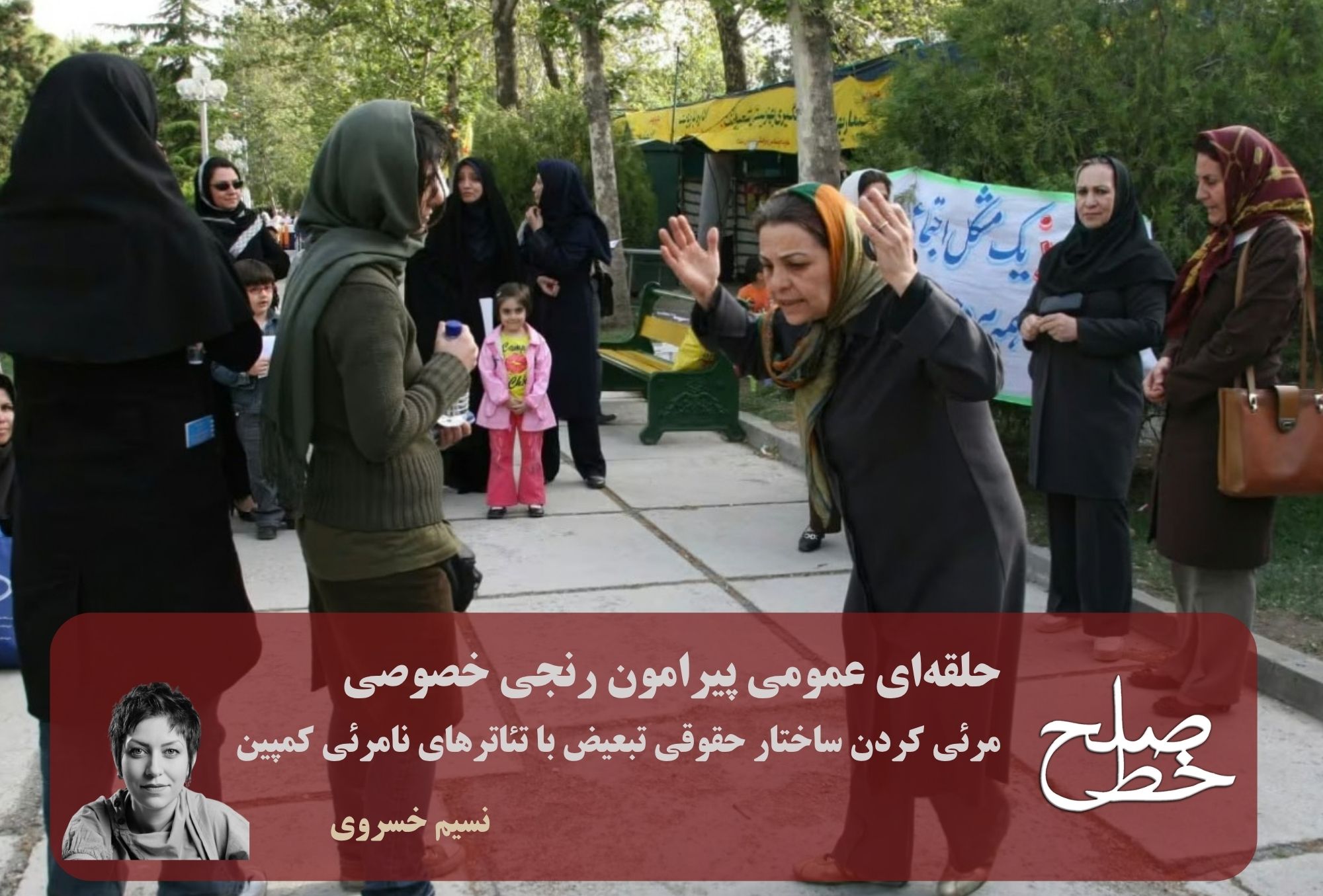
Twenty years have passed since an experience that was never repeated either before or after it. It was a campaign made unique by the convergence of several characteristics: the formation of a formal feminist movement, political and religious moderation with an emphasis on legality and non-conflict with religious foundations, an emphasis on collective action and […]
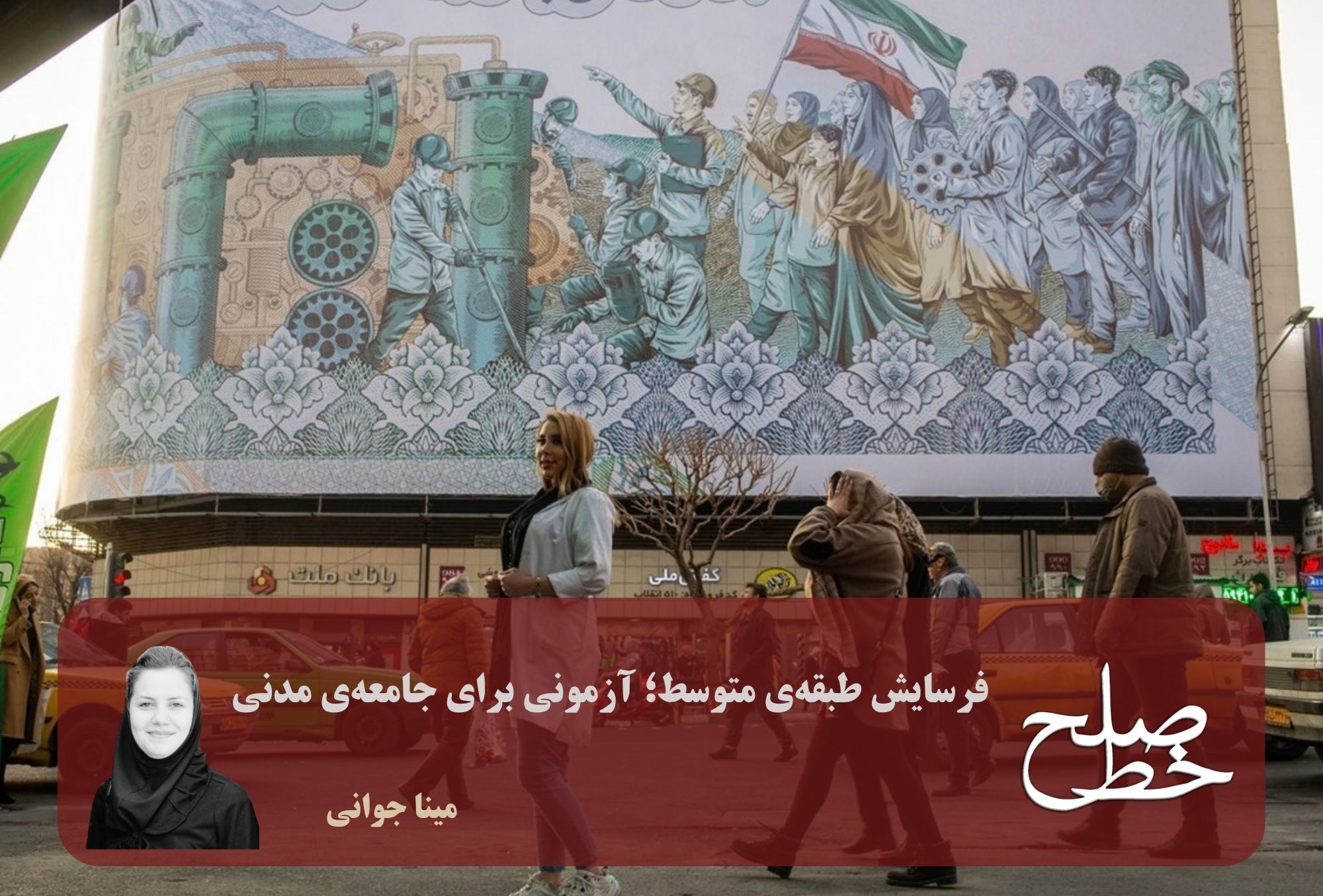
The middle class is usually defined in terms of income level, consumption patterns, or educational attainment, as though the issue were merely one of drawing an economic boundary separating one segment of society from the lower and upper classes. Yet the historical and political significance of this class cannot be reduced to its economic position. […]
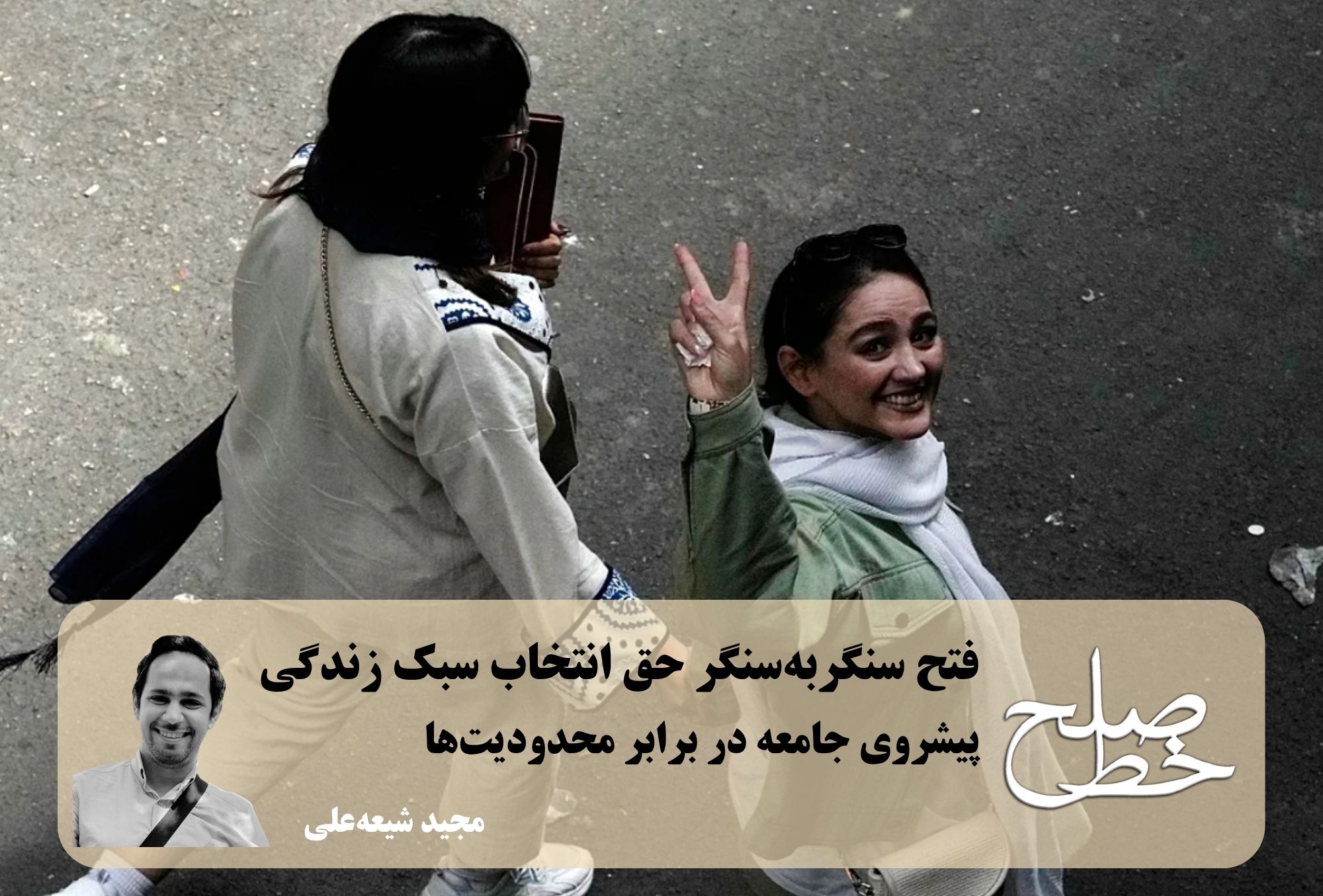
From the very first days of the 1979 Revolution, when groups among the revolutionaries sought to restrict citizens’ lifestyles to one particular preference, resistance to this tendency also emerged. This resistance ranged broadly, from figures among the revolution’s leaders such as Ayatollah Taleghani to the large women’s gathering on March 8. The forms of resistance […]
Gender Rights
Narrative literature in Iran has been tangled with the perspective of the majority and their definition of voices and narratives that are of interest to the general society. As a result, communities or individuals who are not considered part of this majority have no place in the literary scene. Marginalized communities in any country not […]
Sexual harassment in the workplace is a dangerous threat that can lead to a decrease in personal and professional quality of life, jeopardize the well-being of both men and women, weaken gender equality, and impose costs on companies and organizations. In recent years, movements around the world have formed to draw more attention to the […]
Migration is a phenomenon that has a long history in human culture and history, especially among Iranians (the pioneers of migration literature in Iran, such as famous writers like Bozorg Alavi and Sadeq Hedayat). By examining all aspects of it, it is clear that the motivations for [forced] migration in recent years have been more […]
Health
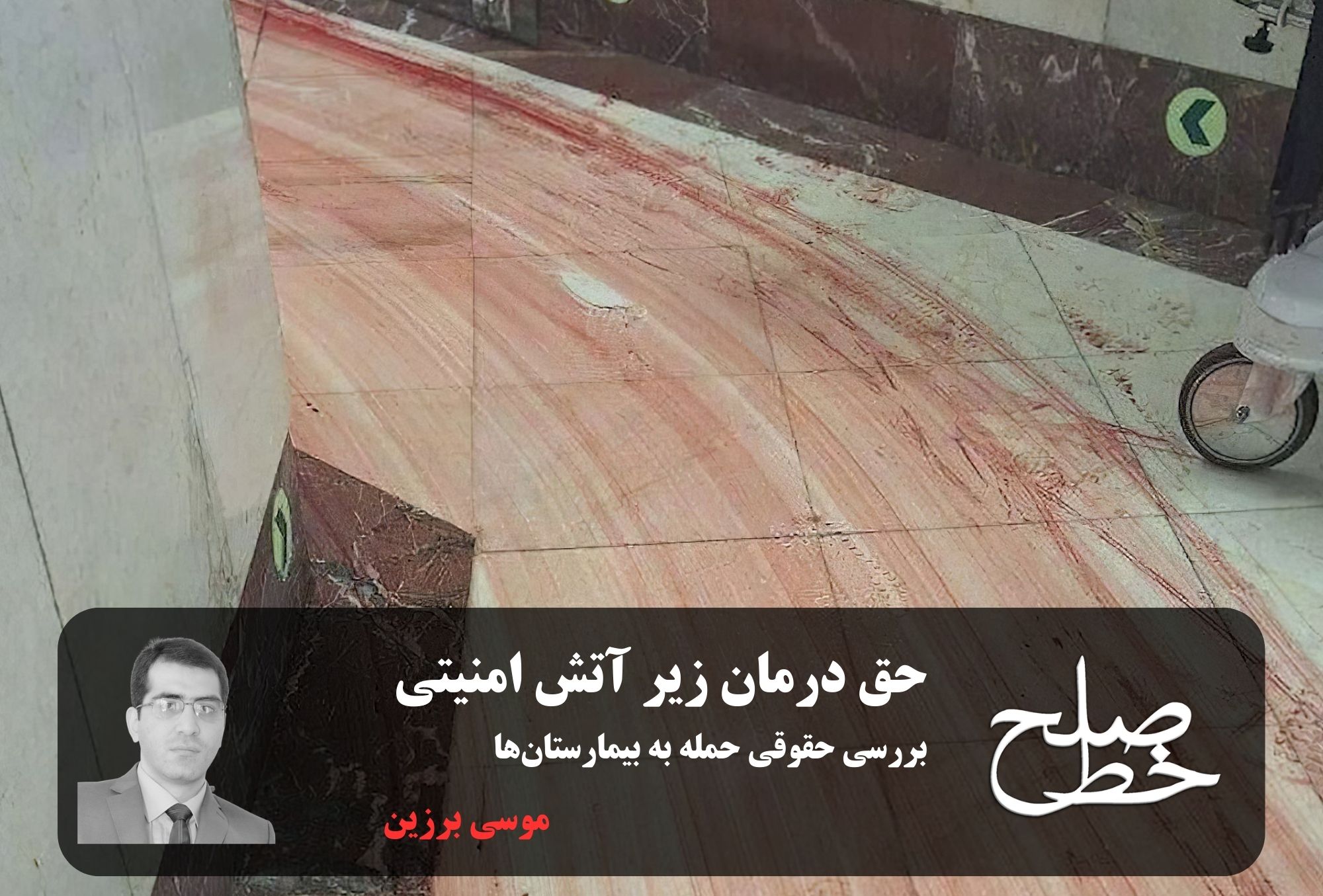
During the recent protests, we witnessed many bitter incidents and extra-legal actions in Iran. One of these cases was the restriction of treatment for protesters in various forms. According to reports published from the very first days of the protests, police and security forces attacked hospitals where injured protesters had been taken, creating heartbreaking scenes. […]
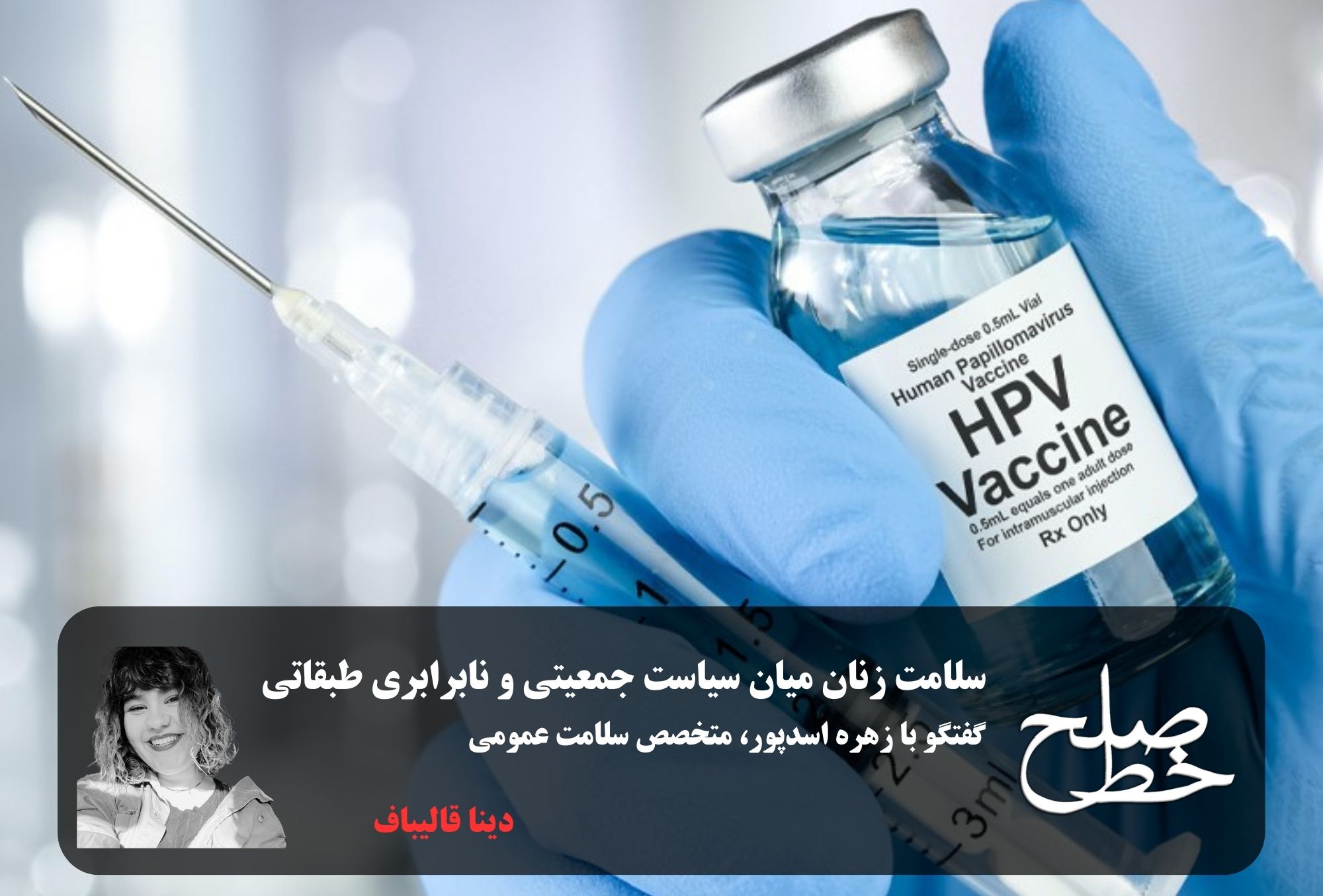
Following the sudden and quiet removal of the Iranian “Papilloguard” vaccine from pharmacies across the country, women who had been awaiting national vaccination to prevent infection with the human papillomavirus (HPV) have been forced to turn to foreign vaccines at prices several times higher—vaccines whose cost is incompatible with the economic circumstances of many women. […]
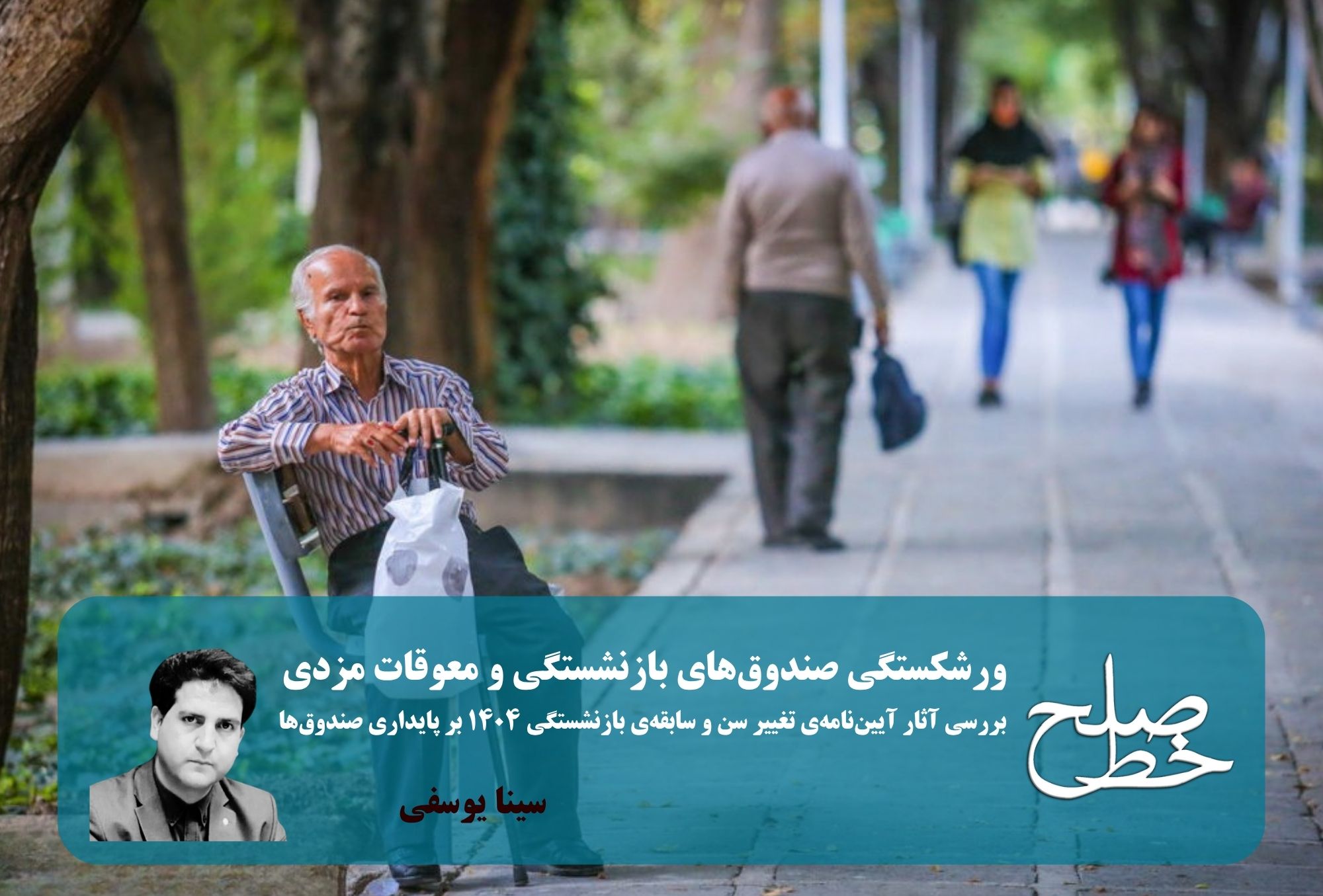
The feminization of aging has presented major challenges for the global community, and Iran is no exception. While other countries have adopted effective strategies to address the feminization of aging and manage this crisis, in Iran, this crisis reveals its grim face in the increasing number of elderly people “abandoned” in parks, streets, and addiction […]
Health and Environment
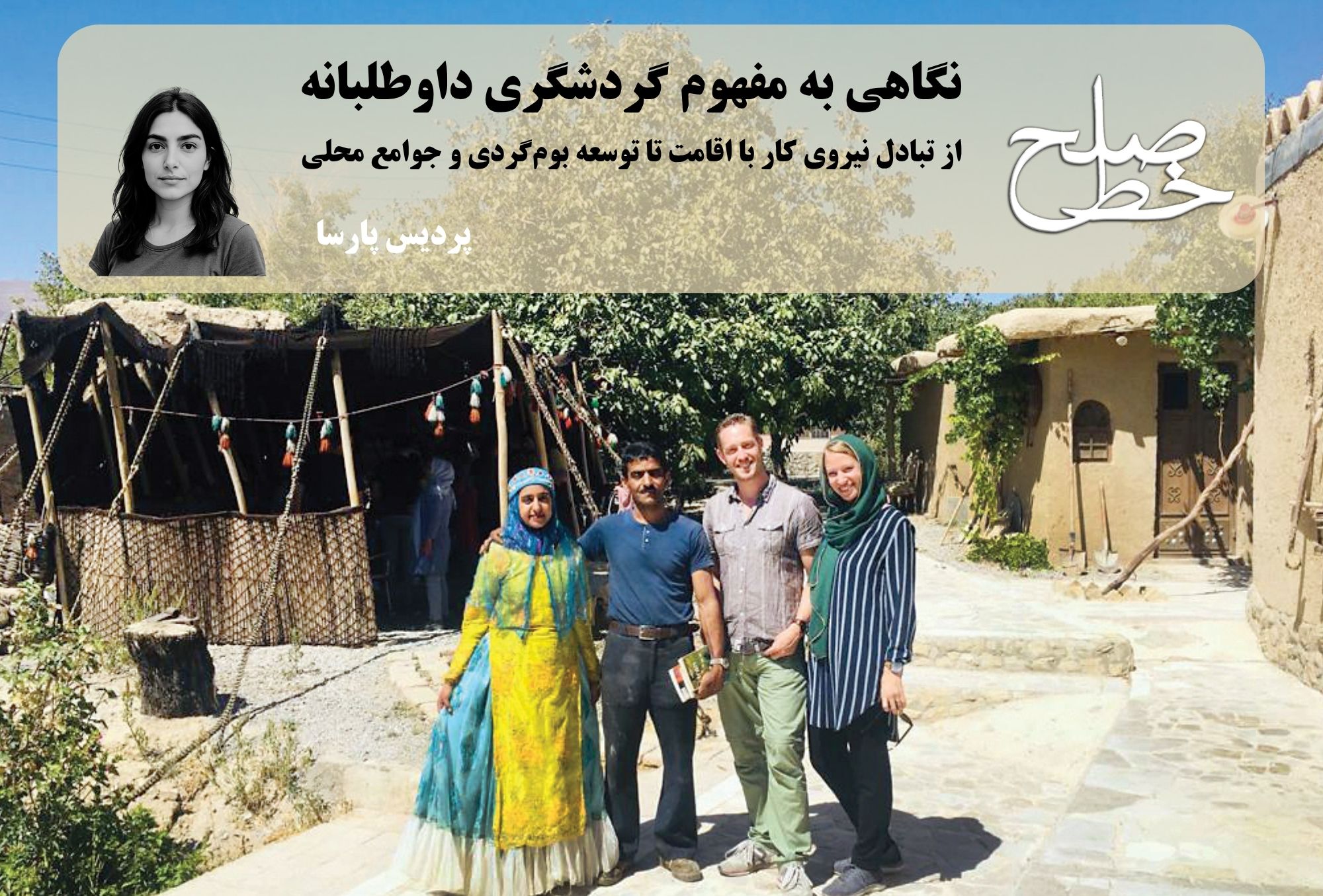
While traditional models of mass tourism are largely based on consumerism, a particular approach to volunteer tourism has expanded in recent decades, founded on non-monetary exchange. Under this structured approach, rather than acting as a passive consumer and paying for accommodation and food, the tourist contributes part of their time, expertise, and physical or intellectual […]
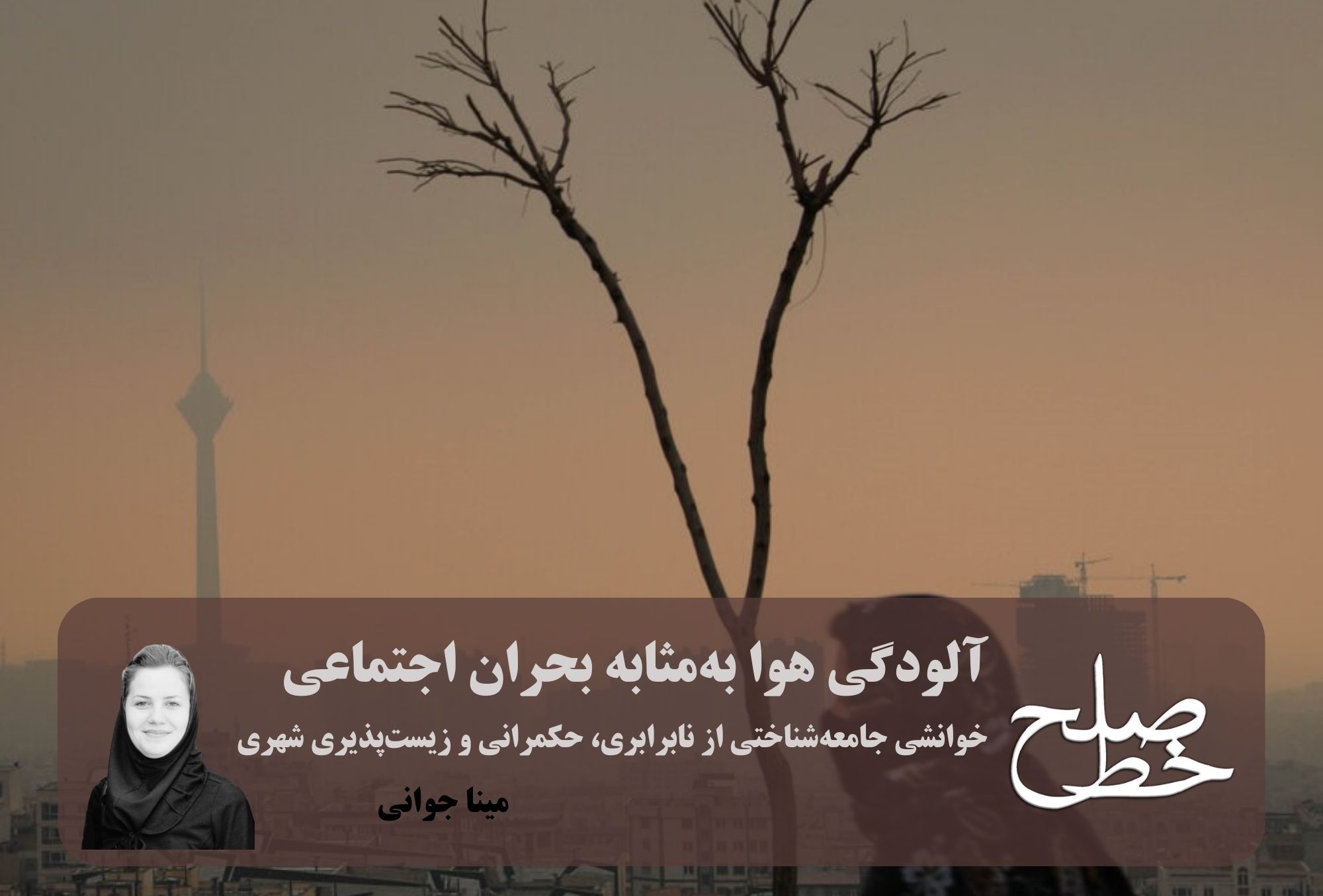
In recent decades, air pollution has become one of the most persistent and complex environmental and social challenges in Iran’s major cities; a challenge that, although seemingly an environmental and public health issue, functions far beyond an ecological crisis in sociological analysis. Today, air pollution has emerged as a “full-fledged social phenomenon”; a phenomenon in […]
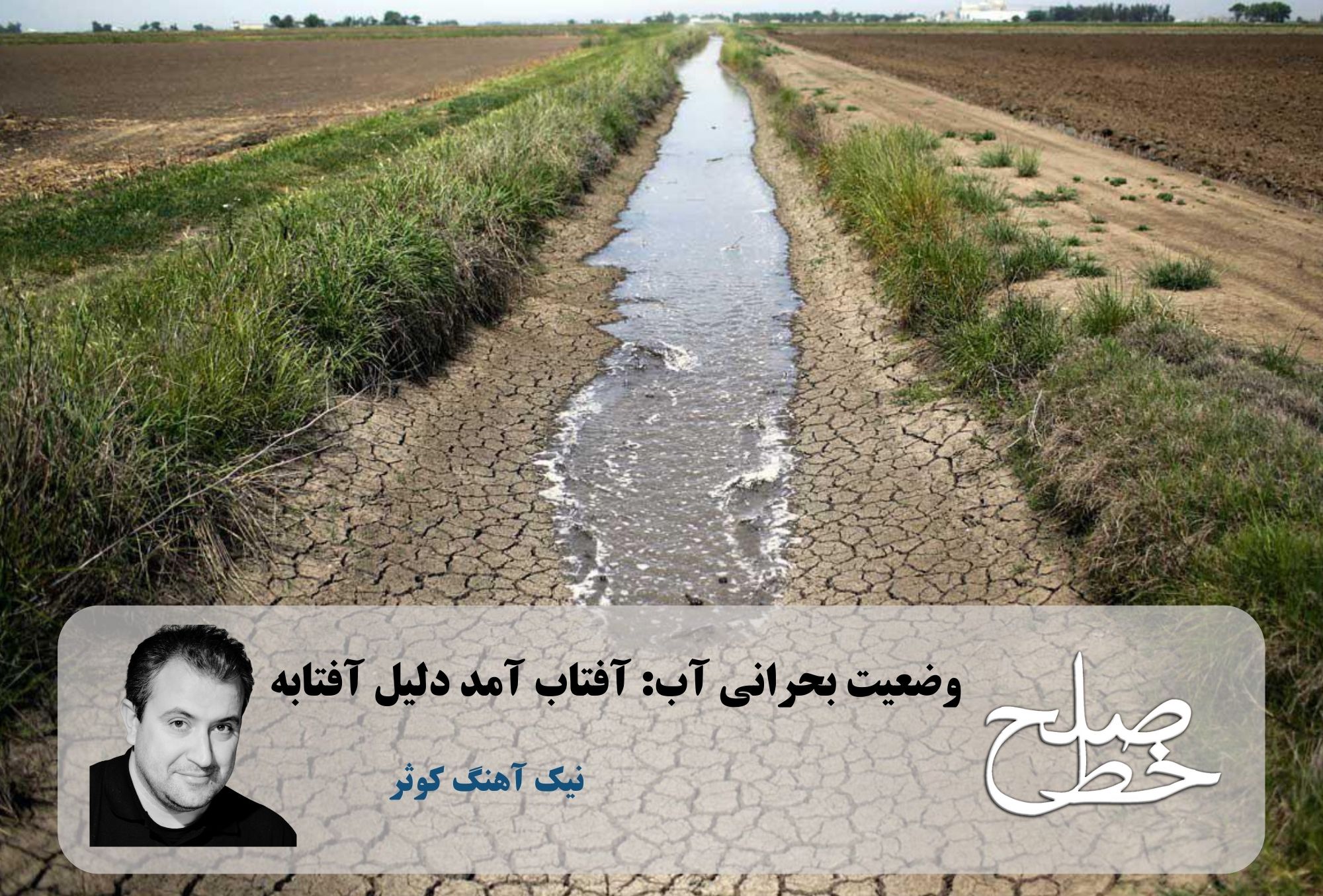
Perhaps no object better illustrates water governance and management in Iran than the “aftabeh” (watering can). It is unclear exactly to which monarch’s era the historical origins of the aftabeh go back, but the mere mention of it brings to mind, for many, the image of Ayatollah Ruhollah Khomeini—a photo taken months before his return […]
Labour Rights
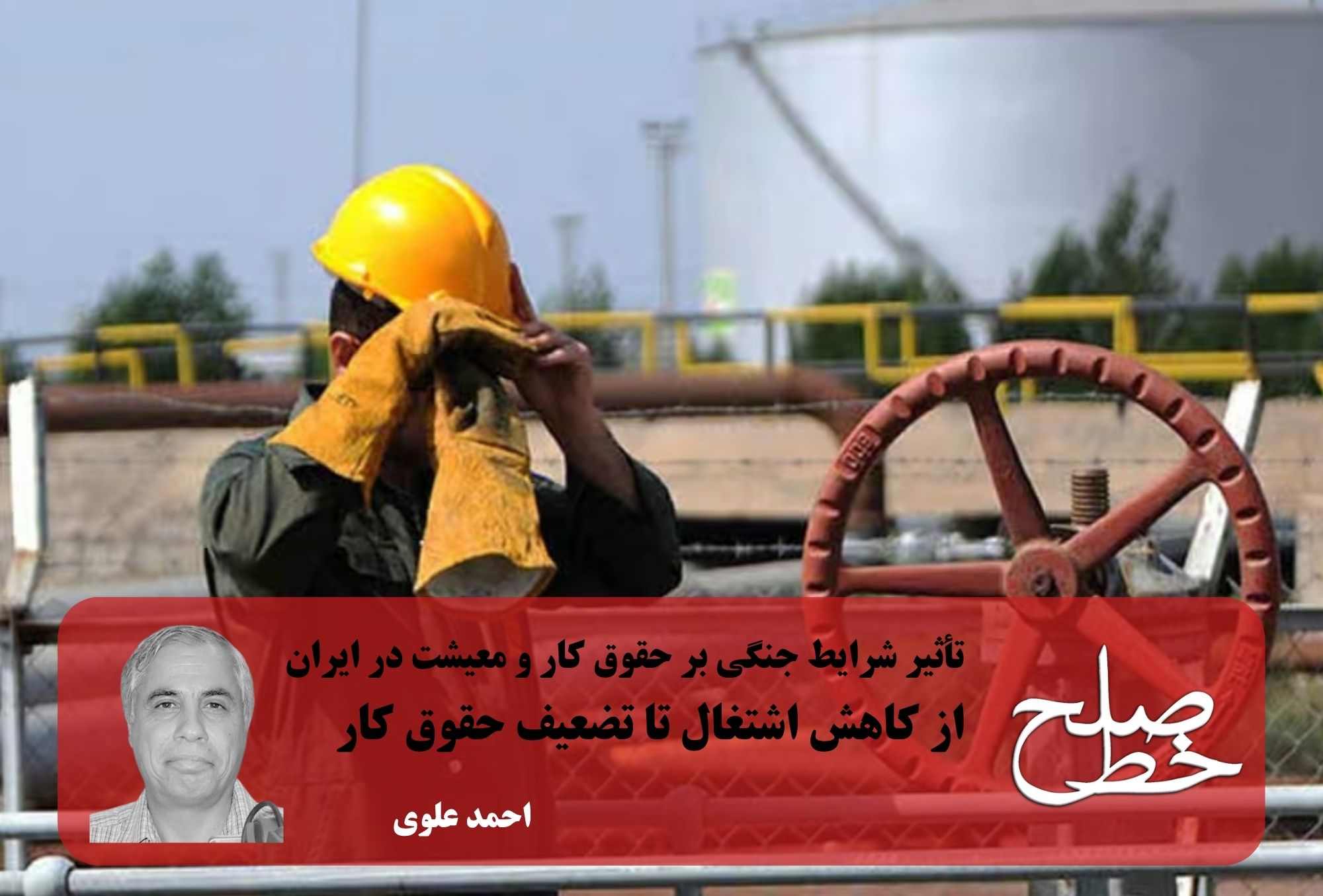
Wars in the modern economy are no longer merely military events; rather, they are multidimensional phenomena that simultaneously affect economic, social, and institutional structures. In the case of present-day Iran, in the year 2026 (1405), this characteristic is clearly observable, where the economy had already been facing chronic imbalances and war has acted as an […]
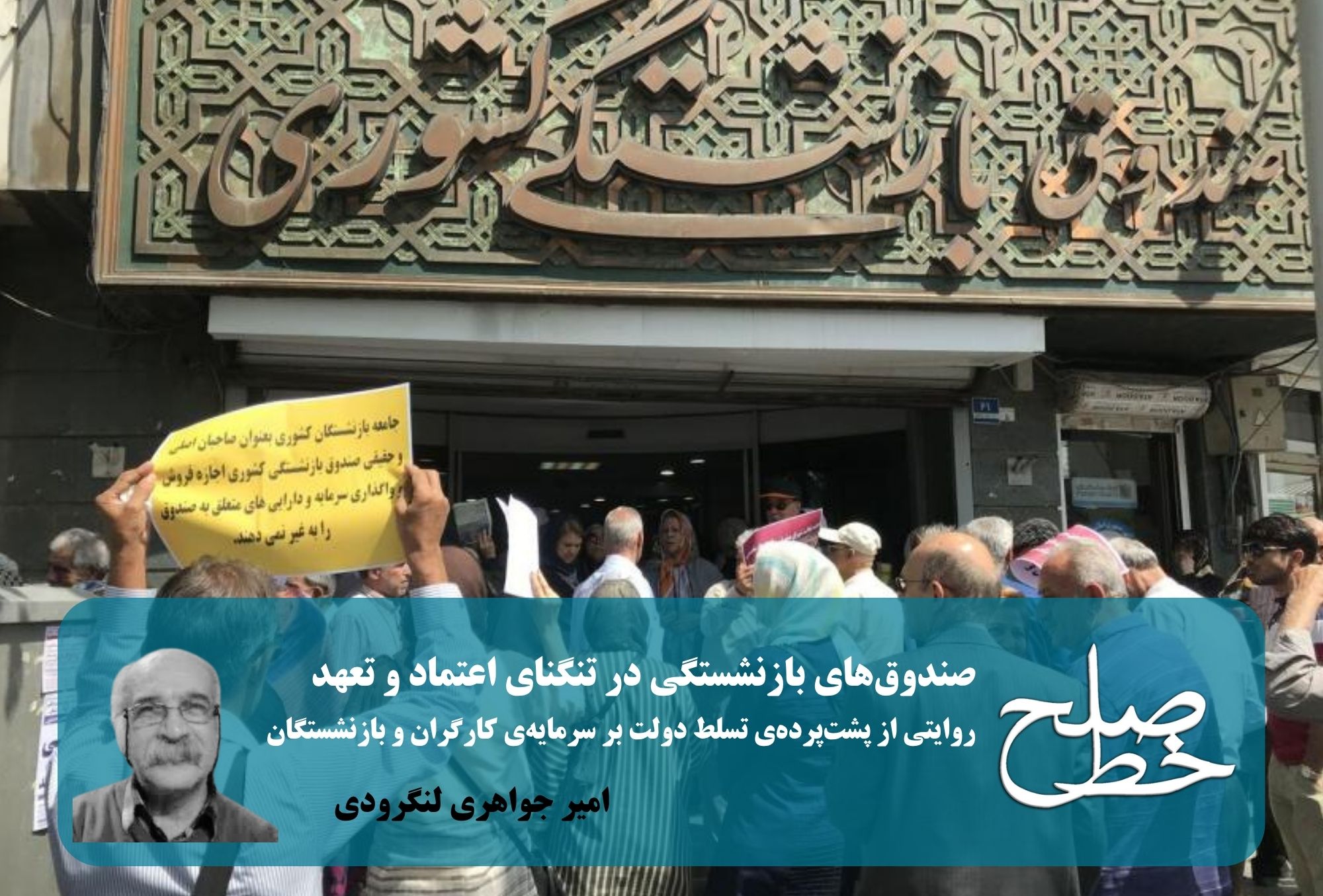
In recent years, the condition of pension funds—especially the Cultural Workers Reserve Fund and the performance of the Social Security Organization—has attracted the attention of many researchers, social activists, and fund members. The importance of this issue is evident not only in theory but also in practice, as its crisis-inducing consequences directly and significantly impact […]
In recent decades, the country’s pension funds—especially the Civil Servants Pension Fund, the Social Security Organization, and the Armed Forces Pension Fund—have faced a deep structural crisis. This crisis stems from chronic imbalance between resources and expenditures, unprofessional policymaking, and weak corporate governance in managing these institutions. The share of public budget contributions to cover […]
Muslim Minorites
The essence of qisas (retributive justice) has long been based on a natural law: “You kill, you are killed; an eye for an eye, and a tooth for a tooth.” This well-known principle existed long before the emergence of Abrahamic religions. Historical stone carvings—including the Code of Hammurabi, which dates back to 1800 BCE and […]
When I was reading the novel “Thursday Train” (1) by Anisa Dehghani, I came across a strange question: “It is possible to endure pain that is unique to you, but how can you endure pain that you must share with someone else?” “Thursday Train” delves into the lives of Iranians in the years after the […]
Narrative literature in Iran has been tangled with the perspective of the majority and their definition of voices and narratives that are of interest to the general society. As a result, communities or individuals who are not considered part of this majority have no place in the literary scene. Marginalized communities in any country not […]
Others
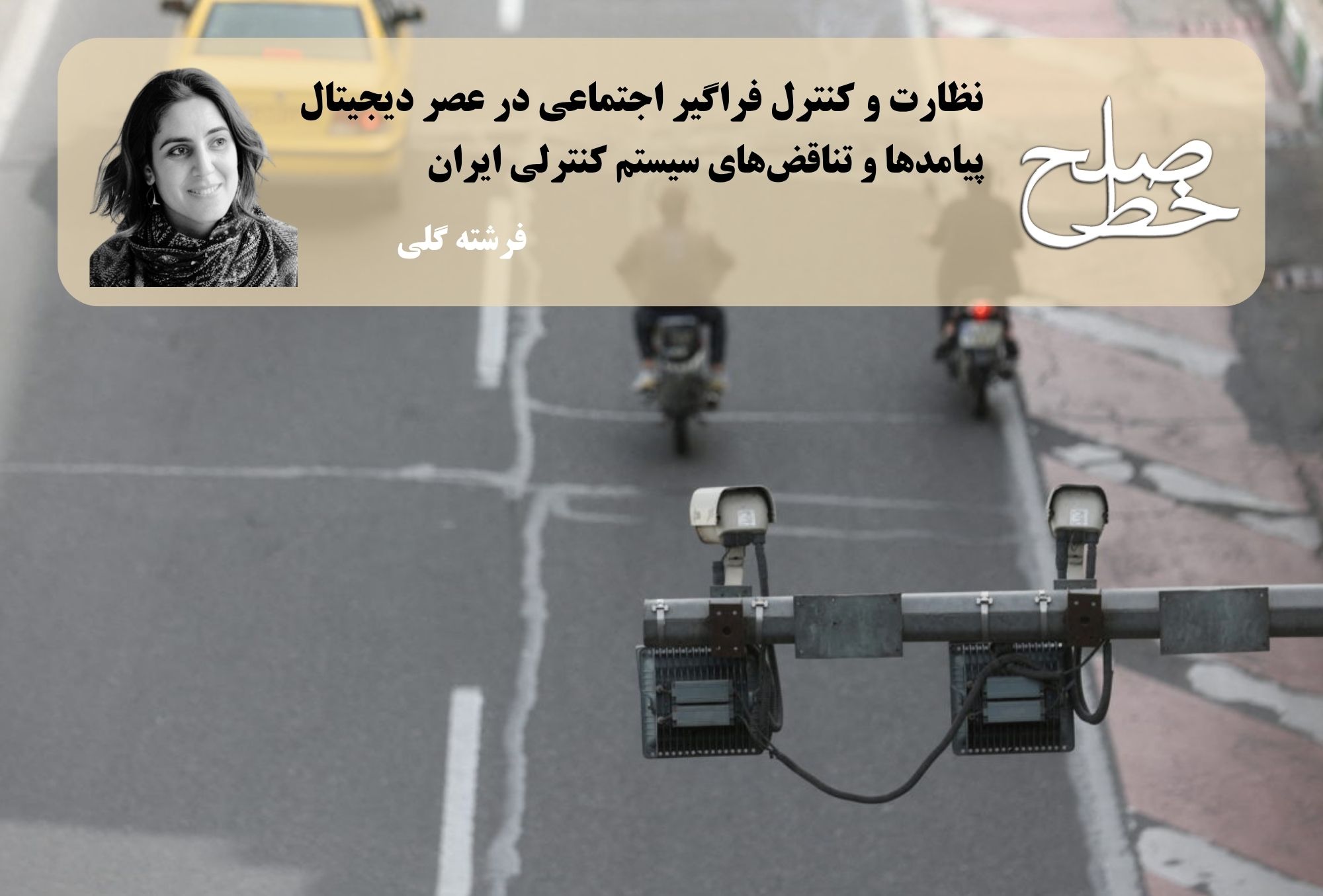
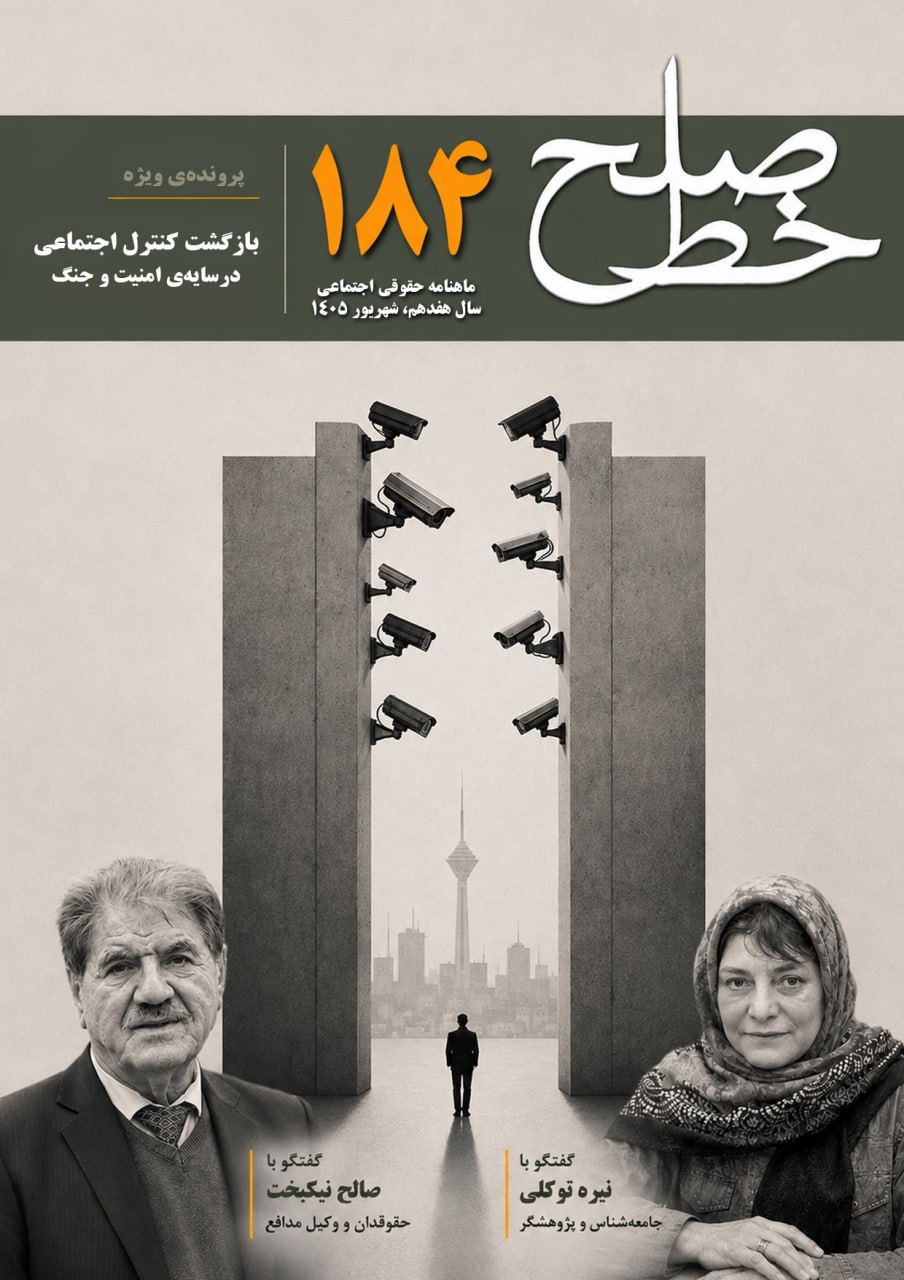
In recent years, the Islamic Republic has taken major steps in using new technologies for social surveillance and control. This trend, rooted in global developments and what the government regards as domestic needs, has been pursued at different speeds during different periods, but what has turned it into a prominent issue is the increasing acceleration […]
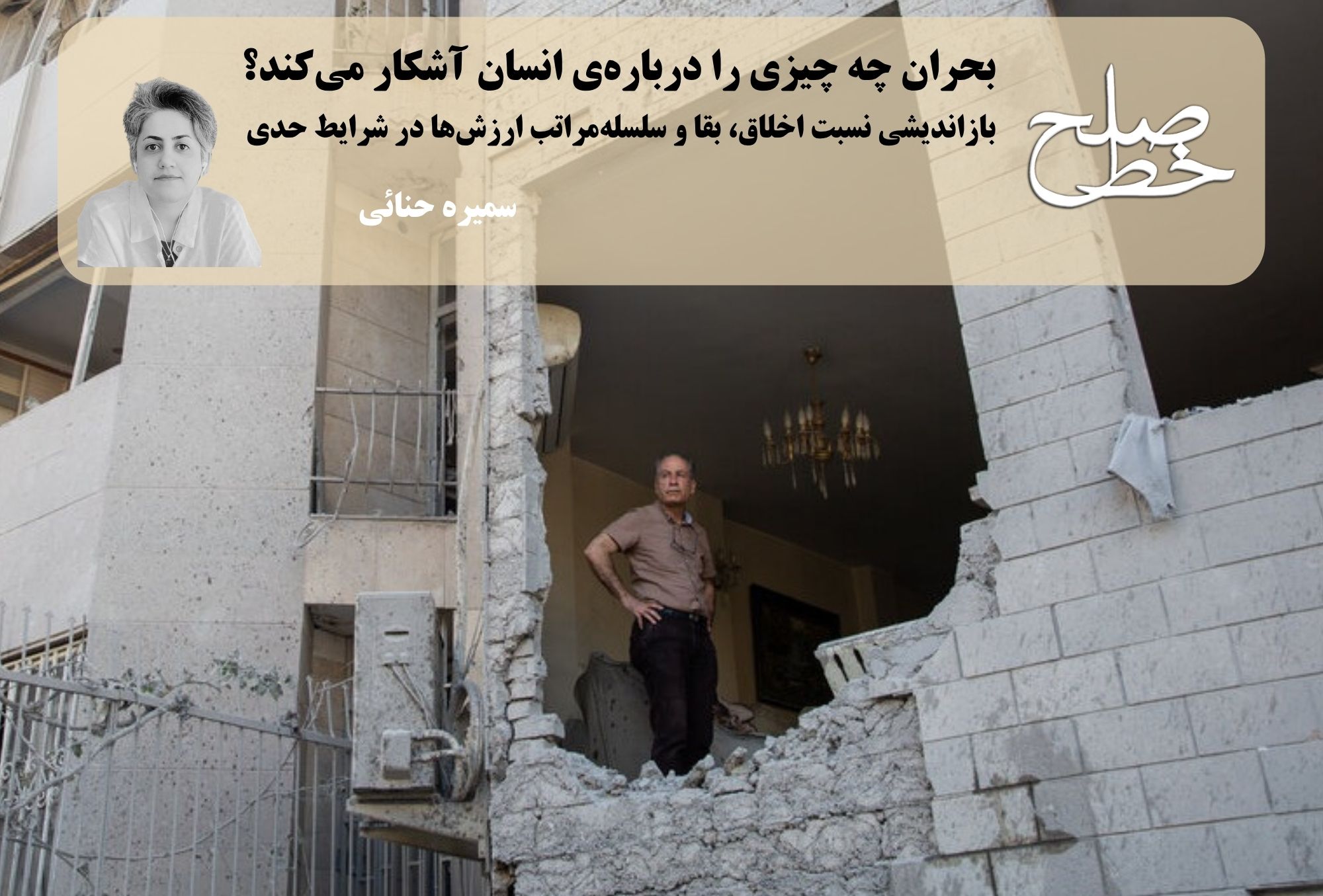
War does not only destroy cities. Crisis does not only unravel political or economic order. Perhaps the deepest effect of crisis lies where it is less visible: the moment when a person realizes that they can no longer preserve everything that is valuable to them at the same time. In ordinary life, many moral choices […]
While traditional models of mass tourism are largely based on consumerism, a particular approach to volunteer tourism has expanded in recent decades, founded on non-monetary exchange. Under this structured approach, rather than acting as a passive consumer and paying for accommodation and food, the tourist contributes part of their time, expertise, and physical or intellectual […]
Prisoners Rights
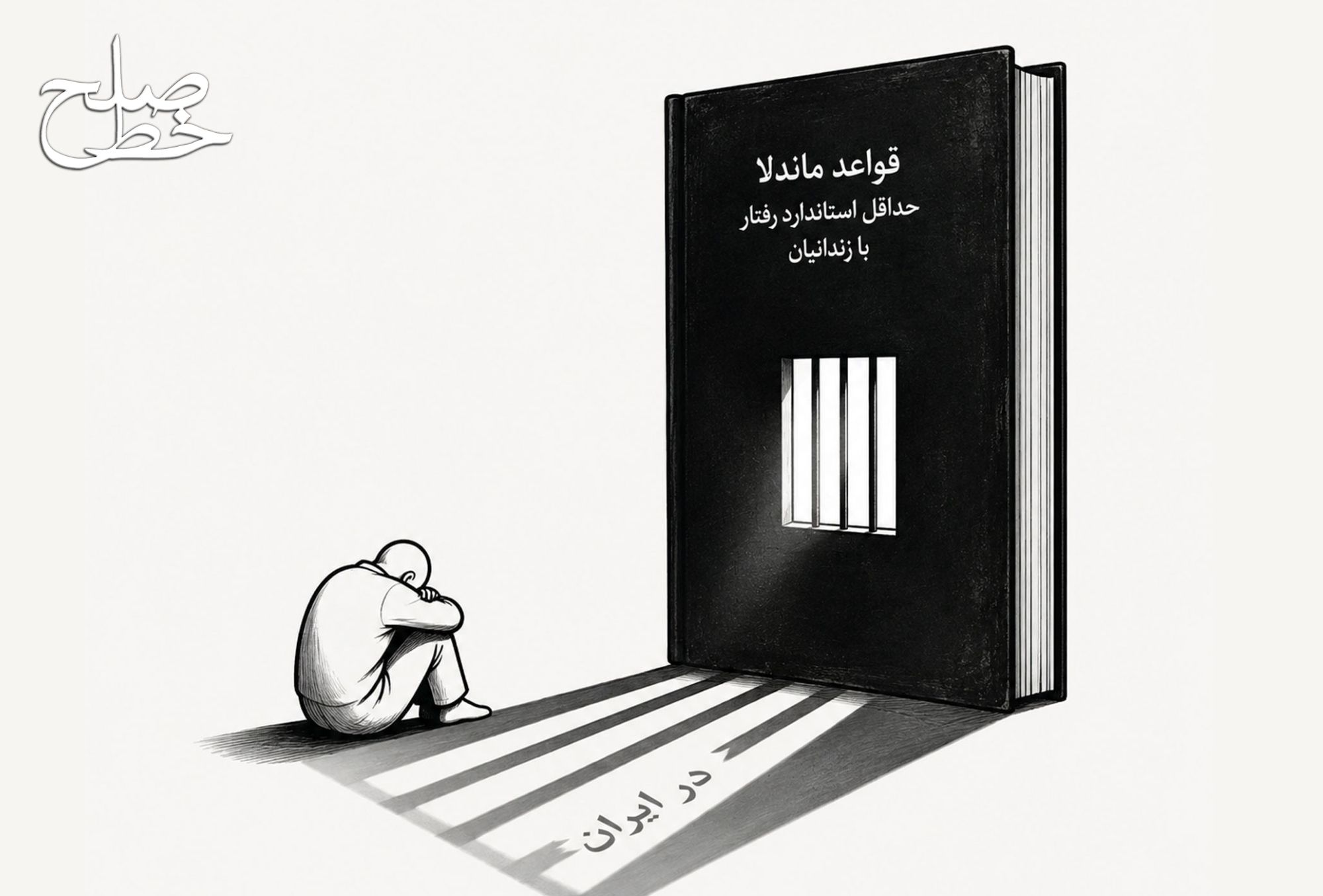
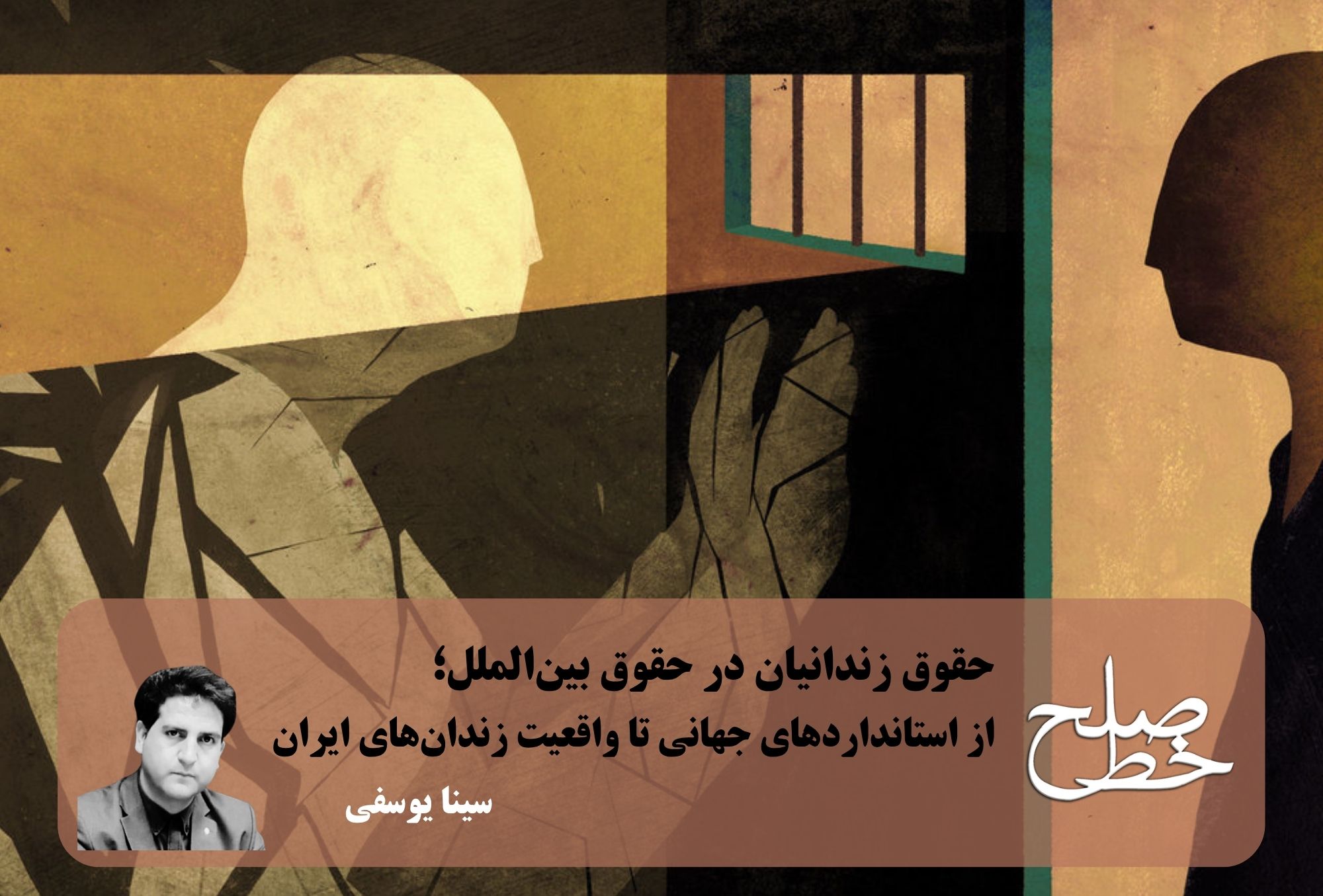
The extent to which a legal system adheres to the rule of law cannot be measured solely through criminal laws or court decisions; one of the most accurate measures of its assessment is the way in which individuals who are deprived of their liberty for any reason are treated. Contrary to popular belief, prison is […]
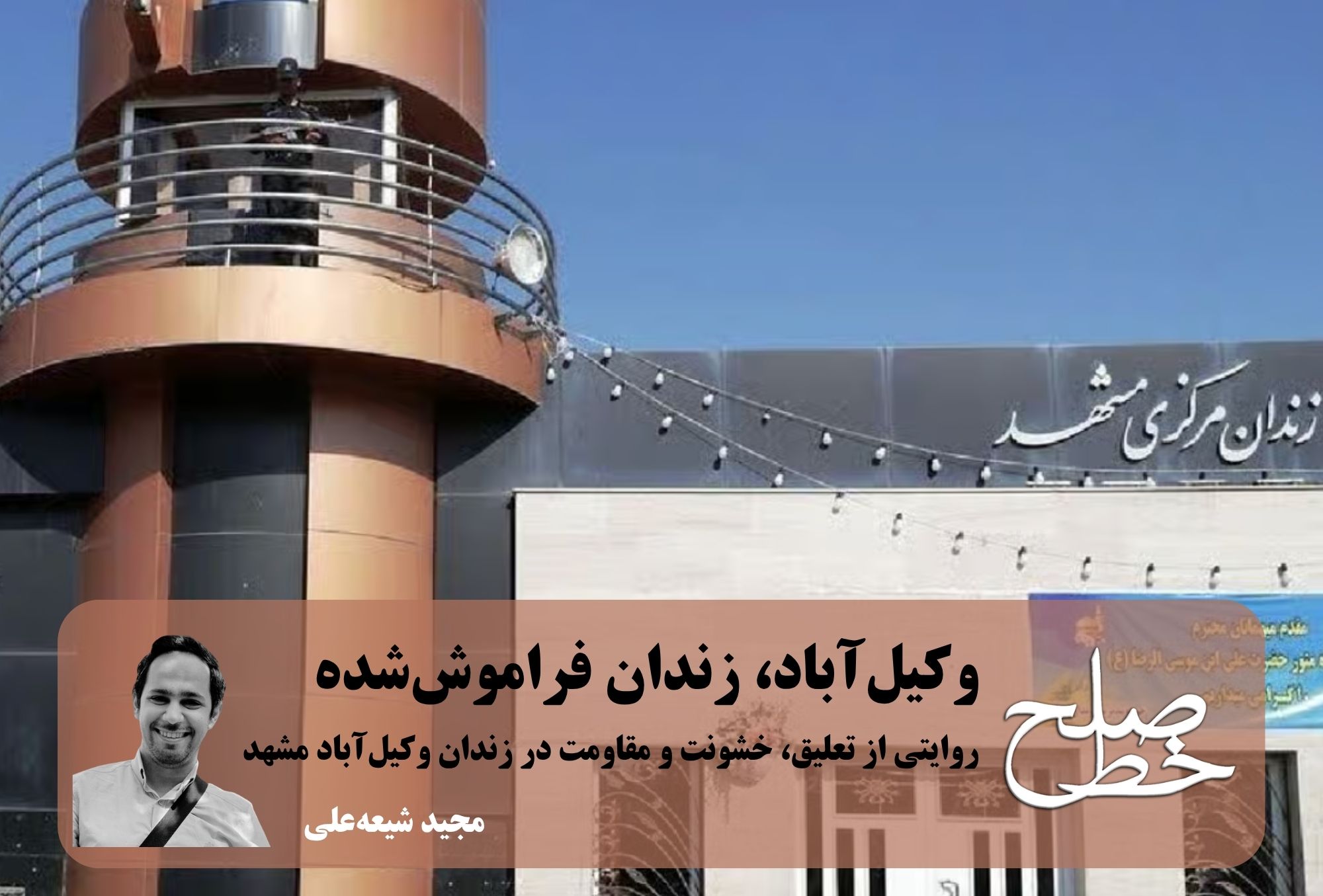
Last July, events occurred in Vakilabad Prison in Mashhad that have had little precedent in the history of this prison. The detainees of the protests of last January are still present in this prison in large numbers. Although the number of detainees has decreased from more than a thousand to about four hundred during this […]
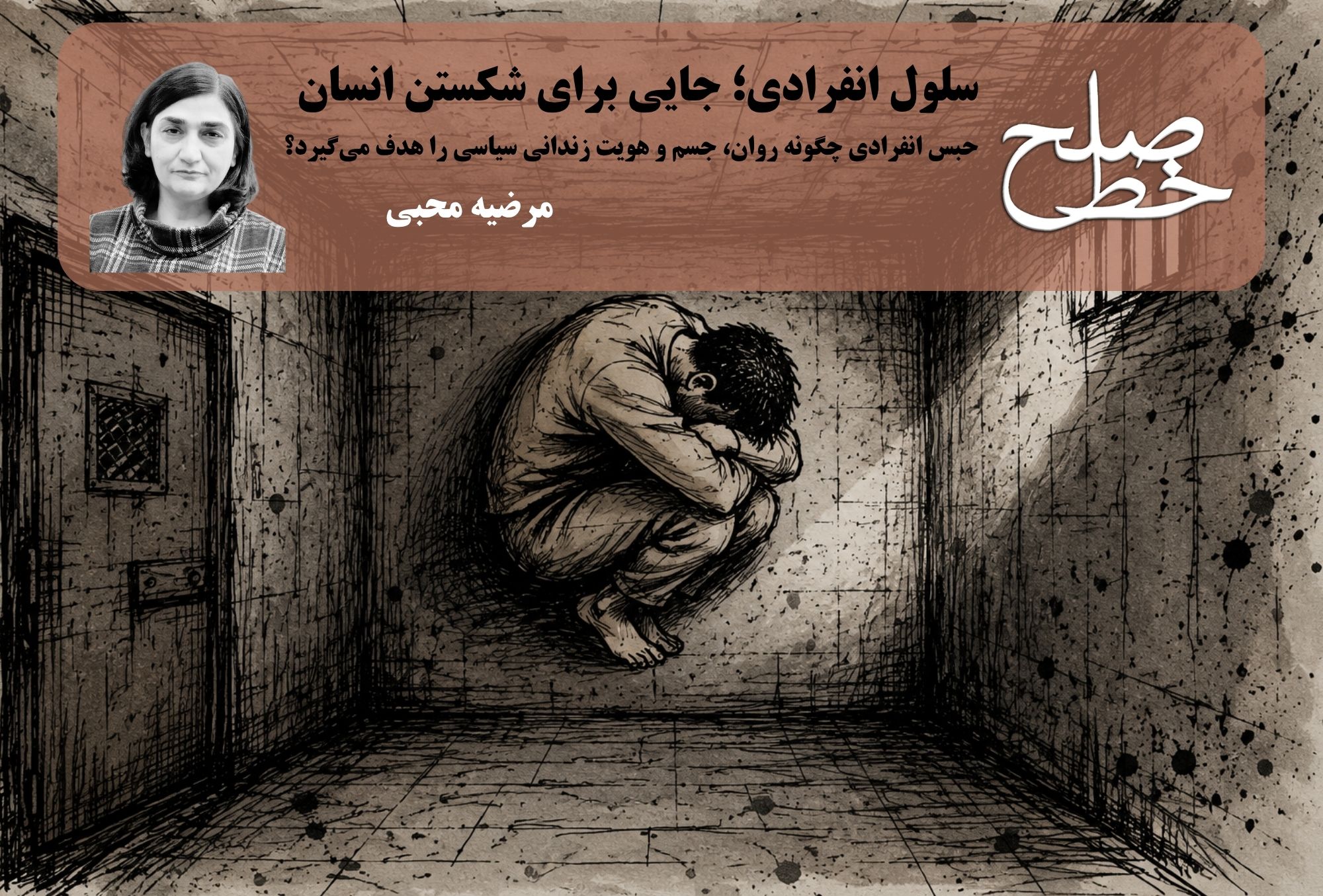
What is solitary confinement, what are its conditions, is it essentially torture or punishment, and how does it debilitate a prisoner and cause his psyche to go into turmoil? How does loneliness and disconnection from the world destroy humanity, and why does the Islamic Republic, in its unparalleled and advanced set of physical and mental […]
Religious Minorities
This is a picture of a flower. Shiraz Tabrizi Sparkle Sufism, mysticism, asceticism, and some other names refer to a school of Islam that, based on the teachings of each chain of this school – which I will refer to as Sufism – believes in the different sects of Islam that the commandments of religion […]
Following the arrests of Christians in Iran clearly shows that in recent years, Iranian government authorities have targeted the Christian community for suppression. Reports indicate that from May to August 2016, 79 Christian citizens were arrested and a large number of them were interrogated and sent to prison. It is believed that many arrests have […]
Right to Life
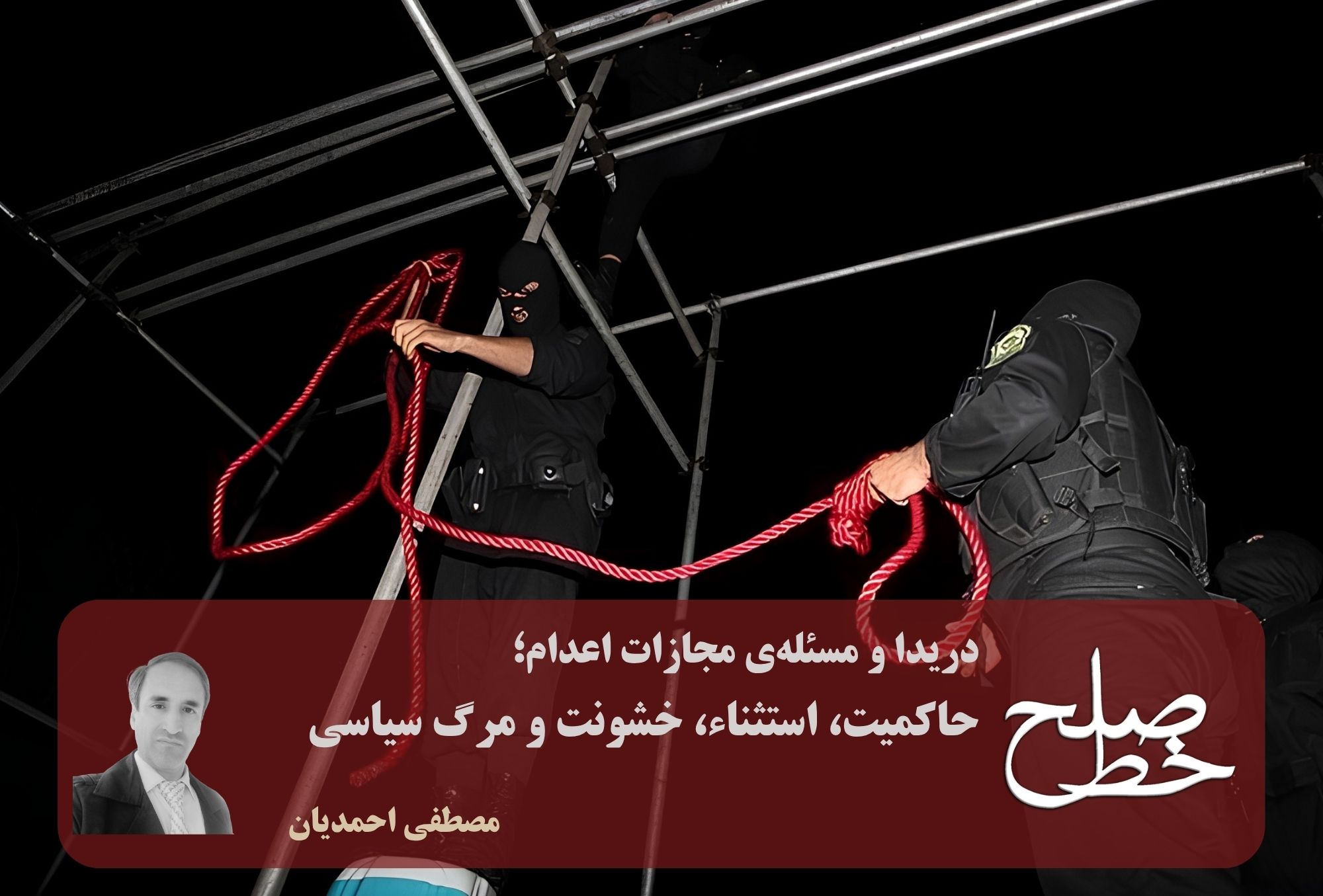
Introduction: When the Law Arrives at Death Discussions of the death penalty usually begin from a point that the law has already determined: what constitutes a crime, what constitutes punishment, and in which cases the most severe punishment—the deprivation of life—may be applied. For this reason, a large part of the legal literature on the […]
Each time, the government finds a new pretext to take human lives; a government that, throughout its existence, has shown that it places no value on the lives of citizens. The latest example became clear during the war between the United States and Israel and Iran, when it was revealed that for years, massive budgets […]
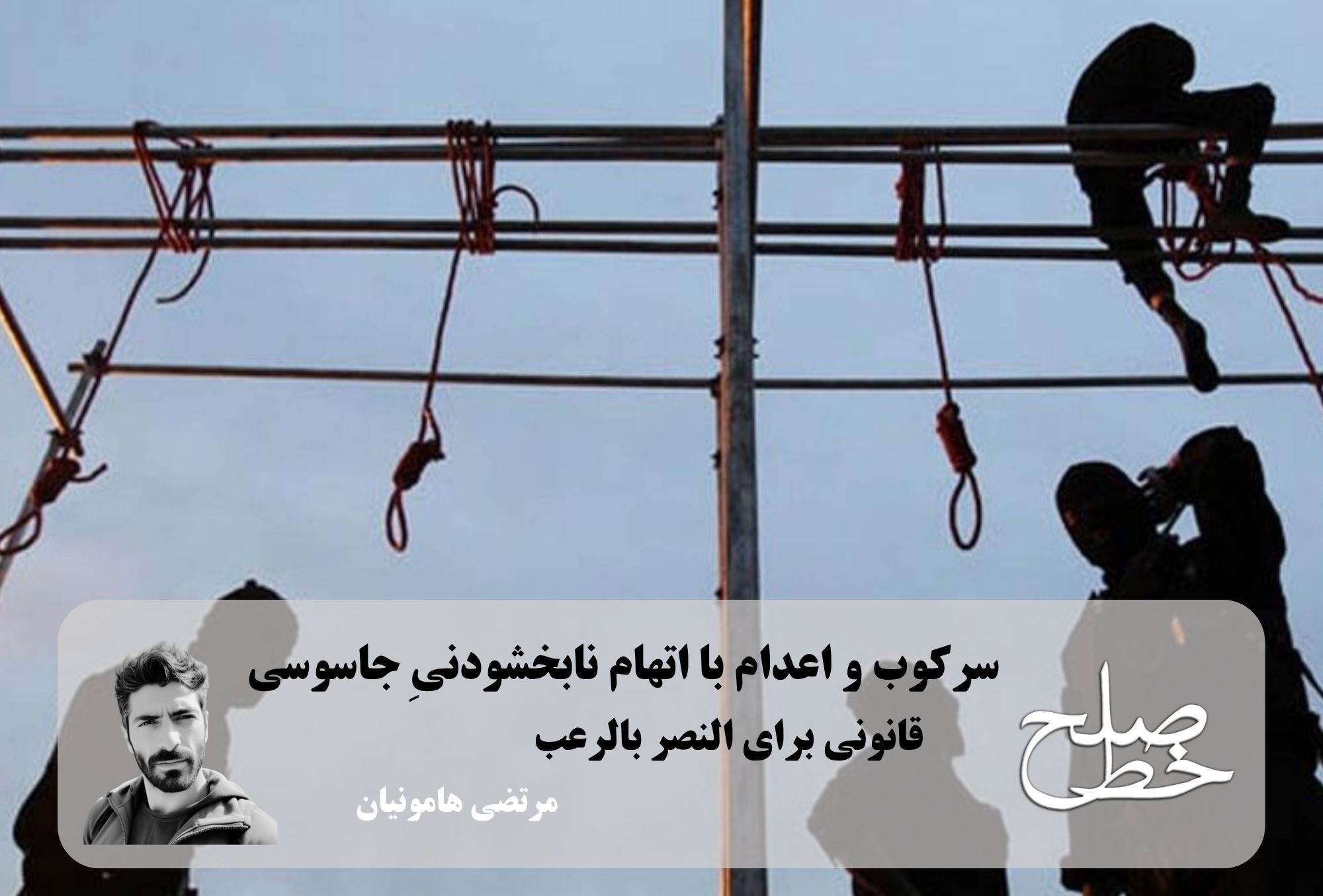
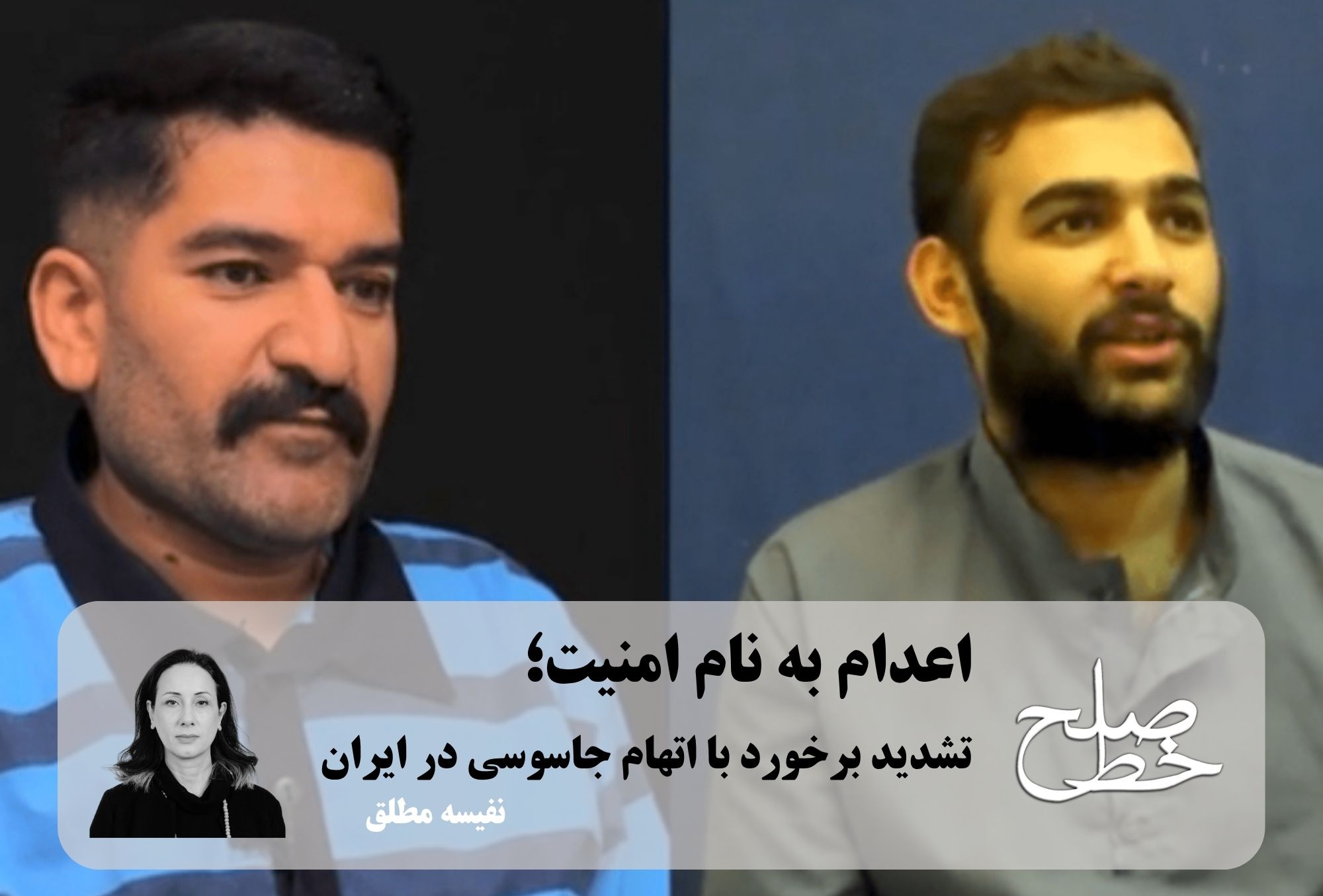
Following the escalation of military tensions and attacks by the United States and Israel, the judicial process of dealing with charges of “espionage” and “collaboration with hostile states” in Iran has entered a new phase. What is more controversial than the laws themselves is the way they are implemented: expedited proceedings, lack of transparency, and […]
Unions Rights
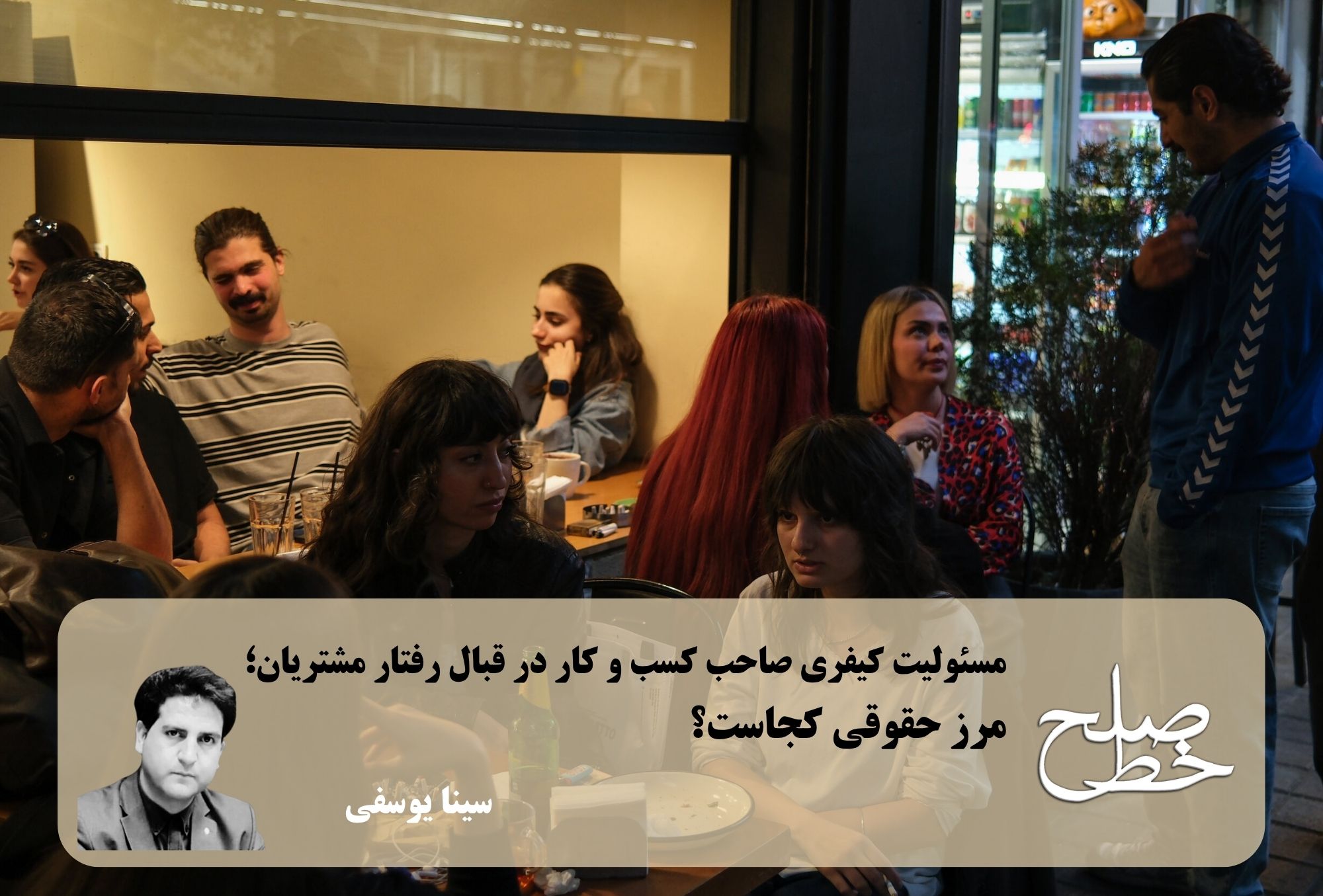
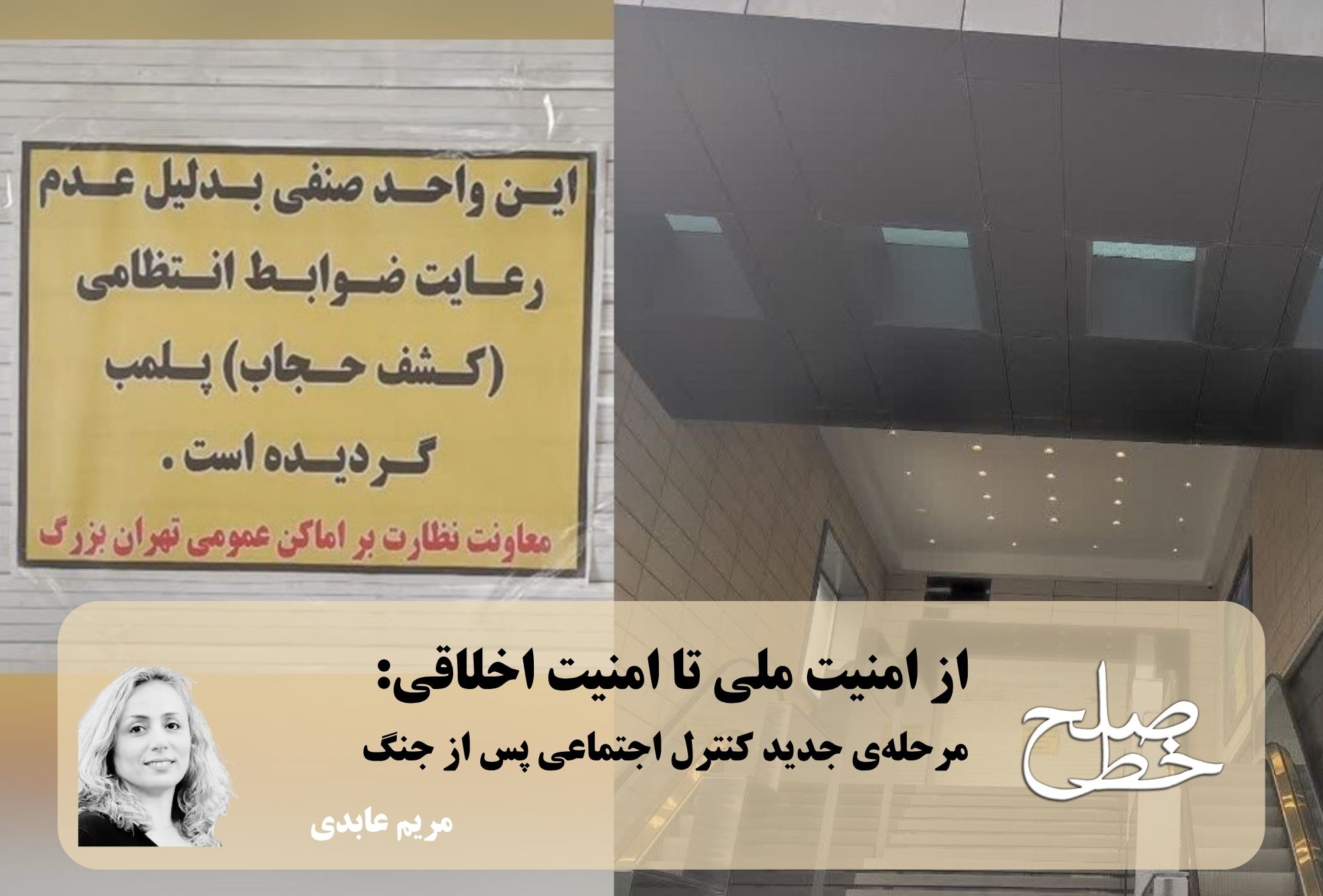
In recent years, one of the significant changes in the way social control policies are enforced in Iran has been the expansion of business owners’ responsibility for the conduct of individuals who are neither their employees nor necessarily under their legal authority or supervision. The owner of a restaurant, café, gym, or tourism center, or […]
Introduction: Two Complementary Movements in the Language of Power In the official discourse of the Islamic Republic, “norm-breaking” appears to be a simple term used to describe deviation from accepted social rules. But this sociological appearance conceals its political and criminal function. In part of the political discourse of recent years, the central instance of […]
In recent months, as the war has subsided, what has been seen on the streets, Instagram, and cyberspace is the return of the focus of governance from Iranian soil to the city; from the sealing of cafes and book cafes in Sana’i and Iranshahr to the crackdown on tourist tours and the blocking of bloggers’ […]
Women Rights
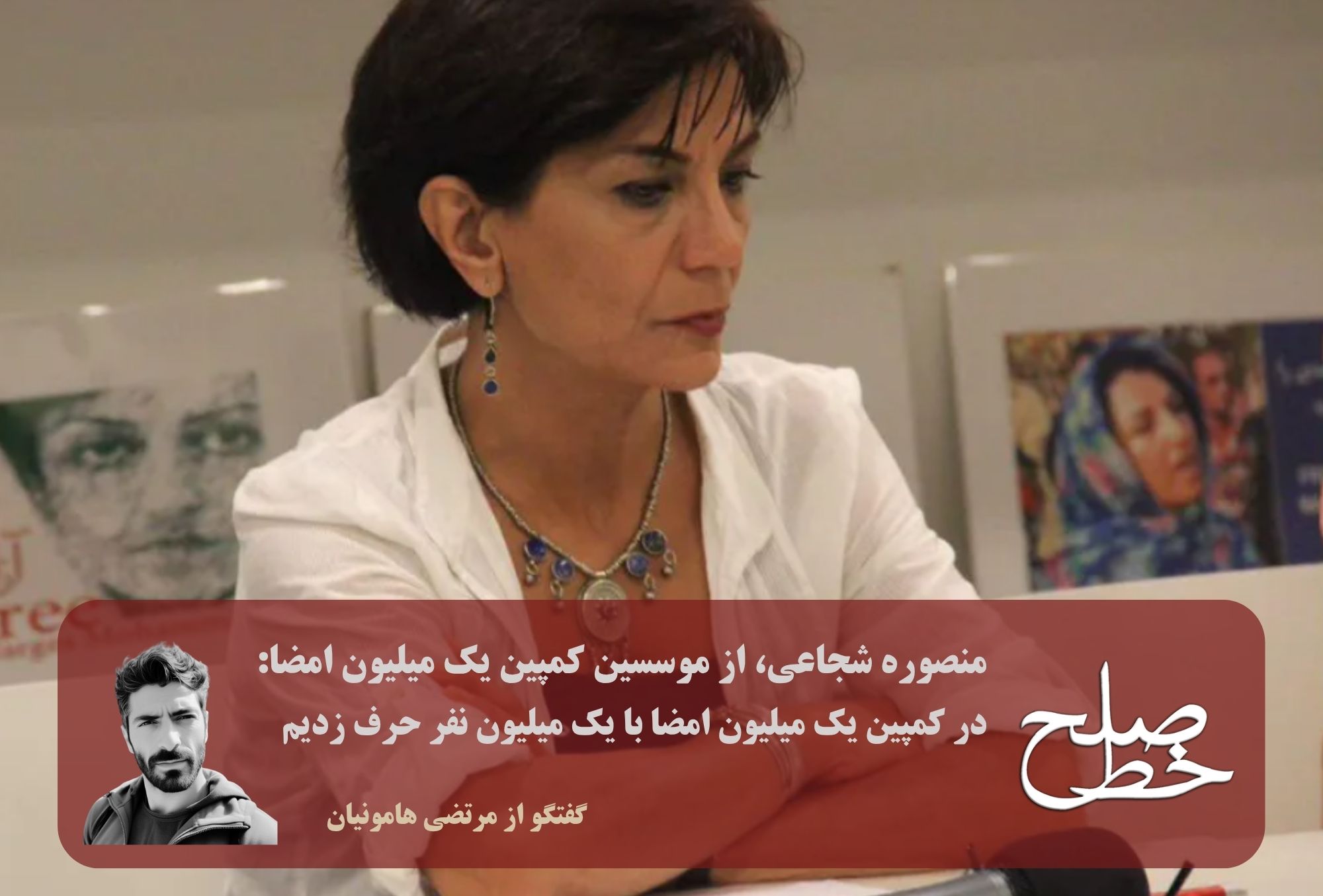
Question 1: Looking back from a distance of twenty years at August 27, 2006 (5 Shahrivar 1385), and the launch of the “One Million Signatures Campaign,” what is the greatest misconception in evaluating this movement, and where should its real achievement be sought? The greatest mistake is to measure the campaign’s success or failure solely […]
I belong to a generation of women who have spent a large part of their lives in conflict with the Islamic Republic; not only in the streets, in prison, and in civil activism, but also in the media, in photographs and images, in those very places that the government, whenever it has deemed necessary, has […]
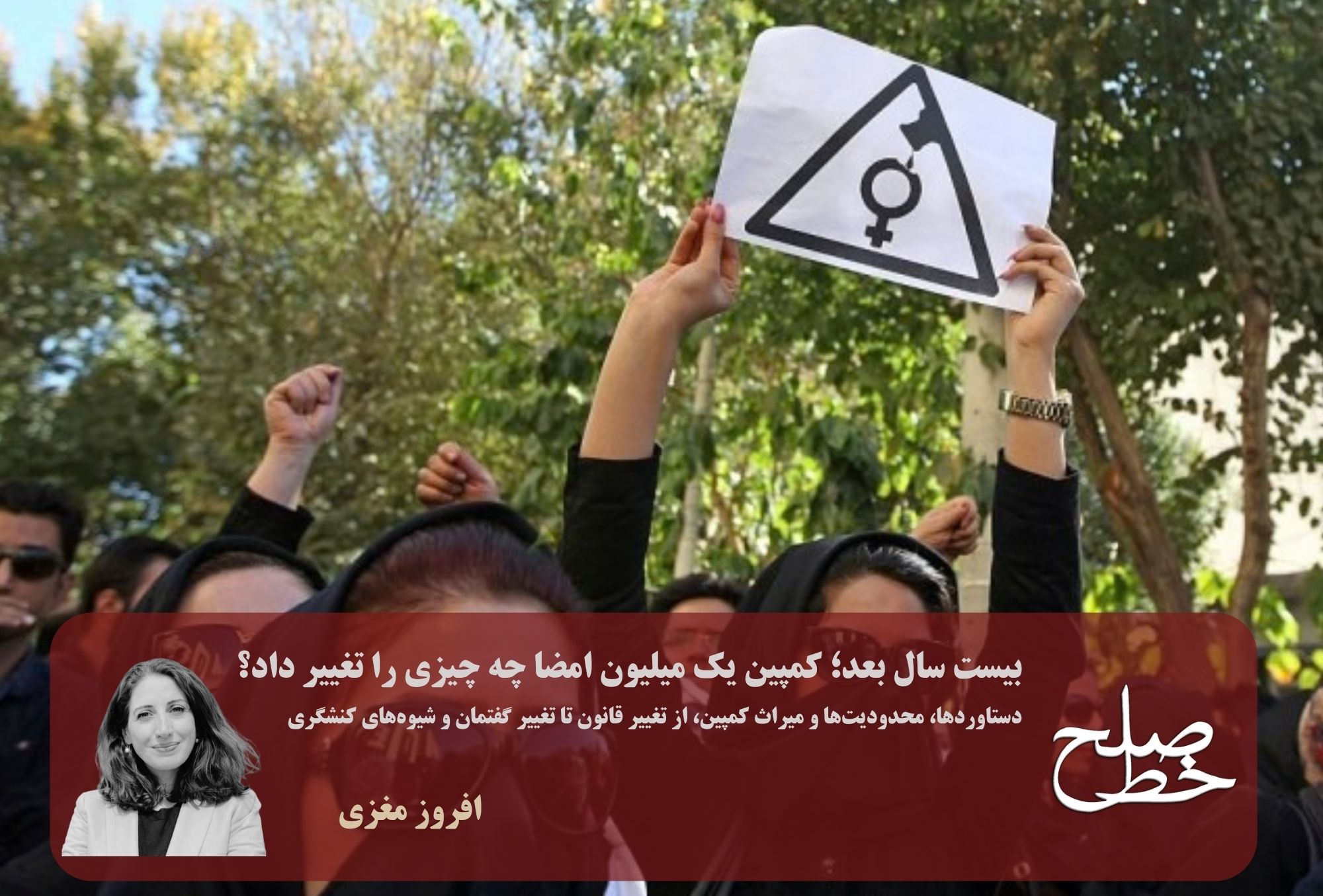
The “One Million Signatures Campaign to Change Discriminatory Laws” (Change for Equality), launched in August 2006 (Mordad 1385) through the efforts of a group of women’s rights activists, is regarded as one of the most prominent, cohesive, and influential collective actions in Iran’s contemporary history. By adopting an issue-oriented approach and making use of social […]