


Unions Rights
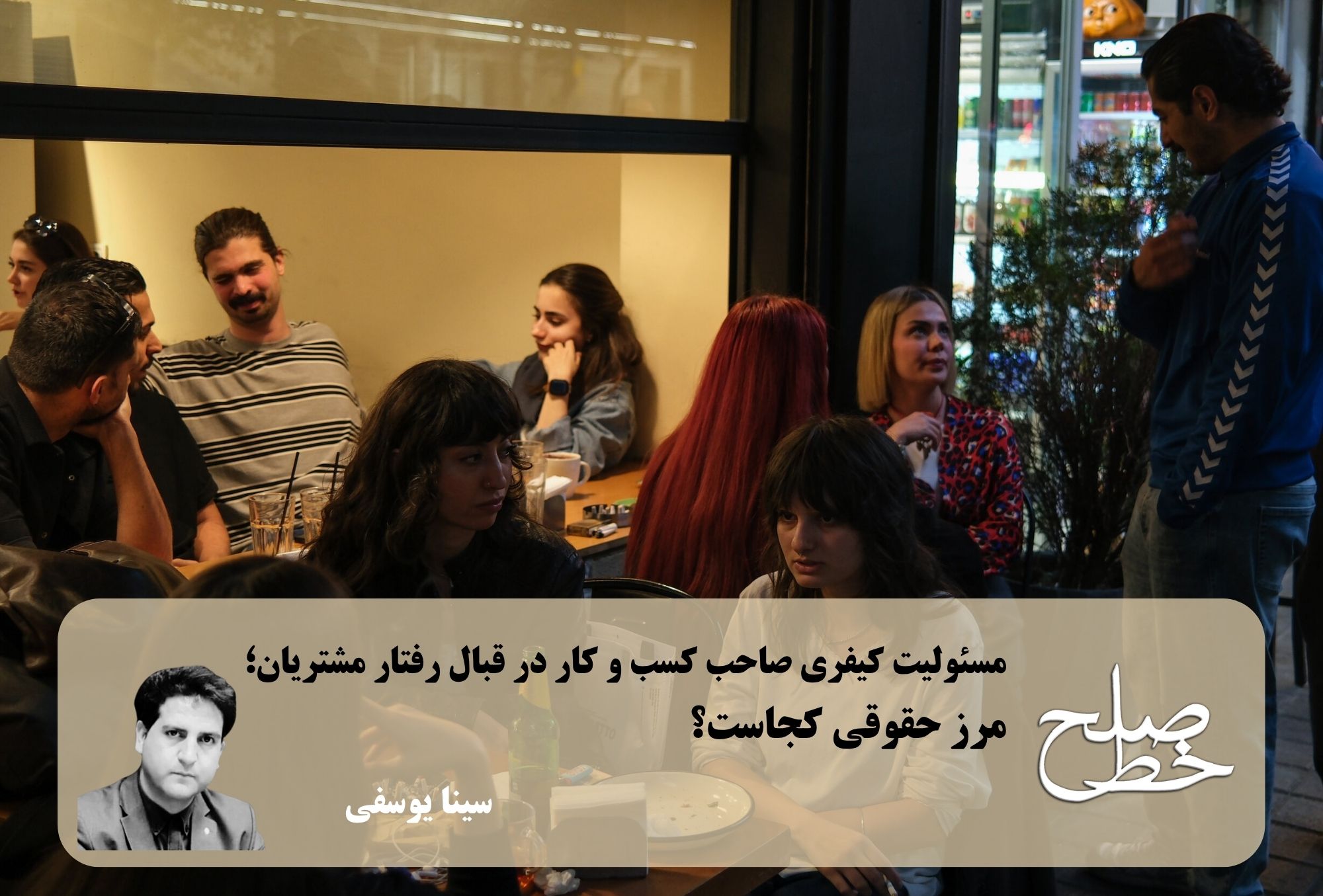
Criminal Liability of Business Owners for Customers’ Conduct: Where Is the Legal Boundary?/ Sina Yousefi
In recent years, one of the significant changes in the way social control policies are enforced in Iran has been the expansion of business owners’ responsibility for the conduct of individuals who are neither their employees nor necessarily under their legal authority or supervision. The owner of a restaurant, café, gym, or tourism center, or […]...
Read More Created By: Sina Yousefi
 August 23, 2026
Norm-Breaking: An Ambiguous Label, Broad Criminal Discretion/ Eldar Khiavi
Introduction: Two Complementary Movements in the Language of Power In the official discourse of the Islamic Republic, “norm-breaking” appears to be a simple term used to describe deviation from accepted social rules. But this sociological appearance conceals its political and criminal function. In part of the political discourse of recent years, the central instance of […]...
Read More
Created By: Eldar Khiavi August 23, 2026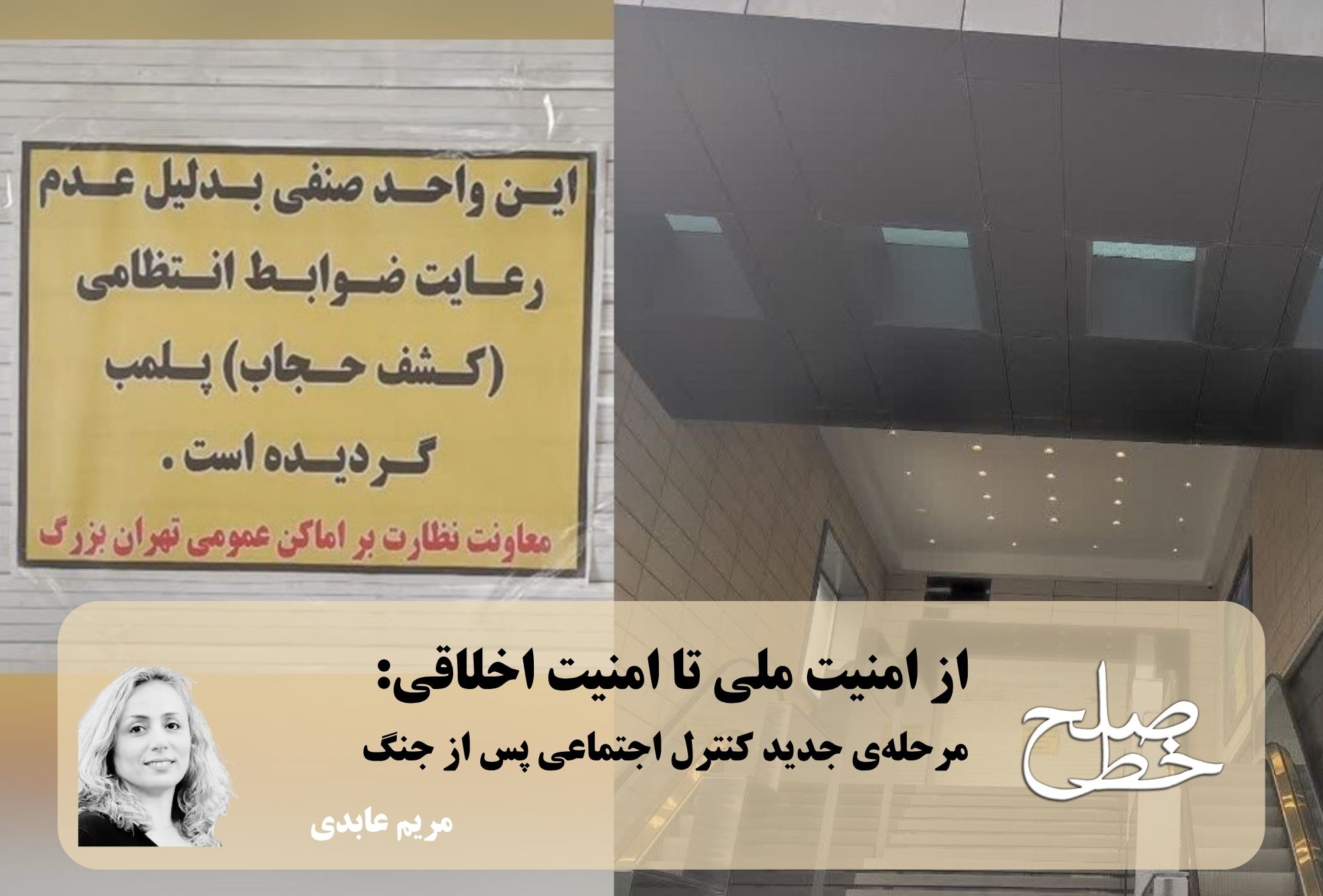
From National Security to Moral Security: The New Stage of Post-War Social Control / Maryam Abedi
In recent months, as the war has subsided, what has been seen on the streets, Instagram, and cyberspace is the return of the focus of governance from Iranian soil to the city; from the sealing of cafes and book cafes in Sana’i and Iranshahr to the crackdown on tourist tours and the blocking of bloggers’ […]...
Read More
Created By: Maryam Abedi August 23, 2026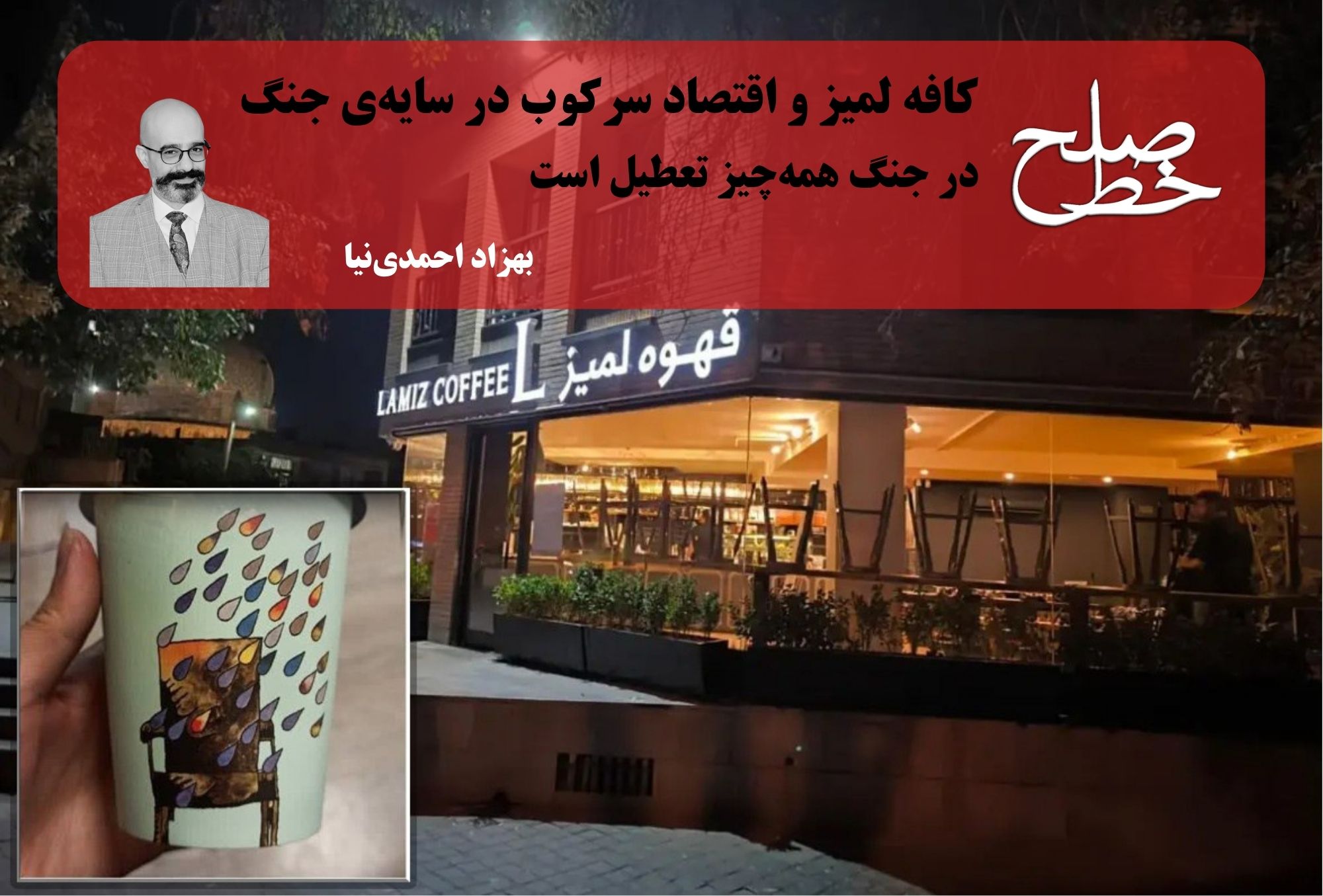
Cafe Lamiz” and the Economy of Suppression in the Shadow of War / Behzad Ahmadinia”
The ugliest—and perhaps most familiar—face of human society is “war.” This can be read between the lines of the book An Introduction to Polemology by Gaston Bouthoul. In this work, he explains how no law, treaty, or prohibition can stand against war. In a case study, the book describes the international restrictions and global pressures […]...
Read More
Created By: Behzad Ahmadinia April 21, 2026
From the rule of law to the state of confiscation/ Sara Qureshi
Introduction: Terminological explanation In this article, the concept of the general power of the state is consciously used, not political sovereignty. This choice of language is not accidental. The state here is not simply the construction of political power, but an institution that, in the logic of public law, is responsible for implementing the law, […]...
Read More
Created By: Sara Qoreyshi February 20, 2026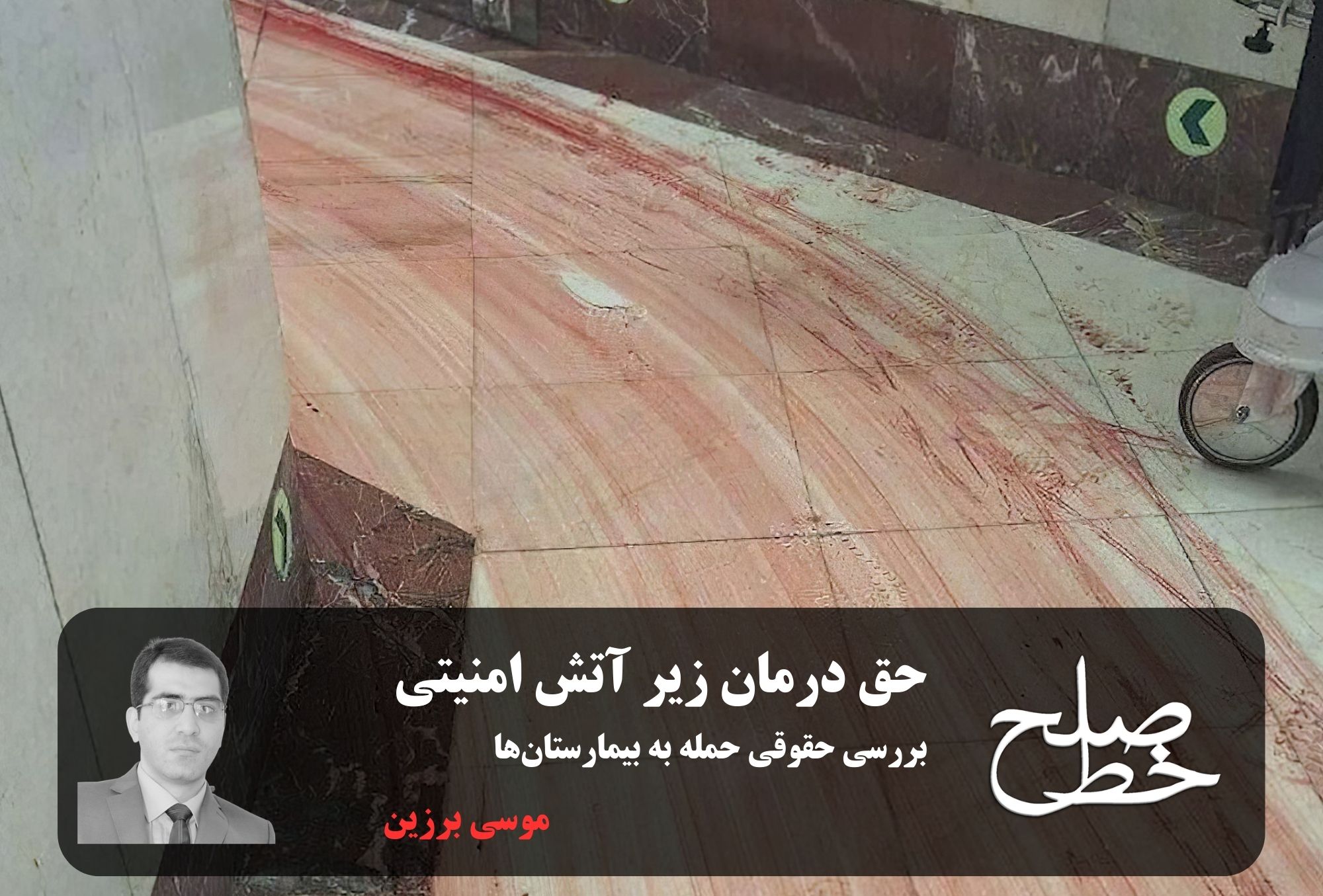
The right to treatment under security fire/Musa Barzin
During the recent protests, we witnessed many bitter incidents and extra-legal actions in Iran. One of these cases was the restriction of treatment for protesters in various forms. According to reports published from the very first days of the protests, police and security forces attacked hospitals where injured protesters had been taken, creating heartbreaking scenes. […]...
Read More
Created By: Mousa Barzin February 20, 2026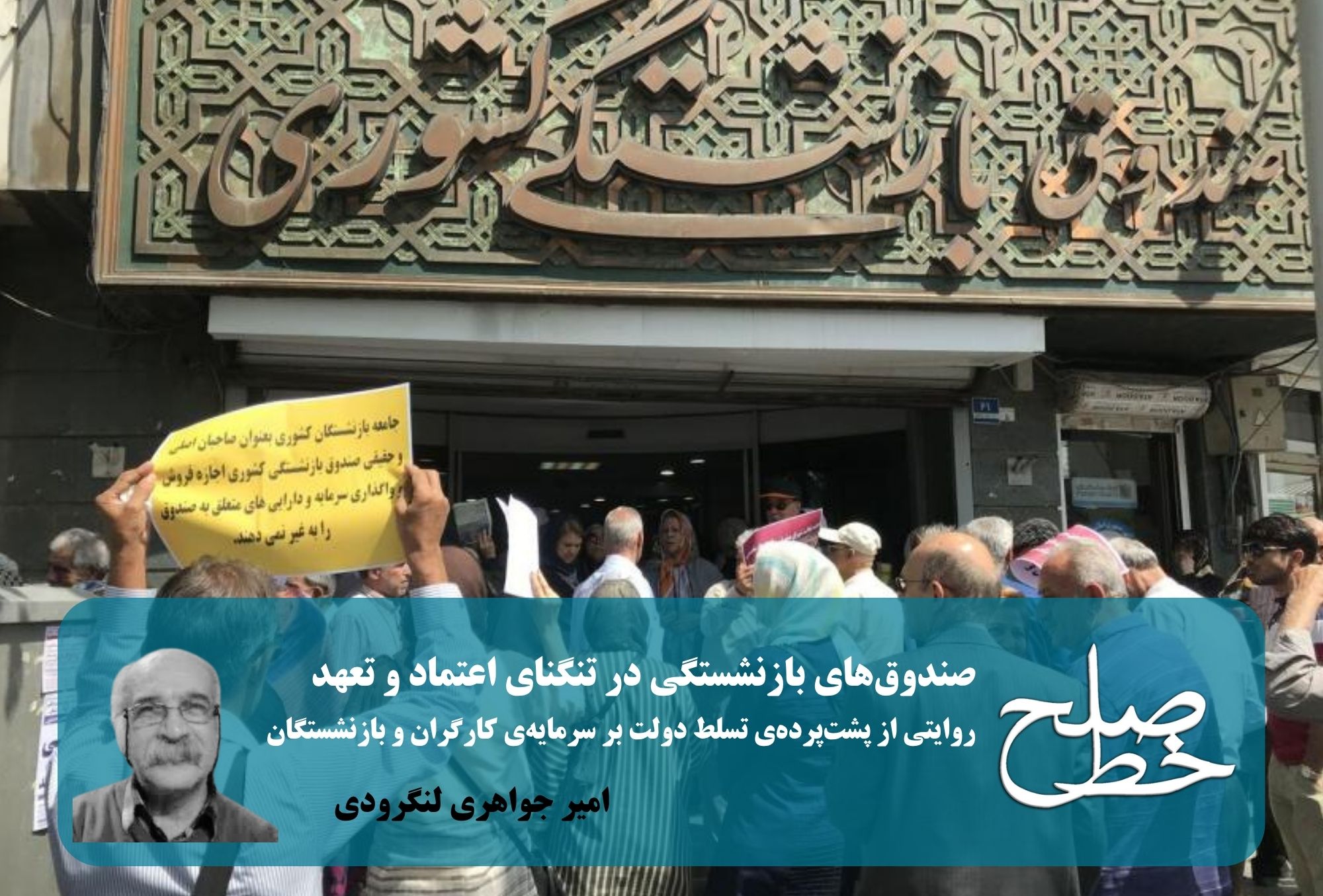
Pension Funds in the Strait of Trust and Obligation/ Amir Javaheri Langroudi
In recent years, the condition of pension funds—especially the Cultural Workers Reserve Fund and the performance of the Social Security Organization—has attracted the attention of many researchers, social activists, and fund members. The importance of this issue is evident not only in theory but also in practice, as its crisis-inducing consequences directly and significantly impact […]...
Read More
Created By: Amir Javaheri Langaroudi October 23, 2025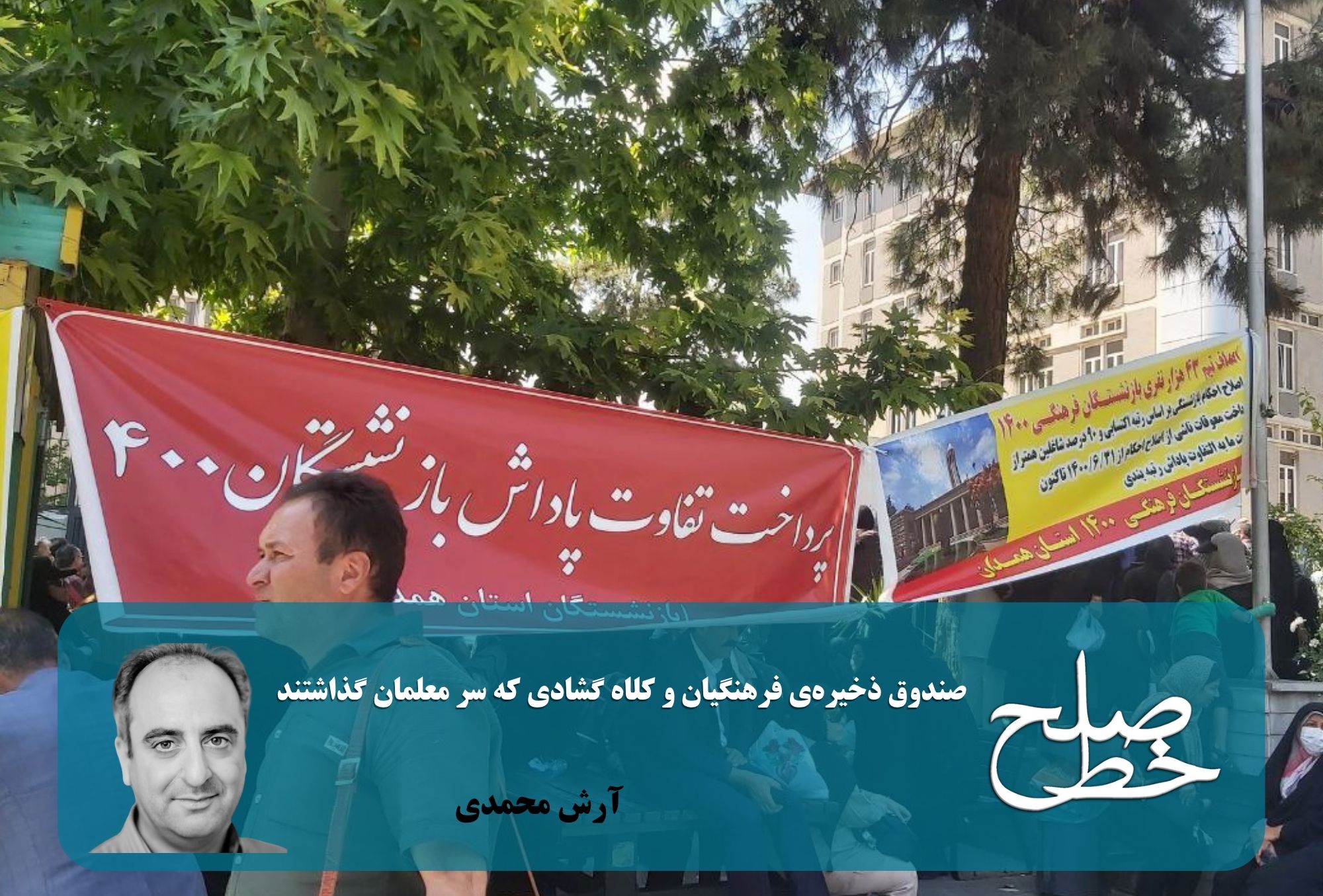
The Teachers’ Reserve Fund and the Grand Deception Played on Educators/ Arash Mohammadi
Now that I’ve reached retirement, I sit and reflect—one by one—on all the miseries I tried to overcome during the thirty years I went to and from school. I inhaled chalk dust, developed trembling knees, suffered nervous disorders… yet those miseries never ended. I sit and think about which of life’s wounds I can possibly […]...
Read More
Created By: Arash Mohammadi October 23, 2025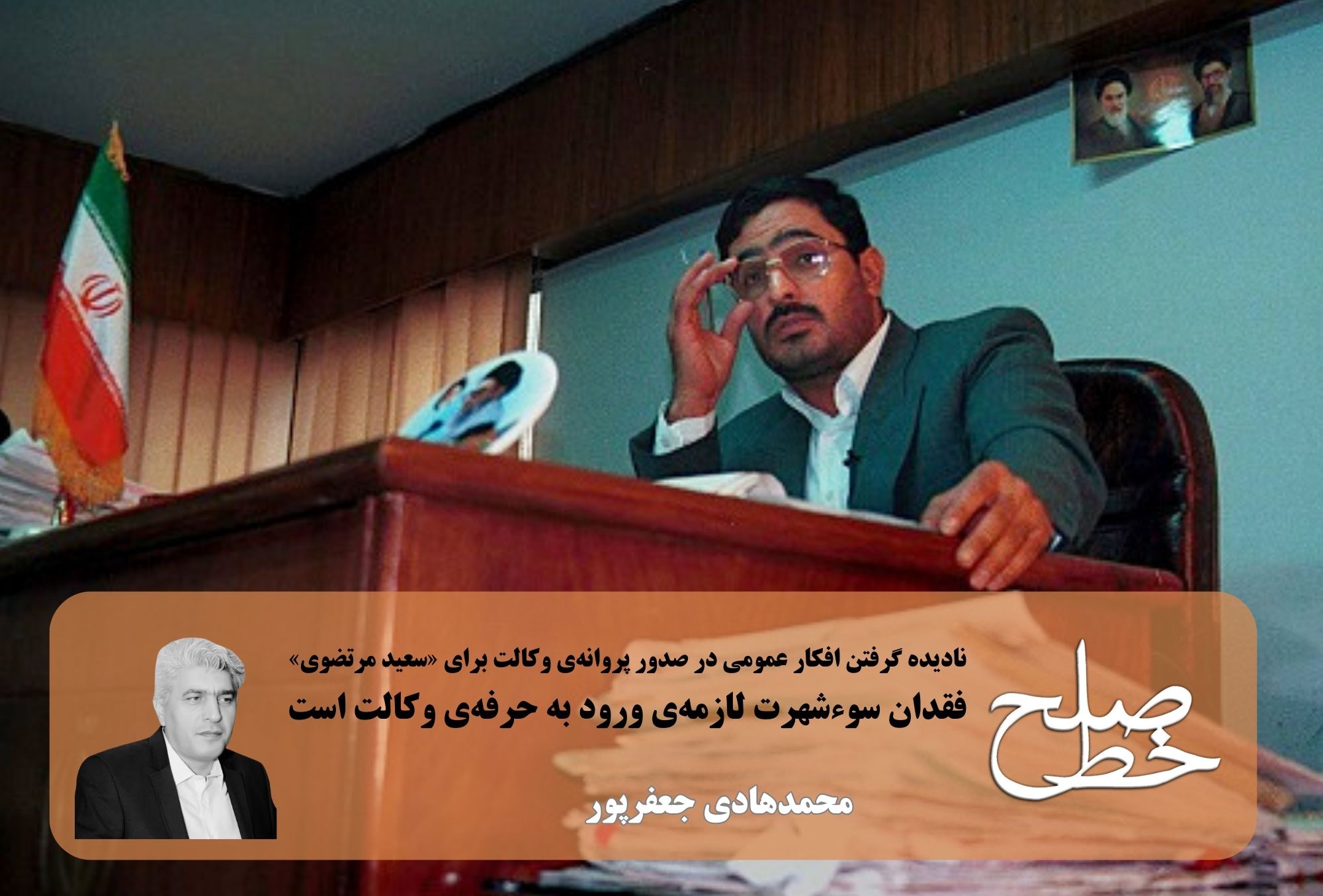
Ignoring public opinion in issuing a power of attorney for “Saeed Mortazavi” / Mohammad Hadi Jafarpour
Referring to the decision of the Bar Association of Yazd regarding the issuance of a lawyer’s license for Saeed Mortazavi (former judge and government employee), and considering the reaction of the legal community and lawyers’ protest against the performance of the board of directors of the Bar Association of Yazd, this decision is subject to […]...
Read More
Created By: Mohammad Hadi Jafarpour February 19, 2025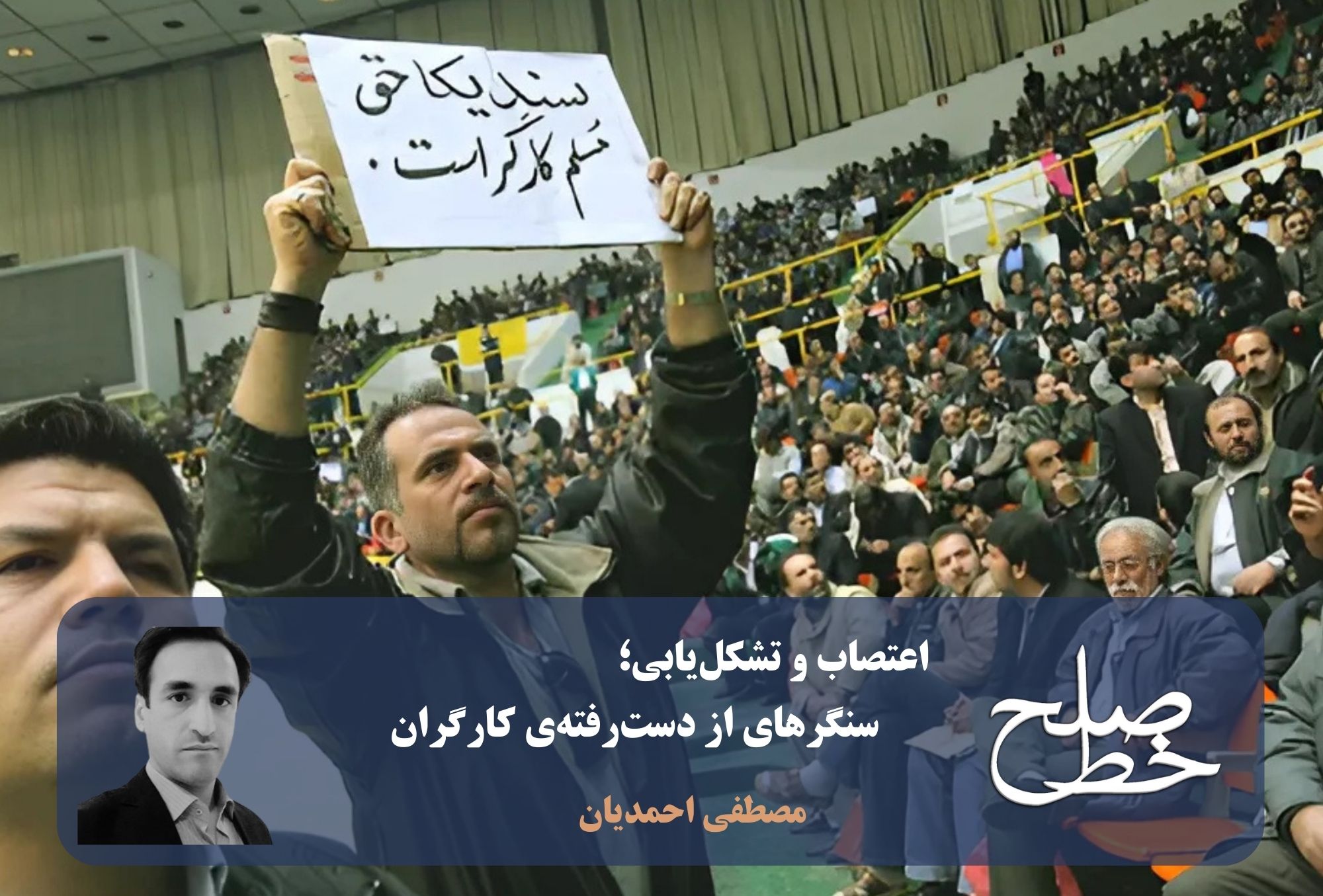
Strikes and Organizing; The Lost Fortresses of Workers / Mustafa Ahmadian
Nearly a century has passed since the fourteen-day nationwide strike of printing workers and the prolonged strike of oil industry workers in Abadan between 1300 and 1404 (1921-1925). These were the first genuine and official strikes in the labor movement in Iran. Subsequently, between 1304 and 1320 (1925-1941), widespread strikes occurred, which faced the harshest […]...
Read More
Created By: Mustafa Ahmadian October 22, 2024
Rethinking the Role and Structure of Unions in Confronting Job Insecurity/ Mehrnaz Razaghi
The effects of “neoliberalism” on the world of work and labor unions are topics of contemporary debate in most countries. According to David Harvey, neoliberalism can be understood as a theory of political economy practices that seeks to enhance human well-being by maximizing entrepreneurial freedoms within an institutional framework characterized by the protection of private […]...
Read More
Created By: Mehrnaz Razaghi October 22, 2024
Sara Siyahpoor, activist: Iranian women have learned the correct language and behavior of struggle/ Reza Dehlavi.
Since the beginning of the trade unions’ activities, there have been women activists who, alongside men, have fought for the rights of teachers and students. However, the presence of “women” in the teachers’ union movement has become more prominent since 2013 (1392). Their participation has significantly strengthened the teachers’ ability to pursue their union goals. […]...
Read More
Created By: Reza Dehlavi October 22, 2024
