


Latest Posts
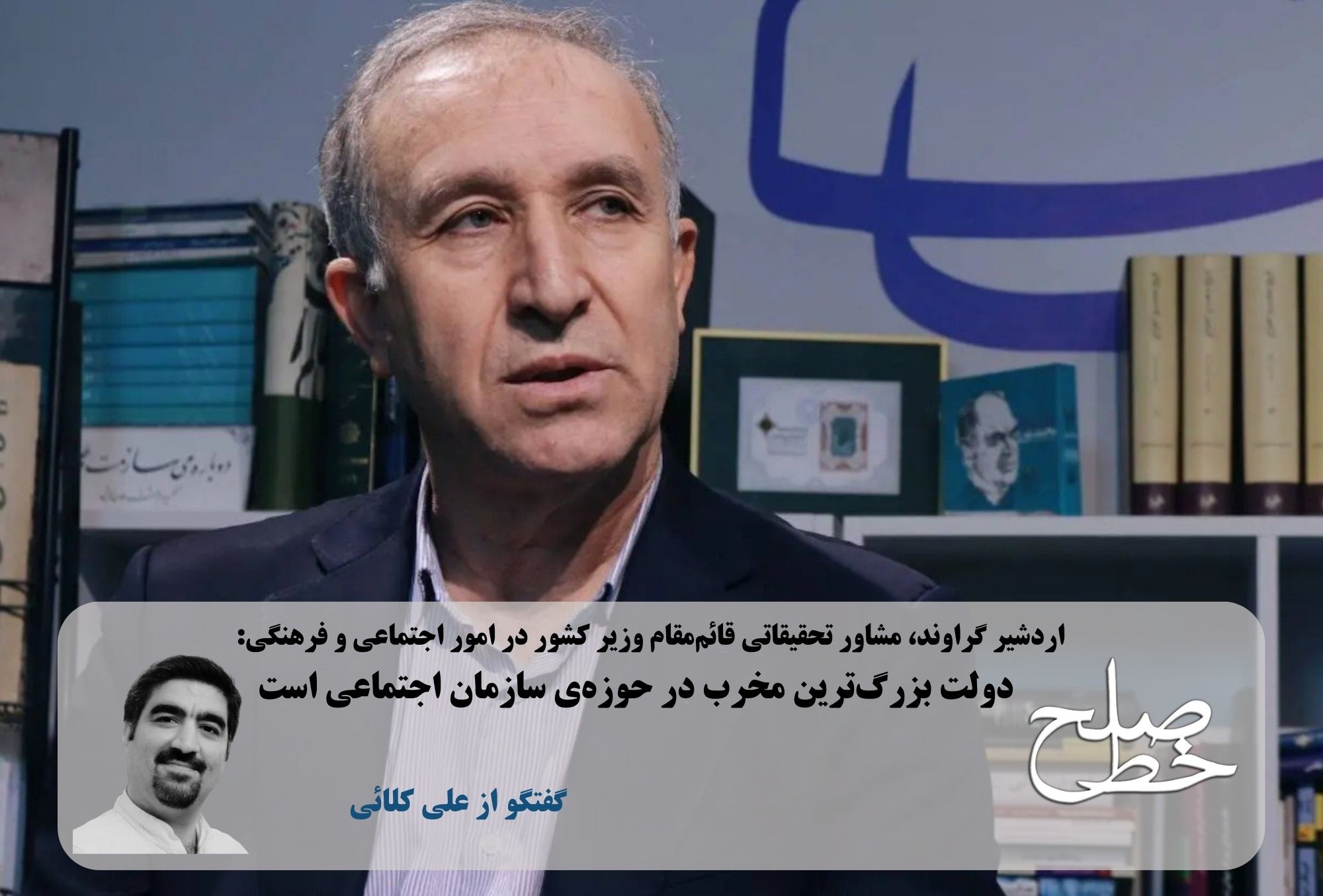
Ardeshir Garavand: The government is the greatest destroyer in the field of social organization/Ali Kalai
In Iran today, inequality is no longer limited to the gap in income or lifestyle, but rather this inequality and class differences have taken on new dimensions and found new practices. The question is: how have these gaps formed and in what direction are they taking Iranian society? Are we still faced with traditional patterns […]...
Read More Created By: Ali Kalaei
 November 22, 2025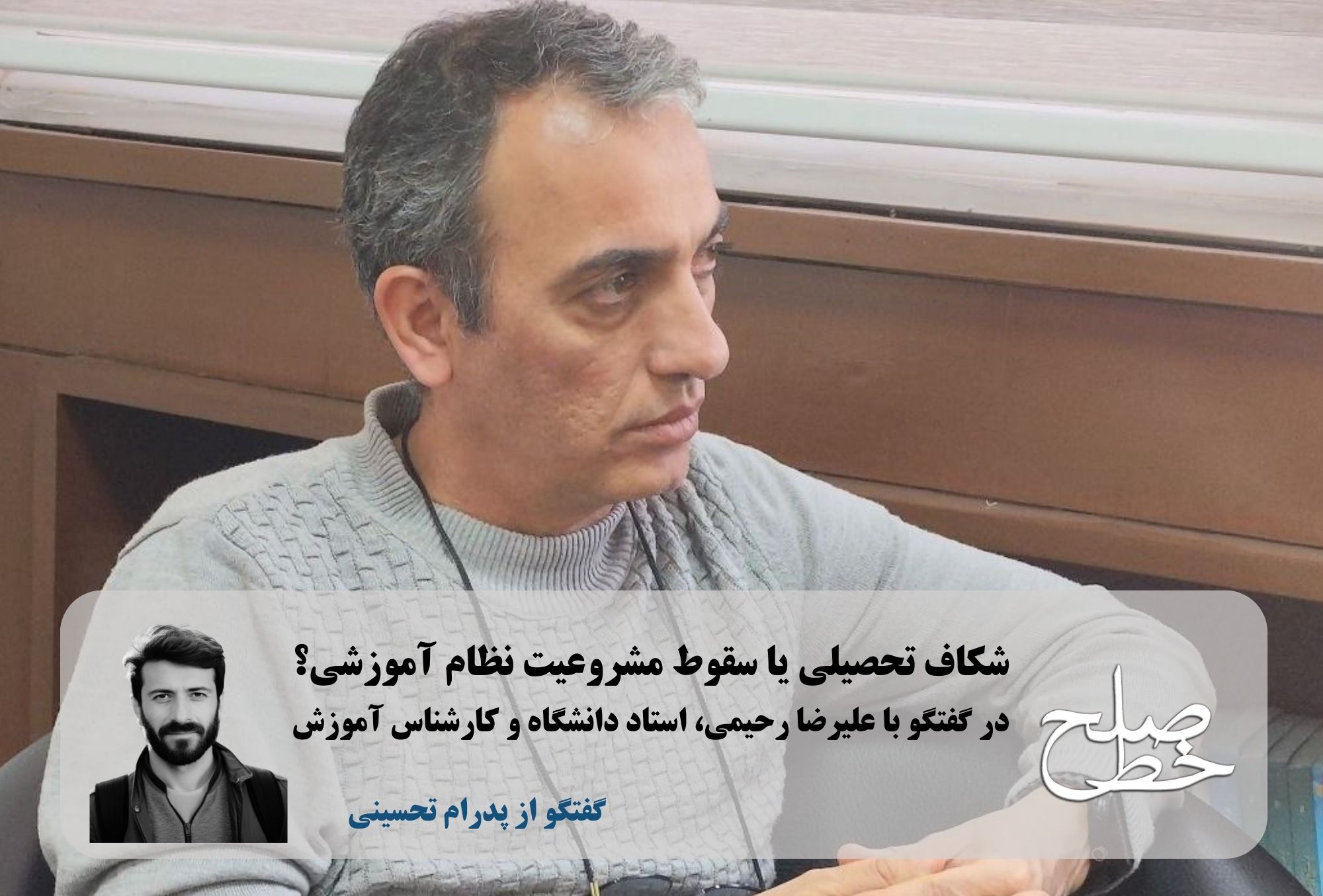
The Educational Gap or the Fall of the Legitimacy of the Educational System?; In Conversation with Alireza Rahimi/Pedram Tahseni
Alireza Rahimi is a university professor and education expert. Since 1986, he has been teaching in schools (from elementary to high school), higher education institutions, universities, and numerous educational courses and workshops. At the same time, he has been engaged in research, writing articles, and authoring books in the field of education. The result of […]...
Read More Created By: Padram TahsiniNovember 22, 2025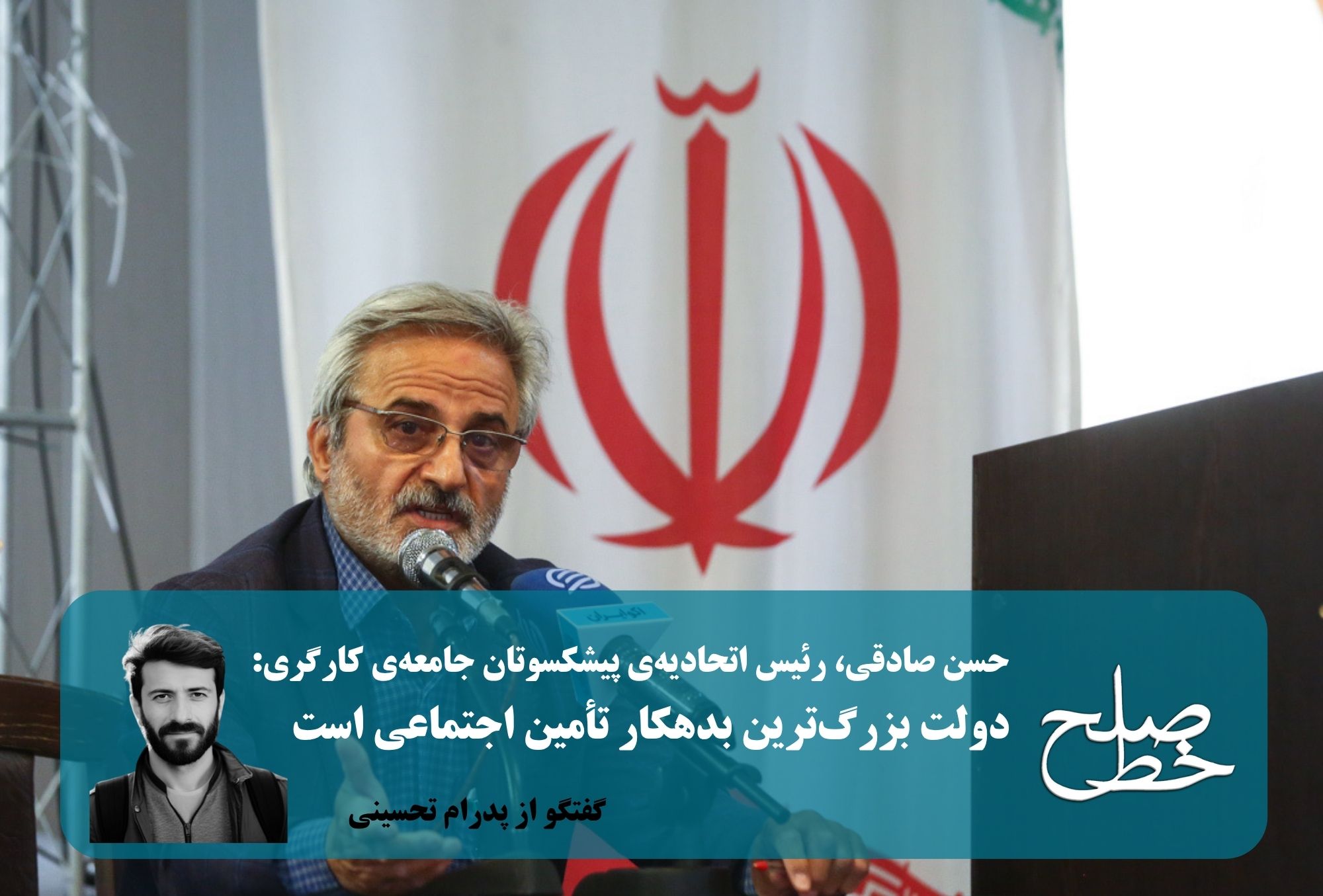
Hassan Sadeghi: The Government Is Social Security’s Biggest Debtor/ Pedram Tahassoni
In recent years, as the shadow of crisis has grown heavier over the country’s pension systems, conversations with those who have spent their lives working in this field have become all the more vital. The social security system, as one of the main pillars of social justice and economic sustainability, reflects—both in Iran and elsewhere—the […]...
Read More
Created By: Padram TahsiniOctober 23, 2025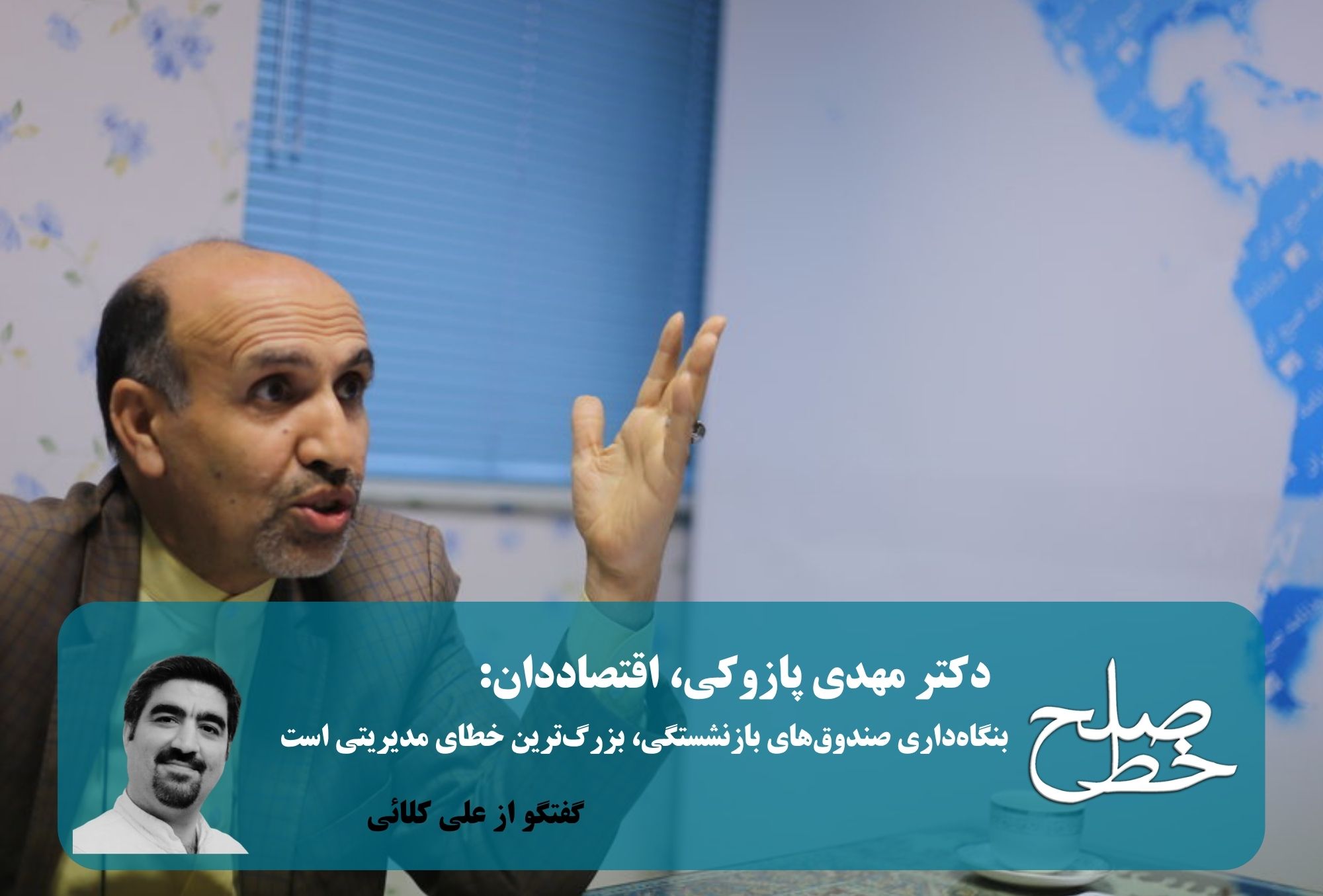
Mehdi Pazouki: The Business Operations of Pension Funds Are the Greatest Managerial Mistake/ Ali Kalaei
While signs of bankruptcy among Iran’s pension funds are appearing one after another, and their financial burden increasingly weighs on the national budget each year, the need to discuss the causes and consequences of this situation is more urgent than ever. Peace Mark Monthly Magazine, in this regard, conducted a candid interview with Dr. Mehdi […]...
Read More
Created By: Ali KalaeiOctober 23, 2025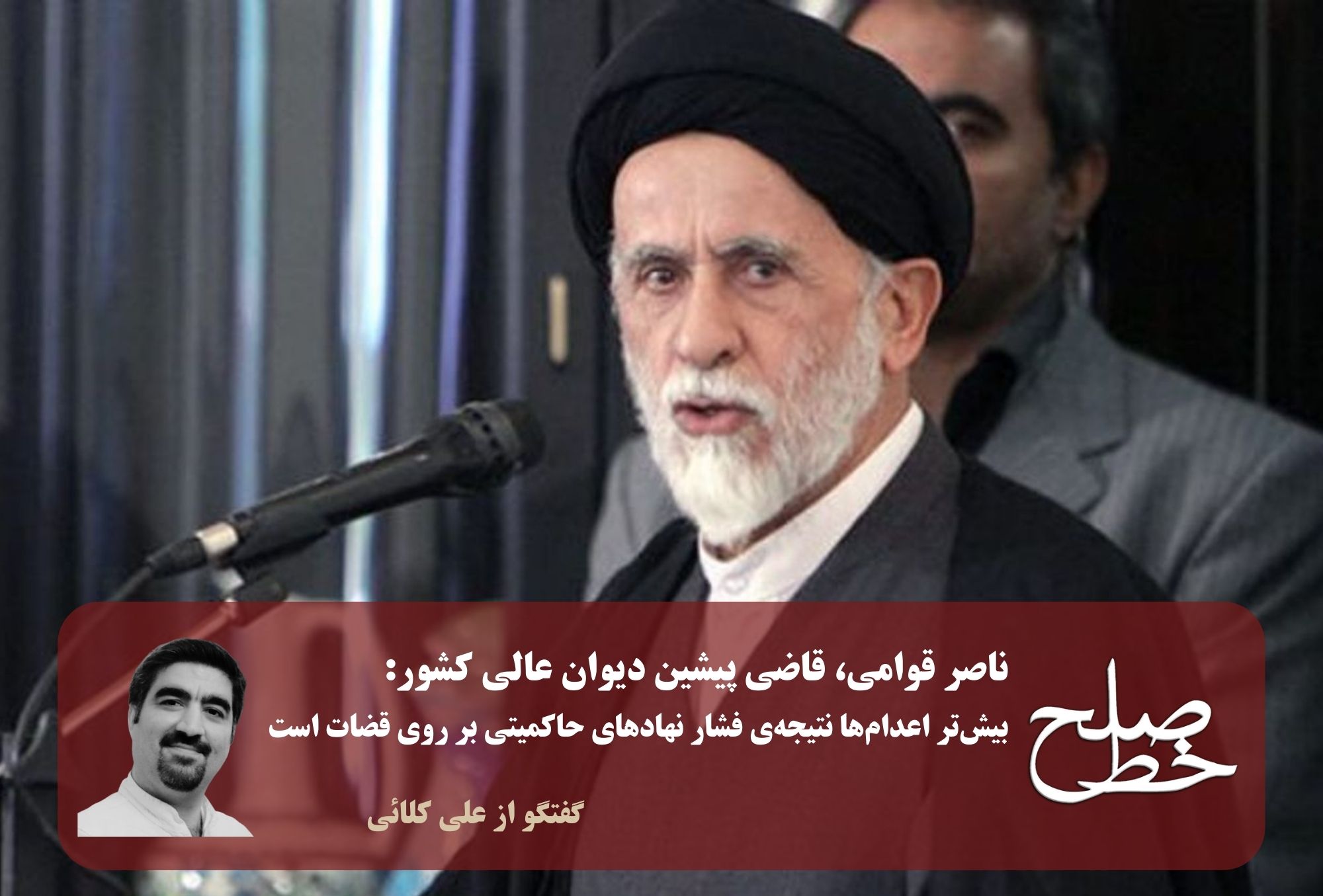
Naser Ghavami: Most Executions Are the Result of Pressure from Governing Institutions on Judges/ Ali Kalaei
With the increasing implementation of public executions in Iran, debates around this form of punishment have intensified. Supporters consider it a necessary tool for deterrence and public example, while critics emphasize its contradiction with the principle of human dignity, human rights standards, and its harmful psychological and social consequences. In this context, Peace Mark Monthly […]...
Read More
Created By: AdminSeptember 23, 2025
Mahmoud Alizadeh Tabatabaei: The Default Rule is the Prohibition of Public Punishment / Pedram Tahsini
Seyed Mahmoud Alizadeh Tabatabaei, a licensed attorney, political activist, and member of the board of directors of the Central Bar Association, was also a representative in the first term of the Islamic City Council of Tehran (1997–2001). He has represented many Iranian political figures and senior officials, particularly those affiliated with the reformist movement, including […]...
Read More
Created By: Padram TahsiniSeptember 23, 2025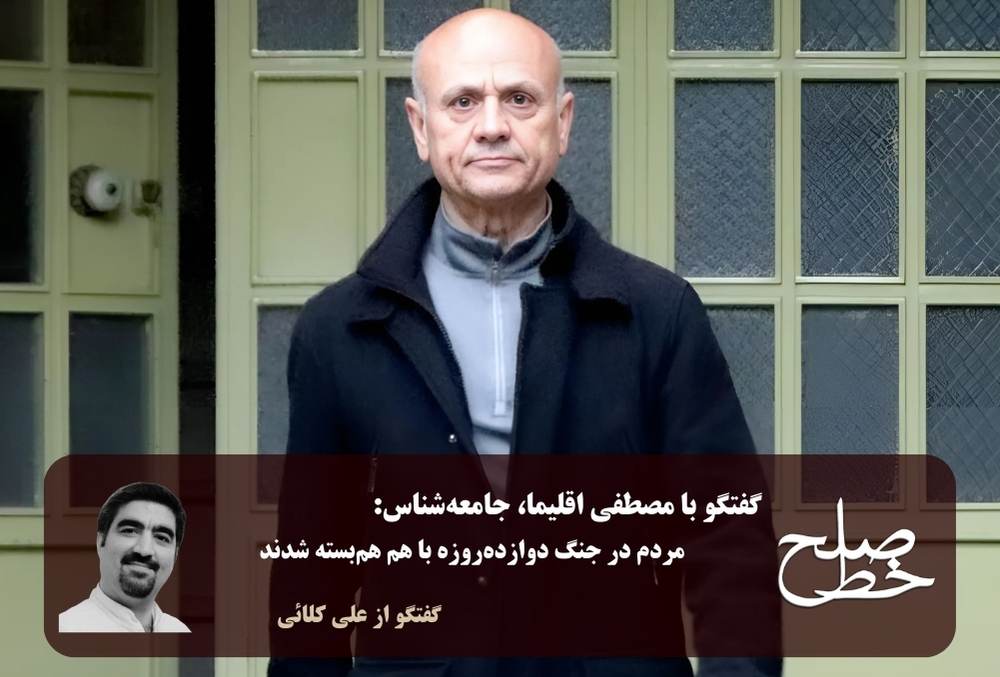
Mustafa Eghlima: People united during the 12-day war/ Ali Kalaei
The twelve-day war between Iran and Israel left deep and lasting consequences in Iran, bringing to light issues that are not only undeniable but also vital for understanding the social and political conditions of the country. This event, like a mirror, revealed hidden layers of inequalities, social divides, and structural challenges. In this conversation with […]...
Read More
Created By: Ali KalaeiAugust 23, 2025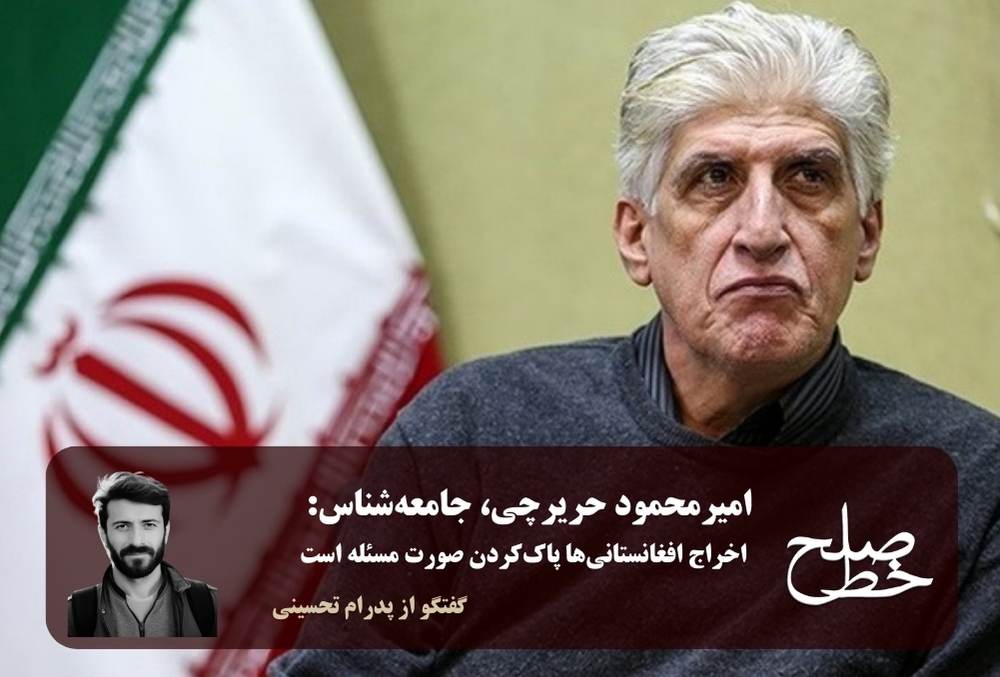
Amir Mahmoud Harirchi: Deporting Afghans is just sweeping the problem under the rug/ Pedram Tahsini
Migration is not a new story; it is an ancient narrative embedded in the annals of every nation’s history — filled with tales both great and small, of triumphs and defeats. But for the people of Afghanistan, this narrative is steeped in sorrow. It is a historical pain for our eastern neighbor, who also happens […]...
Read More
Created By: Padram TahsiniAugust 23, 2025
Parvaneh Salahshouri: If This Stubbornness Toward the People Continues, Predicting the Future Will Be Difficult / Ali Kalaei
In the aftermath of the twelve-day war and the suspension that has cast a shadow over Iranian society and daily life, we spoke with Dr. Parvaneh Salahshouri—sociologist and former member of the Iranian Parliament—to ask her about the government’s handling of the war, her analysis of Iranian society—often regarded by many sociologists as a movement-oriented […]...
Read More
Created By: Ali KalaeiJuly 23, 2025
Mohammad Hossein Saket, Former Supreme Court Judge and Justice: “You Cannot Defend Justice with an Axe”/ Pedram Tahsini
Mohammad Hossein Saket is a retired judge, former justice of the Supreme Court of Iran, university professor, and practicing attorney. He has authored works in the fields of law and Islamic studies, including books and articles on legal procedures in Islamic law, a historical perspective on the philosophy of law, legal theory, legal advocacy, and […]...
Read More
Created By: Padram TahsiniJuly 23, 2025
