


Latest Posts
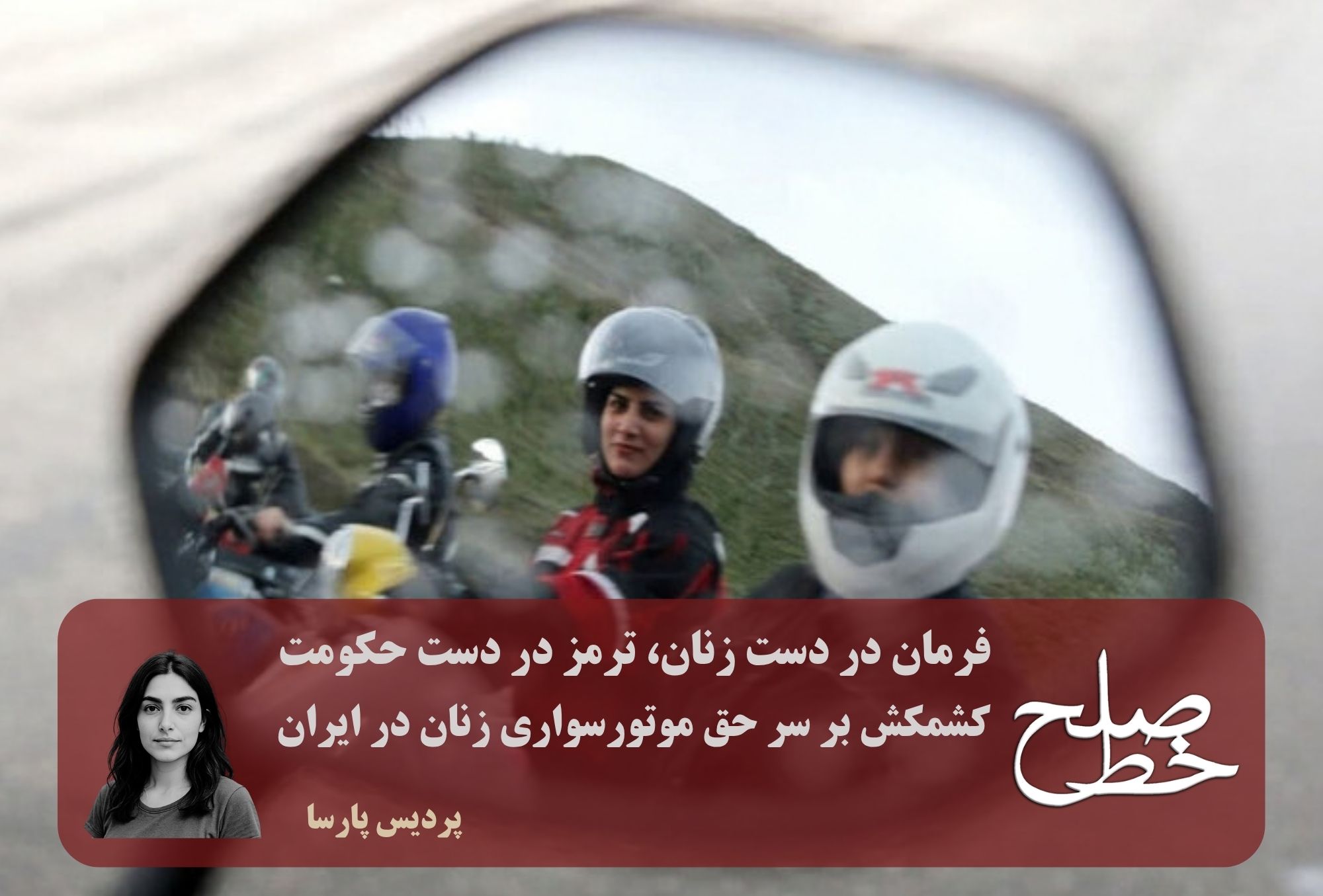
Women at the Helm, the Government on the Brakes/ Pardis Parsa
Today in Iran, motorcycles and electric scooters have evolved from recreational vehicles or means of transportation associated with particular social classes into essential tools for earning a livelihood and for fast, inexpensive transportation. Nevertheless, the absence of a single, transparent procedure for issuing licenses to half of the country’s population has pushed women motorcyclists into […]...
Read More Created By: Pardis Parsa
 September 23, 2026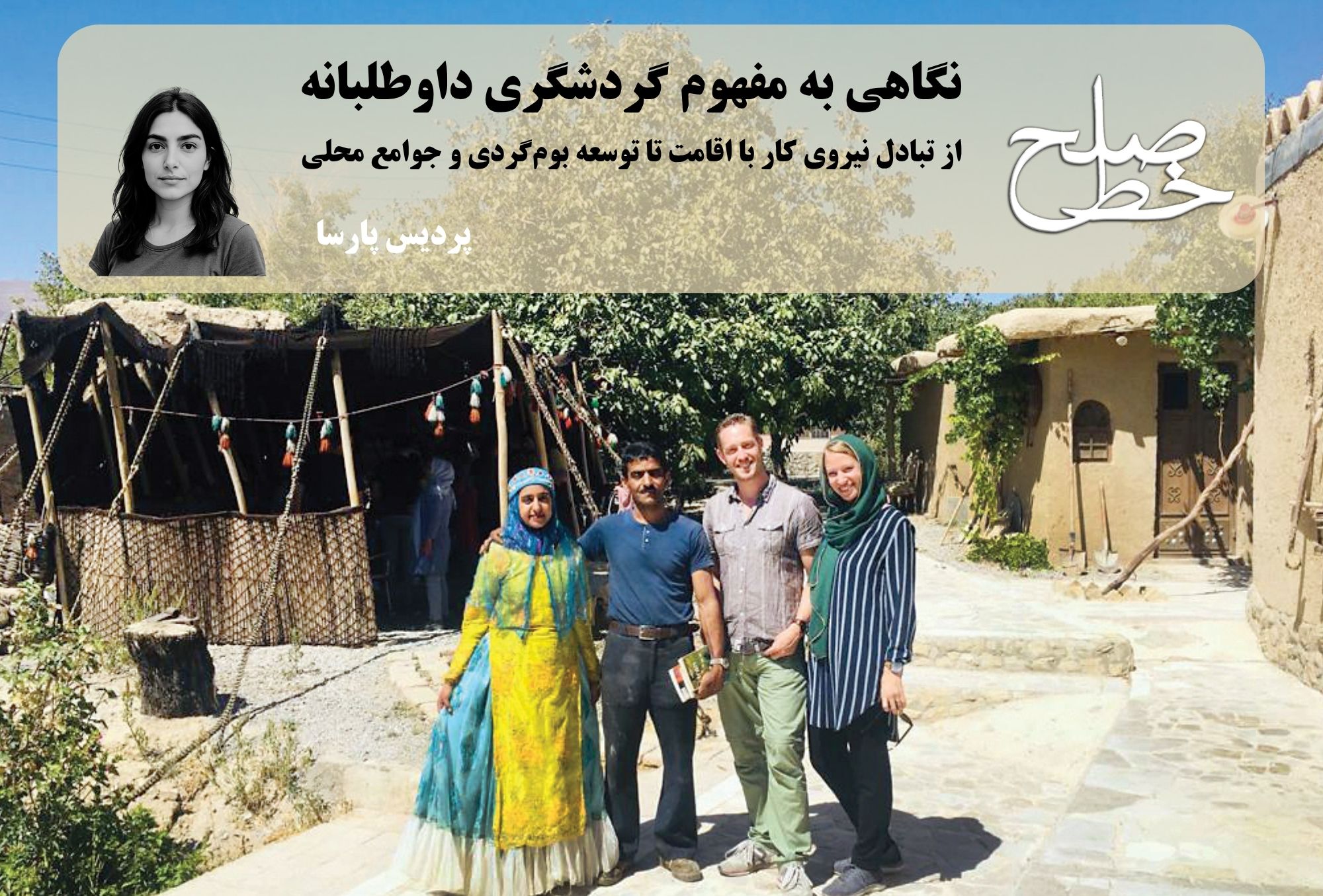
A look at the concept of Volunteer Tourism/Pardis Parsa
While traditional models of mass tourism are largely based on consumerism, a particular approach to volunteer tourism has expanded in recent decades, founded on non-monetary exchange. Under this structured approach, rather than acting as a passive consumer and paying for accommodation and food, the tourist contributes part of their time, expertise, and physical or intellectual […]...
Read More
Created By: Pardis Parsa
August 23, 2026
Motherhood, under the burden of autism/Pardis Parsa
Early parent-child interactions form the foundation for a child’s psychosocial development in the context of society. However, exposure to a neurodevelopmental disorder in a child presents fundamental challenges to this cognitive structure and preconceived parenting goals. Autism spectrum disorder is a group of complex neurodevelopmental conditions characterized by persistent deficits in social interaction, verbal and […]...
Read More
Created By: Pardis Parsa
July 23, 2026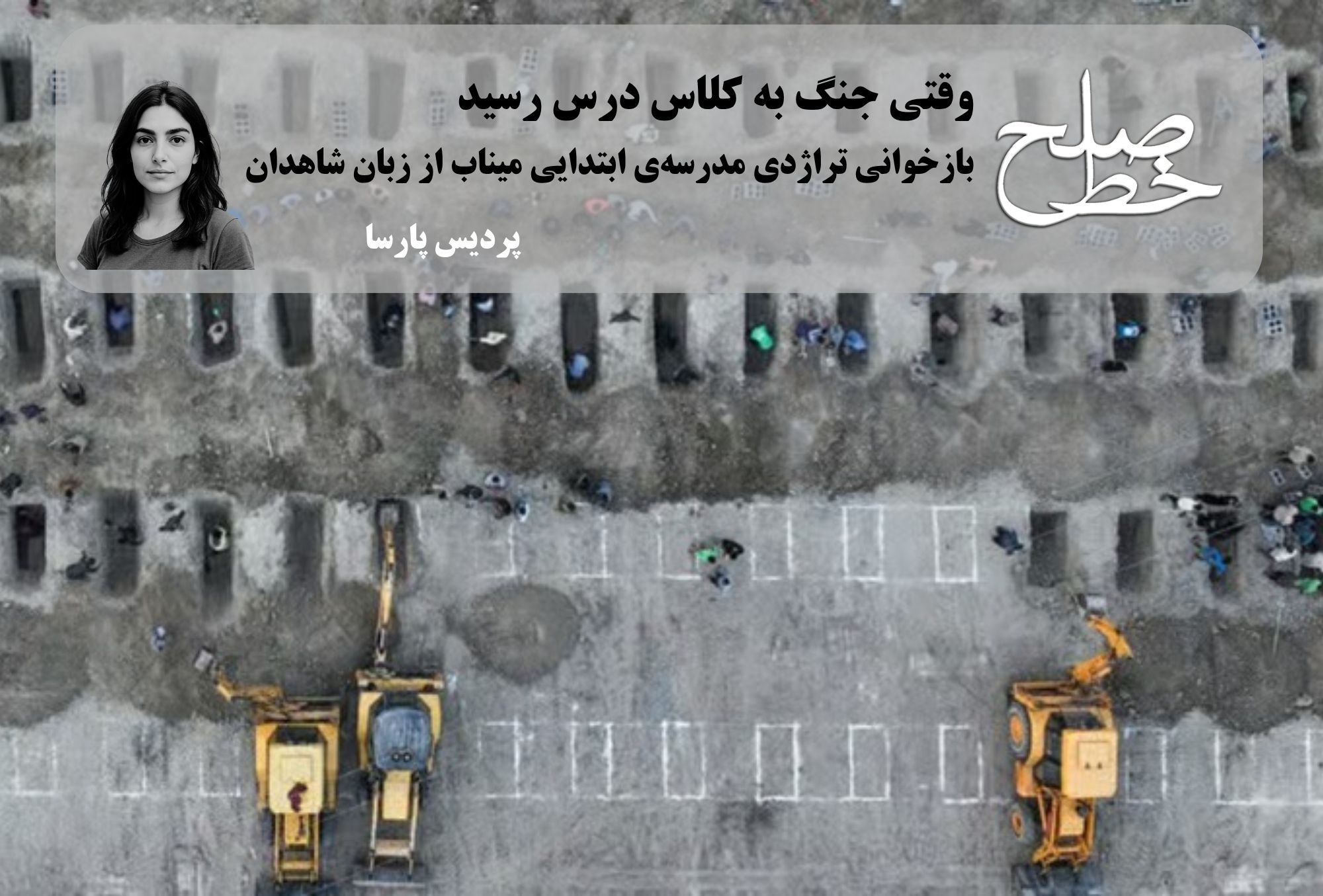
Reexamining the Tragedy of Minab Elementary School Through the Words of Witnesses/ Pardis Parsa
In the first hours of the military operation known as “Epic Wrath,” which began on February 28, 2026 (9 Esfand 1404), a series of air and missile strikes targeted various infrastructures across Iran. Meanwhile, Minab County in Hormozgan Province, due to its strategic proximity to logistical and military infrastructure, became one of the main centers […]...
Read More
Created By: Pardis Parsa
June 22, 2026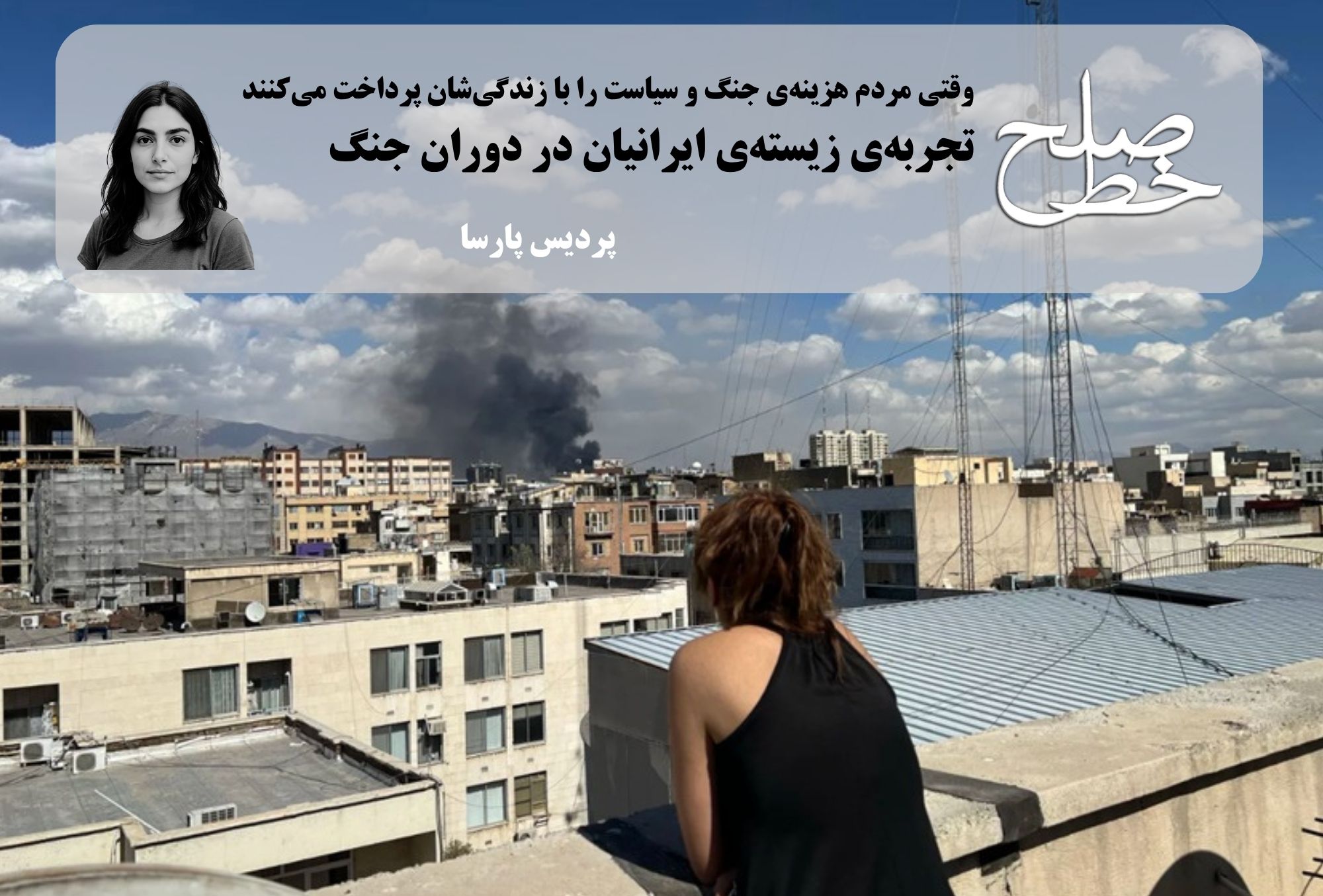
The lived experience of Iranians during the war/ Pardis Parsa
The outbreak of war between Iran, the United States, and Israel was the inevitable consequence of years of ideological adventurism and tension-generating state policies that have consistently prioritized political survival over the safety, welfare, and lives of citizens. This war once again stripped away the illusion of “security” — a claim that for years had […]...
Read More
Created By: Pardis Parsa
May 22, 2026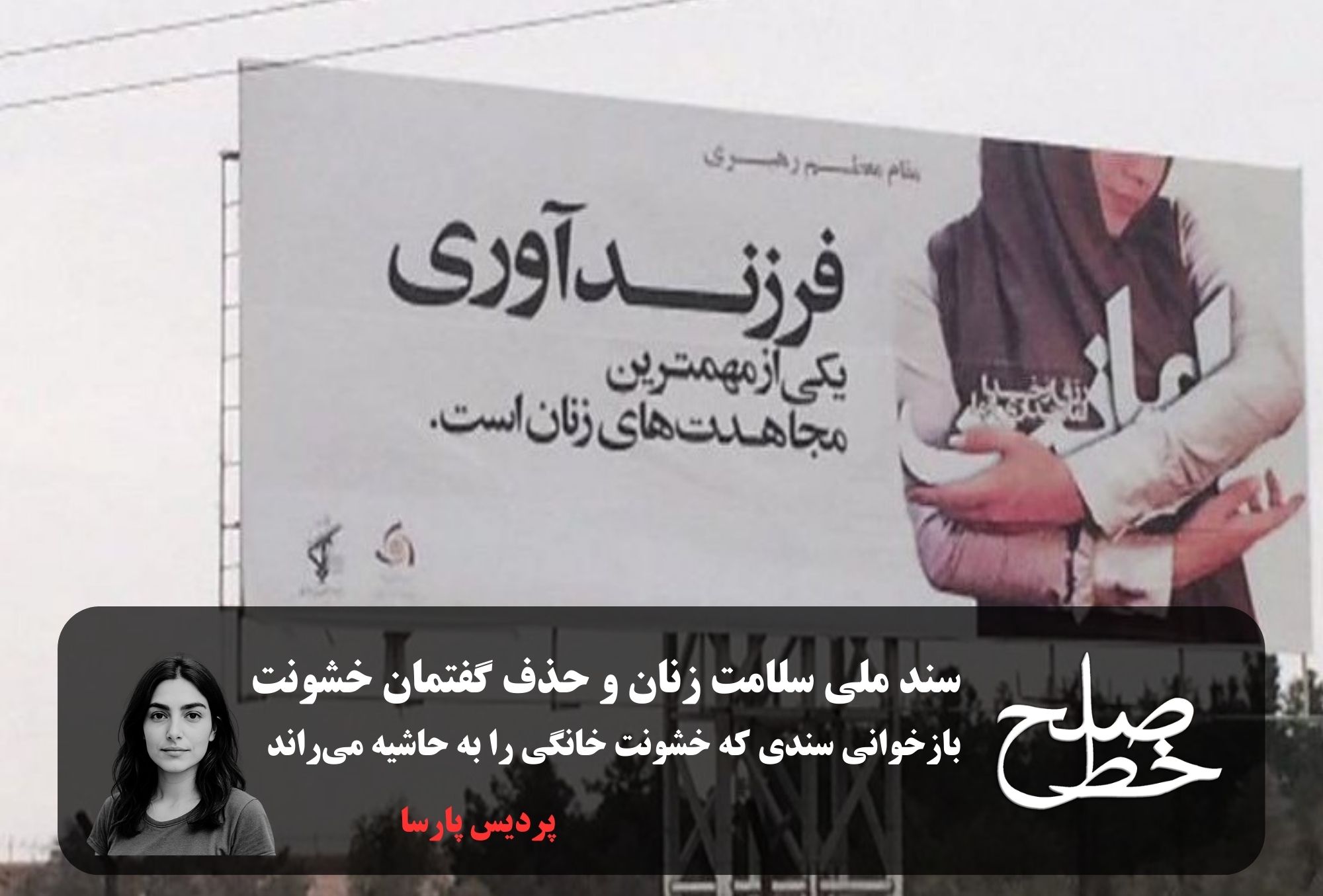
The National Women’s Health Document and the Erasure of the Discourse on Violence/ Pardis Parsa
Recently, the “National Women’s Health Document” was issued by the President of the Islamic Republic and the head of the Supreme Council of the Cultural Revolution, with stated goals such as promoting women’s physical, mental, social, and spiritual health. Yet rather than being the result of engagement with the lived realities of women, the document […]...
Read More
Created By: Pardis Parsa
February 20, 2026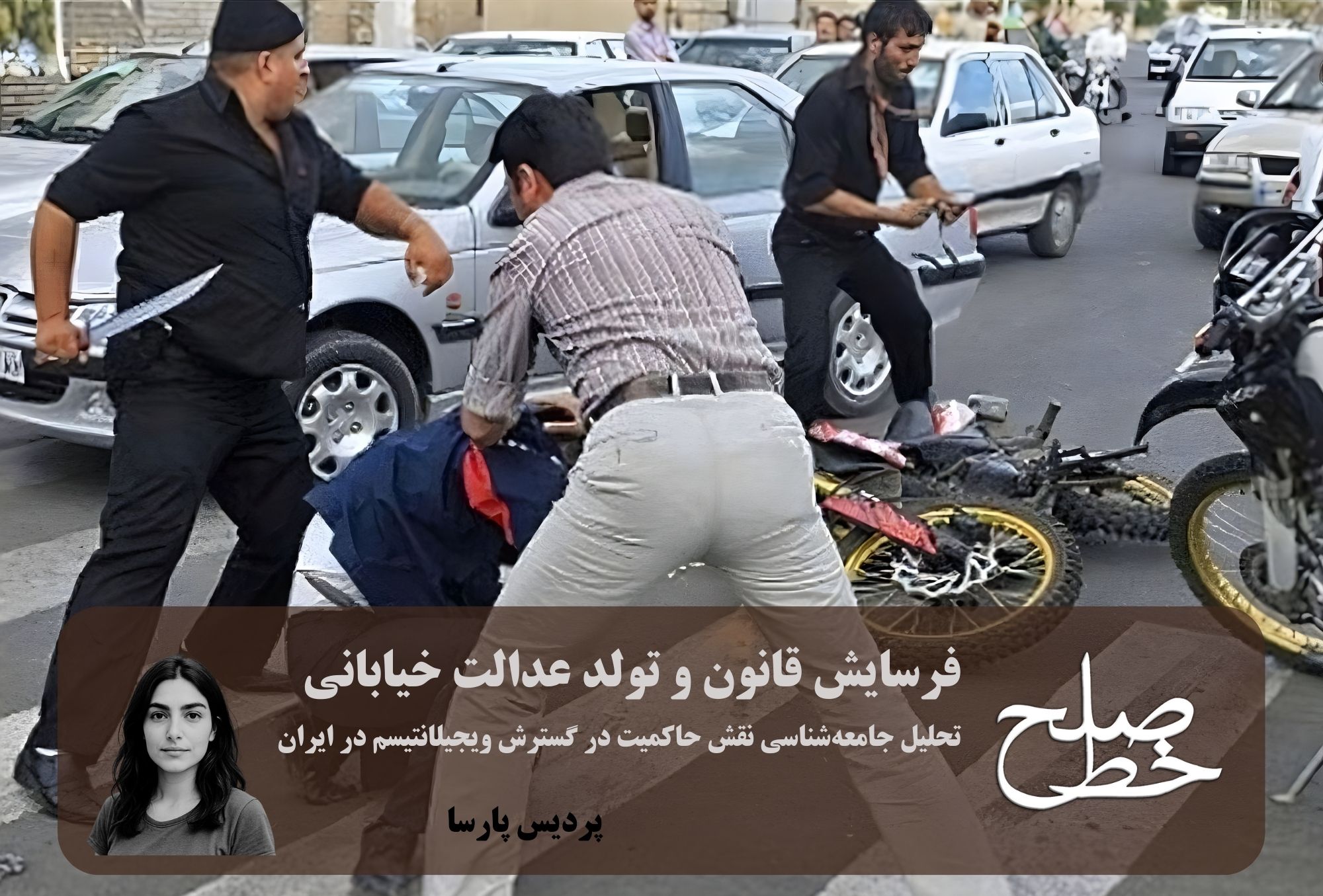
The erosion of law and the birth of street justice/Pardis Parsa
In the turbulent transition of the fifth decade after the 1979 revolution, Iran is facing a fundamental challenge in the field of public order and security that can be called the “erosion of the authority of the law.” The increasing statistics of street fights and personal conflicts in recent years only reveal the tip of […]...
Read More
Created By: Pardis Parsa
December 22, 2025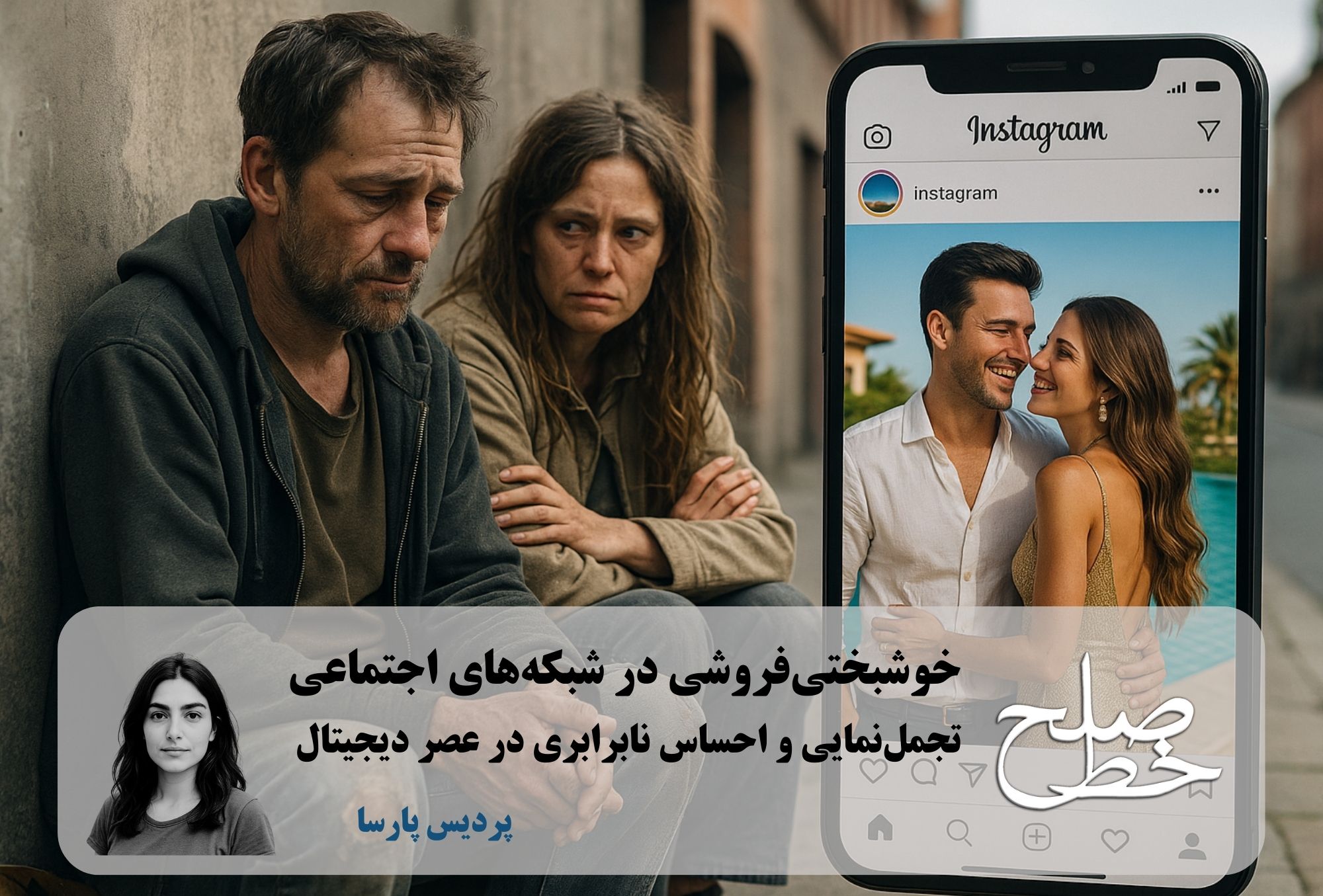
Selling Happiness on Social Media/ Pardis Parsa
In recent decades, with the dizzying speed of technological advancement and the growth of communication tools, people’s lives and their social relations have inevitably come under the influence of media. Social media platforms—especially image-based ones like Instagram, which entered the scene promising to eliminate distances—have, in practice, turned into the main stage for displaying social […]...
Read More
Created By: Pardis Parsa
November 22, 2025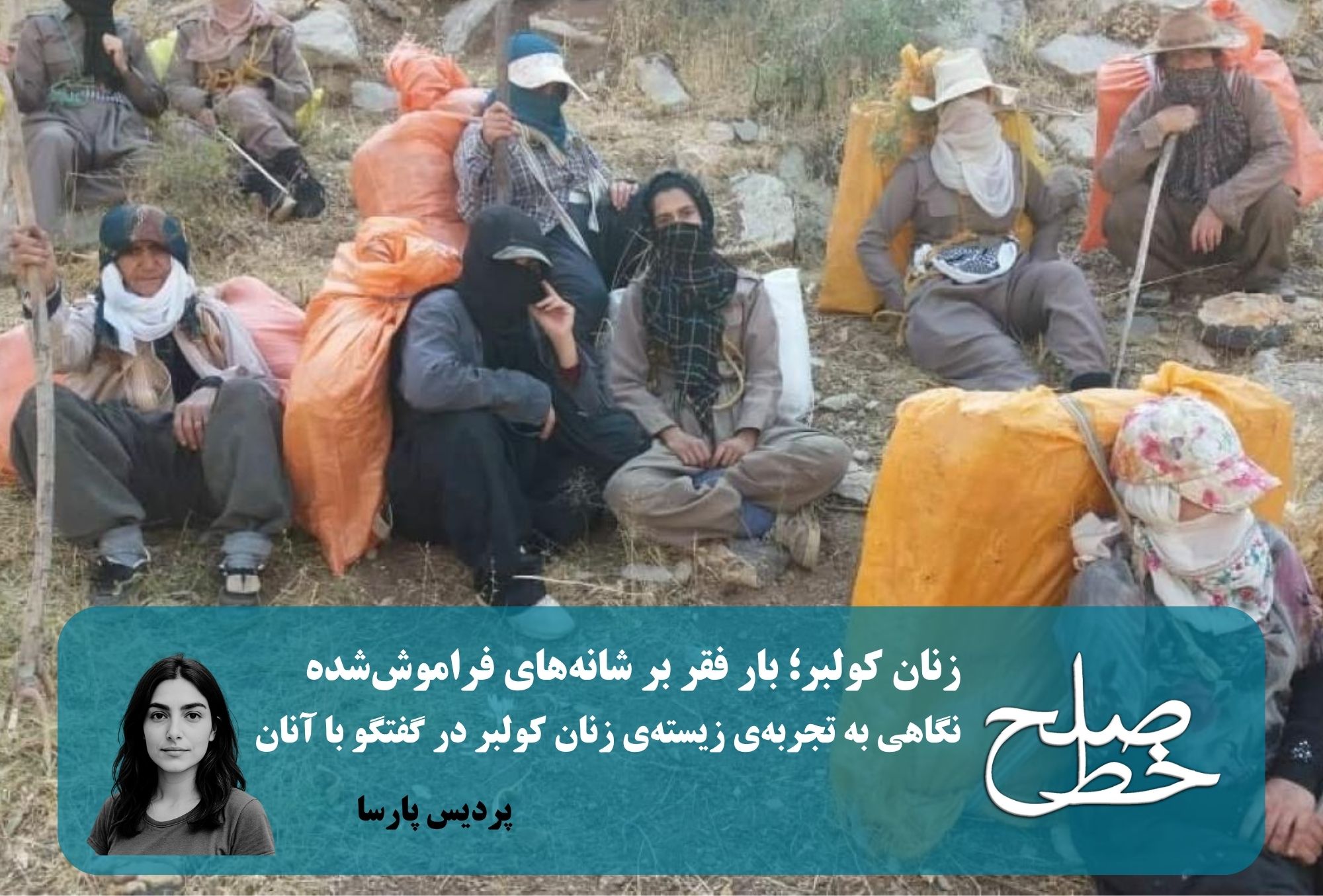
Women Kolbars: The Burden of Poverty on Forgotten Shoulders/ Pardis Parsa
Kolbari, a practice most common in the provinces of Kurdistan, Kermanshah, and West Azerbaijan, is a phenomenon tightly intertwined with structural poverty, underdevelopment, and centralized governance policies. The state, through continuous underdevelopment of non-Shia and non-Persian regions, has exacerbated this issue—particularly in the Kurdish border areas. Years of neglect, historical insecurity, and a securitized view […]...
Read More
Created By: Pardis Parsa
October 23, 2025
Breaking Taboos or Reproducing Vulgarity?/ Pardis Parsa
These days, few Iranians have not heard of the internet show Eshgh-e Abadi (“Eternal Love”). A group of young Iranian migrants gathers in a seaside villa in Turkey to choose a partner or lover from among each other. They compete, and their daily routines generate content that draws astonishing numbers of views online. The show’s […]...
Read More
Created By: Pardis Parsa
September 23, 2025
