


Freedom of thought and expression
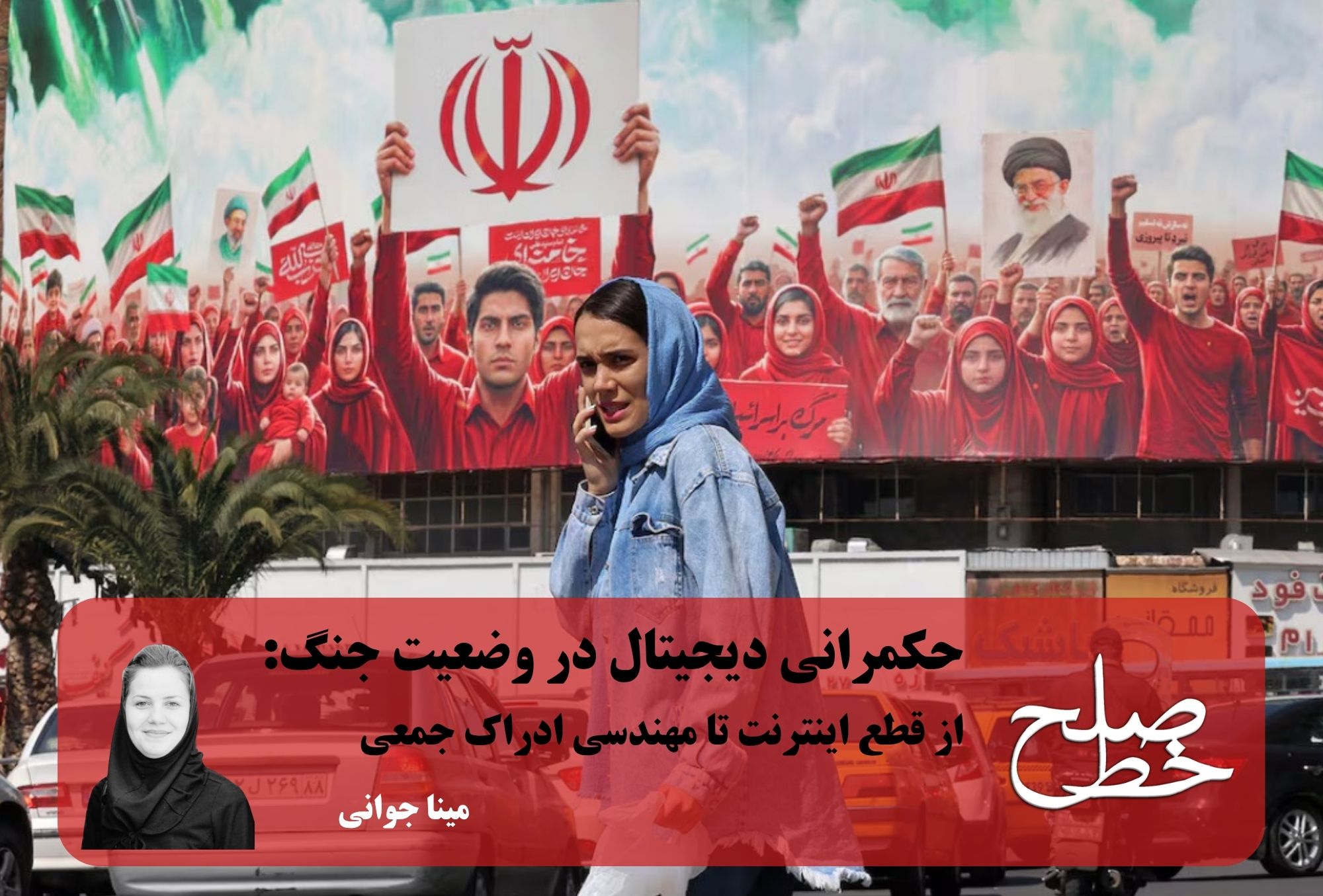
Digital Governance in a State of War: From Internet Shutdowns to the Engineering of Collective Perception/ Mina Javani
Sometimes, in the midst of war, what disappears is not only sounds and images, but access to reality itself. The internet, this seemingly obvious and always-available platform, suddenly goes dark in such moments and plunges society into a state of informational rupture; a condition in which the boundary between what is happening and what is […]...
Read More Created By: Mina Javani
 April 21, 2026
Confiscation of Property: A “Legal” Tool for Silencing Dissent?/ Iman Soleimani
In recent years, particularly following the adoption and implementation of the law titled “Intensification of Punishment for Espionage and Cooperation with the Zionist Regime and Hostile Countries Against National Security and Interests” in October 2025 (Mehr 1404), the issue of confiscation and seizure of the assets of Iranian citizens—especially those living abroad, ranging from ordinary […]...
Read More
Created By: Iman Soleimani April 21, 2026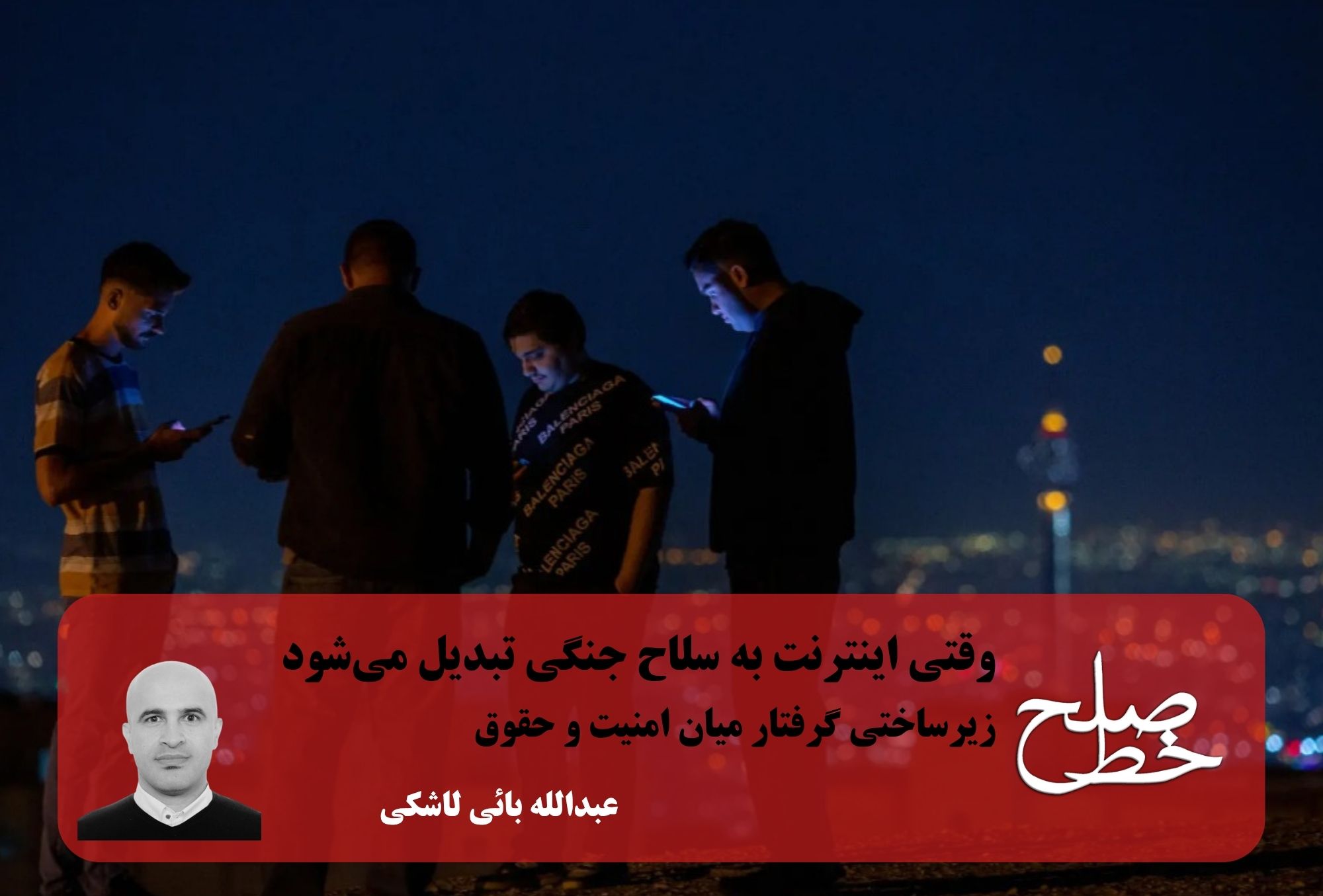
When the Internet Becomes a Weapon of War/ Abdollah Bai Lashaki
In the contemporary world, the internet is no longer merely a communication tool; it has become one of the fundamental pillars of social, economic, and political organization. Critical infrastructures—from banking and healthcare systems to media, education, and even emergency response mechanisms—depend, to varying degrees, on stable access to the internet. However, in situations of armed […]...
Read More
Created By: Abdullah Bai Lashaki April 21, 2026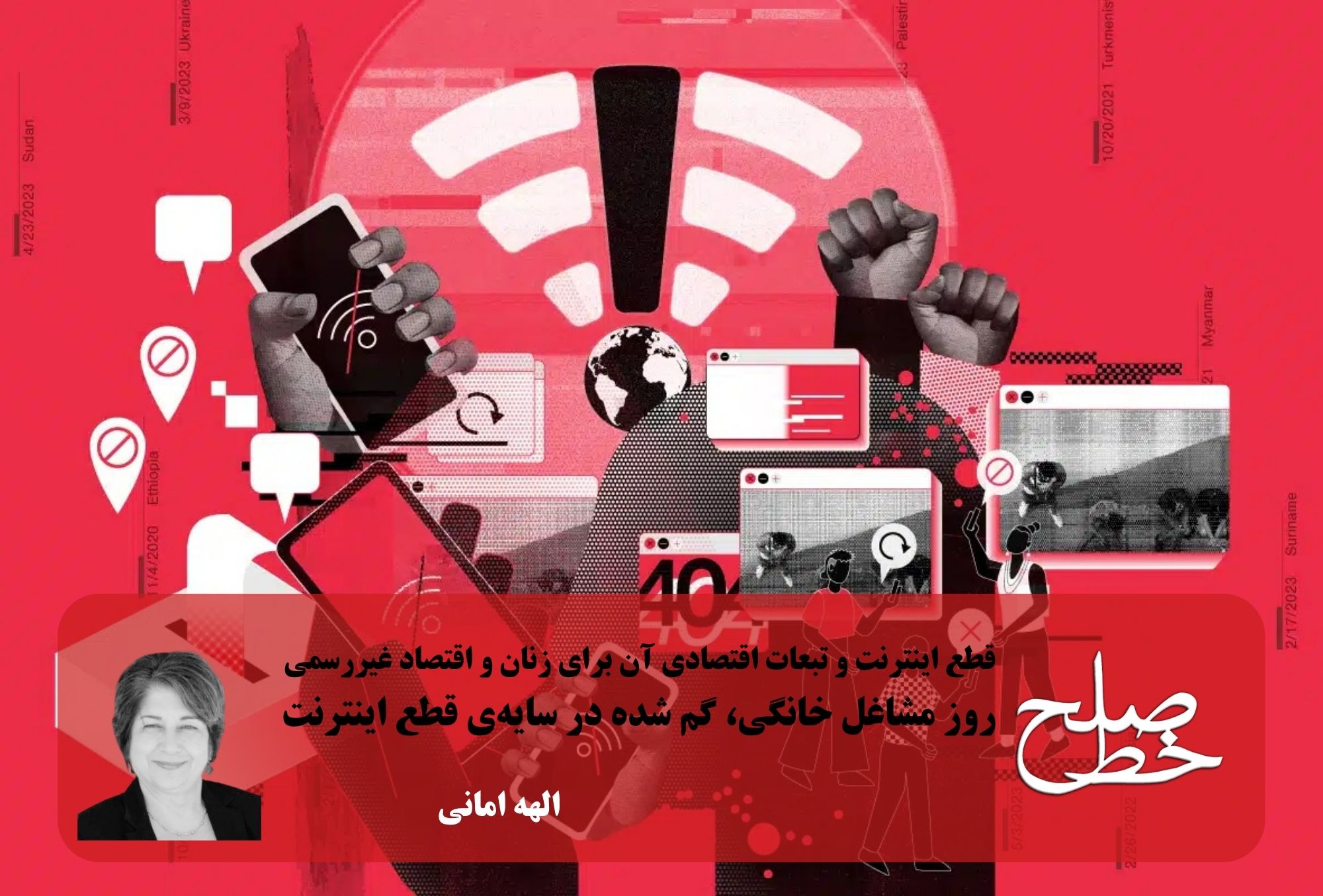
Internet Shutdowns and Their Economic Consequences for Women and the Informal Economy/ Elaheh Amani
This article is not about the catastrophic depth of war as an absolute evil; it is not about the innocent children who lost their lives and never returned home; it is not about the civilians in Iran and other countries of the region who were killed; it is not about the historical heritage destroyed and […]...
Read More
Created By: Elahe Amani April 21, 2026
Internet Shutdowns During Wartime: Legitimate Defense or a Silent Violation of Human Rights?/ Nafiseh Motlagh
In the contemporary world, access to the internet is considered one of the vital pillars of social and economic life, and even a condition for the survival of citizens. However, this reality has not yet been explicitly recognized in international law—neither as an “independent human right” nor as a “critical infrastructure.” This legal gap has […]...
Read More
Created By: Nafiseh Motlagh April 21, 2026
Iran in a State of Information Blockade / Maryam Shirin Sokhan
These days, Iran is undergoing an unprecedented experience: weeks of widespread internet shutdowns, severe restrictions on media, and the concentration of narratives within a single official channel. For more than two months, access to the internet in Iran has been completely cut off. Although limited access has recently been granted to certain individuals and professional […]...
Read More
Created By: Maryam Shirin Sokhan April 21, 2026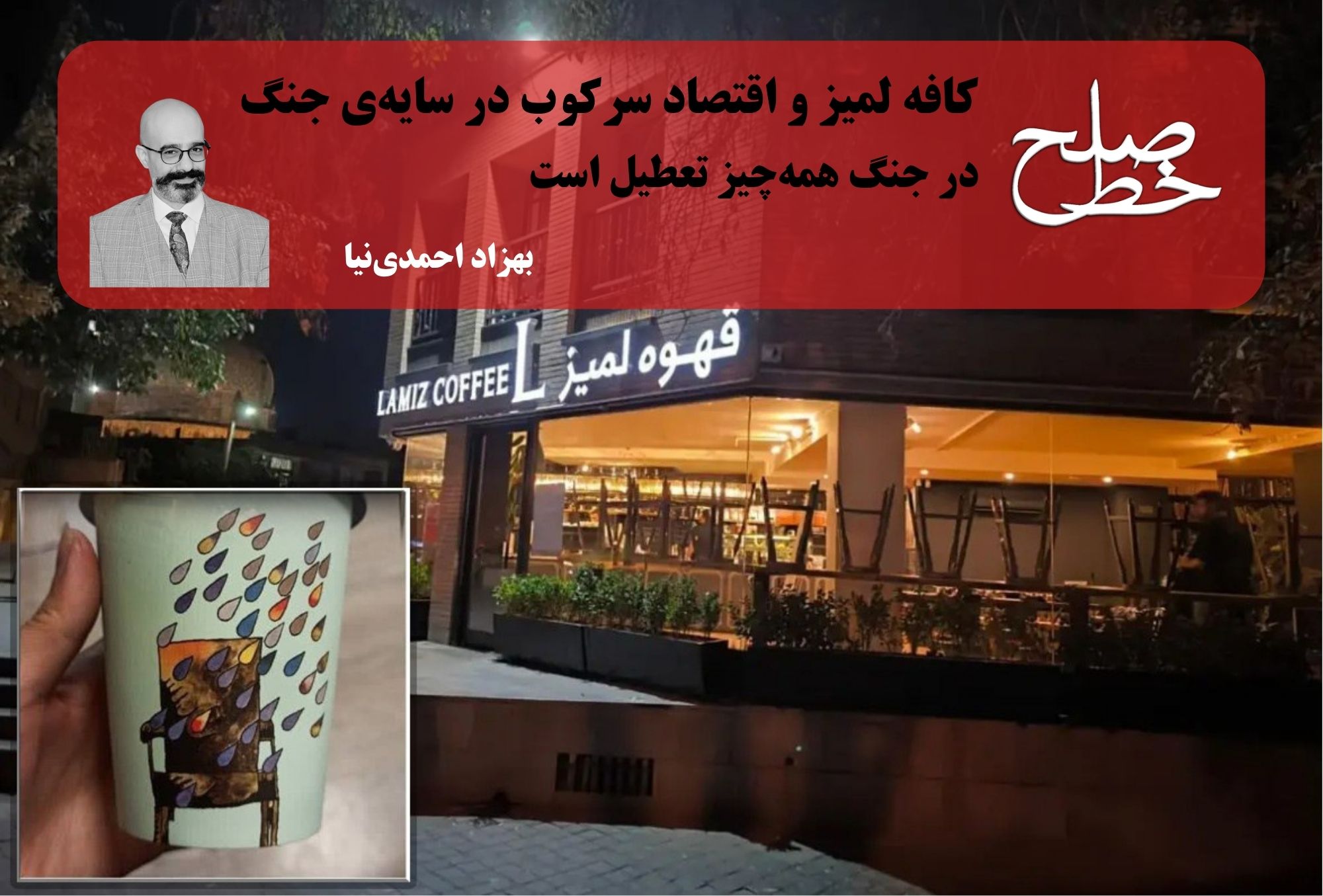
Cafe Lamiz” and the Economy of Suppression in the Shadow of War / Behzad Ahmadinia”
The ugliest—and perhaps most familiar—face of human society is “war.” This can be read between the lines of the book An Introduction to Polemology by Gaston Bouthoul. In this work, he explains how no law, treaty, or prohibition can stand against war. In a case study, the book describes the international restrictions and global pressures […]...
Read More
Created By: Behzad Ahmadinia April 21, 2026
Information Security or Narrative Control?/ Hadi Aghazari
This article is being written at a time when more than one thousand hours have passed since the widespread internet shutdown in Iran, justified on the grounds of maintaining security. During this period, communication between Iranians inside and outside the country has been seriously disrupted, and access for those inside the country to the outside […]...
Read More
Created By: Hadi Aghazari April 21, 2026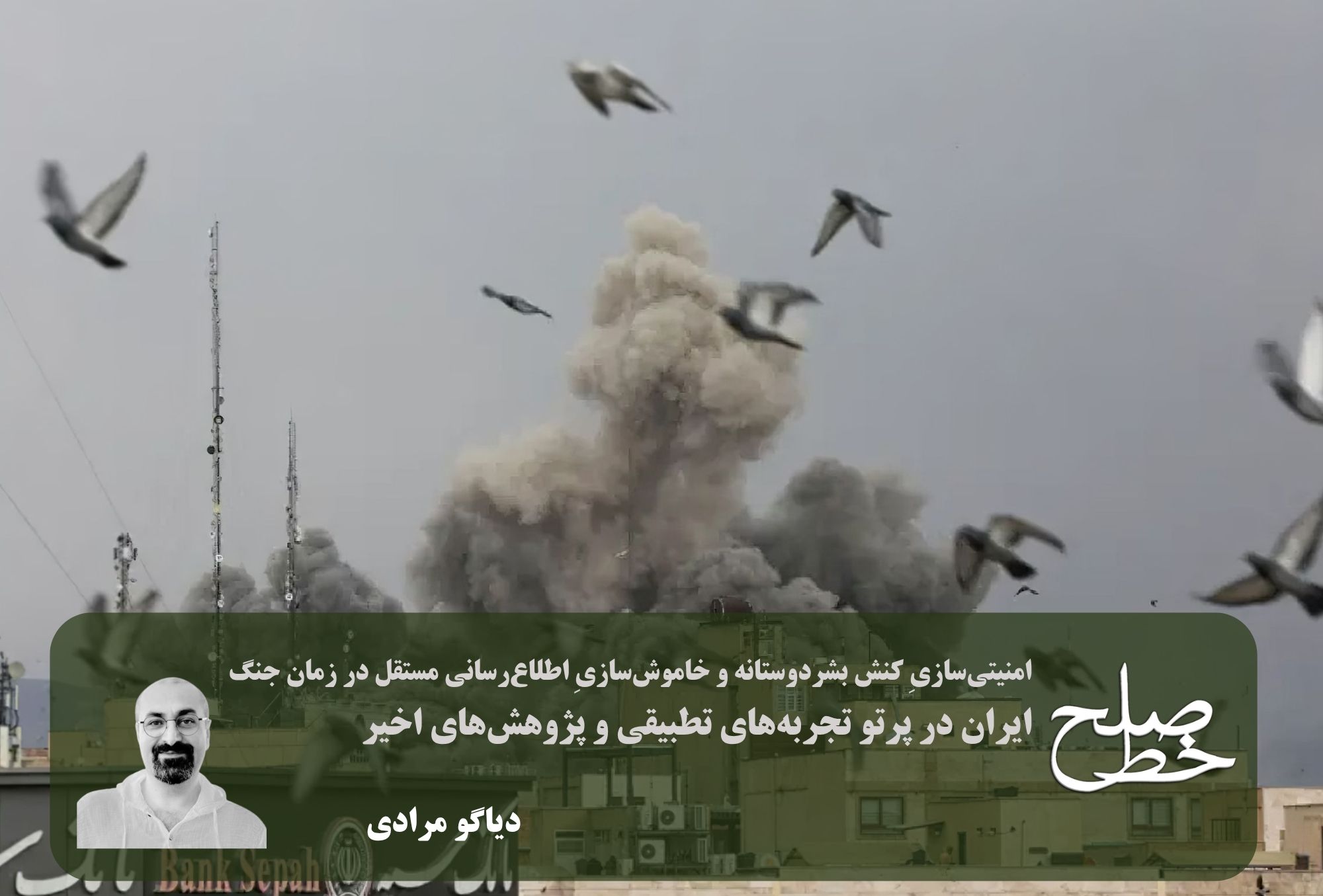
Securitizing Humanitarian Action and Silencing Independent Reporting in Times of War/Diako Moradi
This article attempts to show that in contemporary wars, the battlefield is no longer limited to the military arena, but that the humanitarian, media, communication, and legal spheres are increasingly integrated into the logic of war. In such a situation, war is waged not only through weapons, bombing, and the destruction of physical infrastructure, but […]...
Read More
Created By: Diako Moradi March 21, 2026
The Role of Civil Society in the Process of Democratization/ Kazem Alamdari
The transition from authoritarianism to democracy is one of the most complex political processes in the contemporary world. Historical experience shows that the سقوط of authoritarian regimes does not necessarily lead to the establishment of a stable democracy. In many cases, the collapse of an authoritarian order has resulted in political instability, internal violence, or […]...
Read More
Created By: Kazem Alamdari March 21, 2026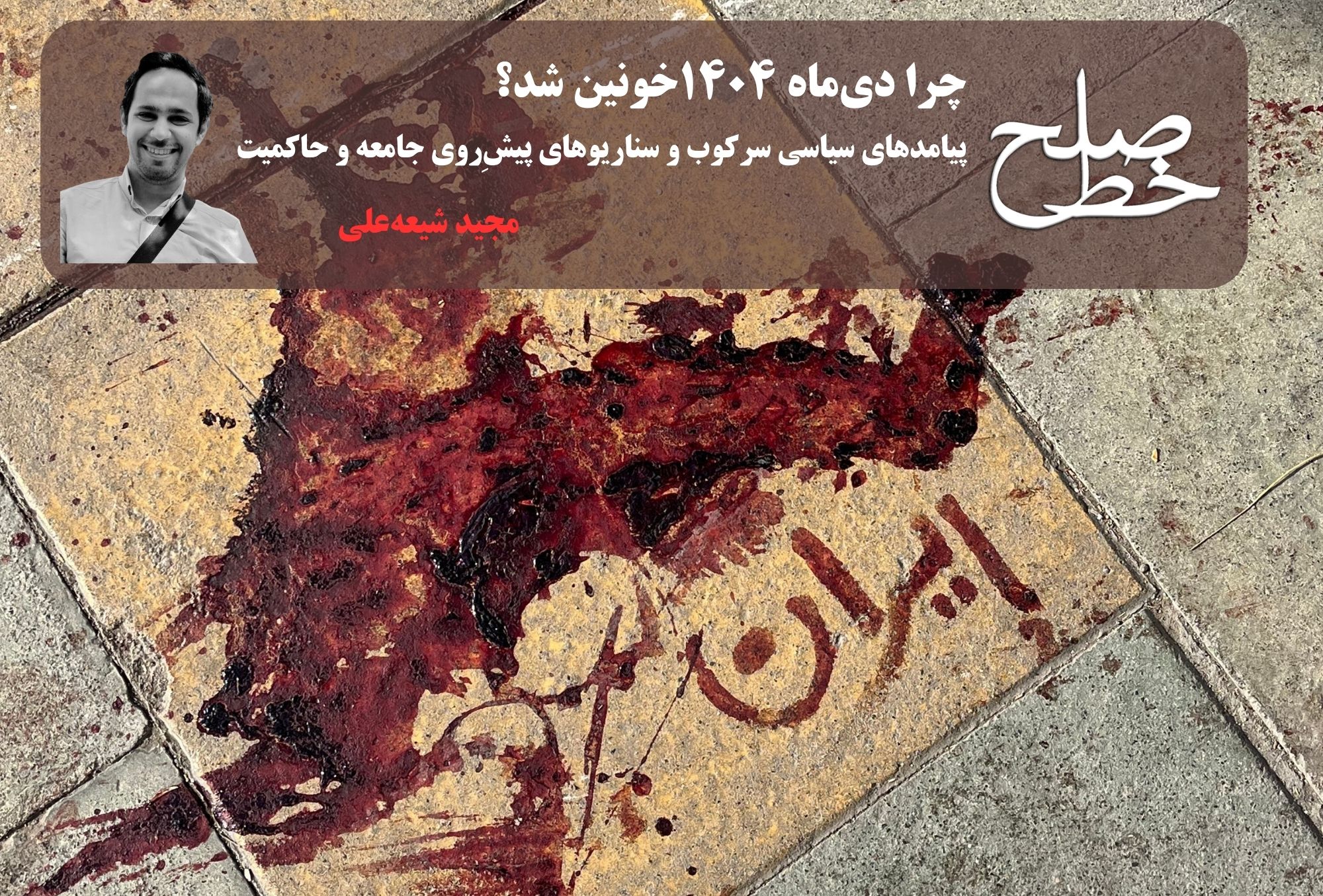
Why was January 1404 bloody?/ Majid Shia Ali
Throughout the contemporary history of the world, various governments have been responsible for the killing of a large portion of their citizens, from the crimes of the Khmer Rouge to the history of genocide in Bosnia, from the Nazi gas chambers to the famines resulting from the policies of the Stalin and Mao governments. Even […]...
Read More
Created By: Majid Shia’ali February 20, 2026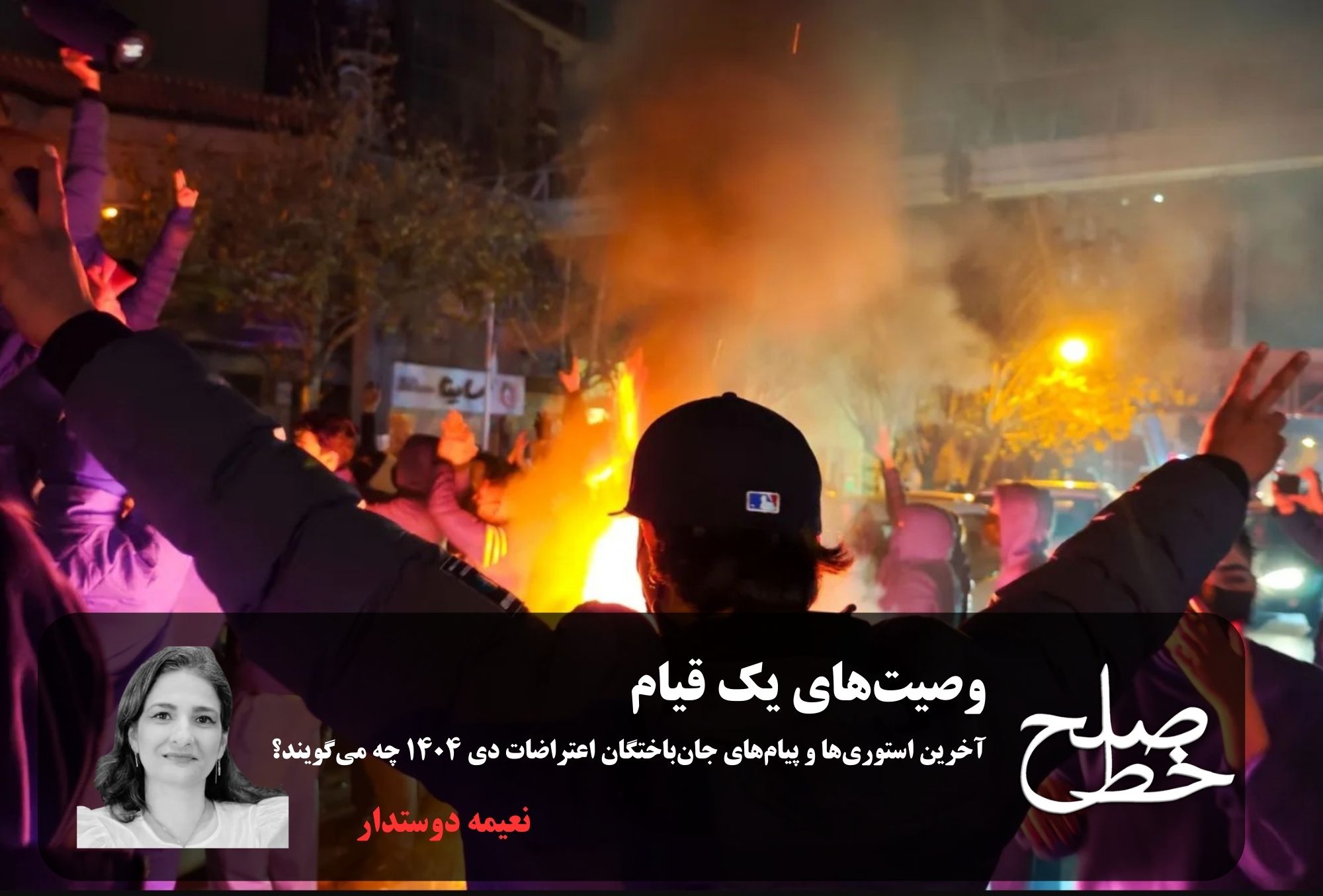
Testaments of an Uprising/Naimeh Doostdar
January 1404 was a time for a number of protesters to say their “last words”; a sentence recorded in a few lines on Instagram stories, or in a few-second video, sometimes in a brief call to family, and sometimes in a will that the survivors tried to carry out without fail. These messages, republished in […]...
Read More Created By: Naeimeh Doustar February 20, 2026
