


Freedom of thought and expression
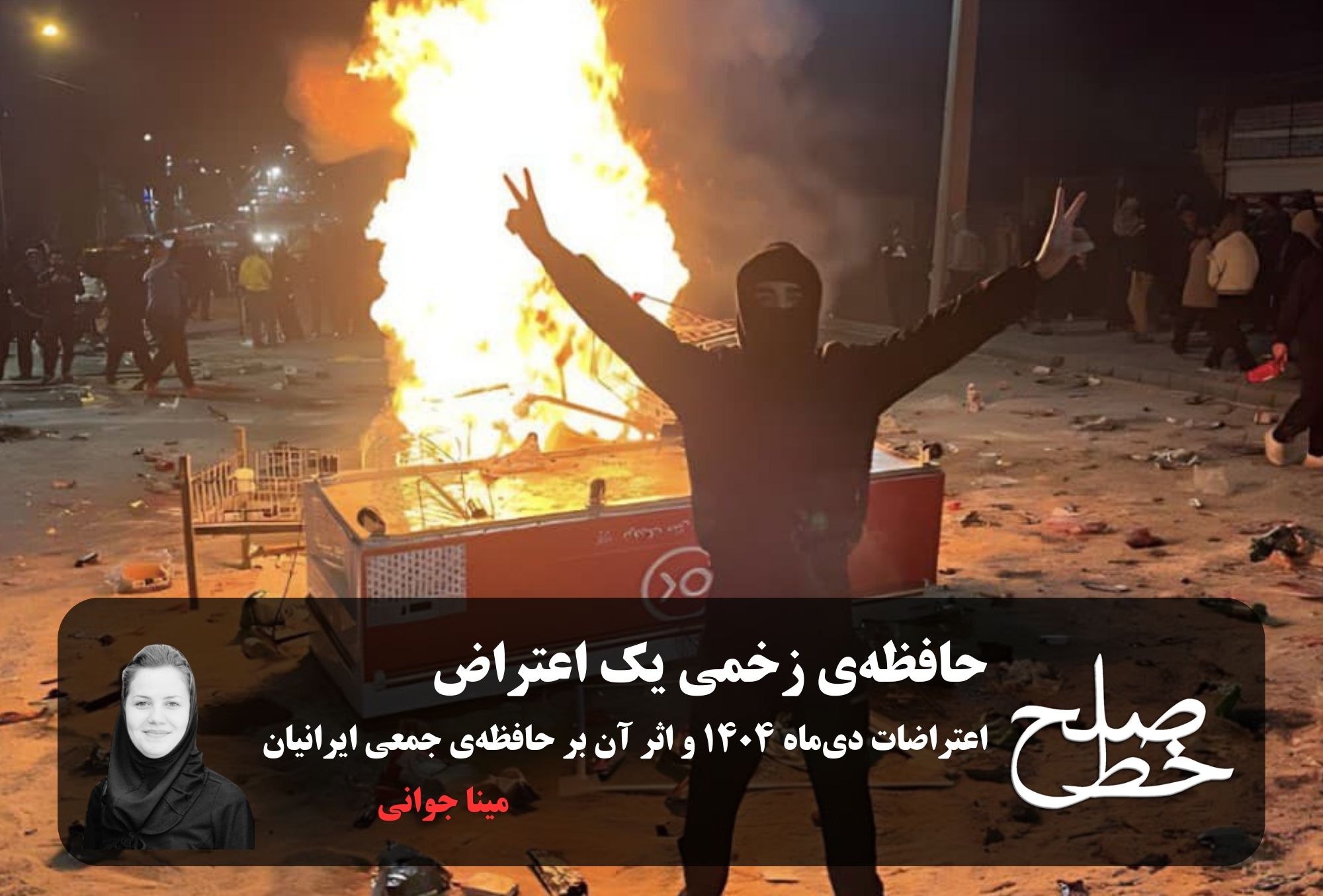
The Wounded Memory of a Protest/Mina Jawani
The protests of January 1404 are remembered neither as a single image nor as a narrative that can be easily retold. What remains is more of a scattering: unfinished scenes, videos that were cut short, streets that emptied sooner than expected. They neither became a moment of triumph nor a complete defeat; they remain in […]...
Read More Created By: Mina Javani
 February 20, 2026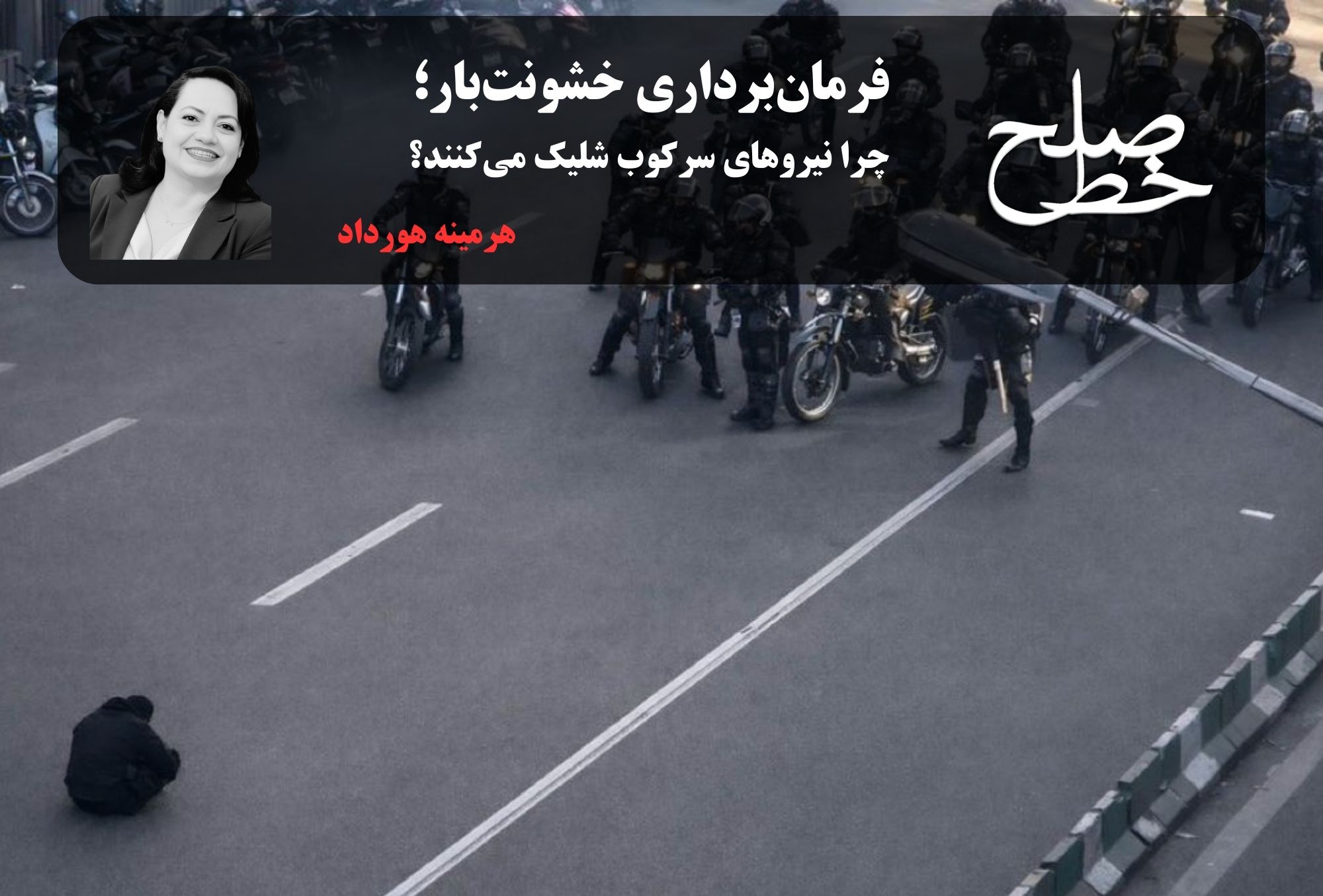
Violent subjugation: Why do the repressive forces shoot? / Hermine Hordad
A young man, caught in the crosshairs of a slave, sits cross-legged on the asphalt in the most defenseless human situation; in front of him stands the Islamic Republic’s suppression machine. A few meters away, a girl and a boy are shielding their chests from forces holding weapons. The statistics are horrifying. It is difficult […]...
Read More
Created By: Hermineh Hourdad February 20, 2026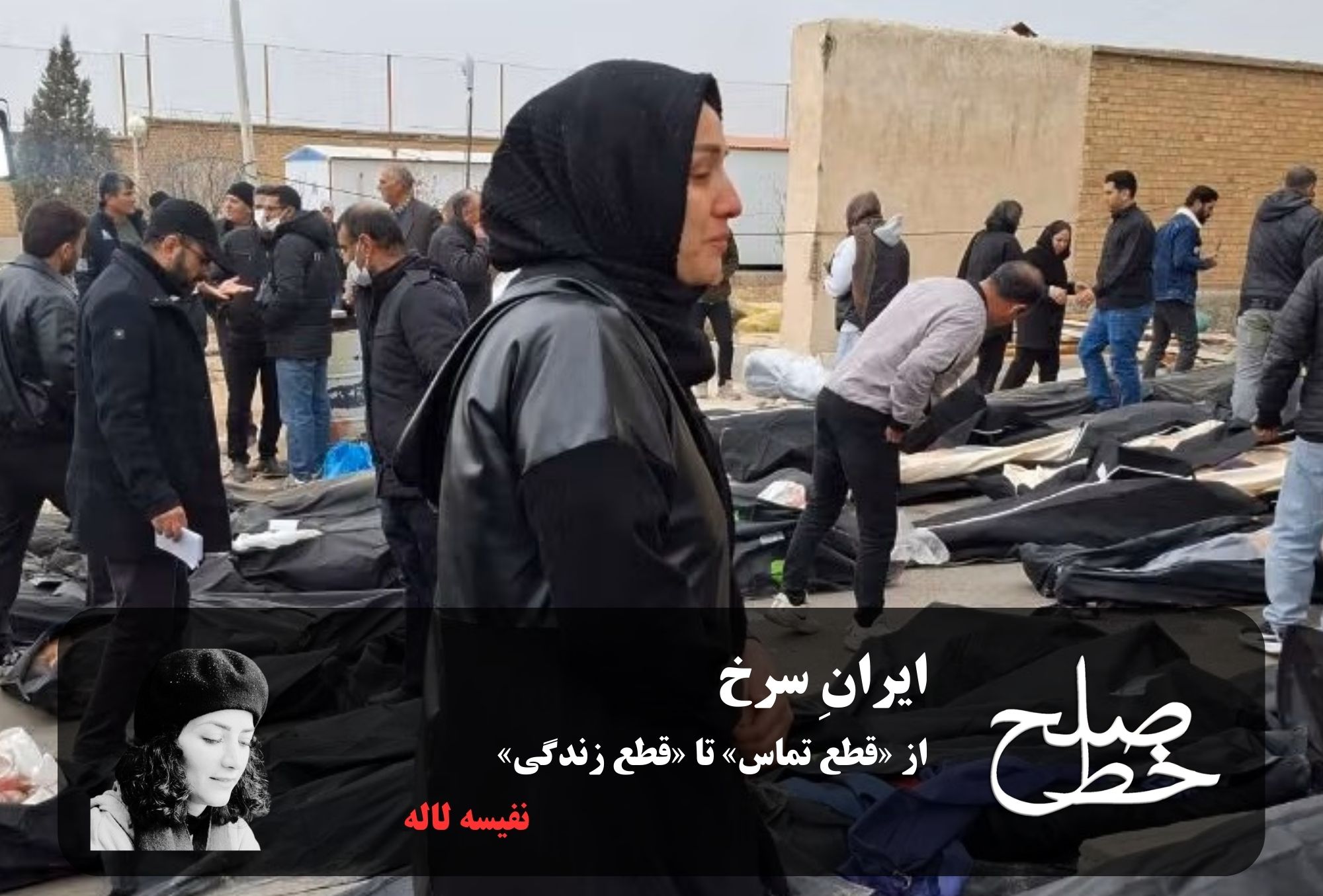
Red Iran; From “Disconnection of Contact” to “Disconnection of Life”/ Nafiseh Laleh
Tehran, evening of January 18, 1404, around 8:00 PM His excited voice echoes in the echo of the desperate voices of the street and my heart skips a beat. The call is cut off around the first minute and remains cut off for the following days and weeks; like ourselves, from life. We do not […]...
Read More
Created By: Nafiseh Laleh February 20, 2026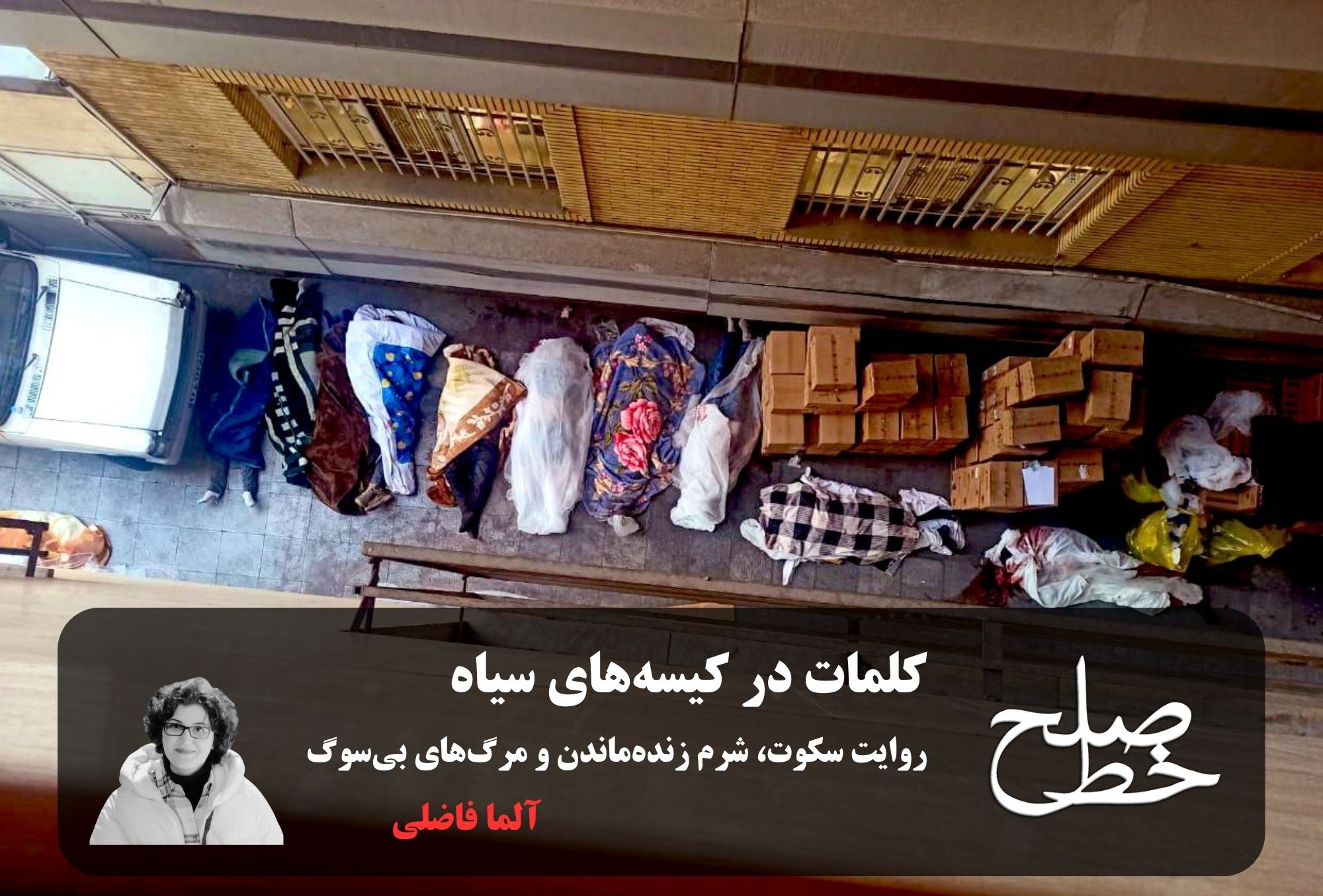
Words in Black Bags/Alma Fazeli
It has been more than sixteen years since the first image of Neda Agha Soltan’s last look was released, and about forty days since the first film of the pile of black bags for human corpses was released. Let me not go back any further, because to write about the experience of these days, I […]...
Read More
Created By: Alma Fazeli February 20, 2026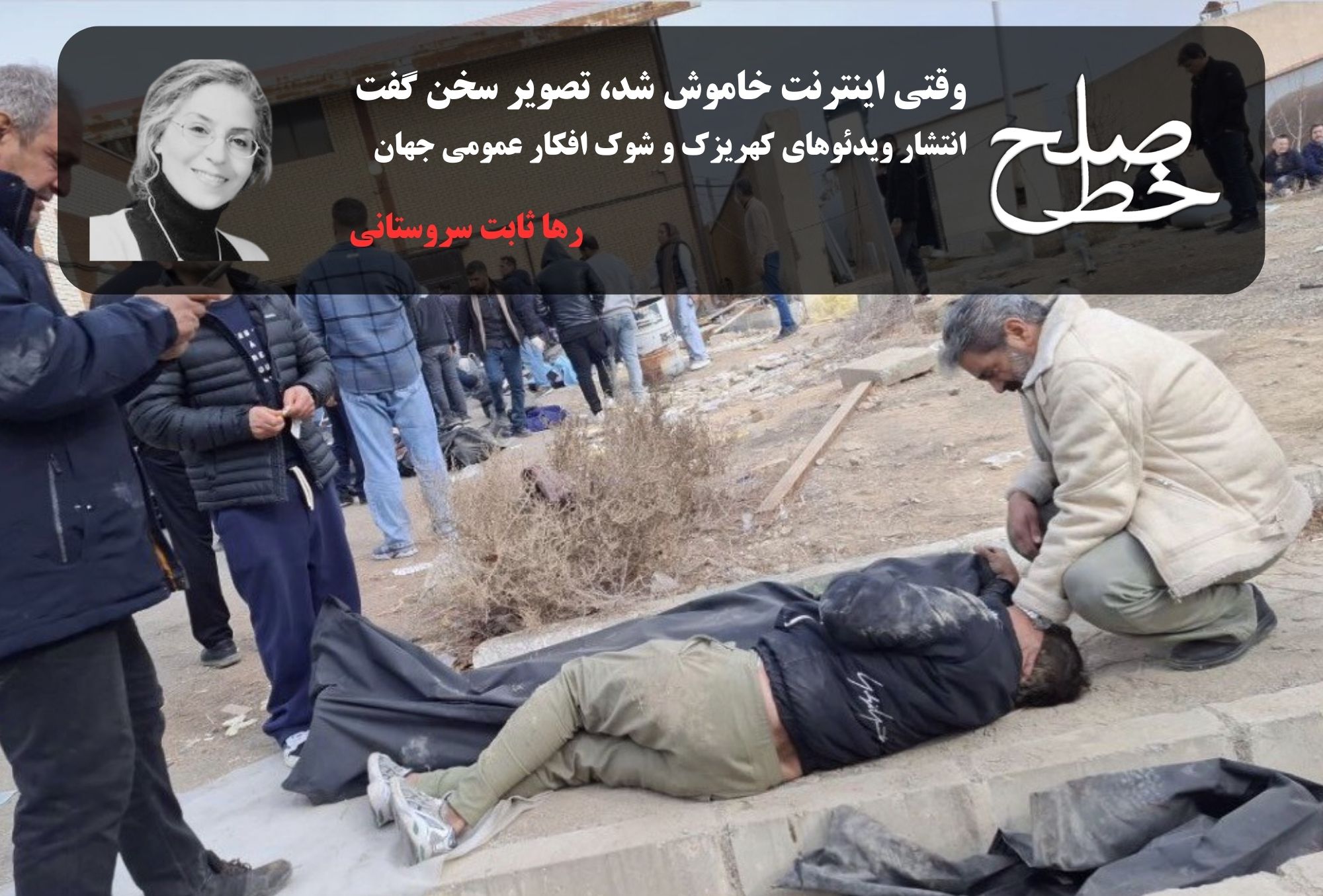
When the Internet Was Shut Down, the Image Spoke/ Raha Sabet Sarvestani
The release of videos related to the events of Kahrizak, at a time when the internet was widely shut down inside Iran, triggered a wave of shock and reaction among public opinion abroad—particularly among the Iranian diaspora, international observers, politicians, and human rights activists. This phenomenon cannot be regarded merely as a media event; rather, […]...
Read More
Created By: Raha Sabet Sarvestani February 20, 2026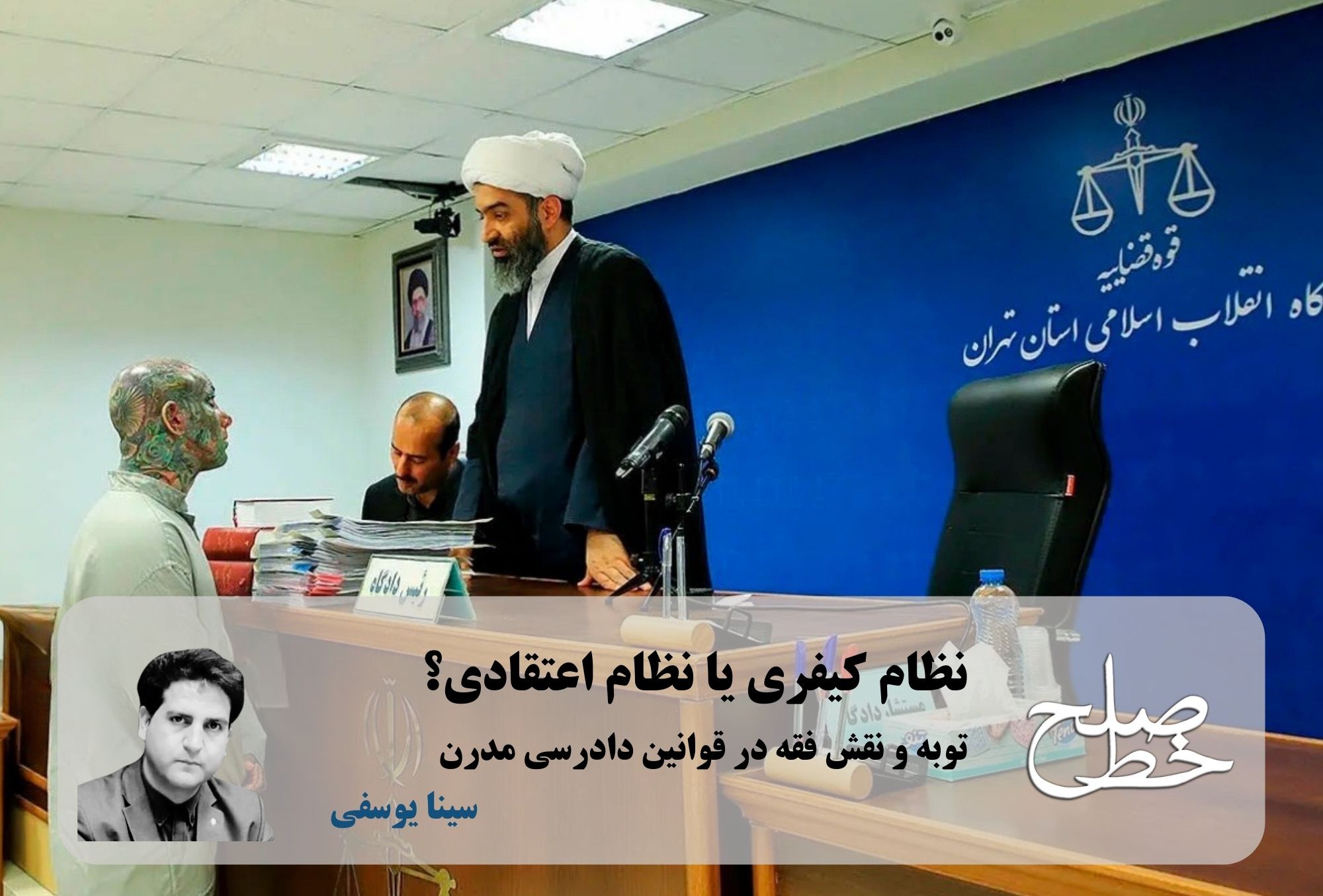
Penal System or System of Belief? / Sina Yousefi
Repentance (tawba) has long been regarded in Islamic jurisprudence as a moral and devotional concept, and over time, it has also gained a significant role in criminal proceedings. Islamic jurisprudence, by linking the realm of religious ethics with the domain of punishment, has created an institution in which inner transformation can lead to the annulment […]...
Read More
Created By: Sina Yousefi November 22, 2025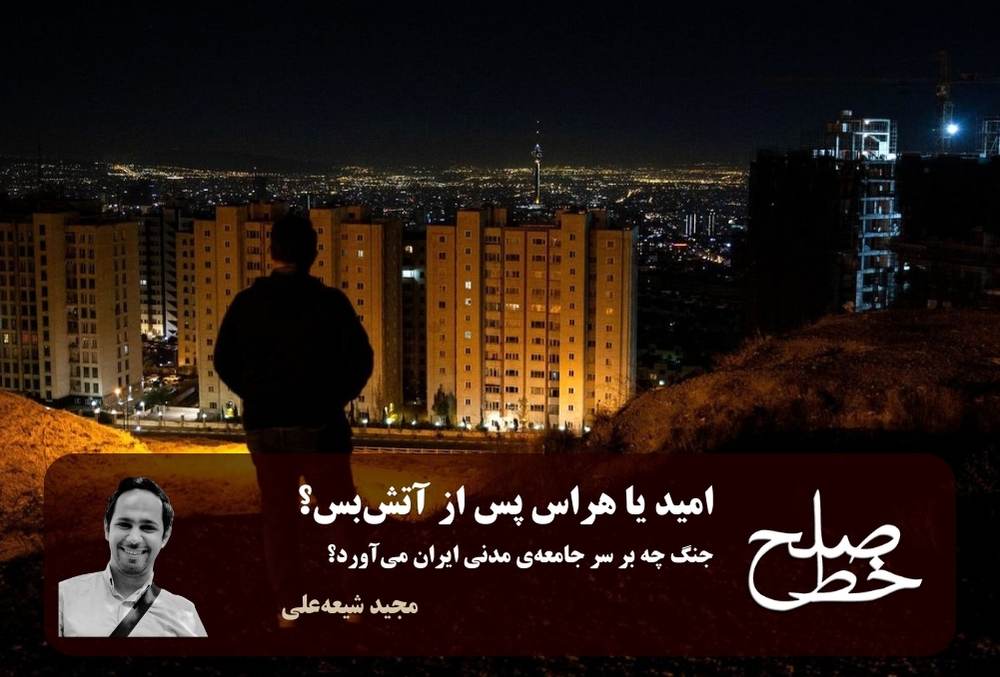
Hope or fear after the ceasefire?/ Majid Shia Ali
The twelve-day war has ended, but the war conditions have not ended. The shadow of war still looms over Iranian society. The threat of war, missile attacks, explosions, assassinations, and Israeli security operations in Iran are still serious. The continuation of the war situation, the inability of the government to take action to address […]...
Read More
Created By: Majid Shia’ali August 23, 2025
Cold peace as a model of governance in the post-crisis era/ Mina Javani
After the end of the twelve-day war, the situation in Iran has seemingly entered a phase of stability; a phase that in political discourse is referred to as “mutual restraint” or “controlled tension”, but at a structural level, it is not only a sign of a return to normalcy, but also a continuation of the […]...
Read More
Created By: Mina Javani August 23, 2025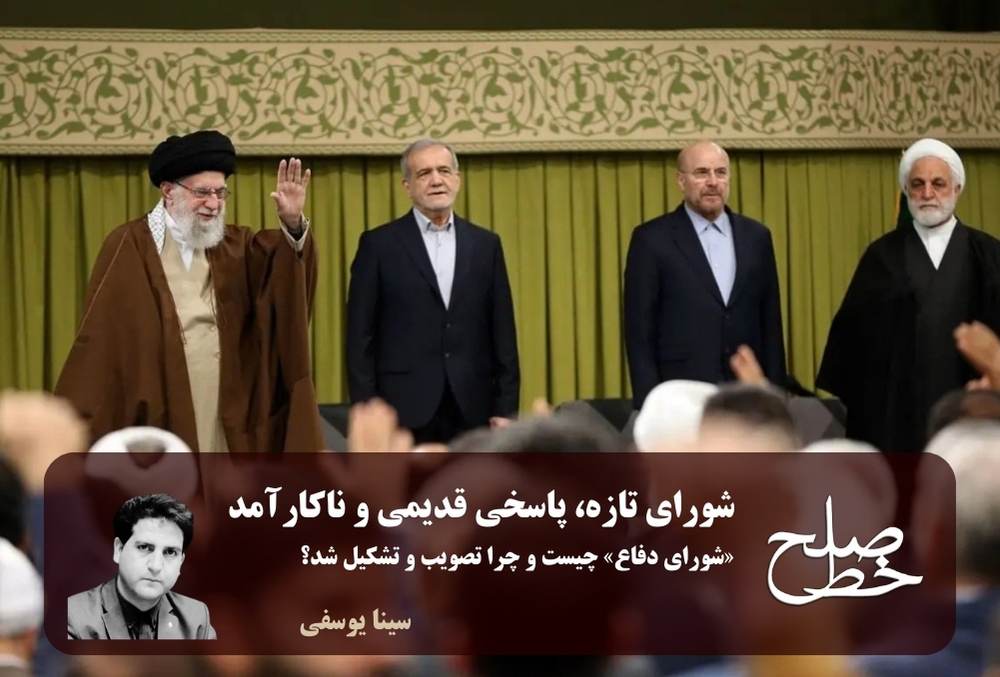
What is the ‘Defense Council’ and why was it approved and formed? / Sina Yousefi
In the month of Khordad of this year, Iran witnessed one of the shortest and most expensive military confrontations, known as the 12-day war. This war not only targeted vital infrastructure of Iran, including sensitive nuclear facilities and defense systems, but also exposed deep-rooted weaknesses in the structure of the Islamic Republic’s defense and security. […]...
Read More
Created By: Sina Yousefi August 23, 2025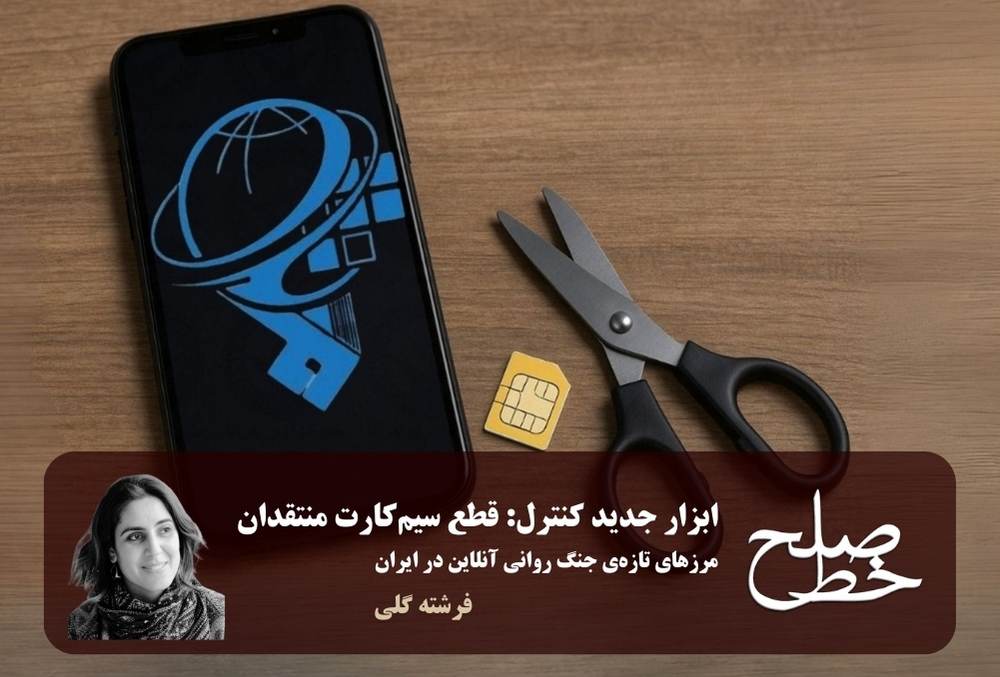
New Control Tool: Critics’ SIM Card Disconnect/ Fereshteh Goli
Nowadays, having a SIM card is one of the necessities of life in the digital and virtual world, and any deprivation of this right for anyone can be considered a tragedy. The International Telecommunication Union (ITU) has emphasized the importance of access to communication tools as a human right in several official documents, especially in […]...
Read More
Created By: Fereshteh Goli August 23, 2025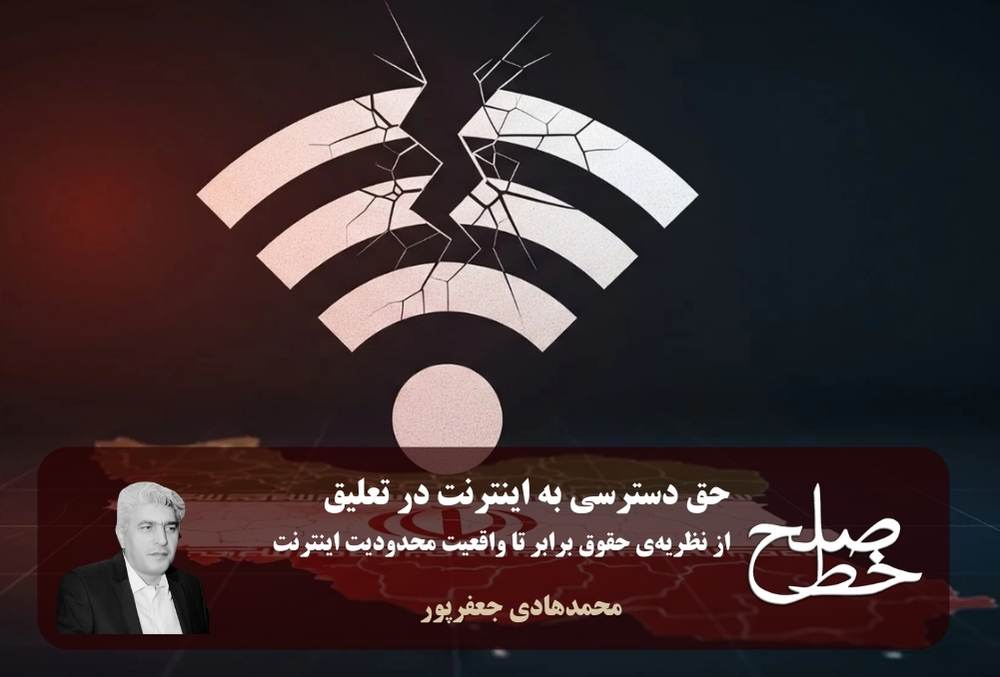
The right to access the internet is suspended/ Mohammad Hadi Jafarpour
A few days before the start of the twelve-day war, the issue of internet classification caused some political and civil activists to criticize the decision, referring to the president’s promise to remove filtering. Such restrictions on citizens’ rights are being imposed while in the country’s political-judicial structure, various rules and laws have been formulated and […]...
Read More
Created By: Mohammad Hadi Jafarpour August 23, 2025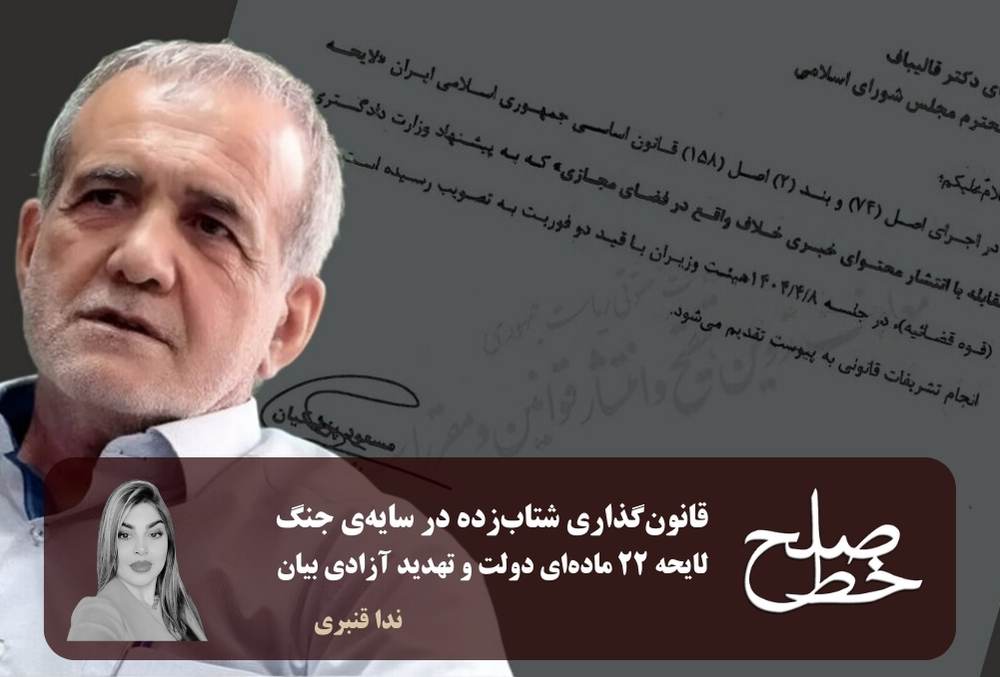
Legislating in the Shadow of War / Neda Qanbari
When asked about the 12-day war and its consequences, my mind doesn’t go to anything but images of destruction and the sound of bomb explosions. I think more about the days when “silence” after the war was heavier than any explosion, engulfing the entire country. In those moments, just when we expected peace after the […]...
Read More
Created By: Neda Ghanbari August 23, 2025
