


Freedom of thought and expression
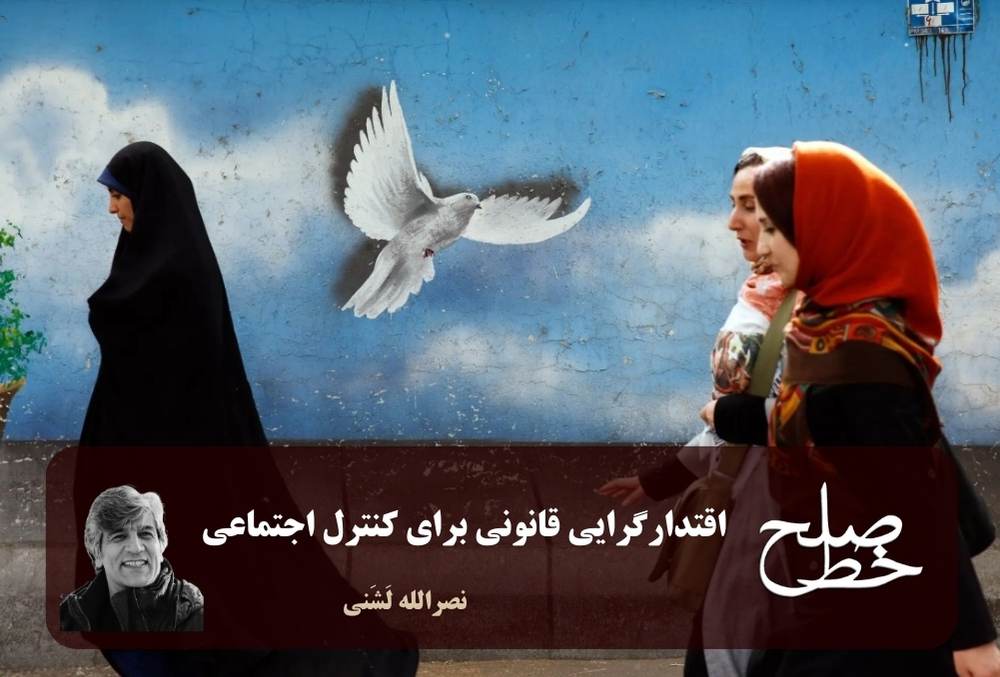
Legal Authoritarianism for Social Control/ Nasrollah Lashani
The importance of the constitution in establishing and solidifying democracy is a legacy of the American Revolution. After the victory of the American Revolution and the independence of this country from British monarchy, the revolutionaries emphasized and focused on the drafting and regulation of the constitution, striving to carefully and skillfully design a national covenant […]...
Read More Created By: Nasrollah Lashni
 August 23, 2025
Espionage: The Regime’s Worn-Out Tool to Silence Dissent/ Reza Alijani
Onstage and Behind the Scenes of the Ratification of Article Nine of the Constitution Article 9 of the Constitution of the Islamic Republic of Iran states: “In the Islamic Republic of Iran, freedom, independence, unity, and the territorial integrity of the country are inseparable, and preserving them is the duty of the government and all […]...
Read More Created By: Reza Alijani July 23, 2025
Checkpoint or Deathtrap? A Dark Account from Tarik-Darreh, Hamedan After the Twelve-Day War / Reza Harisi
The end of the twelve-day war between Iran and Israel, contrary to public expectations, did not result in a fragile peace but rather ushered in a disturbing and unstable state within the country. During the war and immediately following the announcement of the ceasefire, security and military forces of the Islamic Republic established hundreds of […]...
Read More
Created By: Reza Harisi July 23, 2025
Revisiting the Role of the Media in the Twelve-Day War/ Mina Javani
In times of crisis—particularly within the context of military conflicts—the media move beyond their conventional role as mere transmitters of information. They become active agents in shaping public opinion, constructing dominant narratives, and organizing collective emotions. The twelve-day war between Iran and Israel once again demonstrated that the battlefield is not confined to weaponry and […]...
Read More
Created By: Mina Javani July 23, 2025
When the Twelve-Day War Reached the Internet/ Fereshteh Goli
In today’s world, the internet has a clear meaning: a tool for fast, direct, and uncensored communication among people, with access to firsthand news and information—even if that information is sometimes incorrect or misleading. In any case, the right to access the internet is recognized in international law as part of fundamental human rights and […]...
Read More
Created By: Fereshteh Goli July 23, 2025
Censorship as a Preserver of the Old Order: From the Constitutional Revolution to the Ministry of Culture and Islamic Guidance/ Mehrdad Naghibi
The policy of censorship and pre-publication review, as the primary deterrent to the advancement of culture, has continued to persist for years by relying on a wide range of available tools, aiding opponents of freedom of expression. Today, the issue of censorship is no longer confined to book publishing and the press; instead, all cultural, […]...
Read More
Created By: Mehrdad Naghibi June 22, 2025
A look at the black record of “Hossein Ali Nayeri”, a member of the Death Commission/ Ali Kalaei
The death of those who have committed injustice and their hands are stained with the blood of the people, without going through the process of justice, not only brings comfort to the oppressors but also deprives them of the opportunity to hear the truth of their atrocities. The death of “Hossein Ali Neiri” is one […]...
Read More Created By: Ali Kalaei April 21, 2025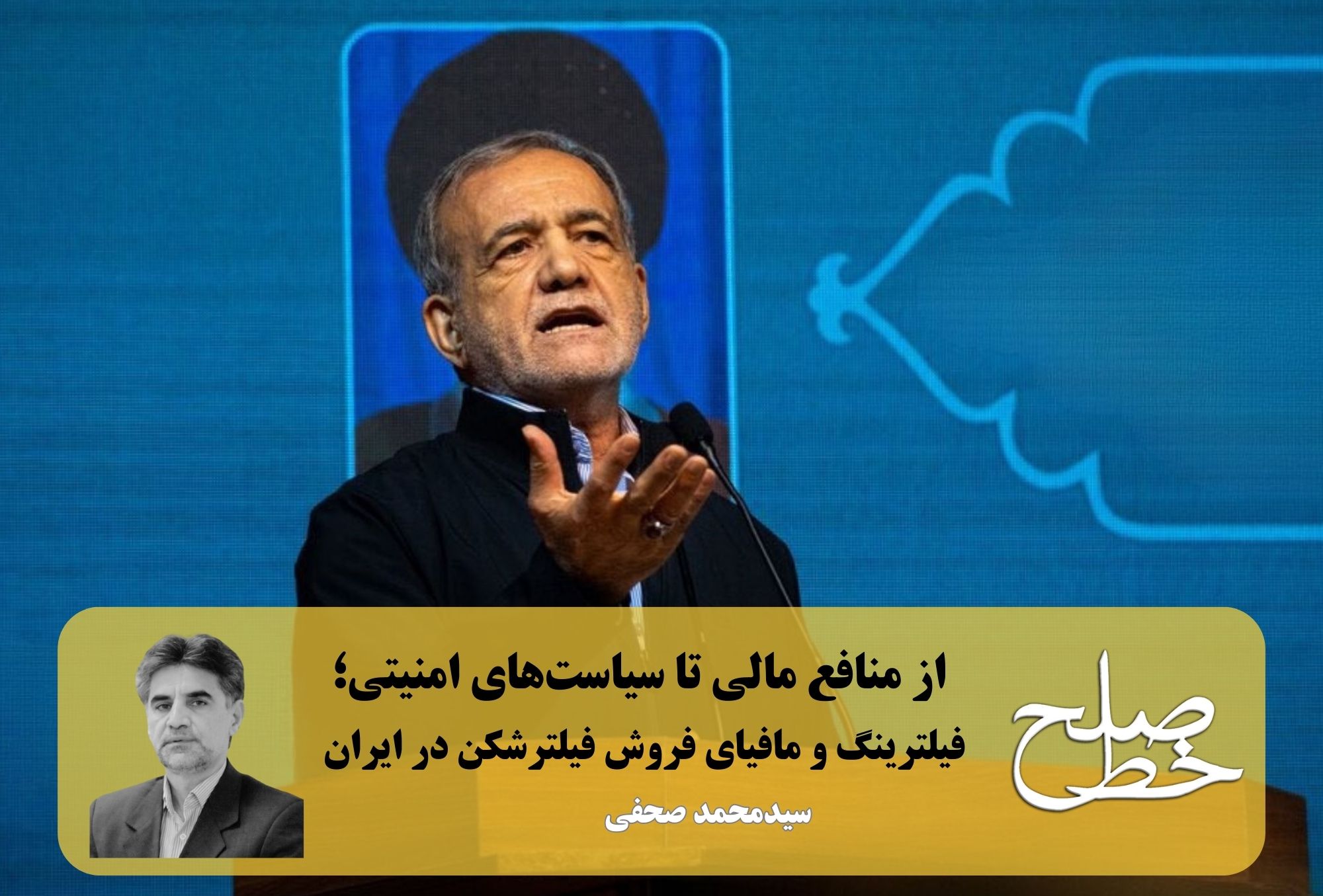
From Financial Gains to Security Policies: Filtering and the VPN Sales Mafia in Iran/ Seyed Mohammad Sohofi
Unofficial reports suggest that the financial turnover from VPN sales in Iran is remarkably high due to the widespread use of these tools and the lack of transparency in this market. With the sharp rise in demand for VPNs following the widespread filtering of social media platforms such as Instagram, WhatsApp, X (formerly Twitter), Telegram, […]...
Read More
Created By: Seyed Mohammad Sohofi January 20, 2025
The Mafia of Filtering or VPNs: Which Side Does the Government Listen to in Its Fight Against a Free Internet?/ Amir Aghaei
Radical members of parliament, the spokesperson for the Pezeshkian administration, Mahmoud Ahmadinejad, members of the Supreme Council of Cyberspace, Mohammad Javad Azari Jahromi, and many other names—while differing significantly in their political approaches and perspectives on managing the internet in Iran, they all share one thing in common: beating the drum of the VPN mafia. […]...
Read More
Created By: Amir Aghayi January 20, 2025
Stress and Psychological Impacts of Communication Restrictions on Users/ Alireza Goodarzi
To have a simple voice or video call with friends living outside Iran, I sometimes have to open and close several apps before one finally connects us for a few minutes. They can’t access domestic platforms, and we can’t use most international apps. I have to try multiple VPNs to find one that works. One […]...
Read More
Created By: Alireza Goodarzi January 20, 2025
Why Insist on Maintaining Filtering?/ Majid Shia’ali
One of the main promises of the Pezeshkian administration was to lift the filtering of social media platforms. In recent months, reformists have tried to achieve a symbolic success for the unsupported Pezeshkian administration by lifting the ban on some social networks amidst the current crises. However, despite all these efforts, the administration’s achievements have […]...
Read More
Created By: Majid Shia’ali January 20, 2025
The Digital Economy in the Cage of Filtering/ Ahmad Alavi
According to the fourth report by the Tehran E-Commerce Association, Iran ranks 98th among 100 countries in terms of internet quality. In this ranking, Iran is third from the bottom, following Cuba and Turkmenistan. Furthermore, Iran and China are at the top of the list for the highest number of filtered domains. Social media filtering […]...
Read More
Created By: Ahmad Alavi January 20, 2025
