


Freedom of thought and expression
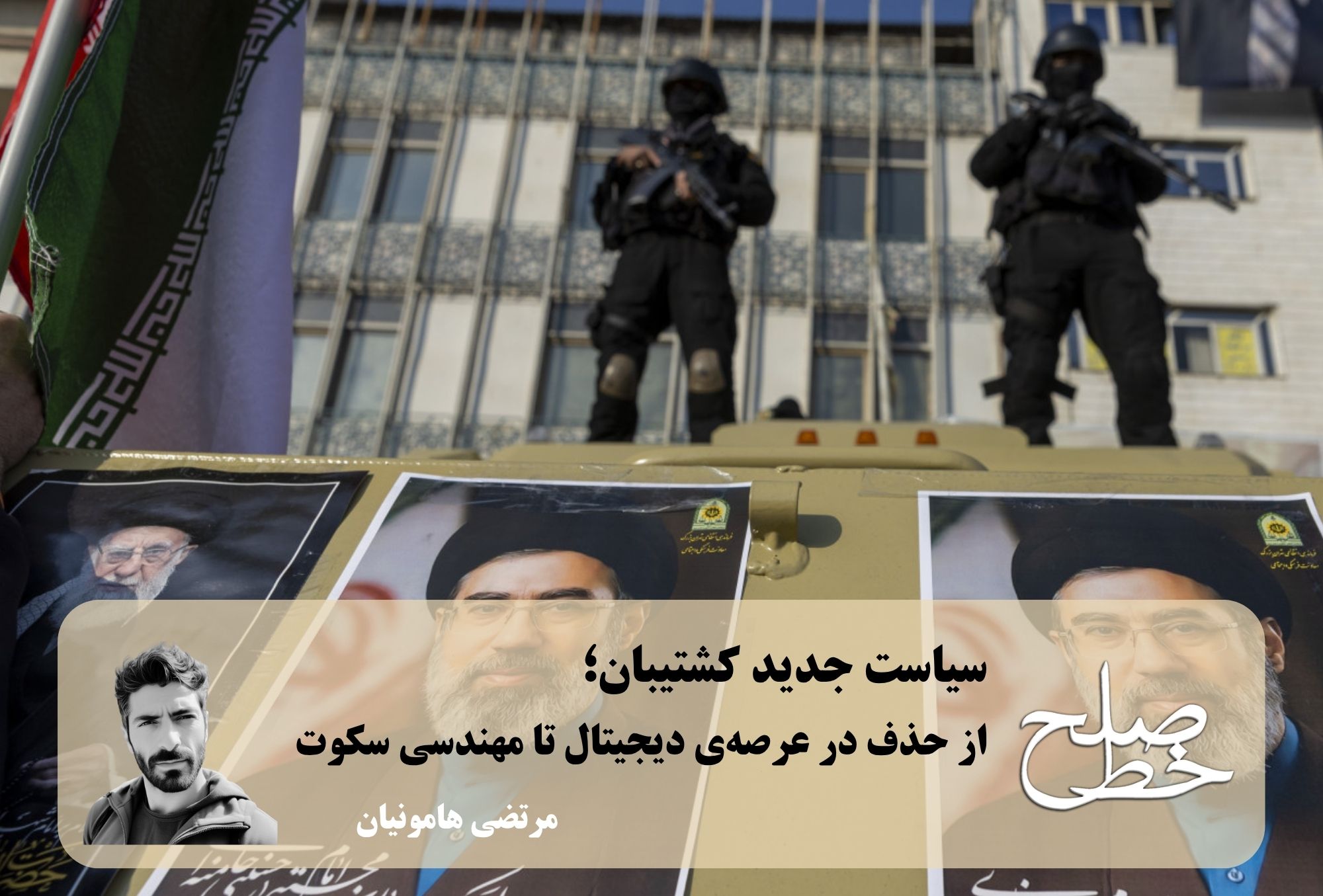
The Helmsman’s New Policy: From Elimination in the Digital Sphere to Engineering Silence/ Morteza Hamounian
Usually, after a calamity, clearing the rubble begins. For example, when a war occurs, after it ends, everyone seeks to clear away the rubble of war and tries, through a collective effort, to heal one another’s wounds. But in the Islamic Republic of Iran, it seems that everything is reversed. Once the war subsides, only […]...
Read More Created By: Morteza Hamounian
 August 23, 2026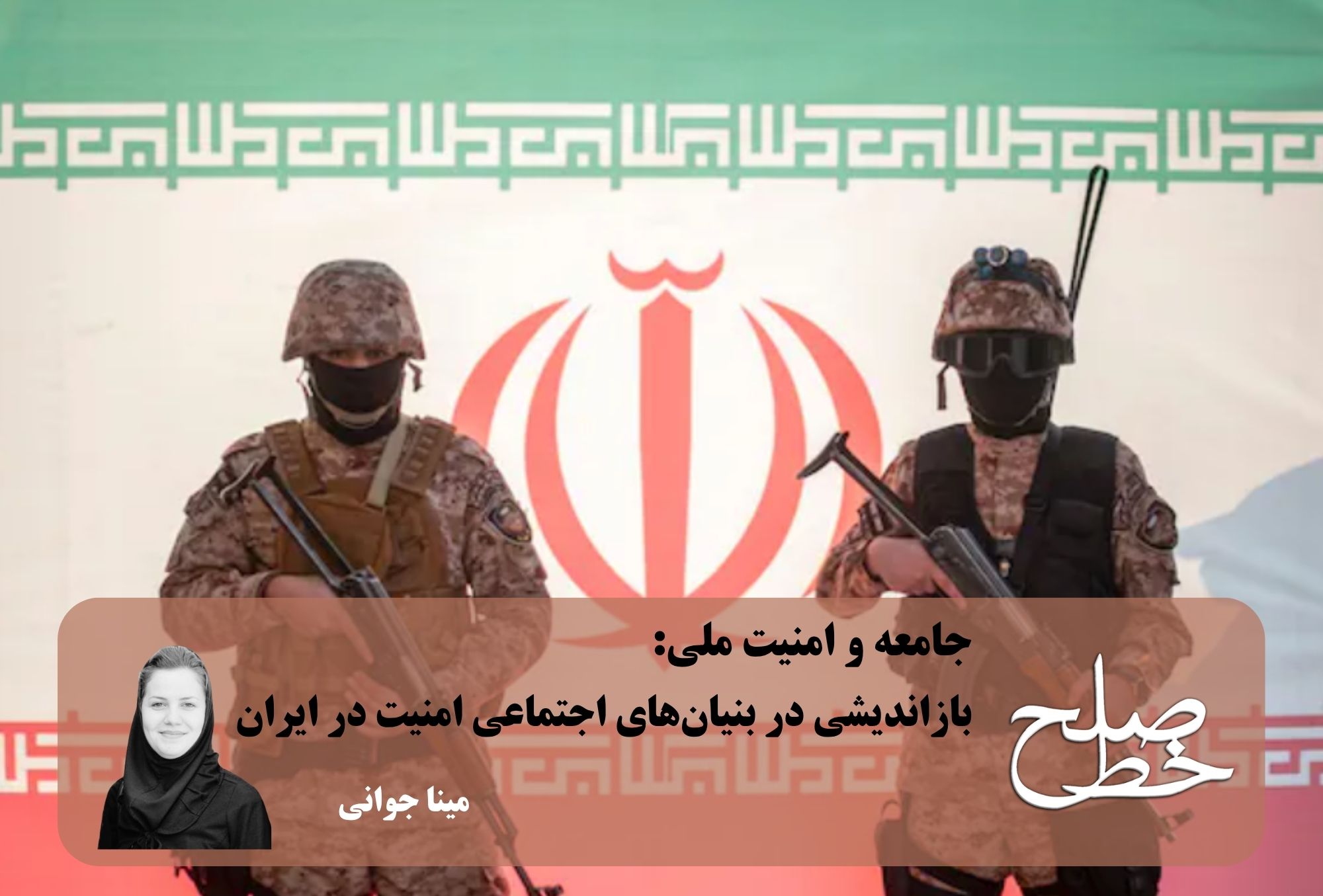
Society and National Security: Rethinking the Social Foundations of Security in Iran/ Mina Javani
In periods of heightened external threats, the concept of national security naturally becomes the focus of public policymaking. In such circumstances, the expansion of state authority, the strengthening of security institutions, and the restriction of certain civil liberties are often justified by invoking the “necessity of security.” This logic is based on the assumption that […]...
Read More
Created By: Mina Javani July 23, 2026
Civil Society in a State of “Neither War nor Peace”: An Analysis of a Historical Suspension/ Mina Javani
At important historical moments, what changes more than anything else is not only political and economic structures, but the way time itself is experienced. In such moments, societies no longer move along the ordinary continuum of past and future; rather, they become trapped in a kind of prolonged and suspended present. A major event has […]...
Read More
Created By: Mina Javani June 22, 2026
From the Crime of “Espionage” to the Criminalization of “Intent to Collaborate”/ Maryam Abedi
Crimes against national security have always been regarded among the most sensitive and severe areas of criminal law. In all legal systems, governments consider the protection of secrets, classified information, vital facilities, and security structures to be among the fundamental elements of their political and sovereign survival. For this reason, espionage is recognized as one […]...
Read More
Created By: Maryam Abedi May 22, 2026
Media Cooperation with Abroad: Where Is the Boundary Between Reporting and Espionage?/ Mustafa Danandeh
During the two twelve-day and forty-day wars, the relationship between “media activity” and “national security” in Iran entered a new stage. A stage in which sending a video, publishing a report, or even speaking with media outlets outside the country can be interpreted under concepts such as “cooperation with a hostile state” or “espionage.” The […]...
Read More
Created By: Mustafa Danandeh May 22, 2026
The Expansion of Securitizing Activism in the New Law Intensifying Punishment for Espionage/ Sara Qoreyshi
An Ordinary Day, an Extraordinary Accusation It is ten o’clock at night. From the window of your apartment, you hear chants. You pick up your phone, record a few seconds of video, and send it to a news channel outside the country. The next day, you face a summons whose title is not “publishing an […]...
Read More
Created By: Sara Qoreyshi May 22, 2026
A Comparative Review of the Conflicts Between the New Law Intensifying Punishment for Espionage and the Fundamental Rights of the People/ Iman Soleimani
The law titled “Intensifying Punishment for Espionage and Cooperation with the Zionist Regime and Hostile Countries Against National Security and Interests” (approved by Parliament in Mehr 1404 and confirmed by the Guardian Council) is among the Islamic Republic’s recent security laws, prescribing heavy punishments such as execution and full confiscation of property for a wide […]...
Read More
Created By: Iman Soleimani May 22, 2026
Securitizing Society Through Accusations of Espionage/ Hermineh Hourdad
Since its establishment, the Islamic Republic, as a phenomenon in the form and appearance of the government ruling Iran, has made one of its main actions emptying everything of its original meaning, placing its own desired meaning inside that form, and imposing it on society. The accusation of espionage is no exception to this rule; […]...
Read More
Created By: Hermineh Hourdad May 22, 2026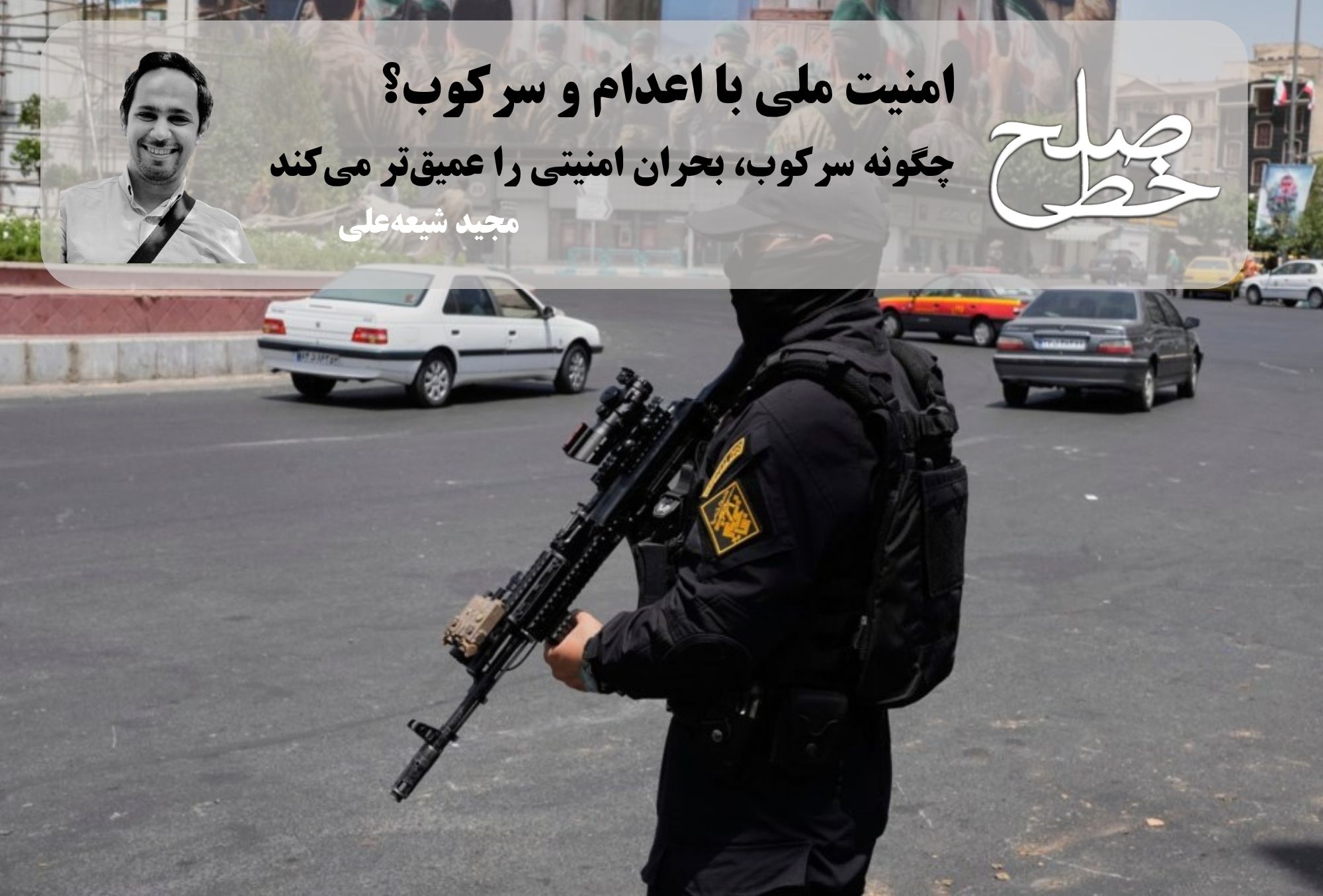
National Security Through Execution and Repression?/ Majid Shia’ali
Since the beginning of the war, human rights violations by the ruling establishment in Iran have increased significantly. In the days after the ceasefire, not a day goes by without news of executions carried out on the basis of death sentences issued through a deeply flawed judicial process and with clear political orientations. The process […]...
Read More
Created By: Majid Shia’ali May 22, 2026
From the Filtering of Telegram to “Pro Internet” / Amir Aghaei
The Islamic Republic is breaking many negative records in the field of digital repression. Iranians, during perhaps one of the most turbulent periods in their history — from the start of the 12-day war to the Dey protests and after that the 40-day war, which it is still not clear has completely ended or not […]...
Read More
Created By: Amir Aghayi May 22, 2026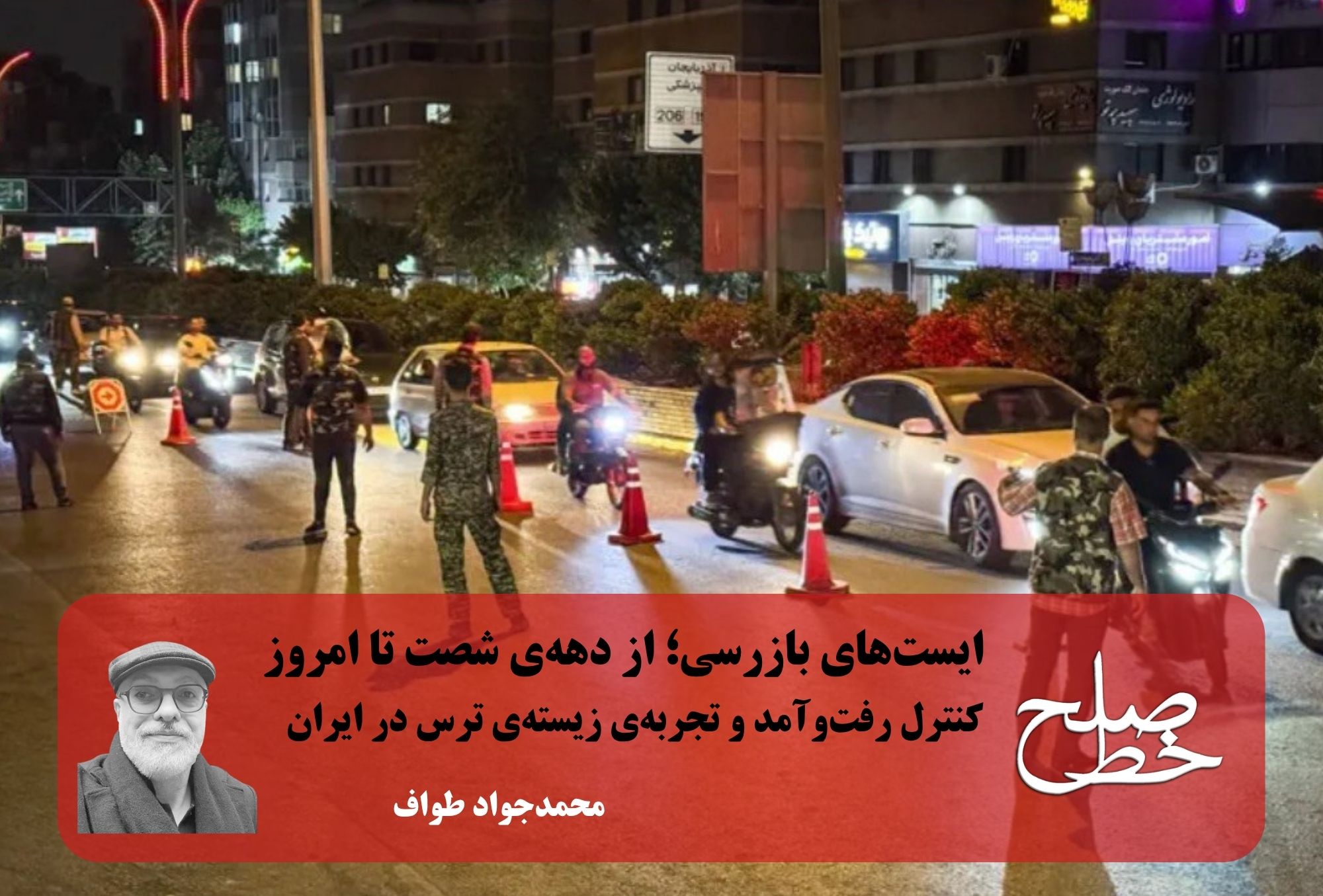
Checkpoint Stops; From the Past to Today/ Mohammad Javad Tavaf
One media activist has recounted a memory from the years of the sixties on social networks: “It was night, my cousin and I wanted to go from Khaniabad to Yousefabad, to our aunt’s house. I said: Hooshang, it’s a desert there, let’s take a little of this aragh too. He double-layered a freezer bag, poured […]...
Read More
Created By: Mohammad Javad Tavaf April 21, 2026
Can Mere Filming of Strike Sites Lead to Arrest?/ Sina Yousefi
In wartime conditions, the question of respect for human rights is always raised as one of the fundamental challenges. It is a challenge in which the boundary between security necessities and human rights obligations becomes extremely narrow and slippery. Historical experience has shown that in times of crisis, states are more inclined than ever to […]...
Read More
Created By: Sina Yousefi April 21, 2026
