


Latest Posts
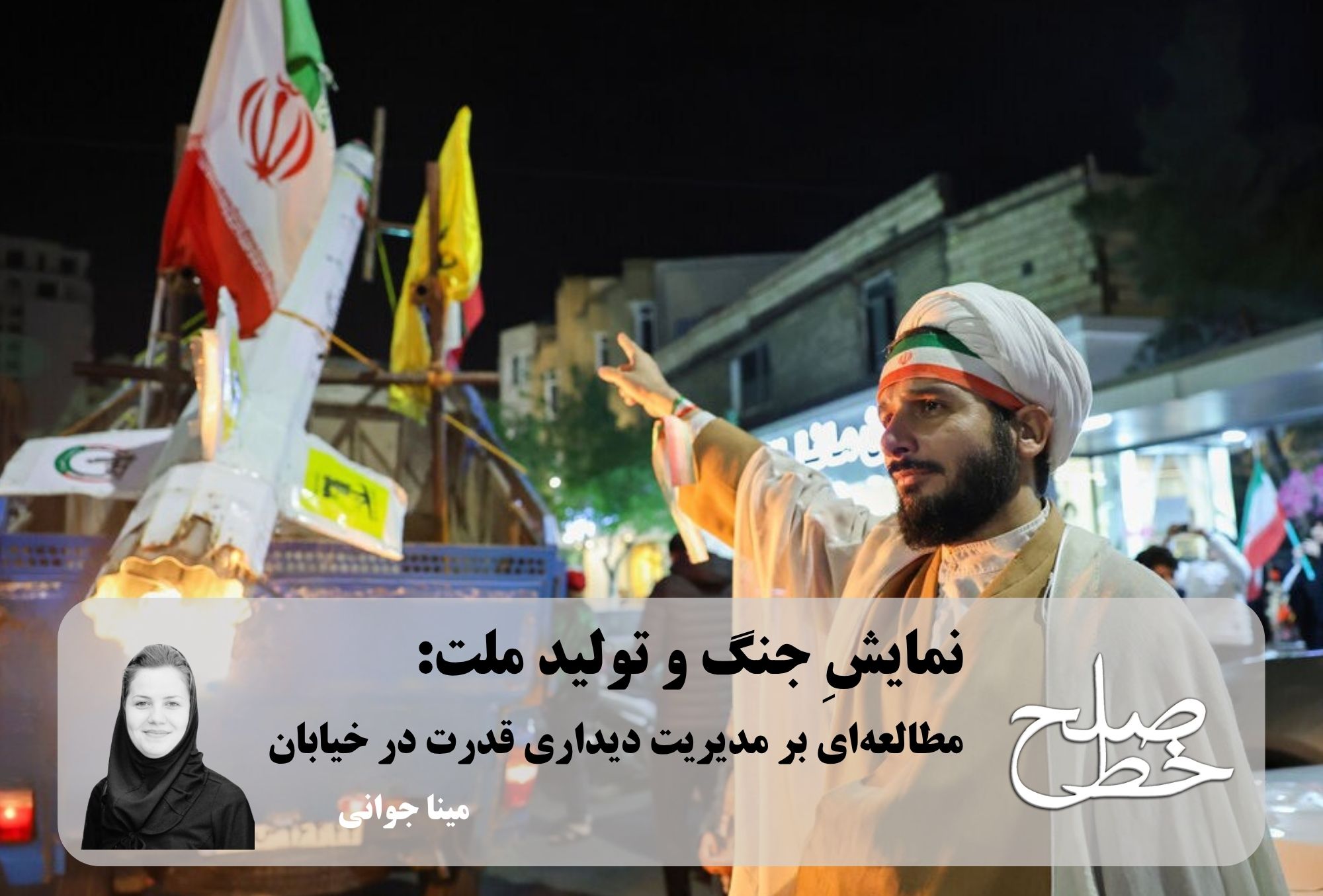
The Spectacle of War and the Production of the Nation: A Study of the Visual Management of Power in the Street / Mina Javani
Since the first nights of the war, the streets of Iranian cities have become the stage for a form of theatrical politics: gatherings, supported by the government, filled with lights, flags, anthems, and mowkebs, which seemed less a natural reflection of the social situation than an attempt to produce a uniform and coherent image of […]...
Read More Created By:
Mina Javani
Created By:
Mina Javani May 22, 2026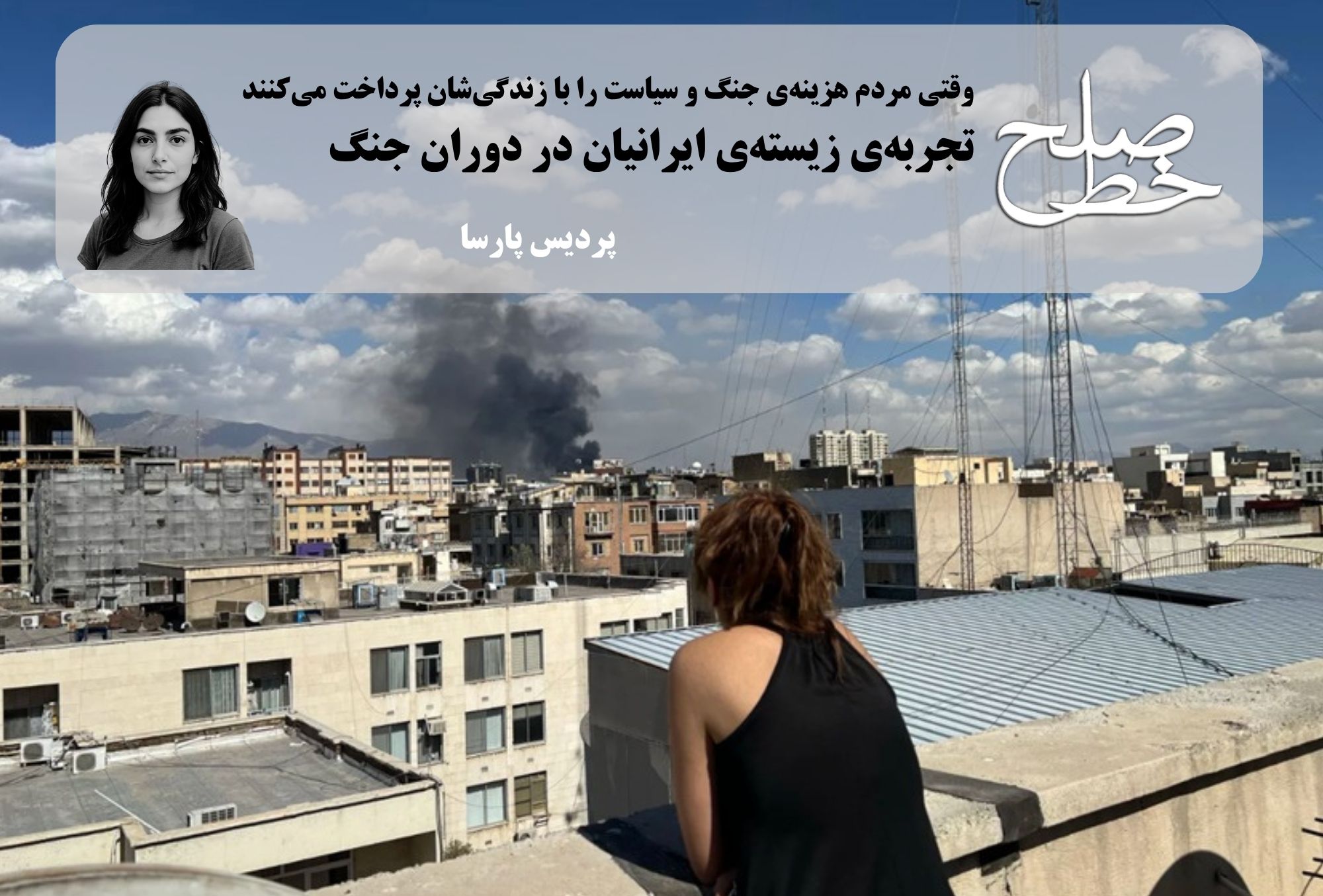
The lived experience of Iranians during the war/ Pardis Parsa
The outbreak of war between Iran, the United States, and Israel was the inevitable consequence of years of ideological adventurism and tension-generating state policies that have consistently prioritized political survival over the safety, welfare, and lives of citizens. This war once again stripped away the illusion of “security” — a claim that for years had […]...
Read MoreCreated By:
Pardis Parsa May 22, 2026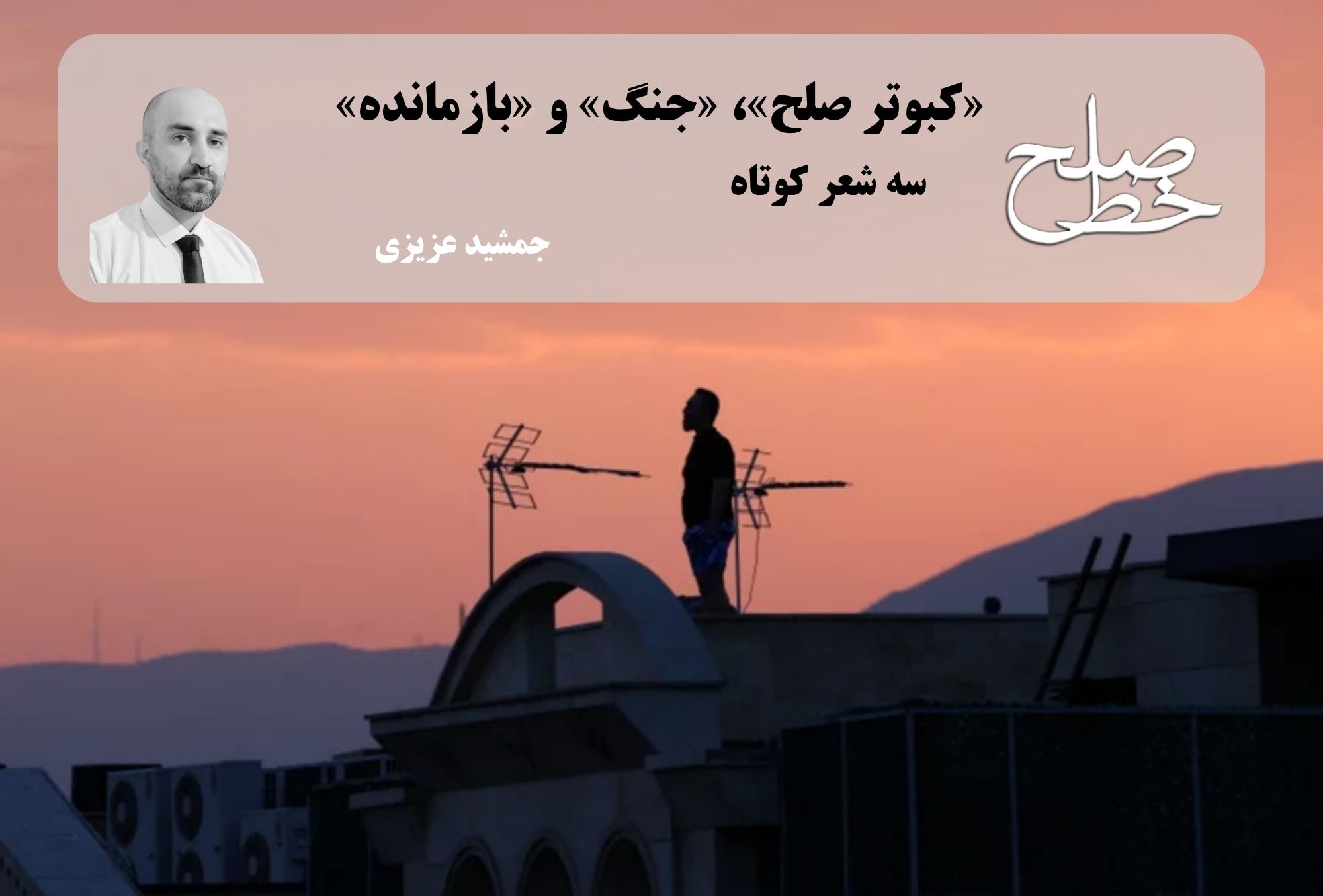
“Peace Dove”, “War” and “Survivor”; Three Short Poems by Jamshid Azizi
Dove of peace In the bosom of poetry On a land that, instead of soil, It smells like gunpowder. After the rain of wishes I seek the shelter of your hands. Oh, boundless dove! Our tired earth He can’t stand the boots anymore. *** War The sun is shining. That our work and burden It’s […]...
Read MoreCreated By:
Jamshid Azizi May 22, 2026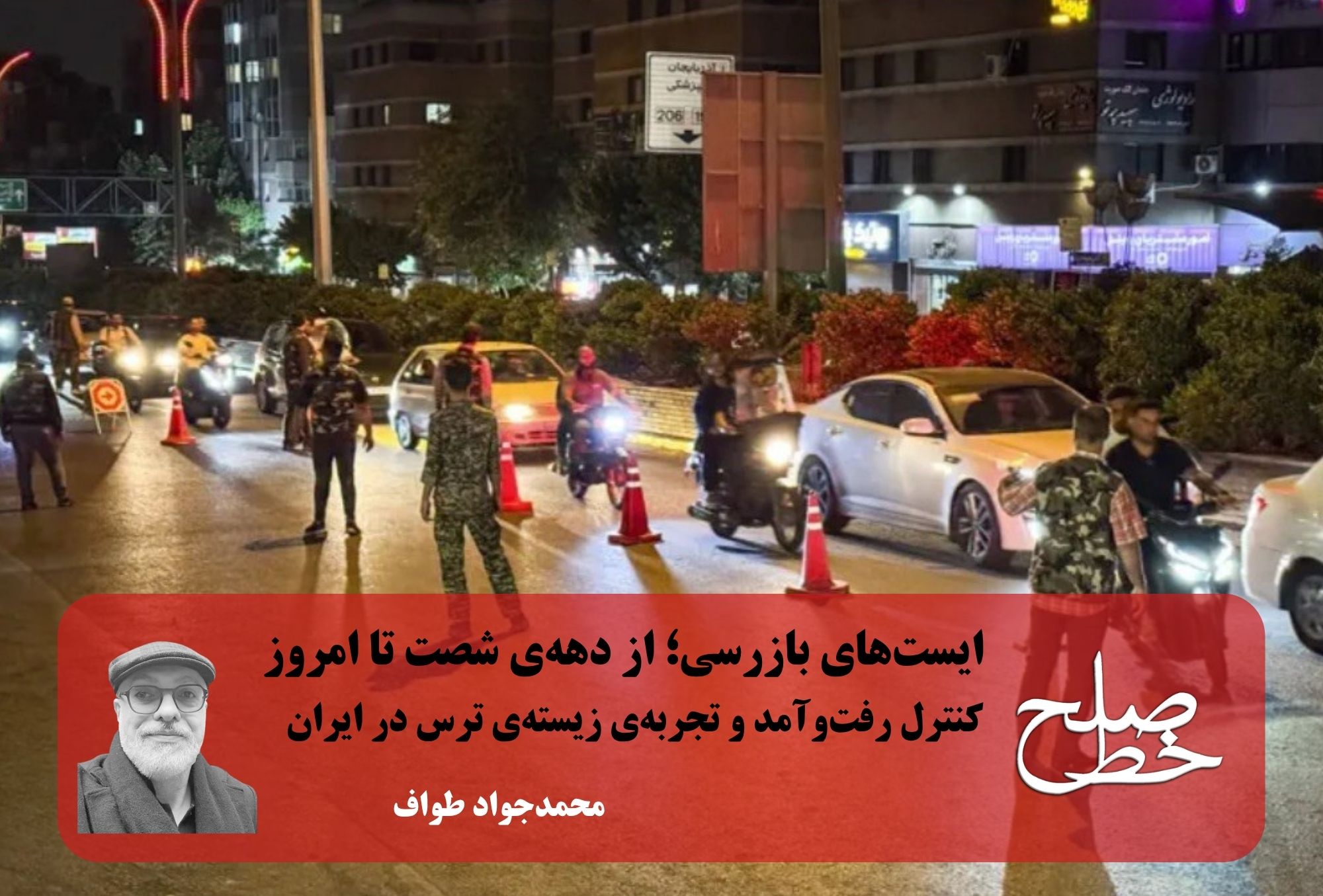
Checkpoint Stops; From the Past to Today/ Mohammad Javad Tavaf
One media activist has recounted a memory from the years of the sixties on social networks: “It was night, my cousin and I wanted to go from Khaniabad to Yousefabad, to our aunt’s house. I said: Hooshang, it’s a desert there, let’s take a little of this aragh too. He double-layered a freezer bag, poured […]...
Read MoreCreated By:
Mohammad Javad Tavaf April 21, 2026
Can Mere Filming of Strike Sites Lead to Arrest?/ Sina Yousefi
In wartime conditions, the question of respect for human rights is always raised as one of the fundamental challenges. It is a challenge in which the boundary between security necessities and human rights obligations becomes extremely narrow and slippery. Historical experience has shown that in times of crisis, states are more inclined than ever to […]...
Read MoreCreated By:
Sina Yousefi April 21, 2026
Digital Governance in a State of War: From Internet Shutdowns to the Engineering of Collective Perception/ Mina Javani
Sometimes, in the midst of war, what disappears is not only sounds and images, but access to reality itself. The internet, this seemingly obvious and always-available platform, suddenly goes dark in such moments and plunges society into a state of informational rupture; a condition in which the boundary between what is happening and what is […]...
Read MoreCreated By:
Mina Javani April 21, 2026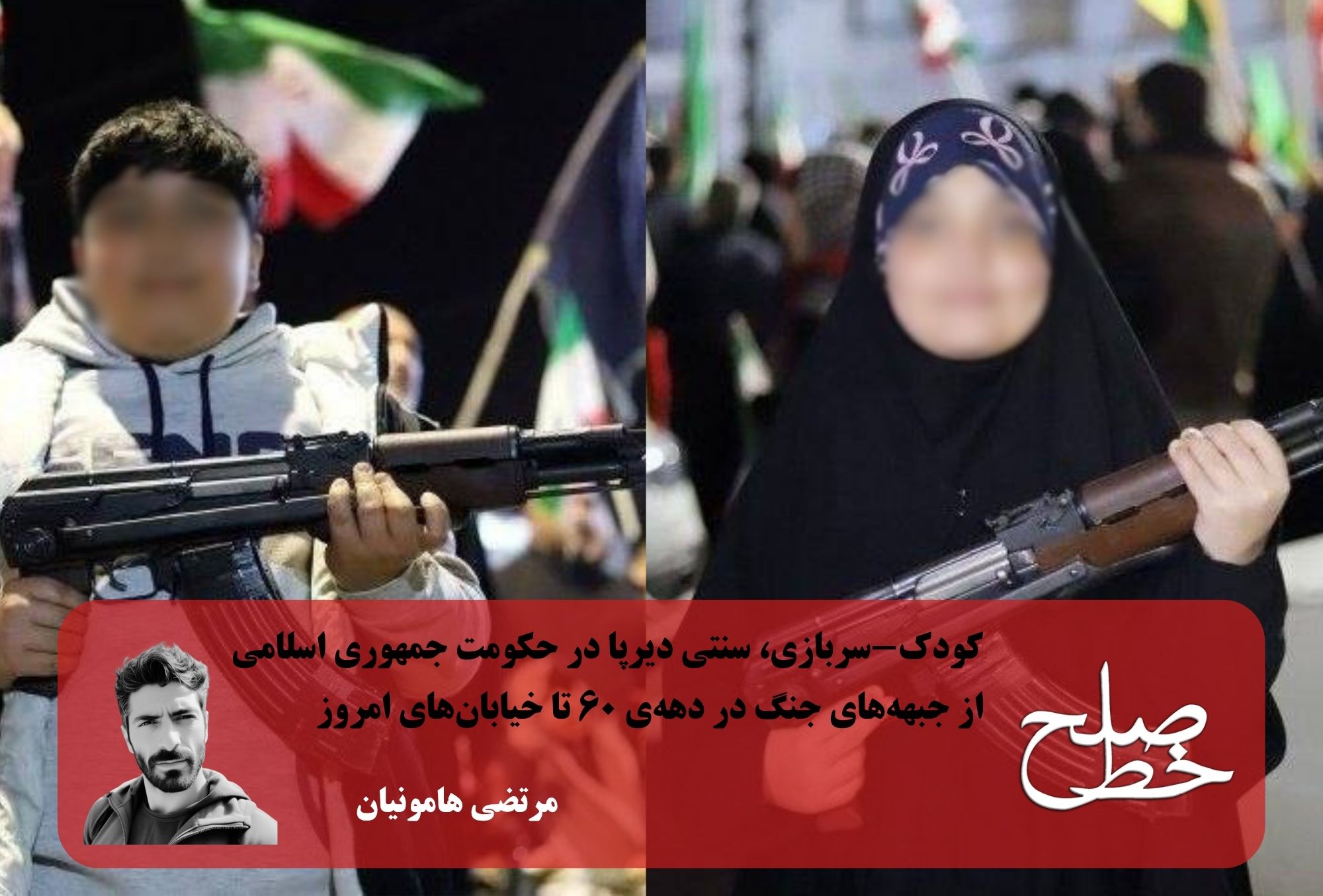
Child Soldiering, a Long-Standing Tradition in the Islamic Republic / Morteza Hamounian
Children are among the first victims of war; whether they are present in war themselves or killed as a result of an act of war; whether they are armed and fire in one direction, or are not present in war and are killed or wounded in its turmoil. Even merely witnessing the catastrophe of war […]...
Read MoreCreated By:
Morteza Hamounian April 21, 2026
Rapid Punishments and Executions in Wartime Conditions/ Hermineh Hourdad
To understand the mechanisms of power in the Islamic Republic, no point is as significant as execution, because in this system execution is not merely a judicial punishment, but a political instrument for producing fear, silencing dissent, and pushing society toward silence and marginalization. Each time the Islamic Republic has faced crisis, war, or instability, […]...
Read MoreCreated By:
Hermineh Hourdad April 21, 2026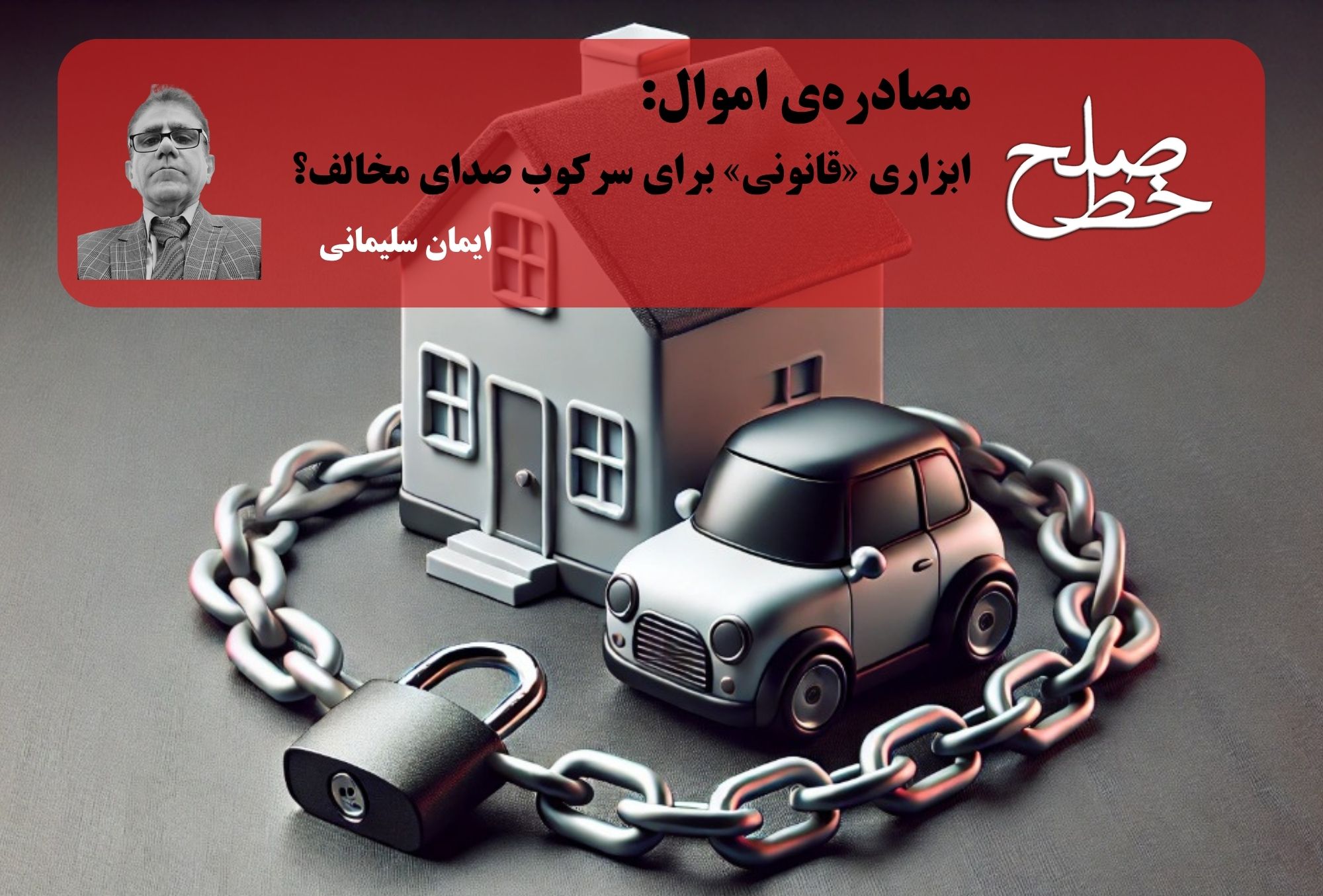
Confiscation of Property: A “Legal” Tool for Silencing Dissent?/ Iman Soleimani
In recent years, particularly following the adoption and implementation of the law titled “Intensification of Punishment for Espionage and Cooperation with the Zionist Regime and Hostile Countries Against National Security and Interests” in October 2025 (Mehr 1404), the issue of confiscation and seizure of the assets of Iranian citizens—especially those living abroad, ranging from ordinary […]...
Read MoreCreated By:
Iman Soleimani April 21, 2026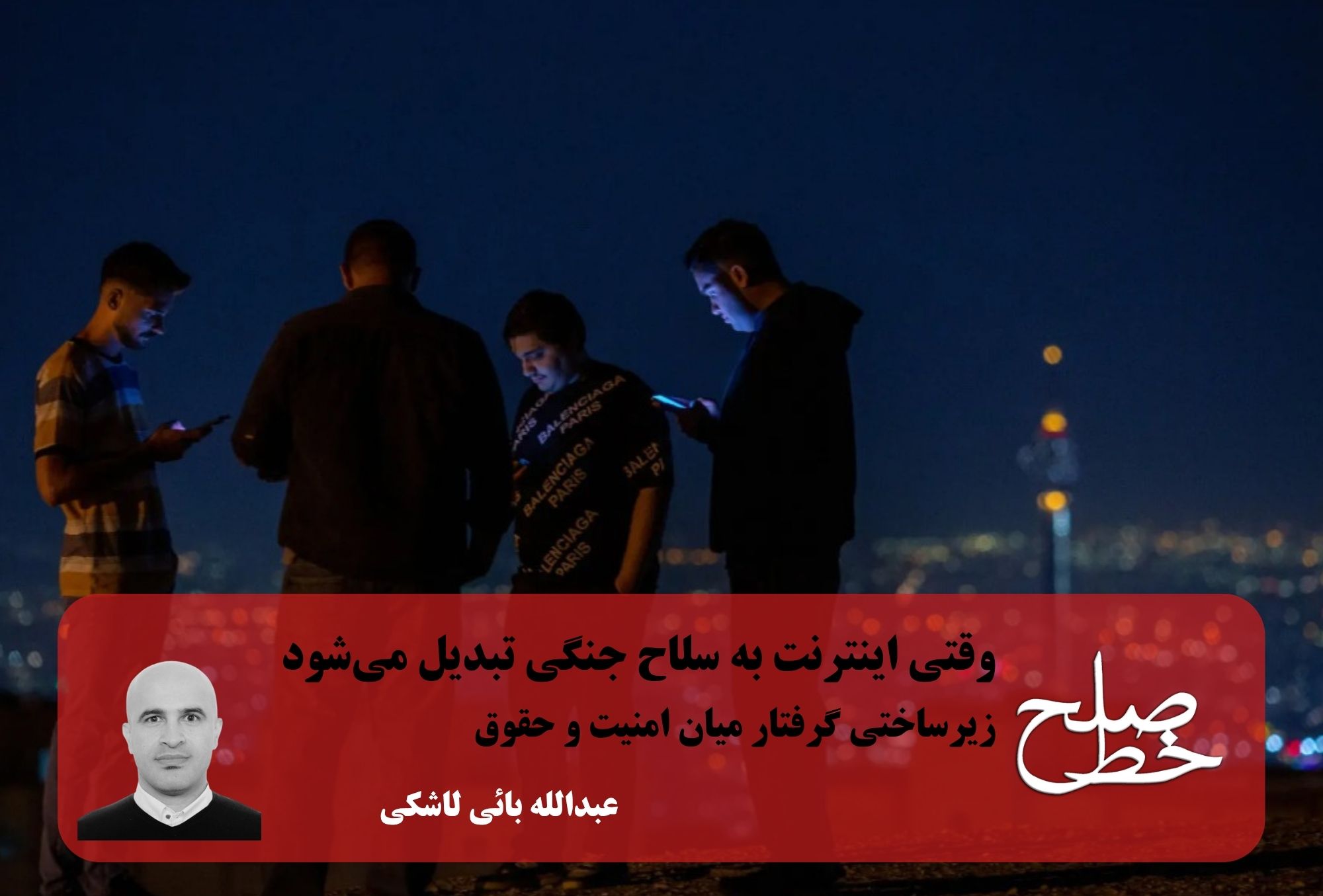
When the Internet Becomes a Weapon of War/ Abdollah Bai Lashaki
In the contemporary world, the internet is no longer merely a communication tool; it has become one of the fundamental pillars of social, economic, and political organization. Critical infrastructures—from banking and healthcare systems to media, education, and even emergency response mechanisms—depend, to varying degrees, on stable access to the internet. However, in situations of armed […]...
Read MoreCreated By:
Abdullah Bai Lashaki April 21, 2026
