


Latest Posts
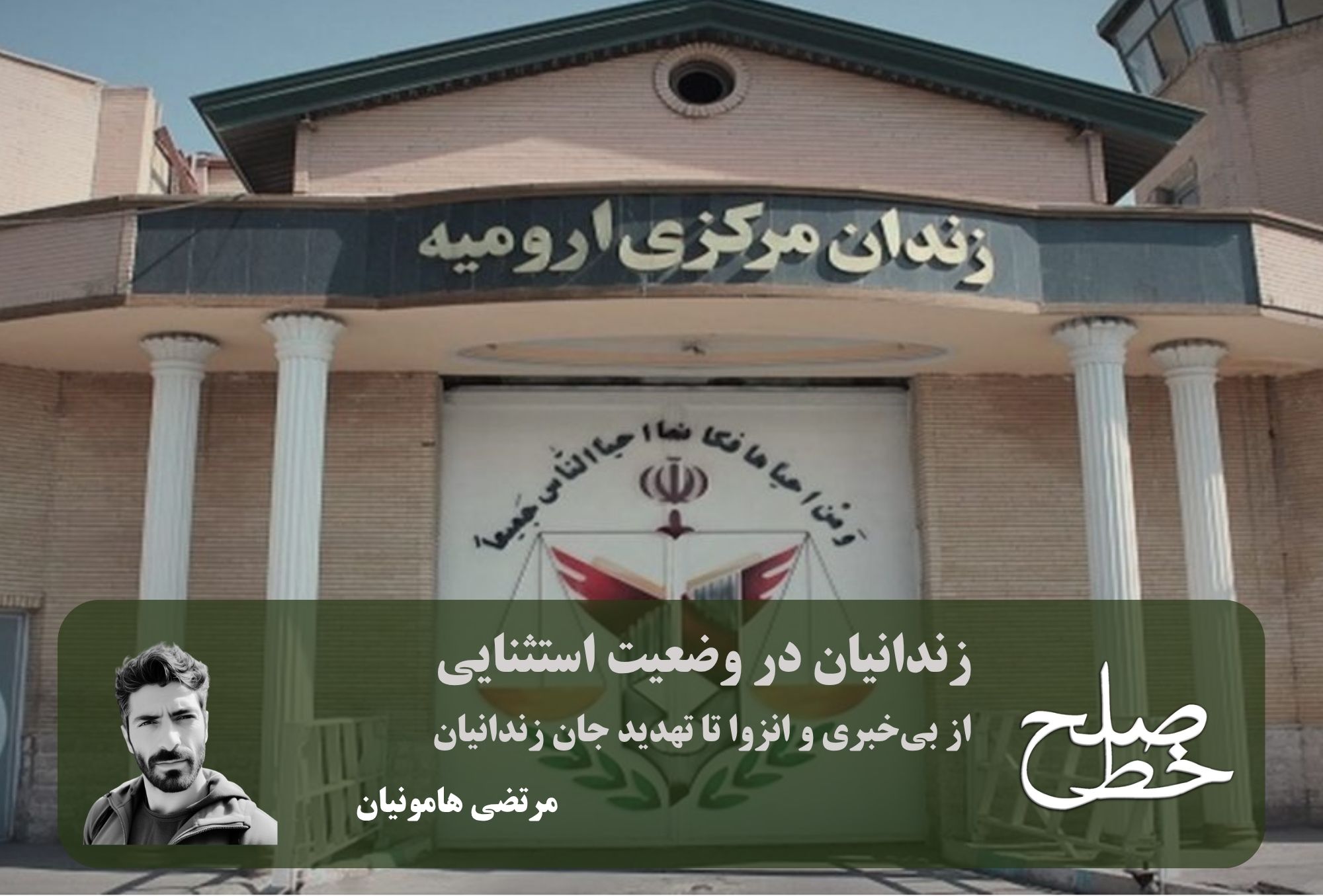
Prisoners in a State of Exception/ Morteza Hamounian
There is an uproar outside. Voices echo and the roar of shouting can be heard. Among the guards and in the corridors, there is constant whispering. But no one tells the prisoner anything. The prisoner is treated as an outsider. From time to time, from near and far, the sound of explosions reaches the ear. […]...
Read More Created By:
Morteza Hamounian
Created By:
Morteza Hamounian March 21, 2026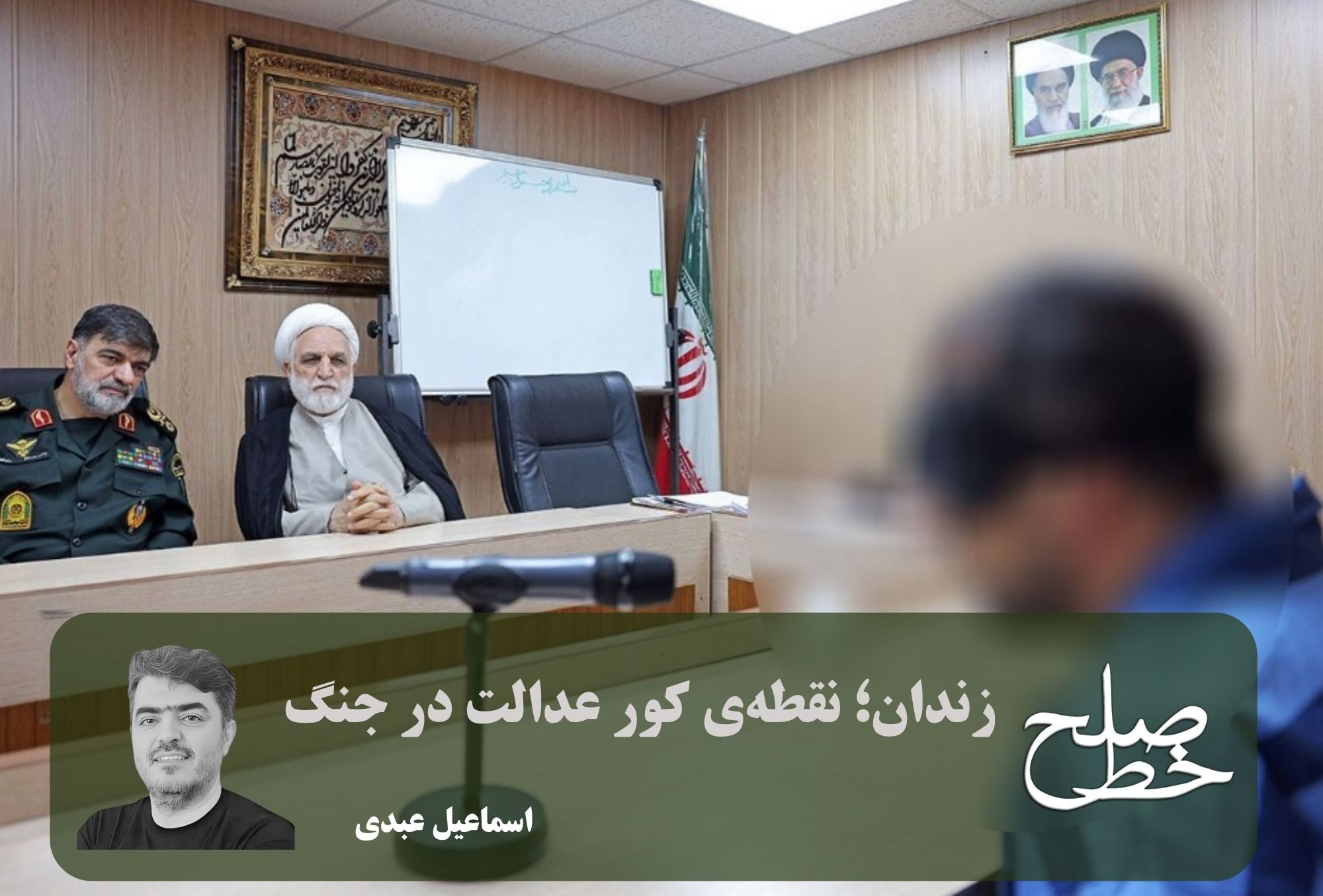
Prison: The Blind Spot of Justice in War/ Esmail Abdi
Based on nearly nine years of my own lived experience in four prisons—Evin, Rajai Shahr, Nadamatgah, and Kachouii in Karaj—I can say with certainty that the system of the Islamic Republic of Iran, despite the existence of domestic laws and its human rights claims, has consistently shown that preserving the human dignity of prisoners and […]...
Read MoreCreated By:
Ismail Abdi March 21, 2026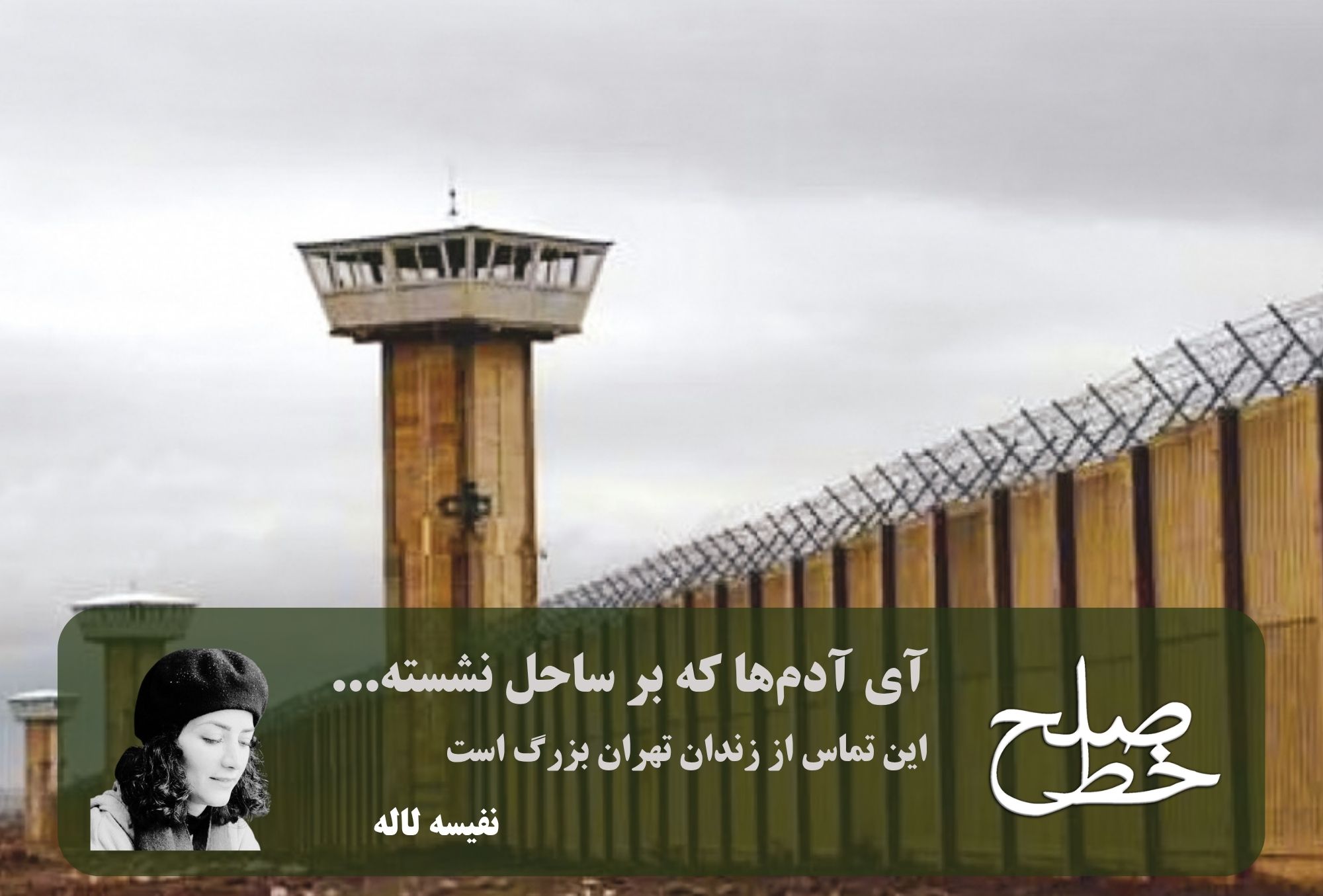
O People Sitting on the Shore… This Call Is from Greater Tehran Prison/ Nafiseh Laleh
The young Iran of yesterday is old today, and has lost its way. An Iran in which the concept of life has been reduced to “bare life,” and the “state of exception” belongs not merely to yesterday and today, but is the product of long years of erasing the boundary between life and death. A […]...
Read MoreCreated By:
Nafiseh Laleh March 21, 2026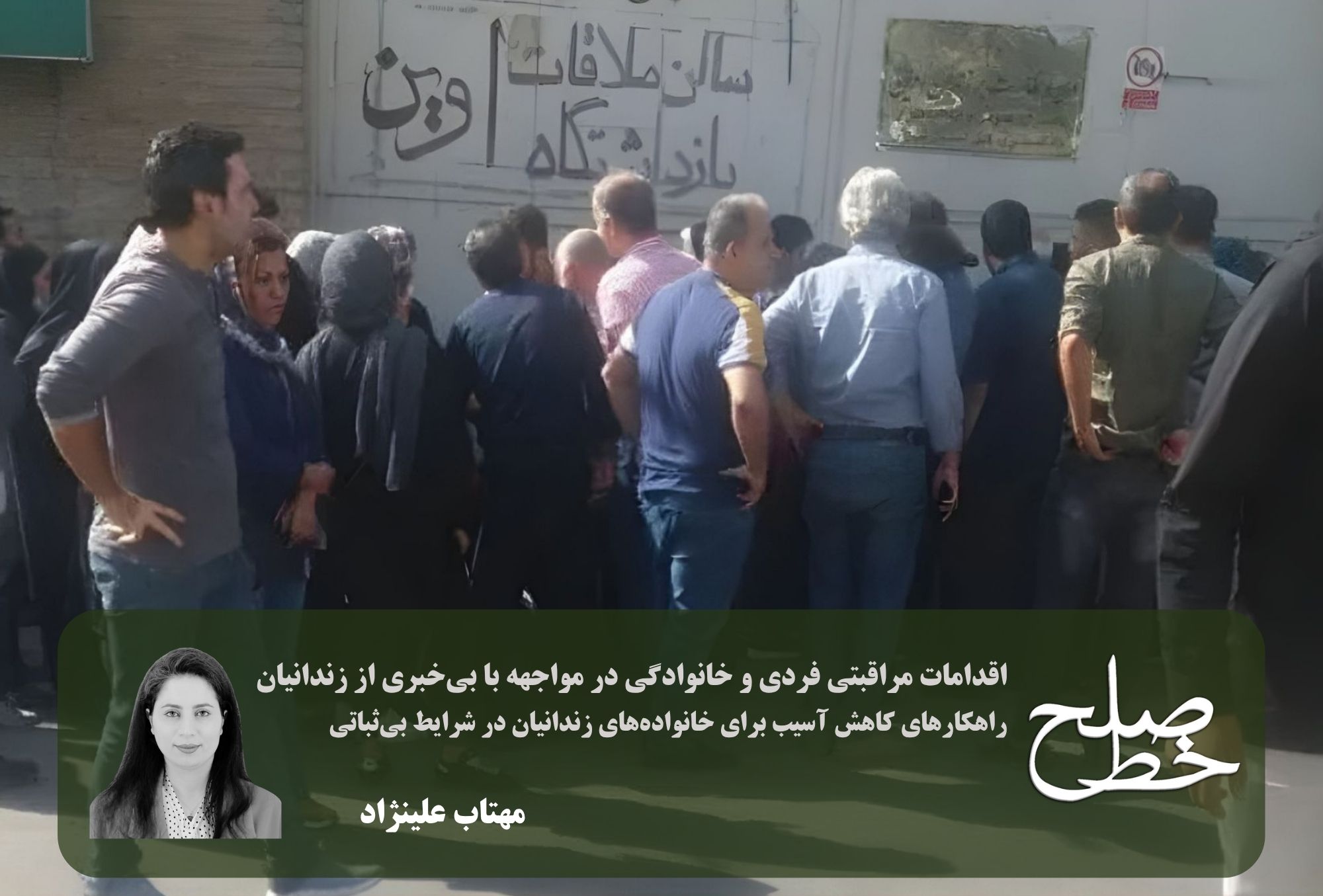
Individual and Family Care Measures in the Face of No News About Prisoners/ Mahtab Alinejad
Nights grow dark earlier than ever; not because of blackout, but because of the weight of something no one can quite name. When the siren sounds, the mother involuntarily places her hand on her chest, the very place where she last heard her son’s voice, over a crackling phone line that was cut off too […]...
Read MoreCreated By:
Mahtab Alinezhad March 21, 2026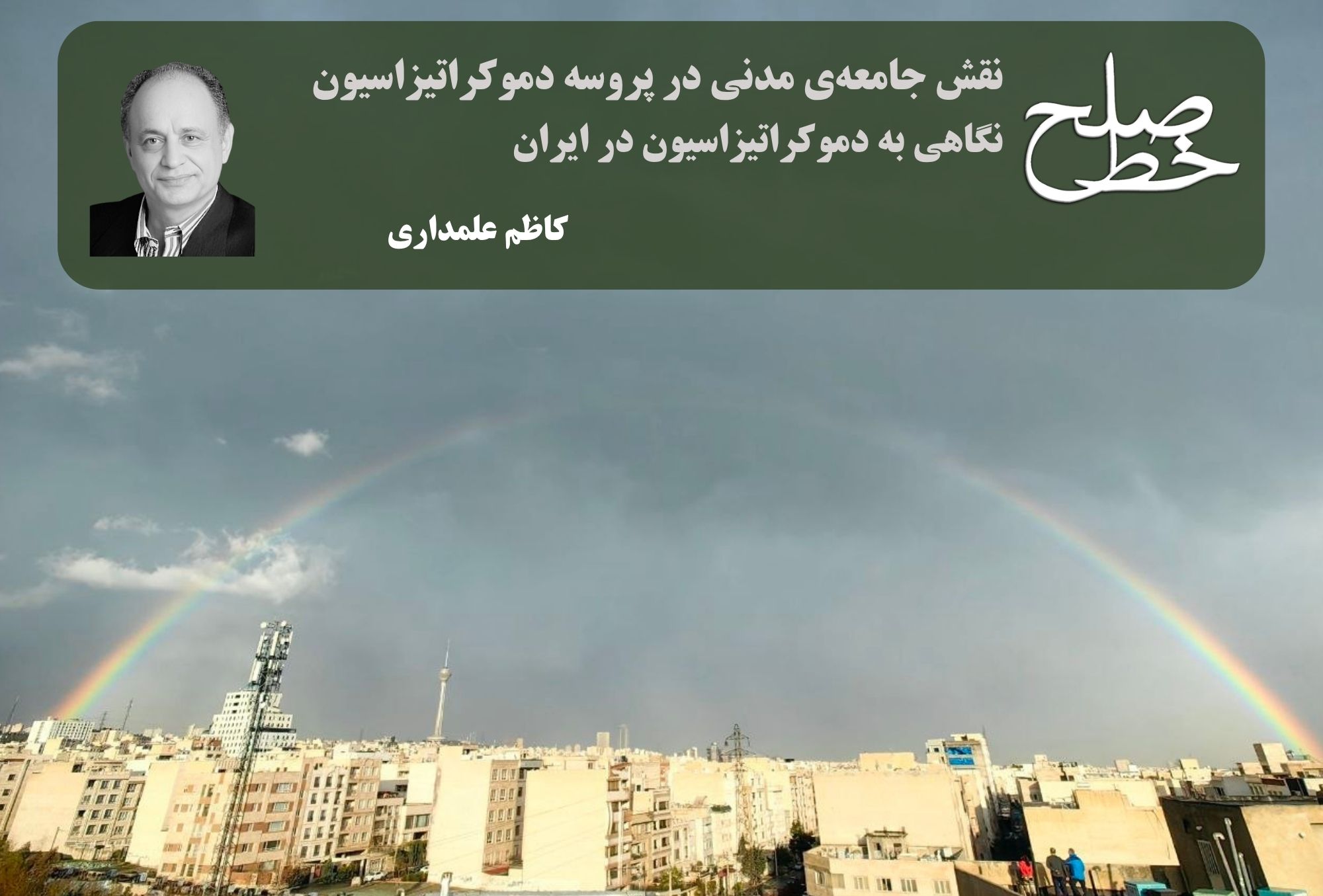
The Role of Civil Society in the Process of Democratization/ Kazem Alamdari
The transition from authoritarianism to democracy is one of the most complex political processes in the contemporary world. Historical experience shows that the سقوط of authoritarian regimes does not necessarily lead to the establishment of a stable democracy. In many cases, the collapse of an authoritarian order has resulted in political instability, internal violence, or […]...
Read MoreCreated By:
Kazem Alamdari March 21, 2026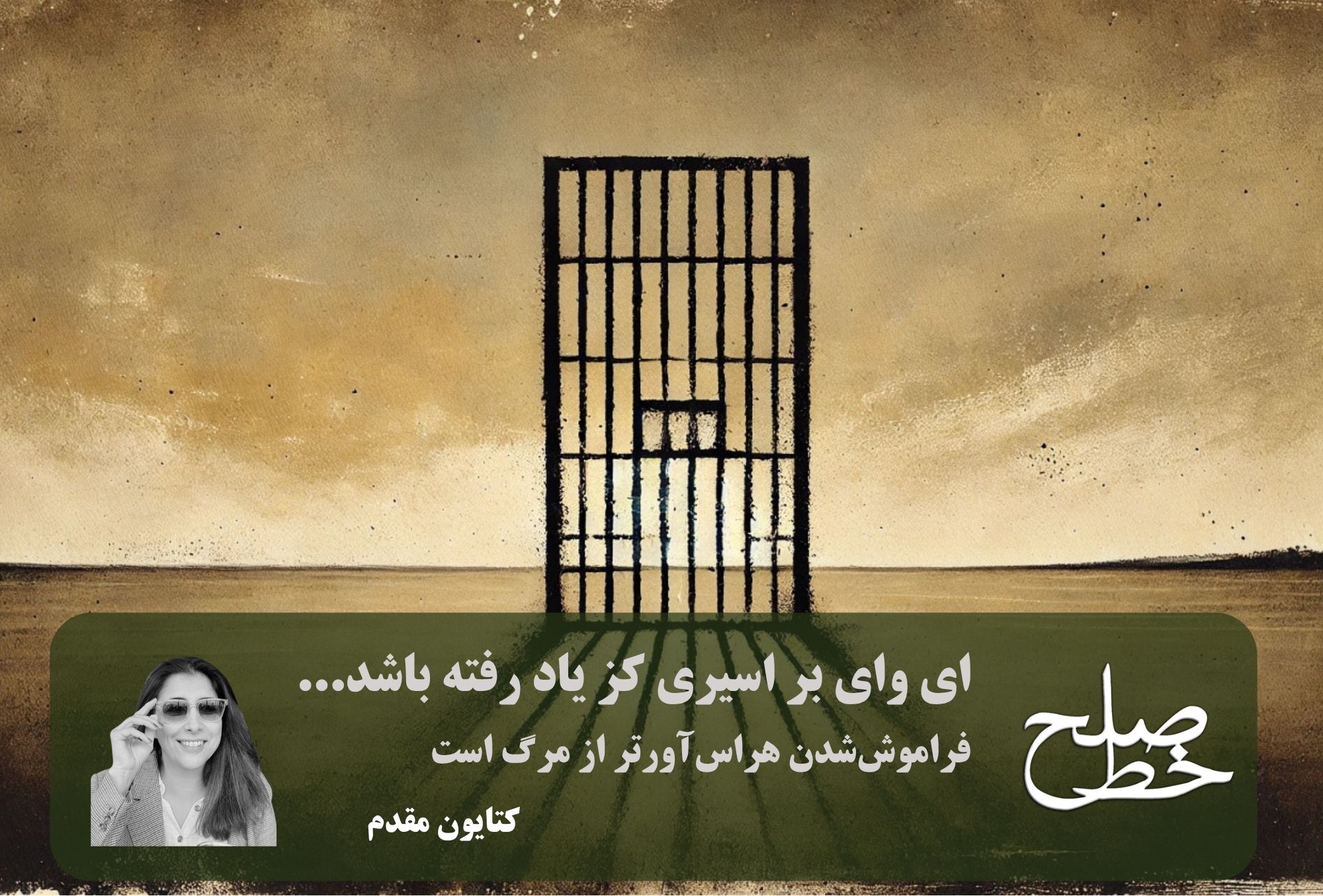
Oh Woe to the Captive Who Has Been Forgotten…/ Katayoun Moghaddam
Over the past three months, following the severe suppression of domestic protests in Iran and then with the outbreak of war in the region, the Islamic Republic government has drastically restricted—and at times effectively cut off—residents’ access to the internet. This disruption is not merely a break in the flow of information; it means living […]...
Read MoreCreated By:
Katayoun Moghadam March 21, 2026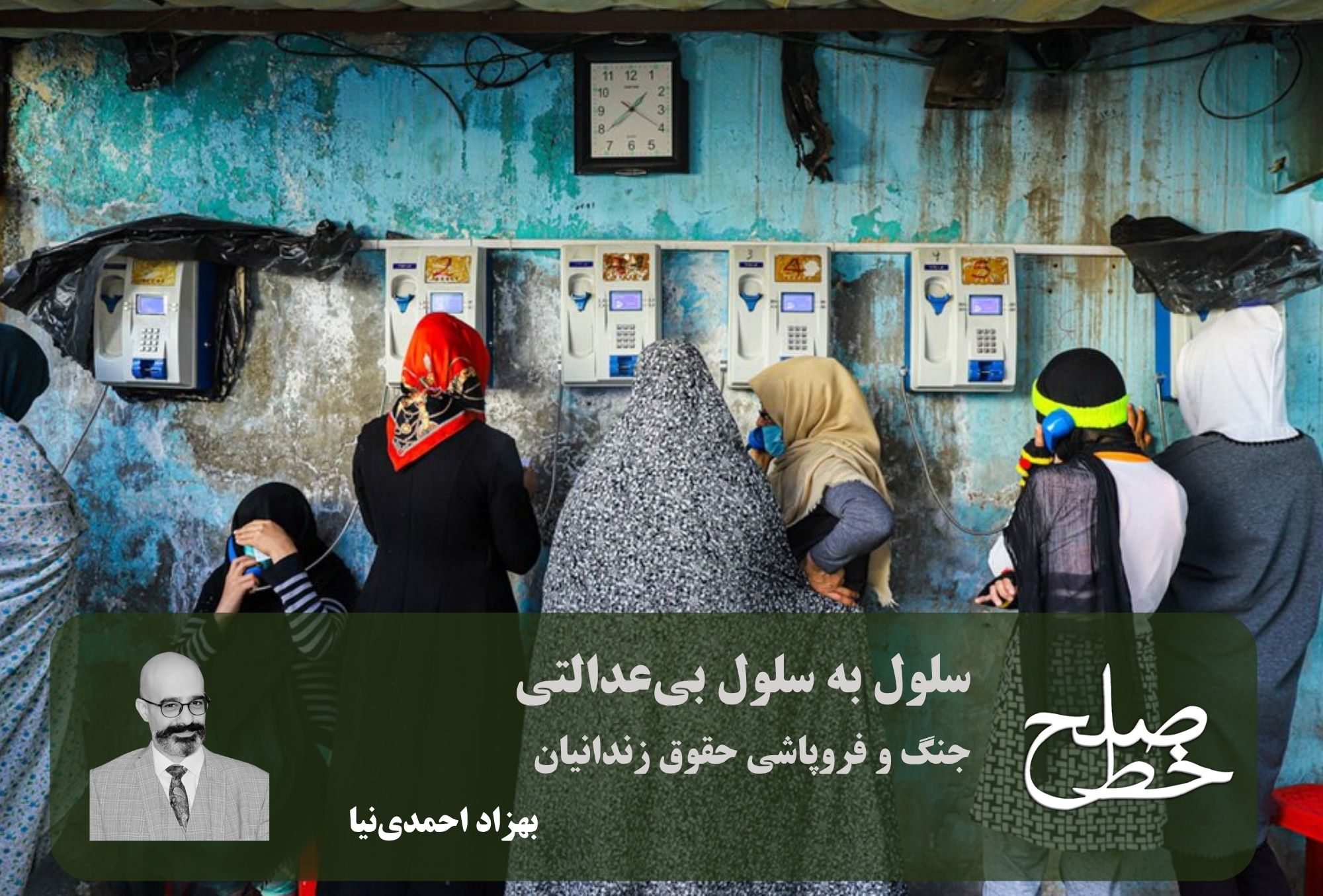
Cell by Cell of Injustice; War and the Collapse of Prisoners’ Rights/ Behzad Ahmadinia
Prisons and prisoners in Iran have perhaps never had laws or rights; there have been years when the situation was relatively better and the most basic rules were observed, and there have been dark years when Lajevardi and Dr. Ahmadi ruled over the lives and deaths of prisoners and their basic rights. The US and […]...
Read MoreCreated By:
Behzad Ahmadinia March 21, 2026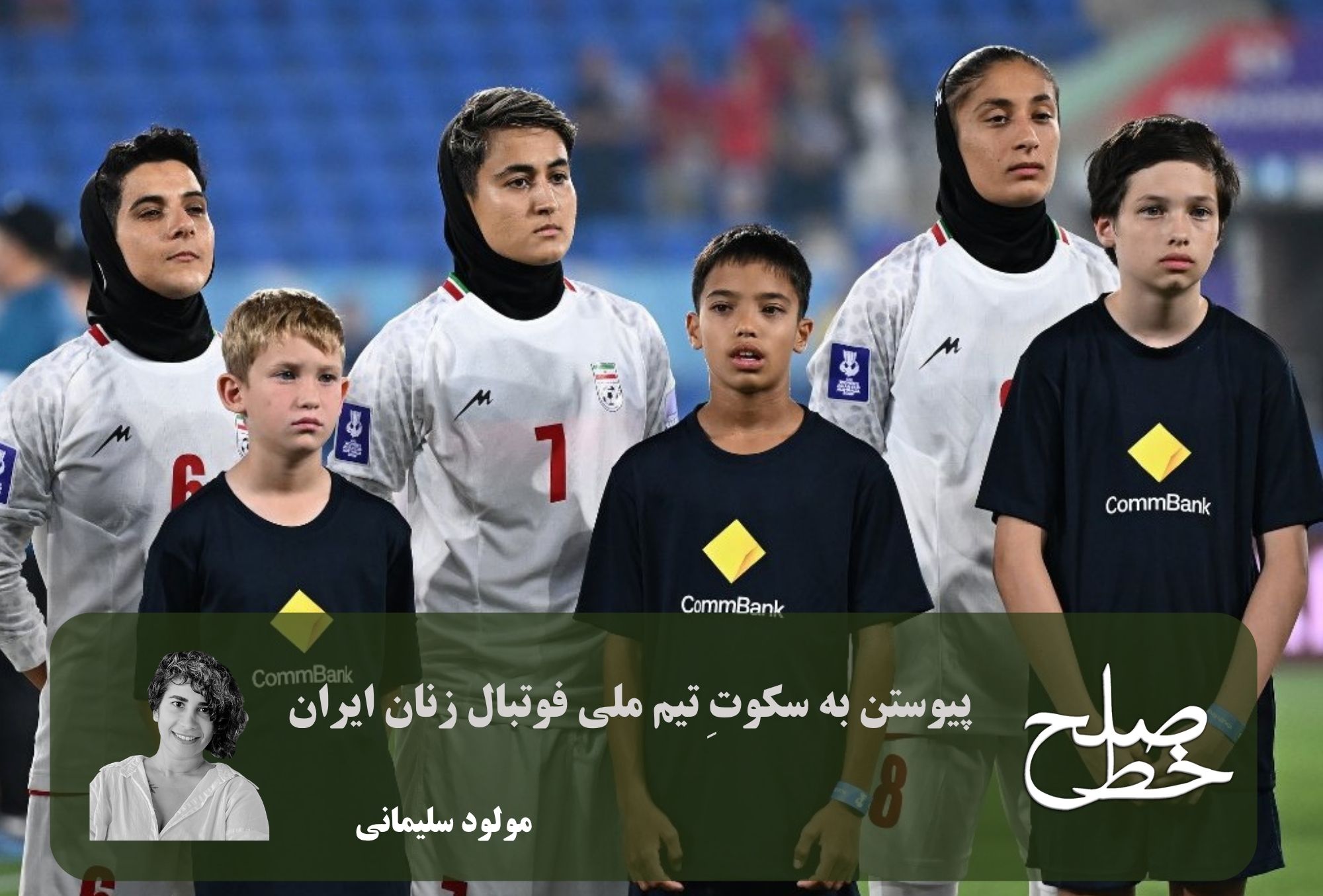
Joining the silence of the Iranian women’s national football team/Moloud Soleimani
The news begins with the act of silence by members of the Iranian women’s national football team in a match against South Korea at the Asian Cup in Australia. At the beginning of the match, the national anthem of the Islamic Republic is played. The camera moves over the faces of the female footballers; over […]...
Read MoreCreated By:
Moloud Soleimani March 21, 2026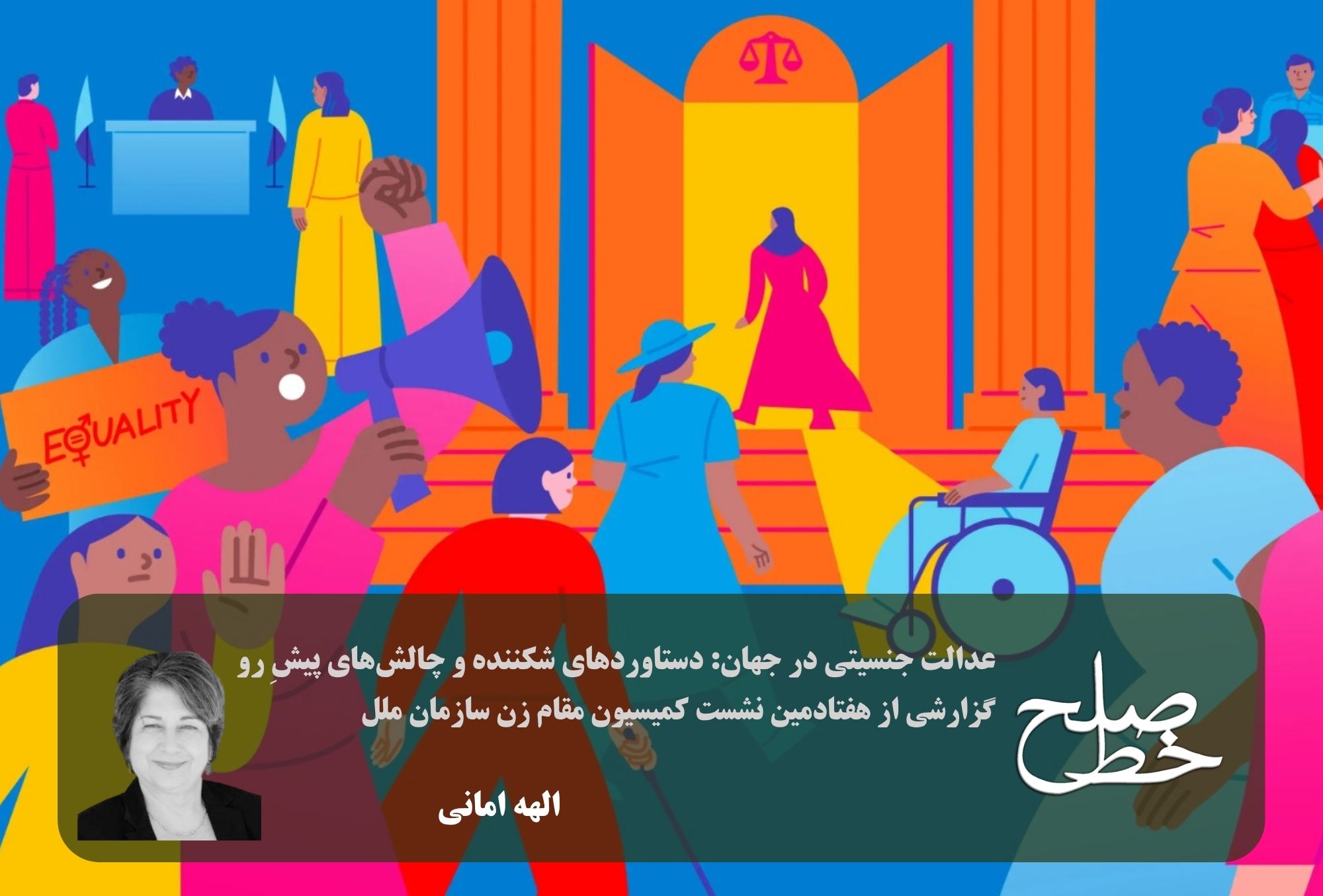
Gender Justice in the World: Fragile Achievements and Challenges Ahead / Elaheh Amani
The seventieth session of the United Nations Commission on the Status of Women (CSW70) was held from March 9 to March 19, 2026, at the United Nations Headquarters in New York. The theme of this session was “Ensuring and strengthening access to justice for all women and girls,” and it encompassed axes such as “promoting […]...
Read MoreCreated By:
Elahe Amani March 21, 2026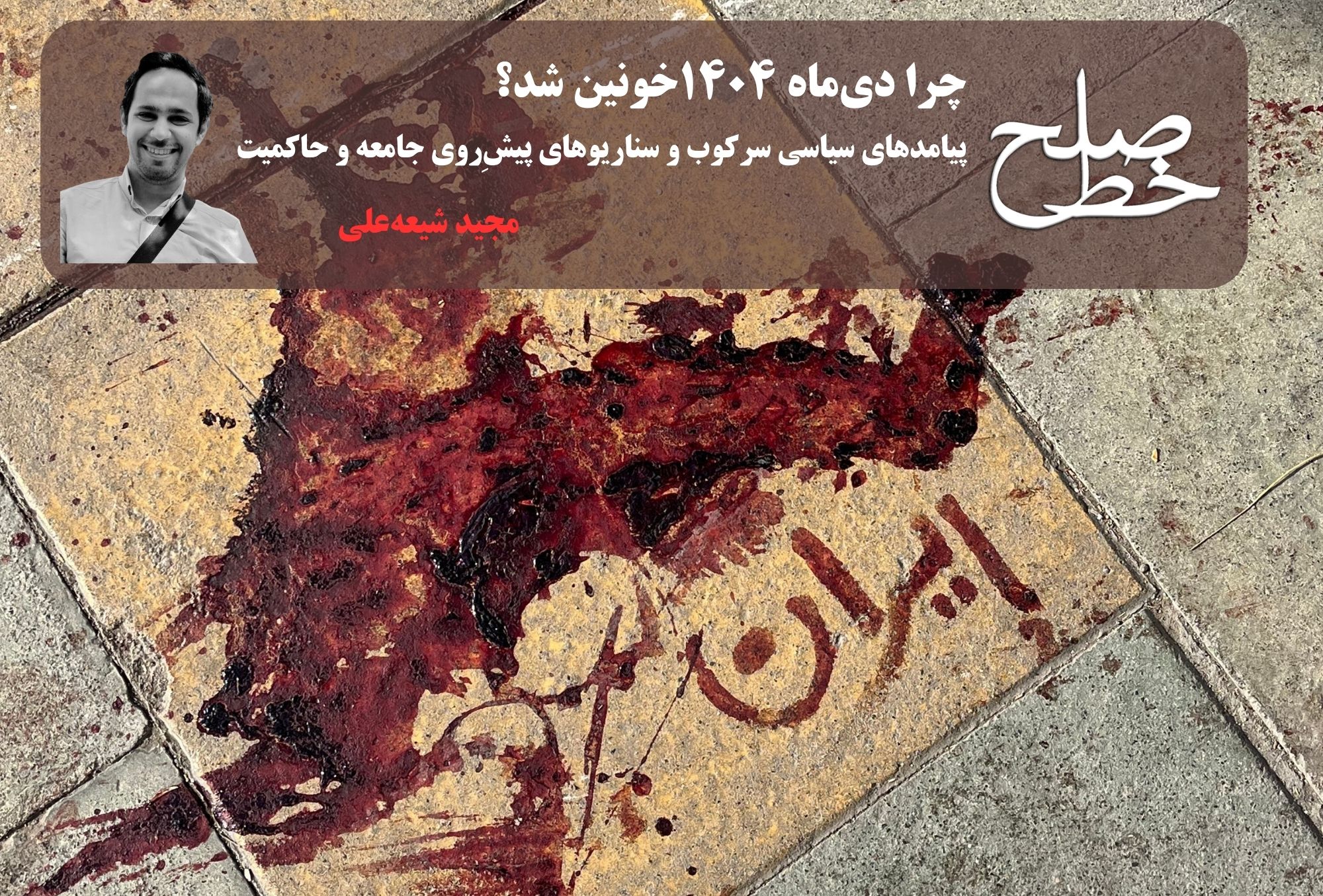
Why was January 1404 bloody?/ Majid Shia Ali
Throughout the contemporary history of the world, various governments have been responsible for the killing of a large portion of their citizens, from the crimes of the Khmer Rouge to the history of genocide in Bosnia, from the Nazi gas chambers to the famines resulting from the policies of the Stalin and Mao governments. Even […]...
Read MoreCreated By:
Majid Shia’ali February 20, 2026
