


Latest Posts
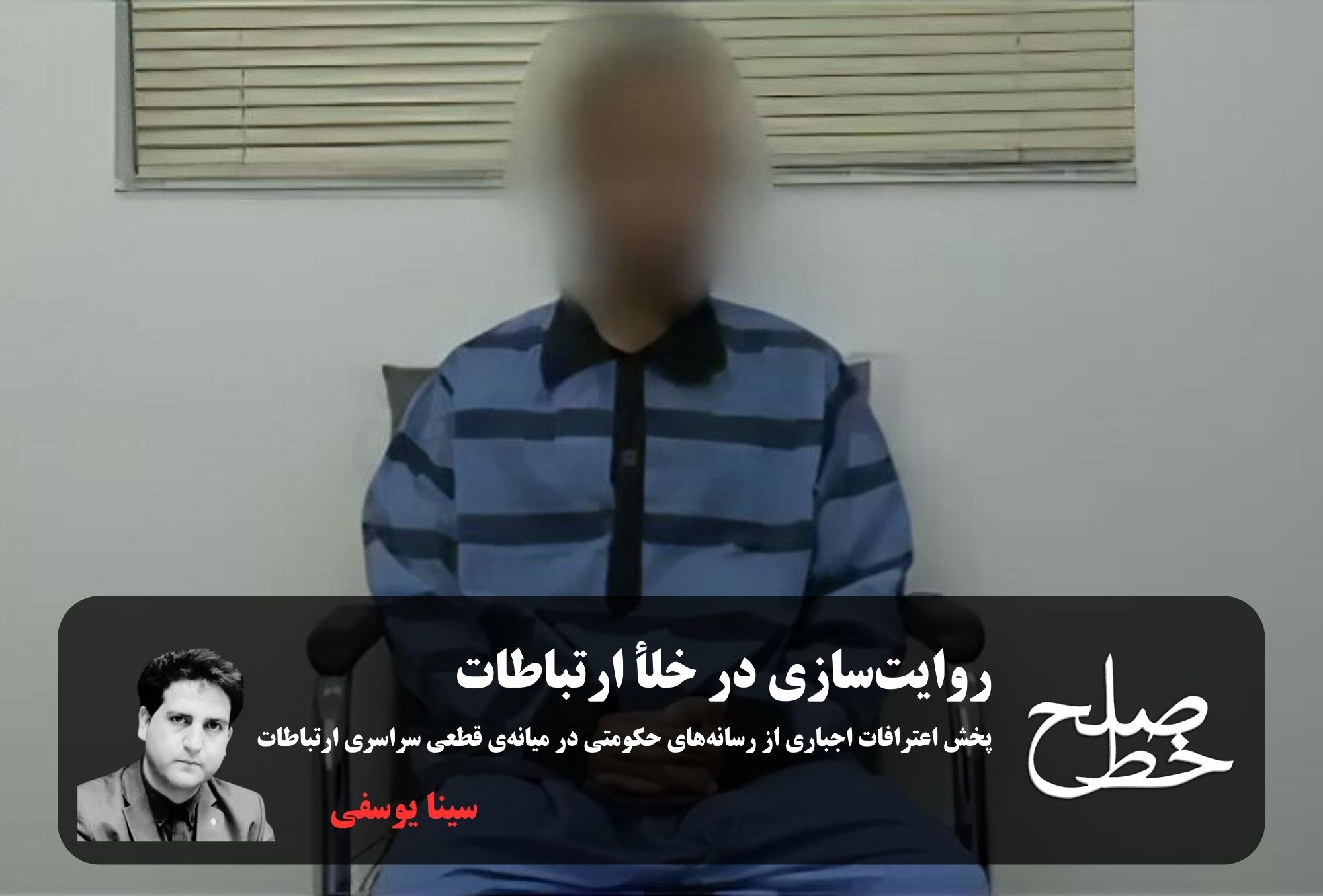
Narrative Creation in the Communication Void/Sina Yousefi
The recent protests in Iran, accompanied by widespread, violent and unprecedented repression, have once again exposed the established patterns of human rights violations by the government. Along with the killing of protesters, mass arrests and the imposition of severe security restrictions, the broadcast of forced confessions by state media has become a central tool for […]...
Read More Created By:
Sina Yousefi
Created By:
Sina Yousefi February 20, 2026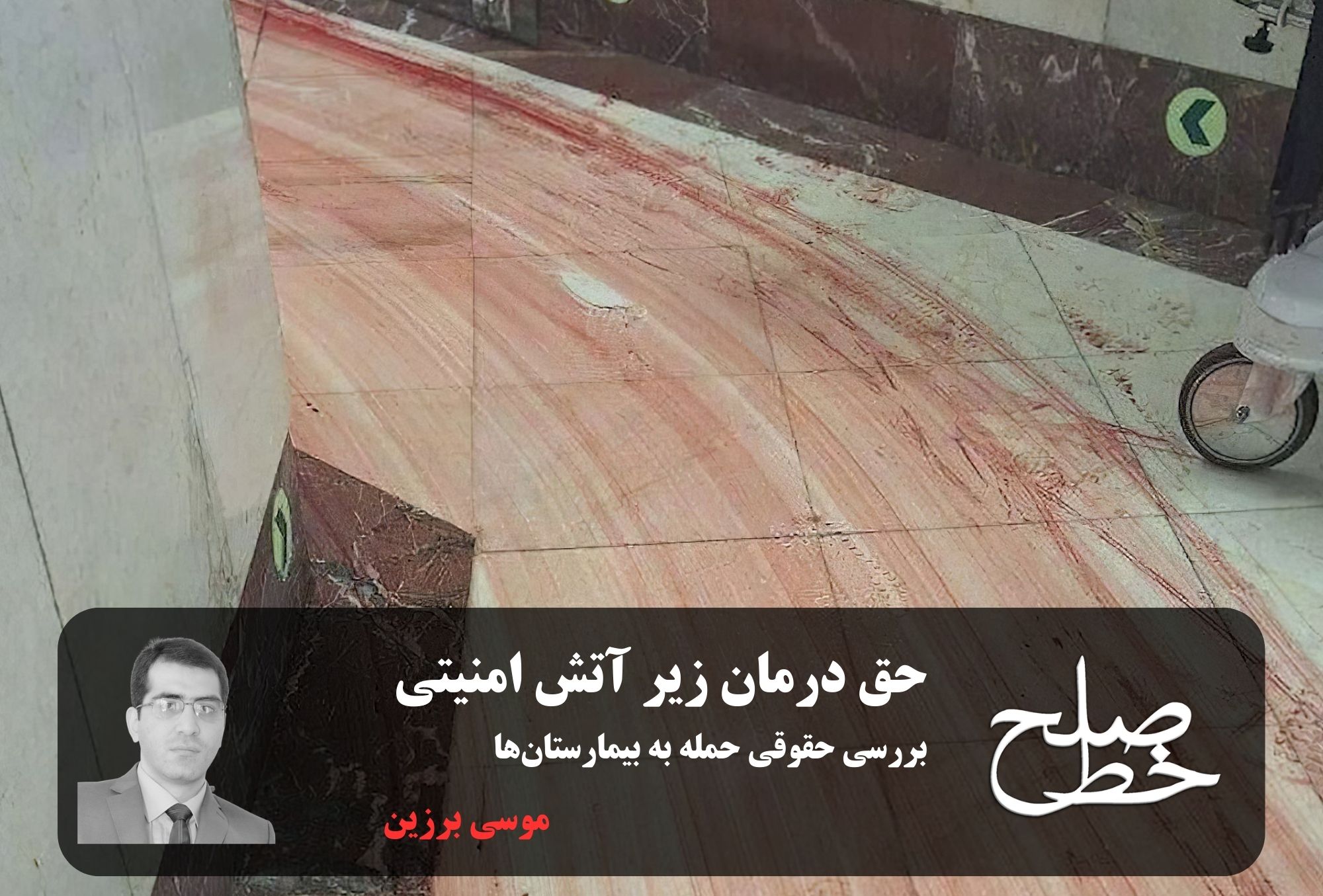
The right to treatment under security fire/Musa Barzin
During the recent protests, we witnessed many bitter incidents and extra-legal actions in Iran. One of these cases was the restriction of treatment for protesters in various forms. According to reports published from the very first days of the protests, police and security forces attacked hospitals where injured protesters had been taken, creating heartbreaking scenes. […]...
Read MoreCreated By:
Mousa Barzin February 20, 2026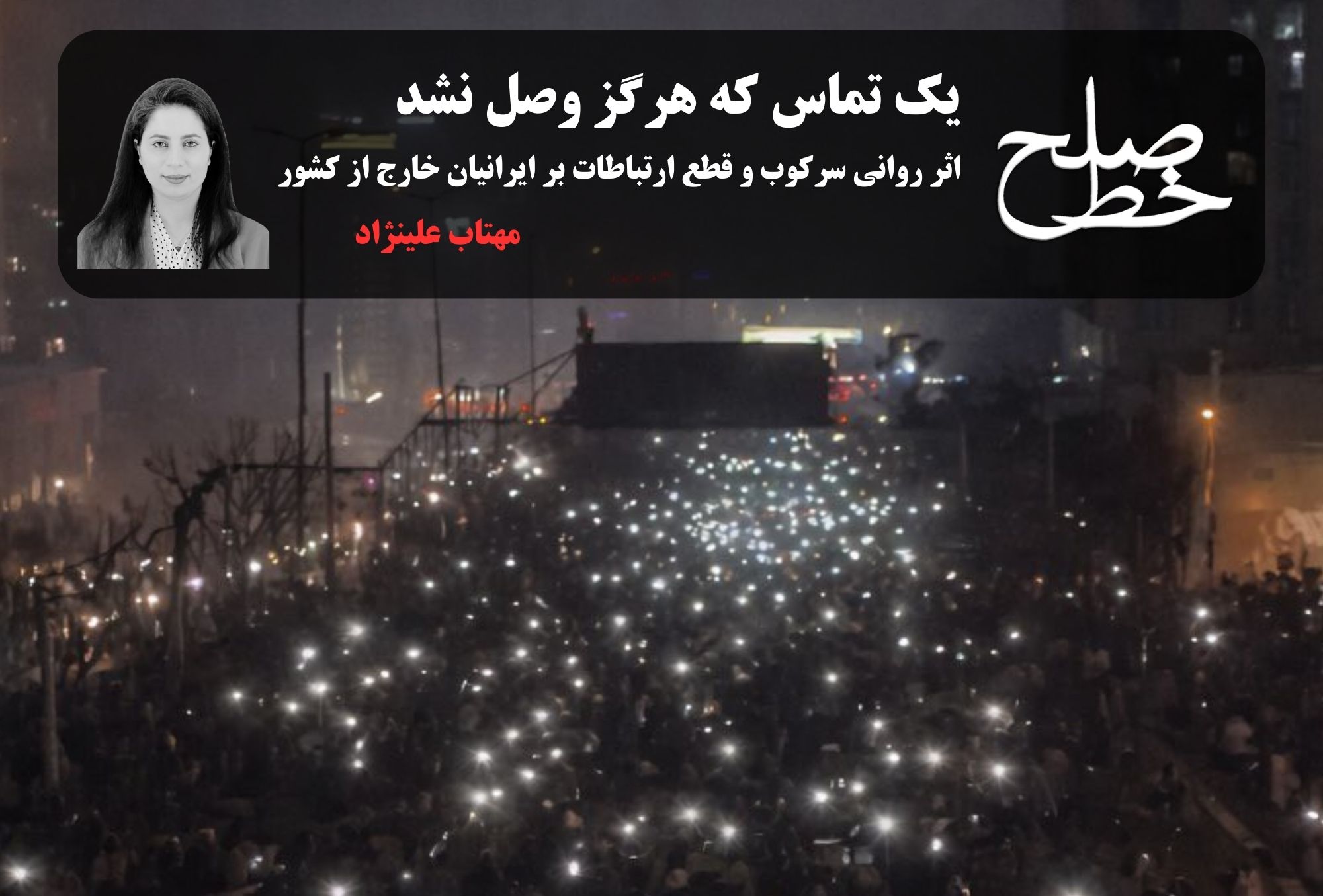
A call that never connected/ Mahtab Alinejad
It’s almost three in the morning. The cold light of a mobile phone illuminates the room, and the hands of a young girl in a European city restlessly glide across the screen. She dials her mother’s number for the umpteenth time. It beeps, then hangs up. Again. No messages are exchanged. The internet is down […]...
Read MoreCreated By:
Mahtab Alinezhad February 20, 2026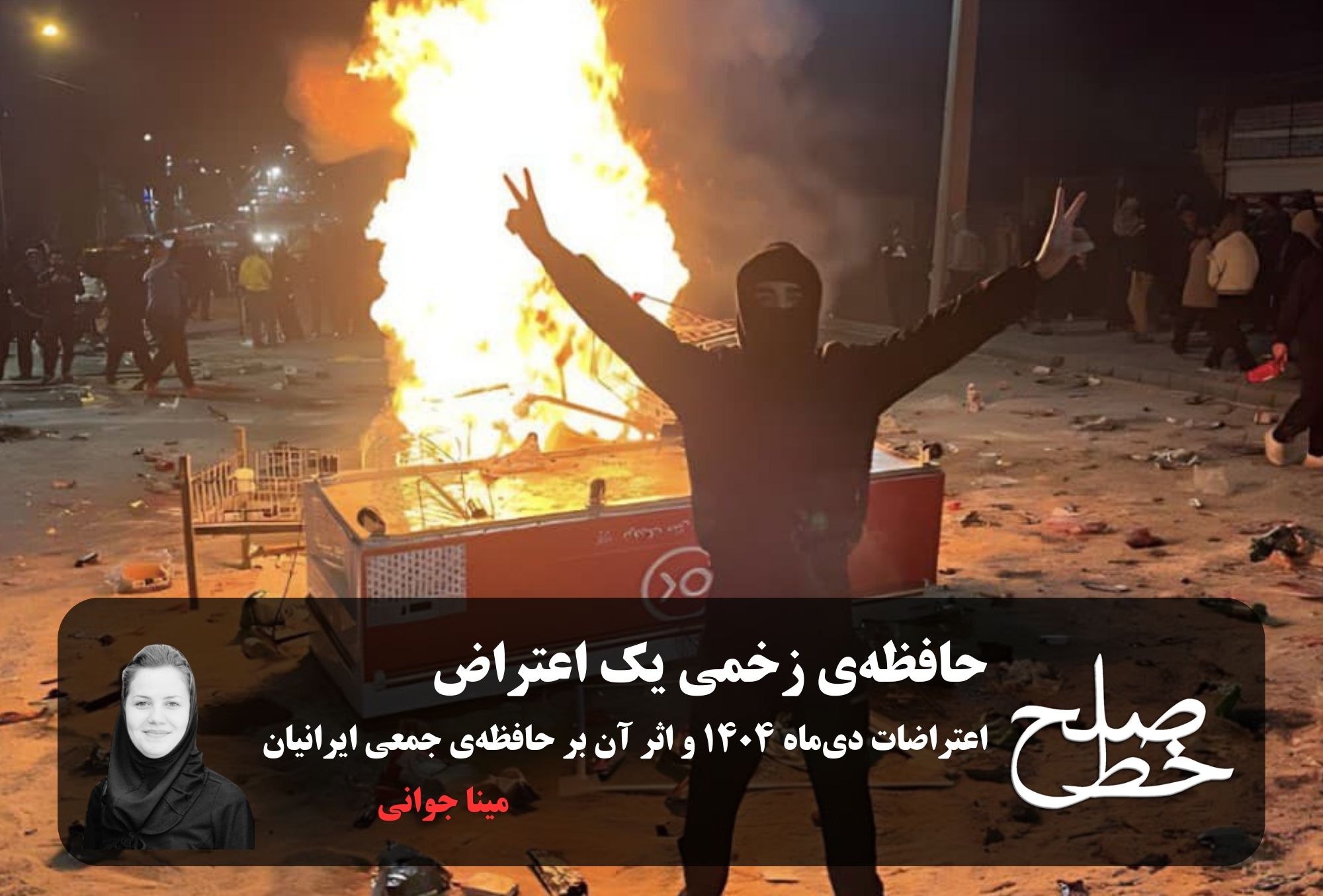
The Wounded Memory of a Protest/Mina Jawani
The protests of January 1404 are remembered neither as a single image nor as a narrative that can be easily retold. What remains is more of a scattering: unfinished scenes, videos that were cut short, streets that emptied sooner than expected. They neither became a moment of triumph nor a complete defeat; they remain in […]...
Read MoreCreated By:
Mina Javani February 20, 2026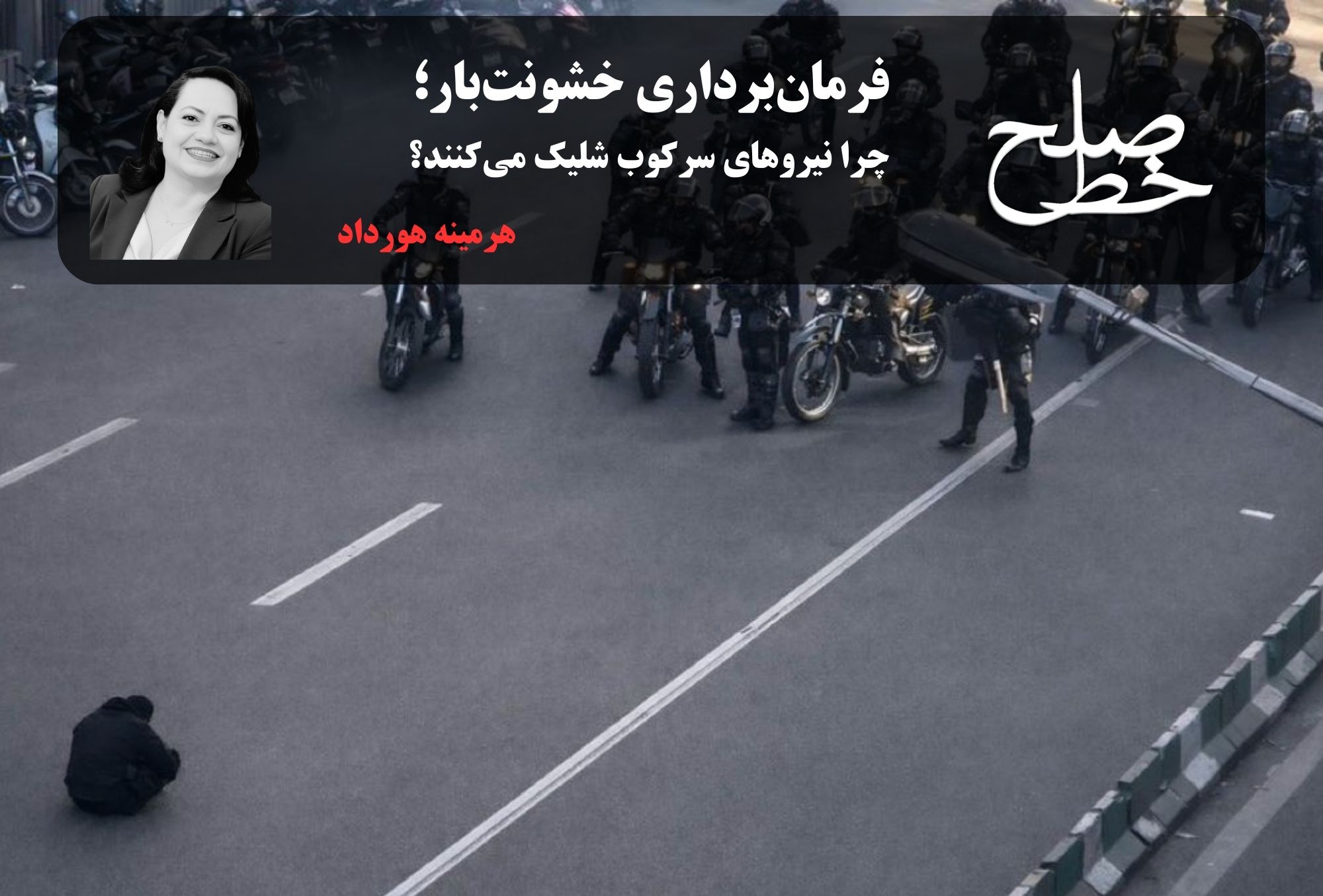
Violent subjugation: Why do the repressive forces shoot? / Hermine Hordad
A young man, caught in the crosshairs of a slave, sits cross-legged on the asphalt in the most defenseless human situation; in front of him stands the Islamic Republic’s suppression machine. A few meters away, a girl and a boy are shielding their chests from forces holding weapons. The statistics are horrifying. It is difficult […]...
Read MoreCreated By:
Hermineh Hourdad February 20, 2026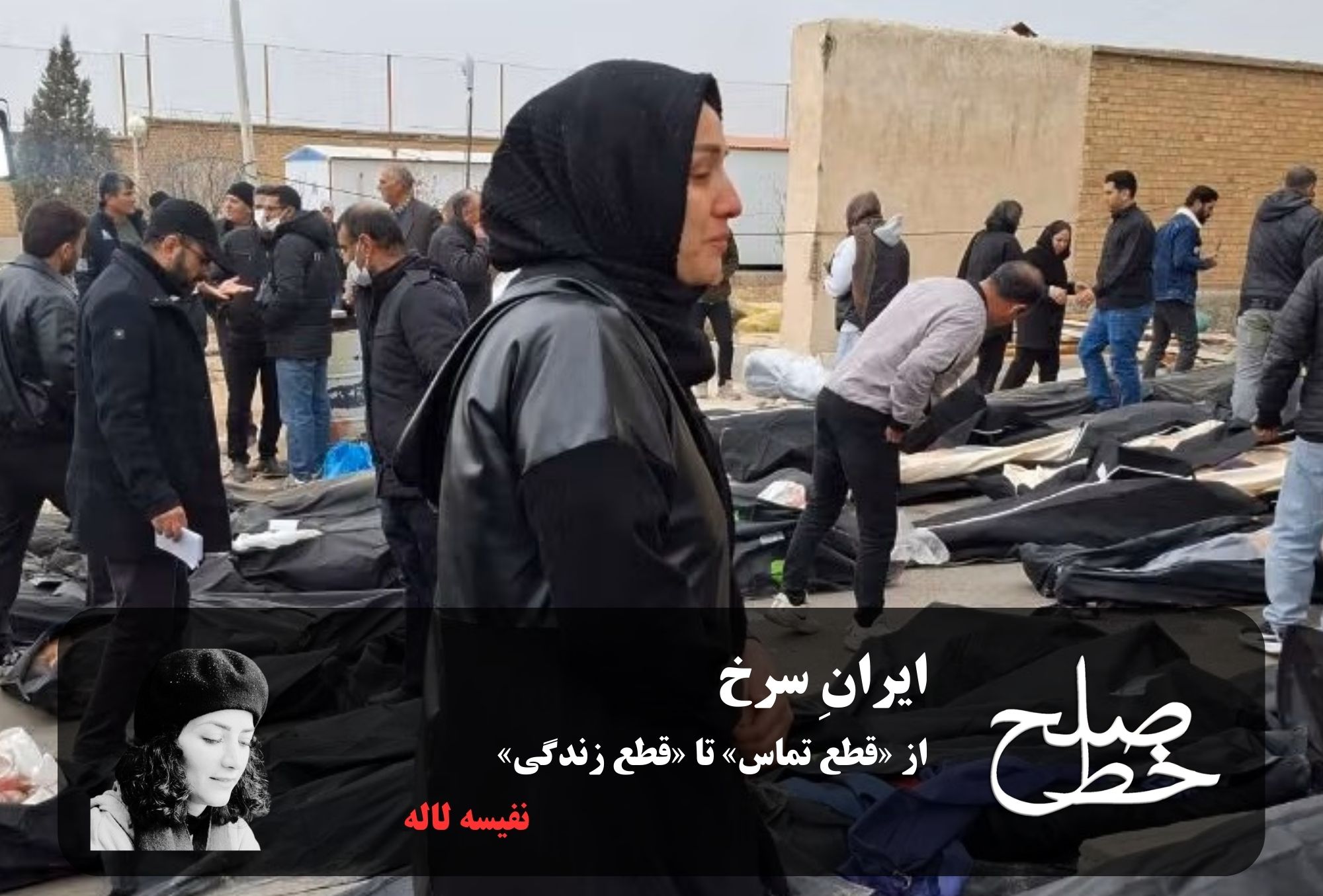
Red Iran; From “Disconnection of Contact” to “Disconnection of Life”/ Nafiseh Laleh
Tehran, evening of January 18, 1404, around 8:00 PM His excited voice echoes in the echo of the desperate voices of the street and my heart skips a beat. The call is cut off around the first minute and remains cut off for the following days and weeks; like ourselves, from life. We do not […]...
Read MoreCreated By:
Nafiseh Laleh February 20, 2026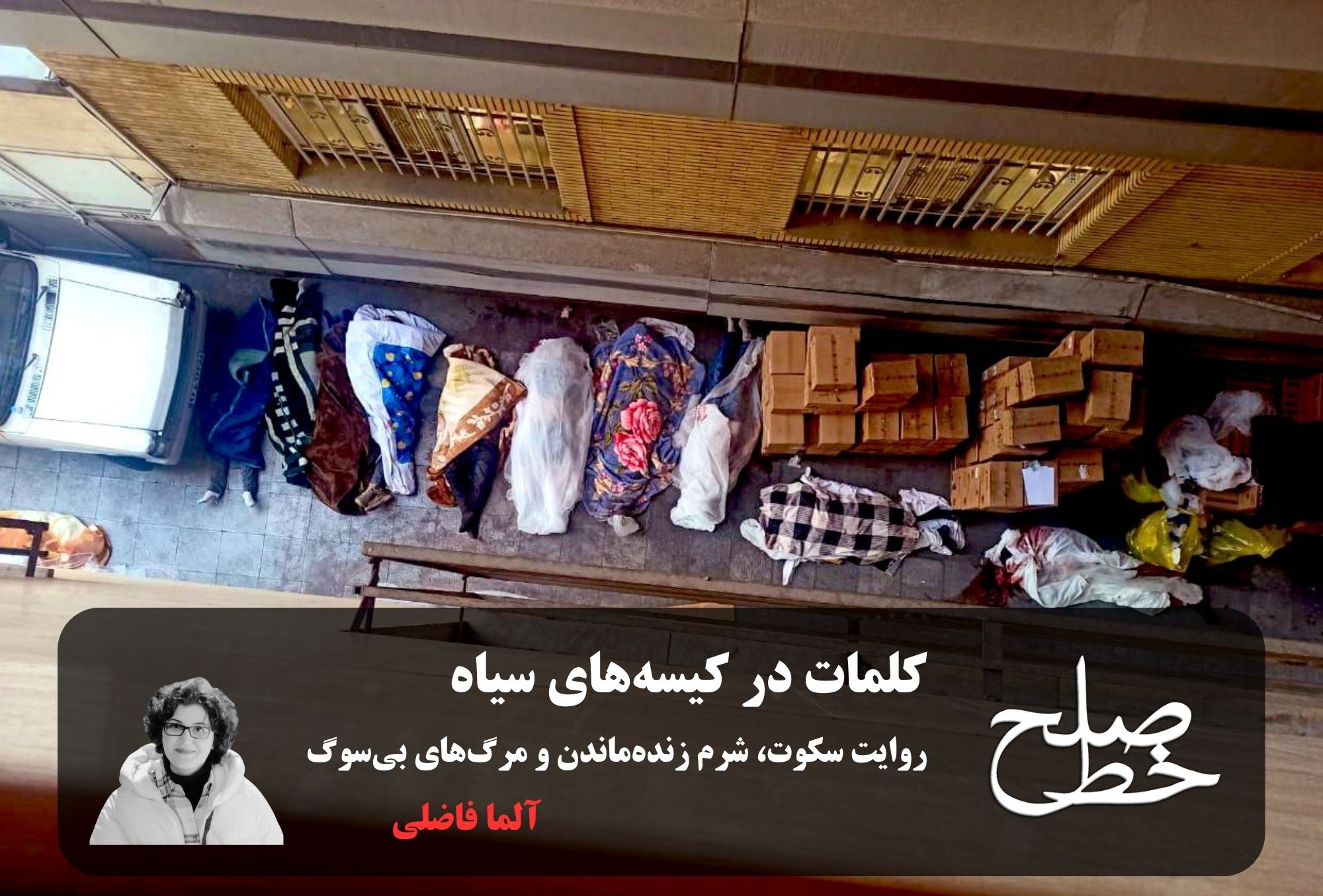
Words in Black Bags/Alma Fazeli
It has been more than sixteen years since the first image of Neda Agha Soltan’s last look was released, and about forty days since the first film of the pile of black bags for human corpses was released. Let me not go back any further, because to write about the experience of these days, I […]...
Read MoreCreated By:
Alma Fazeli February 20, 2026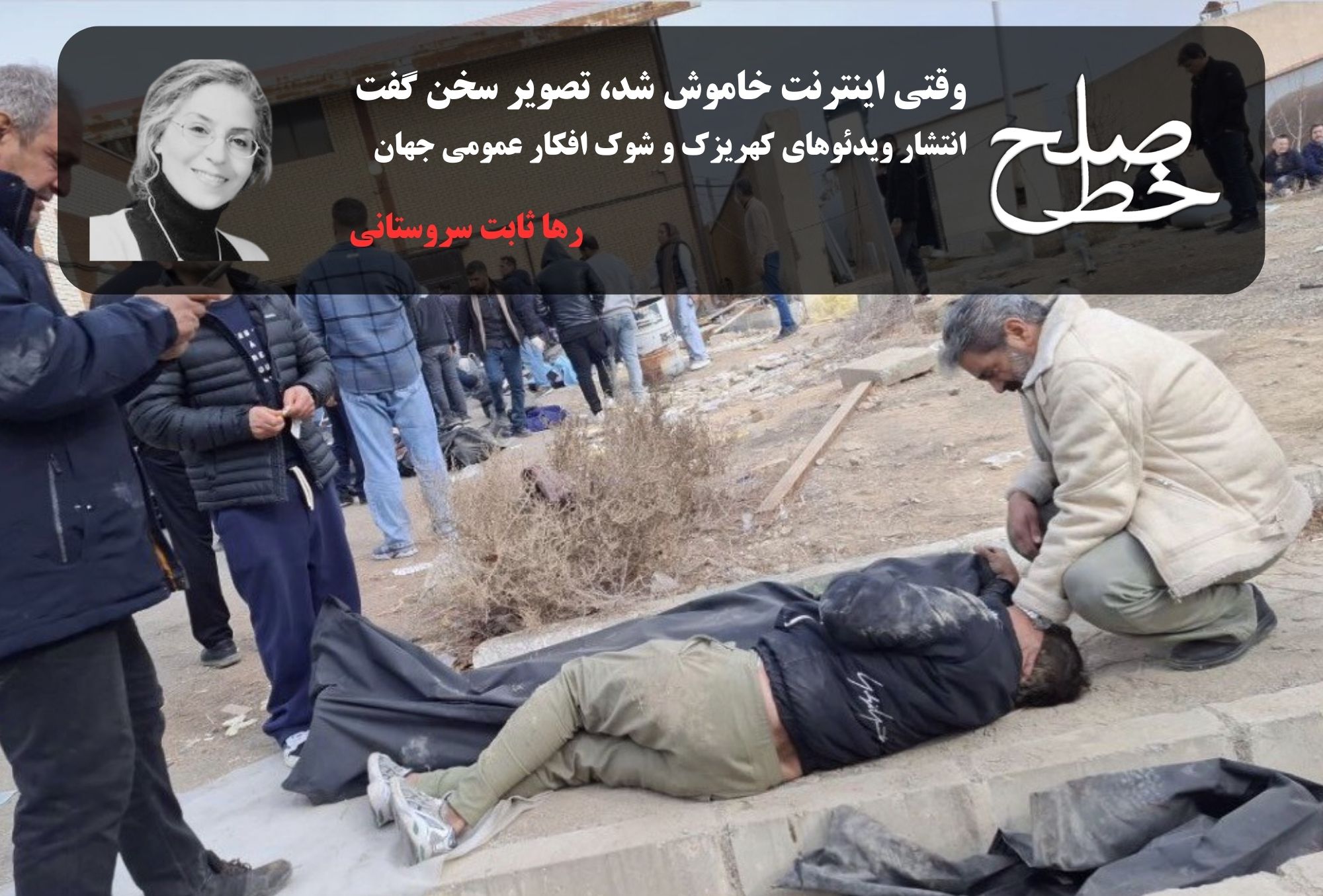
When the Internet Was Shut Down, the Image Spoke/ Raha Sabet Sarvestani
The release of videos related to the events of Kahrizak, at a time when the internet was widely shut down inside Iran, triggered a wave of shock and reaction among public opinion abroad—particularly among the Iranian diaspora, international observers, politicians, and human rights activists. This phenomenon cannot be regarded merely as a media event; rather, […]...
Read MoreCreated By:
Raha Sabet Sarvestani February 20, 2026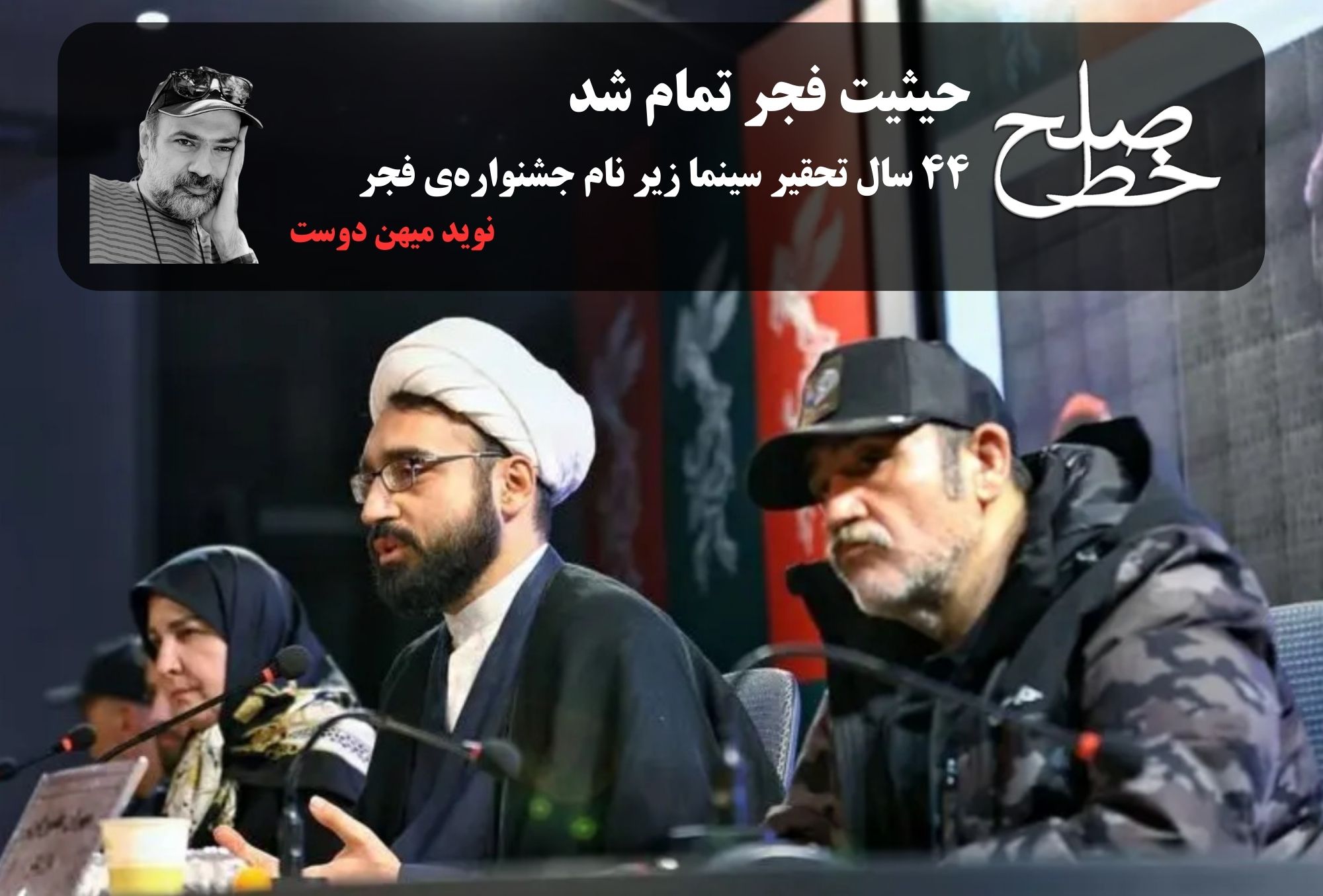
The Dignity of “Fajr Festival” Is Over/ Navid Mihandoust
Over its 44-year history, the Fajr Film Festival has gone through different periods which, based on the documented record of this state-run festival, I divide into three main eras: 1) the era of enmity and camaraderie; 2) the era of misery; 3) the era of disgrace. The first era began in February 1983 (Bahman 1361). […]...
Read MoreCreated By:
Navid Mihandoust February 20, 2026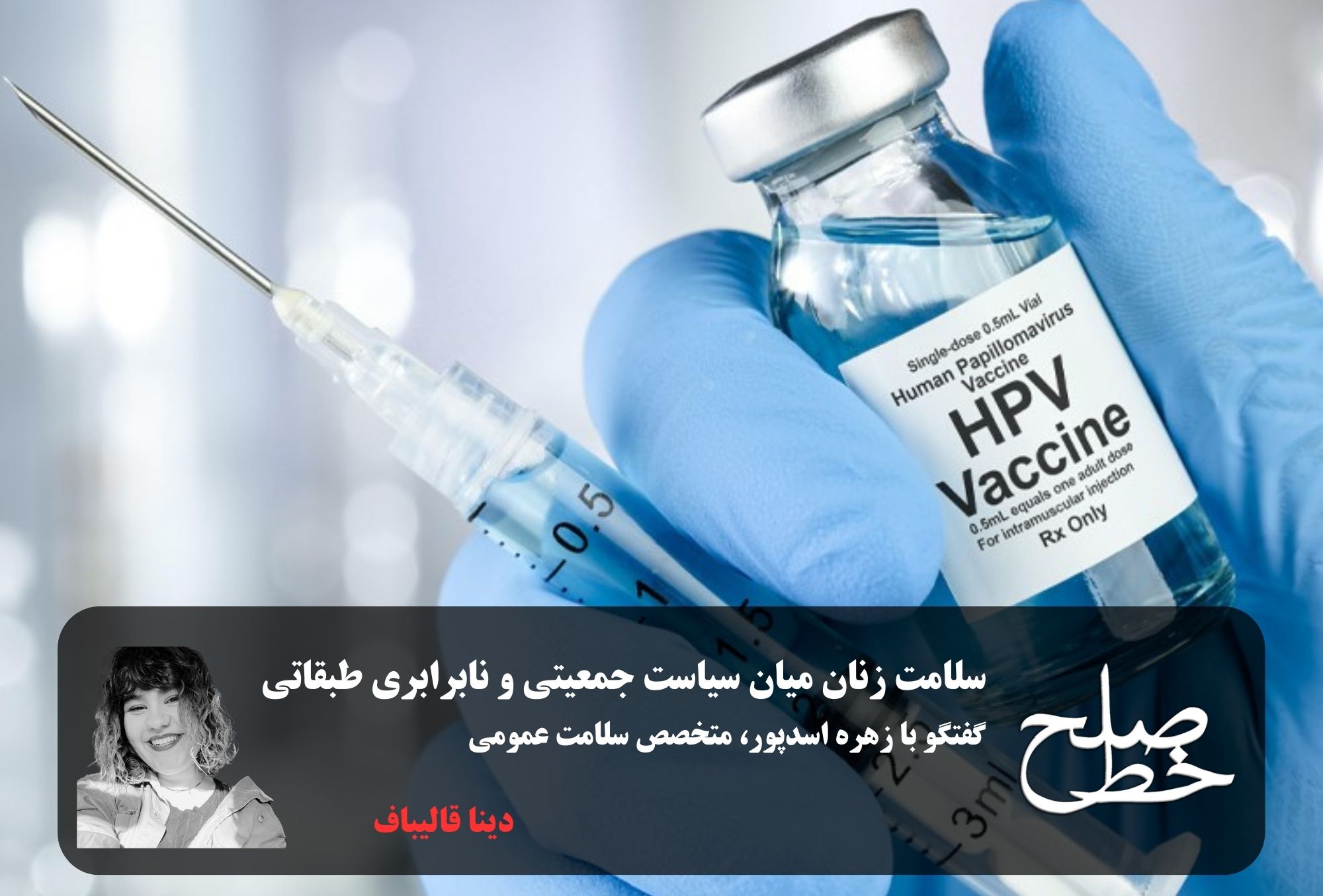
Women’s Health Between Population Policy and Class Inequality / Dina Ghalibaf
Following the sudden and quiet removal of the Iranian “Papilloguard” vaccine from pharmacies across the country, women who had been awaiting national vaccination to prevent infection with the human papillomavirus (HPV) have been forced to turn to foreign vaccines at prices several times higher—vaccines whose cost is incompatible with the economic circumstances of many women. […]...
Read MoreCreated By:
Dina Ghalibaf February 20, 2026
