


Latest Posts

The collapse of trust between people and medical staff in Iran / Nafiseh Sharafeddini
Trust is a delicate bond between patient and therapist that distinguishes the treatment process from a mere business transaction. But in recent years, we have seen that this pillar in the Iranian medical environment has been severely damaged, giving way to cynicism and misunderstanding. What is happening in the crowded corridors of hospitals and waiting […]...
Read More Created By:
Nafiseh Sharafaldini
Created By:
Nafiseh Sharafaldini December 22, 2025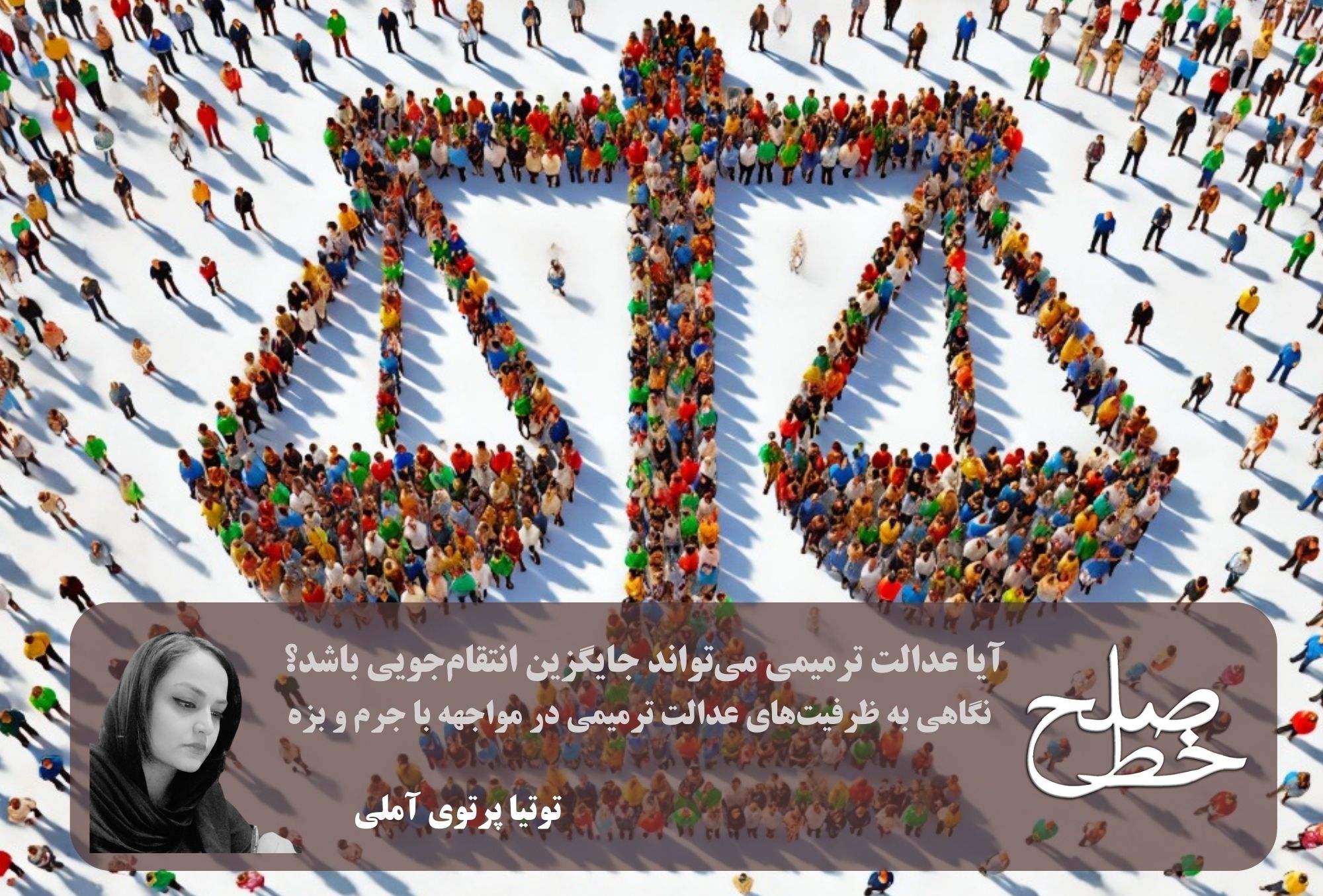
Can restorative justice replace revenge? / Totia Partovi Amoli
We witness countless court cases every day that result in the issuance of a verdict and ultimately the punishment of the offender. However, experience has shown that in today’s world, the issuance and execution of sentences does not necessarily mean the realization of justice. In many cases, the victim is still dissatisfied after the end […]...
Read MoreCreated By:
Toutia Partovi Amoli December 22, 2025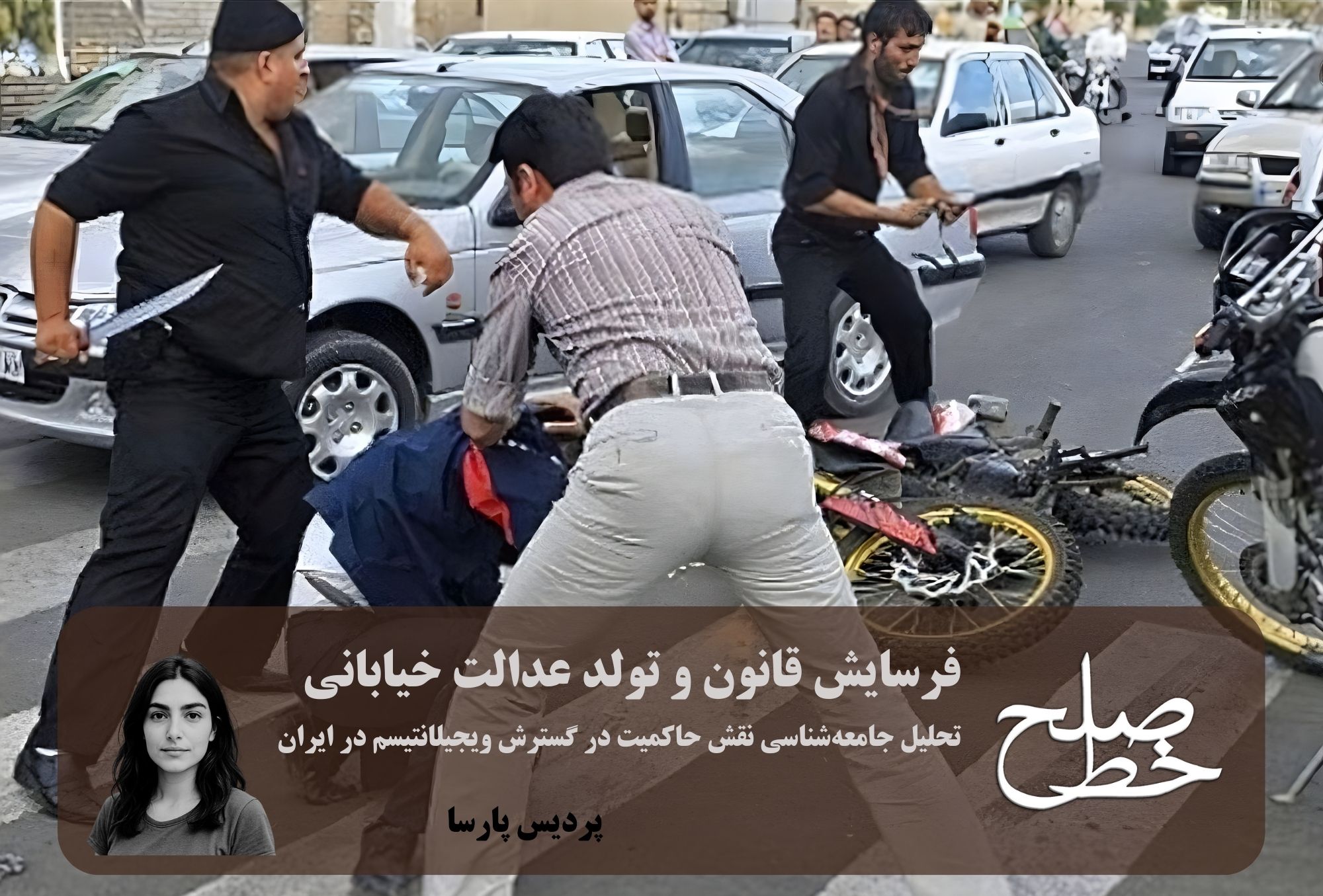
The erosion of law and the birth of street justice/Pardis Parsa
In the turbulent transition of the fifth decade after the 1979 revolution, Iran is facing a fundamental challenge in the field of public order and security that can be called the “erosion of the authority of the law.” The increasing statistics of street fights and personal conflicts in recent years only reveal the tip of […]...
Read MoreCreated By:
Pardis Parsa December 22, 2025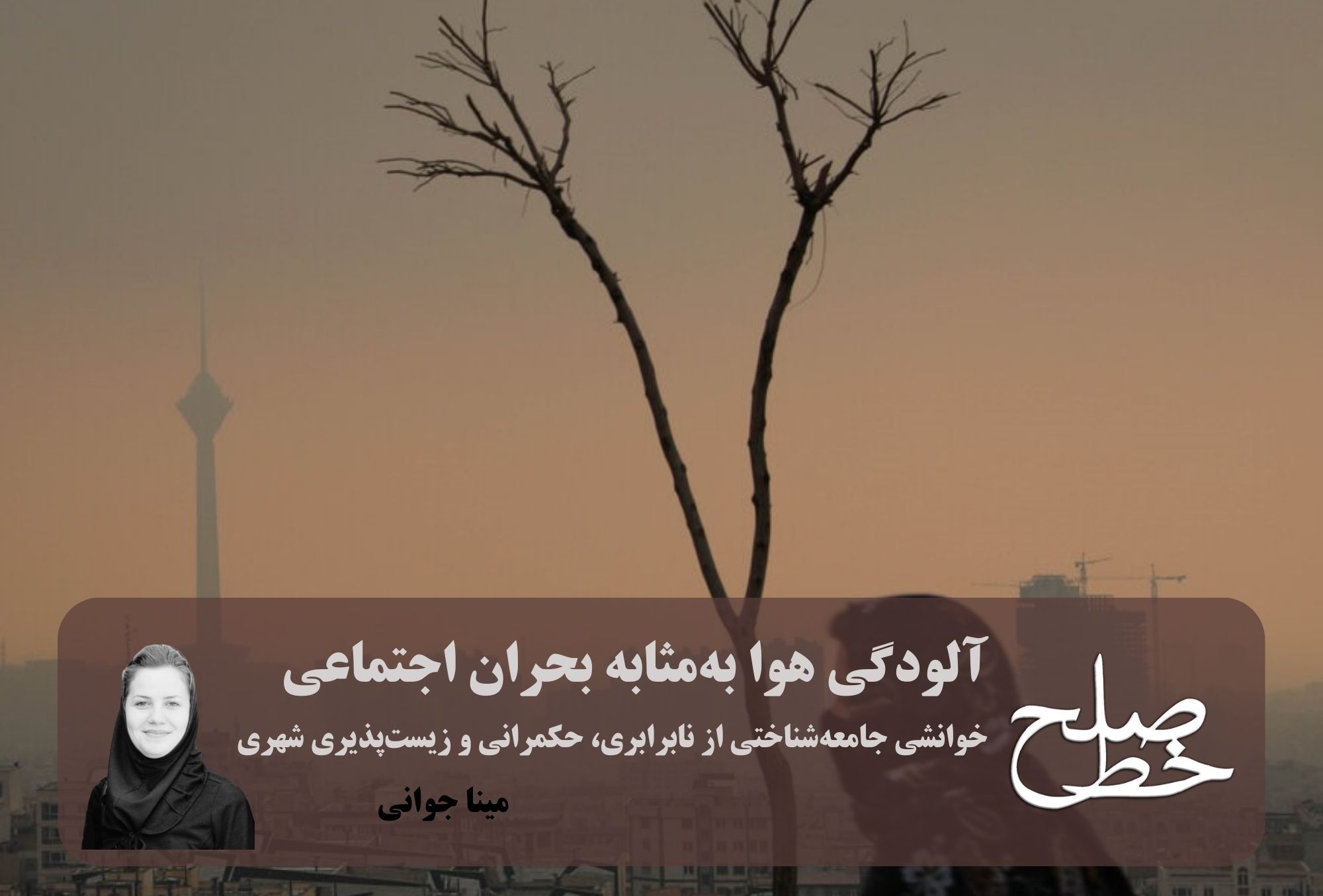
Air Pollution as a Social Crisis/Mina Jawani
In recent decades, air pollution has become one of the most persistent and complex environmental and social challenges in Iran’s major cities; a challenge that, although seemingly an environmental and public health issue, functions far beyond an ecological crisis in sociological analysis. Today, air pollution has emerged as a “full-fledged social phenomenon”; a phenomenon in […]...
Read MoreCreated By:
Mina Javani December 22, 2025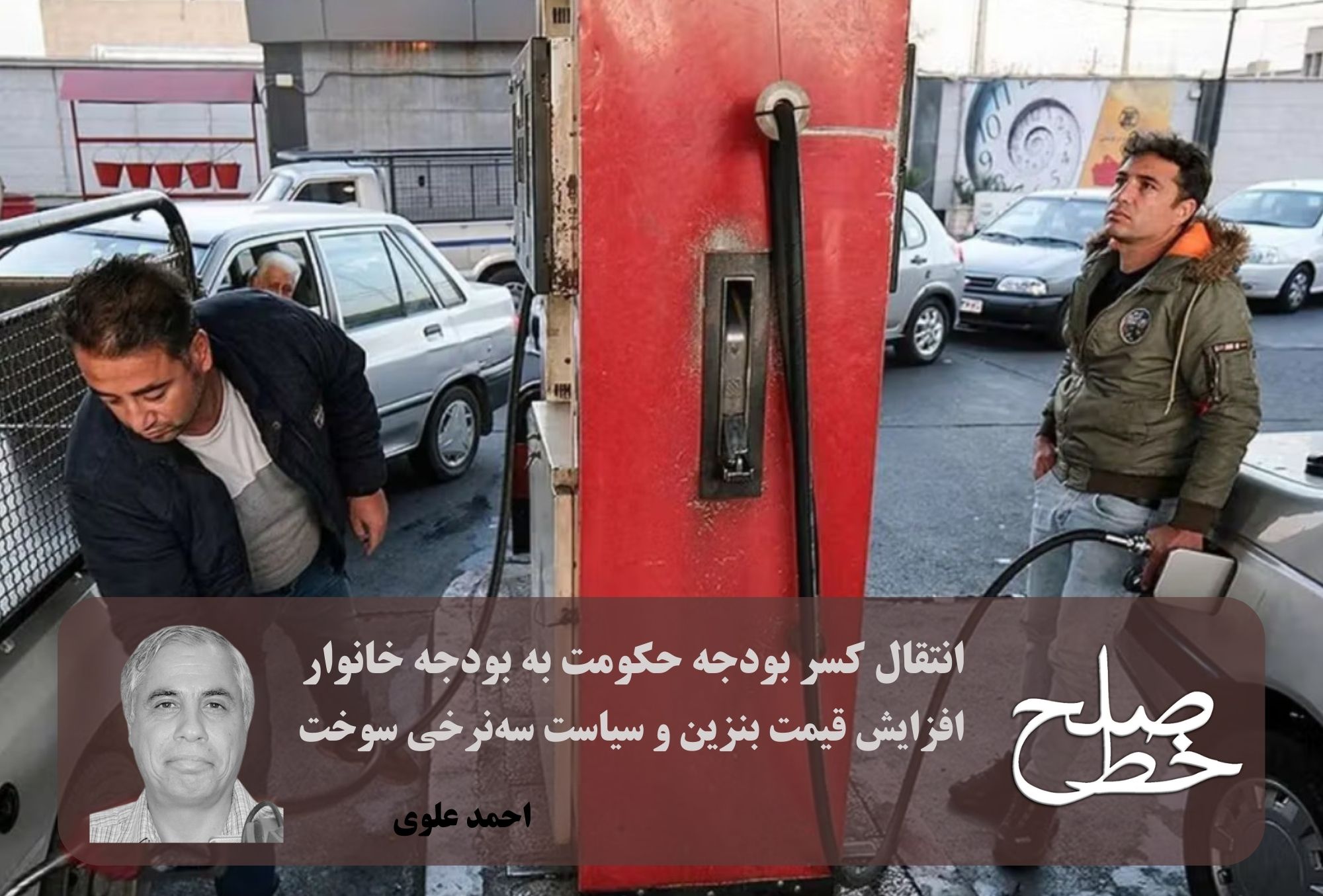
Transferring the government budget deficit to the household budget/Ahmad Alavi
Recent developments in Iran’s energy policy, particularly the triple-price gasoline pricing and price increases, have once again brought the long-standing issue of the relationship between pricing policies, governance structure, and household economics into the spotlight. The government promotes this policy with ostensibly economic goals, including controlling consumption, targeting subsidies, and reducing pressure on the public […]...
Read MoreCreated By:
Ahmad Alavi December 22, 2025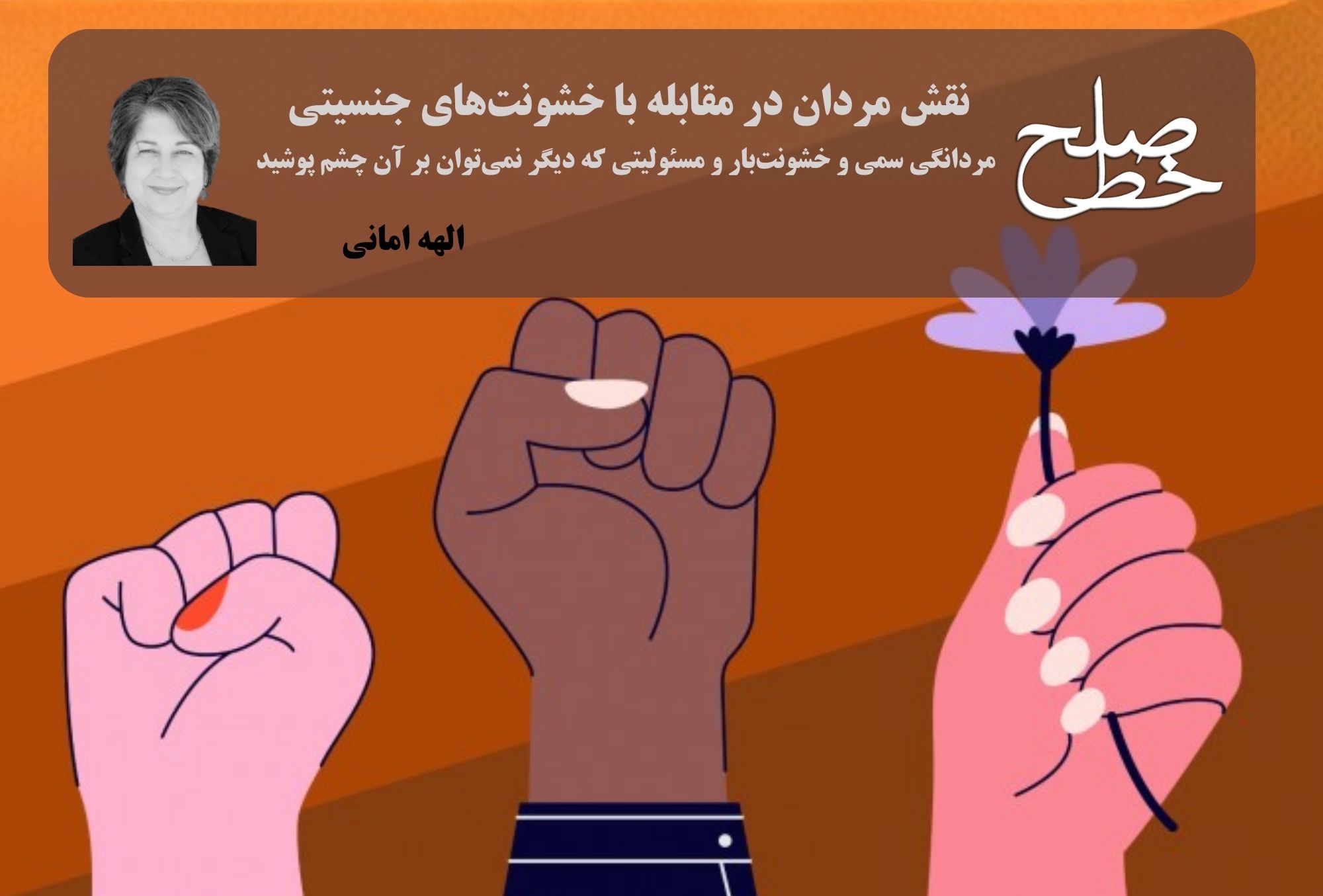
The role of men in confronting gender-based violence/ Elahe Amani
The annual international campaign “16 Days of Activism Against Gender-Based Violence”, entitled “16 Orange Days”, ended on December 10, coinciding with International Human Rights Day. Although public awareness of violence against women has increased during the 34 years of the global campaign, the path to ending this violence remains long and complex. Violence against women […]...
Read MoreCreated By:
Elahe Amani December 22, 2025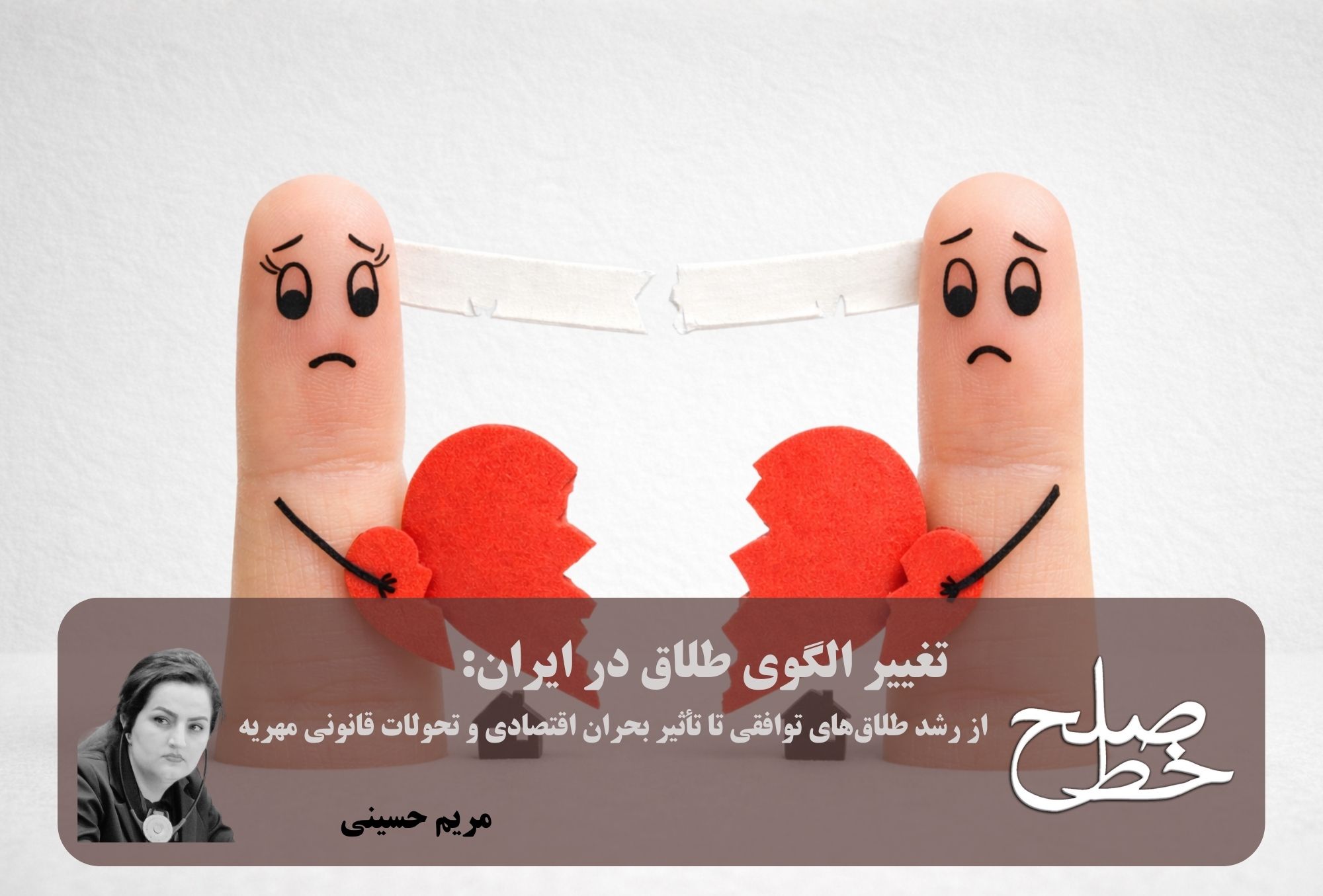
Changing divorce patterns in Iran/ Maryam Hosseini
Divorce in Iranian society is no longer a marginal or merely individual phenomenon, but a social, legal, and economic issue; an issue that reflects profound changes in the family structure, gender relations, and living conditions of society. The increase in the number of separations, especially consensual divorces, the change in the age of divorce, and […]...
Read MoreCreated By:
مریم حسینی December 22, 2025
Deepening Class Divides Through Inequality in Affordability and Access/ Amin Ghazaei
The deepening of class divisions is structurally rooted in the cycle of production within the capitalist system. Since the minimum wage of the working class is always determined by the minimum required to reproduce labor power, while on the other hand, the wealth of capitalists accumulates through cycles of investment and production, class disparity continuously […]...
Read More Created By:
Amin Ghazaie November 22, 2025
Created By:
Amin Ghazaie November 22, 2025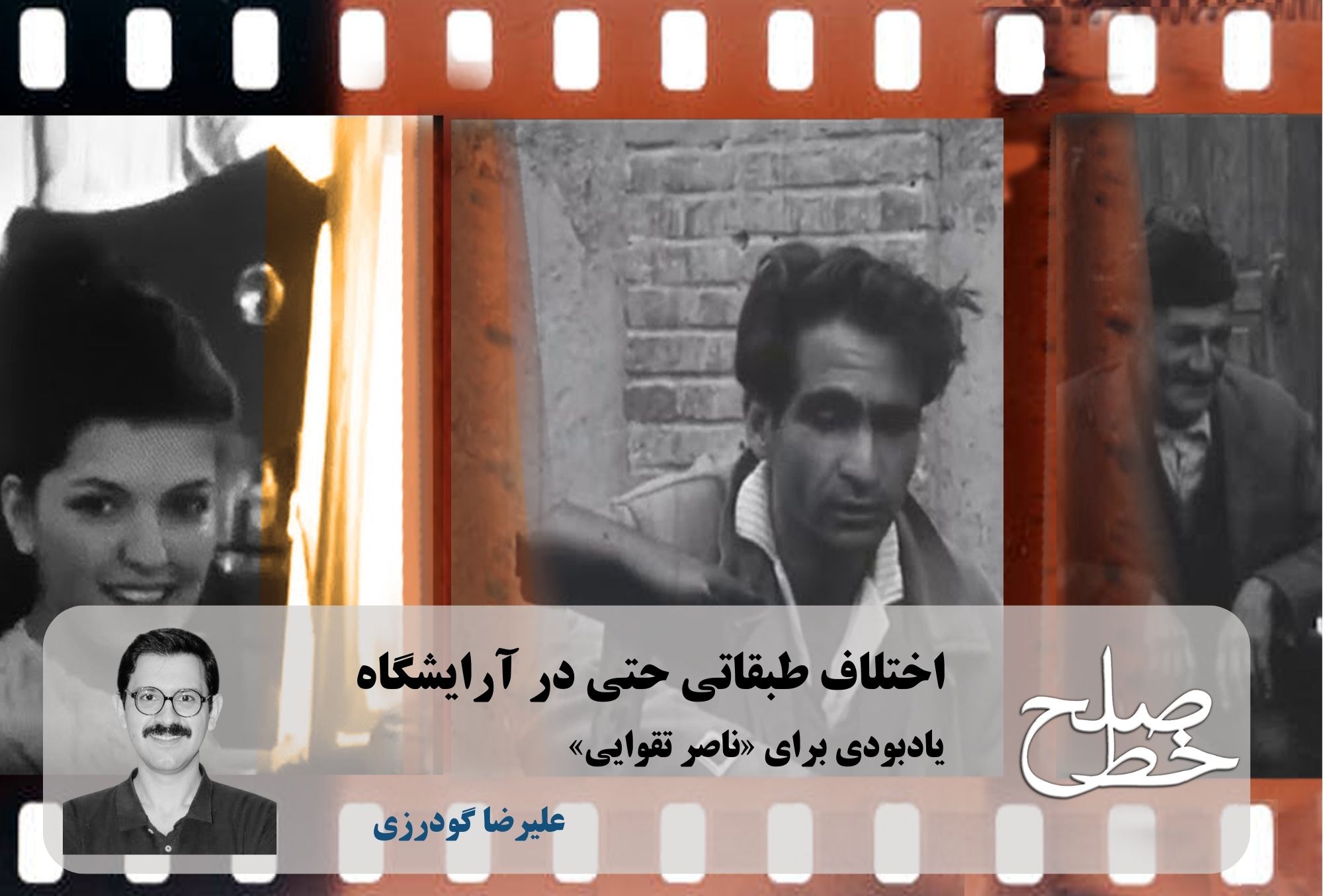
Class Divide, Even at the Barbershop/ Alireza Goodarzi
Last month, Nasser Taghvai passed away. For our generation, Taghvai was a director whose every film was made with a precise and committed eye on society, and the stunning details of his work spilled beyond the frame of cinema and television. For decades now, some of the catchphrases from his TV series Dāyi Jān Napoleon […]...
Read MoreCreated By:
Alireza Goodarzi November 22, 2025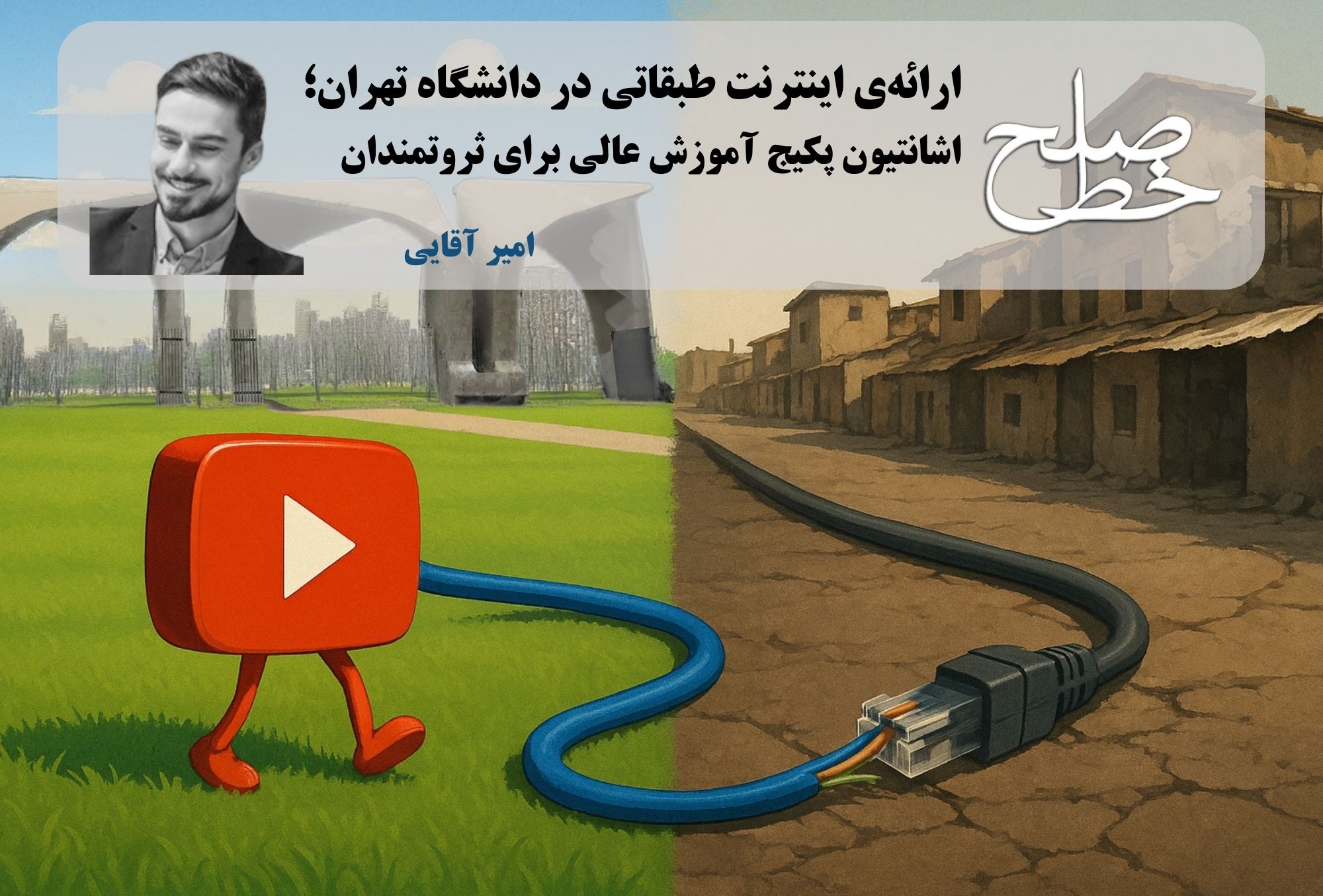
The Rollout of Tiered Internet Access at the University of Tehran/ Amir Aghaei
If you flip through any glossary of specialized terminology, you won’t find the term “class-based internet” or a precise definition of it. However, by implementing this project over the past 20 years, the rulers of the Islamic Republic have compelled Iranian internet users to adopt a term to describe it. Class-based internet refers to the […]...
Read MoreCreated By:
Amir Aghayi November 22, 2025
