


Latest Posts
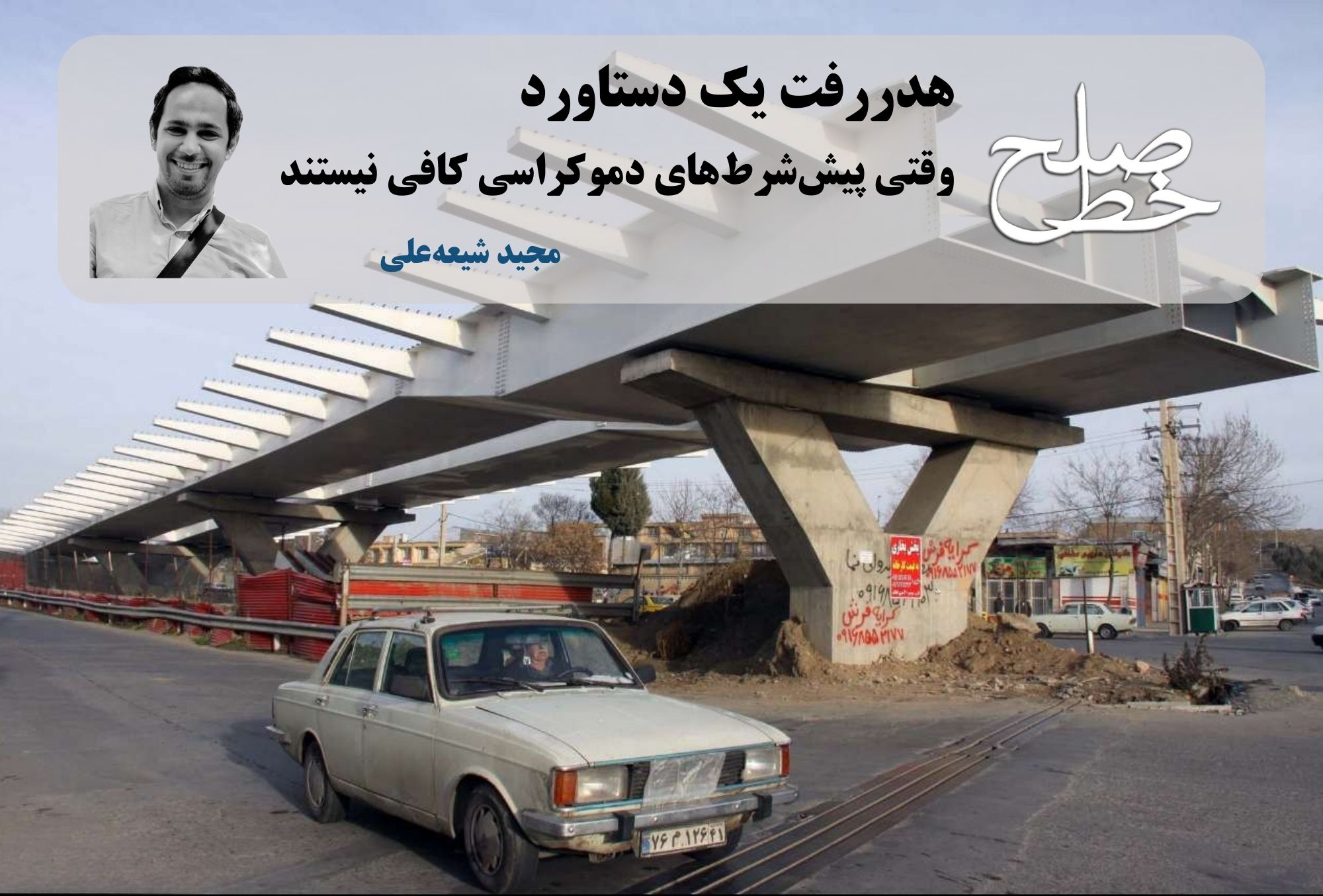
The Squandering of a Milestone: When Preconditions for Democracy Are Not Enough/ Majid Shieh-Ali
Many political researchers who study political transformations, comparative political systems, and topics such as revolutions, democratization, and similar subjects tend to have a relative theoretical consensus regarding the types of revolutions that can lead to democracy. They consider elements such as global political developments in different periods, the level of industrialization and development in society, […]...
Read More Created By:
Majid Shia’ali
Created By:
Majid Shia’ali November 22, 2025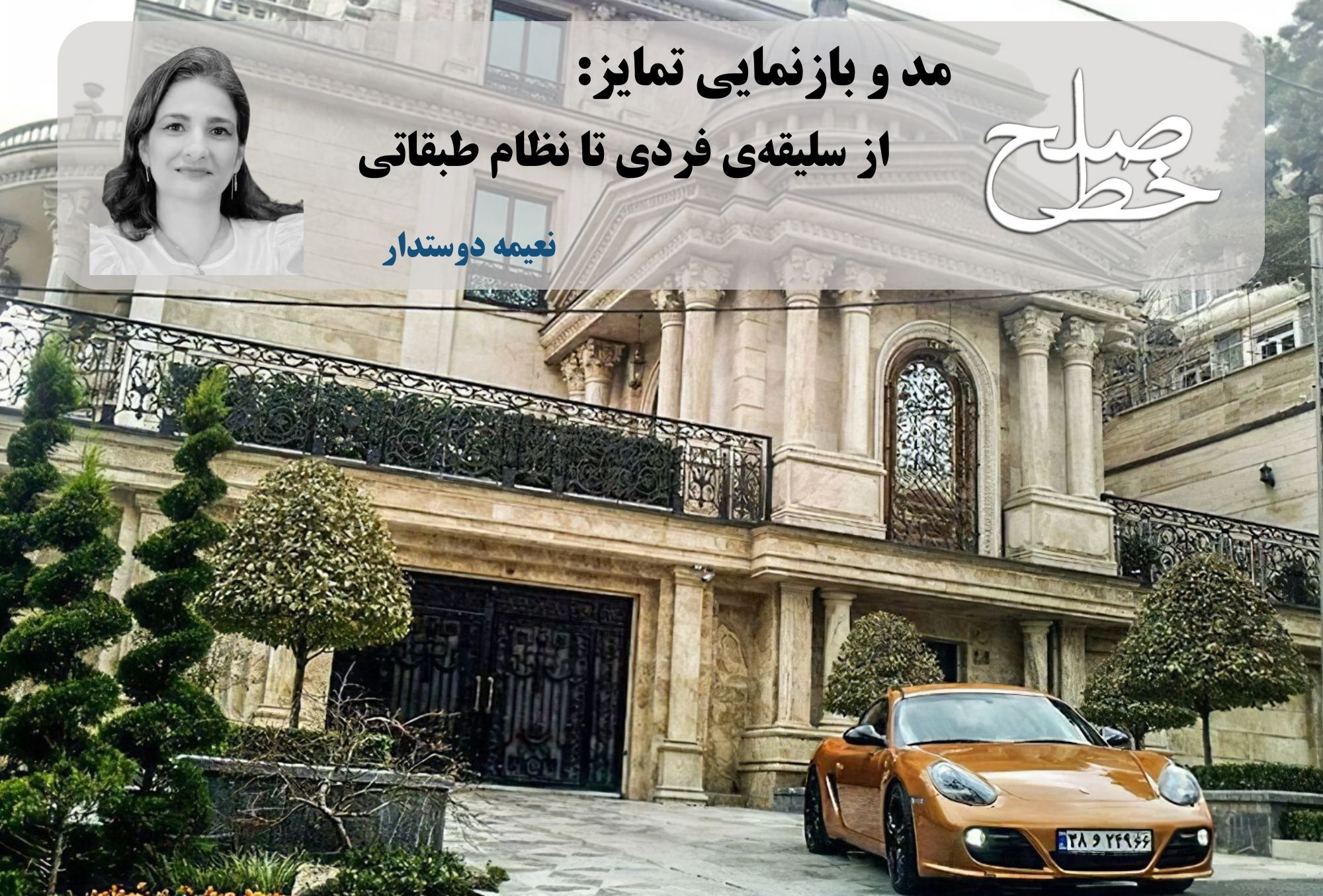
Fashion and the Representation of Distinction: From Personal Taste to Class System/ Naeimeh Doostdar
What is seen on the streets today is not merely a variety of styles, but a silent, ongoing competition between social classes—inscribed on the surface of the body. Hair color, eyebrow shape, the cut of a manteau, and even the quality of makeup have become markers that reveal opportunities, limitations, and economic divides. In a […]...
Read More Created By:
Naeimeh Doustar November 22, 2025
Created By:
Naeimeh Doustar November 22, 2025
From Bread to Justice/ Mina Javani
Food insecurity in Iran is no longer merely a subsistence issue; it is a symptom of deeper fractures in the country’s economic, environmental, and institutional structures. In a world where food production has never been so technologically widespread, the persistence of hunger and malnutrition across societies points above all to inequality in resource distribution and […]...
Read MoreCreated By:
Mina Javani November 22, 2025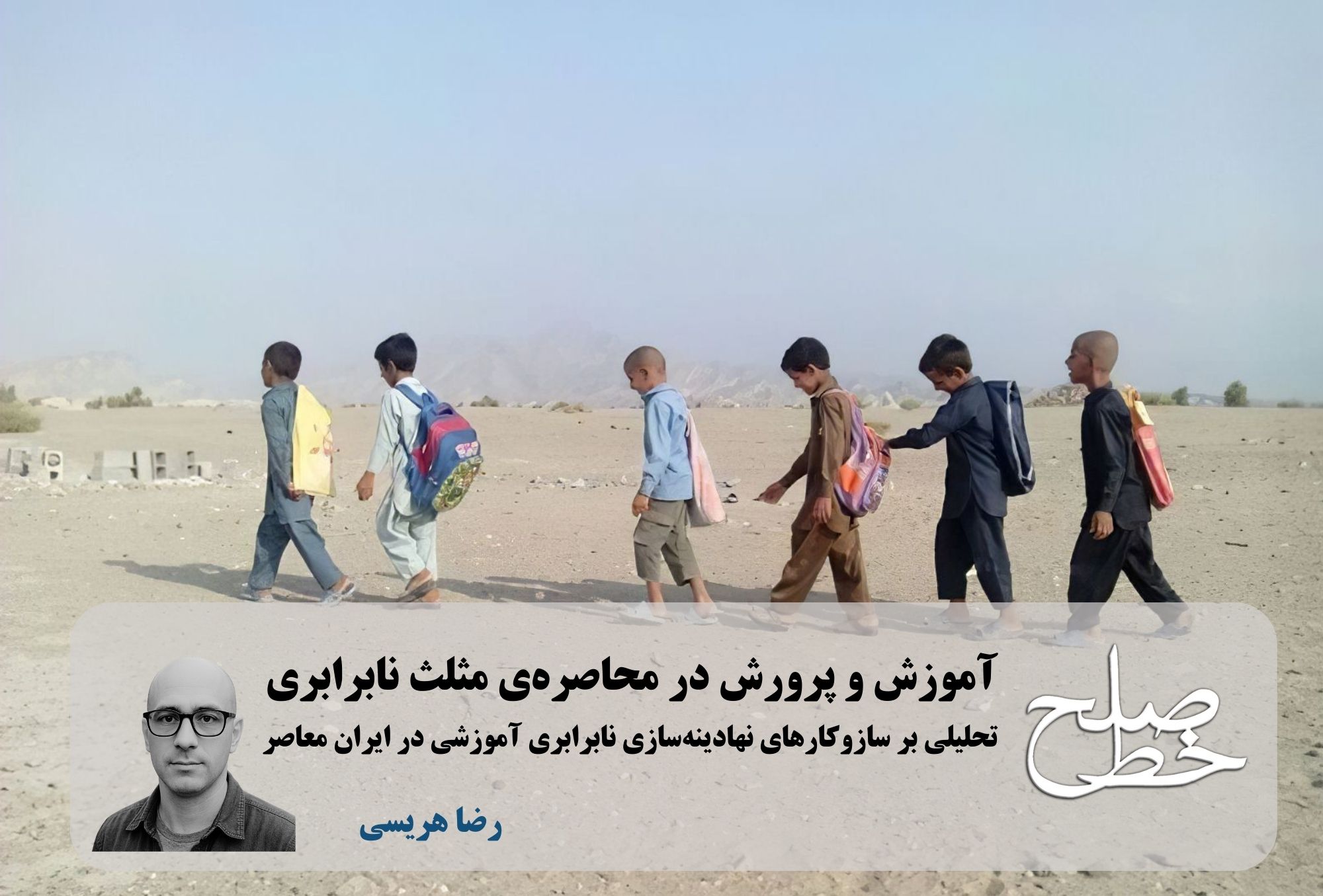
Education Trapped in a Triangle of Inequality/ Reza Herisi
In the official discourse of development, the educational system is consistently portrayed as the engine of social mobility and the embodiment of meritocracy. Ideally, this modern institution is tasked with fostering talent by providing equal opportunities regardless of class, ethnicity, or geographic origin, thereby enabling a fair distribution of societal positions. However, accumulated evidence in […]...
Read MoreCreated By:
Reza Harisi November 22, 2025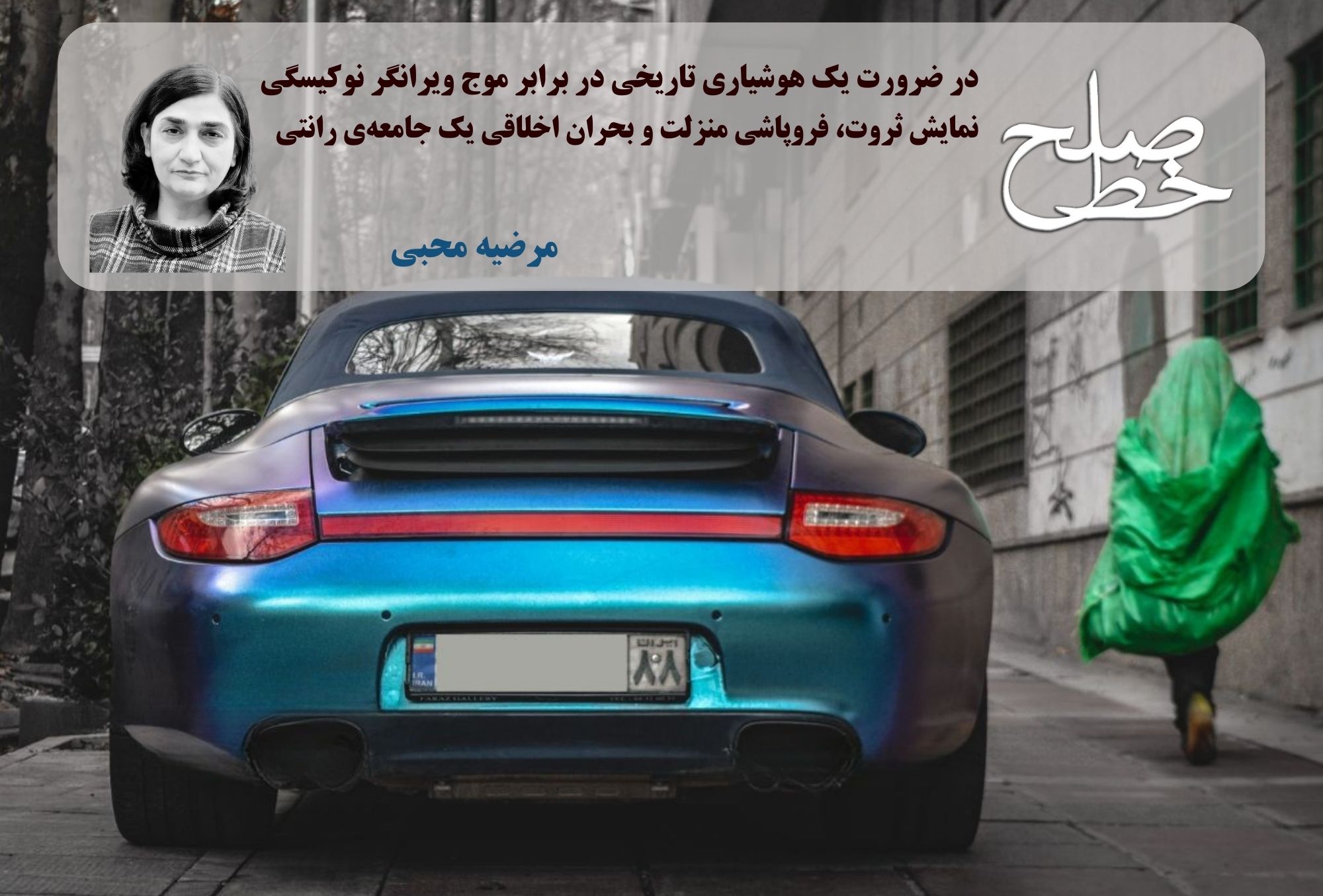
On the Necessity of Historical Vigilance Against the Destructive Wave of Nouveau Riche Culture/ Marziyeh Mohebbbi
They do not know what to do with their windfall fortunes, nor how to convince their peers, friends, acquaintances, and the general public that they have swiftly ascended the ladders of prosperity, civilization, and wealth—so rapidly, in fact, that they now count themselves among the legendary elite and aristocracy. Sometimes, they showcase their financial power […]...
Read MoreCreated By:
Marziye Mohebbi November 22, 2025
 Created By:
Kourosh Zeyghami November 22, 2025
Created By:
Kourosh Zeyghami November 22, 2025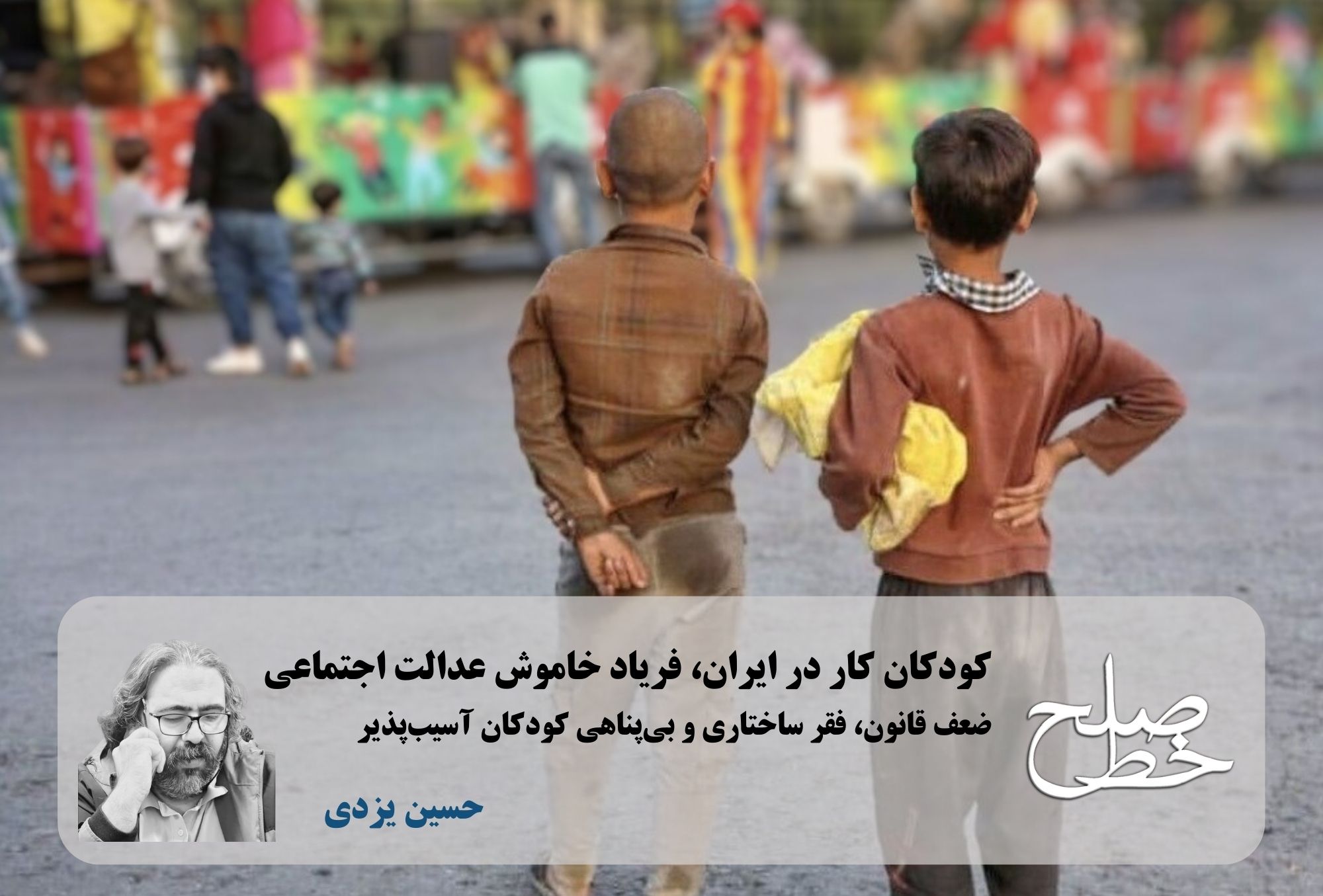
Child Labor in Iran: The Silent Outcry for Social Justice/ Hossein Yazdi
The phenomenon of child labor in Iran serves as a full-length mirror reflecting entrenched economic injustice, educational inequality, and foundational flaws in social policymaking. Drawing on official statistics, global reports, and reputable research, this article demonstrates how institutionalized poverty, forced migration, and ineffective protective legislation push children into the hidden labor market. This process not […]...
Read MoreCreated By:
Hossein Yazdi November 22, 2025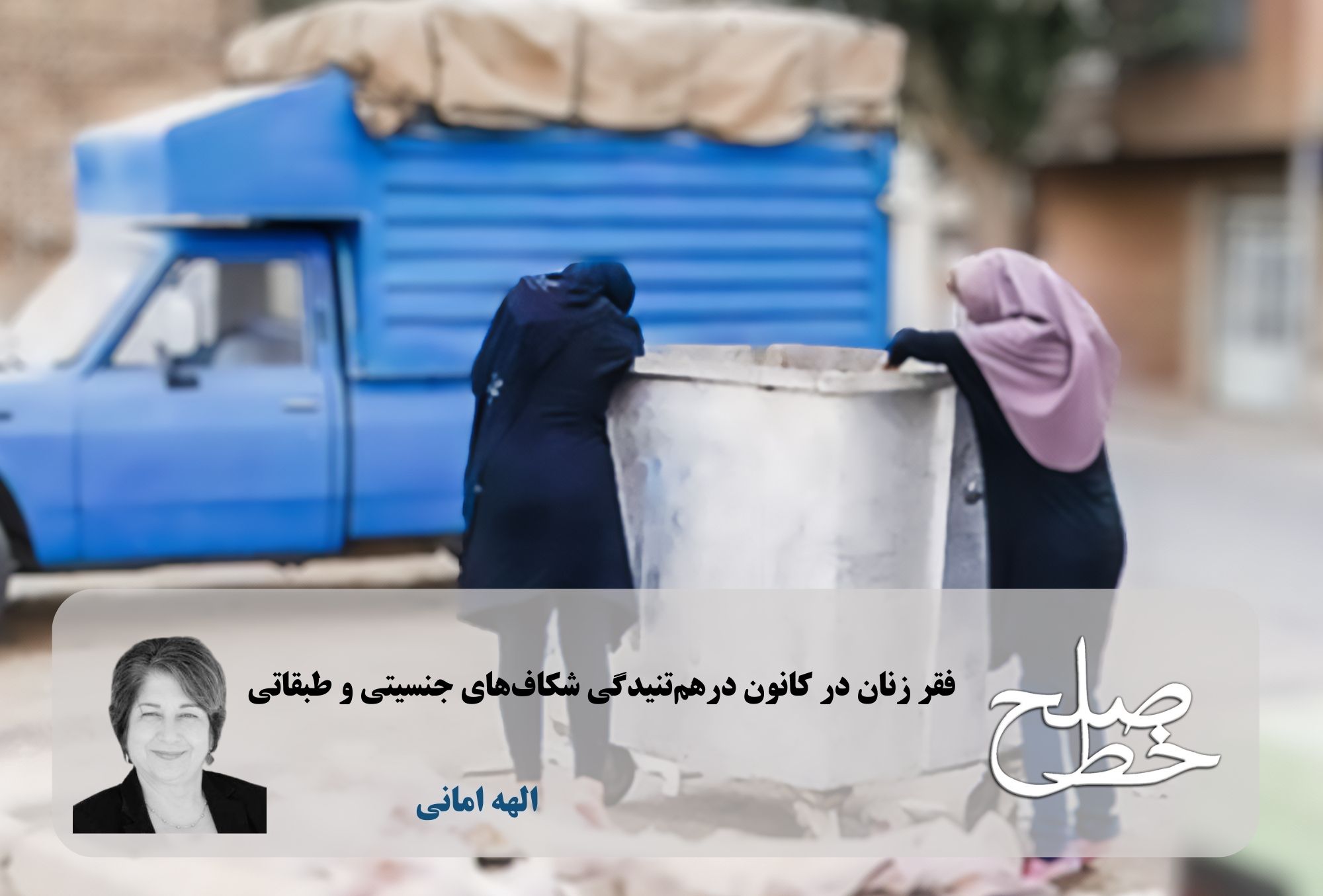
The Feminization of Poverty at the Intersection of Gender and Class Inequality/ Elahe Amani
In his 2020 speech at the “Nelson Mandela Annual Lecture” titled “Tackling the Inequality Pandemic: A New Social Contract for a New Era,” António Guterres, Secretary-General of the United Nations, offered strong criticism of neoliberal politicians and theorists. These were the same individuals who, at the height of the COVID-19 pandemic, claimed, under the slogan […]...
Read MoreCreated By:
Elahe Amani November 22, 2025
Selling Happiness on Social Media/ Pardis Parsa
In recent decades, with the dizzying speed of technological advancement and the growth of communication tools, people’s lives and their social relations have inevitably come under the influence of media. Social media platforms—especially image-based ones like Instagram, which entered the scene promising to eliminate distances—have, in practice, turned into the main stage for displaying social […]...
Read MoreCreated By:
Pardis Parsa November 22, 2025
Class Divide, Erosion of Public Welfare, and Structural Inefficiency/ By Fereshteh Goli
Social classes refer to structural divisions in society that categorize individuals or groups based on economic, social, cultural, and political factors. These divisions are typically shaped by inequalities in resources (wealth, income, education, occupation, and power) and influence social relations, opportunities, and individuals’ lifestyles. Social classes are defined based on various elements such as economy, […]...
Read MoreCreated By:
Fereshteh Goli November 22, 2025
