


Latest Posts
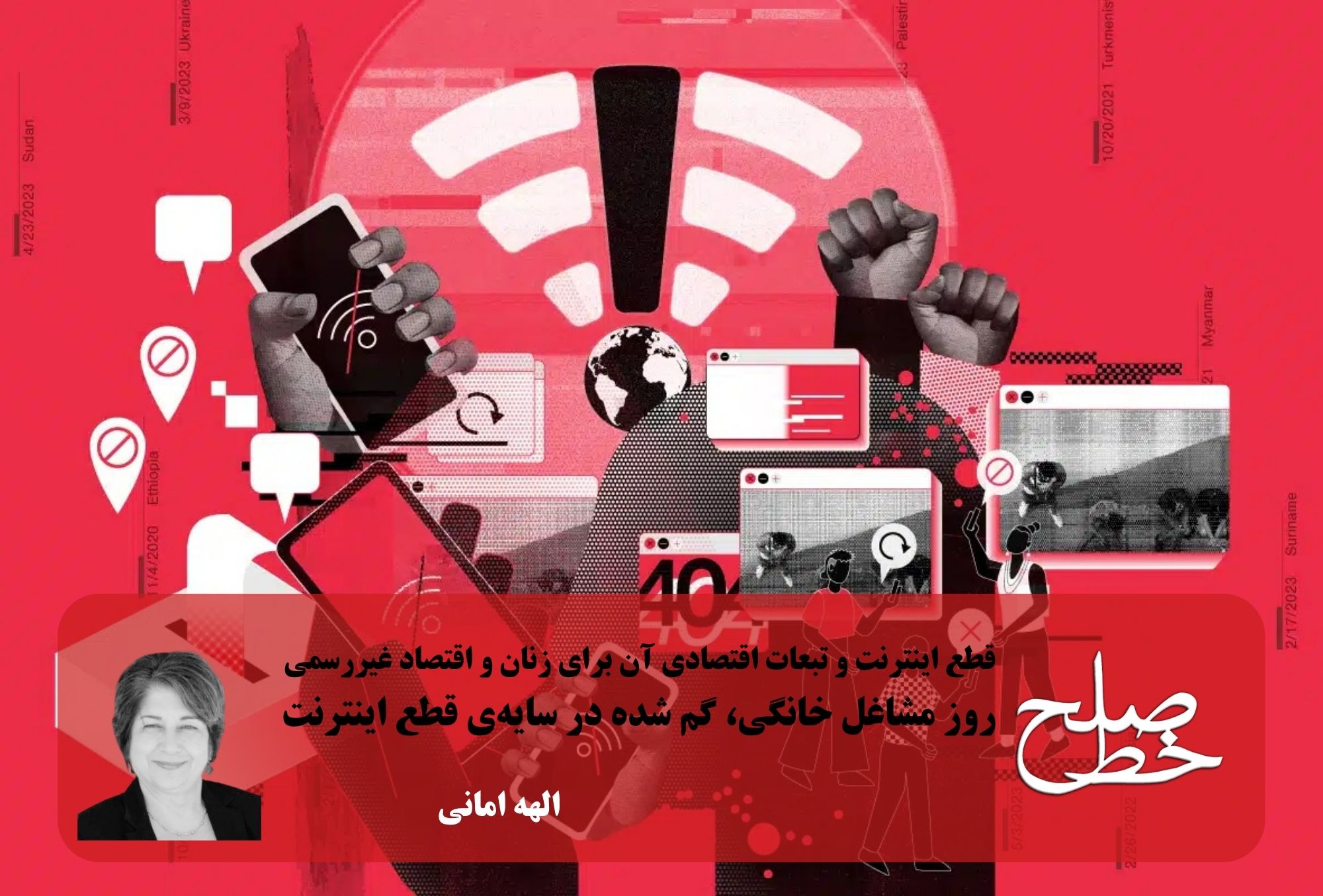
Internet Shutdowns and Their Economic Consequences for Women and the Informal Economy/ Elaheh Amani
This article is not about the catastrophic depth of war as an absolute evil; it is not about the innocent children who lost their lives and never returned home; it is not about the civilians in Iran and other countries of the region who were killed; it is not about the historical heritage destroyed and […]...
Read More Created By:
Elahe Amani
Created By:
Elahe Amani April 21, 2026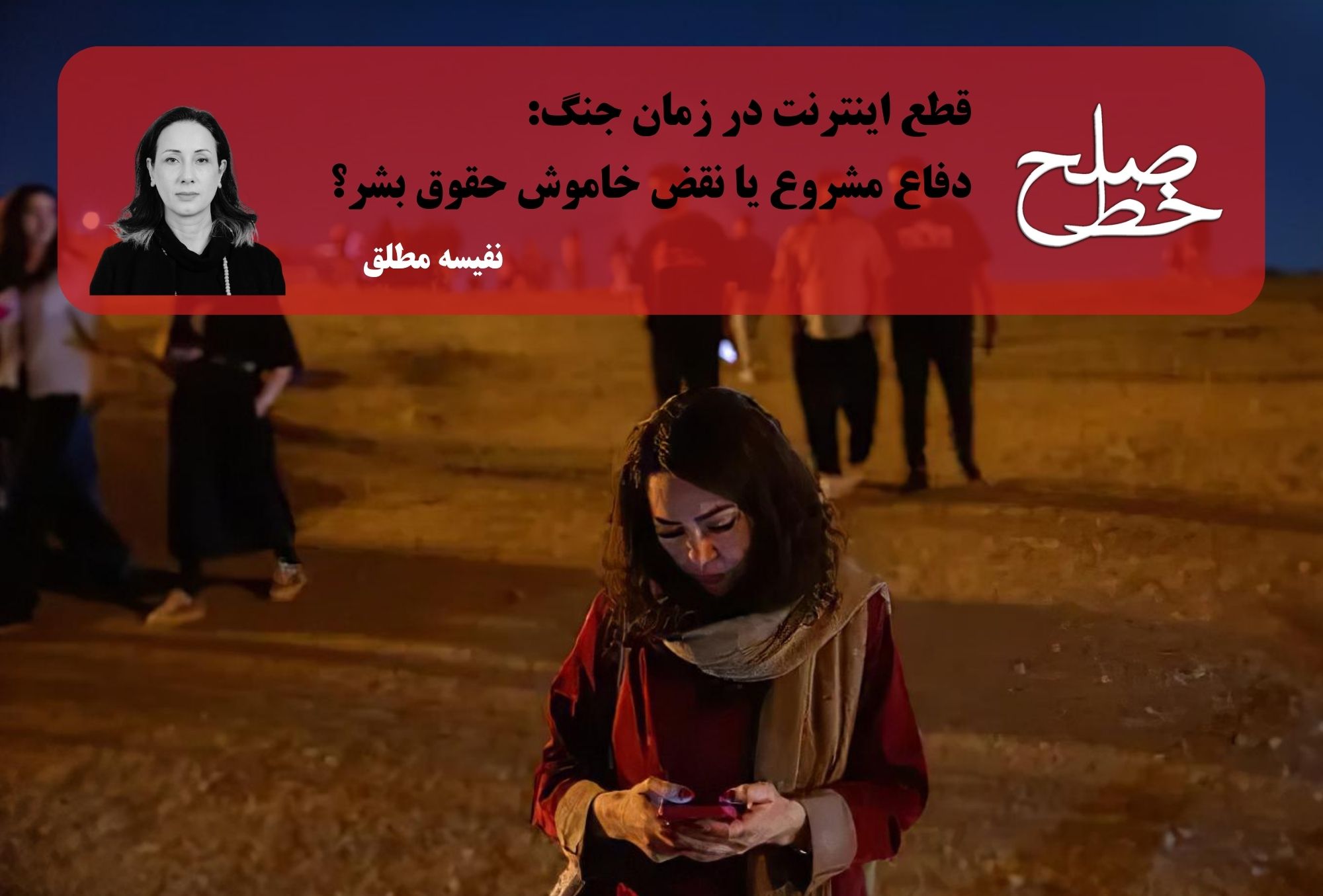
Internet Shutdowns During Wartime: Legitimate Defense or a Silent Violation of Human Rights?/ Nafiseh Motlagh
In the contemporary world, access to the internet is considered one of the vital pillars of social and economic life, and even a condition for the survival of citizens. However, this reality has not yet been explicitly recognized in international law—neither as an “independent human right” nor as a “critical infrastructure.” This legal gap has […]...
Read MoreCreated By:
Nafiseh Motlagh April 21, 2026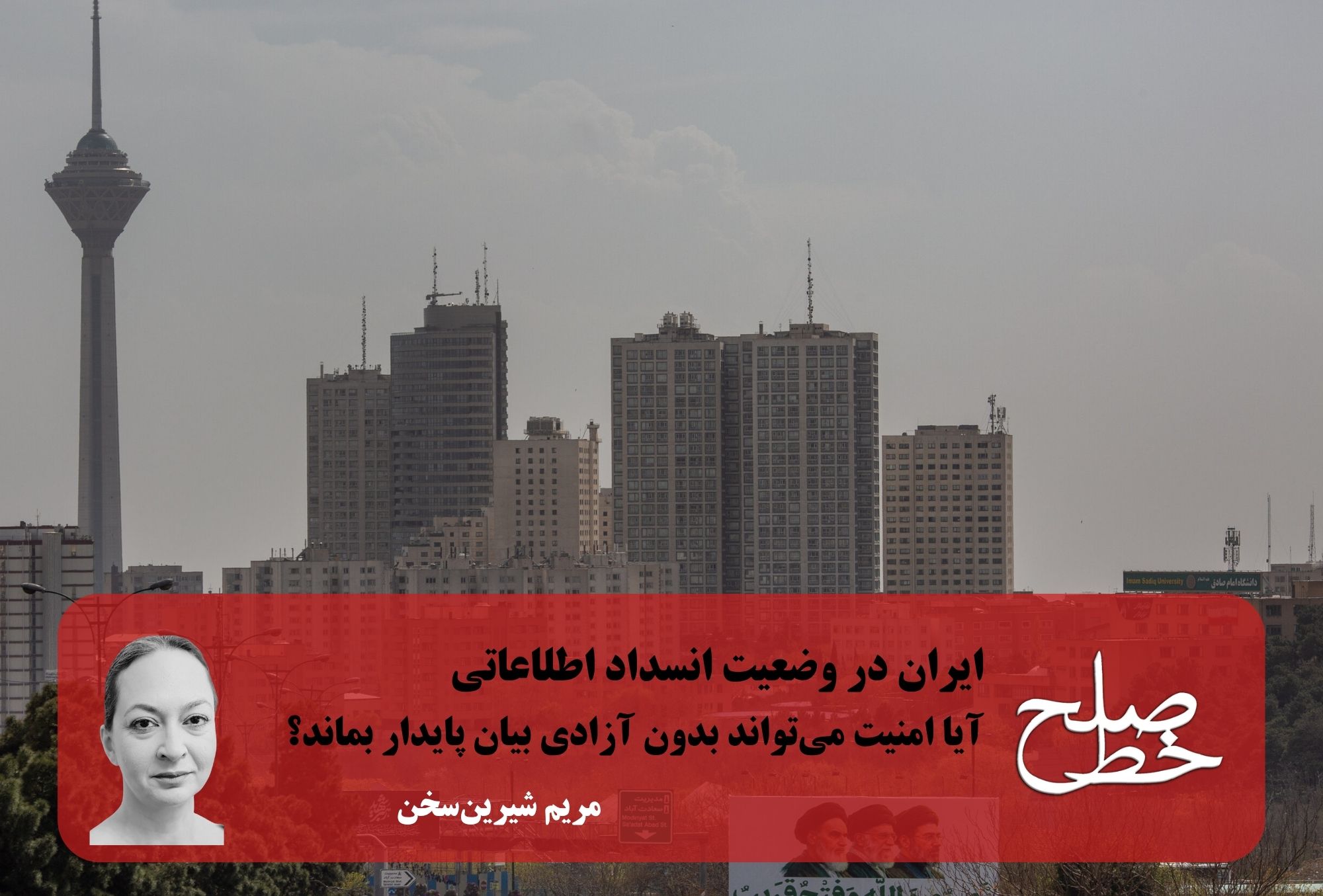
Iran in a State of Information Blockade / Maryam Shirin Sokhan
These days, Iran is undergoing an unprecedented experience: weeks of widespread internet shutdowns, severe restrictions on media, and the concentration of narratives within a single official channel. For more than two months, access to the internet in Iran has been completely cut off. Although limited access has recently been granted to certain individuals and professional […]...
Read MoreCreated By:
Maryam Shirin Sokhan April 21, 2026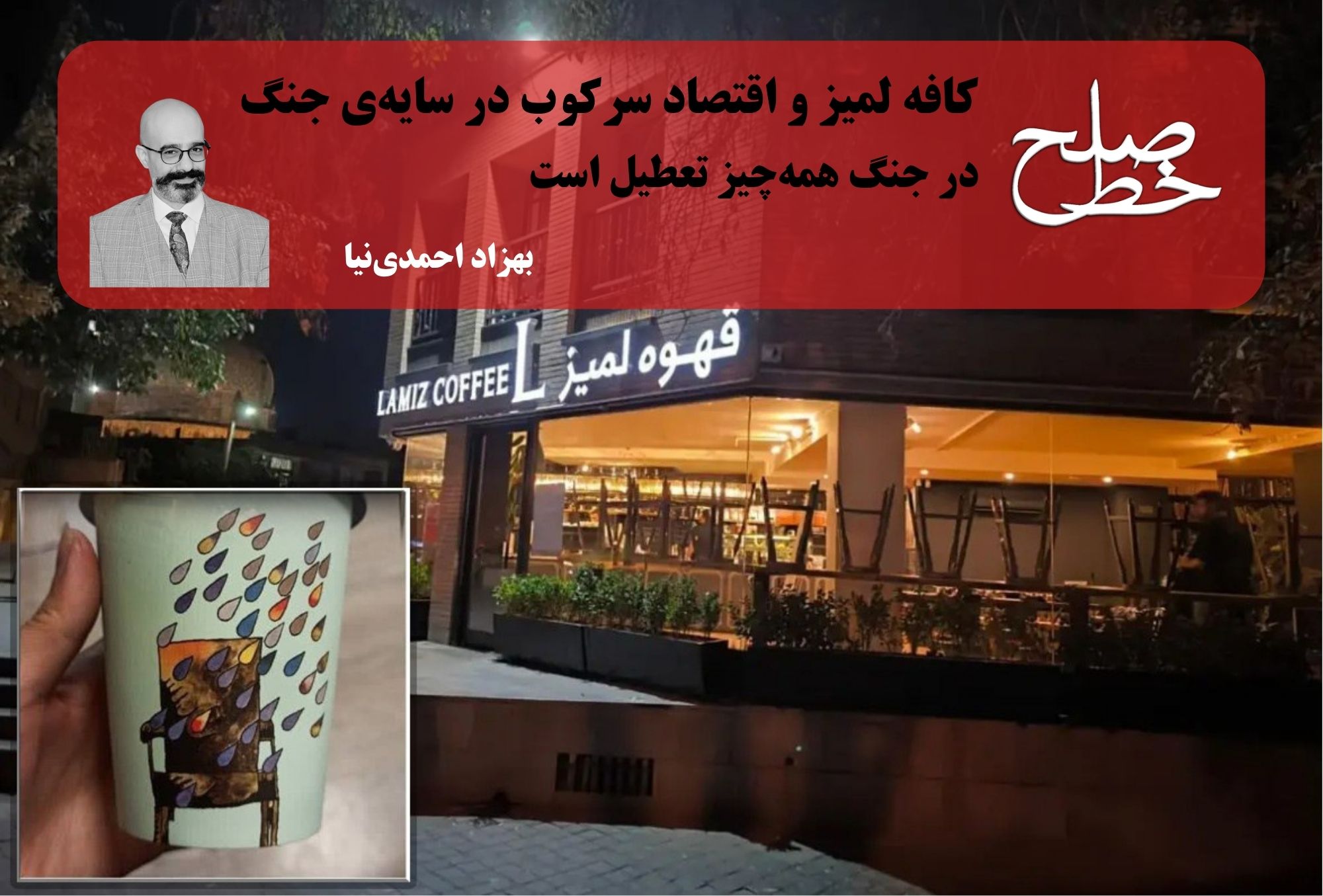
Cafe Lamiz” and the Economy of Suppression in the Shadow of War / Behzad Ahmadinia”
The ugliest—and perhaps most familiar—face of human society is “war.” This can be read between the lines of the book An Introduction to Polemology by Gaston Bouthoul. In this work, he explains how no law, treaty, or prohibition can stand against war. In a case study, the book describes the international restrictions and global pressures […]...
Read MoreCreated By:
Behzad Ahmadinia April 21, 2026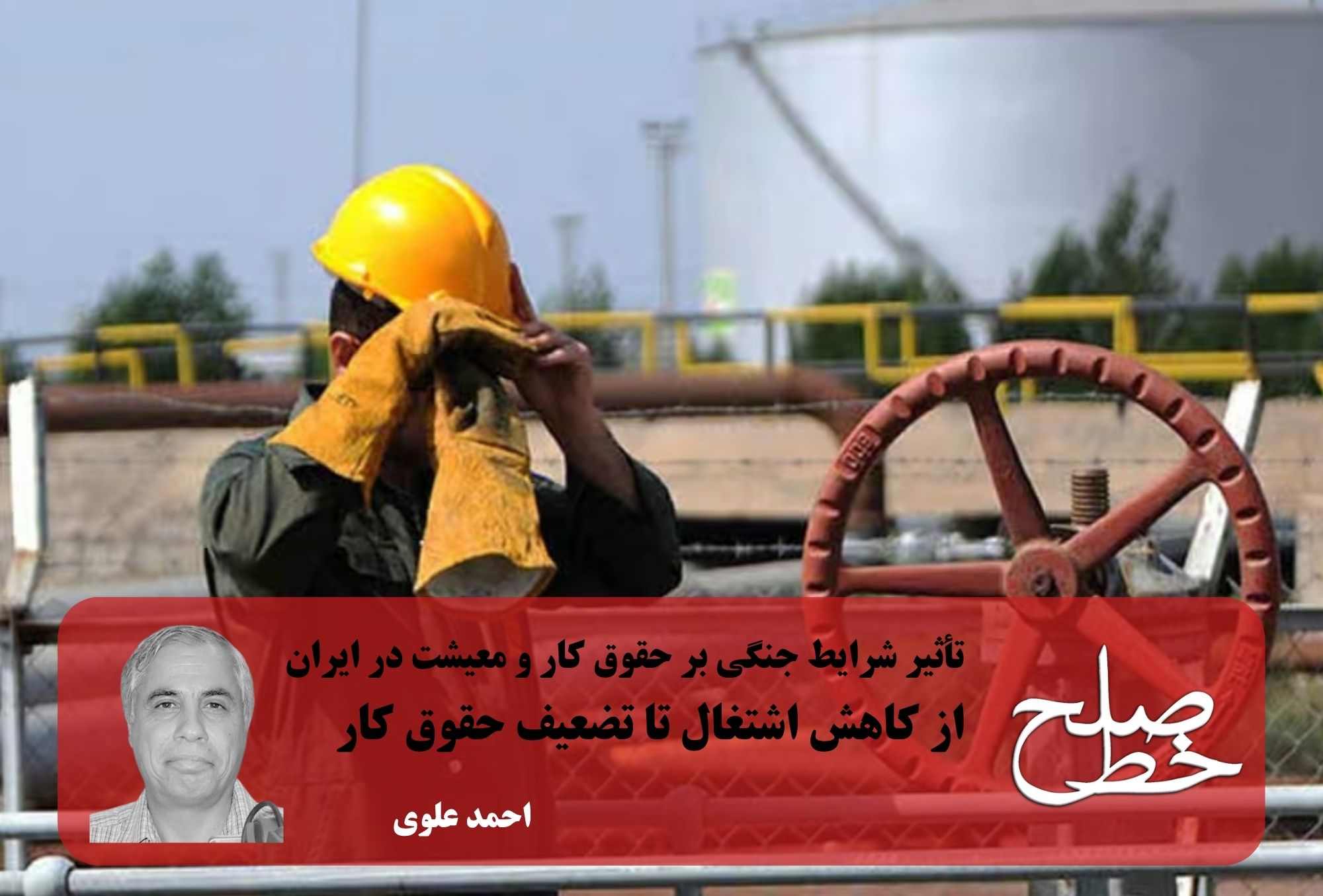
The Impact of Wartime Conditions on Labor Rights and Livelihoods in Iran/ Ahmad Alavi
Wars in the modern economy are no longer merely military events; rather, they are multidimensional phenomena that simultaneously affect economic, social, and institutional structures. In the case of present-day Iran, in the year 2026 (1405), this characteristic is clearly observable, where the economy had already been facing chronic imbalances and war has acted as an […]...
Read MoreCreated By:
Ahmad Alavi April 21, 2026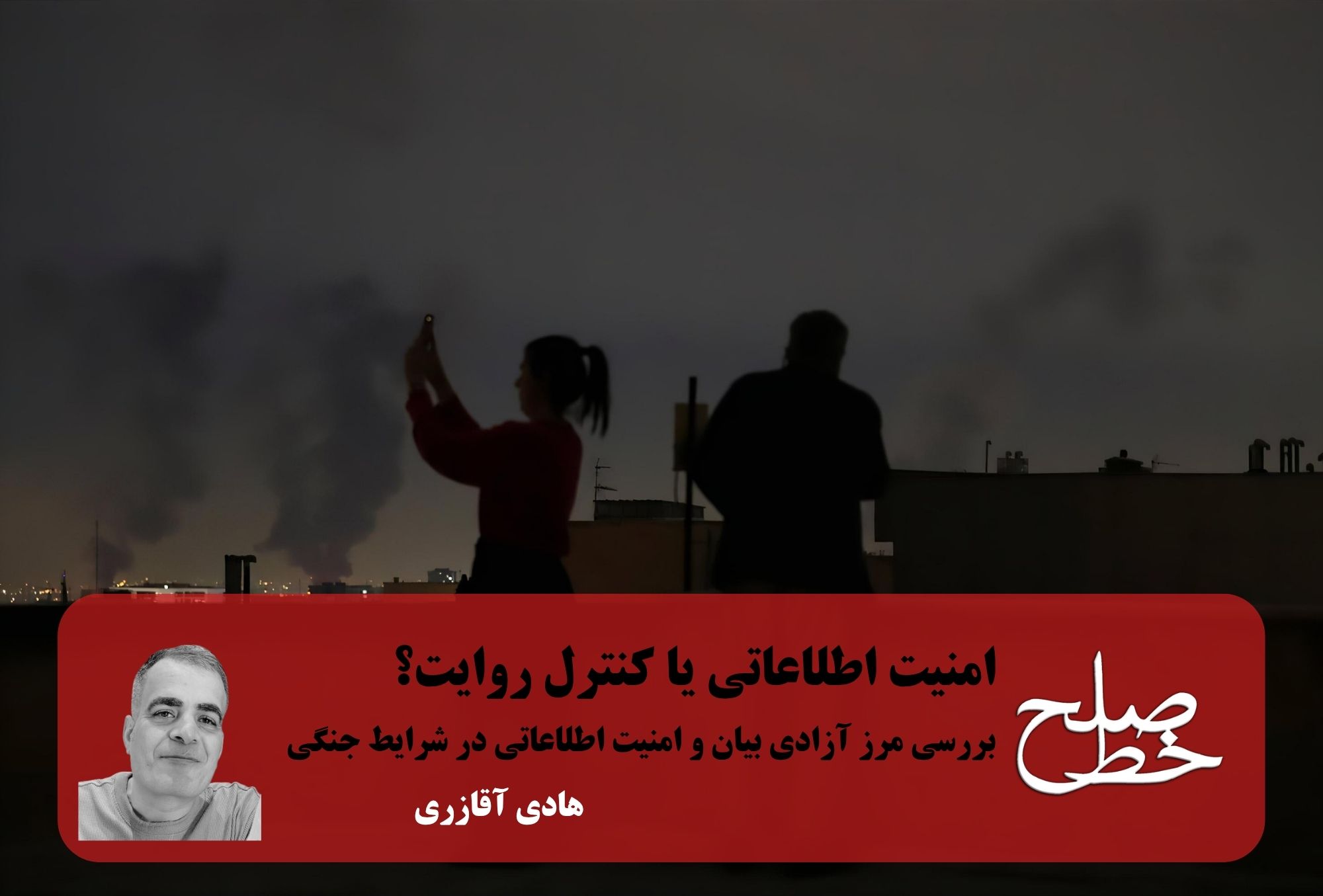
Information Security or Narrative Control?/ Hadi Aghazari
This article is being written at a time when more than one thousand hours have passed since the widespread internet shutdown in Iran, justified on the grounds of maintaining security. During this period, communication between Iranians inside and outside the country has been seriously disrupted, and access for those inside the country to the outside […]...
Read MoreCreated By:
Hadi Aghazari April 21, 2026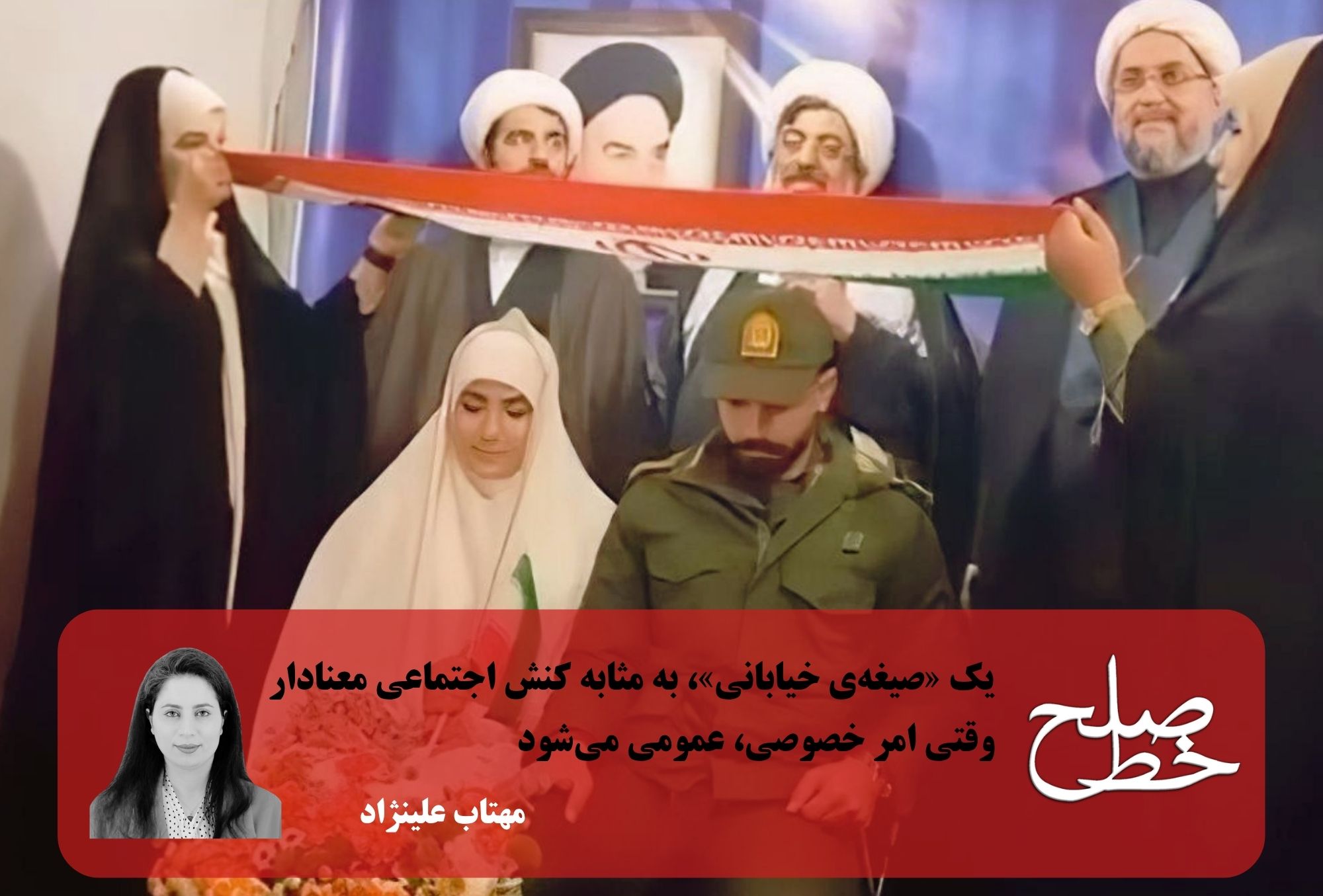
A “Street Sigheh” as a Meaningful Social Act / Mahtab Alinejad
What at first glance appears in the form of a “temporary marriage” can easily be interpreted within religious and legal frameworks; an agreement between two individuals that is also recognized within Iran’s legal system. But the issue becomes more complex when this relationship leaves the private sphere and enters public view. This shift is not […]...
Read MoreCreated By:
Mahtab Alinezhad April 21, 2026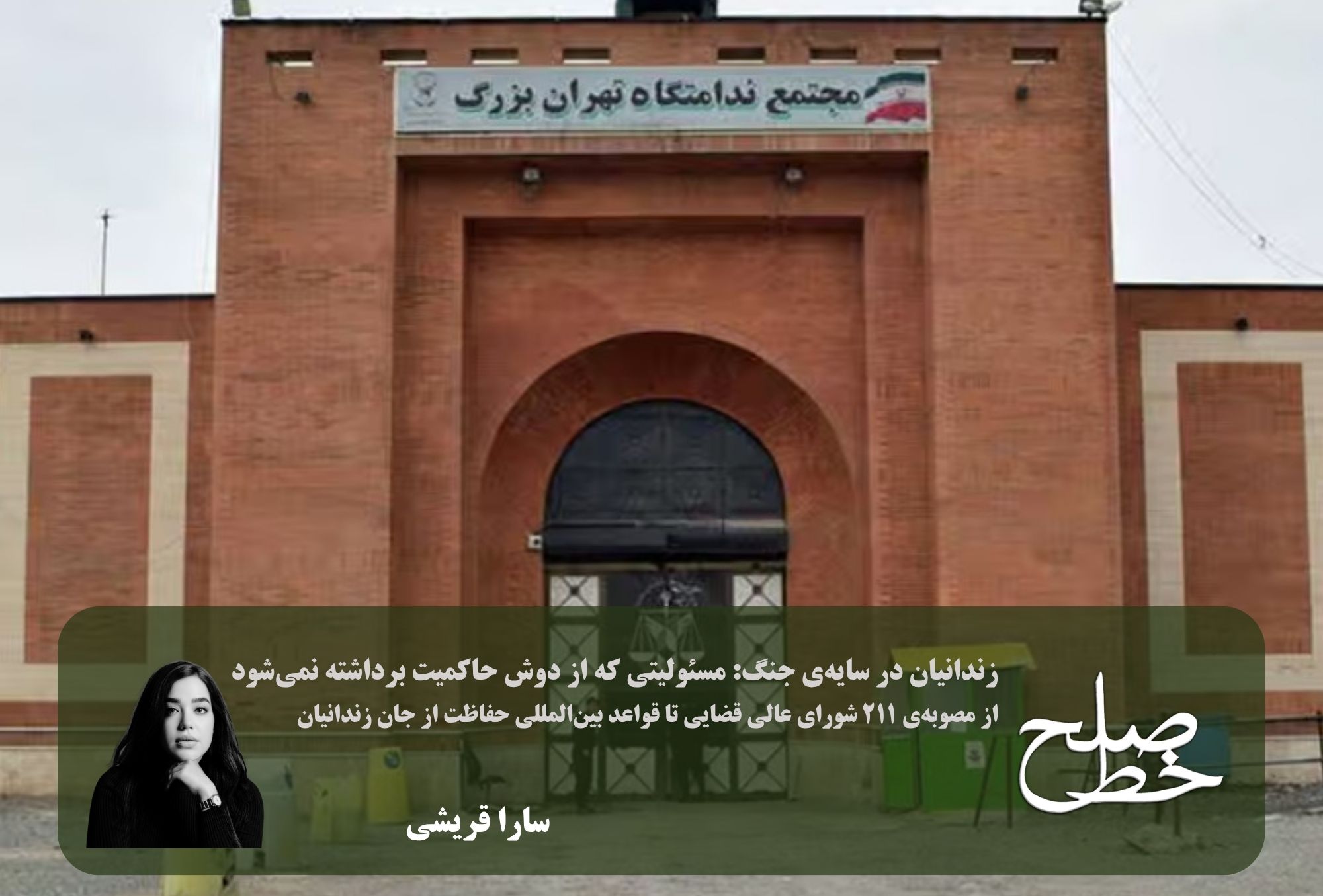
Prisoners in the Shadow of War: A Responsibility That Cannot Be Lifted from the Shoulders of the State/ Sara Ghoreishi
With the escalation of military tensions and the possibility of expanding conflict, concerns about the safety of prisons and the lives of prisoners have significantly increased. Prisoners are among the most vulnerable groups in any crisis situation, as they have no independent ability to decide where they live, access medical care, or even secure their […]...
Read MoreCreated By:
Sara Qoreyshi March 21, 2026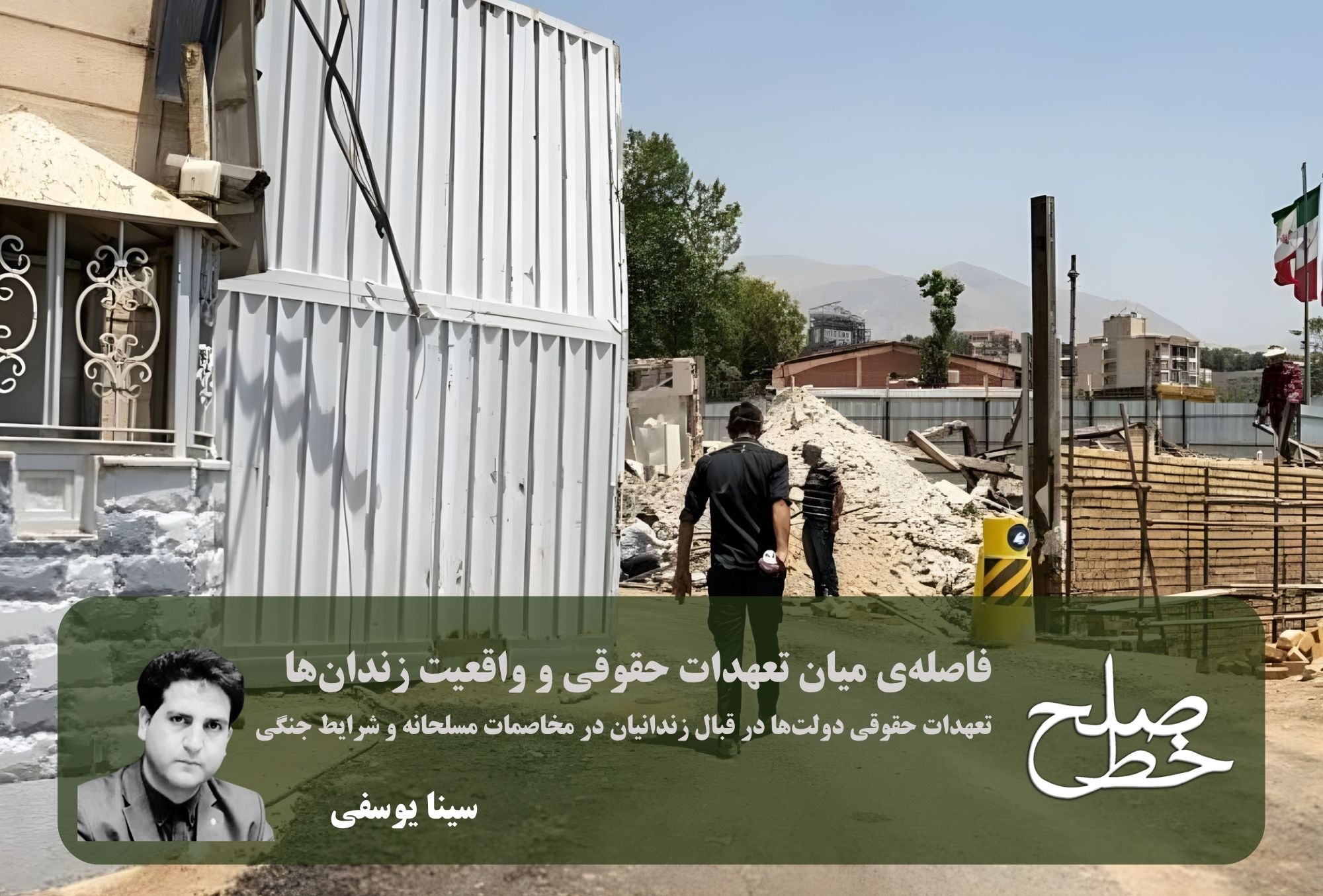
The gap between legal obligations and the reality of prisons during times of conflict/ Sina Yousefi
In contemporary international law, the situation of prisoners in situations of armed conflict is one of the areas that is particularly sensitive in international legal systems. This sensitivity stems from the fact that prisoners, as individuals who are completely at the disposal and control of governmental institutions, practically lack the ability to effectively protect their […]...
Read MoreCreated By:
Sina Yousefi March 21, 2026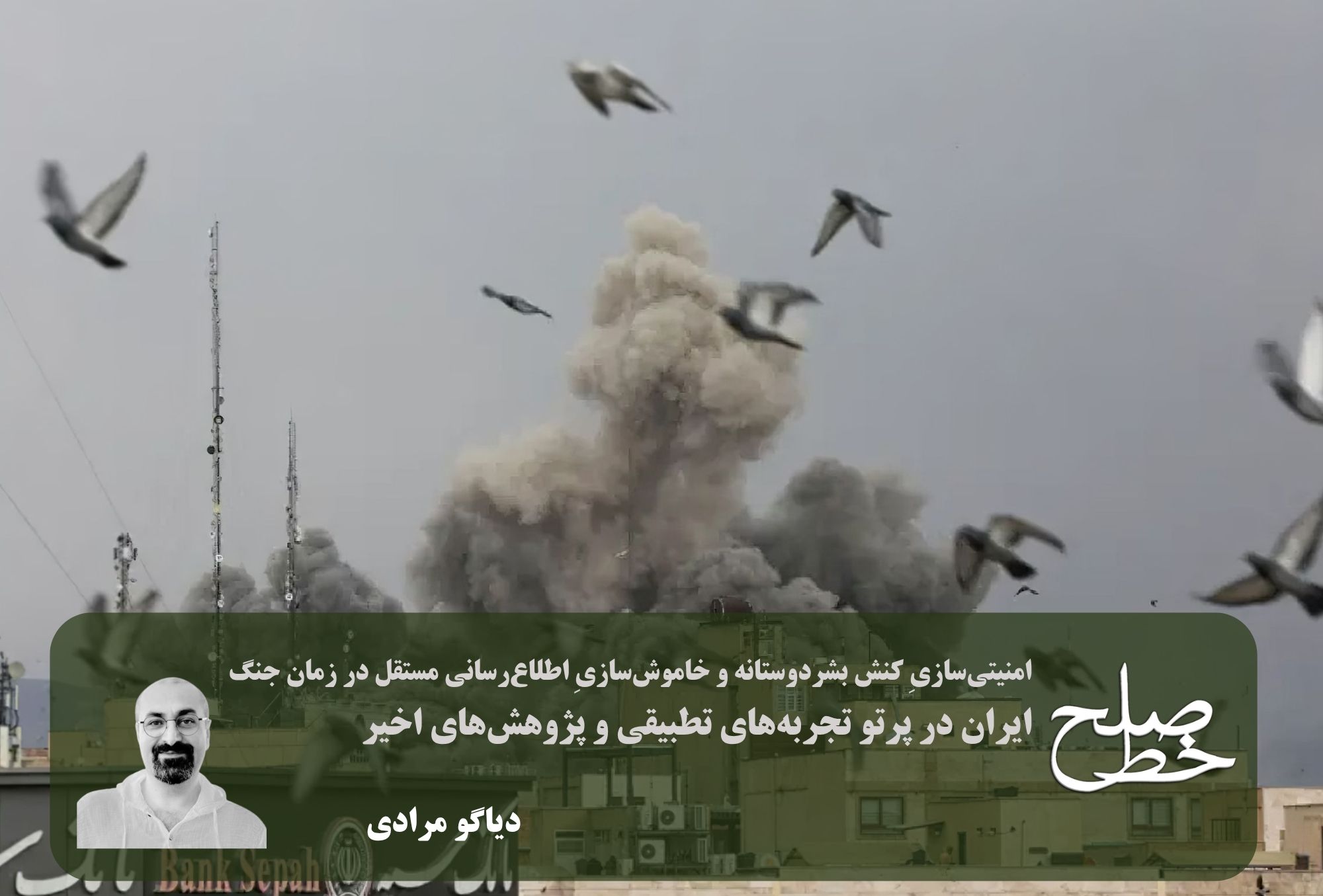
Securitizing Humanitarian Action and Silencing Independent Reporting in Times of War/Diako Moradi
This article attempts to show that in contemporary wars, the battlefield is no longer limited to the military arena, but that the humanitarian, media, communication, and legal spheres are increasingly integrated into the logic of war. In such a situation, war is waged not only through weapons, bombing, and the destruction of physical infrastructure, but […]...
Read MoreCreated By:
Diako Moradi March 21, 2026
