


Latest Posts
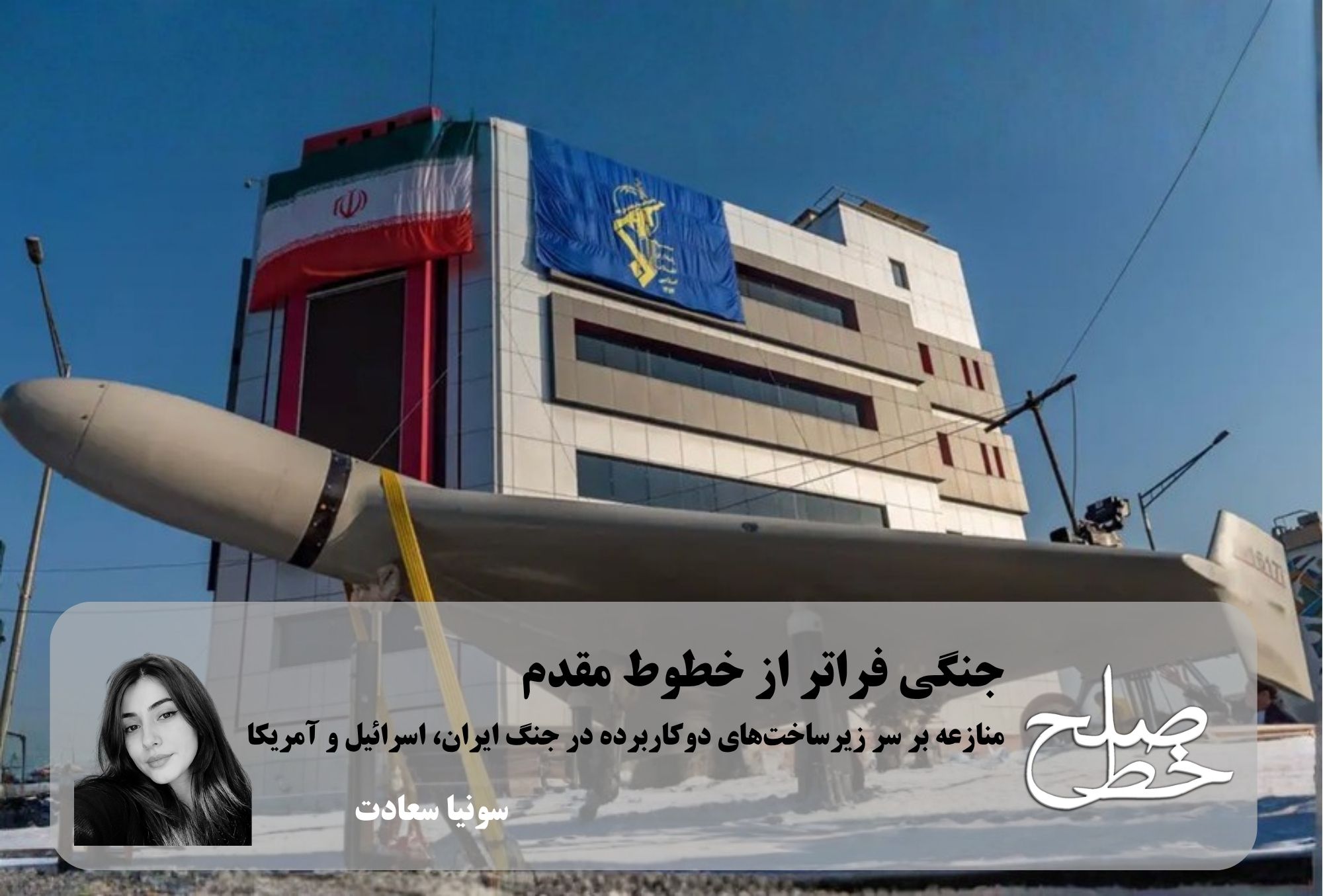
The Dispute over Dual-Use Infrastructure in the Iran, Israel, and U.S. War/ Sonia Saadat
The patterns of conflict and strategic transformations in the international system over recent decades have undergone a fundamental metamorphosis that challenges the traditional concept of war. Modern conflicts are no longer limited to direct and classical confrontation between armed forces on front lines. In the contemporary era, technological advancement and societies’ deep structural dependence on […]...
Read More Created By:
Sonia Saadat
Created By:
Sonia Saadat June 22, 2026
The City on the Battlefield: Human Shield or the Reality of Modern Societies?/ Hermineh Hourdad
In recent years, alongside the expansion of military conflicts in the Middle East, this question has repeatedly been raised: does the Islamic Republic of Iran deliberately use people as “human shields,” or is what we are witnessing the product of the complex structure of modern societies and the concentration of infrastructure in cities? This question […]...
Read MoreCreated By:
Hermineh Hourdad June 22, 2026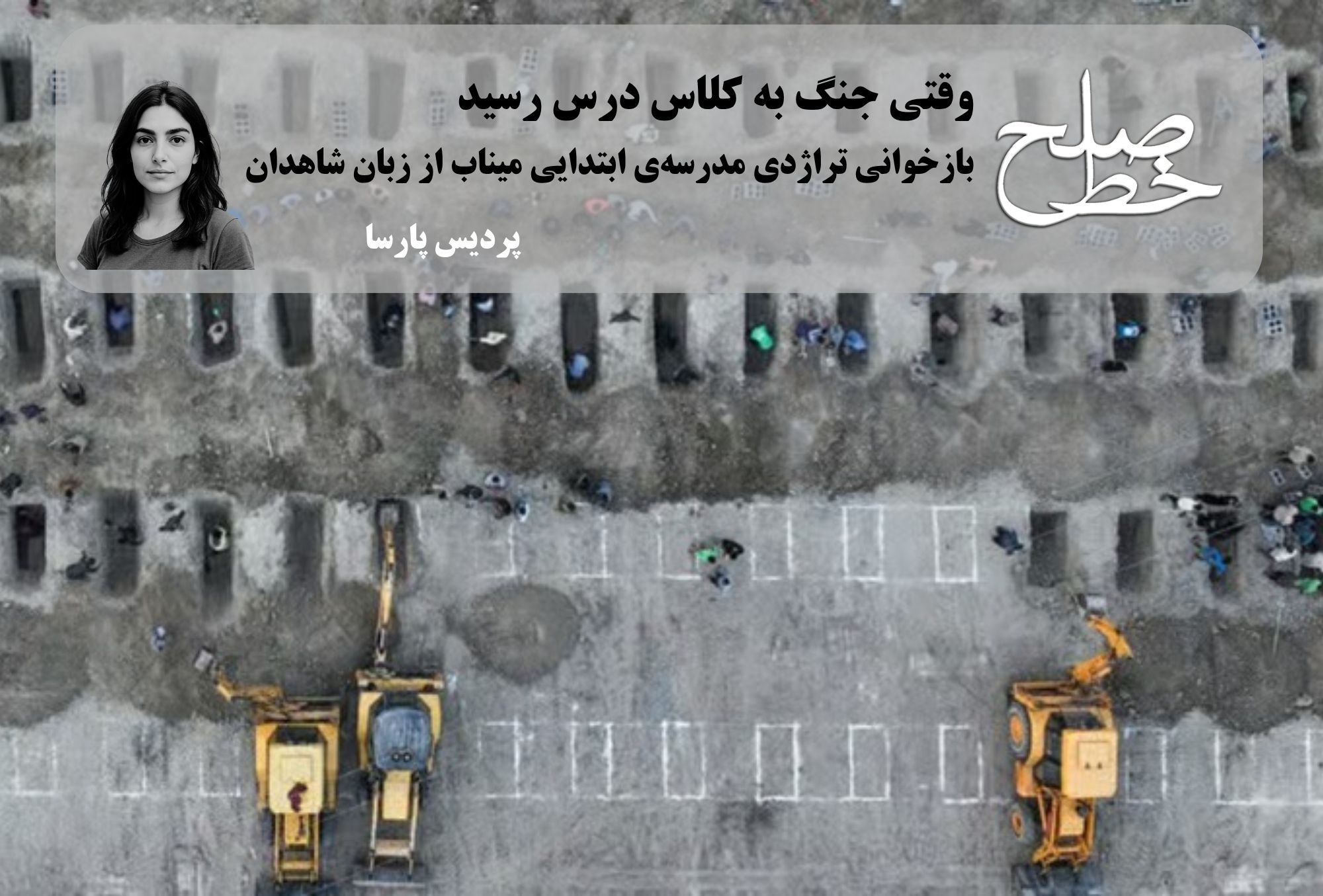
Reexamining the Tragedy of Minab Elementary School Through the Words of Witnesses/ Pardis Parsa
In the first hours of the military operation known as “Epic Wrath,” which began on February 28, 2026 (9 Esfand 1404), a series of air and missile strikes targeted various infrastructures across Iran. Meanwhile, Minab County in Hormozgan Province, due to its strategic proximity to logistical and military infrastructure, became one of the main centers […]...
Read MoreCreated By:
Pardis Parsa June 22, 2026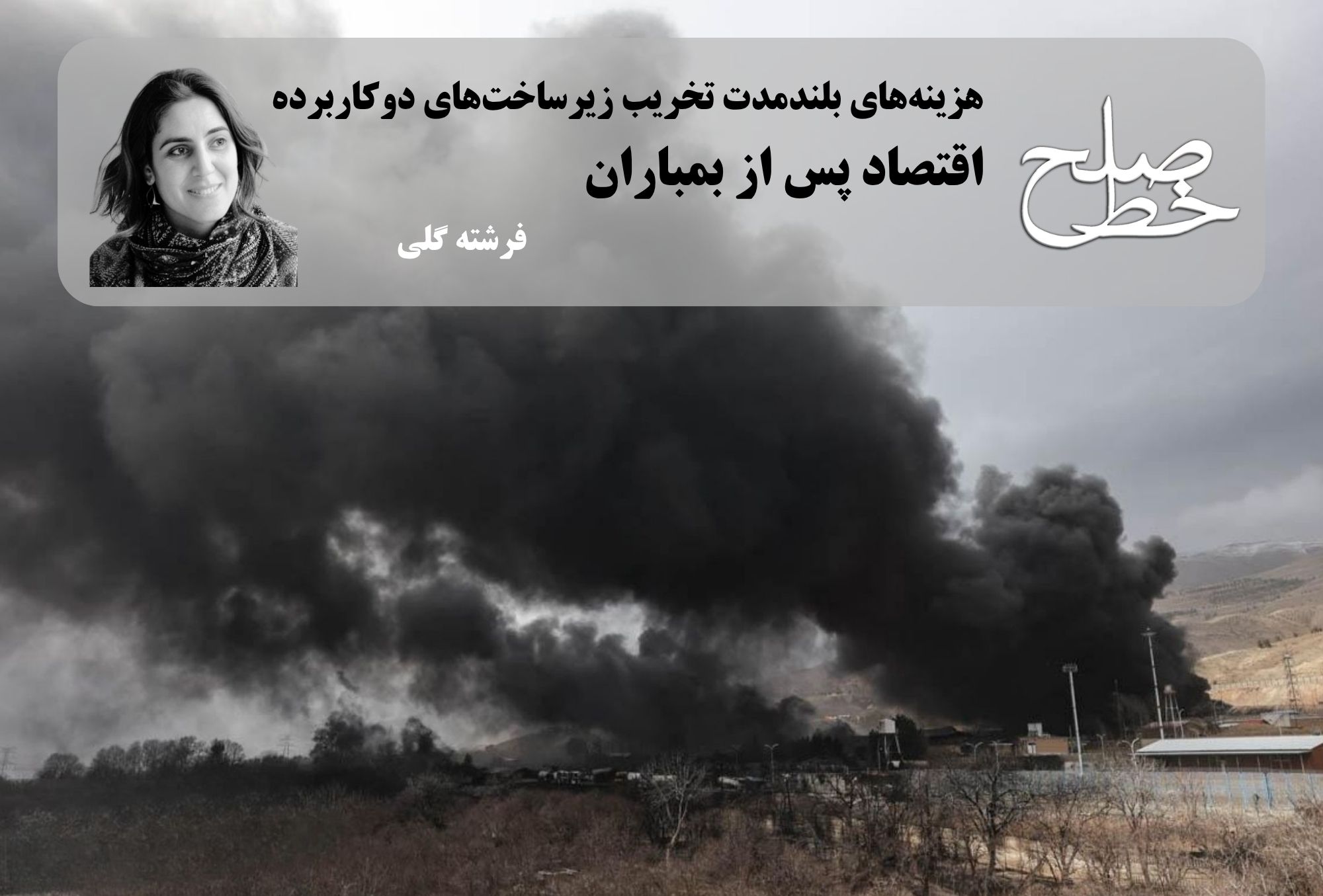
The long-term costs of destroying dual-use infrastructure/ Fereshteh Goli
Before addressing the main subject of this note, it is better to offer a definition of dual-use infrastructure. Although no clear and direct definition has been provided for “dual-use industries and infrastructure,” based on general concepts and the use of this term in texts related to security and economics, it can be said that dual-use […]...
Read MoreCreated By:
Fereshteh Goli June 22, 2026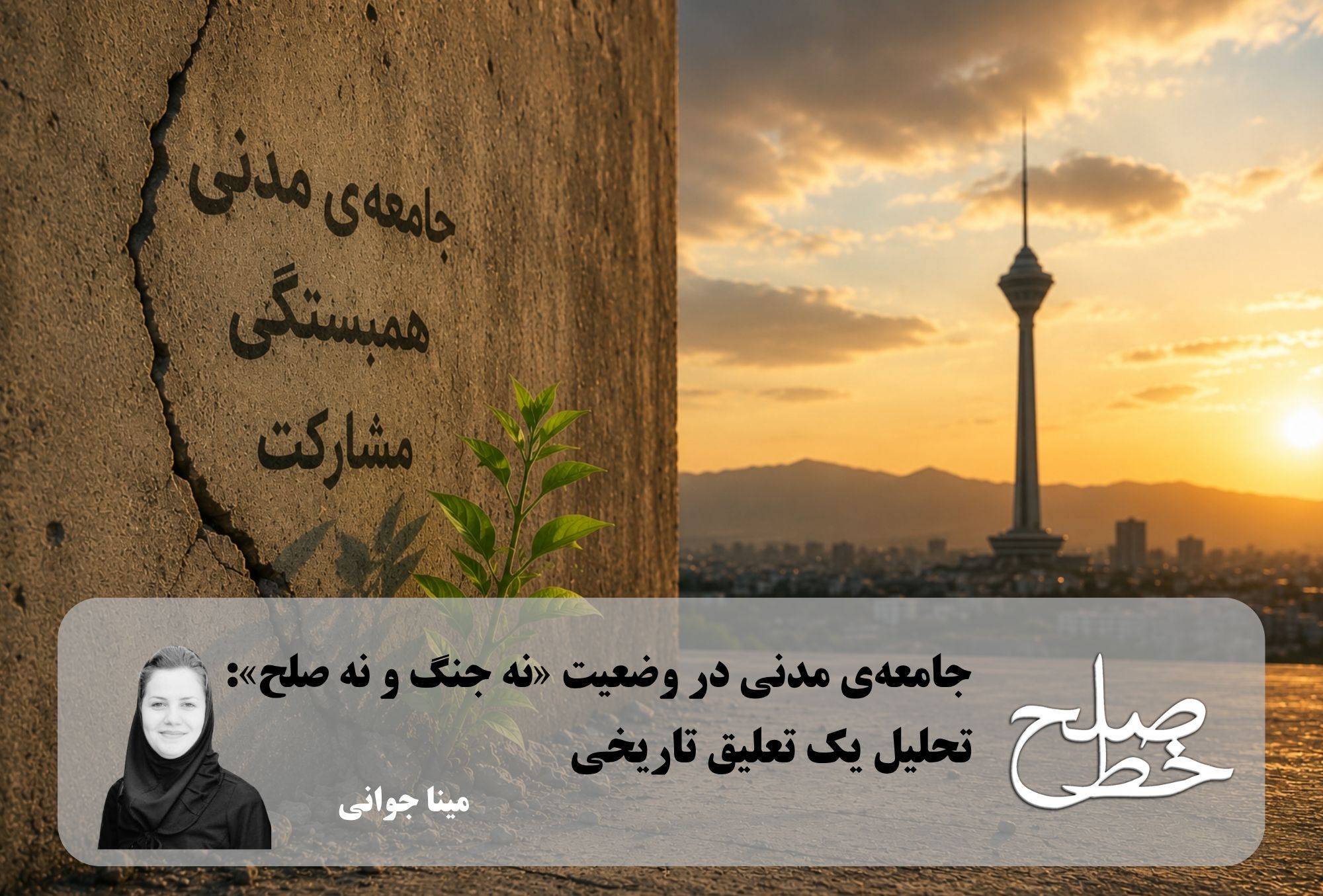
Civil Society in a State of “Neither War nor Peace”: An Analysis of a Historical Suspension/ Mina Javani
At important historical moments, what changes more than anything else is not only political and economic structures, but the way time itself is experienced. In such moments, societies no longer move along the ordinary continuum of past and future; rather, they become trapped in a kind of prolonged and suspended present. A major event has […]...
Read MoreCreated By:
Mina Javani June 22, 2026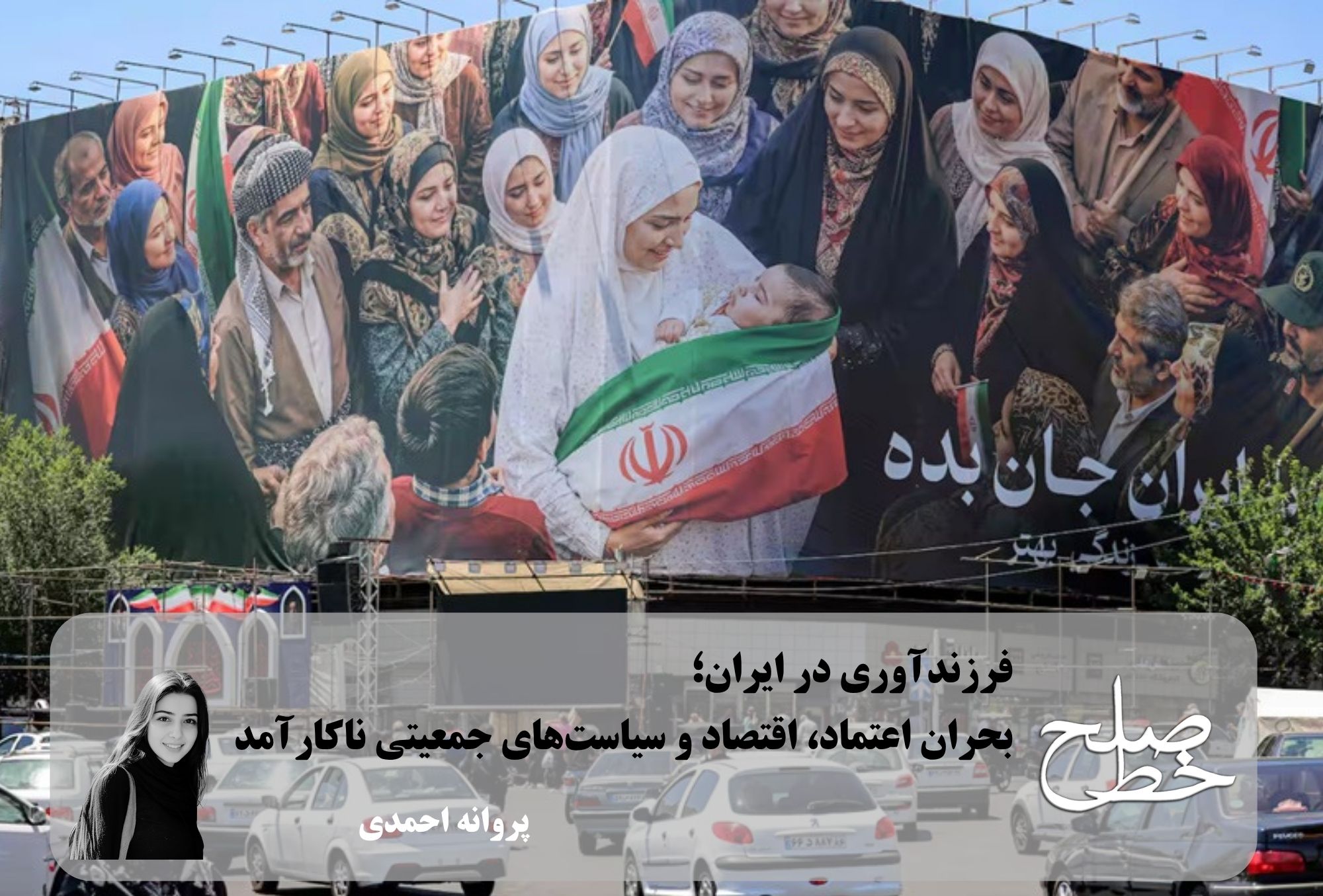
Childbearing in Iran: A Crisis of Trust, Economy, and Ineffective Population Policies/ Parvaneh Ahmadi
The decline in childbearing in Iran is no longer merely a statistical indicator or a demographic concern; it has become a sign of a deeper crisis in social trust, economic security, and the outlook for the future. In recent years, the government has repeatedly warned about the “aging of the population” and, through the adoption […]...
Read MoreCreated By:
Parvaneh Ahmadi June 22, 2026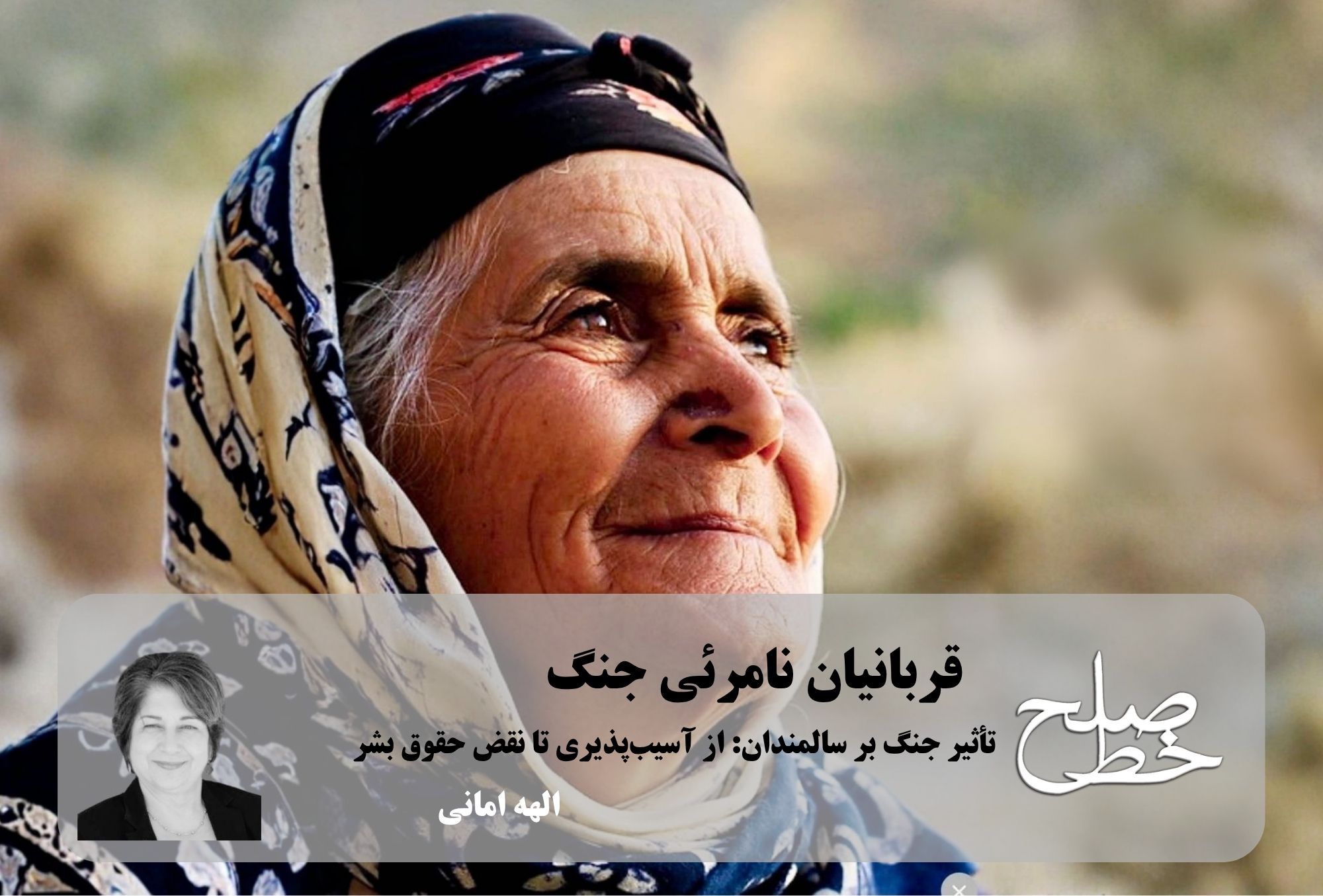
The Impact of War on the Elderly: From Vulnerability to Human Rights Violations/ Elahe Amani
Older persons in armed conflicts, much like children, face numerous and often overlooked forms of human rights violations; patterns in which age becomes a factor that intensifies vulnerability. Despite the extensive body of literature on the challenges faced by older persons, the 12-day war and its consequences, as well as the war that began on […]...
Read MoreCreated By:
Elahe Amani June 22, 2026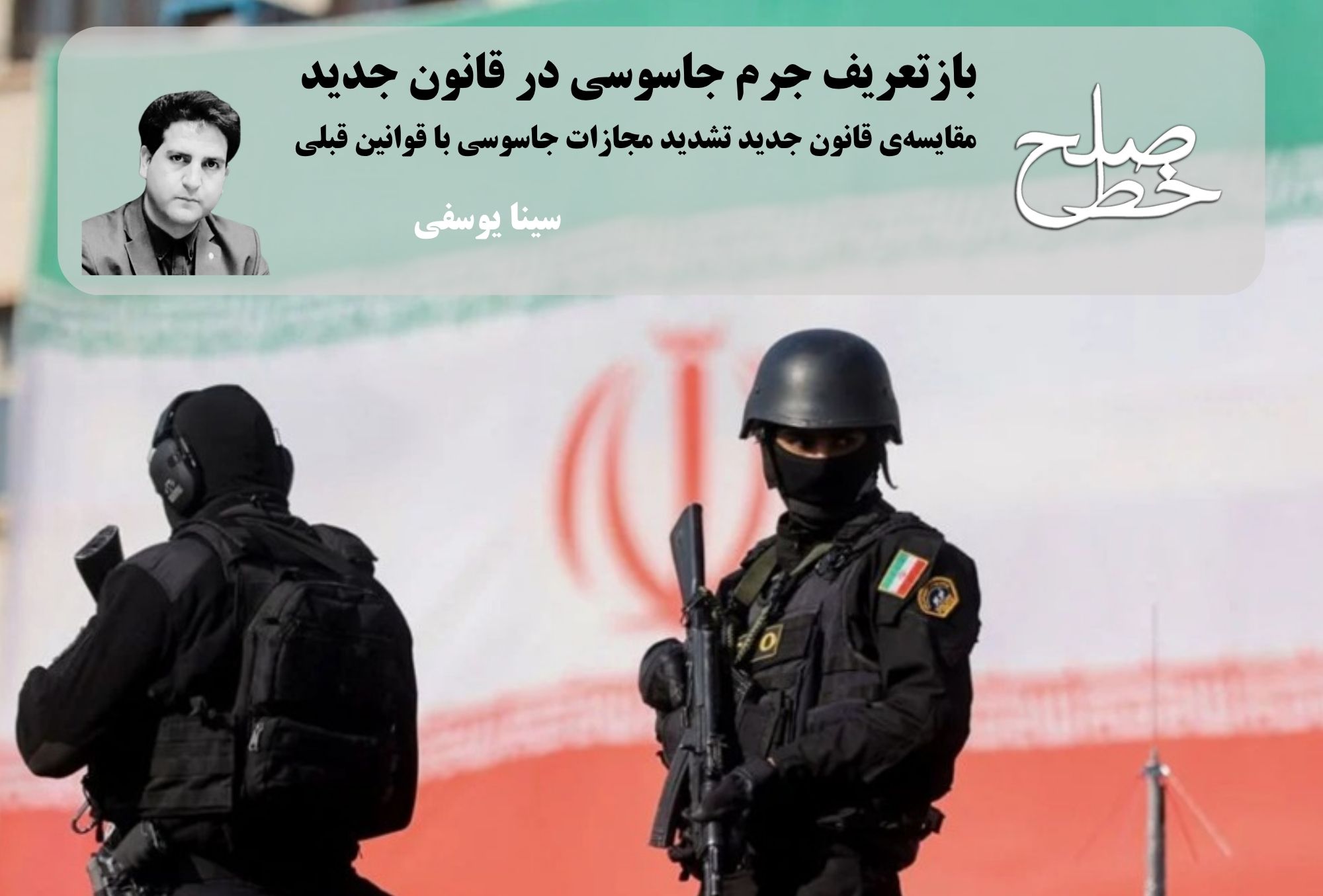
Comparing the New Law on Intensifying Punishment for Espionage with Previous Laws/ Sina Yousefi
In contemporary criminal law systems, the crime of espionage has always been classified among the most serious offenses against national security, because it concerns attacks on the fundamental interests of the state and the disclosure of information that may endanger the country’s political, military, or diplomatic security. However, the gravity of this crime has never […]...
Read MoreCreated By:
Sina Yousefi May 22, 2026
Examining the Ambiguity and Expansion of the Crime of Espionage in Iranian Criminal Law/ Mousa Barzin
After the 12-day war between Iran and Israel, the number of cases related to espionage and cooperation with hostile states increased significantly. The atmosphere in the country after the war became highly securitized, and the government tried to show that a significant part of the damage and blows suffered had resulted from intelligence infiltration and […]...
Read MoreCreated By:
Mousa Barzin May 22, 2026
Repression and Execution Under the Unforgivable Charge of Espionage/ Morteza Hamounian
Each time, the government finds a new pretext to take human lives; a government that, throughout its existence, has shown that it places no value on the lives of citizens. The latest example became clear during the war between the United States and Israel and Iran, when it was revealed that for years, massive budgets […]...
Read MoreCreated By:
Morteza Hamounian May 22, 2026
