Conversation with Darvish Dayik, the head of Iran Desk at Amnesty International/ Simin Roozgard

Last updated:

May 22, 2026

Conversation with Darvish Dayik, the head of Iran Desk at Amnesty International/ Simin Roozgard

Amnesty International and Human Rights Watch are two international non-governmental organizations that also operate in the field of Iran.

In this issue of the monthly magazine “Peace Line”, we have a conversation with Durrie Dyke, the Iran Desk Officer at Amnesty International and Faraz Sanei, a researcher on Iran affairs in the Middle East and North Africa section at Human Rights Watch, about the security of Iranian human rights defenders and the human rights situation in Iran.

In a detailed interview we had with Dari Dike, he stated that the understanding of authorities in Iran of international standards is limited and the fact that the government’s violent behavior and use of force have taken the place of dialogue within political and social frameworks is a sign that the government does not accept or recognize the expectations of the Iranian people. He also believes that human rights defenders are at risk because they challenge the ruling system with their questions.

Faraz Sanai also emphasizes that human rights defenders are at the forefront of the fight against injustice and discriminatory policies of governments. He says, “Despite the change in tone of the eleventh government compared to the previous one, the human rights situation in Iran has not fundamentally changed.”

Mr. Daik, who is essentially considered a human rights activist and what is the official definition of a human rights activist?

In brochure number 29 of the United Nations, there is talk about human rights defenders. One of the first things mentioned in the brochure about a human rights activist is that: “This is not a job.” A human rights activist can be anyone; a traveler, a lawyer, or a stay-at-home mother who spends most of her time at home with her children, anyone can be a human rights defender. In the framework of international understanding of human rights defenders, in my opinion, this is not a personal job. This work is not like that of a lawyer or someone who holds a specific position in a non-governmental organization. It can even be said that it does not require any special education, and even someone who is illiterate and defends the rights of others can be called a human rights activist. Similarly, a human rights activist can have any profession or be from any country…

Human rights activists, whom I have had the honor of knowing in the past, had a certain capacity and quality. They had a thirst for justice and a fundamental desire in their souls to establish justice. They believed in the idea of reflecting both justice and the fundamental desire for justice in their actions. Even if they were not very familiar with laws and standards, this goal of justice and desire held great importance for them.

Mr. Javad Larijani recently stated that the title of human rights defender is a fake title and we have nothing called human rights defender in the United Nations documents. What is your response to these statements?

Unfortunately, it seems that Mr. Larijani has limited familiarity and understanding of international standards. While he may have knowledge and understanding in Islamic jurisprudence, law, and principles, his statements regarding human rights defenders are indicative of his weakness in comprehending international concepts.

The High Commissioner for Refugees has published a brochure on human rights, a small booklet called Brochure No. 29, which provides sufficient information about human rights defenders and the criteria related to them.

We and our friends who are active in the field of human rights, and our friends who are active in Iran about human rights, have read this brochure. Most of them have sufficient knowledge about the concept, ideas, and principles of human rights.

I was researching about Mr. Larijani for a while. Two years ago, I personally tried to have a conversation with him in Geneva with one of my colleagues, but unfortunately I have to say that the people who were part of the Iranian delegation prevented us from getting close to him and having a conversation. They knew that we work for Amnesty International and they knew that our intention was to ask him a few questions in the form of an interview, but they used pressure and force to keep us away from him. My point in sharing this story is to show that unfortunately the use of force and such behaviors have taken the place of dialogue in Iran. This is a clear indication that the government does not accept or recognize the expectations of the Iranian people and does not even pretend to respect them or adhere to human rights. Unfortunately, Mr. Larijani and his colleagues are not aware of the expectations of the people and international human rights standards.

Do you have an accurate statistic of the number of human rights activists imprisoned in Iran, considering your presence in the International Amnesty Organization?

Good; there is no accurate statistics available, although there are estimated statistics.

Years ago, we decided to conduct accurate statistics, work, and research, but only estimates and guesses can be obtained and our information from cities like Isfahan, Bojnourd, Mashhad, Qazvin, and remote areas is very limited, so we cannot have accurate statistics; However, we do have statistics and the importance of human rights work in Iran is more related to symbolic cases. By symbolic cases, I mean cases like the case of Ms. Sotoudeh or Mehdi Khodaei, who are, of course, individuals, and other human rights activists who are or have been imprisoned. In any case, although our statistics may be small in number, the symbolic importance of these cases is mental and ethical.

Let me give you an example: For instance, if we want to compare, in America, the death penalty is carried out in various forms and the number of execution cases in this country is relatively high. Amnesty International is completely and 100% against the death penalty and we are all trying to oppose it, but we only address some of these cases symbolically and use the reality of these cases and examples to show the reality of the death penalty to the people of the world. For example, as human rights defenders, we symbolically reflect the case of someone who is being executed using an injection.

Iran is also in this situation; just like the case of Mrs. Stouda, where we are dealing with a very strong and emotional person and we are working actively. Perhaps the number of cases of students and lawyers who are trying to improve the level of laws and the quality of justice management in Iran, and we have access to it, may be small but they are very important. People like Mohammad Ali Dadkhah, Mohammad Seifzadeh, Shirin Ebadi, Mohammad Mostafaei, who are of course some of them are outside of Iran and some are under pressure and condemned. Of course, there are also young people whom I prefer not to mention….

The summary of these statistics is that they are not accurate. Even in the case of executions carried out, we can only approximate the minimum number of executions in Iran, but we emphasize that the actual number of executions is likely higher than these figures.

Please note that when we say we do not have accurate statistics of prisoners in Iran, it is not because the issue is unimportant. Any prisoner who has been imprisoned for their peaceful beliefs and behavior has been imprisoned against human rights standards and international norms, and it is important to us. The reason we do not hold campaigns for all of them is not because they are unimportant, but because due to limitations and limited resources, we are often unable to hold campaigns for all prisoners and instead choose symbolic cases to work on.

Why are human rights defenders at risk? Why should their demands be considered a threat to them?

In all parts of the world, human rights defenders are those who challenge the ruling system and raise important questions about the order of their country. If you have seen the movie “In the Name of the Father”, it tells the story of the arrest of a group of four in England, one of whom is a father and the other is his son. There was a lawyer who was in contact with political activists, and they organized a campaign to show the realities of the lives of the individuals in this case and the way the trial and human rights violations were carried out in English courts, and they made great efforts. They were anti-police and against the ruling system of England.

Regarding Iran, it is the same. Some students, lawyers, and union activists, such as those who are active in single-company unions (those who are active in unions, human rights activists), question the Iranian judicial system and the management of the ruling authorities; for example, they ask about the arrest of members of human rights defender groups, the basis for the arrest of a certain person, the lack of access to a lawyer and their family, and so on. These are important and fundamental questions that are raised about the management of the Iranian judicial system, and unfortunately, some governments, such as the Iranian government, do not want to answer these questions. Of course, these questions are left unanswered in the political dimension.

Human rights defenders have recognized their role in raising these questions according to international standards, and we must try to support them. Every government should also protect and support these activists.

Do governments have obligations towards ensuring the security of human rights defenders based on laws or international treaties?

My own experience is limited. I have a brief experience of Afghanistan, Iran, the Emirates, and Kuwait; I must say that these commitments exist, but unfortunately these countries do not act on them.

Of course, there are exceptions, but generally we must know that in Iran, familiarity with a human rights defender by the official authorities of the country is limited; they do not know, or better to say, they do not intend to have a better understanding of this issue. Therefore, their behavior towards human rights defenders in the country is bad.

In my country [Canada], some human rights activists choose a method that is in line with the four pillars of our country’s fundamental rights and expose human rights violations by the Canadian government, which goes against the fundamental rights of the people of our country; whether in British Columbia, Ontario, Quebec or other provinces, they raise difficult questions that hold the Canadian government accountable. Well, the same should be done in Iran. We must know that the Iranian judicial system has major and numerous flaws and this requires a great effort.

Nasrin Sotoudeh and other individuals who are trying to expose the violation of the execution order, or those who have raised many questions in recent years, including student activists and political activists after the 2009 elections, have been recognized by the Iranian judicial system as a threat and danger. However, they must know that these individuals are not a threat, and human rights activists are simply raising questions about the management of justice. In general, when a human rights defender raises criticism, they are thinking systematically and challenging a system, which is the only way to shed light on the ambiguities and weaknesses of a system. This is an important lesson for the officials of the Iranian government.

As you know, the government of Iran is a member of the United Nations Human Rights Council. However, it always views human rights and Iranian human rights activists as dependent on the Western world and deals with them from a security perspective. In your opinion, is this membership in the council and acceptance of its conventions and resolutions on one hand, and dealing with human rights activists on the other hand, not a contradiction? How does this contradiction manifest in the behavior of the Iranian government?

We, the people of the world, as human beings, have accepted an idea and representatives of every nation and people have also accepted it in the international system, which is a collective effort. We have accepted to participate in a common process (the United Nations) with any type of government, morality, religion, or race.

In the United Nations, we have both good and bad representatives. Representatives of dictator governments, countries with kings and queens, and democratic countries that abide by the law, all have become members of the United Nations. Some of the governments that are also members of the Human Rights Council have bad intentions. Some have a rule of law and some do not. In any case, we must be aware of this reality and maintain our peace in the face of them.

Of course, organizations like Amnesty International have the most important task of preparing reports, and from these reports, one can infer whether the system governing the countries from which these reports are prepared is a dictatorship or a democracy. Of course, the type of system, whether communist or liberal, does not matter because our work is not political, but rather we monitor and report on the country’s compliance with human rights laws and standards, and emphasize it.

Iran has the right to be a member of the United Nations and the Human Rights Council, just like any other country. However, simply being a member of these organizations does not necessarily mean that the country respects human rights standards, and this is a misconception. Therefore, the common goal within the United Nations is to improve international standards, and efforts should be made to understand and accept these standards from a moral, social, and political perspective. By recognizing the importance of these common points between a dictatorship, democracy, communism, and so on, we can create a better world because it leads to a shared understanding. For example, every person who is arrested by a government should have the right to access a lawyer. This is an international standard that has become a common practice worldwide, but does Iran adhere to it? No, in Iran, individuals are often imprisoned for months without access to a lawyer or their families, and are often subjected to torture in order to force them to make televised confessions. What

Our mission as human rights defenders, who play a crucial role in these matters, is not only to work on cases in Iran, but also to collaborate with different governments to find better standards.

Do you have any recommendations or solutions for improving the security of human rights activists in Iran?

Unfortunately, I doubt that there is a simple answer to your question. On the other hand, it can be said that human rights defenders must rely on each other in most cases and be more dependent on each other. They must follow each other.

In any case, in a system where, for example, the Revolutionary Guards have such a high role, it is difficult to imagine finding a solution. For example, when Jesus was arrested and taken to prison through phone tracking, if the human rights defenders in Iran had proper education and experience in protecting individual rights and security during their activities, they could have played a more professional and less risky role; of course, I only hope that by achieving such abilities, security can be improved.

On the other hand, sooner or later, a government will come into power that will accept criticism well. It will understand the criticism of human rights defenders, which is within the framework of political and social dialogue, and will protect and support these individuals. However, this remains a dream and is not a realistic option in such times…

And finally, international solidarity with human rights defenders inside Iran is of fundamental importance. Solidarity with the children of Hirana, with the children of Amnesty International and human rights watchdogs is all very important. It is in this solidarity that we, who work in the field of human rights, can gather and publish information about threats, dangers and even research in the field of human rights. This can be a guarantee and support for the protection and security of human rights activists. Of course, this is only possible if the Iranian government intends to respect the rule of law, which is not very practical at the moment.

Mr. Dyke, on the 11th of December 2009, amidst street protests, the information of the Revolutionary Guards of the Islamic Revolution organized attacks against human rights defenders and in their extensive media campaigns, they accused them of being affiliated with Western security organizations or certain political groups. Recently, the head of the Islamic Human Rights Commission, Mr. Javad Larijani, emphasized that Iranian human rights defenders are tainted with terrorist activities. In your opinion, where does this perspective stem from and what dangers does it pose to Iranian human rights defenders? What solutions are there to confront these types of threats and accusations?

See, the rule of law is weak in Iran. However, it must be said that compared to the situation in Afghanistan, Iran has much better conditions. The domestic laws in Iran have many flaws. In the book of Islamic Penal Code, in the chapter that discusses national security crimes, many ambiguous issues have been addressed. We should ask Mr. Larijani, what does taking action against national security mean? Or what does propaganda against the system and disturbing public minds mean?

With these ambiguous laws, even our conversations and the questions you ask may be considered a threat to national security! Because in any case, the structure and even the independence of the judicial system in Iran has been challenged by your questions. So they can easily put any name on larger activities.

We must try to neutralize the weaknesses of laws and the crisis of human rights defenders, both from within and outside of Iran, by working together and supporting them in various ways. We must strive to find new solutions in this regard. We should convince members of parliament, representatives of major foundations, or even the Revolutionary Guards, and make them understand that ensuring the health, unity, and peace of a society will ultimately benefit the country. If the immunity of the Revolutionary Guards and official authorities is reduced, this may be achieved.

As a final question, what message do you have for Iranian human rights activists who are either in prison or working in dangerous conditions?

This is a very difficult question and I don’t know what to say!

Sometimes, a person wants to laugh! As far as I know, you also want to laugh soon! Everyone has a perspective, and this is a kind of perspective that when faced with a difficult reality, you laugh! This laughter shows that your perspective and outlook are positive and optimistic. I want to say that all the human rights defenders I have met so far, all of them laugh a lot and have a positive and good outlook on the future of the world and their desires for the well-being and improvement of the world’s health and behavior in the future. This is very important and my message to human rights defender friends, whether in prison or outside of prison, is to please maintain and support your positive outlook and think about the positive results that will come in the future; not just the long-term future, but also the near future, think about the future of your country and the world. This positive outlook towards the world is very important.

In Iran, there are many examples in this regard. For example, Emad al-Din Baqi, who for a long time has been working on issues such as the death penalty and children’s rights, has been under pressure for years. However, his behavior has been very positive, which shows how hopeful he is. As I mentioned, there is generally hope in the existence of human rights defenders, which shines like a light from within their personalities. The enemies of human rights activists want to extinguish this light, and this is their main goal.

For example, a Basiji took up arms a few years ago and killed Neda Agha-Soltan. What does this symbol mean!? They want to extinguish the light of hope in the hearts of the Iranian people, and this is their fundamental desire. We know that the light of hope has emerged in the hearts of the Iranian people, so we must strive against this neutralization.

In my opinion, human rights defenders should find a common and clear strategy. We should try to act simultaneously to achieve these goals sooner. Having access to a lawyer during arrest can be one of the objectives… We should create opportunities to communicate with each other in order to develop this strategy.

Thank you for the opportunity you have given us.

No text was provided. Please provide the Farsi text to be translated.حمایت از قربانیان 11 اسفند- عکس از خط صلح- سیاوش بهمن

Support for the victims of 11 Esfand – Photo of the peace line – Siavash Bahman.حمایت از قربانیان 11 اسفند- عکس از خط صلح- سیاوش بهمن
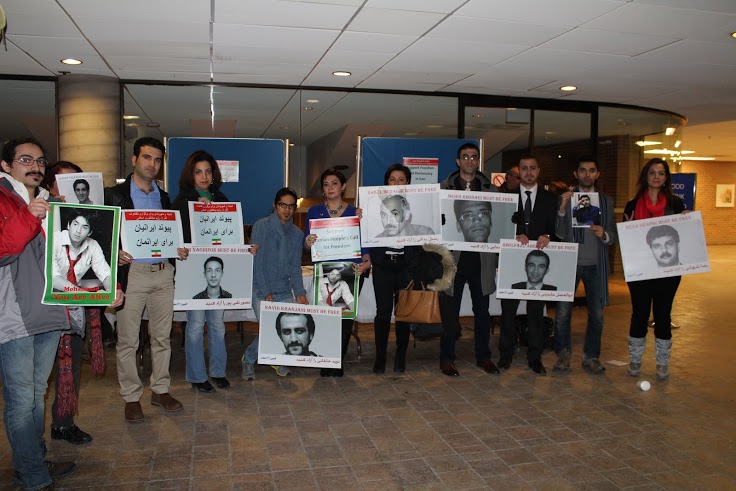
Support for the victims of 11 Esfand – Photo of the peace line – Siavash Bahman

Akbar Aalami: Personal interpretations of the law violate individuals’ privacy / Simin Rouzgar

We sat down with Akbar Aalamy, a lawyer and certified legal expert in the field of “privacy” and its place in various cultures and laws, especially in Iran. Mr. Aalamy, who was also a former representative of the National Security and Foreign Policy Commission in the sixth and seventh terms of the Islamic Consultative Assembly in Iran, believes that the extremist faction known as the Principlists do not have a tendency to pass human rights bills and laws until they and their supporters are faced with issues such as invasion of their own privacy.

Mr. Aalam, society mostly refers to you as an individual who pays special attention to the concepts and indicators of citizenship rights, both in words and actions, especially during your time as a member of parliament. In the first question, allow me to ask you to explain the concept of privacy, which you also advocate for, to our readers.

Every living being in this world has boundaries called privacy, which separates their territory from others. The privacy of a plant is the area where its roots, stems, and leaves grow and continue its life, and if this privacy is violated, its life may be in danger. The exclusive territory of an animal is where it is born, raised, hunts, and reproduces, and if it can, it will defend this territory from others with all its might.

Human, as the most noble creature and the one known as the representative of God on earth, possesses a special realm due to its physical and spiritual qualities, needs, and desires. This entitles them to prohibit others from any interference or invasion without permission and to claim exclusive use and ownership of it.

Based on this, it can be said that privacy is the inviolable boundaries and sanctity of an individual’s personal life, which is the right of only one person to benefit from it, and entry into it is only allowed with the person’s permission and obtaining a visa. Otherwise, it is considered a violation of a person’s private territory.

In your opinion, what is the function of this inviolable privacy and security in individuals’ lives in society? Why is preserving this privacy emphasized?

The most important aspect that distinguishes humans from other living beings is their precious essence known as “human dignity and status”, which has been entrusted to them by the Creator. The foundation and basis of this dignity and nobility, and its preservation, is closely tied to the fulfillment of a set of rights and responsibilities. If these are violated or threatened, the person’s honor, humanity, and dignity are at risk and will be compromised. Respecting the privacy of individuals is one of the most important of these responsibilities.

Therefore, protecting the privacy of each citizen in any country is a vital matter and leads to the preservation of the family and society, security, self-esteem, self-confidence, and ultimately the vitality and sustainability of a society. On the contrary, in societies where citizens do not feel secure in this regard and their human dignity is violated, that society will sooner or later face insecurity, chaos, and collapse.

What is the definition of privacy and how does it work? How does an individual understand its meaning and boundaries? Is there a universal definition of privacy in the world or is it a variable domain with changing dimensions?

Culture and religion, beliefs and power structures are among the most important components in defining the privacy boundaries of individuals and their contexts. In fact, it can be said that each of these components influences the nature and limits of personal privacy in a society by affecting its laws.

Therefore, the definition, scope, and examples of privacy in different societies are not necessarily similar to each other, as mentioned, they can vary depending on culture, religion, customs, power structure, level of development and growth, and specific conditions and considerations of each society. However, in many cases, these boundaries are shared and originate from the nature and instinct of humans, not the components mentioned.

Akbar-Alami2

According to your perspective, which considers privacy as derived from natural and inherent rights, but also influenced by various cultural and religious factors as well as power structures in defining its limitations in different societies, where does respect for this privacy stand in the laws of different countries today?

Respect for people’s privacy is a fundamental human right and a basic human right. Although most countries in the world do not have a comprehensive law to protect privacy, the importance of protecting individuals’ privacy is emphasized in various principles of the constitution and in the heart of other domestic laws in most countries. Each of them has provided provisions and mechanisms in their legal and criminal laws to protect the privacy of citizens in accordance with the mentioned components. However, the content and nature, intensity and weakness, and limitations of each of them depend on the system and power structure, culture, religion, and level of development of that society.

In addition to these countries that adhere to international conventions and laws regarding privacy, such as the Universal Declaration of Human Rights, they are obliged to comply with such laws in their constitutions and ordinary laws.

It seems that the governments and people of developed countries place more importance on the privacy of citizens compared to other countries, and therefore have stricter rules in their laws for protecting privacy and punishing violators.

Although evidence suggests that in the past decade, in developed countries as well, the privacy of citizens has been compromised in many cases and violated by governments under the pretext of security measures.

How is it in our country? To what extent do lawmakers recognize the privacy rights and its expansion for Iranian citizens?

In the Constitution and other relevant laws of the Islamic Republic of Iran, special attention has been paid to the privacy of citizens in various dimensions, both material and spiritual.

In fact, the Constitution is inspired by the Quran, Islamic law, and the Constitutionalism without directly mentioning the term “privacy”. In articles 12, 22, 23, 24, 25, 28, 32, 33, 38, 39, and 46, in the five areas of belief, physical, spatial, informational, communicational, and personal, it emphasizes the importance of respecting the privacy of citizens and considers its violation a crime.

In various ordinary laws, the privacy of citizens has been considered in different dimensions and areas such as medical, economic, tax, cultural, social, and political, which include provisions from civil law, criminal and legal procedure law, Islamic penal law, law on publication and free access to information, law on respecting legitimate freedoms and preserving citizens’ rights, and law on cyber crimes.

However, in addition to the exceptions mentioned in the laws, according to the jurisprudential principle of “no harm and no infliction of harm”, and in accordance with Article 40 of the Constitution of the Islamic Republic of Iran, no one is allowed to use their rights as a means of causing harm to others or violating public interests.

Therefore, in all cases mentioned, privacy is respected to the extent that it does not interfere with the rights of others or public interests. Otherwise, with the authorization and determination of competent judicial authorities, violation of privacy and interventions in it are possible.

Unfortunately, the existence of these restrictions and conditions in our country’s laws sometimes allows certain authorities to violate individuals’ privacy by using their own interpretations and preferences.

In your opinion, does this cliché view that governments violate the privacy of citizens cause us to forget about other violators? Can citizens themselves not violate their own privacy? What is the fundamental difference between the violation of this privacy by these two groups?

Both can violate privacy, but their nature, dimensions, amount, and impact may differ from each other, or in some cases, violating privacy may be inherent despite the availability of facilities that citizens do not have. For example, eavesdropping is more common in government agencies than in citizens, and in case of privacy violation by citizens, the possibility of prevention, pursuit, and punishment is greater than violating governments.

Mr. Eslami, as you know, in the seventh parliament, a bill titled “Protection of Individuals’ Privacy” was presented by Mohammad Khatami, the former president, in the last days of his government’s activity.

The type and quality of support for privacy protection was unprecedented. However, this bill was rejected in parliament. Please provide a brief explanation of the story behind this bill and its implications for readers of the peace line.

Yes, one of the articles (133) of the Fourth Five-Year Development Plan had obligated the judiciary to prepare a draft for the protection and promotion of citizens’ rights and the protection of individuals’ privacy and submit it for approval to the relevant authorities.

Therefore, in order to protect privacy, the last bill of Mr. Khatami’s government was presented to the parliament on the last day and at the same time as his farewell ceremony in the Islamic Consultative Assembly, in accordance with the implementation of the development plan.

In this bill, which was drafted based on articles 22 and 25 of the Constitution and in order to respect the dignity and independence of individuals, five personal privacy boundaries were established: physical privacy, information privacy, privacy of places and homes, privacy in the workplace, privacy of communications, and the responsibilities resulting from their violation. Furthermore, separate punishments were provided for violators of each of these privacy boundaries.

Unfortunately, this bill was rejected in the seventh session of the Parliament’s Industries Commission and the Ahmadinejad government demanded its return in April 2006.

Four months after the return of this bill, in July 2006, a group of minority representatives presented a proposal to protect privacy, which unfortunately did not yield any results. Finally, in October 2006, the general principles of the “Publication and Free Access to Information” bill were approved by the parliament, which in fact only addresses one aspect of the five dimensions of the returned bill.

530295_10201685466680762_649942364_n

What was the reason for the rejection of this bill in the seventh parliament? Were legal issues raised or were political differences a barrier to the approval of this bill?

As I mentioned, this bill was rejected by the Industries Committee of the Parliament and was returned by the government. However, the extremist faction known as the Fundamentalists essentially have no interest in approving human rights bills and laws until they themselves face problems such as invasion of their own privacy. They do not see the existence of such laws as beneficial or necessary for the people and the country, and they may even believe that by approving such laws, the people may become more rebellious and put the interests of Islam and the system at risk. However, I believe that many human rights laws are in line with religious orders and have no conflict with them.

Now that we are talking about the activities of the Islamic Consultative Assembly, considering your background and expertise, can you briefly refer to the laws passed in the Islamic Republic of Iran that protect and emphasize the privacy and citizenship rights?

Similar laws have been approved in various cases in all assemblies, including legal provisions for protecting individuals’ privacy within the Islamic Penal Code, the Criminal Procedure Code, and the Cyber Crimes Code, as well as the Law on Respect for Legitimate Freedoms and Protection of Citizens’ Rights, passed by the Sixth Assembly, and the Law on Publication and Free Access to Information, passed by the Seventh Assembly. It can be said without exaggeration that the majority of laws passed in relation to human rights have been during the Sixth Assembly, and assemblies with a majority of representatives from the so-called conservative or fundamentalist parties have shown the most opposition to such laws. However, the non-approval or rejection of such laws is more of a matter for the Guardian Council than the Assembly itself.

Has the parliament taken any action to address the violation of people’s privacy, especially in regards to their privacy being violated in cyberspace, by providing reports or collecting complaints in relevant committees? Does such a mechanism exist in the parliament?

The virtual space is filled with such protests and complaints, including the hacking of various individuals’ emails. Certainly, representatives who are involved with the internet have personally experienced this problem and do not need to obtain specific reports from others.

And then people usually complain to an authority to ensure that their complaints and protests are addressed. When the parliament does not spend time addressing such complaints, it is unlikely that people will waste their time bringing such protests to the parliament.

As the final question, what is your opinion about the Hi Police of the production and exchange of information, or the “FATA Police” that we are currently witnessing a lot of criticism about its activities and are accused of violating citizens’ privacy in the cyber space? To what extent do you agree with these criticisms and where do you see the problem?

To prevent cyber crimes and combat them, cyber police operate in many countries. Therefore, the establishment of a judicial regulation for dealing with cyber crimes is essential.

However, leaving the determination of such crimes to the discretion of the police and security forces and regulating the virtual space, especially against those who engage in peaceful political activities and publish their constructive criticisms in the virtual space, is by no means permissible. In order to prevent arbitrary actions by the police in the production and exchange of information, firstly, the origin of its creation must be legal and approved by the parliament, and its scope of action must also be in accordance with general principles as stated in the Constitution and frameworks determined by the law.

Undoubtedly, when the cyber police act solely on the orders of the commander of the law enforcement forces, it is clear that their arbitrary actions restrict the space for legitimate online activities, violate the law, infringe upon the legitimate and legal freedoms, and invade individuals’ privacy. It sometimes happens that the independence of the branches of government is completely violated and the judicial authorities take it upon themselves to issue judgments and punishments.

Farzads do not die; in memory of the fourth anniversary of Farzad Kamangar’s execution/ Hamid Rahmani.

Every year around the nineteenth of Ordibehesht, I review all the news and memories that formed in my mind from the year eighty-five and the arrest of a Kurdish teacher…

Every day that passed, I waited to see what our society’s judicial system would do with a teacher more than the day before.

Days passed and the news only spoke of individual cells, torture, and execution orders, while on the other hand, there was support from both the people and the international community for a imprisoned teacher. I carefully followed all of these events and understood the students’ longing for their teacher’s return, and I felt the teacher’s longing for the school environment and her students with all my heart through Farzad’s letters.

“When I read that ‘I wake up with you beside these tall walls, I laugh with you and sleep with you,’ I was waiting for someone to pay the price for this much love for a teacher and return a loving teacher to the embrace of their school; but unfortunately, this eagerness for teaching was crushed every day and moved from one prison to another, from one chain to another, from one cell to another, and I could never believe that one day our country would see such longing for school hanging in the morning air…”

I have never received an answer about this and I have been wondering who will answer the longings of Media…?

But I only know that this sound always echoes from all the schools: “Frazadis never die.”

Frazad means scream!

The cry of an impatient teacher.

Restless from the suffering of deprived children

Deprived of the most basic right of being a girl or a boy.

Being in a world full of distance, separation, and discrimination…

Frazad means scream!

Cry of deprivation

Deprivation of a world called school.

A school full of young students sitting and watching.

Watching the fall of green leaves and the strange death of desires…

Frazad means scream!

The endless cry of a heart.

The fluttering heart of the love bird in the sky.

ت

The sky is dark and covered with black clouds of darkness.

The injustice and tyranny that have filled the village with misery…

Frazad means scream!

The rapid cry of a waterfall

“Crystal clear and full of honesty”

Friendship and transparency of rain from the river.

A river full of empty spaces for little black fish…

Family planning policies in Iran and their compatibility with human rights laws / Hope for health.

The structure of the healthcare system of each country requires the design of documented frameworks in the field of issues and problems that may affect the overall health outcomes of society; these policies can certainly be influenced by economic conditions, necessary infrastructure, and similar factors.

Usually, the goal of a country’s healthcare system is to design strategies for providing health services that can bring a healthier community for the future of the country as much as possible, increase the life expectancy of the society, and reduce the consequences such as infant mortality, children under five years old, pregnant mothers, and the spread of diseases.

In this regard, it is necessary for health system experts of each country to develop programs in the field of environmental health, prevention of communicable and non-communicable diseases, mental health, maternal and child care, and family planning, and based on indicators, monitor the progress of these programs for comprehensive monitoring of community health.

Although all aspects of health are extremely important and vital in the health sector, and no priority can be given to any of these activities over others, in fact these factors are intertwined in some way. However, the rate or percentage of population growth, along with the fertility rate, can affect other systems and policies of the country (although this is true for many other cases as well) and requires necessary predictions for the necessary infrastructure for the future population of the country, such as education, employment, clean water, housing, etc. It can be said that if a country changes its population policies but does not adjust its development infrastructure accordingly, whether intentionally or unintentionally, it will lead to serious problems in the future and this highlights the role of governments in regulating these policies accordingly.

Population growth in Iran.

In recent years, according to the statistics of the United Nations, the population growth rate in the world is approximately 1.17%, and according to the World Bank, it is around 1.16%. This is while the population growth rate in Iran, according to the United Nations, is 1.35% and according to the World Bank, it is 1.31%. According to the United Nations, Iran ranks 96th and according to the World Bank, it ranks 104th in terms of population growth rate among 230 and 210 countries respectively.

According to the latest report from the World Health Organization, in 2013, the population of Iran was over 77 million and 447 thousand people, with a fertility rate of 1.9% and 6.7% of the gross national income being spent on healthcare.

Looking at the history of population growth in Iran, we can see that the growth rate was 3.1% in 1966 AD, 2.7% in 1976 AD, and after the February 1979 revolution, it reached a sudden growth rate of 3.9% in 1986 AD. Due to the lack of necessary infrastructure, this sudden growth caused problems such as schools with multiple shifts. As a result, the policies for controlling population (or perhaps poverty of the people, or both factors) were readjusted and implemented, leading to a decrease in the growth rate to 2% in 1996 AD and 1.6% in 2006 AD.

The purpose of this writing is to examine human rights issues at both the societal and professional levels within the Ministry of Health, Treatment, and Medical Education, and to observe the implementation of new population policies regardless of potential issues and problems that may arise due to lack of necessary infrastructure. It will also assess to what extent these policies align with human rights evaluation indicators.

Respect for human rights among experts employed in the Ministry of Health.

Although examining the observance or non-observance of human rights in society is very important and crucial, due to the consequences of damaging the body of a country’s expertise from mandatory orders, it undermines society’s trust in the principles of expertise. Therefore, we will initially focus on this aspect.

Health activists remember that after the increase in population growth, the activities of the Ministry of Health in the form of health care networks have significantly increased in order to control this phenomenon. This was achieved by promoting incentive policies, distributing free preventive equipment, providing incentives to employees in this field, and providing free surgeries to applicants, along with extensive advertising in health homes and health care centers, and obtaining advertising permits from religious authorities. However, resistance and even physical confrontations and threats by health workers who were active in preventing pregnancy were seen in many provinces. Nevertheless, these activities, and of course the economic conditions of society, have led to the disproportionate growth of the population and the re-establishment of the slogan “less children, better life” in society. But it was not long before, in the government of Mahmoud Ahmadinejad, suddenly and without sufficient funding or, more importantly, without proper evaluation by relevant ministries, the society was encouraged to increase the population through a financial incentive package. Although at that

Exactly this sudden change in the system of a country’s education (without the necessary scientific and evidential documents) can be a small model of the level of freedom of thought and expression in the country; consider the individuals who until yesterday were encouraging patients to use methods of birth control and prevention of pregnancy, but in a short period of time are forced to promote and encourage pregnancy. The noteworthy point is that these individuals are humans, not robots who only operate based on a program, so this sudden change in the mindset of this population is not a result of the structure of a ministry or a miracle, but rather a result of force, which is closer to reality! It is not surprising that in countries where freedom is absent, there is a demand from experts to shape the desires of politicians, but such sudden changes in a country are relatively rare. As the head of the Office of Population, Family, and Schools stated: “The population policies of the Ministry of Health are completely based on the general population

The important point to note is that in countries where the foundations of expertise are emphasized, experts in relevant fields usually set the overall framework for formulating specialized policies. In case of conflicts with other departments, they are integrated in coordination committees and are essentially the creators of population policies. Although, according to global foundations and conventions, this sudden change should be evaluated, we raise the question to prevent prolonging the discussion: In a country where expressing opinions on scientific and technical issues is not free, are the freedoms of expression and opinion (Articles 1, 2, 3, 7, 18, 19, and 21) stated in the Universal Declaration of Human Rights applicable?

Respecting the human rights of all members of society.

It may be possible to extend all of the above cases in the field of the right to life of individuals, and therefore it can be said that the above foundations can easily be extended in society as well. However, alongside the right to life of the general population, the right to access to health is another issue that can be considered as a subcategory of the right to life of individuals. To properly examine this right, five characteristics must be carefully considered, including “sexual and reproductive health”, “mortality rates and methods of caring for the health of children and infants”, “environmental and occupational health of individuals”, “methods of prevention, treatment, and control of diseases”, and “access to essential health facilities and medications”. It seems that the issue of family planning is also debatable under the section of sexual and reproductive health, as well as the methods of access to health facilities and essential medications.

In any case, there are various methods for evaluating the observance of human rights in the health sector, which examine the observance of individuals’ rights based on indicators and criteria within defined frameworks. The important point is that these evaluations are usually carried out in the form of examining processes, outputs, and structures. Below, we will briefly discuss the indicators for evaluating the observance of human rights in the field of family planning. Studying these indicators easily demonstrates the lack of compliance with the country’s new family planning policies. It is necessary to mention that the criteria raised are examined in various methods of evaluating human rights in health, and non-compliance or lack of attention to them indicates a lack of observance of human rights in this area.

Some of the cases related to the subject of family planning are mentioned in the following list:

Is the right to health among the fundamental laws of the country?

Has the government explicitly recognized the right to health, including sexual and reproductive health, as a fundamental right?

Number of reports submitted by governments based on the provisions of treaties: a) International Covenant on Economic, Social and Cultural Rights b) Convention on the Rights of the Child c) Convention on the Elimination of All Forms of Discrimination against Women d) International Convention on the Elimination of All Forms of Racial Discrimination

The number of national judicial decisions in the past five years that have considered sexual and reproductive health rights in the country.

Providing high-quality services for family planning.

Is there a need for a third party license to receive family planning services by women in the country’s laws? B) Is it only possible for married women to receive family planning services?

Are condoms and hormonal contraceptives included in the list of essential national drugs?

The percentage of primary healthcare facilities that provide counseling on protection against sexually transmitted infections (STIs), HIV, and unintended pregnancies simultaneously.

Percentage of individuals with access to comprehensive family planning services; disaggregated by minimum criteria: age, gender, race, ethnicity, social and economic status, and rural/urban.

Percentage of women at risk of pregnancy who themselves or their sexual partner use a method of pregnancy prevention or all, broken down by minimum: age, race, ethnicity, social and economic status, rural/urban.

Percentage of women at risk of pregnancy who want to prevent pregnancy, but either themselves or their sexual partner do not use contraceptive methods; broken down by minimum: race, age, ethnicity, social and economic status, and rural/urban.

Structural indicators related to sexual health and fertility.

“Time frame and coverage of national health policies in the field of sexual and reproductive health.”

“Time framework and coverage of national policies regarding abortion and determination of fetal gender.”

Indicators of trends (process) related to sexual health and fertility.

Appropriate coverage for prenatal care.

Investigating cases where the family needs of individuals have not been met.

Related indicators in the field of basic financial frameworks.

Does the government have laws to ensure universal access to sexual and reproductive health care?

The percentage of budgets allocated by the government to the health sector.

The percentage of the government’s health budget allocated to sexual and reproductive health sector.

Average per capita expenditure on sexual and reproductive health.

National Strategy and Operational Plan.

Does the government have a national strategy for reproductive and sexual health, as well as an operational plan for it?

Does the strategy/ operational plan have the following frameworks:

a) Has it explicitly recognized the rights of sexual and reproductive health?
b) Have the defined goals of the program been clearly stated through reporting methods?
c) Have the responsible individuals and their duties been specified?
d) Has a timeline been established for the program?
e) Does the program specifically include actions to benefit and cover vulnerable groups?

Does the government collect data to evaluate the performance of programs in line with the strategy/operational plan, especially in relation to vulnerable groups?

Participation

Has the government taken any action during the formulation, approval, implementation, and monitoring of the strategy/operational plan in the field of sexual and reproductive health to establish a method and structure for regular communication and consultation with a wide range of representatives from the following groups:

a) Non-governmental organizations
b) Specialized organizations active in the field of health
c) Local governments
d) Private sector
e) Vulnerable groups
f) Community leaders

Information.

Is the right to search, receive, and transfer information about sexual health and fertility protected in government laws?

Has a systematic approach been outlined in the government’s strategy/operational plan for the regular dissemination of information on sexual and reproductive health policies to the following foundations?

a) Non-governmental organizations
b) Specialized organizations active in the field of health
c) Local governments
d) Media accessible in rural areas

Is there a requirement for informed consent from the individual in accepting or rejecting treatment in the laws?

Percentage of individuals facing information related to: a) Mother and infant care b) Family planning services c) Abortion and post-abortion care d) Prevention and treatment of sexually transmitted infections e) Prevention and treatment of cervical cancer and other complications of women’s diseases.

Are there any laws to protect the confidentiality of personal health information?

A percentage of the health facilities are subject to protocols regarding the confidentiality of personal health information.

Percentage of active specialists in the field of health who have received necessary trainings in the following areas:

a) Confidentiality of personal health information
b) Need for informed consent to receive or refuse treatment.

Percentage of women who have information about methods of pregnancy prevention (traditional or modern); broken down by minimum age, race, ethnicity, socioeconomic status, and rural/urban status.

Percentage of individuals aged 15-24 who have necessary knowledge about how to prevent HIV virus; broken down by minimum gender, race, ethnicity, social and economic status, and rural/urban.

Percentage of individuals who believe that their personal information provided to health professionals remains confidential; broken down by minimum age, gender, race, ethnicity, social and economic status, and rural/urban status.

National human rights institutions.

Does the country have a national institution for human rights that works in the field of reproductive and sexual health rights?

What has been the level of activity of institutions or organizations working in the field of sexual and reproductive health in the past five years in relation to educational programs and public campaigns?

The number of complaints and investigations related to sexual and reproductive health rights based on laws in the past five years that have been reviewed.

International aid and relevant collaborations (this indicator is for donors).

Are the policies of donor countries regarding aid for the development of other countries (countries in need of aid) based on consideration of human rights?

Do development policies outside the country adhere to any specific framework and regulations for promoting and protecting reproductive and sexual health rights?

“The percentage of development aid provided outside the country for the purpose of sexual health and fertility.”

Are the reports published by the country to human rights institutions include an accurate report of international aid and cooperation provided, including in relation to sexual and reproductive health?

Does the donor country provide an annual report on its international aid and cooperation with the recipient country, including in regards to sexual and reproductive health?

Improving the Sexual Health of Adolescents.

Have the laws of the country explained the comprehensive mandatory education on health and necessary sexual education, methods of preventing pregnancy and reproductive health during school years?

Does the country have a strategy/operational plan to improve the level of sexual health and fertility in adolescents?

The percentage of individuals who have received comprehensive sexual health education in schools at the ages of 15-19, broken down by minimum gender, race, ethnicity, social and economic status, and rural/urban areas.

Percentage of individuals who know about methods of preventing HIV infection at ages 15-19.

The fertility rate at specific ages (15-19 and 20-24 years) is divided based on minimum: race, ethnicity, social and economic status, and rural/urban.

Number of condoms available for distribution throughout the country (in the past 12 months) in the population aged 15-49 years.

Have the laws of the country considered the need for full and voluntary consent of both parties in marriage?

Marriage age is divided based on minimum: gender, race, ethnicity, social and economic status, and rural/urban.

The points that should be emphasized at the end are whether there is a legal obligation to participate with other involved groups in the matter of health or, in other words, stakeholders in the development of the country’s health plan. In fact, the right to health for individuals in society requires the participation of all active stakeholders in the field of health in decision-making at various levels of society, including national and international levels. However, experience shows that there is a significant gap between the slogans of government participation and the actual implementation. Therefore, this indicator addresses the question of whether there is a legal obligation to participate in the development of the national health plan.

“Punishments as Torture in the Iranian Islamic Penal Code / Naghi Mahmoudi”

“منظور از عشق، یافتن خود در دیگری است”

The meaning of love is finding oneself in another.Naghi-Mahmoudi
Naghi Mahmoudi

An overview of the historical background of punishment throughout different eras.

Kiefer, with a long history in the past, is considered by some jurists to be as old as human life itself. Of course, punishments and their characteristics and objectives, which have attracted the attention of jurists and criminologists today, have not always been the focus of attention in the past, and therefore, a relative transformation in the process of punishment and the existence of corrective and educational measures alongside it, which is a sign of human thinking in understanding the philosophy of punishments and the resulting consequences, has led to the acceptance of measures often alongside punishments and under the title of corrective measures.

Even in the early stages of life, humans were faced with actions that demanded various reactions for different reasons, such as anti-religious, anti-government, anti-authority, and also actions against family regulations. However, the punishments were very different in terms of type and severity compared to modern punishments. For example, in ancient Egypt, there were prohibitions that would result in punishment if not followed, such as being banned from society in Australia. Sometimes, the punishments went beyond these limits and resulted in severe physical or financial punishments for committing a crime. But gradually, as crimes became more defined in society, the punishments also took on a more fixed form, and criminal systems tended towards an approach of proportionality between crimes and punishments. This approach, which emerged after the creation of governments, replaced fixed and sometimes arbitrary punishments with specific punishments. The severity and intensity of punishments were also reduced, and after the success of the French Revolution and the influence of human sciences, especially Jean-Jacques Rousseau,

It can be said that in the past, the basis of punishment was mostly for the defense of instincts such as the instinct for life or the preservation of property, or for the defense of tribal and national traditions and religious and monarchic laws, the effects of which can still be seen to some extent in various parts of the world today. Especially since humans have always been involved with a sense of justice and have considered punishment as a means of compensating for injustice.

Characteristics and objectives of punishments

Punishments have certain characteristics that can both harm the criminal and create fear in them, leading to their expulsion from society for a certain period of time, while also providing the opportunity for their reform and return to society. These characteristics vary depending on different perspectives and approaches in different societies, but there is an inherent harmony in these characteristics that is also logical. This means that humans, in any situation and at any time and place, have instinctual and natural needs, one of the most fundamental of which is the need for personal and social security in order to achieve their desires. No one can tolerate having their security threatened, not even criminals themselves, who find this feeling unbearable when they experience it. This strong desire and inclination for security cannot be ignored in any society; for this reason, society instills fear and intimidation, while also sometimes using gentleness in order to prevent crime and reform criminals. Of course, in the course of this evolution from intimidation to reform, human societies have strived for

Finger amputation, hand and foot amputation, whipping and stoning are prominent examples of torture. Although inflicting harm and humiliation on criminals is a fundamental aspect of punishments, this harm should not take the form of torture. The United Nations Convention against Torture and Other Cruel, Inhuman or Degrading Treatment or Punishment, adopted on December 10, 1984, with a preamble on the definition of torture and emphasizing Article 5 of the Universal Declaration of Human Rights and Article 7 of the International Covenant on Civil and Political Rights, calls on signatory states to refrain from torture and other cruel, inhuman or degrading treatment or punishment towards individuals. Unfortunately, the Islamic Republic of Iran and some other Islamic countries, such as Saudi Arabia, continue to practice cruel and inhuman punishments such as amputation of limbs and execution in various forms, including beheading with a sword, despite signing this convention and being bound by its provisions. These punishments, all derived from

The Women’s Movement in Canada and Nellie McClung/ Aida Ebrahimi

“این عکس یک پسر جوان در حال خندیدن است”

This picture is of a young boy laughing.Ayda
Aida has thick eyebrows.

The history of women’s struggle in Canada dates back to the late 19th century, when women united to define their identity and social-political status. It was a fight for equal rights with men, which after years of perseverance, resulted in equality that can be traced back to not so distant years.

Prior to the year 1900 AD, in the history of Canada, gender inequality and discrimination could be observed. Discrimination in laws, lack of voting rights or participation in political matters, lack of control over property, limited job choices, lower wages for equal work, and so on. Specifically, women who were born before the year 1929 AD were not recognized as “persons” under Canadian law.

The history of women’s struggles in Canada may in some ways resemble those of women in America. Women began their organized activities by forming an organization to ban alcohol. Women who were the first victims of violence in this area protested against the sale of alcoholic beverages, and these protests continued until the demand for women’s right to vote.

Perhaps one of the most influential figures in women’s activism during those years was Hellen (Nellie) Letitia Mooney. Nellie Mooney, also known as Nellie McClung (1873-1951), was a writer, teacher, social and political activist, leader of the temperance movement, politician, and one of the “Famous Five” group, one of the most well-known and influential activist groups for women’s rights in Canada.

Nellie was born into a farming family in one of the cities in Ontario, and due to the poverty of her region, she was unable to attend school until the age of ten. At the age of 16, she was able to obtain her teaching diploma and began teaching. During those years, she became acquainted with a person named Annie McClung. Annie McClung, who later became Nellie’s mother-in-law, was one of the most influential figures in her life, and she introduced Nellie to the topic of gender equality.

As mentioned in Nellie McClung’s book “Nellie My Own Story”, she is surprised by the equal treatment and behavior between girls and boys in the McClung family and is influenced by this behavior. Later, Nellie McClung begins her serious activism in 1907 by joining the Women’s Christian Temperance Union and then joins the suffrage movement. She is also a member of the Political Equality League and the Women’s Press Club. Along with Claude Nash, Nellie McClung also fights for the rights of working women, protesting against unfair working conditions, unhealthy environments, and unequal wages.

In 1914, Mack Long, as the leader of the suffragette campaign, defeated the conservative government of Raymond Rubine, who was against women’s suffrage and participation in elections. According to her memoirs, Nellie Mack Long and Claude Nash went to see Raymond Rubine to discuss women’s rights for housewives and workers. After the meeting, Prime Minister Rubine had told them that he was surprised that women like them wanted such things for women, and in his belief, “good women” were not advocates for suffrage.

Mack Lang was present as a speaker at public and political gatherings and with his sarcastic criticism, he caused the defeat of many opponents and attracted the attention of many people. He protested against the law of “non-personhood” of women by joining the “Famous Five” group. This group consisted of five women named Emily Murphy, Irene Parlby, Nellie McClung, Louise McKinney, and Henrietta Muir Edwards. The efforts of this group resulted in women being able to vote for the first time in the city of Manitoba in 1916, and the fight for women’s suffrage continued in different cities and states. The “Famous Five” group was also successful in changing the law in 1929, and from then on, women were recognized as persons in Canadian law.

Women’s struggles in this country continued by this group and other active women in other states and cities, and it continues until today. Women’s equality in Canada was recognized by the adoption of the Constitution in 1982 and until today, 33 years have passed – which shows the short lifespan of this equality.

But perhaps by observing the activities of women today in Canada and the social-cultural relationships prevalent in this society, it can be said that legal equality is not the end of women’s struggles in this country and it will take some time to achieve equality at the social level and in the lower layers of society. It may be hidden in these societies and reaching certainty for all individuals, not just based on coercion and fear of punishment for disobeying laws, may take some time to be accepted in the patriarchal mindset.

Double delicacy!/ Omid Habibinia

Omid-Habibinia

Omid Habibinia

In recent weeks, a portion of Javad Zarif’s response, the Minister of Foreign Affairs of the Islamic Republic, to Charlie Rose, an American journalist, has been widely discussed. But the reality is that this is not surprising, as Javad Zarif is one of the officials of the Islamic Republic who, like most senior managers of this government, have justified behaviors that have been carried out on a daily and systematic basis by the Iranian government for nearly four decades; last year, Hassan Rouhani, the President of the Islamic Republic, also made similar remarks in response to Christiane Amanpour and said that no one in Iran is imprisoned for being a journalist.

Mahmoud Ahmadinejad has also in the past years in New York or in interviews with foreign reporters, expressed similar statements; Mohammad Khatami, Akbar Hashemi Rafsanjani, Ali Khamenei and Mir Hossein Mousavi have also, as president or prime minister, expressed similar statements in dealing with foreign reporters.

With the reminder that Parviz Sabati, the security deputy of Savak, the statesmen of the previous government, and some members of the Pahlavi family are essentially deniers of political suppression, oppression, and torture and assassination of government opponents, it is expected that current or former statesmen, whether they are in power or have been marginalized, to speak about the nature of the regime’s suppression during their time in power or even confess to their role in it. However, it is futile to expect this, as it is not in line with the political sociology of a totalitarian government and its personal cult, nor is it compatible with the internal hypocrisy of the current Iranian society, which showcases dual values and norms.

Societal duality, especially in the urban middle class, is such that on one hand, it appears to accept the dominance of power and conforms to its structure for the sake of adaptation, and on the other hand, it secretly opposes it with anarchy.

Dual life, dual face, inside and outside, appearance and essence, and conflicting roles that the urban middle class finds in their daily lives have turned this duality into a part of their current lifestyle; hence, lying, deceit, and turning a blind eye to certain undeniable realities that do not align with their immediate and selfish interests and their path of compromise have become the behavioral characteristics of this class and the younger generation that has grown up in recent decades.

From this village, he can even justify a clever lie because he is currently in need of reconciliation with power and on social networks, he follows the line of a part of the system that calls him to constant play and entertainment. In the midst of this, reformist journalists, defenders of one faction of power and in fact the main media stream that is in their hands, also add to this wave of reconciliation and duplicity.

In my opinion, until the middle class of the city, which is the main part of social media users and active Persian-speaking media audiences, does not reach self-awareness, this duality drags him into passivity and weakens his social power, and every day he finds a new entertainment in the virtual world instead of social action and dynamism.

Journalist or political activist? Who justifies the subtle lie? / Kambeez Ghafori

Kambiz-Ghafouri

Kambiz Ghafori

Charlie Rose has been the host of a television program called “Charlie Rose” on the PBS network in America since the early 1990s. He has personally produced and hosted the show. His guests include a wide range of influential people such as writers, artists, politicians, scientists, and athletes.

Despite having a history of interviews with politicians such as Barack Obama, George W. Bush, George H.W. Bush, Nancy Pelosi, Hillary Clinton, Bill Clinton, and even Mahmoud Ahmadinejad, Charlie Rose’s name became more well-known among Iranian audiences through an interview that was broadcast on April 29th, with Mohammad Javad Zarif as his guest. However, it was not Charlie Rose who was the center of attention for Iranians, but rather a few sentences from their country’s foreign minister in response to him.

What did Zarif say?

When faced with a question about imprisoning journalists, Mohammad Javad Zarif said: “We do not imprison people for their beliefs.” He continued: “Individuals who commit crimes or violate the laws of the country cannot hide behind being a journalist or political activist.”

“Do not challenge Charlie Rose, the Minister of Foreign Affairs of the Islamic Republic of Iran. Whether he did not have the mental readiness to bring up dozens of cases of journalists and political prisoners or did not want to put Mr. Minister in a difficult position, is a matter that needs to be discussed separately. Perhaps Rose did not want to lose the opportunity for future interviews with Iranian officials (in which case, he would have to face criticism himself), but journalists – and of course Iranian political activists – have been divided in their reactions to such statements.”

What do the objectors say about Zarif’s statements?

Arman Mostofi, the manager of Radio Farda, in a Facebook post, which is not clear why, after being taken off the Facebook page, referred to Zarif’s conversation with Rose and wrote: “I kindly request you to clarify to the people and audience and avoid any misunderstandings, if journalists, students, poets, writers, lawyers and human rights defenders, defenders of workers’ rights and ethnic minorities, as well as religious minorities such as Baha’is, Christian converts, and even Shia Twelver Muslims (Gonabadi Dervishes) who are currently imprisoned in your government’s prisons, have not been imprisoned solely for expressing a different belief than what the government wants, what is their crime?

If you wish, we can provide you with a list of prisoners from each of the mentioned groups.

Your response, Mr. Minister, whatever it may be, we will publish.”

Behman Ahmadi Amoui, a journalist who has tasted the bitterness of arrest, torture, and imprisonment and was recently released, wrote on his blog: “As one of the prisoners who have been interrogated and subjected to mental and physical torture for my beliefs and the articles I have written in various legal newspapers of the country, and have spent several years in prison, I testify that, just like before, Ahmadinejad and other judicial and political authorities of the country have lied about this, and the Rouhani government and its foreign minister are also lying about it.”

He continued, “For the sake of truth, I also suggest to Mr. Zarif, the Minister of Foreign Affairs, that with the possibility of access and assistance they can receive from judicial authorities, they publish all the pages and documents of my case and the issued verdict in Branch 28 of the Revolutionary Court, which was issued by Judge Pirabbas. In this way, it will become clear who is lying and other authorities of the Islamic Republic will not have trouble finding suitable words and phrases in such cases. In this way, it will become clear who and under what titles they are hiding themselves.”

Several other journalists, such as Shahram Rafizadeh, Farshad Ghaazi, Siamak Ghaderi, Fariba Davoudi Mohajer, Nik-Ahang Kousar, and many other colleagues whose names make up a not-so-short list, also protested against these statements.

The main focus of all these protests was almost one thing: the statements of the Minister of Foreign Affairs of the Islamic Republic, which are contrary to reality, with reference to dozens of examples and live witnesses!

The words of the defenders are clever.

The website “Kalameh” published an article titled “Did Zarif Lie?” by an individual named “Bamdad Rad”, in which the author accuses the “Enlightened Thinkers” of taking a “superficial” stance and launching their own “cannon” against Zarif. He attempts to use examples from “Immanuel Kant’s” words to the “Monica Lewinsky” incident and even resorts to quoting a professor of justice at Harvard, saying “The slippery slope respects the duty of honesty, but does not hold respect for blatant lies.”

In the morning, Rad, whose real or alias name I do not know, continues, “Subtle behavior can also be analyzed in this regard; he has not really lied: in Iran, no one is imprisoned solely for their beliefs; although some behaviors related to this matter are punishable.”

The author of the word says: “Surely, Zarif is aware of the disgraceful situation of the judicial system, but in those circumstances, he logically could not appear as an opposition to the Islamic Republic; he is a lawyer, and in such situations, he must think about pursuing national interests, while also considering honesty, even if it is risky, and truly, as he says, “water should not be poured into the mills of foreign warmongers.”

In the morning, Rad and his companions, in agreement with him, say that Ahmadinejad “told exact lies in many cases” but Zarif “skillfully went towards telling the truth.”

Pouyan Fakhraei, in a written interview with the website Didegah-e No, in response to the accusation of lying against Zarif, wrote: “The personal ethics in which lying is defined is different from the ethics of the public sphere. From this perspective, his words should be judged regardless of personal ethics.”

He called the reaction of the civil society, journalists, and victims of security actions “angry” and “rightfully so”, but emphasized that “these reactions should not lead to weakening the government, whose goals overlap with the demands of this group.”

“Fakhrayi concluded his writing by stating, “While it is true that complete disclosure does not create a difference in the situation of political and ideological prisoners, in the end, from an independent moral perspective, if the expression of truth (whether complete or partial) jeopardizes the duty that is in the interest of the community, it becomes an unethical act.”

Kambiz Norouzi wrote in a note in Shargh newspaper: “The issue of ethics in international relations, although bitter and unpleasant, is the eternal reality and certainty of international relations that they are designed, regulated and implemented based on power, not ethics. In many cases, ethics have no place in international relations. Lying in international relations is not only rare, but also prevalent wherever the national interests of governments require it. We can be opposed and disgusted by this reality and regret it, but we cannot ignore this hidden and unspoken policy in international relations in practice.”

Noroozi continues: “Let us not forget the difficult situation and position that Mohammad Javad Zarif is in today, especially in negotiations with the 1+5. He must manage and navigate a risky and perilous process, a process in which the national interests of Iran are at the core.”

He says the issue is not defending Zarif, but he emphasizes: “I don’t care if what Zarif said in response to the interviewer is a lie, unless it is in the realm of international relations, the mosque, church and temple, and the holy places of the pure? Are they all telling the truth? Did the United States of America tell the truth in its claim of the existence of nuclear weapons in Iraq to justify its military invasion of the country, and after it was revealed that the US claim was a lie, did any American diplomatic officials admit to this deception? Morality is a great virtue, but wisdom and reason are also great virtues.”

Lie; Politician and Journalist

A common saying among Iranians is that politics has no parents! Politics is a field of lies and deception, and a skilled politician is a master of deception.

Perhaps in our troubled country, this statement may be close to reality. Iran has never been able to break free from the yoke of tyranny, except for a few brief moments, but the main tragedy, in my opinion, is that the journalist, as the vigilant eye of society, has “selective blindness”.

When a journalist is “political,” it means that if they don’t like a government, for example, they will condemn the execution of Farzad Kamangar and four other prisoners in that government with a loud voice. But when their beloved government comes to power, they will dismiss the execution of Habibollah Golparipour with the same charge from the government and say it’s the work of the judiciary, not the beloved government! Or even earlier, they will say this person was a terrorist and not a political activist, so we shouldn’t protest against their execution. (Note that the charge for both of these individuals was the same, but a group of journalists and political activists who support the current government had a completely different reaction to their execution compared to the executions in the Rouhani and Ahmadinejad governments.)

“When a journalist, instead of fulfilling their duty of discovering and presenting the truth, seeks to justify lies in the international arena in order to conclude that these relationships are based on “power” rather than “morality”, it is inevitable that they should not protest against becoming a victim of the iron fist of power, because the nature of a tyrannical government is also power, not morality!”

If we accept lying in politics to protect what they call national interests and benefits, we must also accept that politicians in other countries may also lie for their own interests and if they are better liars, they will trample on our rights. This perspective should make journalists in every country aware that if this were the case, there would probably be no such thing as democracy in any part of the world today and, to the strong suspicion of the world, it would still be in a situation similar to the Middle Ages.

In my opinion, it is better for journalists to leave the work of politicians to them and see their mission not in being in a public relations position, but in providing accurate information.

The cost of lying for any political figure, whether it be Mohammad Javad Zarif, John Kerry, Hassan Rouhani, Francois Hollande, Mahmoud Ahmadinejad, or Barack Obama, should be so high that none of them would attempt to deceive the people in any part of the world. But if someone is involved in politics, it would be better if they declare their position and continue their political activities with dignity, without hiding behind the guise of a journalist. Of course, if someone believes in the dignity of lying, we cannot expect anything else from them.

When someone seeks righteousness / Art must be present, along with shame and dignity.

Language should not be more agile than art / Do not count lies as art.

Ferdowsi

Religious people and sociology of the body; a hesitation towards protesting against epilation / Mohammad Mohabbi

Mohammad-Mohebbi

Mohammad Mohabi

Sociology of the body is a branch of sociology that specifically focuses on the concept of corporéité, as a social phenomenon. The importance of this study lies in the fact that it is an indicator of the relationship between humans and the outside world, which takes shape through social and cultural influences.

The human body is a center through which the relationship between humans and the external world becomes reality; in fact, the place and time of existence are manifested through the specific image of an actor. Through the body, humans embody their essence of life and express it to others through their shared symbolic systems with members of a community. The actor thus brings the world into their own control and makes it their own; in doing so, they make the world human and transform it into a familiar and comprehensible phenomenon, carrying meanings and values that can be experienced by any other actor who is part of the same cultural system.

The important point is that the body, which may seem like a simple phenomenon, is not a simple and unquestionable data, but rather the result of a social and cultural interpretation. The body is a cultural and social interpretation in the structure of a society that operates as complex circuits of spatial-temporal-meaning and therefore must always transform time, space, and meaning into exchangeable representations.

Throughout history, we have encountered three periods of sociology of the body.

First, the era of implicit sociology of the body, which does not pay much attention to the concept of the human body; second, the era of disconnected sociology, which is constantly seeking new discoveries about the body from the 1960s onwards, and thus deals with powerful imaginary elements in relation to the body, but this era has not been able to systematically analyze these elements. And third, the sociology of the body, which is currently being formed in a cohesive manner, and its increasing literature and expanding vocabulary and concepts in its field of study, demonstrate the breadth of topics being studied in this field.

1- Background of Sociology of the Body

There is no doubt that in most societies, women pay more attention and show more sensitivity and attention to their beauty and appearance compared to men. This abundant attention leads them to adopt extreme behaviors in order to conform to the cultural standards of beauty for face and body, which are promoted in mass media and beauty industry advertisements, sometimes resulting in negative consequences. The image that women have of themselves greatly affects their sense of satisfaction and ultimately their mental and physical health, as well as their perception and relationship with their bodies. These are questions that have been studied and researched within the framework of sociological studies, especially in the fields of gender and body sociology. Since body sociology is a relatively new specialization in the field of medical sociology and is still unknown to many, I will briefly introduce this sub-branch of sociology.

Michel Foucault, the French social theorist, focused on the history of the medical profession and his exploration of the human body as a subject of control and medical intervention. His analysis of the surveillance carried out by the government, church, and medicine, particularly in regards to the most private human activity – sexuality, led to the creation of a new specialized field in sociology called the sociology of the body. This was further solidified with the publication of Brian Turner’s book, “Body and Society,” which is considered one of the foundational works in this field. (Cockerham, 2001) Cockerham, himself an American sociologist, recognizes the recent theoretical advancements in understanding the sociological aspects of control, use, and phenomenological experience of the body, including emotions and feelings, in Britain, where this topic has become a major focus in the sociology of medicine.

Another area of discussion in sociology of the body is the social construction of the body and emotions. This refers to how society constructs and processes the body and emotions. The social constructionist approach in medical sociology is heavily influenced by the ideas of Michel Foucault, who analyzes the body as a product of power and knowledge (Annandale, 1998; Nettleton, 1995; Bury, 1986, cited in Kakarham, 2001). This approach emphasizes the ways in which individuals shape, decorate, present, manage, and socially evaluate their bodies. One concrete example related to this area is the influence of social class. Kakarham refers to the concept of embodiment of class, as used by Chris Shilling, and writes that social class has a profound impact on how individuals develop their bodies and attribute specific symbolic values to physical forms. Shilling recognizes that bodies function as a form of “social capital” whose value is determined by the ability of dominant

2- Sociological Theories of the Body

1-2- Goffman’s theory

Some of the sociological schools that have focused on the body as their subject include the symbolic interactionist school and the works of Canadian sociologist Erving Goffman. Goffman emphasizes the distance between the “social self” or social identity and the “true self.” He explains his understanding of the “self” through a performative approach. According to Goffman, the “self” of individuals is shaped and given meaning through the roles they perform in their everyday lives. He sees social roles and positions as mere performances. In his view, the “self” is also closely related to the body. According to him, physical or bodily agents are also social actors who try to attract the attention of others through various forms of social signaling. These physical agents are “embodied markers of status and position” that can be interpreted by other actors. (Lopez and Scott, 2006: p. 155)

2-2- Bourdieu’s theory

Bourdieu sees the goal of body management as acquiring status, distinction, and a foundation. In his analysis of the body, he refers to the commodification of the body in modern societies, which appears as physical capital. Bourdieu sees the production of this physical capital in the growth and expansion of the body, so that the body becomes a carrier of value in social fields. According to Bourdieu, the body, as a comprehensive form of physical capital, is a symbol of social status and distinction. (Schilling, 1993: p. 12) The transformation of physical capital essentially means the translation and interpretation of the presence of the body in various forms of capital (economic, social, and cultural) in the fields of work, leisure, etc. By considering the body as a physical capital, Bourdieu aligns individuals’ identities with social values that are related to the size, shape, and appearance of the body. (Ibid: pp. 12

3-2- Anthony Giddens’ theory

According to Giddens, “self-styling and self-decoration are related to the dynamism of personality. In this sense, clothing is not only an important tool for concealing or revealing different aspects of personal life, but also a means of self-expression; because it connects common customs and principles of dress to personal identity.” (Giddens, 2006: p.95)

According to Giddens, facial expressions and other body movements are the indicators and signs that our everyday communications are dependent on. In other words, in order to equally participate in the production and reproduction of social relationships with others, we must be able to continuously and successfully monitor our own facial expressions and body movements. (Same: pp.86-87) Additionally, in his view: “The reality is that we are more responsible than ever for designing our own bodies, and the further our social activities move away from traditional society, the more pressure we feel in this responsibility.” (Same: p.149)

4-2- Exchange theory

Based on the theory of exchange, individual responses are based on the principle of reward and punishment; meaning that the individual responds favorably to aspects that involve reward and avoids aspects that involve punishment. (Edibi and Ansari, 2004: p.254) One of the general principles in the theory of exchange is the existence of benefit in performing an action. In this sense, an action does not take place in a vacuum and everyone must give something in return for what they receive. Cost is also an effort that is made as a result of a specific choice and setting aside other lost choices, and in other words, it is the expenditure of obtaining satisfaction and potential rewards. (Skidmore, 1996: p.79)

In the theory of exchange, social approval is a general term that can be seen as the common currency for all rewards resulting from an action. People are constantly seeking to fulfill their desires in life and enjoy it in their social relationships. Approval can take on many tangible forms. In other words, beings in any situation behave in a way that brings the most rewards and the least punishments. (Adibi and Ansari, 2004: p.263)

3- Details of the objection to the appeal.

Perhaps no one ever thought that one day a health issue like epilation (removal of excess body hair) would make headlines. But it happened a few days ago; news websites reported that a letter was published by individuals who were referred to as “a group of people from cultural and social institutions and various segments of the people of Qazvin”, warning officials about the “spread of full body epilation” and the “launch of specialized epilation salons” in this city and demanding action against it.

This open letter was first published on the “Qazvin News” website, by active websites close to the fundamentalist movements in Qazvin province, as well as the main authors of the letter, with the following title: “Addressing the Political and Security Deputy of the Governorate / Open Letter from Cultural Activists”.

In some parts of this letter it is mentioned: “For several mornings, many beauty salons in our city have turned into a playground for some of the satellite program directors, and in this regard, they are competing to earn more income?! They are taking advantage of each other.

If we take a look at the list of services provided by these centers, it is clear that this free service is aimed at attacking the modesty and chastity of our society’s women in order to harm the cultural front of the enemy. These services, which are offered with the goal of showcasing the beauty and femininity of women in public spaces instead of providing a safe home environment, have had destructive consequences on those who are aware of social and family matters. Unfortunately, for some time now, the puzzle of such services, which are often considered against Sharia law, has reached its peak by performing full body epilation in many of these centers and has provided the grounds for the beginning of some moral abnormalities. Even illegal and unlicensed centers have been operating under the name of specialized epilation salons in this city, engaging in income-generating activities without any concern or assurance of supervision from responsible organizations.

4- Body and debauchery

In Iran, almost all levels of society have been affected by some form of degeneration. Even the most extreme religious groups have fallen into superficial and distorted views of religion. This distorted religiosity, rooted in ritualistic and ceremonial practices, is a concept that is not well-known among Iranian intellectuals. It falls within the realm of religious sociology.

In ritualistic and ceremonial religion, the outward aspect of worship and the texts of jurisprudence dominate over the other aspect of religion. This form of religion, which is the religion of the majority of society and the general public, emphasizes the performance of ceremonies and participation in rituals that may have become a “mechanical or contractual process,” without the accompaniment of intentions and emotions that give it a human meaning. If people perform the movements and gestures of religious ceremonies without the accompanying intentions and emotions that give it a human meaning, then that ceremony is merely superficial.

Ritualistic religiosity, in an extreme state, is drawn towards religious formalism or excessive appearance. The spirit of religion and the essence of the law are sacrificed in the execution of religious ceremonies, and only empty forms remain. This type of religiosity can also be called “physical- bodily- limb” religiosity. Physical or bodily religiosity is when religion only affects the body of the religious person and influences their limbs. For example, in fasting, the mouth remains open from not eating, in prayer, it is the body that bends and straightens. In other religious ceremonies, it is the eyes that shed tears, and so on.

The realm and domination of religious influence is at its maximum in the mind and body of a religious person, while the other two realms of a human being, namely the heart and soul of a religious person, and the realm of their intellect and knowledge, are devoid of religion. Therefore, based on these three realms of a human being, the types of religious individuals will be different.

Religious ritualism is usually a superficial form of religiosity. It is a part-time religiosity. A person may be religious during certain times and rituals, but after the ceremony is over, they temporarily forget about their religion. Religious ritualism is like an athlete who only performs during training or competitions, but once they leave the gym, they leave behind their exercises. It lacks a true understanding of religion, religious concerns, sensitivities, and questions. It provides a sense of certainty. In this form of religiosity, everything is predetermined. It does not involve seeking, religious anxiety, or turmoil. Religious ritualism finds peace and tranquility through performing ceremonies and rituals. Everything is defined for them, and there is no room for questioning. They have reached the sun and left behind the dust. For religious ritualists, questioning religion or having doubts is seen as disbelief and leaving the religion.

In the above statement, we see the peak of extremism and religiosity in the actions of individuals. Other examples of this are the reduction of all religious matters in society to the issue of hijab and women’s clothing.

The history of religiosity shows that the majority of humans have been devoted to ritualistic and ceremonial practices. It can be argued that traditional religion is based on rituals and performing ceremonies. Ritualistic religion diminishes the importance of ceremonies and rituals. However, it should be noted that traditional religiosity is duty-oriented when it comes to performing religious rituals. They fulfill their religious duties in order to attain happiness. This type of religiosity does not involve fleeting emotions or irrational feelings. Instead, it is based on repeating habits and actions according to the traditions of the past. Traditional religiosity is highly susceptible to being performative, as we see in theater or cinema. This performative aspect is a degradation of ritualistic and ceremonial religiosity. In this performative aspect, rituals lose their true meaning and become trivialized. Superficial and fleeting emotions become the main focus. Performative religiosity is a shallow and emotional form of religiosity.

Even this type of religious action can be seen in phenomena such as mourning. The main literature used in this kind of religious activity is lyrical and emotional literature. Without addressing the essence and purpose of the movement and epic, attention is paid to the members and limbs of individuals.

Ritualistic religiosity caricatures religion. It throws away the original essence of religion and presents a distorted image of it by disrupting its structural harmony. It is similar to a caricature of a person, where one feature of their face is exaggerated or diminished in an uneven proportion, and the other features are also thrown off from their original symmetry.

Governments use the potential of religious and ideological extremists to manipulate the level of demands of the people.

Interfering and questioning the privacy of individuals has serious political, social, and cultural consequences. In such a society, people feel insecure and as a result, become distrustful of the political system and try to challenge laws and norms. Clearly, this approach and frustration will play a role in increasing social problems.

Some parts of the religious community object to a completely personal phenomenon related to personal hygiene such as epilation, as another symbol of the fight against citizens’ privacy.

Privacy is the desire of individuals to freely decide under what conditions and to what extent they reveal their own situation and behavior to others. From a general perspective, privacy is respected for all individuals.

Human, in the world of existence, has a relationship with everything around him, whether living or non-living, and this relationship is interpreted and explained in a certain way. Sometimes the relationship is only on the surface, sometimes as an owner or individual; and sometimes as a trustee; or it may have relationships within the framework of human or divine relationships.

Today, the body may be one of the important aspects of individual and collective life. Society, based on specific goals and values, provides individuals with certain techniques and skills to introduce themselves to others through their bodies. These techniques and methods have their own special tools, equipment, and goods that are produced by individuals and organizations and consumed by other individuals and groups. There are goods for maintaining health, goods for physical fitness and having a desirable appearance, goods for beauty, goods for appropriate clothing, goods related to diet, etc. Each of these social dimensions of the body is studied in specific areas of sociology. One of these areas is the sociology of religion, in which the relationship between religion and the body is studied in a social context.

The final point is that religious members of society must recognize and refrain from interfering in and objecting to individuals’ control and authority over their own bodies in matters that are purely personal and have no relation to the public sphere. Unfortunately, the problem is that the religious community in Iran, like other parts of Iranian society, has been affected by a destructive type of corruption. The religious way of life has also become excessively distorted. This is where the difficult duty of religious scholars becomes most apparent, as they must prevent the excessive corruption of religious members in society.

Mother’s embrace in the shelter of prison bars / Hamed Farmand

Hamed-Farmand

Hamed Farmand

Iran is also among the countries that have implemented the law of keeping children in prison with their mothers. The presence of children in prison with their mothers has been in practice for over a hundred years in some countries, and while researchers around the world continue to protest against the presence of children in prison, there are also many criticisms of the situation of children in Iranian prisons. However, the main difference in criticism of child custody programs in developed countries and Iran is the failure to adhere to basic principles and provide for the basic needs of children in Iranian prisons.

Recently, the Deputy President for Women and Family Affairs once again mentioned the presence of twenty children in the juvenile detention center in the city of Ray and spoke about the existence of 200 children in prisons across the country. (1) Although the overall statistics presented by him do not match previous estimates and official statistics from the past (2), the repeated concerns raised by released activists from some women’s prisons in Iran are still a cause for concern. (3) Perhaps the only thing that exacerbates the concern is knowing that, according to this official, ten percent of the children in one of the detention centers, which is notorious for its poor conditions according to existing reports, are being held there.

Nursing programs for children in prison have been implemented by incarcerated mothers in the United States since 1901. Initially, these programs were limited to allowing mothers to care for their infants in prison. However, the inadequate conditions of the prisons led to the deaths of many of these children. The movements for gender equality resulted in the suspension of these programs and ultimately, a change in the environment for the care of children in prison. New laws for the custody of children in prison were implemented in 1930 and are currently being implemented in more than ten states in the United States with some variations. However, research is still being conducted on the quality of their implementation and their positive and negative effects on the children, their incarcerated mothers, and society as a whole. Alongside these programs, environments outside of prison have also been considered for the presence of eligible mothers. Although these environments do not have the prison setting and may seem more suitable for the care of children, there are doubts about their effectiveness in

In this article, an attempt has been made to briefly discuss the reasons for supporters of children’s presence in prison based on scientific research, and ultimately, with reference to the arguments of opponents of this action, emphasize the need for structural changes in laws and improvement and reform of the environment for implementing child custody programs in Iranian prisons.

Child in prison, beliefs and realities

Believers in the presence of a child in prison with their incarcerated mother emphasize the threefold effects of this action. They see the presence of a child in prison as beneficial for the balanced growth of the child, the establishment of a secure relationship with the mother, and positive effects on the child’s appropriate social behavior. They also evaluate this presence as beneficial for both the mother and other prisoners. According to these individuals, establishing a strong relationship between mother and child is effective in reducing the mother’s likelihood of reoffending and, in the case of a child and mother having a relationship in common areas of the prison, it helps to soften the prison environment and promote positive behavior among other prisoners. They also point to the social effects of this presence, such as reducing the likelihood of the mother reoffending on one hand and breaking the cycle of offending by the child on the other. However, opponents of the presence of a child in prison emphasize that prison can never be a suitable environment for raising

Supporters of this law consider conditions for nursing a child in prison. They talk about a separate place for keeping the child and the mother in prison so that the mother and child can be kept in a relatively separate and protected environment. In these spaces, the mother not only takes care of her infant while serving her sentence, but also learns necessary skills for caring for the child. Research shows positive effects of these teachings on child behavior and emphasizes the positive effects of caring for the child and the positive relationship between mother and child in reducing addiction and committing crimes. According to supporters, having the child in prison can help mitigate the negative effects of forced separation between mother and child after the child is transferred outside of prison. Maintaining this relationship, through visits and other forms of communication, requires informing other family members of the prisoner, which should be part of the child care program in prison.

Executive infrastructures for children’s presence in prison

Caring for a child alongside their mother in a prison environment cannot be beneficial for either of them. What a child needs is a safe and stress-free environment where they can experience a proper relationship with their mother. Prisons that enforce the law of allowing children to be present in prison usually have a separate area for mothers and their children. These spaces have better conditions for caring for children. The basic needs of the child and their mother are provided for in these areas, their health is taken into consideration, and necessary education is available for the mother. All research conducted on the benefits and harms of having children in prison emphasizes the necessity of having these prerequisites. Therefore, without considering the necessary measures for childcare programs in prison, not only will the presence of a child in a prison environment not be beneficial for them, but it will also cause serious harm. According to a few reports from prisons across Iran, children are kept in general cells with other prisoners. There is still no documented report on prisons that have

The suggestion of activists and researchers is a serious and fundamental action to solve the problem of children in prison in Iran. They emphasize on conducting research on one hand and utilizing the experiences of other countries on the other hand. Surely, the use of civil society capacities is necessary in changing the current conditions; however, without legal support and executive guarantee, civil society will not be able to make any fundamental changes. Having complete statistics on the number and conditions of children in prison, if not more important than any other action, is still of great importance.

Executive steps

In summary, the following actions can serve as the basis for any fundamental action for children in prison. Simply announcing the reopening of a kindergarten next to a prison does not help solve the problem of children in prison in Iran.

a) Providing the basic needs of children in prison (including hygiene and nutrition) as the first step.

b) Completing accurate and precise statistics on the number, location, and conditions of children held in prisons throughout the country.

Identifying relevant non-profit organizations and facilitating the utilization of their existing capacities.

Creating a separate space for the imprisonment of mother and child.

Revision of laws to improve the situation of child custody in prison.

Sources

1- There are about 200 children with their mothers in the country’s prisons, according to the Herana News Agency, 15 Ordibehesht 1394.

2- Farmand, Hamed, An Introduction to a Plan for Children in Prison, Gooya News, 21 Esfand 1393

Hosseinzadeh, Mahboubeh, eleven children in Evin Prison’s disciplinary ward!? Committee of Human Rights Reporters, 17 Ordibehesht 1386.