Demands for Equality in Entering Parliament: Minimum Visibility, Maximum Change of Laws/ Naeimeh Doustar

Last updated:

May 22, 2026

Demands for Equality in Entering Parliament: Minimum Visibility, Maximum Change of Laws/ Naeimeh Doustar

Why do Iranian women want to find their way to the parliament and increase their numbers in the parliament? Isn’t it true that the representation of Iranian women in various periods has not been a real representation of the majority of Iranian women and has even issued votes against the interests of women and against gender equality? Is it beneficial to increase the number of women in the parliament in such circumstances?

As we approach the Iranian parliamentary elections in the month of Esfand, efforts to increase the presence of women in the parliament have intensified. In this regard, a campaign called “Changing the Masculine Face of the Parliament” has been launched in Iran, with the goal of advocating for greater gender equality and the entrance of more women into the parliament.

Right.

Increase.

Company.

Political

Women.

The 20th article of the Iranian Constitution states that “all individuals of the nation, regardless of gender, are equal under the protection of the law and enjoy all human, political, economic, social, and cultural rights within the limits of Islamic criteria.” However, gender equality in Iran is more like a myth and there are numerous examples of its violation. Iranian women do not have equal social and private rights at various levels, and this inequality is most evident in political participation, where only three percent of the members of the Iranian parliament are women. The number of women who have reached ministerial positions in Iran’s history is also very low, and positions such as the presidency are defined as masculine roles.

Not only in Iran, but also around the world, women’s movements are always striving to increase women’s participation in decision-making and political management. This demand is also reflected in the Beijing World Conference document.

In addition, the “Millennium Development Document” which was signed in 1379 (2000) and was also approved by the Iranian government in 1384 (2005), emphasizes gender equality and women’s empowerment. This document states that the signatory countries must allocate 30% of their parliamentary seats to women by 1394 (2015).

The resolution of the Union of Parliaments also states that member parliaments must have at least 25% female representation.

Based on this, the issue of allocating a 30% quota for women in the parliament has been raised by the Vice Presidency for Women’s Affairs since the end of last year, and of course the Expediency Council rejected it with a difference of two votes in July of this year.

In the past, some women representatives in previous terms – such as Fatemeh Behrouzi – had tried to propose plans to increase women’s presence, but were unsuccessful. Even the current Women’s Faction in Parliament had proposed a plan to include a certain number of female candidates on party election lists, but this plan was not approved due to serious opposition from the government representative, Hassan Rouhani.

Although some political activists and women believe that increasing the number of women in parliament does not necessarily mean their influence on changing laws and policies, another group sees the increase in women’s participation in political careers as a positive step overall. They believe that this positive discrimination is effective in breaking the taboo of women’s presence in high-level political positions in societies like Iran, where there are still many obstacles to women’s political participation. Even if women manage to enter these high-level careers, they may still be conservative and opposed to gender equality patterns.

Participation.

Political

And.

Decrease.

Violence.

Legal.

And.

Official.

Against.

Women.

One of the most significant obstacles to gender equality in Iran is official and legal violence. This means that Iranian laws, which are based on Islamic Sharia, are inherently written on the basis of gender inequality. This is why many forms of violence against Iranian women are supported by the law at various levels. In addition, the plans and bills written by the Iranian parliament and government with minimal participation of women are often anti-women and perpetuate gender discrimination.

Supporters of increasing women’s presence in parliament and their wider political participation believe that women’s presence can help reduce the approval of harsh laws against women, as published statistics by international organizations have shown that increasing women’s political participation overall helps to pass laws and policies that have less violence against women, and these women can bring women-related issues into the legislative arena.

Some believe that even conservative women in the Iranian parliament have at times acted in favor of women and have had plans for the benefit of certain groups of women in society, although some consider their approval of anti-women plans and their collaboration with men to be more significant.

Effort / Struggle

For.

Entry.

Women.

Equality.

Desire.

Although the Iranian parliamentary elections are faced with the precondition of approval by the representatives of the parliament from a body called the Guardian Council, women activists are trying to break the Guardian Council’s barrier in various ways and support women in different electoral areas who have egalitarian ideas. Their entry into the parliament can break the unity of the conservative groups that have dominated the representation of women in the parliament so far. According to these groups, it is possible for women with egalitarian ideas to be encouraged to participate in these elections and find their way into the parliament independently.

Although this idea may seem attractive, it is accompanied by major challenges such as the power of the Guardian Council and the lack of financial resources for independent women to compete with conservative groups. In response to this argument, groups that are striving for a higher number of women to enter parliament believe that even if independent and equality-seeking women do not ultimately make it to parliament, promoting these ideas can lead to awareness in society and draw public attention to the issue of women’s political participation.

What.

Something.

Agreement.

Ast.

Change.

Slow?

Changing unequal laws is one of the most important demands and fundamental goals of women who strive to enter parliament. Their minimum demand is to prepare public opinion for accepting women in various political levels. According to them, introducing women who have demands for equality, even if it does not ultimately lead to entering parliament, is a way to bring these demands to the level of society and a powerful challenge.

Supporters of women’s entrance into parliament are now busy drafting plans that, if presented to elected female representatives, can facilitate their work in legislation and empower their activities.

But are they able to change the unequal structure of laws in Iran? If efforts to enter women’s equality advocates into parliament are successful, will these women have the power to challenge their political opponents? And even if their proposals are approved in parliament, will the Guardian Council give them its stamp of approval?

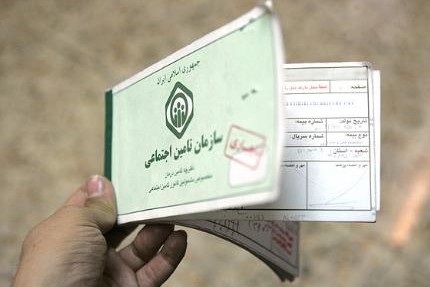
Challenges facing the Social Security Organization / Panteha Bahrami

Iran is considered one of the countries where not all individuals are covered by health insurance. According to Article 29 of the Constitution, all Iranians must be covered by health insurance. Despite the fact that 2 years have passed since the establishment of the Health Organization, which was supposed to allocate 10% of the subsidies to its budget, many people in the country are still deprived of health insurance. However, for example, armed forces are covered by the Health Organization. Another organization that is responsible for providing health insurance to a portion of Iranians is the Social Security Organization, which covers 12.8 million people, including 38 million individuals when considering their families, for medical services. Out of the 12.8 million individuals covered by the Social Security Organization, 8 million are workers and the rest are from various other sectors, such as employers, students, self-employed individuals, etc. The Social Security Organization insures two groups: wage and salary workers (mandatory) and self-employed individuals (

However, the Social Security Organization, which was formed with the contributions of workers in 1968, is now heavily indebted and on the verge of bankruptcy. This has become a source of protest for many workers.

The tasks of the Social Security Organization

Medical expenses for insured individuals and their families, including medication and hospital costs, are among the responsibilities of the Social Security Organization. However, in hospitals outside of the Social Security Organization, 70% of medical expenses are covered by the organization and 30% by the insured individuals (workers). Jafar Azimzadeh, a labor activist, tells us: “The number of hospitals under the Social Security Organization is so low that workers are forced to use private facilities near their place of residence, and now we must reverse this; meaning 70% should be covered by the insurer and 30% by the Social Security Organization, which is truly burdensome.”

Some of the responsibilities of the Social Security Organization include retirement, disability and survivor benefits, unemployment insurance, compensation for sick leave, compensation for maternity leave, and payment for medical aids. Providing financial assistance for marriage, and even covering funeral expenses are also among the duties of this organization.

Employers are required to insure their workers and employees; for various insurances, the Social Security Organization deducts 7% of workers’ wages, the employer pays 20%, and the government contributes 3%. In total, this 30% is paid to the Social Security Organization for workers’ insurance.

In 2013, the government did not pay its 3% share and in this year, the government owes 60 billion tomans to the Social Security Organization. In 2014, this amount will reach 90 billion tomans.

Complaint regarding embezzlement in the Social Security Organization.

In the month of Esfand 91 (February/March 2013), finally the protesting workers were able to present their collective protest to the judiciary by their lawyer, Dr. Khalil Bahramian. This complaint, filed by approximately 1500 employed and retired workers, was based on a 146-page report prepared by the investigative committee of the Islamic Consultative Assembly. It should be noted that various petitions of protest against the violations of the Social Security Organization had been received from all over the country.

Workers from various factories complained in this plan; including factories such as petrochemical factories in Mahshahr region, Kian Tire, construction, metal industries, Tehran Bus Company, Kurdistan textile and others.

The accusations in this case include embezzlement, fraud, bribery, unjust enrichment, and disrupting the country’s economic system. The defendants in this case are Babak Zanjani, Saeed Mortazavi, Sheikh Al-Islami, 37 members of the Islamic Consultative Assembly, the former board of directors of the Social Security Organization, and dozens of others whose names are mentioned in the report of the Investigative Committee of the Islamic Consultative Assembly. This complaint has been filed by workers’ representatives against all those who have illegally taken control of the assets of the Social Security Organization since the war.

One of the demands of the workers is to investigate the embezzlement charges of this organization in previous years. Jafar Azimzadeh says in this regard: “It is not fair for the retired employees to be paid from today’s revenues. The workers have paid money to this organization for 30 years and they have invested in various companies, so the bankruptcy of this organization is related to the looting of workers’ property.”

Reasons for workers’ objections

The parliamentary investigation committee has revealed the reasons for embezzlement in the Social Security Organization, which is considered a major cause of its bankruptcy. The National House News Agency has reported that after the publication of this committee’s report, the payment of billions of dollars in gift cards to 37 members of parliament and some government officials, including the former First Deputy President, has been announced.

The Parliamentary Committee on Investigation and Inspection has reported on the violations of the Social Security Organization in the transfer of 138 monopolized companies worth 4 billion euros to Sorinet Qeshm Holding Company, managed by Babak Zanjani. These companies include Iran Air, Khuzestan Steel, Isfahan Mobarakeh Steel, Export Bank, Homa Hotel, Ghadir Petrochemical, Tabriz Petrochemical, National Iranian Tanker Company, Iran Wood and Paper, various insurance companies (Mellat, Mihan, Dana, Parsian), Islamic Republic of Iran Shipping Lines, and various banks such as Pasargad, Tat, Parsian, and Dey.

Jafar Azimzadeh, one of the representatives of protesting workers, believes that the investigation and examination of the parliament regarding social security has no relation to any structural changes in this organization, but rather is more about political competition. He says, “This organization belongs to the workers, it is not a branch of the government and its management has no connection to the government.”

In 2010, when the first investigation and examination of the Parliament regarding the Social Security Organization took place, Jafarzadeh, the head of this committee, announced in an interview in Mehr that from the first day, this issue was faced with political pressures, including from the Parliament’s presiding board, Mr. Larijani. Jafarzadeh says, “If the presiding board of the Parliament did not prevent us from continuing our work, we could have disclosed more than 3 trillion tomans of documents and evidence of violations in more than 150 retirement companies in Shasta.”

The second stage of investigation and examination begins when the government separates the Social Security Organization from the Ministry of Cooperation and brings it under its own jurisdiction, appointing Saeed Mortazavi as its head.

Workers do not have direct access to the documents of the Social Security Organization. All information about workers comes from the report of the Parliamentary Investigative Committee, which refers to the violations of this organization during the presidency of Saeed Mortazavi. Some worker representatives say that these reports are politically and factionally biased, and for this reason, they do not mention embezzlement and violations before 1990 and previous governments.

New challenges: Separation of treatment section

One of the major challenges of this organization is having abundant resources and the government’s desire to merge it with other organizations, such as the Ministry of Health.

The Social Security Organization is considered one of the largest economic organizations in the country. This organization has 9 companies and organizations under its umbrella, one of which is the Social Security Investment Company, also known as Shasta, which was established in 1365 (1986).

In 1376, the Welfare and Social Security Expansion Company was established to plan and manage tourism, pilgrimage, and welfare affairs for retired employees. In addition, the Social Security Real Estate and Property Institution was also founded in 1366 to provide services for the maintenance of properties and buildings belonging to the organization.

It is worth mentioning that there is no industry in which Shasta has not invested, from oil and petrochemicals to pharmaceuticals and cement, agriculture and animal husbandry, metal industries such as steel and copper, and non-metal industries such as ceramics, tiles, transportation, construction, shipbuilding, etc. It is not without reason that investors and different factions compete to take control of managing this organization.

According to its charter, the Social Security Organization is an independent organization that is managed by the government, but it is not considered a government asset.

One of the new challenges of this organization, which has also sparked protests from many workers, is separating the medical insurance section and merging it with the Iranian Health Organization and transferring it to the Ministry of Health.

One of the reasons for the opposition of workers to this merger is the issue of the government’s indebtedness of tens of thousands of billions of tomans to the Social Security Organization, in which case the government becomes indebted to itself. We remind you that the government has not yet paid its three percent share in 1392, which amounts to over 60 billion tomans.

In the new plan prepared by the new CEO, Mr. Noorbakhsh, of the Social Security Organization, the plan is to transfer or hand over the medical insurance affairs of this organization to the Ministry of Health. According to this plan, the medical affairs will be separated from the insurance department of the Social Security Organization and will become a subsidiary of the Ministry of Health. If this plan is implemented, the provision of medicine will be a very profitable sector for the government. The monopoly of production and distribution of medicine, if the plan is put into action, will directly fall under the control of the Ministry of Health and pharmaceutical companies, which will be a profitable and monopolistic field. For this reason, workers and retirees have widely protested against this plan. Even the voice of the Workers’ House, which is not considered an independent organization, has risen in protest against this plan.

Hassan Sadeghi, from the Workers’ House, in a conversation with ILNA, says: “Today, the efforts of the parliament and the Ministry of Health to re-separate the responsibility of managing the medical sector of the Social Security Organization are taking place while the Ministry of Health has not spent even one rial of its resources in these centers in all these years. If it is intended to provide equal and equal medical services to all citizens, then why do insured workers of the Social Security Organization pay more insurance than other citizens who use the services of various national, military, and rural health funds?”

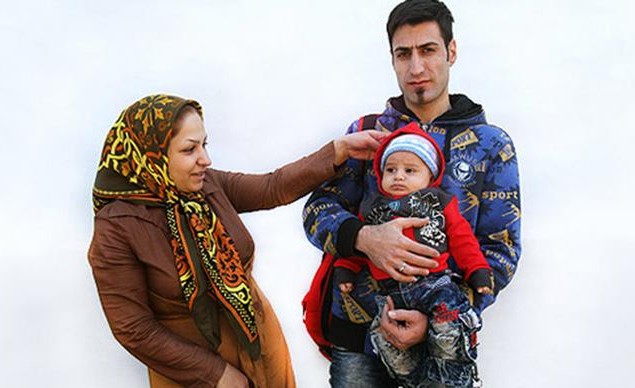
یAmbiguity in the nationality of children born to an Iranian mother and a foreign father / Osman Mozini

From past times, citizenship has been of great importance and its significance is derived from the attachment of an individual to their previous or own nation. Nowadays, citizenship is a political and social concept that has numerous effects on citizens, and each individual’s citizenship creates rights and responsibilities for them; including the right to participate in elections of their country to choose its leaders and the obligation to serve in the military for their respective country.

Considering the significant distance and difference between countries in terms of access to welfare facilities and legal rights, people are certainly inclined to have the citizenship of an advanced and prosperous country. This has created disputes regarding citizenship determination and each country has specific regulations for accepting the citizenship of others.

There are restrictions for granting citizenship to individuals in order to prevent the entry of other individuals into the country’s population, and the absence of laws determining citizenship will lead to chaos in the citizenship of individuals. Based on this, countries around the world have defined two different systems for determining citizenship.

Soil system

According to this, every person born within the borders of a country will have the citizenship of that country.

2- Blood system:

According to this system, anyone born to citizens of that country is considered a national.

By studying the second volume of the second book of the Civil Code, which is dedicated to the topic of citizenship, we conclude that Iran has established the bloodline system as the basis for determining citizenship, which it also attempts to implement in a partial and limited manner through the land system.

In European and developed countries, many people apply for citizenship in those countries in order to benefit from their facilities and rights. However, due to the economic situation in Iran, not many people apply for citizenship in this country. In recent years, with the increasing number of Afghan immigrants or Iraqi refugees and the marriages between citizens of those countries and Iranian citizens, the issue of citizenship for their children and the necessity of having the rights of an Iranian citizen has been raised. This has become a sensitive topic as it involves the rights of children and many children are now deprived of their legal rights due to their uncertain citizenship status.

Article 976 of the Civil Code, in seven clauses and one note, specifies Iranian nationals. According to it, if a child is the result of a marriage between an Iranian father and a foreign mother, due to the current system of blood and transfer of citizenship from father to child, there is no doubt about the child’s Iranian nationality; but if the situation is reversed and the child is the result of a marriage between an Iranian mother and a foreign father, based on the criteria of the blood system, this child is not considered Iranian.

According to Article 5 of the law, with the prediction of a type of citizenship called acquired citizenship, these children have the right to obtain or acquire their mother’s citizenship, which is subject to certain conditions; including being 19 years old and residing in Iran for one year after reaching adulthood.

According to the aforementioned legal text, it is obvious that a person born to an Iranian mother and a foreign father is in a state of ambiguity and complete uncertainty regarding citizenship until the age of 19. Even after reaching the age of 19 and meeting the conditions stated in the law, obtaining Iranian citizenship is subject to the approval of the Iranian government.

Definitely, a child who is not an Iranian citizen and whose father also has a foreign citizenship, will face unfortunate circumstances and will be deprived of education, progress, etc.; while other children in the country do not experience such unfortunate situations.

The inadequacy and insufficiency of regulations in article 976 regarding children born to an Iranian mother and foreign father, forced the Islamic Consultative Assembly to pass a single article determining the citizenship of children resulting from the marriage of Iranian women to foreign men on October 23, 2006. This single article granted citizenship and issuance of birth certificates for these children, subject to the conditions of being 18 years old and the occurrence of marriage between their parents, according to article 1060 of the Civil Code and with the permission of the Iranian government. Clearly, with consideration of its context, we can conclude that the passing of this single article will not solve the problems of these children.

Insufficient legal texts led to the proposal for amending this law in 2012, which faced objections from the Guardian Council after its approval. The reason for the Council’s objection was also the creation of a financial burden for the government due to the allocation of subsidies to these individuals and the elimination of residency fees from them.

Alongside the hesitation of governments to grant citizenship to individuals who do not meet the legal requirements and considering the conditions set by governments to establish legal rights for them and increase their obligations, we must accept that decisions and legal regulations for citizenship should be adapted for individuals who have undergone changes and transformations. Regardless of their Iranian citizenship, the dignity of human beings must be respected and the rights of citizenship, such as education, identity, birth certificate, etc., should be considered for these individuals whose mother is Iranian and father is foreign. The lack of Iranian citizenship should not result in deprivation of basic citizenship rights.

Fatemeh Hashemi Rafsanjani: We should have managed the blue drug crisis / Azar Taherabadi

In recent months, if we haven’t personally experienced the problem of finding and obtaining medication in Iran, we have definitely seen or heard from the sidelines that many patients are facing much more serious problems than in the past.

Considering the subject of the special issue of the Peace Line magazine, we approached Ms. Fatemeh Hashemi and arranged a telephone interview with her to inquire about the factors that have led to problems in drug production in Iran.

Fatemeh Hashemi is the daughter of Akbar Hashemi Rafsanjani, the head of the Foundation for Special Diseases in Iran. The Foundation for Special Diseases, as a non-governmental and public institution, began its activities in Ordibehesht month of 1375 (April/May 1996) with the aim of organizing and improving the situation of special diseases.

A few days ago, in a letter addressed to Ban Ki-moon, the Secretary-General of the United Nations, he listed the serious problems of these patients caused by the banking sanctions against Iran and called for effective action by the United Nations.

Ms. Hashemi, as the head of the Foundation for Special Diseases, can you confirm that the sanctions imposed on our country have caused a shortage of medicine in Iran?

Yes, one of the problems that has led to the shortage and high cost of medication is sanctions.

In these circumstances, where we can almost say we are facing a “drug shortage crisis”, is there anything we can do to alleviate this crisis?

If we use proper management, this is achievable. See, part of our problem was due to currency. This currency was allocated for certain things that were not actually necessary for the country in these circumstances. We can limit the allocation of this currency for non-essential issues and allocate it to essential medicines in the country, and ultimately, there must be savings in various areas so that we can overcome this crisis.

Mrs. Hashemi, we had a large amount of medication at customs that caused problems during clearance. What happened to these medications? Can we still use them?

This issue was also one of the problems of mismanagement in the country and did not have any communication sanctions. However, there was indirect communication, but it could be resolved with proper and good management. Fortunately, in recent times, the head of the customs has ordered all these drugs to be cleared and injected into the market, and some of these drugs that are related to specific diseases that I am following up on and am aware of, have been removed from the black market.

Have you taken any other actions besides the ones within the country and the letter you sent to Ban Ki-moon, the Secretary-General of the United Nations, in which you criticized the UN Secretary-General’s silence on the sanctions against special patients in our country? Have you made any other efforts on the international stage to solve this problem so far?

Yes, in addition to them, we also sent a copy of the letter to other associations around the world that are active in relation to specific diseases, and we asked them to follow up on this matter. Of course, everyone replied to us that the drug is not under sanctions, and we ourselves knew that the drug is not explicitly under sanctions, but the sanctions imposed were in a way that affected it. For example, oil was under sanctions and could not be purchased, and naturally, we faced a shortage of currency. On the other hand, currency transfers were not easily done and a percentage had to be paid for currency transfers; all of these issues led to problems in the field of medication.

So in reality, the oil sanctions have had an impact on medicine…

Oil sanctions, banking sanctions, and shipping sanctions have all joined hands and created problems for medicine. However, we still purchase medicine from different countries.

You are in charge of the Foundation for Special Diseases, the management that you have mentioned in your previous interviews. In which department of the country’s executive branch do you exist and what exactly is the management, especially in the previous government, and what should they have done?

Finally, we knew that we were going to be sanctioned and the Ministry of Health and the government at that time should have predicted that after the sanctions, problems would arise. Therefore, the least they could do was to procure medicine for one to one and a half years and store it in warehouses to avoid this crisis, and on the other hand, they should have made currency savings, which unfortunately they did not do.

Bonyad

Mrs. Hashemi, medicines usually have an expiration date; how can we store them for several years? Especially considering that it is not clear how long these sanctions will last…

See, medicines usually have a two-year expiration date, and if we don’t buy the overstock medicines that are only a few months away from their expiration date, we could manage the shortage. In some situations, we saw that overstock medicines were being imported into the country with a very close expiration date. These were usually medicines that were left in warehouses around the world and were purchased at a cheap price; however, when they arrived, they were sold in the Iranian market at the global price! But if the medicine is purchased directly from the manufacturing factories and at a specific time, some of these medicines can be stored in warehouses for up to two or three years. So, storing medicines was definitely beneficial for us.

It is true that we did not know how long these sanctions would last, but these medicines were necessary for the country and we had at least one or even two years of medicine during the first or even second year of sanctions, and we managed the crisis and had the opportunity to plan for the next few years and future purchases so that we would not rush to obtain medicine quickly and face many problems.

Let’s move on to a broader topic! Who is a special patient primarily referred to and what population does it include in Iran?

In the definition of specific diseases, which are defined at the foundation, we call any disease that needs to be treated continuously and regularly with medication until the end of life – whether daily or weekly – and under permanent treatment, a special disease. In 1976, when my father was still the president, we chose three diseases, hemophilia, thalassemia, and dialysis, and it was approved by the government to be called a special disease and their treatment should be free. Of course, in our opinion, cancer, MS, and other diseases should also be considered as special diseases, but unfortunately, no government after Mr. Hashemi’s government accepted to add new diseases to this list. If we had added one disease to the list of special diseases every year, by now, the problems of 20 diseases in the country would have been solved.

Mrs. Hashemi, I had a question regarding this matter, why didn’t you suggest or manage diseases such as MS, Parkinson’s, or cancer, which are considered special diseases in the world, in the initial or subsequent lists to governments? In any case, the medical costs for these diseases are free in many countries, but in Iran, they are very costly and their medications are also difficult to access.

See, we made the suggestion, but unfortunately, as I mentioned, neither Mr. Khatami’s government nor Mr. Ahmadinejad’s government accepted to add these diseases to the list. But fortunately, in this government, we made the suggestion and Dr. Hassan Hashemi welcomed it and accepted the Foundation’s talks.

In a meeting that we had with insurance managers and officials from the Ministry of Health on September 18th, it was suggested that Multiple Sclerosis be classified as a special disease, as 90% of the costs for this disease are covered by insurance and the remaining 10% or 20% is paid by patients. However, unfortunately, with the increase in the cost of medication, insurance companies do not cover the difference; meaning they only pay the old price. In this meeting, it was decided that this issue should be followed up on and patients with MS should receive free services, just like patients with hemophilia, thalassemia, and dialysis. Now we have to wait for this proposal to reach the Minister’s hands and see what decision they make.

How long do you think it will take for these diseases to be added to the list of specific diseases?

See, they really have to sit down and plan for it and consider a budget; because ultimately these special patients need a budget. They have to investigate and see which part of the budget is available to them and then, I can say that within a week they can announce that this disease has been classified as a special disease and the insurances will cover its costs. This task requires a short, not a long-term planning, but the important issue is that they can cover the costs of this matter.

child

Mrs. Hashemi, regarding the insurance that you mentioned, many insurances in Iran accept a very low percentage of expenses. Does your foundation have a program or solution for this problem?

Our foundation only suggests a solution because it cannot provide a budget. But this is very easy; when they have increased the costs of water, electricity, and many other things multiple times, they must include their subsidies in the expenses of providing social security for the people, one of which is insurance.

If all individuals who suffer from specific or incurable diseases, or even all people in the country, are insured, the expenses of this matter will be covered by the costs that are saved from cutting subsidies that are actually under the control of the government. On the other hand, our people pay a per capita amount, and all people have the same per capita amount, and not everyone gets sick at the same time. For example, one person may only get sick four times in their lifetime and have simple illnesses, or not have any problems or illnesses in a year, while another person may have a disease their entire life. Therefore, with the income that is under the control of insurance, people can be covered.

You can specify which diseases and also which medications in general have been affected more than others by sanctions in Iran and have become difficult to obtain for patients facing them.

It can be said that the majority of medicines are under the influence of sanctions and we have faced difficulties in supplying them. We generally have three categories of medicines. One group of medicines was directly imported from abroad, another group was produced domestically using imported raw materials, and there are also medicines that we produce using domestic raw materials. Currently, due to sanctions, we are facing difficulties in the first and second categories.

Based on your years of experience in managing this foundation, what do you know about short-term and long-term solutions to solve the problem of drug shortages in Iran, especially if the issue of sanctions is not resolved?

I would like to discuss a short-term solution in which a part of our patients must always and continuously take medication, and the medication is essential for them. If the medication does not reach this patient, they will die. Therefore, we cannot say that we do not have medication for these patients to provide for you. Therefore, the medication for these patients must be identified and quickly provided for the country.

In the long term – of course, when we say long term, not that we consider ten years, but rather solutions for four to five months are being considered – the rest of the necessary medications should be identified and provided through the Ministry of Health and made available to the people.

Thank you for giving us your time…

I will repeat this point that I have said many times: Medicine for patients, especially for special and difficult-to-treat patients, is even more necessary than dinner. This means that these individuals may not have dinner tonight, may not eat meat or chicken, but they cannot skip their medication.

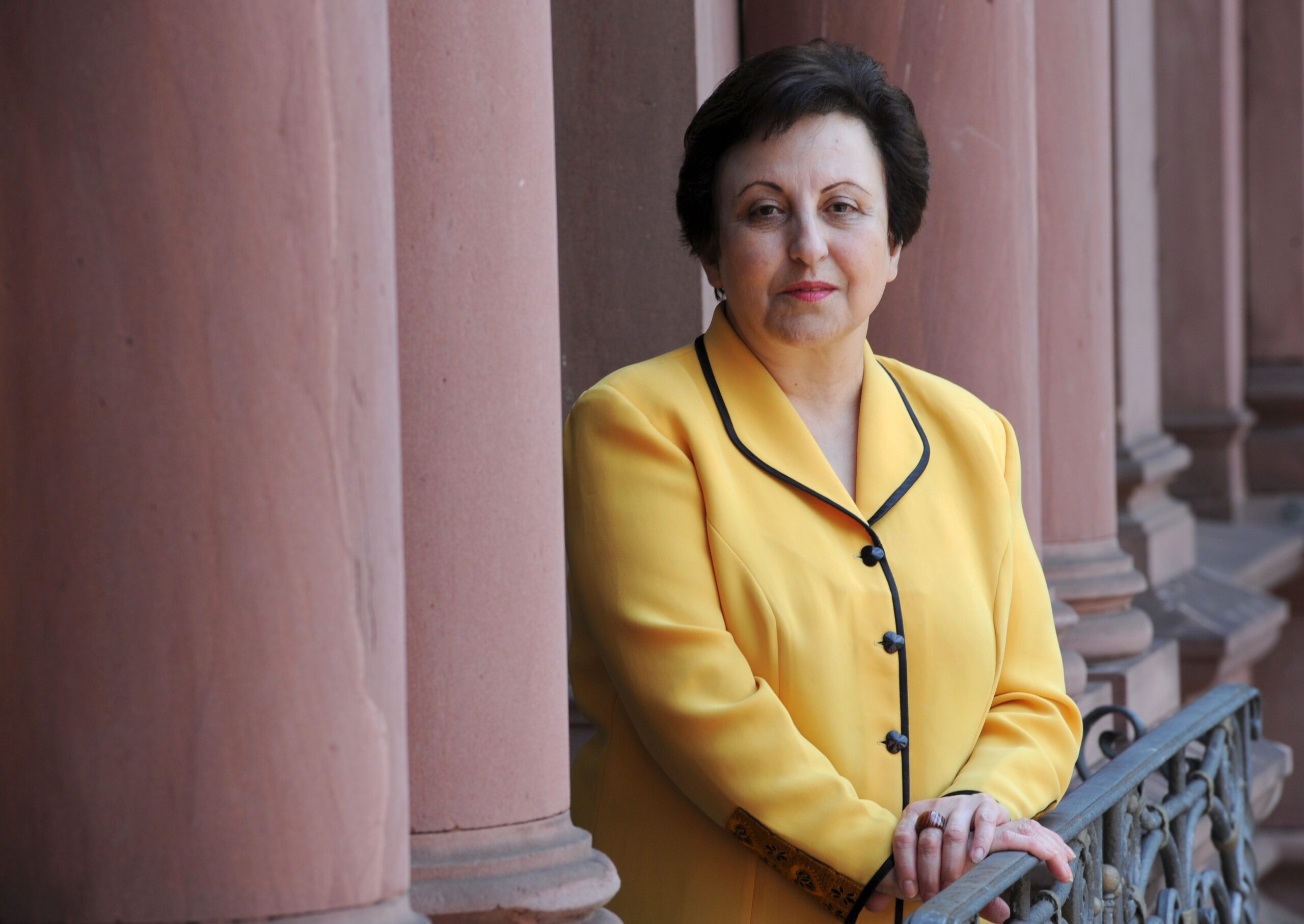
Shirin Ebadi: The seminary does not have the competence to handle student affairs/ Panteha Bahrami

Shirin Ebadi is one of the first female judges in Iran who, after the February 1979 revolution and the changes in the country’s political and social laws, was unable to continue her career as a judge. She is also the first and only Iranian to have received the Nobel Peace Prize. She is also known as one of the most prominent activists for women’s and children’s rights in Iran.

We asked Mrs. Abbadi if education, under the shadow of religion, is compatible with the principles of human rights and what are the consequences of ideological education for society?

He also mentions the freedom to choose religion, which is considered one of the fundamental principles of human rights, and says in the path of peace: “Ideological education is one of the most empty messages that we hear in this era.” He believes that “in the best case, a child should be familiar with different religions and ideologies so that when they reach the age of maturity, they can choose their own path with awareness.”

Exclusive interview with Ms. Ebadi in the monthly magazine “Khat-e-Solh” is coming soon.

 Avicenna Prize for Nobel Peace Prize Laureate Shirin Ebadi

Basically, what does the permanent collaboration between the Tehran Education and Training Department and the seminary field mean to you? Does it only lead to an increase in religious education or does it intend to establish a religious culture?

Both aspects have been the focus of government officials, and considering that religious institutions do not have expertise in education and only have knowledge and activities in a specific field, namely religious affairs, carrying out this task will not only fail to achieve their desired results, but in the long run, it will also lead to a decline in students’ academic performance.

In your opinion, does education under the shadow of religion fundamentally align or coordinate with the principles of human rights?

Good, one of the fundamental principles of human rights is freedom of religion, which should be respected even for individuals under the age of eighteen. On the other hand, the Convention on the Rights of the Child, which Iran is a signatory to, emphasizes respect for family traditions. Therefore, entrusting schools to religious institutions, which only teach a part of Islamic jurisprudence (Shia) and specialize in it, causes religious minorities such as Iranian Sunnis and other non-Islamic minorities such as Jews, Zoroastrians, Christians, and even Baha’is to be placed under teachings that are contrary to their family religion. This issue is also in conflict with the International Convention on the Rights of the Child and the International Covenant on Civil and Political Rights.

While this issue is mandatory, there are two possible forms of coercion that may occur; one is overt and obvious, for example, cutting off someone’s privileges for converting to a different religion. The other dimension is hidden, meaning that someone is indoctrinated and brainwashed from childhood against their family’s religion and essentially forced to choose a path that they have been taught and inclined towards, which is also a form of spiritual coercion that is not acceptable in human rights.

Many officials and representatives in the Iranian parliament believe that education and upbringing should be fundamentally ideological. In your opinion, what are the consequences of ideological education in schools for society?

Ideological education and upbringing is one of the most content-less messages that I have heard in this era.

Subjects such as physics, chemistry, biology, and computer science can be ideological. Science is science. What can ultimately be ideological is one or two more subjects, which are fundamentally incorrect and should not be taught to children and adolescents with a specific ideology. Different religions, diverse beliefs, and various ideologies should be taught to students and they should be given the right to choose in the future.

Mrs. Abadi, we are faced with a situation where students are suffering from shortages such as lack of health education and various deprivations in terms of facilities. Do you think prioritizing the religious and spiritual aspects in schools should be seen as an educational initiative or a political move by the religious authorities? What do you think is the reason behind this movement?

If this plan is implemented, it will allocate a budget for education and training, which will create employment and income for a group of people, namely clergy, regardless of whether they have the necessary expertise in this matter. This, in fact, in addition to other disadvantages that I mentioned earlier, is considered a form of discrimination. In other words, in a country where we have graduates who have studied in primary and higher education schools and their expertise is only in the field of education and training for children and adolescents, but these individuals do not have enough jobs and the unemployment rate among them is high; now we prefer another group who do not have this expertise, which is a clear discrimination.

Do you think this is a political move or is it primarily for job creation?

Both for creating jobs and for creating satisfaction among those who consider themselves as a group; naturally, this plan has a political aspect and the issue is not just education.

شیرین-عبادی۲-495x330

The head of the collaboration committee for the field of education and training has claimed that investing in pre-school and primary education is the most sustainable investment that the field has been collaborating with education and training for years based on its educational mission. In your opinion, what kind of investment can the seminary field have on children, especially at this young age? Do you find this concerning?

The scientific field does not have the competence to handle pre-school educational matters; just as it does not have the competence to handle student affairs, and naturally entrusting the fate of children to individuals who lack expertise in this field and who are solely focused on education and upbringing from an ideological perspective, a type of ideology that they themselves believe in, will cause problems for future generations and I do not see this as beneficial.

Some religious minorities in Iran, such as Baha’is and Jews, face educational disadvantages due to their religious beliefs. Do you think the presence of clergy in schools, especially for minorities, makes their conditions more difficult?

Naturally, if this plan is implemented, as it will be carried out by Shia clerics, it will be more difficult for religious minorities such as Sunnis, Bahais, Jews, Christians, etc.

In many countries such as Germany, religious education is optional in schools. However, it is up to the parents to decide if their child can choose their own religion after reaching maturity. Do you think this model is acceptable?

As I mentioned, the best situation is for a child to become familiar with different religions and ideologies so that when they reach maturity, they can choose their own path and method with awareness.

Do you support the proposal to ban or make optional religious education in public schools in Iran?

In my opinion, this issue should be left to the parents’ choice; meaning these parents have a seven or eight-year-old child and they must decide whether this child should receive religious education or not. This is not the responsibility of the government and it is not within their authority; rather, it is part of the upbringing and education that the family should provide for the child.

In my opinion, all religions and even socialism should be taught to children in the same way. Instead of prohibiting them from knowing anything and growing up in ignorance, we should introduce them to different aspects of religions and ideologies, including Buddhism, Hinduism, Abrahamic religions, and even atheism. Children should be aware of the various reasons behind different beliefs so that they can make proper judgments. Otherwise, if we keep them in ignorance and say that no religion should be taught to them, it is not right for them to make any choices in the future because they do not know anything. So, as I mentioned, while we should teach them about divine religions, we should also teach them about religions and ideologies that do not believe in the existence of God. In summary, all ideologies should be taught to children during their years of education so that they can make informed choices based on what they like and what makes sense to them.

Therefore, once again in religious families, religious children will grow up because their parents believe that their children should receive religious teachings and ultimately the child will not have the choice to choose their religion.

In any case, a child, whether willingly or unwillingly, is influenced by their family; meaning that a child who grows up in a fundamentalist family will naturally have different thoughts than a child who grows up in an atheist family. Essentially, a child who has been taught from a young age that there is no God will have different ways of thinking than a child who wakes up every morning to the sound of the call to prayer or church bells. This issue exists, but as long as children are under the care of their families and are raised by them, it is not possible or practical to pass a law in a country that would prohibit families from teaching these matters to their children. This is why even in European countries, you do not see such prohibitions; there is no law in Germany that would prevent families from teaching religious education at home to their children.

Thank you for the time you have given to the peace line.

Former Parliament Representative: The policy of increasing the Muslim population is on the agenda / Mostafa Rahmani

Akbar-Ranjbar-Zade

Based on the latest statistical information obtained from the 1390 census, the Ministry of Health announced that “the overall fertility rate has reached 1.8 and it is necessary to increase it to at least 2.1 in order to prevent negative population growth, by creating various facilities and with the shortest possible time interval.” The installation of large billboards in the city of Tehran, prevention of condom imports as a luxury and non-essential item, and the production and distribution of programs that have recently been more seriously pursued by state media, all indicate that a population growth policy is being pursued; while the Islamic Consultative Assembly has also recently approved a plan to punish abortion, vasectomy, and promoting having fewer children. The plan to increase the fertility rate and prevent population decline has four articles, the first of which prohibits all actions related to abortion, sterilization such as vasectomy, tubectomy, and any advertising related to limiting births and reducing fertility, and anyone who commits such acts will be

Despite the fact that family planning programs have been present for more than half a century at a global level, and that today approximately 85% of developed countries and nearly 95% of their populations support family planning services, unfortunately only half of women in developing countries have access to this knowledge. According to experts in the field of healthcare, family planning and population programs are not limited to controlling fertility in women, but also include important aspects such as health, social, economic, legal, psychological, and more. One of the goals of family planning programs is to empower families to make informed and responsible decisions about the number and spacing of their children. Increasing awareness in society about the impact of unintended and risky pregnancies on the health of mothers and children leads to improved family and ultimately societal health.

In this issue of the monthly magazine “Khat-e-Solh”, we have gone to Akbar Ranjbarzadeh, former representative of the Islamic Consultative Assembly, to inquire about the amount of health share in the government budget and the reasons for population growth policies from his perspective as an official.

The second vice-president of the Health and Treatment Commission in the eighth parliament, in an interview with the peace line, while emphasizing that the policy of increasing the population, with the leadership of the Islamic Republic system, has been placed on the agenda of all institutions for the increase of the Muslim population, believes that those who act against these policies should be pursued…

Mr. Ranjbarzadeh, as the first question and considering your previous presence in the Islamic Consultative Assembly, please explain how much of the government’s budget is allocated to healthcare and to what extent do officials prioritize the issue of healthcare and treatment in the country?

The budget amount, for example in the year 92, was around 13 trillion and 200 billion tomans. There is a law that was included in the Fifth Development Plan, which states that 10% of the resources from targeted subsidies should be allocated to the Ministry of Health and Medical Education for the purpose of health. Naturally, the Ministry of Health and Medical Education prioritizes health first and then treatment; this itself shows the importance of the matter. The Ministry of Health and Medical Education is striving to distribute these resources fairly and achieve the satisfaction of the whole society. Fortunately, the esteemed Leader has also given priority to health this year and both the government and the parliament have paid serious attention to health. We hope that with good management from the responsible officials of the Ministry of Health and Medical Education, we will see a decrease in people’s concerns about health and medical matters and the burden on people’s pockets will decrease. We hope to see a reversal of the current situation, where we have

Do you think this budget allocation is sufficient for healthcare?

The reality is that the health of society is facing challenges and fundamental problems that require a collective effort and determination from those involved in the field of health. We cannot simply say that financial resources can cover all the problems. We must plan for how to manage these resources, distribute them fairly, and prioritize them for health. These are issues that, with the same financial resources, can be effectively addressed. To reduce concerns, both doctors and all those involved in health matters must work together. They must help to reduce the burden on people’s pockets and ensure that the necessary facilities, equipment, and human resources are available and accessible to the public. Therefore, we cannot say that the problems will be minimized with the same resources, but if all those responsible for health matters work hand in hand, plan and manage, it is hoped that these resources will, God willing, solve a significant portion of society’s problems.

Last year in Esfand, the Minister of Health announced a budget deficit of 6 trillion tomans from the previous government. What is the government’s plan and the Parliament’s Health Commission’s plan in this regard?

I have no information about the extent of the government’s budget deficit; this is a figure that the Minister of Health has announced. We have seen such things before, and we have had budget deficits in the past, 2 trillion, 3 trillion, more or less. In fact, the country and the government’s priority among different ministries was not health. But this year, with the emphasis of the Supreme Leader on the issue of health, special attention has been paid to health. In total, if that budget deficit has been transferred, well, it will consume a huge portion of the credits and naturally, it is possible to minimize the problems in this year and therefore we must wait for the coming years.

The head of the parliament requested the head of the budget reconciliation commission to address the issue of ambiguity in the health budget. What were the ambiguities and what actions have been taken in this regard so far?

The same recommendation and emphasis of the head of the parliament to the head of the reconciliation commission of the parliament is in line with the emphasis of the esteemed leader that they should pay special attention to the health and make it a priority in the national budget of the country. The parliament has responded to this and in my opinion, they have allocated the necessary budget for health, but we must also make up for the budget deficit. We must also manage the other part so that it does not lead to paying from the people’s pockets or unnecessary and uncontrolled expenses in the private sector. In other words, we must strengthen the government sector. If these funds are spent towards the private sector, in my opinion, the problems will still remain. No matter how much budget we inject, the problems will still remain. Therefore, government hospitals and primary health care services in these institutions must be strengthened and the Ministry of Health and Medical Education must provide satisfactory services so that people can trust them and also be less affected by

“Health protector (condom) has been banned from being imported into the country since November 2012, as one of the “non-essential and luxury” goods, with the approval of the previous government. What is the current government’s policy in this regard and why is such a product considered non-essential?”

See, the main policies of the system, approved by the parliament and decisions of the government, are focused on implementing population growth policies. Therefore, all those who are present in executive institutions must act in accordance with the relevant laws and policies, and those who are in opposition or act against these policies, in my opinion, are acting against the interests of the society and should be pursued and monitored more closely by the Ministry of Health. In any case, it is the duty of the Ministry of Health and a portion of the proposed government budget, which I believe was 600 billion tomans, has been allocated to population policies and monitoring and control in this regard, which can be of great importance.

So do you think this product is unnecessary? While some people believe that the quality of Iranian hygiene products is not as good as foreign ones and is not reliable, the reality is that they are either not available in the market or are sold at exorbitant prices. What is your explanation for this?

See, we are being sanctioned by so-called cowardly countries, so we must pay more attention to domestic goods. Every Iranian who has Iranian dignity in them, as much as possible, must use Iranian facilities, equipment, and goods that are consumable. Therefore, all those involved and supervisors must either take more serious action and have a greater presence, or not allow the entry of foreign version goods. In my belief, these are at least actions that every Iranian must take and that government officials must pay attention to.

The ban is in line with population growth policies and in any case, domestic production is available to the extent necessary. Therefore, importing this product is not necessary; of course, the fact that its quality is not like foreign goods is another issue that should be considered. Keep in mind that pursuing specific methods to reduce the population is considered contrary to these policies.

You stated that these actions are being taken in line with the policy of increasing the population. In your opinion, why do officials primarily focus on persuading citizens to have children?

In the end, we must accept that we are Muslims and have a duty to follow the teachings of Islam in order to increase the Muslim population. Birth and population policies should also be culturally promoted and other ways must be found to strengthen the cultural foundation for population policies. Media outlets, various media, newspapers, and all media owners and those who have a platform must also contribute to this cause.

The reality is that for a while, the issue of population growth had become a problem and was considered a negative point in people’s lives. But we must break this cycle. We must follow ways to encourage people with children and support them, both as individuals and as a society, and as responsible officials. Therefore, those in charge of health must consider themselves responsible. When I was in parliament discussing the budget bill, we were trying to allocate a portion of the budget to universities and educators. Why? We wanted to mobilize all teachers to see the necessary and sufficient education to encourage and promote population growth.

But this did not happen. As I mentioned, cultural awareness is very, very important and both the government and all executive bodies must support the policy of increasing the population, obey the orders of the Supreme Leader and take action in the field. Those who move in this path should eventually see its reward and create a sense of security for increasing their children. In my opinion, it is suggested that a part of computer targeting be allocated to securing the future of those whose number of children is more than two; that is, an executive guarantee for providing housing, marriage, and various other issues. There should be incentive ways for people to take steps in this path. These are ultimately other issues that can be addressed in the parliament.

Bilbord

You almost answered my next question; I wanted to ask, will families who have economic problems face difficulties in this population increase policy and not only, for example, is health protection not a luxury item for them, but it plays a vital role…

Yes, the government and parliament should allocate a portion of the subsidies for providing housing for families with more than two children, for example, to ensure their continued livelihood. This should be done at an average level, until they reach the age of employment and can earn their own income. This is necessary for the country. The lack of population growth has been a major problem for the country and fortunately, we have now woken up from this neglect and the policy of increasing the Muslim population is on the agenda. God provides sustenance, but government and parliament planning is also necessary. They should allocate a portion of God’s given resources to address the concerns of families with more children.

Do you have statistics on the number of AIDS patients in Iran? And what is your opinion on the impact of banning the import of sanitary products on the spread of this disease?

For this issue as well, cultural recommendation seems to be one of the solutions in my opinion. Cultural awareness and necessary education should be at a national level. The work that is currently being done is sporadic and not widespread enough. In my opinion, it should be much more widespread; this is about cultural awareness. However, there should also be some minimums for high-risk individuals. For example, we say that for heroin addicts, it is appropriate to have access to methadone and other medications to avoid the harms, such as injection sites and other issues that can transmit HIV. Now, for this high-risk sexual group, there should also be some [health protection] available to them, but it should not harm the population growth policy.

One last question; Mr. Ranjbarzadeh recently passed a bill in parliament that bans vasectomy in Iran. If it is approved in the open session of parliament, those who perform abortion, vasectomy, and any kind of promotion of limiting births and reducing children will be punished. What are your thoughts on this matter?

I do not agree with vasectomy, it is something that can be done, but the more important issue is abortion, which unfortunately we also have now. We see people who change their minds with personal guidance. Counseling centers should be established; a counseling center for population growth for fathers and mothers. A few days ago, a father called me and said he was worried. I want to abort our child. I asked why? I asked for a telephone explanation from him. He was a little worried that his child might be defective because he was sick himself. Finally, with the explanations I gave him, he was convinced to keep his child and not to enter this danger and this great sin. Therefore, with the establishment of counseling centers, doctors should be obliged and obligated to refer cases of abortion to counseling centers.

It is possible that some may resort to such actions due to economic issues. They should be supported by the authorities of each province and guided to counseling centers, where they can be provided with economic security and receive free medical treatment. Therefore, the concerns of those who may consider such actions due to their problems and difficulties can easily be addressed. With guidance and counseling, and minimal support, thousands of people, or even more, can be dissuaded from pursuing abortion. Abortion rates in Iran are very high and this issue requires more planning. Vasectomy is something that must be done and should be dealt with separately. But more importantly, there should be planning for the issue of abortion and they can be successful here. They can establish places, have a room, provide guidance, and support, and say that if you want to have an abortion, you will be supported until this stage. They may need medical support, such as ultrasound and free deliveries. Making all of these available to them, in

Thank you for giving us your time.

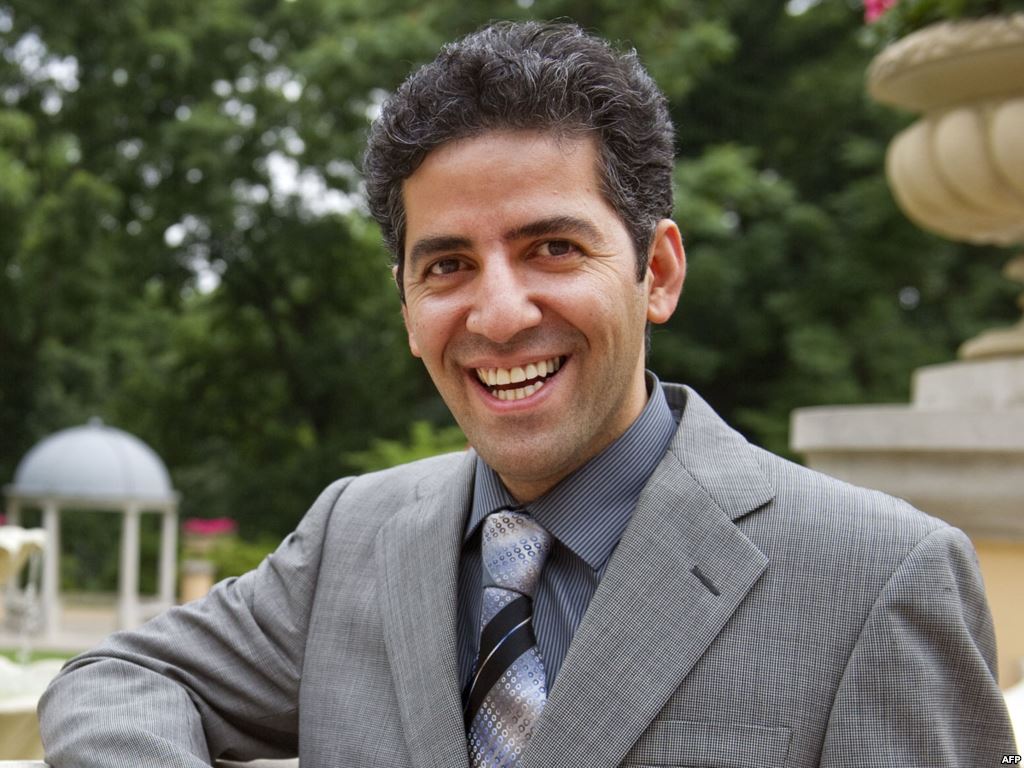
“To live” is the right of every human being to have a conversation with Dr. Kamyar Alaei/Delbar Tavakoli.

Every year on April 7th, in different countries around the world, a celebration is held to commemorate World Health Day. Additionally, each year, the World Health Organization announces a specific theme or slogan based on global health priorities and concerns. “Small organisms, big threat.”

It is a slogan announced by the World Health Organization in April 2014 to draw countries’ attention to the prevention of diseases transmitted by vectors.

In Iran, every year, along with this important event, the Ministry of Health and Medical Education also holds “Health Week” in various sectors. But the trend of health indicators in Iran, is the subject of discussion in this issue of “Peace Line” with Dr. Kamyar Alaei.

The researcher is from Harvard University and is an international health expert who is coming to pursue his work.

It should be mentioned that this international health expert is accompanied by his brother, Dr. Arash Alaei.

“من می‌خواهم بهترین ورژن خودم باشم”

“I want to be the best version of myself”

The founders of the “Triangle Clinics” program are responsible for preventing the spread of AIDS in Iran.

Dr. Alaei, as you know, every year in Iran, “Health Week” is held simultaneously with World Health Day. Please tell us, in the World Health Organization’s ranking, what is Iran’s position in terms of health, and overall, what is your evaluation of the level of health and well-being in the country?

Iran has different rankings in various areas of health and hygiene. Each indicator has a score and a specific indicator is defined for each disease. For example, Iran has a ranking of “one” in terms of drug consumption, with 3.7 million people in Iran using drugs, and a score of 67 in cigarette consumption. However, it does not have a high ranking in terms of HIV prevalence, as the spread of AIDS in the overall society is not as widespread.

In terms of access to sanitation, among 130 countries, Iran ranks 22nd. I must say that in some indicators, the Iranian health network has a good status, although part of it goes back to a plan that was established 30 years ago. In the Iran-Afghanistan region, there were two pilot projects, which unfortunately were stopped in Afghanistan due to continuous wars, but continued in Iran. We can see that even rural areas in Iran now have access to health centers.

We have 30,000 health houses in Iran, with two people present in each health house. (In most cases, these two people are a couple). We also have 60,000 “Behvarz” (community health workers) and rural health centers where there is always a midwife and a doctor present.

On the other hand, the medical and free medical education system is such that we know medical students must go to rural areas at the end of their course and at the beginning of their official work.

In rural health centers, primary services are provided to patients and if necessary, secondary services are also available. If needed, patients are transferred to hospitals for treatment. The “Support for Mother and Child” program was also implemented in Iran, which has reduced the mortality rate of children.

The “Oral and Dental Health Control” disease and school health education have been successful.

However, in the cultural index section, there are weaknesses, and there is no specific system for preventing infectious diseases.

The population system of Iran from the 1960s to the early 1970s, meaning the year 1373, has been on a growing trend and now the majority of the country’s population is made up of young people aged 20 to 30. In fact, 70% of Iran’s population is under the age of 35 and on the other hand, the age of marriage has also increased. Between the age of puberty, which starts at 15 years old, and 35 years old, these individuals are at risk of engaging in unprotected sexual behaviors.

On the other hand, necessary education for preventing sexually transmitted diseases is not widely available; even parents do not talk to their children about this issue and this young population is at risk of contracting infectious diseases. Diseases that can lead to infertility and HIV infection.

Of course, we still have regional diseases such as “malaria” in southeastern Iran.

As you know, this year the World Health Organization’s slogan was announced on April 7th as “Small Bite, Big Threat” and the Ministry of Health and Medical Education objected that the World Health Organization ignored countries like Iran in choosing this slogan and it applies to African countries. On what basis are these slogans chosen?

The World Health Organization has more than 200 member countries and there may be a common disease in every region and country. Of course, the slogan chosen may not be true for a particular country and it is natural for this organization to show attention to a country in choosing a slogan every year.

“Malaria” is at the top of the list of diseases transmitted by mosquitoes, which claims the lives of over 650,000 people annually.

Although “malaria” is a controllable disease, the United Nations wants to say that it is not receiving enough attention and has dedicated the slogan of 2014 to it in order to prevent better prevention of this disease and attract more attention from countries to this issue. On the other hand, this slogan is from the United Nations, which says: Think globally, act regionally.

The topic varies in different regions of Iran. Currently, the issue of access to clean water in Iran is being discussed for the next 5 years. This is because our country is located in a semi-arid region and is also exposed to changes in the ecosystem.

The border regions of the country are bordered by Zabol with Afghanistan and Lake Hamun, which is facing drought. We also have drought in Lake Urmia and on the other side, we have a border with Iraq. Now, the dust and sand storms from the Arabian region have also affected the southern part of the country. In Tehran, we are witnessing air pollution.

I emphasize that access to clean water is a critical crisis facing our country, part of which is due to the improper use of water by the people and part is due to the wrong policies of officials and lack of investment. In some countries, they desalinate seawater to address this water crisis. I believe that the next war between countries may be over access to water resources.

Kamyar-Alaei2

“One lifetime of health with self-care” is the slogan for this year’s Health Week in Iran. In your opinion, how can this slogan be implemented in society and which institution or organization is responsible for it?

For the discussion of health, responsibility does not solely fall on one organization or the Ministry of Health. Rather, various government organizations and institutions, such as the Ministry of Health, Higher Education, Judiciary, Prison Health, Anti-Drug Headquarters, Ministry of Welfare, and all individuals are responsible. Non-governmental organizations, such as the Red Crescent and the Imam Relief Committee, are also responsible, as well as the private sector, such as private hospitals.

On the other hand, the family institution, which is the smallest institution in every society, also has responsibilities. I believe that in the discussion of “self-care”, everyone should start taking care of themselves and create a healthy environment and enjoy it.

We are witnessing that smoking has increased even among students, and it is not just the person who smokes who is at risk, but sometimes indirect exposure is even more dangerous; someone who does not smoke can also inhale cigarette smoke and one of the main reasons for lung cancer is secondhand smoke.

On the other hand, deaths and injuries caused by road accidents in Iran annually reach between 25,000 to 28,000 victims and result in over 100,000 disabilities, which are preventable. It is true that the Ministry of Roads has responsibilities in this regard, but people themselves must also follow traffic laws and regulations, and car manufacturers must also adhere to safety standards. Similarly, executive bodies such as traffic police and judicial institutions that have supervisory roles are responsible.

Waste management is also an issue and people should observe proper waste disposal and keep the environment cleaner. I mention these simple examples to emphasize that each individual should start with themselves.

But among all of this, the discussion of living happily is of great importance, and any activity that leads to a person’s happiness…

We talked about health and wellness indicators, please explain the definition of “health and wellness” (such as different types of physical and mental health).

According to the definition of the World Health Organization, health is not just the absence of illness, but also “the state of complete physical, mental, and social well-being.”

Currently, I see that depression and anxiety have become widespread in Iran and the issue of mental health needs to be taken seriously. Just as we go to a dentist for oral health, we should also go to a therapist for mental health, but this topic has not yet been addressed in Iranian society.

From the perspective of the United Nations, health is the most fundamental and essential right of every human being, and as a result of being human, every person has the right to enjoy good health.

Humans are entitled to full and equal rights based on human rights, regardless of their political views, and this applies regardless of age, religion, gender, or race.

Of course, you know that this year “National Environmental Health Day” was removed from the country’s calendar; how much does neglecting such matters affect the lack of development in environmental health culture?

I am surprised that despite the efforts made to include events in the national calendar, we are still witnessing such incidents. This also happened in regards to the “HIV” disease.

There are two perspectives to look at this: one is that the issue should not be limited to just one day and every day should be National Health Day, because humans should be healthy every day.

But one day, it is a symbolic day and different organizations interact with each other on that day and its placement on the national calendar causes different organizations to gather and exchange ideas and work between different agencies.

This removal of the sign indicates that giving importance to the issue of health has diminished among the country’s officials.

You and your brother have been working for years on preventing the spread of AIDS in Iran. Please explain the latest statistics on the growth rate of AIDS in Iran.

In Iran, 27,000 cases have been identified and reported so far, but the World Health Organization estimates that more than 100,000 people in Iran are living with HIV, meaning that over 73% of those affected are unaware of their condition and may be transmitting the virus to their spouse or infant. This is in contrast to other countries where approximately 20% of HIV-positive individuals are unaware of their status.

In America, this percentage has reached 73% to 20%, meaning 80% of those infected know they have contracted HIV.

90% of the infected individuals in Iran are men, which was previously 95% among men. This indicates that the prevalence of HIV in women in Iran has increased in recent years. Generally, the highest number of cases have been identified among the age groups of 25 to 45 in Iran.

New cases of HIV were identified from 2000 to 2005, showing an increasing trend. However, between 2006 and 2011, this trend decreased due to the government’s political approach towards the issue. This led to suspicious individuals avoiding seeking treatment, and on the other hand, the government announced that the spread of AIDS in the country had decreased. This was while the government’s security approach caused individuals to refrain from seeking identification.

I am happy that in the new government, there is a renewed anti-political and security approach to this issue.

Please explain about the clinic that you have established in America to help Iranians who do not have health insurance. What was the purpose of setting up this clinic?

8% of Iranians living in America do not have health insurance and 30% live below the poverty line. However, we have 10,000 Iranian doctors and psychiatrists in America and we have tried to introduce these two groups to each other. Therefore, before 2012, we spoke with Dr. Kavian Milani and some other Iranian doctors living in America to establish the “Health and Human Rights Center” in Virginia, which Dariusheghbali also supported us in this matter so that we could activate this group.

Now, in collaboration with the “Bita Daryabari Center”, we are launching other sections in Los Angeles. On the other hand, we have 20,000 refugees and Iranian asylum seekers in Turkey, 94% of whom do not have insurance. We have spoken with a network of psychologists to join our group and provide more services in the field of network counseling.

But the last question; please tell us what you see as the most important health issue in Iran and what is your solution to address it?

It is a difficult question, because there are problems that can be prevented and some that cannot be prevented.

Preventable factors such as environmental health and air pollution, as well as deaths caused by controllable road accidents, are responsible for the loss of 25,000 young and productive individuals annually.

The third topic is about heart diseases that can be prevented by following a proper diet and consulting a doctor.

We thank you for the opportunity you have given us to be featured in the monthly magazine of “Khat-e-Solh” (Line of Peace).

Hashem Tabarzadi: Mr. Rouhani wants to win the hearts of students/ Azar Taherabadi

Heshmatollah Tabarzadi is a journalist who, especially with the establishment of the Iranian Democratic Front and his role as the editor-in-chief of publications such as “Payam-e Daneshju” and “Neday-e Daneshju”, became a well-known figure in the field of student activities. Mr. Tabarzadi has been temporarily arrested several times since 1995 due to his civil activities and has been sentenced to long-term imprisonment since 2000, with a total of more than 9 years of imprisonment on his record.

In this issue of the monthly magazine “Peace Line”, we have arranged an interview with Mr. Tabrizi, who is currently on leave, about the situation of the student movement in Iran and the fears and hopes of this movement. We have sought his opinions on this matter.

Dear Tabrizi, first of all, I would like to ask how do you evaluate the ups and downs of the student movement in Iran, and essentially, to what extent do you consider the student movement in our country to be influential in social developments?

See, the student movement in Iran has not been institutionalized as it should be, and there are many reasons for this. If we look back at history, from 1317 to 1320 when the University of Tehran was established by Reza Shah, these so-called student activities or the student movement took shape and began to work; especially in the 1330s, it shone brightly and reached its peak in 1332 when it led to the martyrdom of Mr. Razavi, Bozorgnia, and Ghanchi. These activities, or rather the movements for freedom in the university, continued to rise and fall until the time of the 1957 revolution. In fact, if we want to be fair, in 1956 when I myself was a student, it was this student movement that brought all matters to the stage of revolution and brought the people to the streets and alleys, and in accordance with the student movement, organizations, parties, and NGOs

Do you believe that after the revolution, with all the events that took place in the early years – by which I mean the Cultural Revolution and so on, in which you were involved – it can still be said that the student movement did not continue its activities?

In the early years, unfortunately, after the announcement of the Supreme Council of the Cultural Revolution and the arrest of numerous individuals, various left and democratic parties, unions, student activists, and suppressions, there was a slight decline in the activities of the student movement, but this movement never stopped. Before and after the revolution, due to suppressions from both ruling powers, obstacles were encountered in the student movement and its goals, causing ups and downs along the way, but it never stopped or stood still. I believe that if the student movement had not faced all these suppressive waves, both before and after the revolution, it would have performed much better.

Despite the suppressions that you mentioned, don’t you think that the student movement has had a strong overall performance as expected? Some have even talked about the death of the student movement.

See, as I mentioned, the student movement has always faced suppression since its inception. Now, these suppressions have had both intensity and weakness, and these intensities and sometimes calmness have caused ups and downs in the student movement. Essentially, in my opinion, the student movement has had a goal throughout its history and has had two important characteristics. One: it has always acted democratically, and two: it has always sought freedom for all levels of society. These two characteristics are enough for this movement to always have a smoldering fire under the ashes and with the smallest spark, the opportunity to flare up and show its hot activities.

In any case, it seems impossible to me for the student movement to die; perhaps it may experience a period of weakness or stagnation, but it will never die. You have seen that even during Ahmadinejad’s government, which was the worst period for this movement and the atmosphere was suffocating for any kind of activity, and despite all the suppression and issues that arose for most active students, this movement continued its work. The pursuit of freedom is ingrained in the essence of the student movement and rest assured, it will never die.

So, with this calculation, you evaluate the performance of the student movement in recent years positively…

See, considering the suppressions and issues that especially during the 8-year period of Ahmadinejad’s government, the Iranian society has been struggling with, if we want to look at the situation objectively, this has been the worst period for the student movement. With all the arrests, closures, and stardom of students that reached its peak in 2009 and continues to this day, the student movement is currently unable to have a significant impact. In my opinion, at this point, we can only say that student organizations and the student movement in general should have a vanguard attitude and then manage the situation with the help of parties, organizations, NGOs, and other intellectuals.

“Talk of students becoming stars emerged; the name of Mr. Tofiqi, who became the head of the Ministry of Science, was proposed as the Minister of Science before the swearing-in ceremony of Hassan Rouhani, and he was supposed to be chosen as the head of this ministry, but ultimately it did not happen. As you know, Jafar Tofiqi was in charge of the Ministry of Science during the second term of President Khatami, after Mostafa Moein, and some students support him… Do you think Mr. Rouhani is committed to his obligations towards students?”

See, Mr. Rouhani’s government is a government of agents, or rather the cabinet of Hashemi Rafsanjani, but with an updated version. If you pay close attention, you’ll see that the ministers of this government are the same ones who were in his cabinet. In fact, they are experienced and seasoned ministers, but with a new and more democratic approach. This government’s advantage is that it is not the government of Ahmadinejad. To be honest, I didn’t have much hope for this government from the beginning, but now I see that there is no sign of that intense and harsh security atmosphere that existed in the ninth and tenth governments; not that it doesn’t exist, but it is less. Rouhani is trying to win the hearts of the people and even the students, to the extent that he goes to the University of Tehran and speaks openly about their freedom, or talks about world peace in the United Nations General Assembly and calls for a world free of war

Given these circumstances, do you have a positive view on the fulfillment of student demands in Mr. Rouhani’s government?

From my perspective, considering the current issues in Iran and the situation that has arisen both domestically and internationally with the election of Mr. Rouhani, it is time for this matter to be resolved and for the student movement to overcome its fears and have hope to achieve its demands.

Thank you for the opportunity you have given us in the Khatt-e-Solh magazine…

Dr. Ali Akbar Mahdi: Public welfare is a necessary consideration in political matters/ Panteha Bahrami

In this issue of the Peace Line magazine, we went to Dr. Ali Akbar Mahdi, a sociology professor at the University of California, Los Angeles, to seek his opinions on the obstacles to development in Iran. Dr. Mahdi has published over a hundred articles and critiques in both Persian and English in various specialized and non-specialized publications on sociology, the Middle East, and Iran. He has also published three books in English, including “Sociology in Iran,” “Youth in the Middle East,” and “Culture and Traditions of Iran.” He has also published two books in Persian, “Iranian Culture, Civil Society, and the Concern for Democracy” and “In the Sociology of the Iranian Family.”

Dr. Mehdi believes that “human rights have a direct relationship with economic development. In any society, the right to work and social security become meaningful when the economic foundation of the society has sufficient growth for entrepreneurship and providing necessary economic and social securities for a dignified and healthy life.”

He considers dependence on oil as one of the biggest problems of Iran’s economy and says that one necessary way to eliminate barriers to economic development in Iran is to increase production.

Aliakbar-Mahdi1

Mr. Doctor Mehdi; Sociologists refer to the examination of power structure problems as obstacles to political development. In your opinion, what are the main obstacles to political development in a society like Iran?

Political development means the expansion of power structures in a way that allows different political groups in society to share power and contribute to the public participation of individuals in determining their own destiny, and also leads to its increase. Of course, this requires the establishment and expansion of necessary institutions that are related to political growth. Political development in Iran has its own conditions and can have its own specific forms in other countries. Even in a monarchy, you can have political development as long as there are public institutions such as parliament and independent judicial powers that can regulate power structures in a more participatory manner.

In Iran, today, this very issue exists. The existing structure of the Islamic Republic is based on both republicanism and Islam. The structure of republicanism in the Islamic Republic is essentially held hostage by its Islamic dimension, and if this structure of republicanism can expand and push back the Islamic structure and confine it to a smaller sphere, it will inevitably lead to political development. The extent and degree of this development depends on what expectations different groups have from it, or what their goal is in achieving it. For example, the reformists who are currently in power in Iran, or some of them who are recognized in the government, believe that they can expand the republican dimension of Iranian society and counter the monopolists and fundamentalists who have an interest in increasing the Islamic dimension of the system, and help promote republicanism and political development.

However, in general, the reality is that the structure of the Islamic Republic is a non-democratic structure that contains elements of democracy within itself. The democratic elements in this system are caught in the grip of religious and ideological elements that have a hierarchical structure and are absolutist. Many of its rules and regulations are not subject to negotiation, exchange, or compromise, which is customary in society. These laws are based on divine laws and are firmly rooted in them. Even representatives who are supposedly democratically elected by the people do not have the power to change these laws and any law passed by the parliament (we do not care how this parliament is elected and what structural problems it has), must go to the Guardian Council. The Guardian Council, based on laws that are not open to discussion or negotiation – at least for the parliament – determines whether these laws can be enacted and whether any development can occur.

In any case, a society in which political development can be achieved is a society that can have a strong government. This government allows for the rotation of power and gives political elites the opportunity to work. Independent legal institutions, separation of political powers in a way that each power can act as a brake on the motivations and ambitions of the other, and having a transformative and dynamic constitution that can establish, maintain, and continuously preserve citizens’ rights are necessary requirements. Additionally, political capability in national interests and safeguarding the country’s borders, maintaining public order, and, in other words, national sovereignty, as well as the transformation of the government into an impartial entity in political disputes between parties and political factions, are elements and factors that can help with political development in any situation.

Unfortunately, in the structure of the Islamic Republic, many of these elements that I mentioned either do not exist, or if they do exist, they are being implemented in a very incomplete and imperfect manner.

The three factors that are mentioned as absolute power reproduction factors are: concentration of power resources, social divisions (different ethnicities), and political culture. Do you also acknowledge the primacy of these factors or do you consider other factors to be involved as well? If possible, please explain these factors and how they function.

See, in the current political structure in Iran, the absolute power is mostly derived from our past political culture and the long-standing institutions of absolute power that have existed. We are, in any case, the heirs of a long-standing monarchy in our history and this institution has never been separated from our society. Despite the fact that we have a republic today, at the head of this republic sits a person called the Supreme Leader who, in addition to similarities, may even have more power than previous kings and there is no force in society that can limit him. In the past, during various periods of political tension between power centers in Iran, religion itself was at least one of the necessary brakes or checks on the power of the ruling government or state and if it did not cooperate, it would be in conflict with it and try to question this absolute power and not give its legitimacy to the government as a religion, weakening it. This is essentially what happened during the Pahlavi era. The Pahl

There is no doubt that political culture is effective. Political culture is intertwined with the habits, attitudes, and characteristics of the people and society. If this culture is not democratic and is driven by authoritarian motives or unequal distribution of power and decision-making, it will continue to reproduce itself. Since Iranian society is a patriarchal society, the behavior of patriarchs has been repeated in our families in the form of small kings, and in our culture, older and white-bearded individuals have always played a prominent role. This culture repeats itself at different levels, whether in ethnicity, family, or locality. When this structure was broken by the revolution, it reappeared in a different form, with a new cover as the Supreme Leader and as someone who can be the collective mind of society and has the ability to create balance in society.

And as for the third factor that you mentioned, social diversity in Iran… See, today we have many multi-ethnic and multi-cultural societies in the world, which are also democratic, and on the contrary, we also have societies that are mono-cultural, but have authoritarian structures or still have them. If you look at Saudi Arabia, it is almost a society that is uniform in terms of population and ethnicity. All countries in the Persian Gulf region – except for the issue of immigrants – their citizens are almost uniform in terms of ethnicity and Arab. But we also have Japan, which in the past operated based on absolute power and today is a democratic society; considering that the structure of the empire still exists in that society, but it practically has a dynamic and transforming democracy and political structure.

Therefore, social fragmentation does not necessarily mean it should be carried out with absolute power. In our non-democratic and imperfect society, in a cultural structure where minorities, ethnic groups, and cultural diversity are terrifying for them and there is no necessary trust towards them; inherently, absolute power judges and the main ruler for suppressing any kind of diverse and specific desires that could potentially disrupt the centralization and stability of society, and different ethnicities are considered a negative thing.

Perhaps in the cultural and historical context of some societies, it has become a pattern that the people of our society cannot stand on their own feet without a dictator at the helm. I knew a person who used to say before the fall of Saddam Hussein that Iraq would collapse without him. We Iraqis know ourselves, we have the issue of Shia and Sunni, the issue of Arab and non-Arab, and our society cannot stand on its own feet. He believed that their political culture had not changed and therefore they always wanted someone with absolute power who could keep everyone in their place and establish order; otherwise, people would tear each other apart! This person had forgotten that firstly, this culture has always existed there, and secondly, a democratic political structure has never been established there. In this very Iraq that we are currently witnessing, Kurdish groups have been able to create a relative order with a better situation for themselves. In any case, there are many political contradictions and diversity of political parties in that

You said to add other factors: two more, in my opinion, should be considered in relation to the issue of Iran and absolute power. One is the economic aspects of absolute power. Unfortunately, the presence of oil and the oil government in Iran have greatly helped in the absolutization of political power. On the other hand, there is also the issue of religion. The religious culture is a hierarchical culture and power within the religious culture – especially the Shiite religious culture – is very hierarchical and decision-making is top-down; so that a mujtahid is at the top and the followers are at the bottom and the decisions made from the top are separate from the general authority of the secular society. This culture inherently generates a form of absolutism and this is evident in the government after the revolution and you can see what role it has played in the absolutization of power in society. This is also one of the factors that should be mentioned.
Akbar at Sagan

Some sociologists consider economic development as a prerequisite for political development. What is your opinion on this? To what extent is economic development necessary for eliminating absolute power and obstacles to political development?

It depends on the circumstances of each society; that is, in response to this pattern that political development is more important or economic development, my answer is that economic development without political development does not help the complete growth of society. Coordinated and extensive growth is essentially growth that exists in all aspects of society, not just one aspect. However, on the other hand, the issue of priority or precedence of economic development over political development depends on the economic conditions and specific circumstances of a society. In a society where there is a lot of poverty and very limited resources, economic development is essentially a necessity that needs to be addressed before political development. In other words, a society that does not have schools, a society that has not yet been able to provide job opportunities, a society that does not have enough resources; the first condition for creating equal conditions and even creating political development there is that individuals have sufficient access to education and the necessary health and economic facilities, so that a public welfare can be created and

In more specific terms, in the language of sociologists, a society that has not yet developed a middle class needs one in order to fill political structures and make political demands. This middle class is the driving force for progress and development in any society; it desires a share of power and, as it grows, it desires an even greater share. However, until this middle class emerges in a society, the pace and intensity of political development will not reach its full potential, and if it does, it will be more top-down rather than bottom-up until pressure is created from the bottom.

Many societies in the Middle East, including our own in Iran during the Pahlavi era, were examples of attempting to create development from the top down in society, with a political development that was only authoritarian. Authoritarian political development had brought all seemingly democratic institutions, while they were actually hollow from within. When the middle class emerged in Iran, they demanded political participation from the Pahlavi government, but were not willing to truly involve the middle class in those structures; even if they showed the same individuals in those structures, they did not give them the necessary power.

We have this same problem to some extent in the Islamic Republic today. There are some democratic institutions such as elections and parliament, but they do not have complete control. These institutions essentially have a superficial legal aspect and a real aspect… These are actually issues that harm the political structure of society and, in other words, the economic foundation of society plays a very determining role in whether we will achieve political development or not.

As you mentioned at the beginning of your talks, one of the main factors of political development is participation and competition. For example, according to labor laws, workers can have one of three labor organizations: Islamic councils, trade unions, and workers’ representatives or the Supreme Assembly of Representatives that has been formed. In addition, there are two labor political organizations such as Islamic associations and workers’ houses. However, in practice, whenever workers want to form their own independent organizations, they face suppression tools, such as the single company union or the workers of Haft Tapeh who have arrested some members of their board of directors. Therefore, although the tools and even laws exist on paper, the division of power and balance of power is not in favor of the majority of society and independent groups from the government. What do you think is the solution to this problem?

The problem is that we do not have a democratic structure in power. In order to become a representative, besides the initial conditions that must be present in any democratic structure, for example, you must be a follower of the Supreme Leader and also a prayer leader; these are not democratic conditions. They are dependent on a power and an absolute power in society, and if you do not want to be a follower and if you do not want to give in to the authority of that power, you will either be eliminated or if you have a presence in some dimensions of the power structure, such as labor institutions, guilds, etc., you will be like a handless scissors; meaning, you are apparently there, but when it comes to decisions that can challenge the power equations of society, you will face limitations.

The Islamic Republic government, in the face of many seemingly civil institutions that existed in society, has come and established their parallel Islamic institutions, while on the other hand, the existing institutions in civil society have not been able to take shape in a democratic environment. They must register with the government. If they want to hold protests or implement their own programs, they must go and obtain permission from the government. Well, this is not a civil institution anymore. A civil institution means a neighborhood, a group of professionals, or a part of society with a specific culture or interests, coming together to pursue their work. But in Iran, everything must be registered; registration is only necessary when ownership is involved or when the rights of others are at stake. In Iran, even the head of such an organization must be checked by the government and obtain a kind of license regarding their loyalty or submission to the government, and they are almost neutralized. These issues practically make the democratic society in Iran meaningless, and participation

The spread of poverty, especially in recent years in Iran, including the massive influx of children into the child labor scene, is a sign of the deep economic class differences in Iranian society. You may know that we have more than three million children who have dropped out of school. Although recent sanctions have exacerbated the situation, what are the mechanisms for removing barriers to economic development in a country like Iran, which relies solely on its oil-based economy?

What you are referring to is indicative of an unfair distribution of wealth, the spread of extreme poverty, increasing deprivation, and the weakening of economic opportunities for workers and lower classes of society. Therefore, one necessary solution to eliminate the obstacles to economic development in Iran is to increase production. Unfortunately, the shadow of the oil economy has been our biggest problem that must be addressed. Dependence on oil and oil revenue has essentially allowed the government to expand itself and impose itself on society. The government has even imposed itself on the private economic sector.

In order to reduce dependence on oil, economic monopolies in society must be lifted and healthy competition must be established so that these measures can lead to increased production in society, especially in non-oil production. If non-oil production is to grow and monopolies are to be eliminated, there must be transparency in the economic structure of Iran. The economic structure of Iran must be based on clear laws, rules, and regulations that everyone knows and can enter the economic field and compete based on them.

In the end, fair distribution of wealth and involving workers in the production of goods and in the development of society and motivation, not through coercion but through public participation in society and creating a culture of collaboration that puts the overall structure of society and the overall products of society in the hands of the community, rather than in the hands of monopolies and private sectors, can help economic development to grow in Iran.

You spoke about the importance of economic development in a country; that people should at least have access to public welfare in order to be able to then think about their own political issues. Considering the economic challenges and the spread of poverty in Iran, what do you know about the factors and ways to overcome this problem?

I am not an economist, but based on general information that I have, I recognize the economy of Iran as a sick economy and I can list seven components that solving them will help improve the economic situation. One: Iran’s economy is overly dependent on oil. Two: In recent years, the government has played a more destructive role than a positive one. In explaining this destruction, I must emphasize the mismanagement of the government, which has been one of the biggest problems and obstacles to economic development in Iran. Overall, government management has been more reliant on political motivations than development-oriented and national motivations. Given the complex political and economic structure of the Islamic Republic, non-responsible institutions, both publicly and covertly, have benefited from various government facilities for group goals, hindering the structure of production, trade, and free competition in the Iranian economy. Three: Lack of a long-term plan for national development, away from ideological goals and sectarian and factional interests. Four: Lack of effective and

In your opinion, have previous governments in Iran, especially the ninth and tenth governments under the leadership of Mr. Ahmadinejad, taken effective steps towards economic development? What were the dominant thoughts behind their economic plans and what criticisms do you have towards them? I ask this question because inflation and recession have been significantly evident in the country in recent years…

Unfortunately, the ninth and tenth governments were operating in a specific political atmosphere that severely hindered the necessary attention to sustainable national development. This government even dissolved the Planning Organization, which is one of the most important tools for coordinating between government facilities, resources, and planning for national development, in order to freely impose its political goals on an economy dependent on oil and massive income. These goals, which we have seen the disastrous consequences of in the cover-ups that occurred during these two periods, are becoming more familiar to us day by day through new information that comes to light. Unfortunately, these two periods, which coincided with the highest oil income in the history of Iran, were also accompanied by the biggest embezzlements in the history of Iran. In addition to the problems I mentioned in the previous question, we must also mention the growth of liquidity during Mr. Ahmadinejad’s tenure, which was one of the main causes of inflation. Reduction in production, growth of unemployment, brain drain and

As a final question, do you believe that economic development leads to the development of human rights in Iran? What is the relationship between these two concepts?

From a philosophical and theoretical perspective, human rights have a direct relationship with economic development. In any society, the right to work and social security become meaningful when the economic foundation of the society has sufficient growth for entrepreneurship and the necessary economic and social securities for a dignified and healthy life. A sick economy does not have the necessary resources to maintain and improve the economic well-being of individuals, nor the ability to create conditions that lead to such goals. On the other hand, it should be noted that the economic dimensions of human rights are inherently linked to the economic structures of society, and the provision or lack thereof of economic rights is not related to the ideology governing those structures. The motivation of a capitalist economy is primarily towards the growth of productive forces and the satisfaction of personal and private desires. In contrast, the motivation of a socialist economy is to even produce for the common good, let alone the motivation for investment and entrepreneurship. The former prioritizes individual rights over collective rights, while the latter prioritizes

With gratitude for the opportunity you have provided us with to reach a peace agreement…

Dr. Abbas Milani: The responsibility of sanctions lies on the shoulders of the Iranian government/ Simin Rouzgar

Dr. Abbas Milani (Abbas Malekzadeh Milani), born in 1328, is a theorist, historian, and writer. Abbas Milani, who resides in California, is the director of Iranian Studies Program at Stanford University and one of the leaders of the Iran Democracy Project at the Hoover Institution.

Some of his books include “The Mystery of Hoveyda”, “Renewal and Anti-Renewal in Iran”, and “The Mystery of the Shah”, which have recently been translated and published in Persian.

When I contacted him for an interview about the peace talks, he was in the process of packing his bags for a trip to Europe. However, he kindly made time for me and answered my questions. Mr. Milani believes that any type of sanctions that harm the people should be opposed, but at the same time emphasizes that the incompetence and ignorance of the officials of the Islamic Republic of Iran gives the West the opportunity to impose such pressures on the people. He is a proponent of targeted sanctions against certain officials and managers in the Iranian government and believes that the scope of such sanctions should expand.

This contemporary theorist also talks about modernity and how with the triumph of modernity, which is essentially the victory of democracy and human rights in a country, a society is stripped of its skin. He admits that “the future of Iran is not determined by America and must not be determined by tyrants in power.”

milani_hrz

Mr. Milan, Iran has been under heavy international sanctions for years, especially from the United States government. These sanctions have targeted Iran’s economy and have had a clear negative impact on the daily lives of Iranian people. With this brief introduction, please tell us whether these sanctions and the slowing down of economic development in Iran have a negative impact on the development of civil society in Iran.

Definitely, when the economic growth of society slows down, all aspects of society, including civil society, also slow down; but the main responsibility for the slow economic and civil growth of Iran, in my opinion, lies on the shoulders of the incompetence, corruption, and mismanagement of the regime. If they had acted according to their own laws of the Islamic Republic in these 8 years of Ahmadinejad’s rule, and spent the $700-800 billion in oil revenues properly, it would have put less pressure on both the economy and the growth of civil society in Iran… In short, it definitely has an impact, but the main responsibility, in my opinion, lies on the corruption, incompetence, and immorality of the unqualified and unethical managers who have been put in charge and, as they say themselves, it is not clear what disaster has befallen the $700-800 billion from the pockets of the Iranian people, which is 60% of the total capital

Okay, please explain, what is the relationship between economic development and improving the situation of civil society or promoting human rights in a country?

All the statistics I have seen, all the studies conducted in social sciences, sociology, and democratic theory have shown that the more educated a society is, the more active women are, and the more prominent their presence is in the social sphere, the higher the literacy rate and number of university graduates will be. The more middle-class individuals there are, the more desire, willingness, and ability for democracy will increase in that society. And if there are more economic resources in that society, all of these factors will be more attainable and better. That is why, on one hand, oil, as many have said, can be a curse for democracy, as it can turn governments from servants of the people into authoritarian rulers. But at the same time, it can also be an oil for democracy, if it is used to accelerate economic growth, literacy, and the inclusion of women in the workforce and in the social and educational spheres. If the government is competent and not anti-women or corrupt,

As we know, the government of Iran is not a government that has a defendable record in terms of respecting human rights and civil liberties. In your opinion, what choices do human rights defenders and civil society activists have in front of them that can improve the situation of Iranian citizens who are currently facing a more difficult economic situation due to sanctions and have not helped support or strengthen an authoritarian government in Iran?

I think that the choice is relatively simple. People should oppose any type of sanction that affects their daily lives, such as medicine and food. However, at the same time, I must always remind you that this incompetence, deceit, and lies are the regime’s fault. This gives the opportunity to America and other countries to put such pressures on the people, and this incompetence and strange choices of the regime make the pressures of these sanctions even more apparent to the people. In the past two or three months, as a result of the intensification of these sanctions, the pressures on the people have increased. The regime has given billions of dollars to Syria, as it claims, and openly and explicitly, and now it remains to be seen how much money it has given to Hezbollah and how much it helps them send thousands of forces to Syria and… This is what makes the situation worse.

In my opinion, human rights defenders should defend the right of people to live in a free and prosperous society. They should also hold responsibility, to the extent of their rights, for those who have caused this disaster and made Iran suffer from such a problem. If they do not consider these two aspects and do not hold the responsible officials accountable, and at the same time do not defend the people’s right to a comfortable life where their basic human rights are respected, they will either fall into extremism or negligence.

Many believe that forcing the Iranian government to adhere to human rights indirectly can also lead to resolving the nuclear dispute. In recent days, we have seen proposals addressed to the US Congress that, taking lessons from the Helsinki Commission’s experience during the Cold War and the Reagan administration, introduced human rights issues as a tool against the Soviet Union, which they claimed would strengthen the opposition against the Soviet Union. Now, it is necessary for the US Congress to link the issue of human rights to the Iranian nuclear issue and future sanctions, and in this way put pressure on the Iranian government to improve the human rights situation and accept international standards.

To what extent do you agree with the perspective that improving the human rights situation in Iran helps resolve nuclear disputes?

Unfortunately, I have to say that this opinion is not a new one. Some people say that it is a new opinion, but my colleague Michael McFaul, who is currently the US ambassador to Russia, and I, mentioned exactly (more or less) the same things you said in an article we published ten years ago in a monograph in a magazine. We said that the US should use a policy similar to Reagan’s policy towards the Soviet Union and that not negotiating with Iran is not the right policy. We should negotiate with Iran, but only negotiating about the nuclear program is falling into the trap of this regime. The West should accept and emphasize that while it does not have the right to interfere in Iran’s internal affairs and determine the next regime in Iran, the only issue with Iran is the nuclear issue; because firstly, emphasizing only one policy on the nuclear issue is wrong and secondly, it is an illusion. We should not create the illusion that if there is a compromise on

Abbas-Milani1

Do you think that introducing human rights issues into the topic of confrontation or negotiation between America and Iran is fundamentally feasible?

It is definitely possible. In my opinion, especially in the current situation where the ruling body, the Supreme Leader, and the Revolutionary Guards have realized that the policy of oppression and heat and the 8-year-long turmoil is not working, and understanding the necessity of retreat, they allowed for an election to take place. Although there were many flaws and the main candidates were not able to campaign, they allowed someone like Mr. Rouhani, who has more experience compared to others and seems to understand that the society of Iran will not be solved until issues of human rights, people’s freedoms, and gender equality are addressed, to become president. Now, every day they throw stones. Every day, Kayhan newspaper publishes an ugly article against human rights and humanity… They show the complexity of the situation…

In general, do you think the Iranian government has a desire to improve the human rights situation in this country?

See, the future of Iran is not determined by the Iranian regime. It is a delusion of the regime to think that they determine the future of Iran. You, the supporters of human rights, women, students, and activists fighting for their rights in factories, determine the future of Iran. The future of Iran is determined by those who publish books without the permission of the regime, those who fight against censorship in the fields of language, music, and theater, and the activists in the vast field of civil and human rights, and this cultural revolution that has taken place in Iran.

Mr. Larijani, who is he afraid of when he says that modernity has taken root everywhere? From Larijani to Masbah Yazdi, they all say that in the cultural arena, we have surrendered and, in their own words, have been taken over by modernity. When they say modernity has taken over, it means democracy, human rights, and women’s rights have been taken over, and in my opinion, they have been taken over. They themselves know and understand that their thoughts, rulings, and behavior have no buyers in society. Society has shed its skin. Society has changed. The regime cannot stop this gradual historical transformation that has been going on for 100 years and for which the people have been fighting for 35 years. Of course, it can delay it in the short term. With fire and sword and by using the Mortazavis, it can be delayed for a few months or even a few years. But their historical experience shows

For this reason, the future destiny of Iran is not determined by America, nor can it be determined by tyrants in power… I repeat, it is you, the defenders of human rights, the defenders of women’s rights, and the Iranian people who have organized this great revolution in the most competent and intelligent way, who will determine the destiny of Iran; not the desire of America, nor the desire of the oppressors.

Mr. Milan, please tell us to what extent do you consider the sanctions imposed on some officials and managers in the Iranian government, especially by the European Union, as an effective measure for the violation of human rights in recent years?

I think even personal sanctions against regime officials, perpetrators of massacres, and those responsible for arbitrary detentions should be expanded. Their assets should be seized through the courts so they understand that in the 21st century, simply being in a country does not give them the right to do whatever they want. Smart sanctions mean exactly this, putting pressure on the hot-headed and the oppressors, but actually giving strength to the people. If the people knew that every interrogator, every head interrogator, every person who has imprisoned the innocent, beaten and tortured them, and given orders to shoot, cannot leave the country or transfer their assets, they would gain even more strength. They would also understand their own accountability more and receive the message that the era of brute force and fear is over, and the era of human rights, democracy, equality of religions, genders, and minorities has arrived.

That is why I have always been a defender of the idea that those who violate human rights should be identified by name, carefully and patiently, and that their assets should be seized through legal means and their actions should be internationally recognized as crimes against human rights. Those who are likely to be involved in more serious crimes, such as mass killings in prisons, should be prohibited.

And as a final question, do officials in Iran actually give any importance to these sanctions?

They definitely care; if they didn’t care, they wouldn’t protest so much and try to fix it.


Thank you for providing this opportunity to the peace line.