


ماهنامه خط صلح
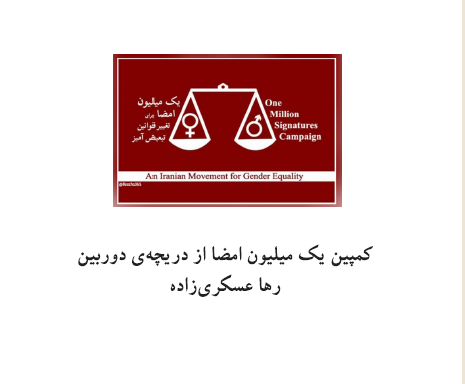
The One Million Signatures Campaign Through the Lens of Raha Askarizadeh’s Camera
Joining the campaign was a turning point in my life. From behind the doors of Raad Institute to bringing the signature sheet out of Evin Prison, every day is a vivid memory for me. The following photo collection is part of the history of those days....
Read More Created By:
Admin
Created By:
Admin September 25, 2026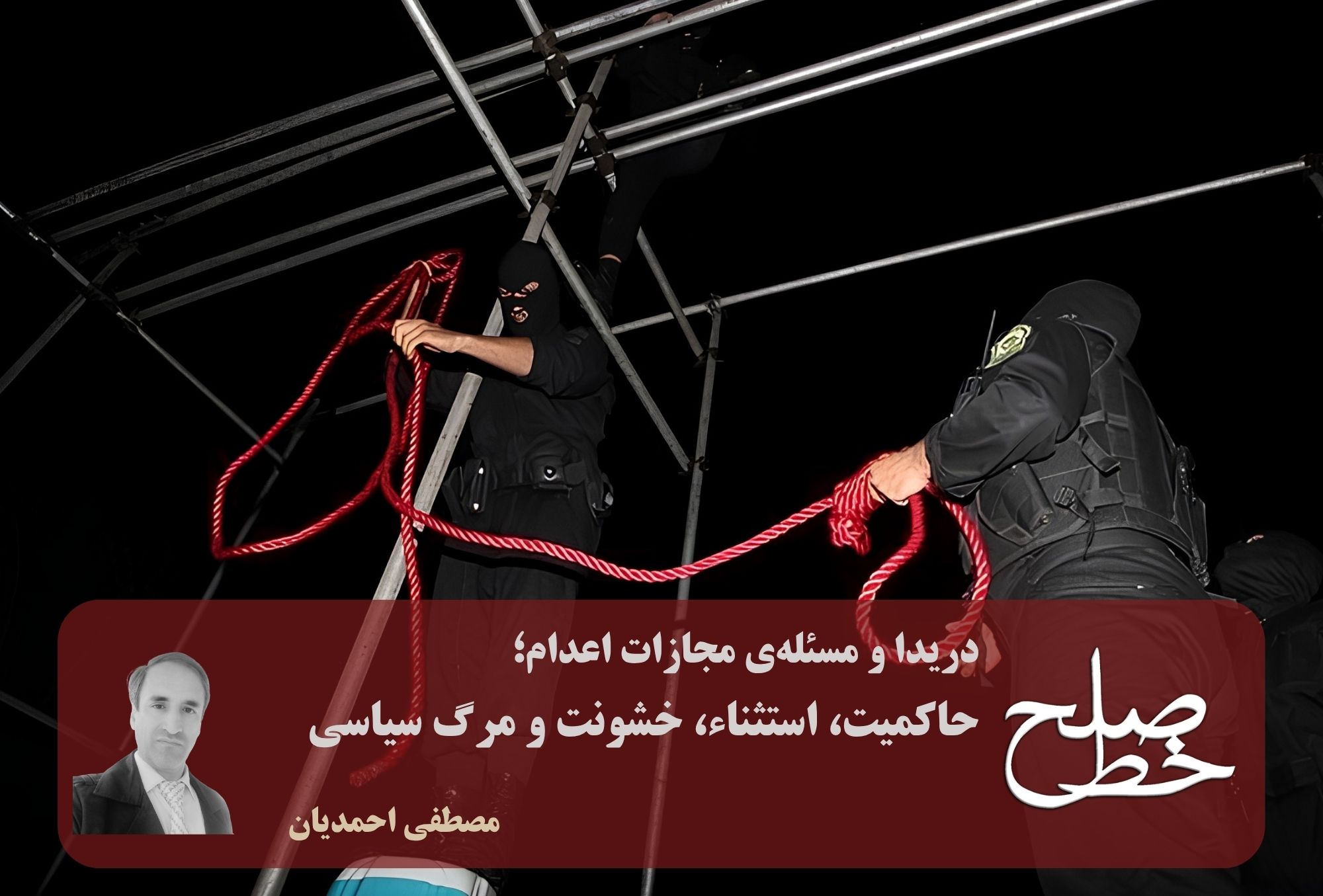
Derrida and the Question of the Death Penalty: Sovereignty, Exception, Violence, and Political Death/ Mustafa Ahmadian
Introduction: When the Law Arrives at Death Discussions of the death penalty usually begin from a point that the law has already determined: what constitutes a crime, what constitutes punishment, and in which cases the most severe punishment—the deprivation of life—may be applied. For this reason, a large part of the legal literature on the […]...
Read More
Created By:
Mustafa Ahmadian September 23, 2026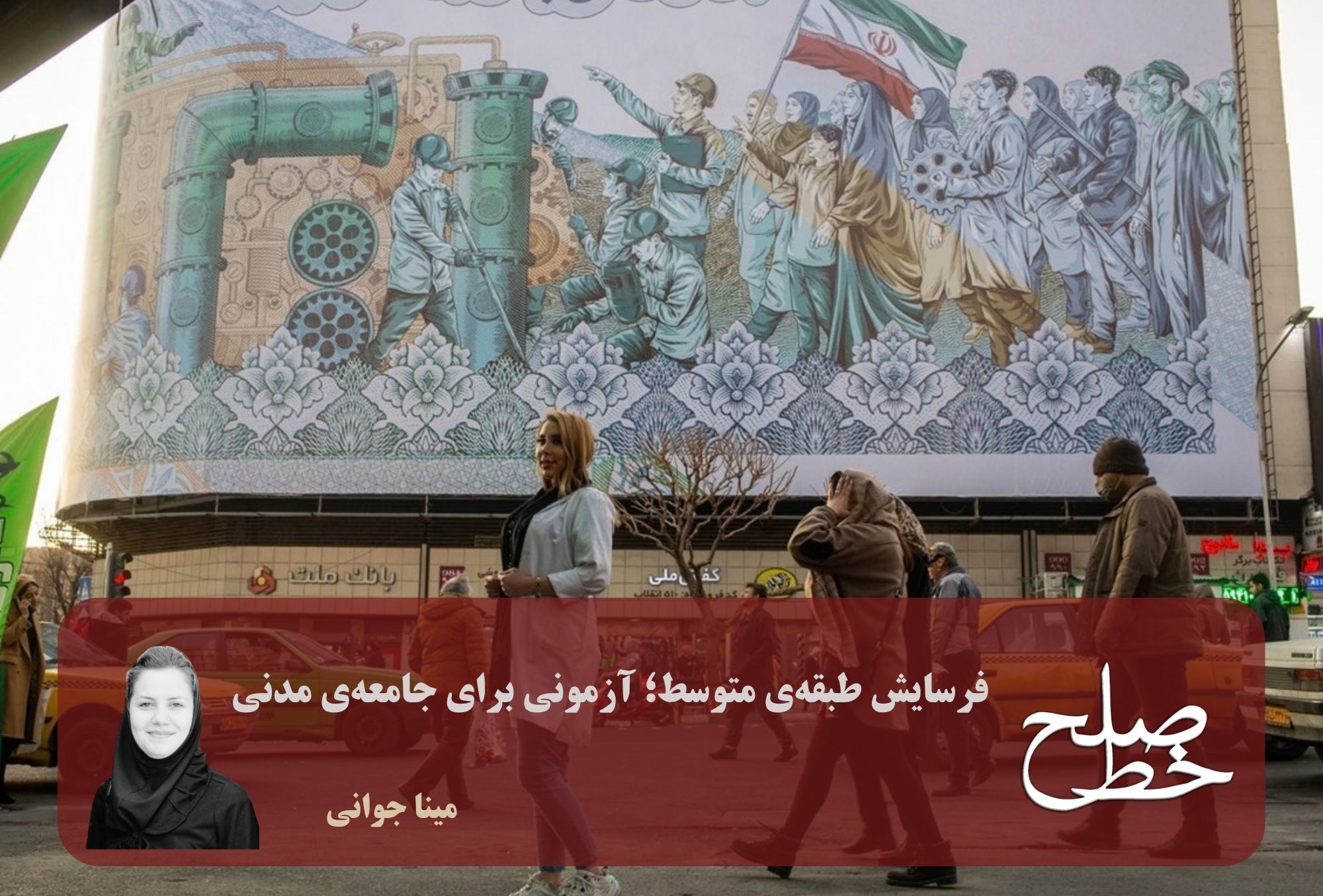
The Erosion of the Middle Class: A Test for Civil Society/ Mina Javani
The middle class is usually defined in terms of income level, consumption patterns, or educational attainment, as though the issue were merely one of drawing an economic boundary separating one segment of society from the lower and upper classes. Yet the historical and political significance of this class cannot be reduced to its economic position. […]...
Read More
Created By:
Mina Javani September 23, 2026 Created By:
Admin September 23, 2026
Created By:
Admin September 23, 2026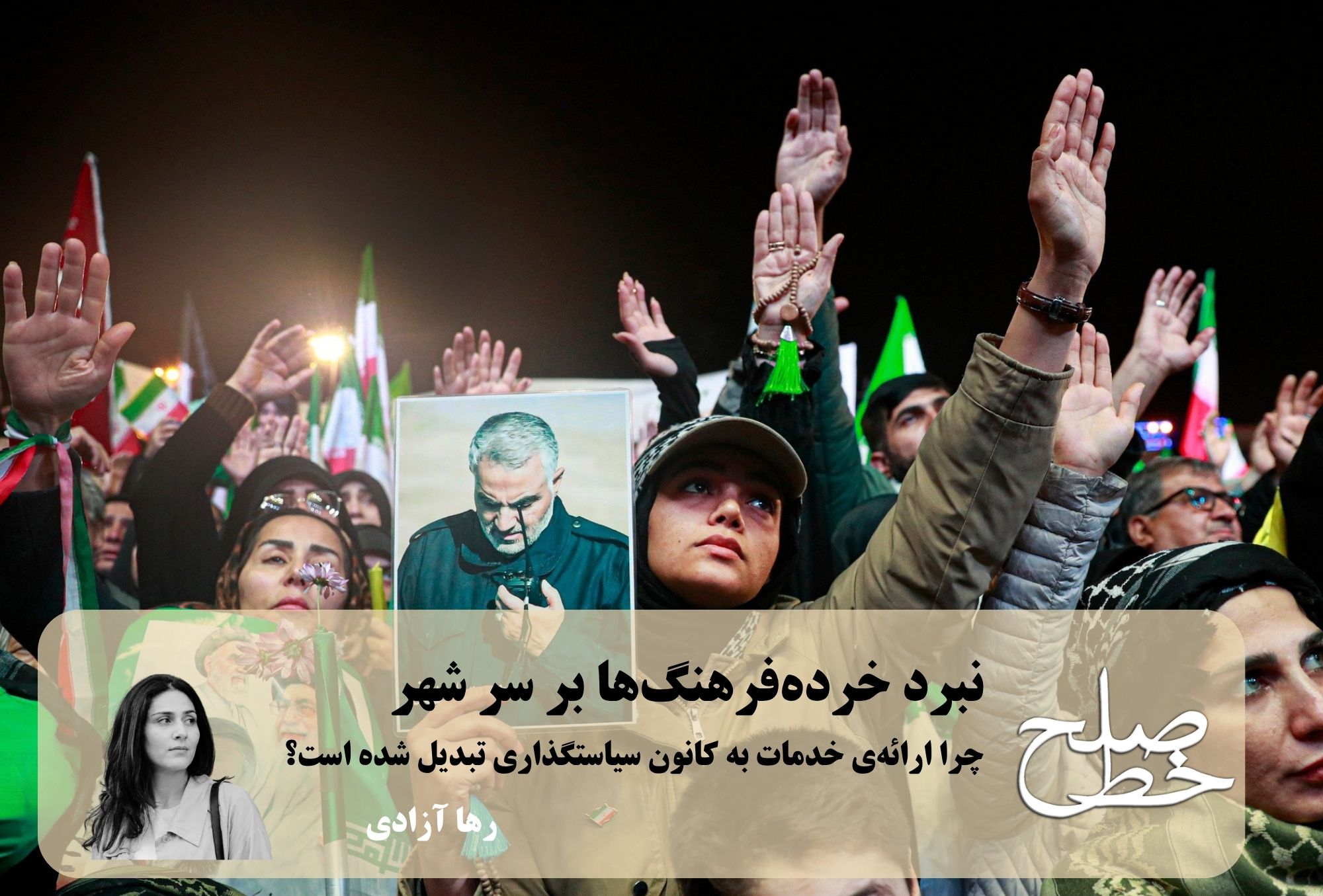
The Battle of Subcultures over the City/Raha Azadi
After the ceasefire in Iran, public policymaking, especially regarding public spaces and service occupations, underwent extensive changes. After 1401, with some twists and turns, the policy that Ali Motahari referred to as the “Sa’ah Sadr Nizam” was put on the agenda, and the previous strictures were somewhat relaxed. In these two or three years, it […]...
Read More
Created By:
Raha Azadi August 23, 2026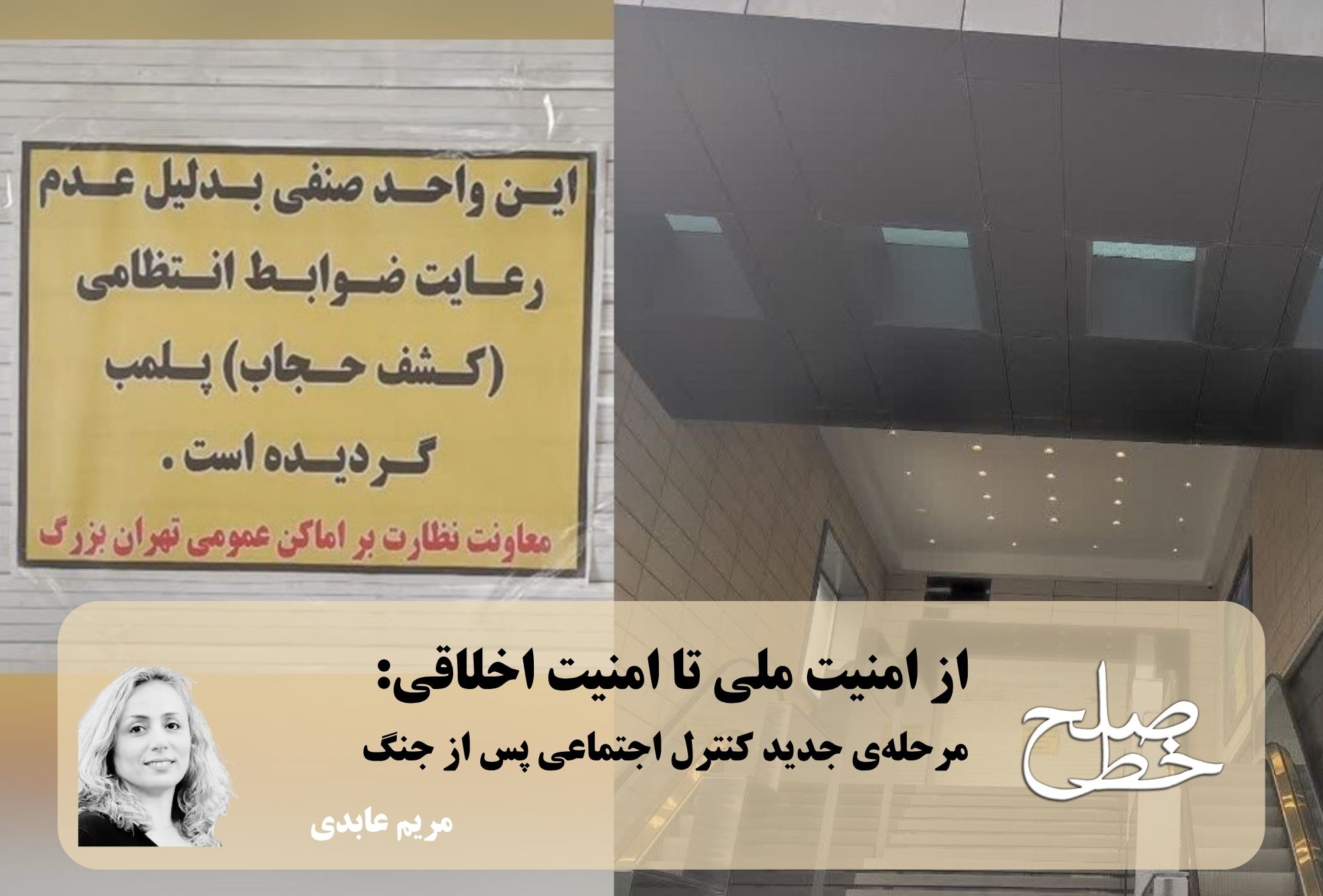
From National Security to Moral Security: The New Stage of Post-War Social Control / Maryam Abedi
In recent months, as the war has subsided, what has been seen on the streets, Instagram, and cyberspace is the return of the focus of governance from Iranian soil to the city; from the sealing of cafes and book cafes in Sana’i and Iranshahr to the crackdown on tourist tours and the blocking of bloggers’ […]...
Read More
Created By:
Maryam Abedi August 23, 2026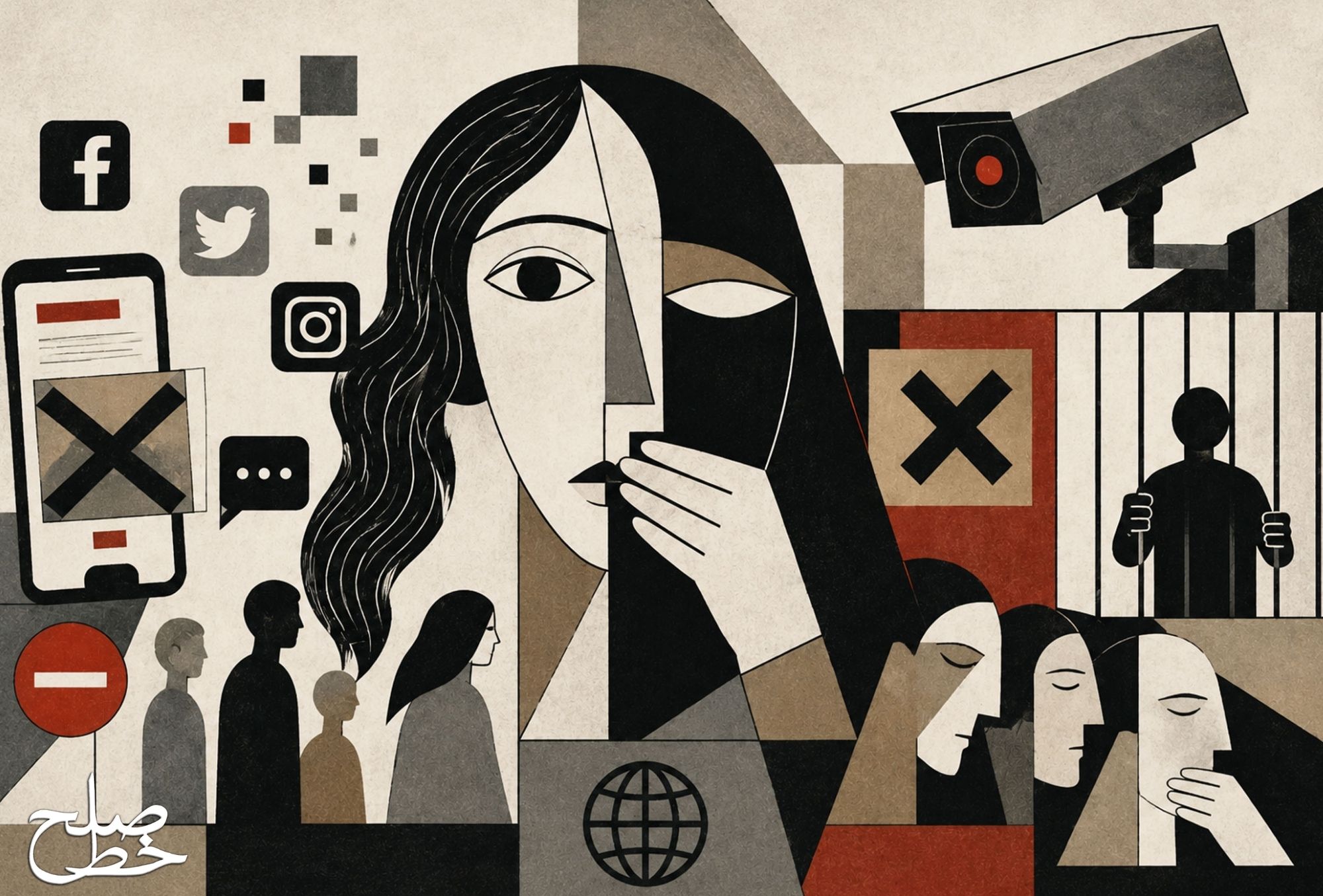 Created By:
Admin August 23, 2026
Created By:
Admin August 23, 2026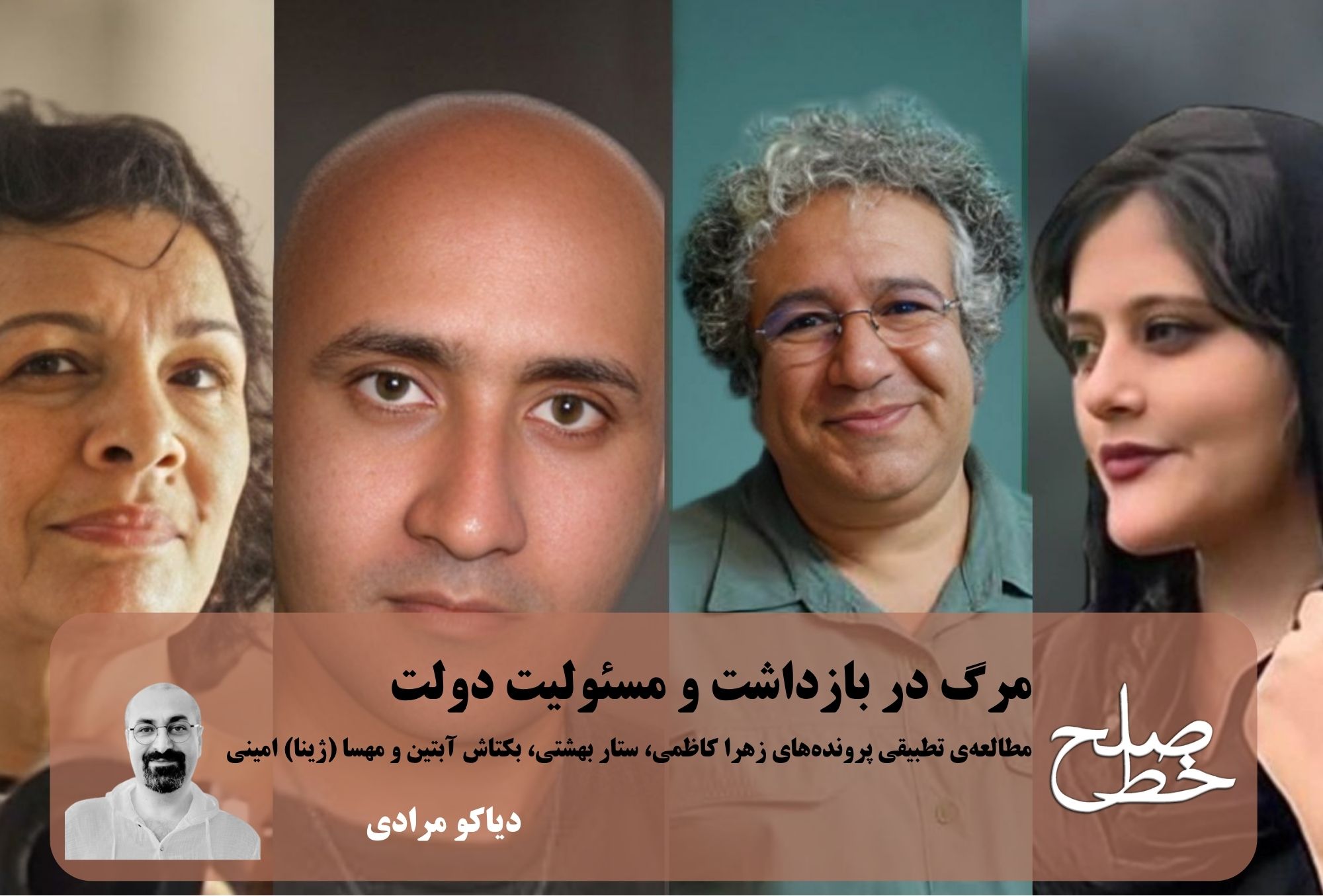
Death in Custody and State Responsibility/ Diako Moradi
Deaths in custody are among the most sensitive issues in international human rights law and one of the most significant indicators for assessing a state’s commitment to the rule of law. When an individual is deprived of liberty, the state assumes not only the authority to restrict that person’s freedom but also the direct responsibility […]...
Read More
Created By:
Diako Moradi July 23, 2026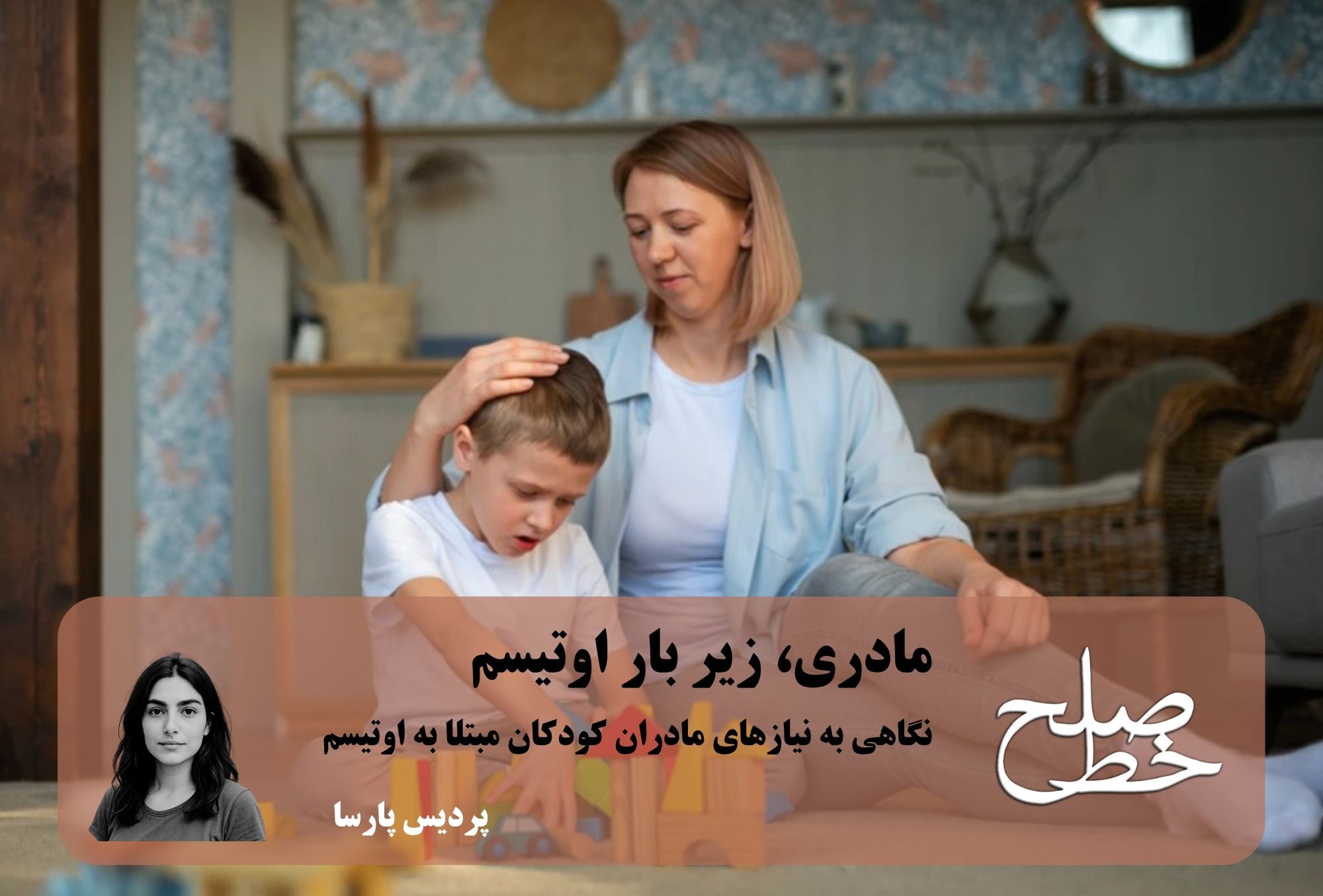
Motherhood, under the burden of autism/Pardis Parsa
Early parent-child interactions form the foundation for a child’s psychosocial development in the context of society. However, exposure to a neurodevelopmental disorder in a child presents fundamental challenges to this cognitive structure and preconceived parenting goals. Autism spectrum disorder is a group of complex neurodevelopmental conditions characterized by persistent deficits in social interaction, verbal and […]...
Read More
Created By:
Pardis Parsa July 23, 2026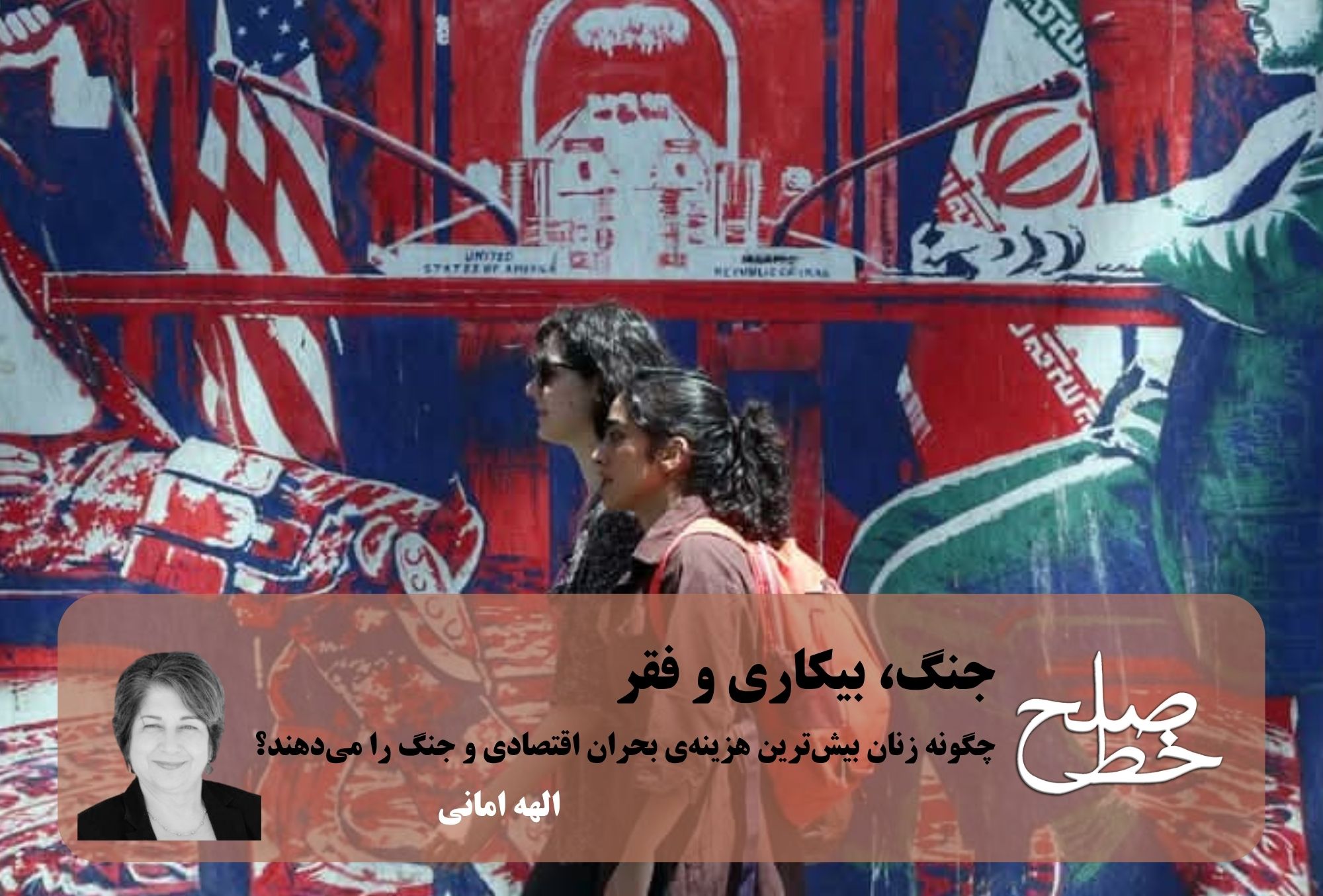
How do women pay the highest price for economic crisis and war?/ Elahe Amani
War fundamentally transforms the labor market by destroying infrastructure, massive population displacement, collapsing economic activity, disrupting education and health systems, and rupturing social networks. Although the consequences of war affect all segments of society, its economic effects on women are deeper and more lasting, as women not only face reduced job opportunities, income, and economic […]...
Read More
Created By:
Elahe Amani July 23, 2026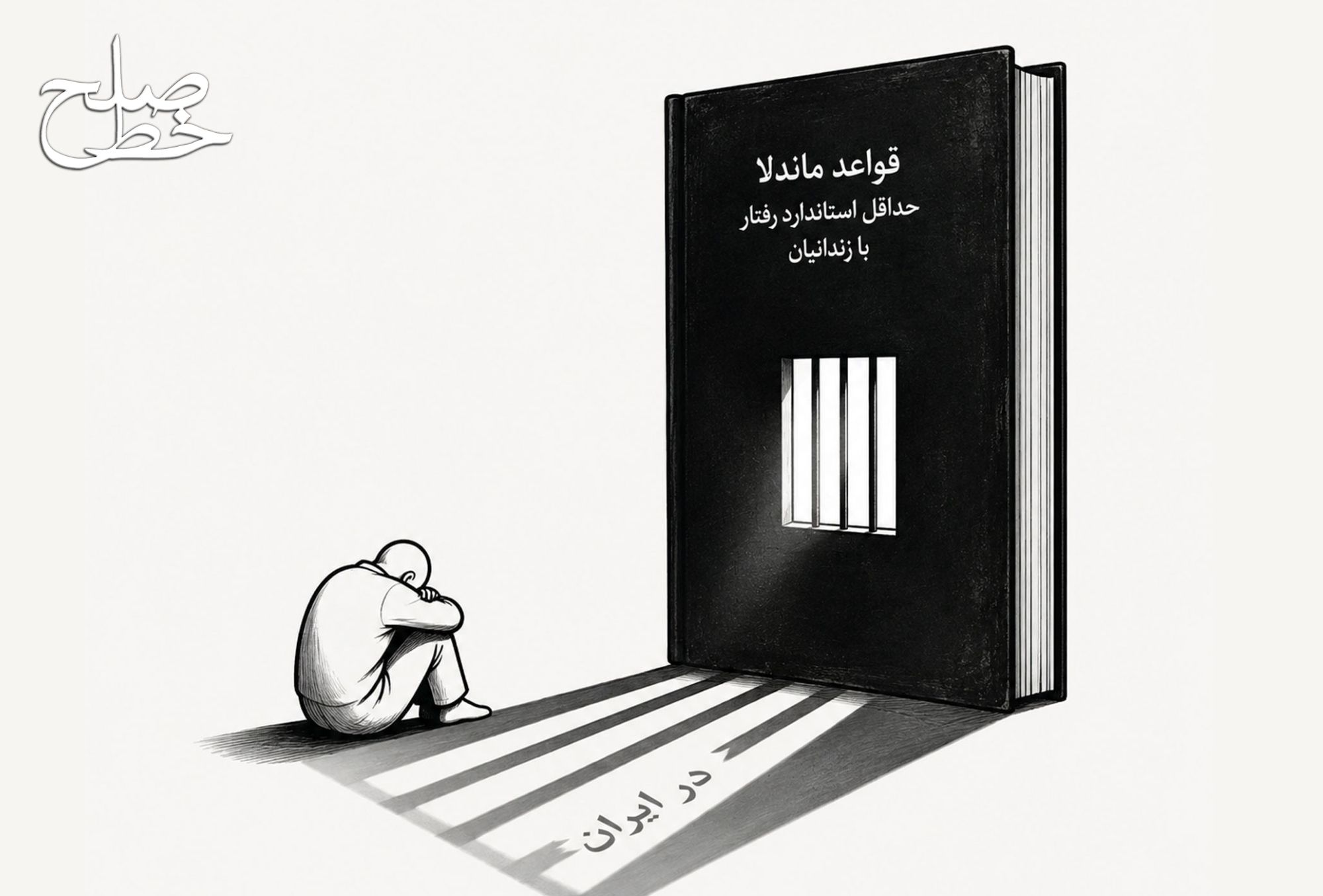 Created By:
Admin July 23, 2026
Created By:
Admin July 23, 2026 Created By:
Admin June 22, 2026
Created By:
Admin June 22, 2026
