


The war between Iran and Israel.
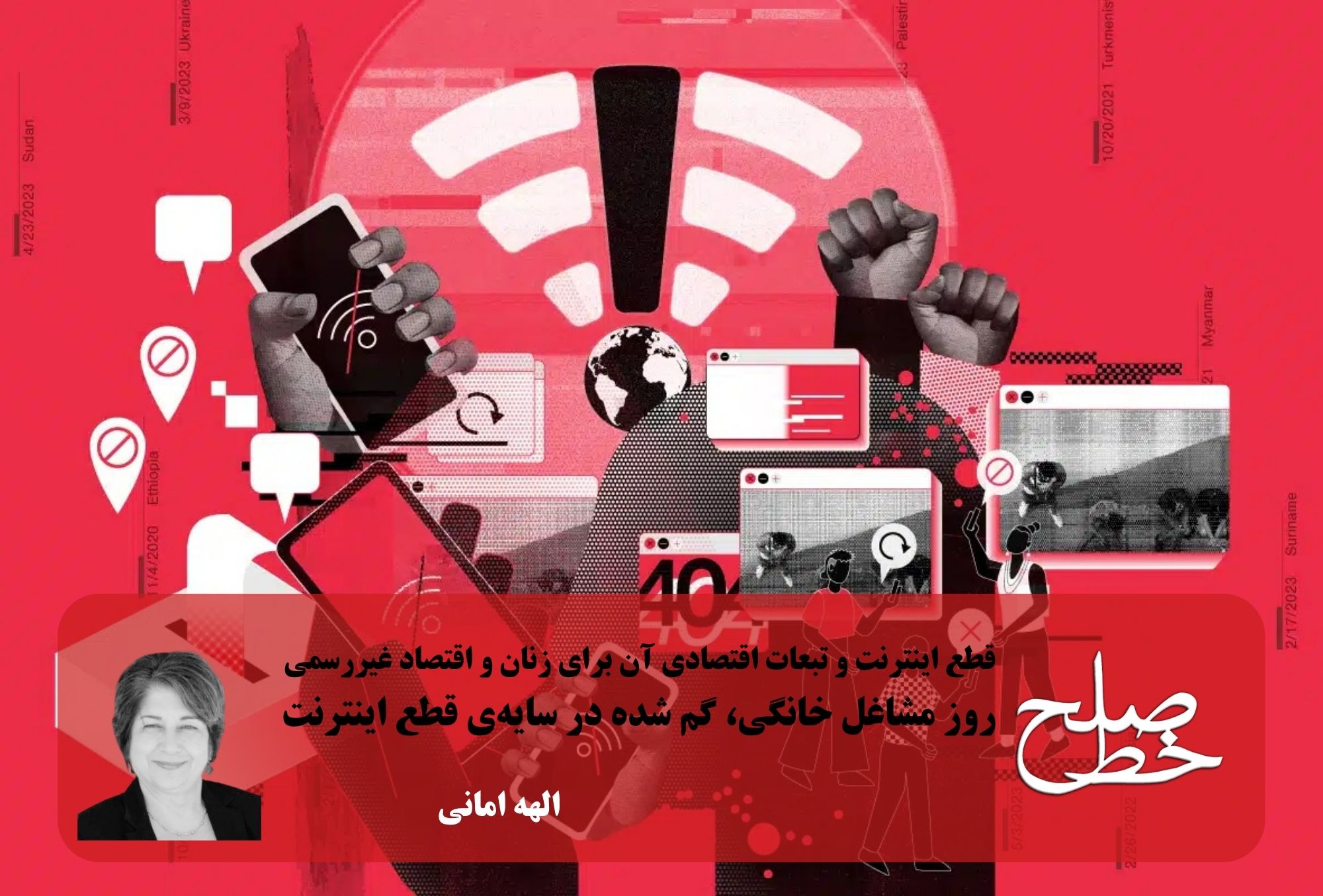
Internet Shutdowns and Their Economic Consequences for Women and the Informal Economy/ Elaheh Amani
This article is not about the catastrophic depth of war as an absolute evil; it is not about the innocent children who lost their lives and never returned home; it is not about the civilians in Iran and other countries of the region who were killed; it is not about the historical heritage destroyed and […]...
Read More Created By:
Elahe Amani
Created By:
Elahe Amani April 21, 2026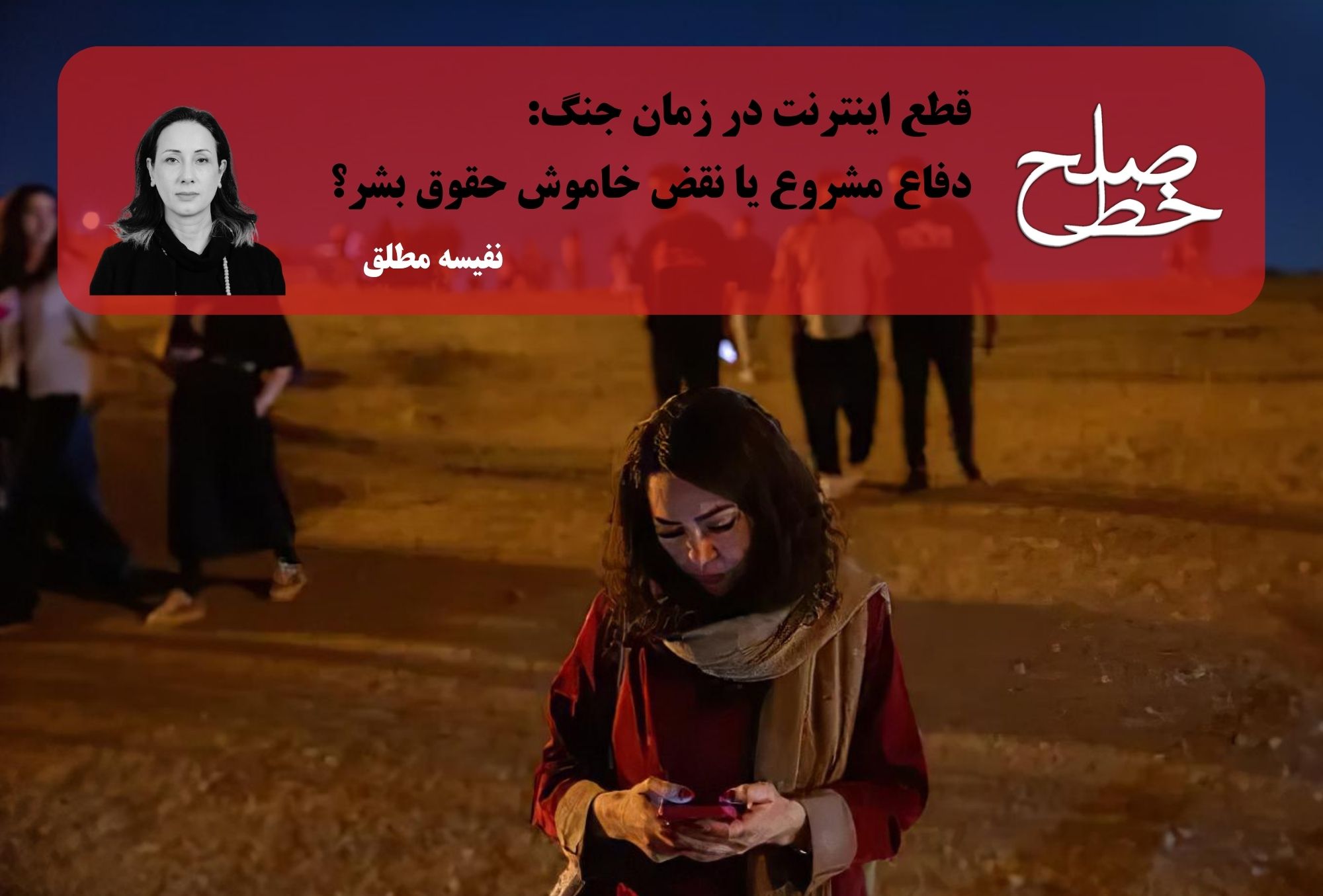
Internet Shutdowns During Wartime: Legitimate Defense or a Silent Violation of Human Rights?/ Nafiseh Motlagh
In the contemporary world, access to the internet is considered one of the vital pillars of social and economic life, and even a condition for the survival of citizens. However, this reality has not yet been explicitly recognized in international law—neither as an “independent human right” nor as a “critical infrastructure.” This legal gap has […]...
Read More
Created By:
Nafiseh Motlagh April 21, 2026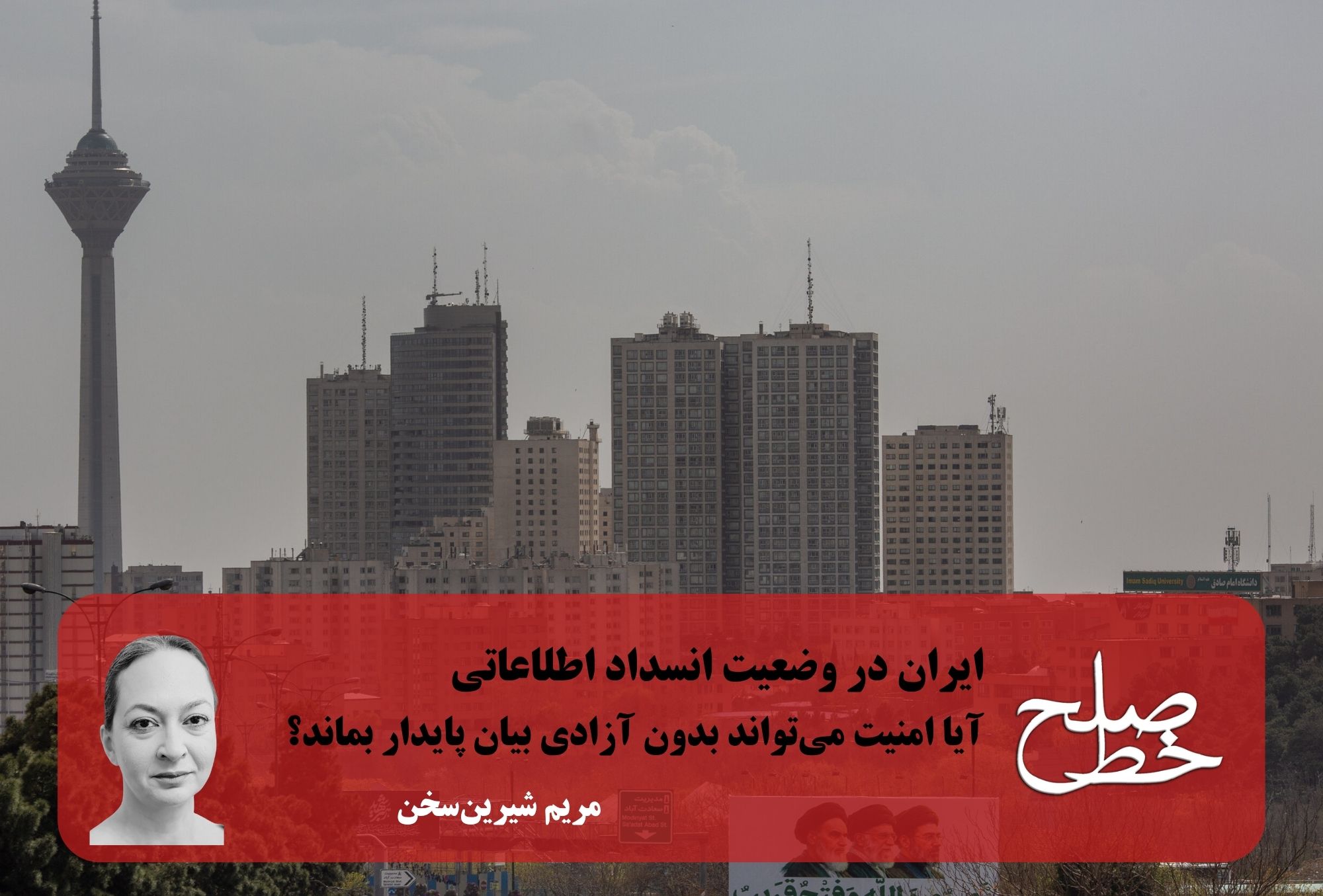
Iran in a State of Information Blockade / Maryam Shirin Sokhan
These days, Iran is undergoing an unprecedented experience: weeks of widespread internet shutdowns, severe restrictions on media, and the concentration of narratives within a single official channel. For more than two months, access to the internet in Iran has been completely cut off. Although limited access has recently been granted to certain individuals and professional […]...
Read More
Created By:
Maryam Shirin Sokhan April 21, 2026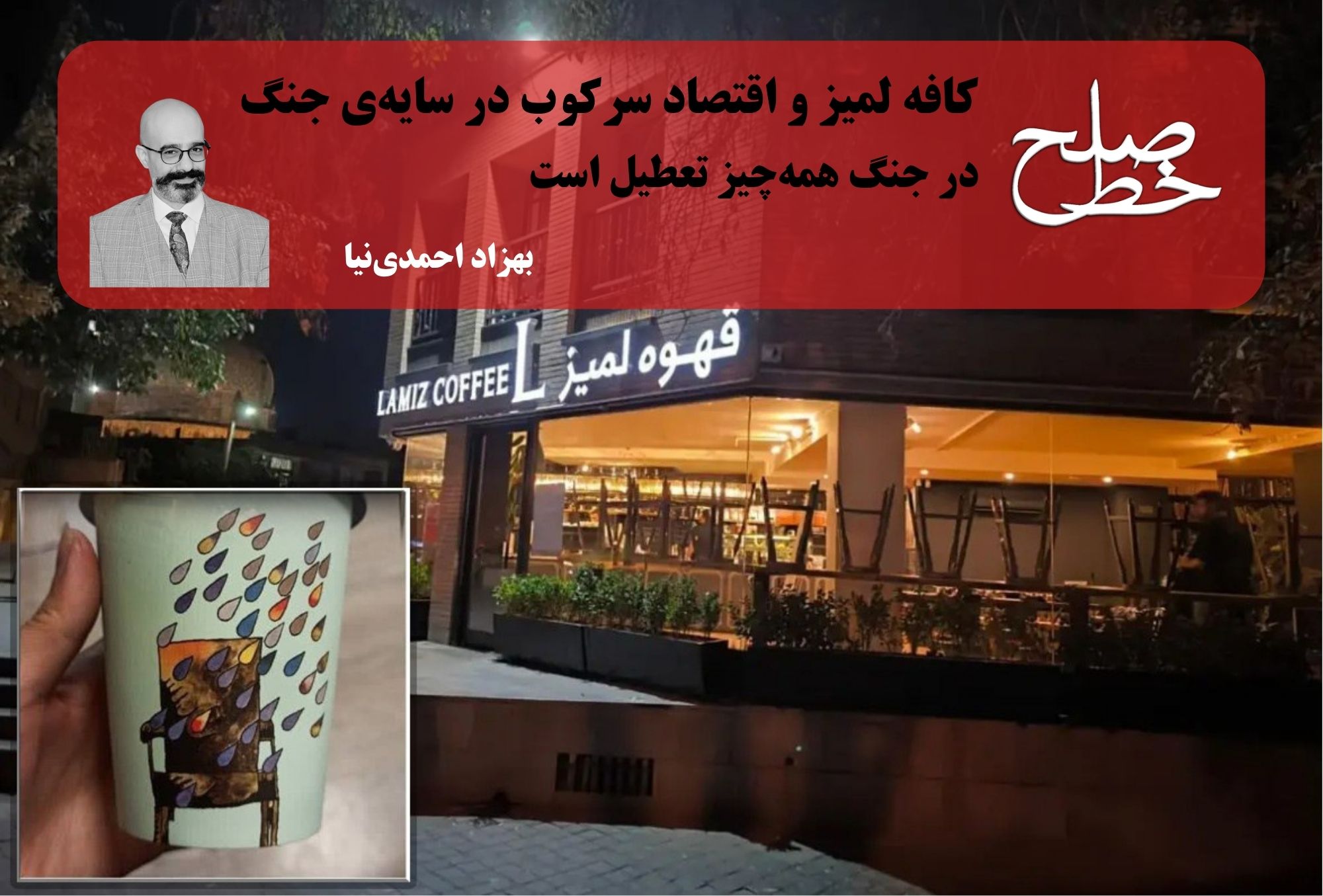
Cafe Lamiz” and the Economy of Suppression in the Shadow of War / Behzad Ahmadinia”
The ugliest—and perhaps most familiar—face of human society is “war.” This can be read between the lines of the book An Introduction to Polemology by Gaston Bouthoul. In this work, he explains how no law, treaty, or prohibition can stand against war. In a case study, the book describes the international restrictions and global pressures […]...
Read More
Created By:
Behzad Ahmadinia April 21, 2026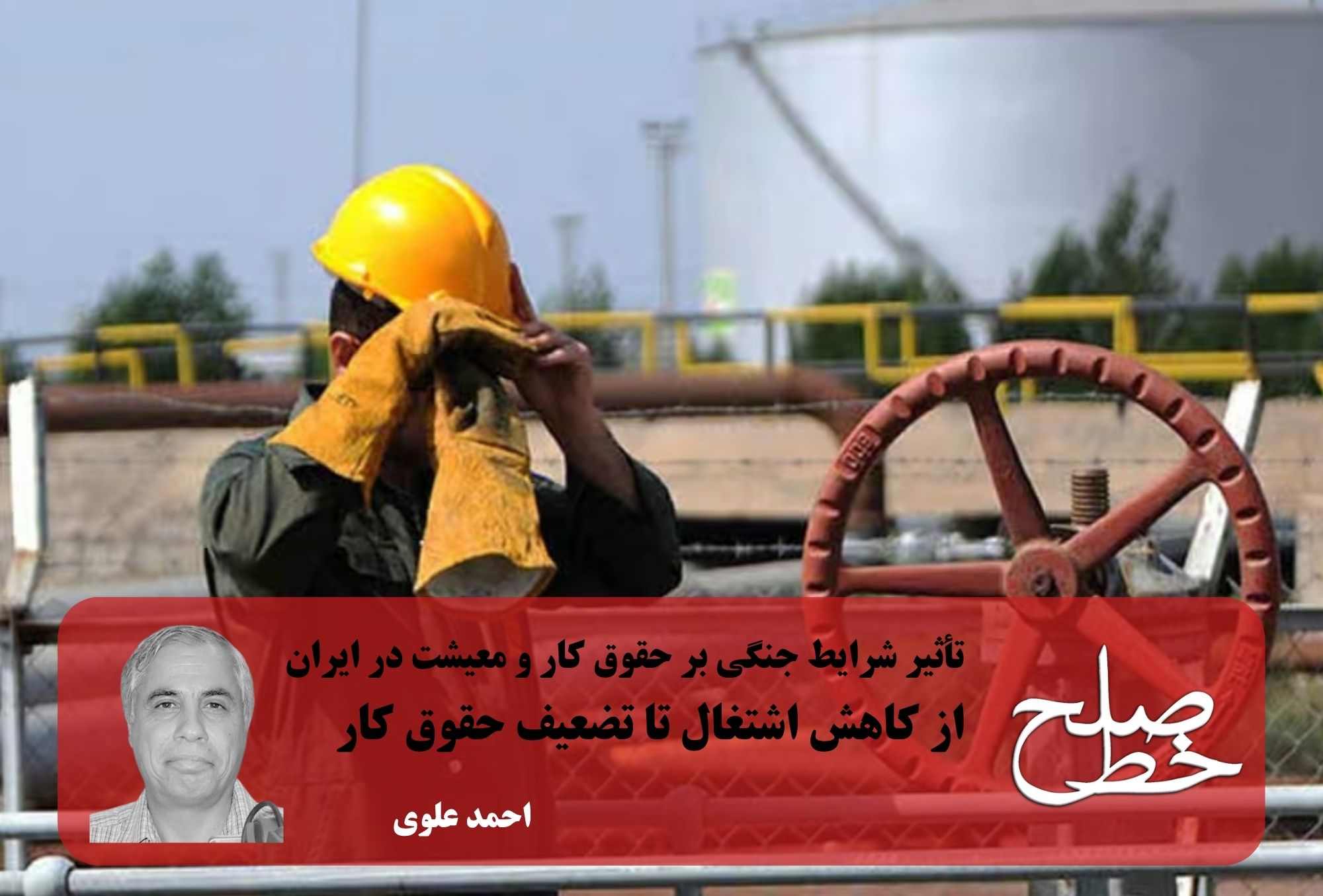
The Impact of Wartime Conditions on Labor Rights and Livelihoods in Iran/ Ahmad Alavi
Wars in the modern economy are no longer merely military events; rather, they are multidimensional phenomena that simultaneously affect economic, social, and institutional structures. In the case of present-day Iran, in the year 2026 (1405), this characteristic is clearly observable, where the economy had already been facing chronic imbalances and war has acted as an […]...
Read More
Created By:
Ahmad Alavi April 21, 2026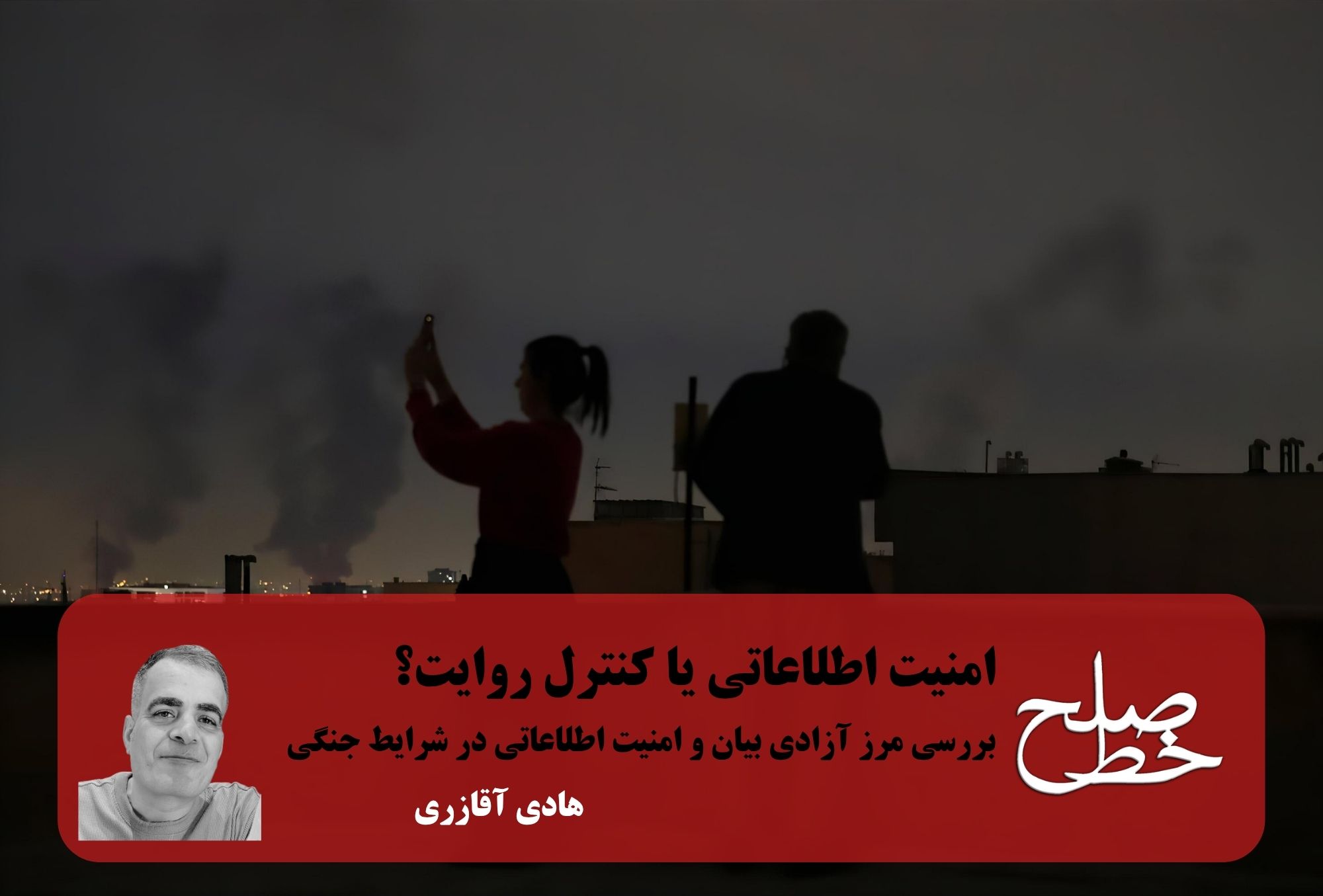
Information Security or Narrative Control?/ Hadi Aghazari
This article is being written at a time when more than one thousand hours have passed since the widespread internet shutdown in Iran, justified on the grounds of maintaining security. During this period, communication between Iranians inside and outside the country has been seriously disrupted, and access for those inside the country to the outside […]...
Read More
Created By:
Hadi Aghazari April 21, 2026 Created By:
Admin April 21, 2026
Created By:
Admin April 21, 2026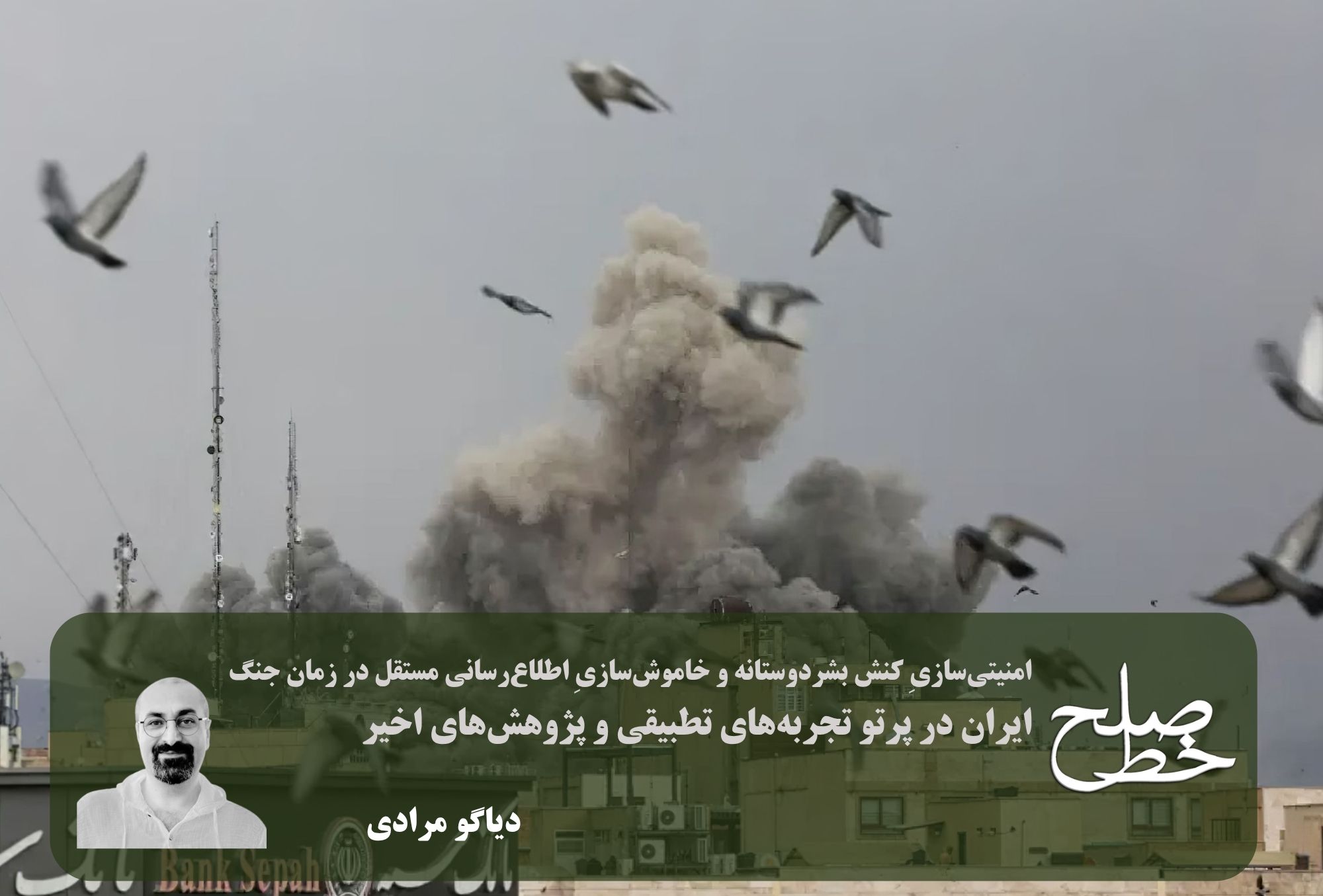
Securitizing Humanitarian Action and Silencing Independent Reporting in Times of War/Diako Moradi
This article attempts to show that in contemporary wars, the battlefield is no longer limited to the military arena, but that the humanitarian, media, communication, and legal spheres are increasingly integrated into the logic of war. In such a situation, war is waged not only through weapons, bombing, and the destruction of physical infrastructure, but […]...
Read More
Created By:
Diako Moradi March 21, 2026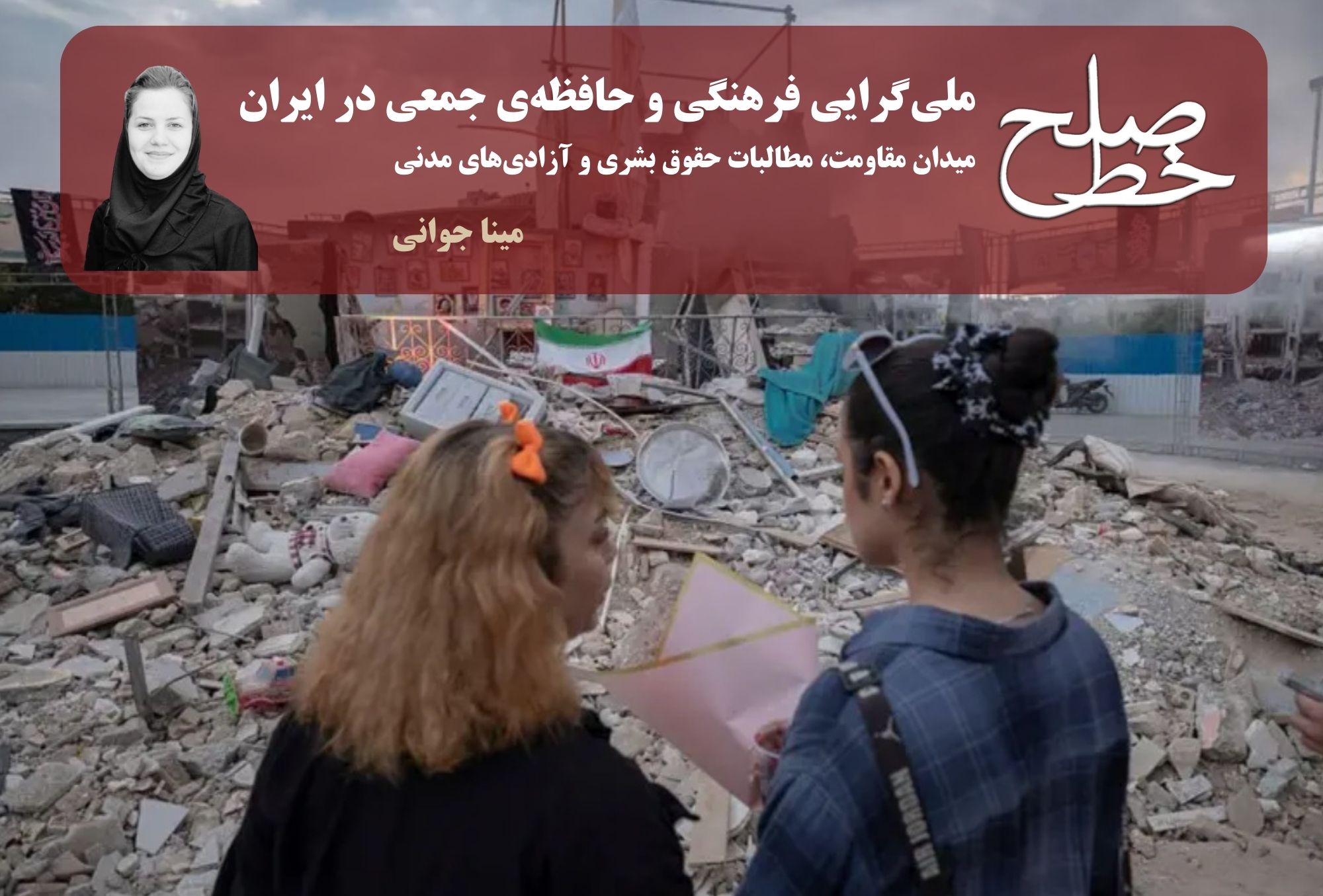
Cultural Nationalism and Collective Memory in Iran/ Mina Javani
Collective memory in societies grappling with political crises and repressive structures functions not merely as a recollection of the past, but as a space for cultural resistance, redefinition of social identity, and advocacy for human rights. In contemporary Iran, the representation of national symbols—ranging from flags and cultural rituals to patriotic poetry and music—has taken […]...
Read More
Created By:
Mina Javani September 23, 2025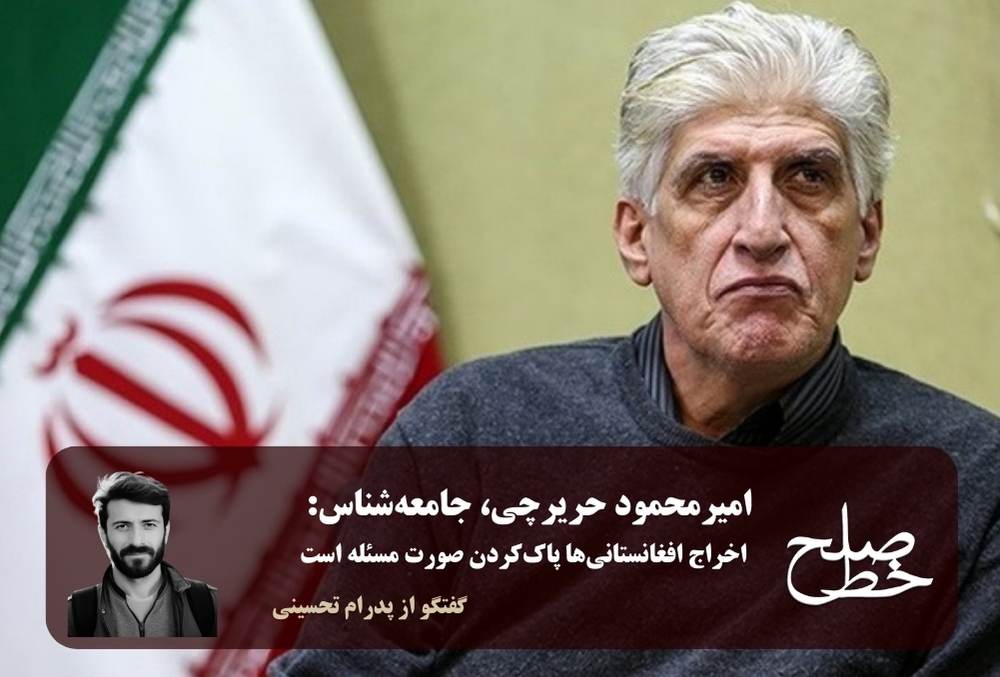
Amir Mahmoud Harirchi: Deporting Afghans is just sweeping the problem under the rug/ Pedram Tahsini
Migration is not a new story; it is an ancient narrative embedded in the annals of every nation’s history — filled with tales both great and small, of triumphs and defeats. But for the people of Afghanistan, this narrative is steeped in sorrow. It is a historical pain for our eastern neighbor, who also happens […]...
Read More
Created By:
Padram Tahsini August 23, 2025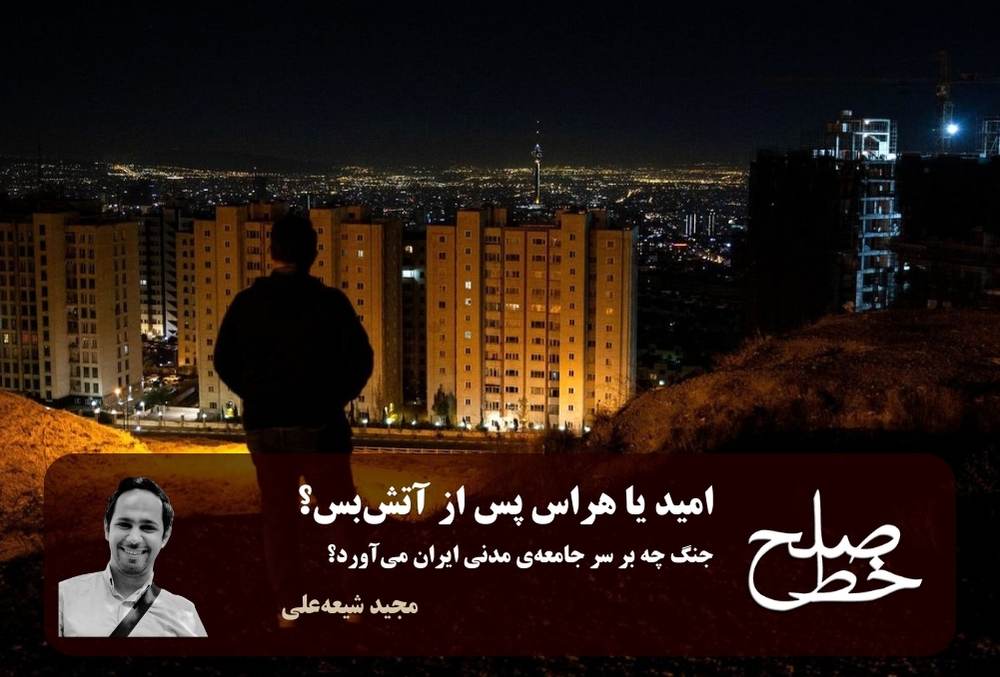
Hope or fear after the ceasefire?/ Majid Shia Ali
The twelve-day war has ended, but the war conditions have not ended. The shadow of war still looms over Iranian society. The threat of war, missile attacks, explosions, assassinations, and Israeli security operations in Iran are still serious. The continuation of the war situation, the inability of the government to take action to address […]...
Read More
Created By:
Majid Shia’ali August 23, 2025
Cold peace as a model of governance in the post-crisis era/ Mina Javani
After the end of the twelve-day war, the situation in Iran has seemingly entered a phase of stability; a phase that in political discourse is referred to as “mutual restraint” or “controlled tension”, but at a structural level, it is not only a sign of a return to normalcy, but also a continuation of the […]...
Read More
Created By:
Mina Javani August 23, 2025
