


Peace Line 186
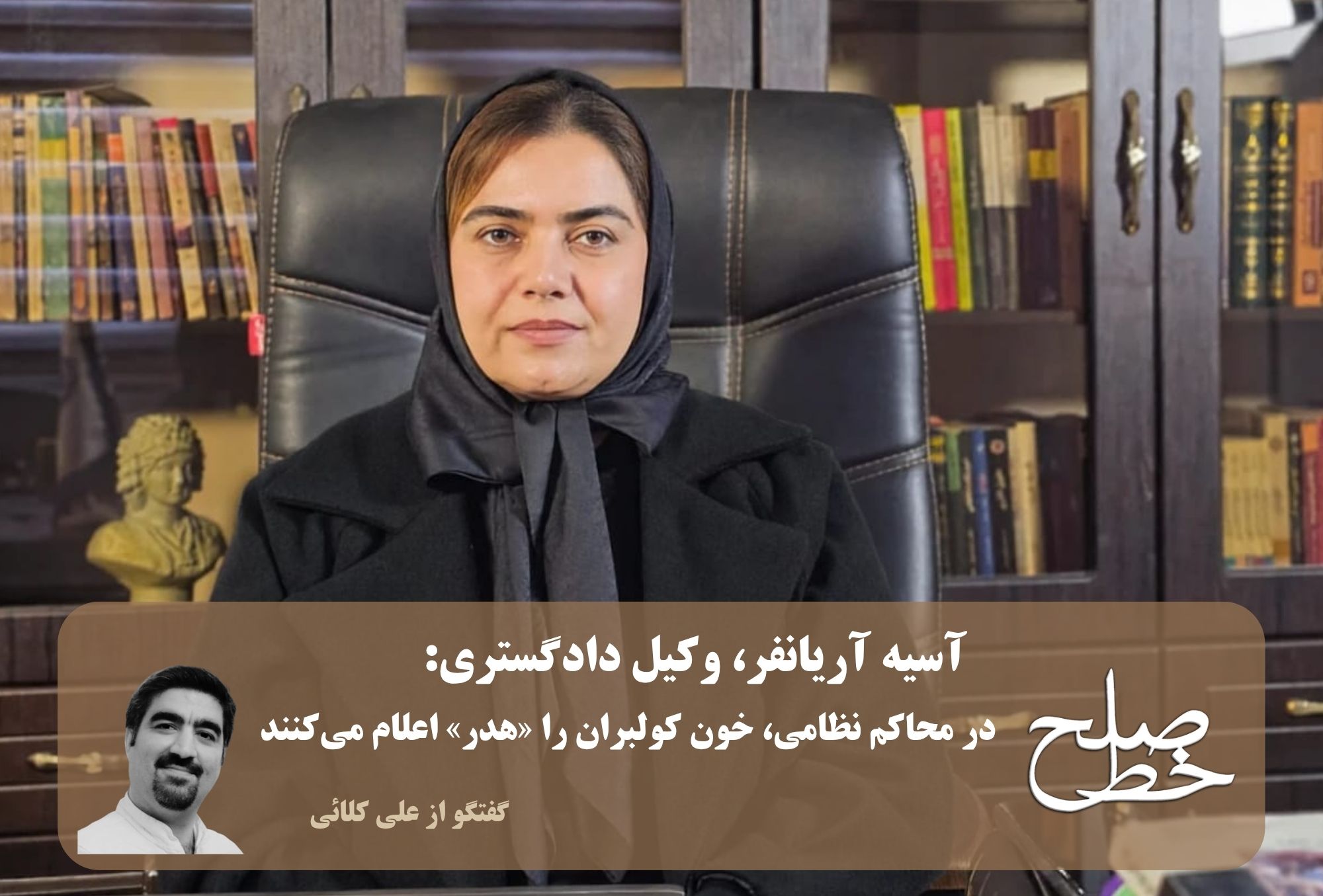
Asia Arianfar: In military courts, the blood of kolbars is declared “wasted” / Ali Kalai
The shooting of Kolbars in the western border regions of Iran has raised serious questions about the right to life, the limits of the powers of armed officers, and the right of victims to seek justice for years. Although the Law on the Organization of Border Trade has set a framework for some of the […]...
Read more By:
Ali Kalaei
 October 23, 2026
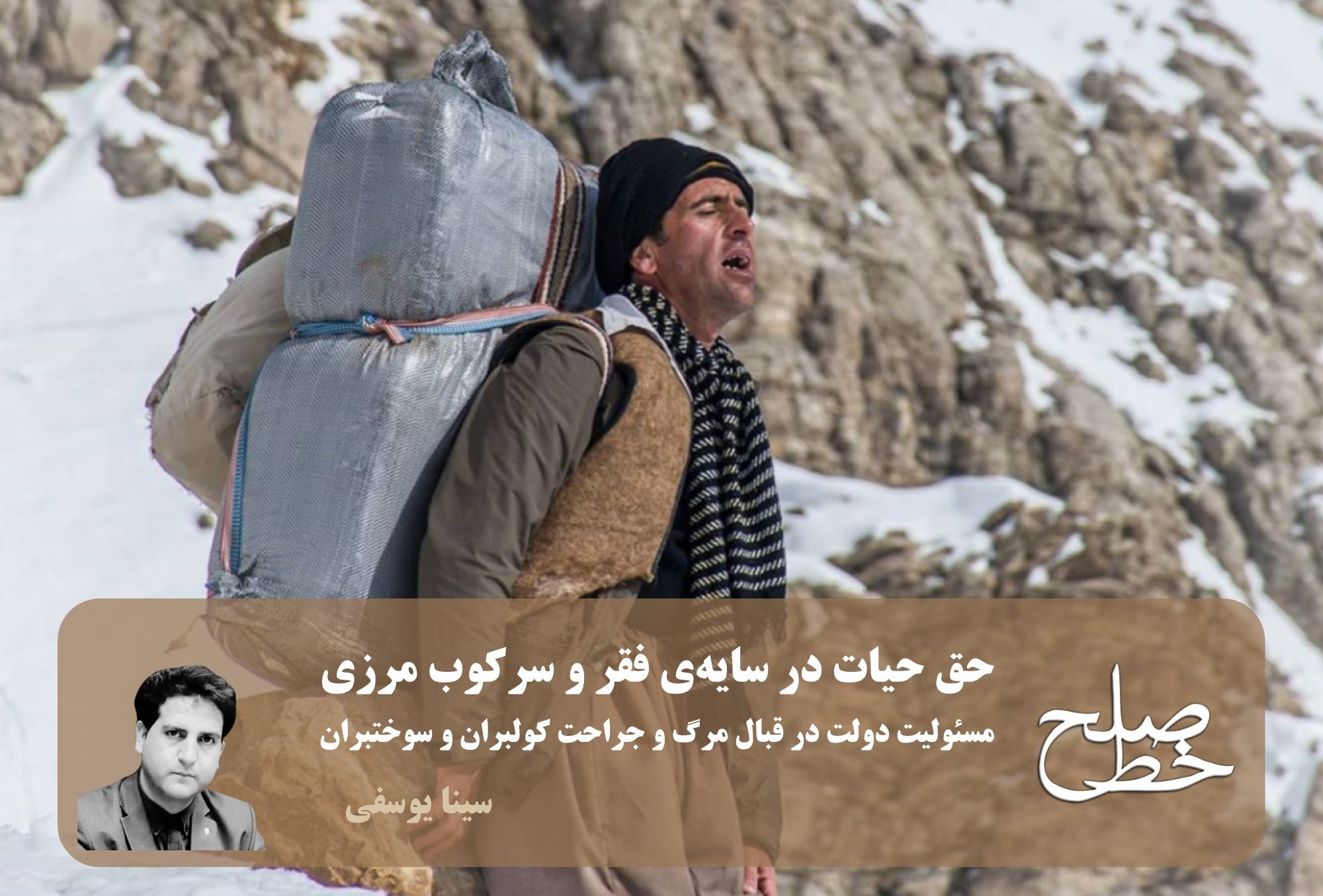
The Right to Life in the Shadow of Poverty and Border Repression/Sina Yousefi
Kolbari in Kurdish areas, fuel carriers in Balochistan and other forms of informal and risky employment in other border areas, including Azerbaijan, are part of the economic reality of regions that have faced structural poverty, a lack of sustainable job opportunities and deprivation of development opportunities for years. In these regions, a significant part of […]...
Read more
By:
Sina Yousefi October 23, 2026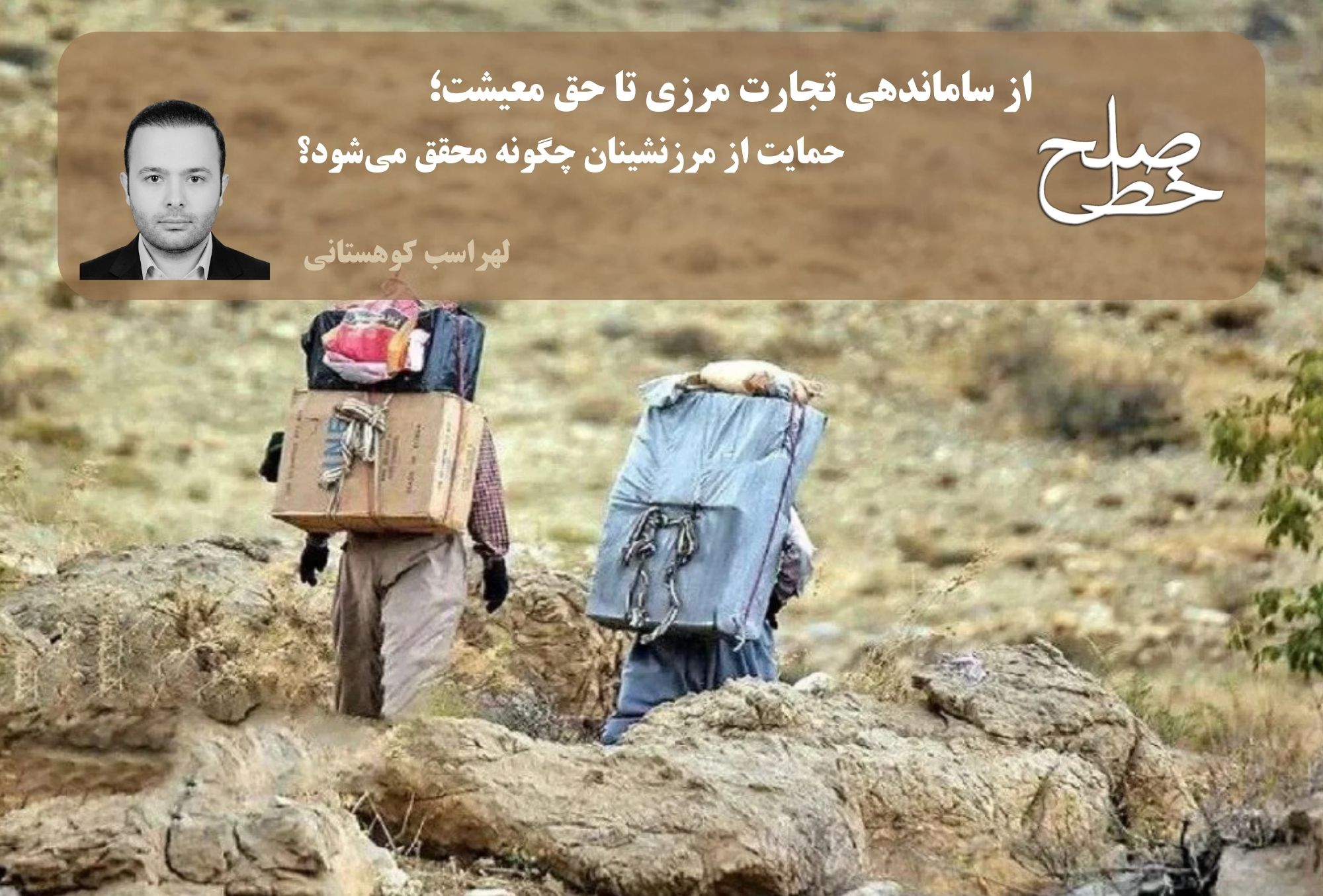
From regulating cross-border trade to the right to livelihood; how is support for border residents achieved? / Lohrasb Kohistani
Let’s say a resident of Marivan applies for a border trade quota. He has submitted his residency documents, but the answer is simply: Your conditions were not met. He does not know which document was incomplete, whether the quota capacity was filled or other people had priority. More importantly, he does not know where to […]...
Read more
By:
Lohrasb Kouhestani October 23, 2026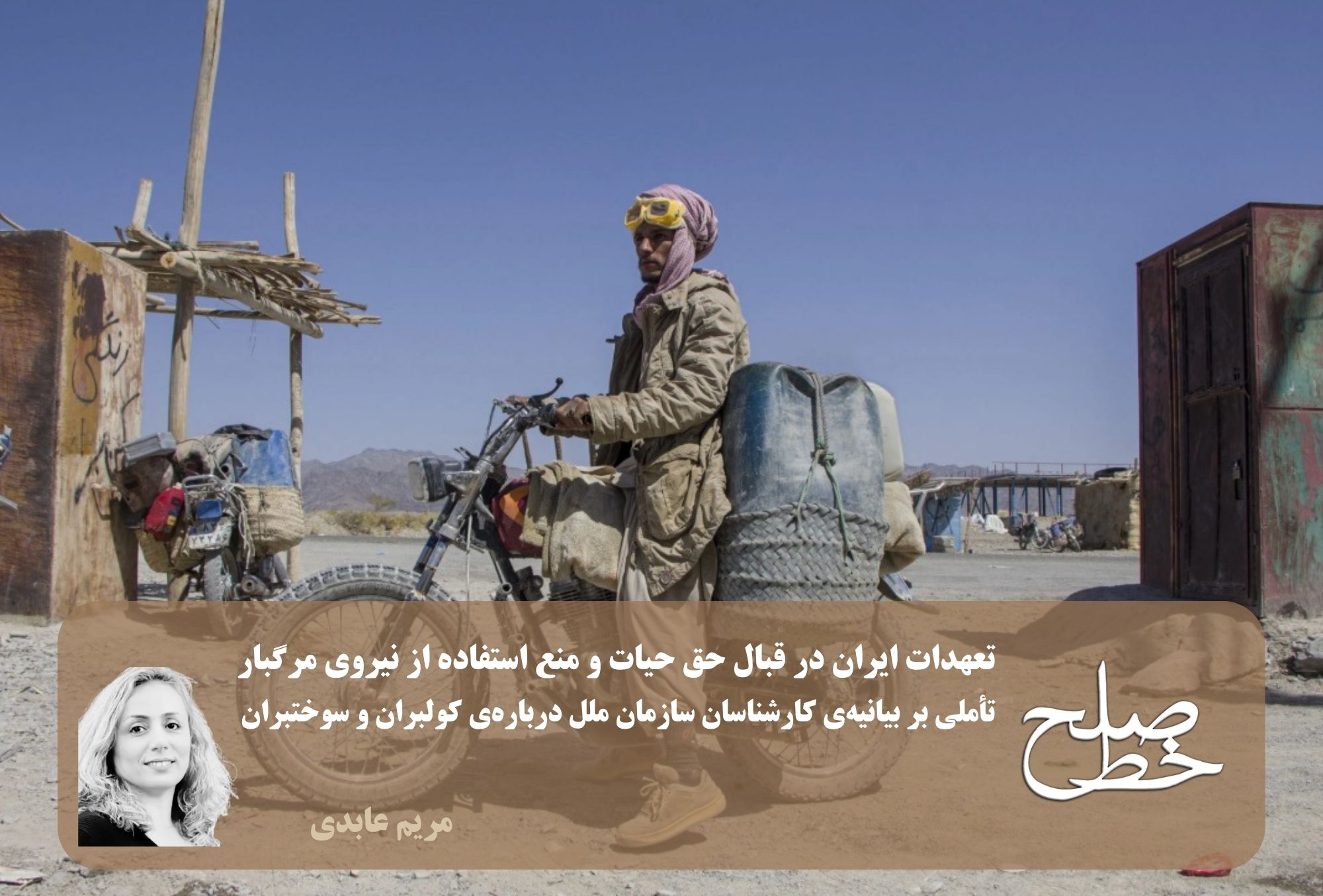
Iran’s Commitments to the Right to Life and the Prohibition of the Use of Deadly Force/ Maryam Abedi
Kolbari and fuel bartering cannot be analyzed within the classical framework of informal trade practices; this phenomenon is, first and foremost, a survival strategy in the context of structural poverty, chronic unemployment, and regional discrimination. It was in this context that the “Law on the Organization and Supervision of Border Trade (Kolbari and Melvani) and […]...
Read more
By:
Maryam Abedi October 23, 2026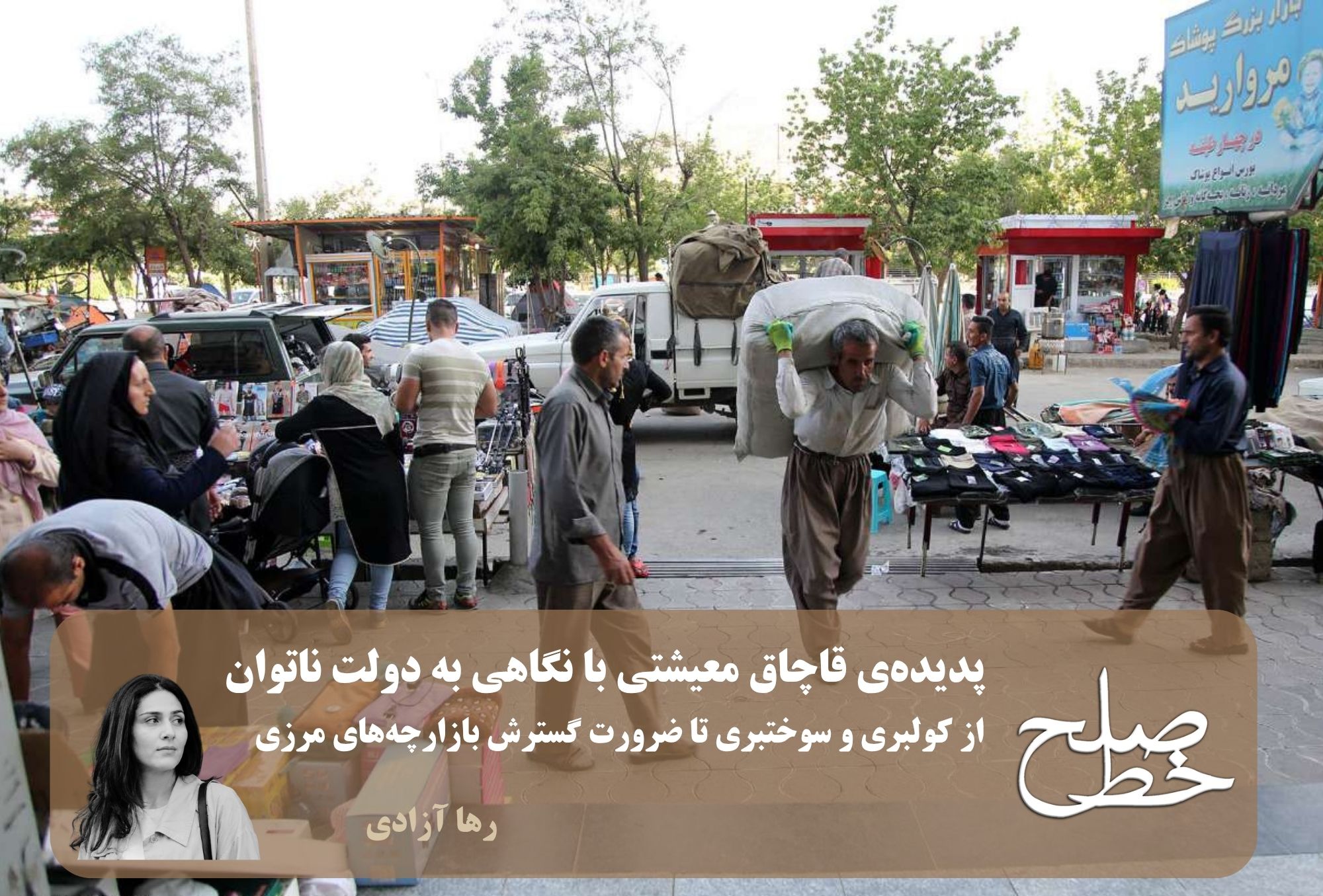
The phenomenon of subsistence smuggling with a view to the incompetent government/Raha Azadi
A failed state is a state that is unable to perform its functions as a state. Such a state is incapable of establishing social order, monopolizing the use of violence, meeting the basic needs of the people of the society, establishing security and the rule of law, and some of its functions are performed by […]...
Read more
By:
Raha Azadi October 23, 2026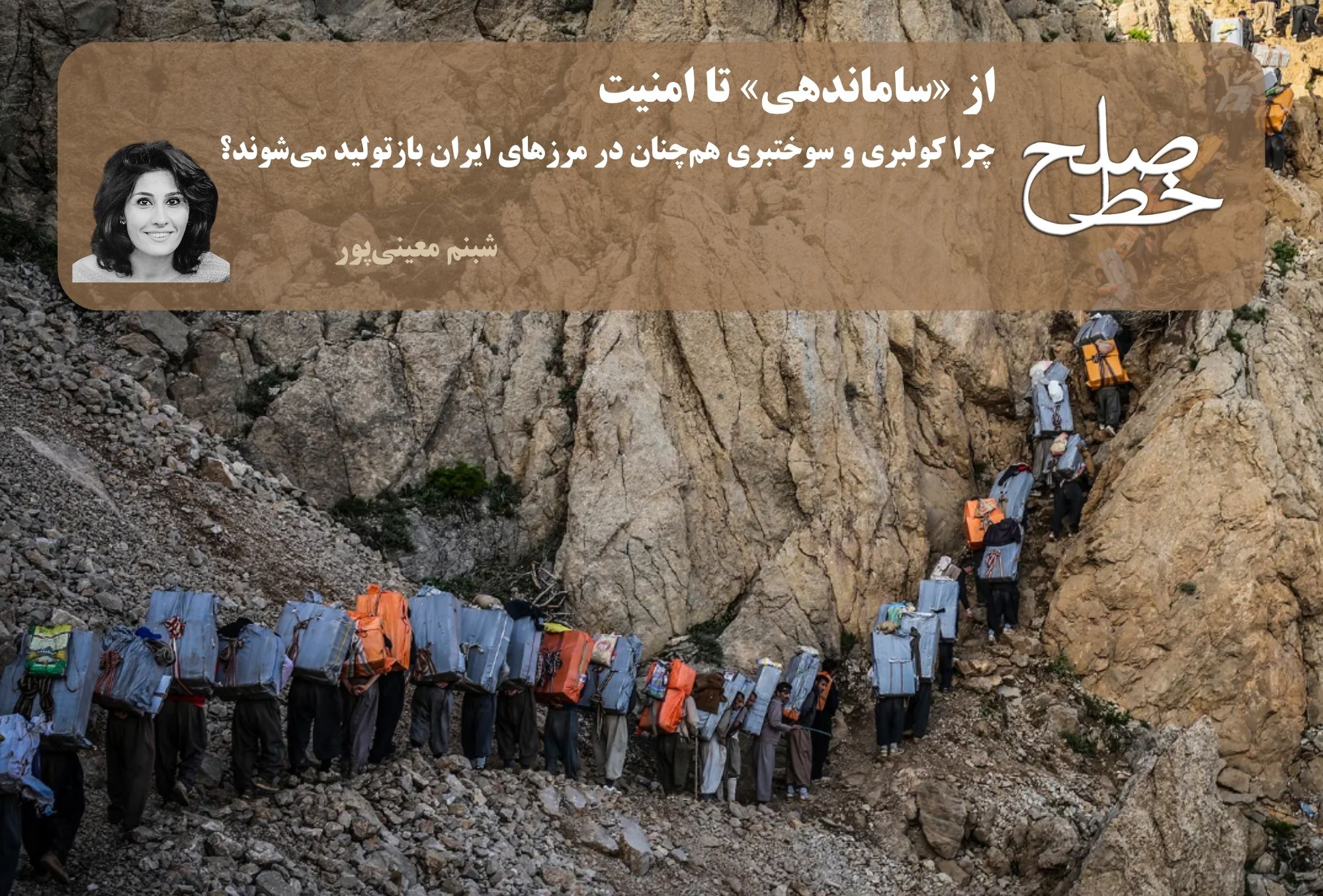
From “Organization” to Security; Why Do Kolbari and Fuel Carriers Continue to Reproduce on Iran’s Borders? / Shabnam Moeinipour
The passage of the “Law on the Organization and Supervision of Border Trade (Kolbari and Sailors) and the Creation of Sustainable Employment for Border Residents” in 1402 can be seen as a kind of official acceptance by the Islamic Republic that the Kolbari issue cannot be viewed solely in the context of smuggling or border […]...
Read more
By:
Shabnam Moinipour October 23, 2026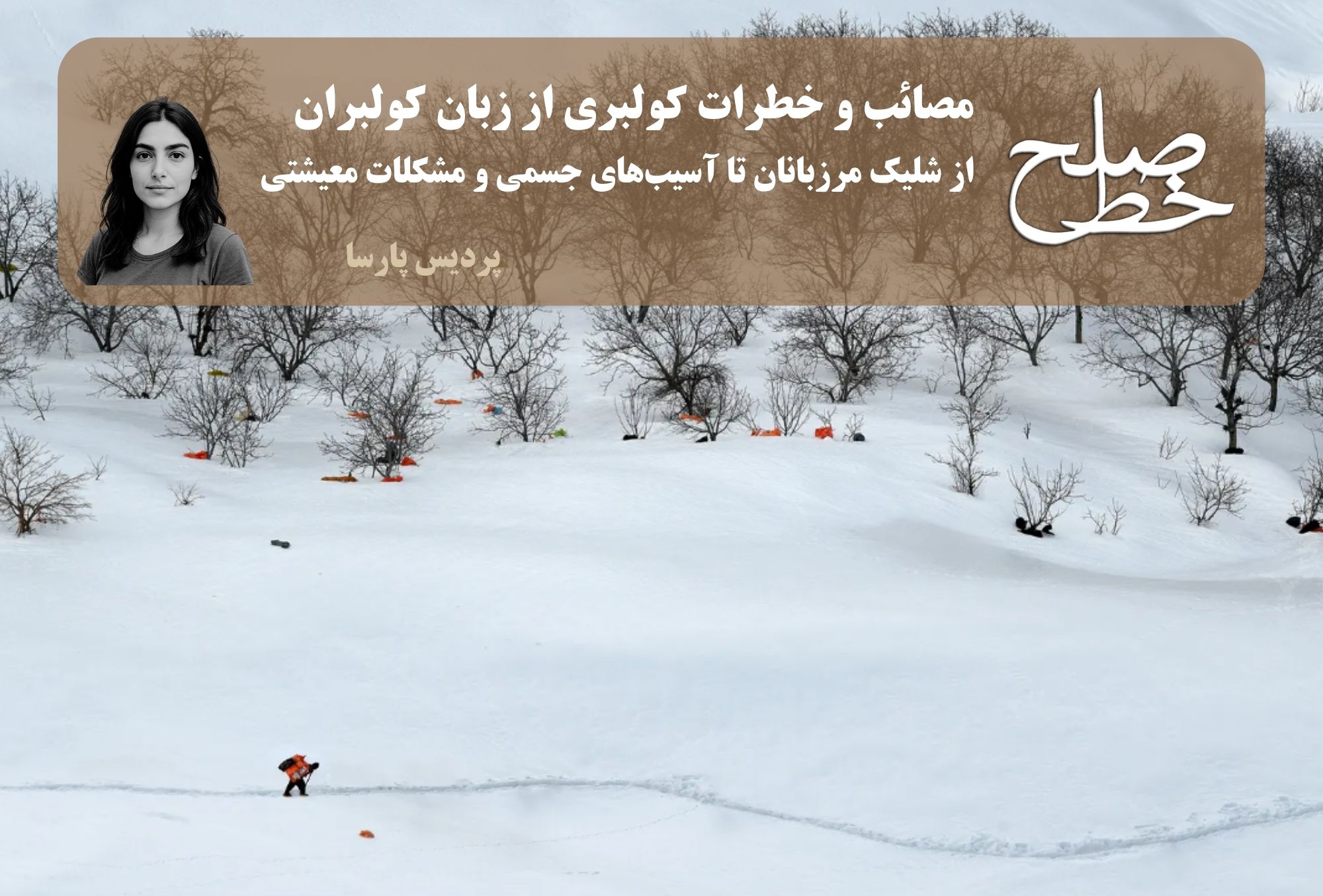
The hardships and dangers of kolbari, as told by kolbaris/Pardis Parsa
The phenomenon of kolbari has become one of the most painful manifestations of the informal economy in the western and northwestern borders of Iran in recent decades. Kolbari is mainly prevalent in the provinces of West Azerbaijan, Kurdistan, Kermanshah and Ilam. Field estimates show that about 70 thousand people are kolbari in the provinces of […]...
Read more
By:
Pardis Parsa October 23, 2026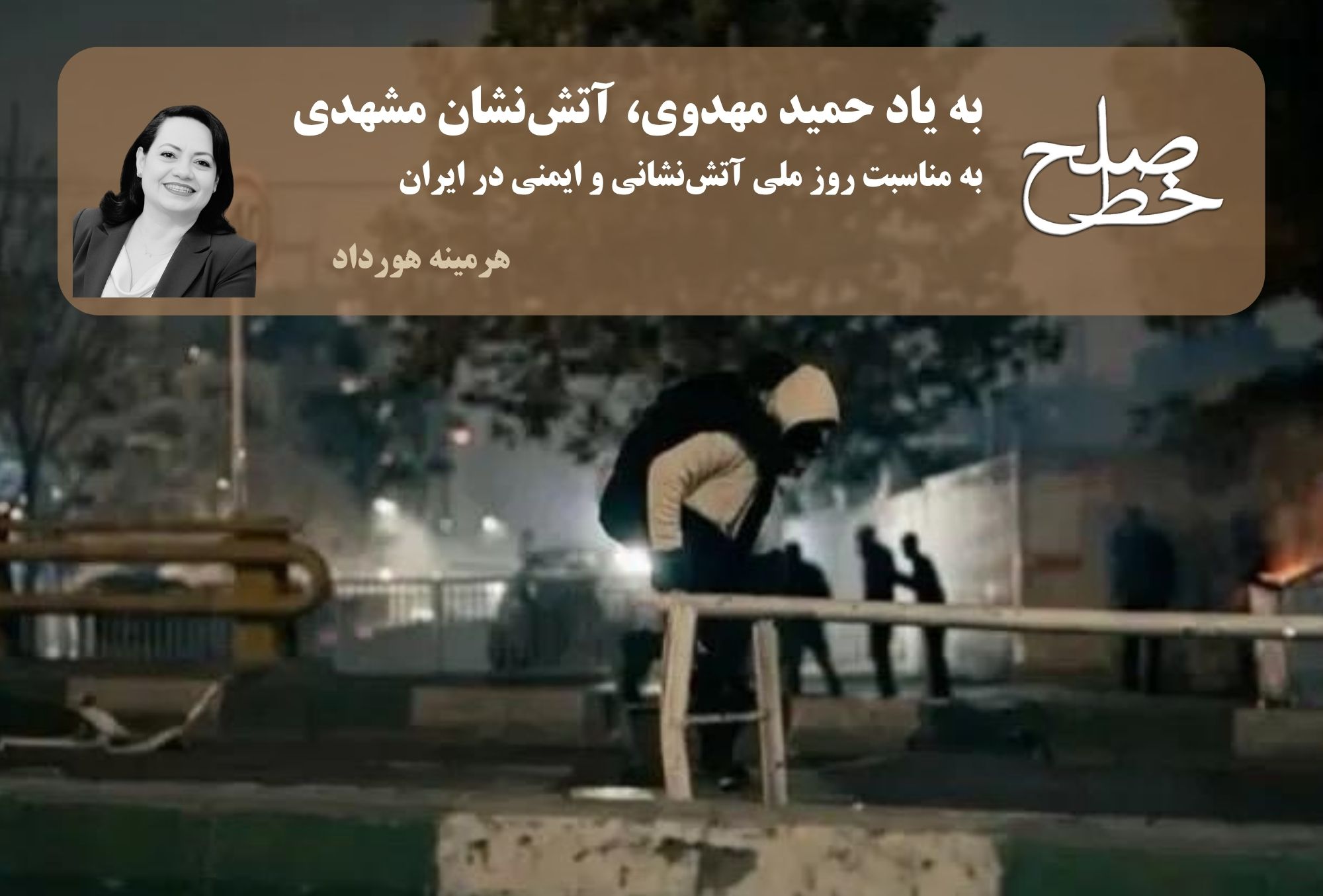
In memory of Hamid Mahdavi, Mashhad firefighter/Hermineh Hordad
In the image that remains of Hamid Mahdavi, we see a man carrying a wounded man on his shoulder and trying to pull him away from danger in the middle of an unsafe street. He is running; not to escape from another, but to save another. At that moment, the person on his shoulder is, […]...
Read more
By:
Hermineh Hourdad October 23, 2026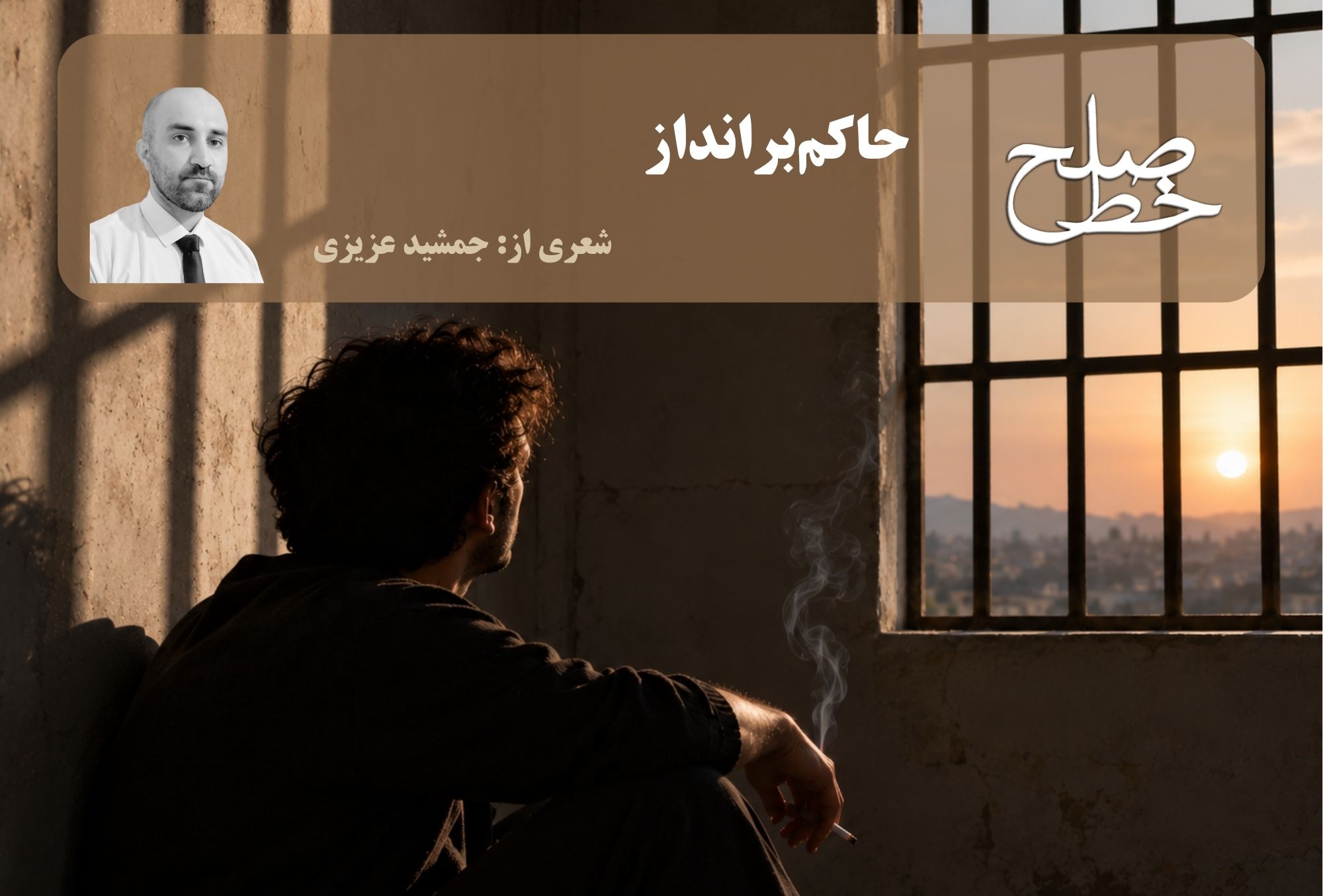
Regime-Toppling Ruler; A Poem by Jamshid Azizi
I am bound; still behind bars. I am propaganda; for the regime is against me. I am an insult; from one leader to another, I am passed around. I am a cigarette, covering my tracks; this smoke rises from the fire within me. This time, the smoke rises from young trees. I am smoke, the […]...
Read more
By:
Jamshid Azizi October 23, 2026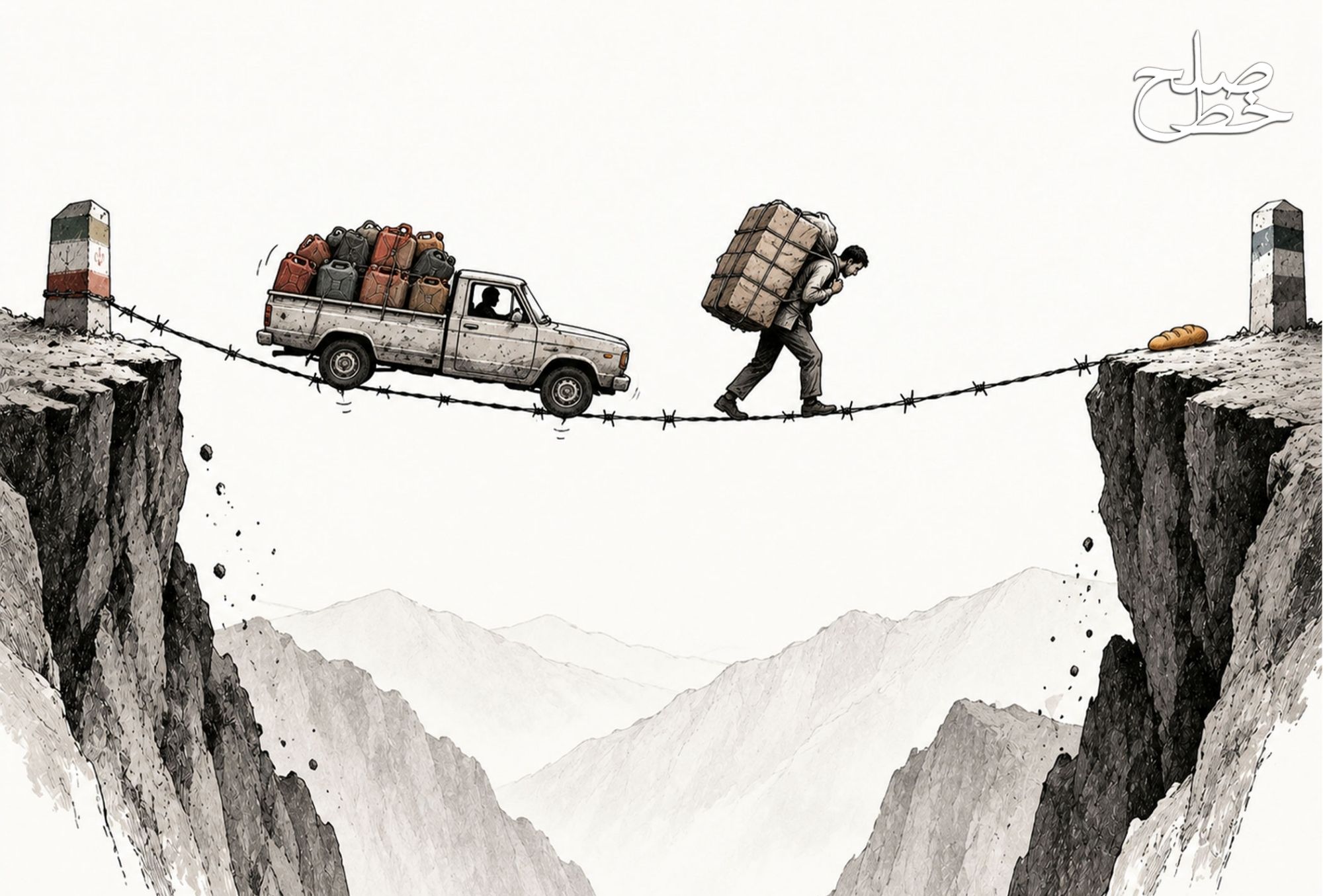 By:
Admin October 23, 2026

