


Iran-US war
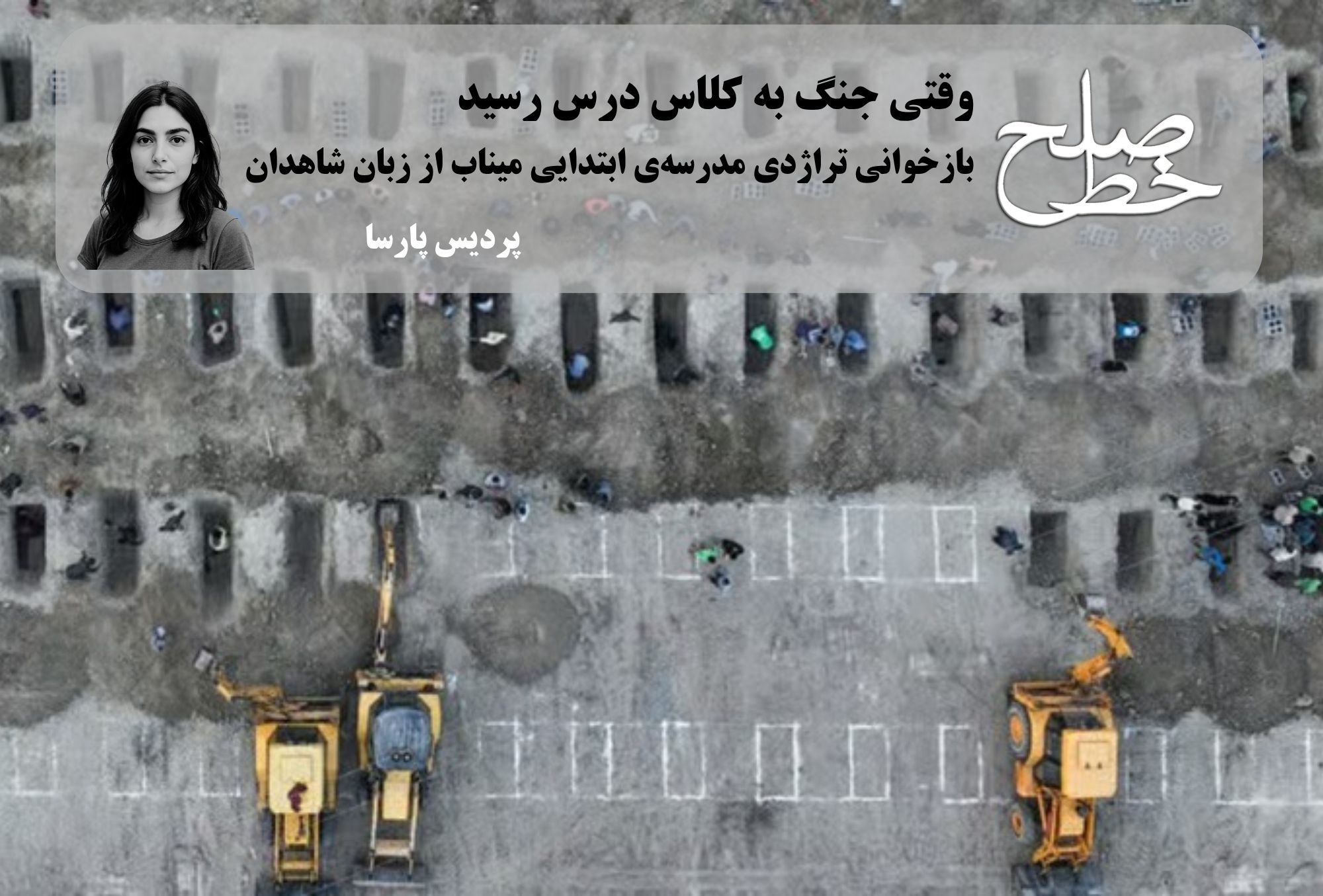
Reexamining the Tragedy of Minab Elementary School Through the Words of Witnesses/ Pardis Parsa
In the first hours of the military operation known as “Epic Wrath,” which began on February 28, 2026 (9 Esfand 1404), a series of air and missile strikes targeted various infrastructures across Iran. Meanwhile, Minab County in Hormozgan Province, due to its strategic proximity to logistical and military infrastructure, became one of the main centers […]...
Read More Created By:
Pardis Parsa
Created By:
Pardis Parsa June 22, 2026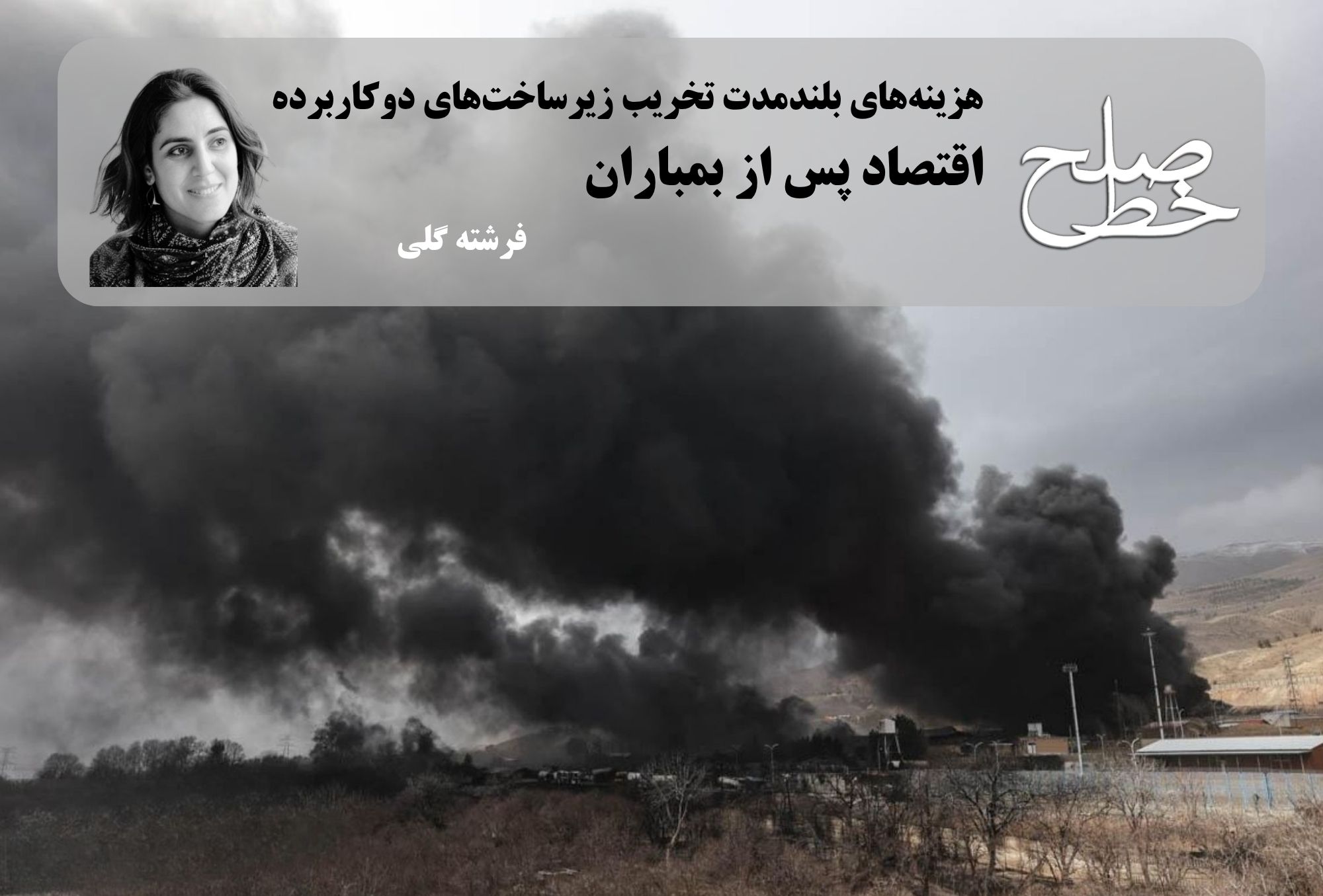
The long-term costs of destroying dual-use infrastructure/ Fereshteh Goli
Before addressing the main subject of this note, it is better to offer a definition of dual-use infrastructure. Although no clear and direct definition has been provided for “dual-use industries and infrastructure,” based on general concepts and the use of this term in texts related to security and economics, it can be said that dual-use […]...
Read More
Created By:
Fereshteh Goli June 22, 2026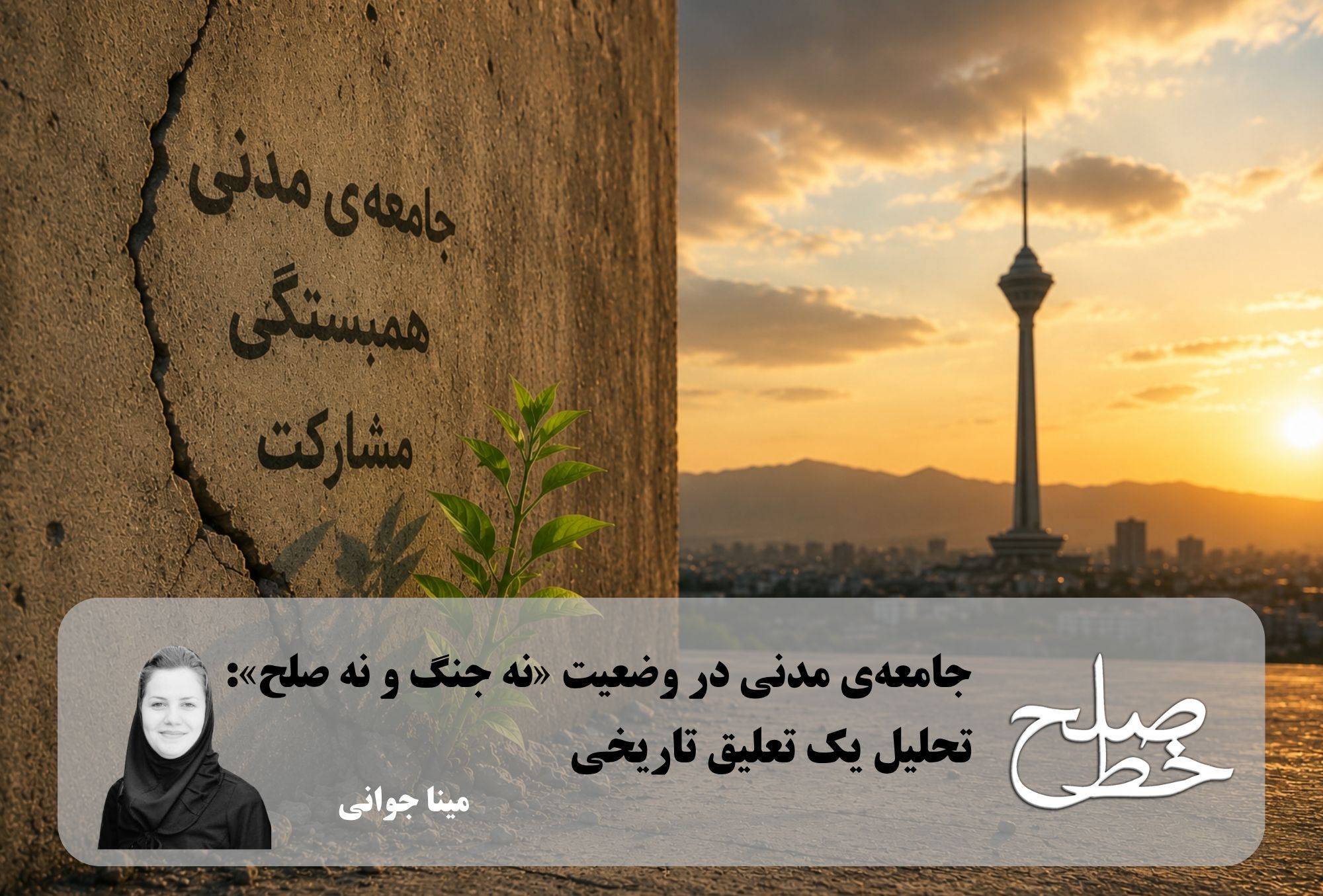
Civil Society in a State of “Neither War nor Peace”: An Analysis of a Historical Suspension/ Mina Javani
At important historical moments, what changes more than anything else is not only political and economic structures, but the way time itself is experienced. In such moments, societies no longer move along the ordinary continuum of past and future; rather, they become trapped in a kind of prolonged and suspended present. A major event has […]...
Read More
Created By:
Mina Javani June 22, 2026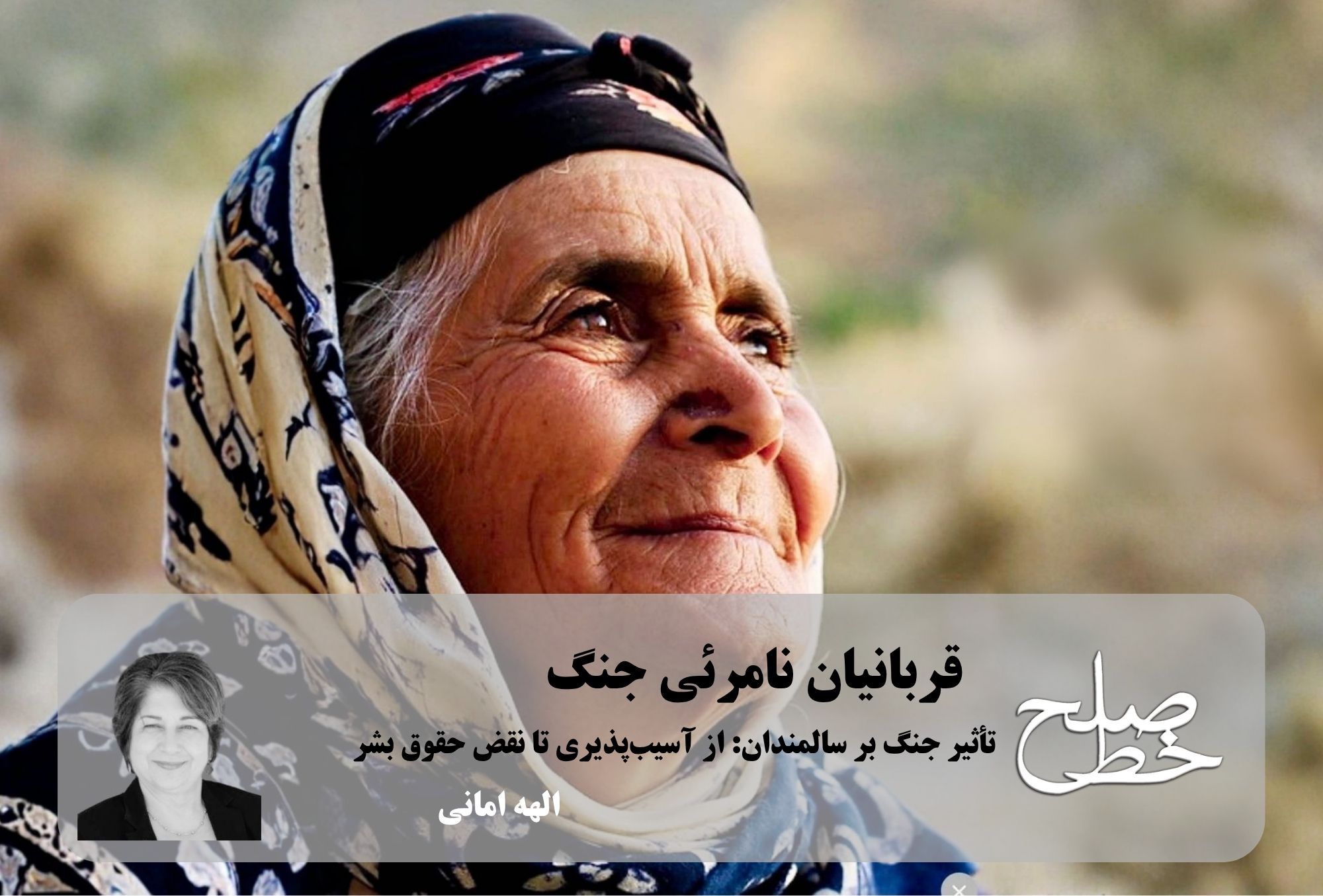
The Impact of War on the Elderly: From Vulnerability to Human Rights Violations/ Elahe Amani
Older persons in armed conflicts, much like children, face numerous and often overlooked forms of human rights violations; patterns in which age becomes a factor that intensifies vulnerability. Despite the extensive body of literature on the challenges faced by older persons, the 12-day war and its consequences, as well as the war that began on […]...
Read More
Created By:
Elahe Amani June 22, 2026 Created By:
Admin June 22, 2026
Created By:
Admin June 22, 2026
Tannaz Kolahchian: Under the New Law on Intensifying Espionage, Any Citizen Can Be Accused of Espionage/ Ali Kalaei
After the adoption and communication of the “Law on Intensifying Punishment for Espionage and Cooperation with the Zionist Regime and Hostile States Against National Security and Interests” in October 2025 (Mehr 1404), concerns have intensified in Iran over the expansion of the security atmosphere, the broadening of criminalization, and the escalation of severe punishments, including […]...
Read More
Created By:
Ali Kalaei May 22, 2026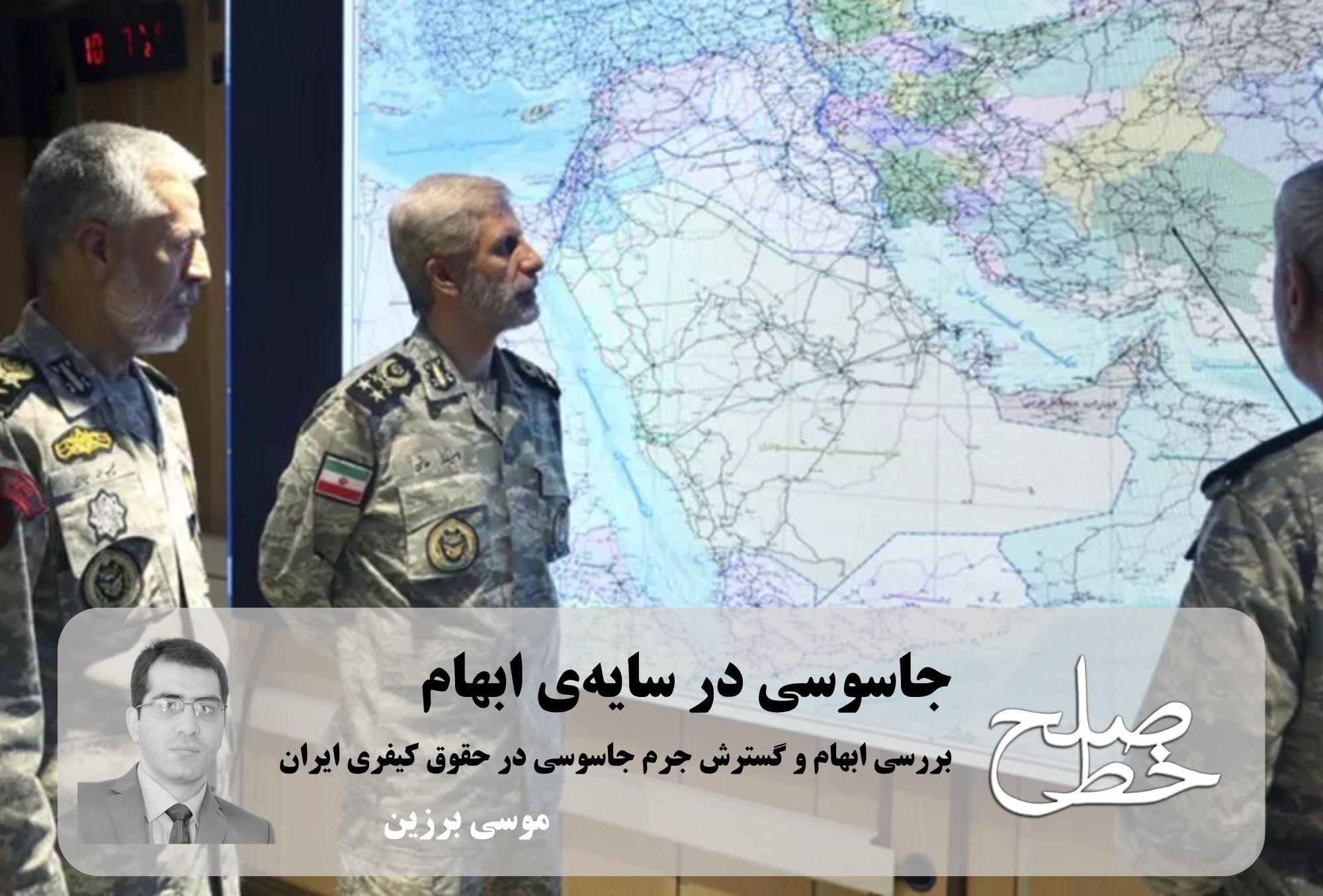
Examining the Ambiguity and Expansion of the Crime of Espionage in Iranian Criminal Law/ Mousa Barzin
After the 12-day war between Iran and Israel, the number of cases related to espionage and cooperation with hostile states increased significantly. The atmosphere in the country after the war became highly securitized, and the government tried to show that a significant part of the damage and blows suffered had resulted from intelligence infiltration and […]...
Read More
Created By:
Mousa Barzin May 22, 2026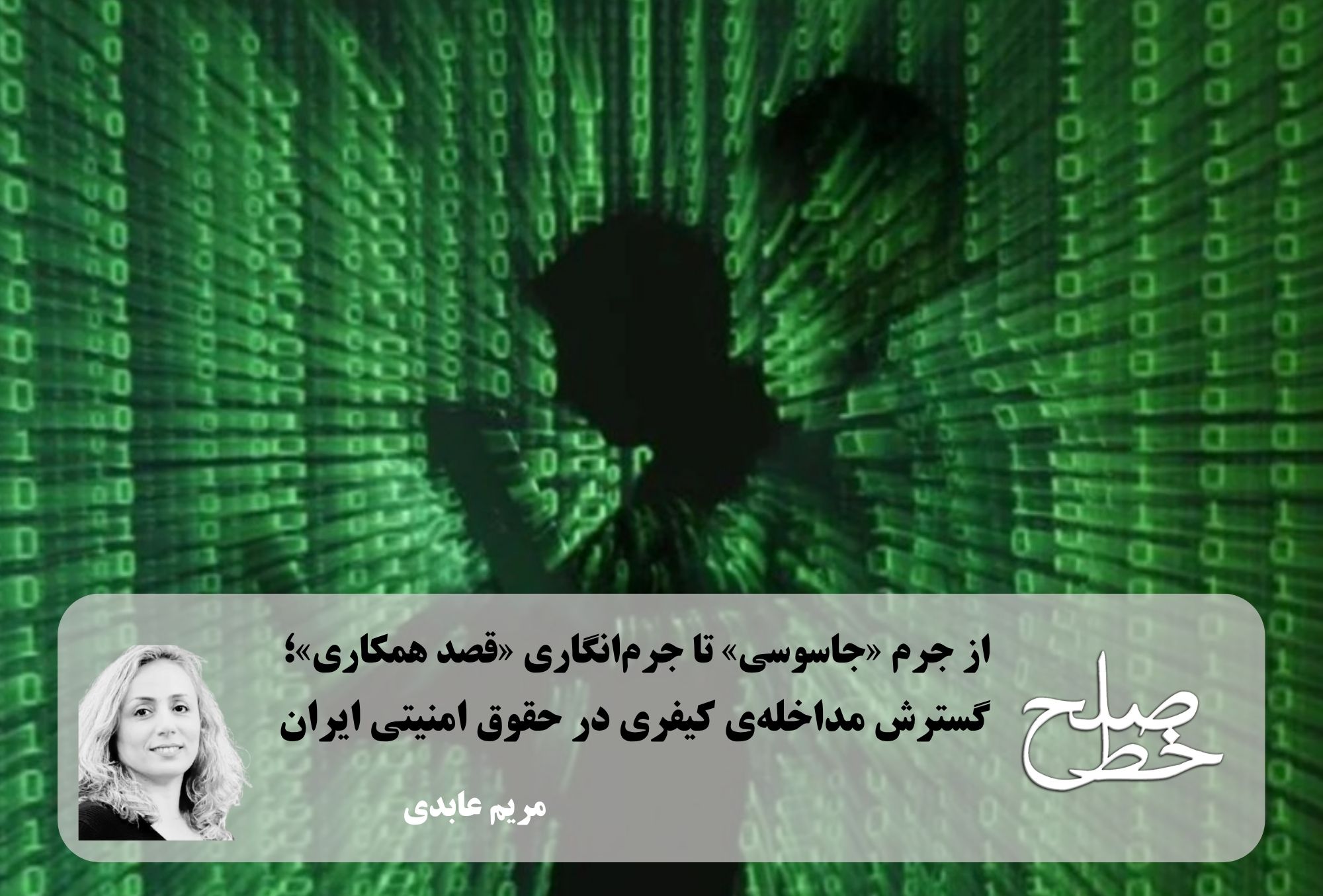
From the Crime of “Espionage” to the Criminalization of “Intent to Collaborate”/ Maryam Abedi
Crimes against national security have always been regarded among the most sensitive and severe areas of criminal law. In all legal systems, governments consider the protection of secrets, classified information, vital facilities, and security structures to be among the fundamental elements of their political and sovereign survival. For this reason, espionage is recognized as one […]...
Read More
Created By:
Maryam Abedi May 22, 2026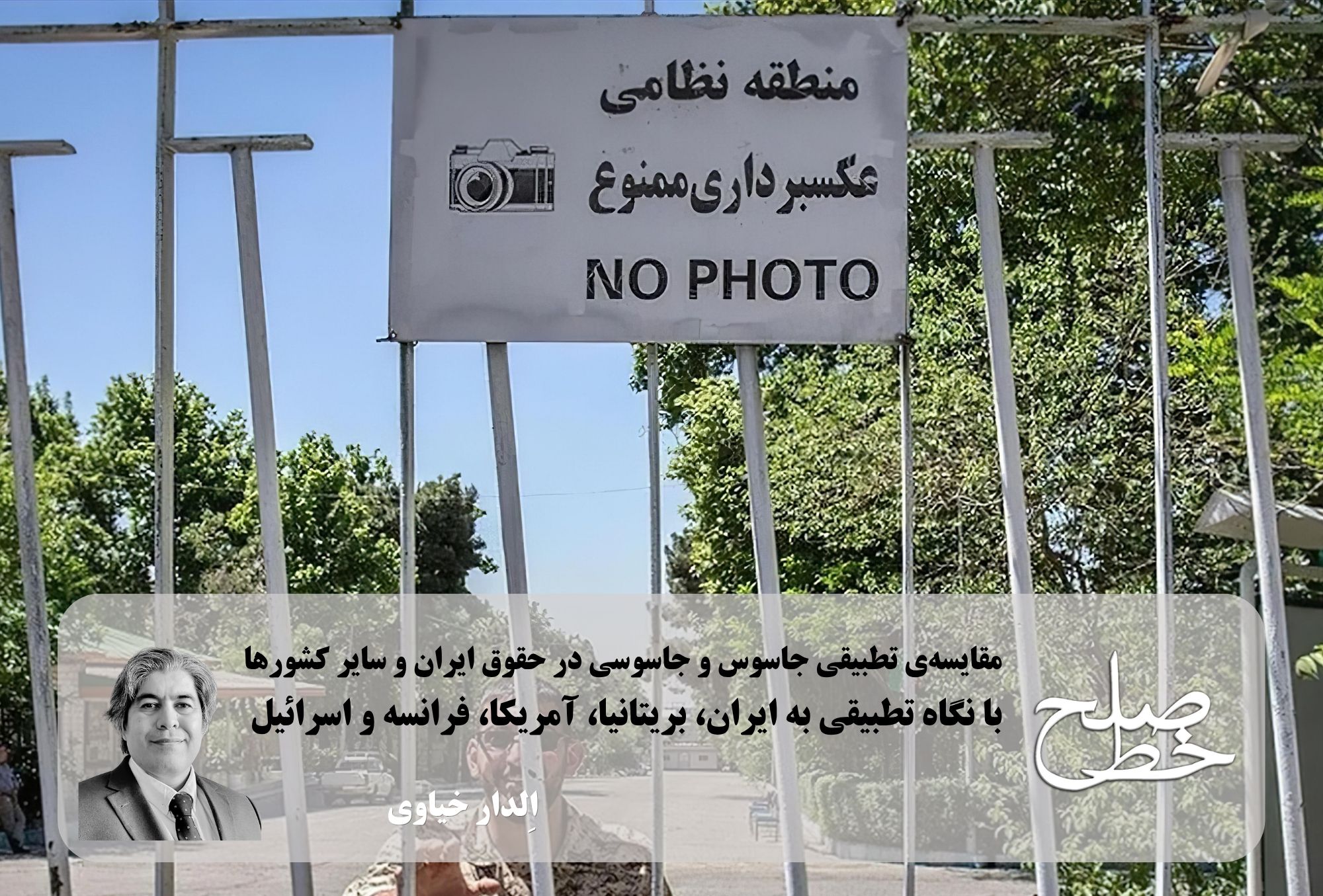
Comparative Comparison of Spy and Espionage in the Law of Iran and Other Countries / Eldar Khiavi
The public atmosphere in Iran has become heavy and frightening in recent months with the news of the successive executions of individuals convicted of espionage. The term “espionage” is not a common term in public opinion, especially in times of war, external threat, or security crisis. This charge is linked to the security of the […]...
Read More
Created By:
Eldar Khiavi May 22, 2026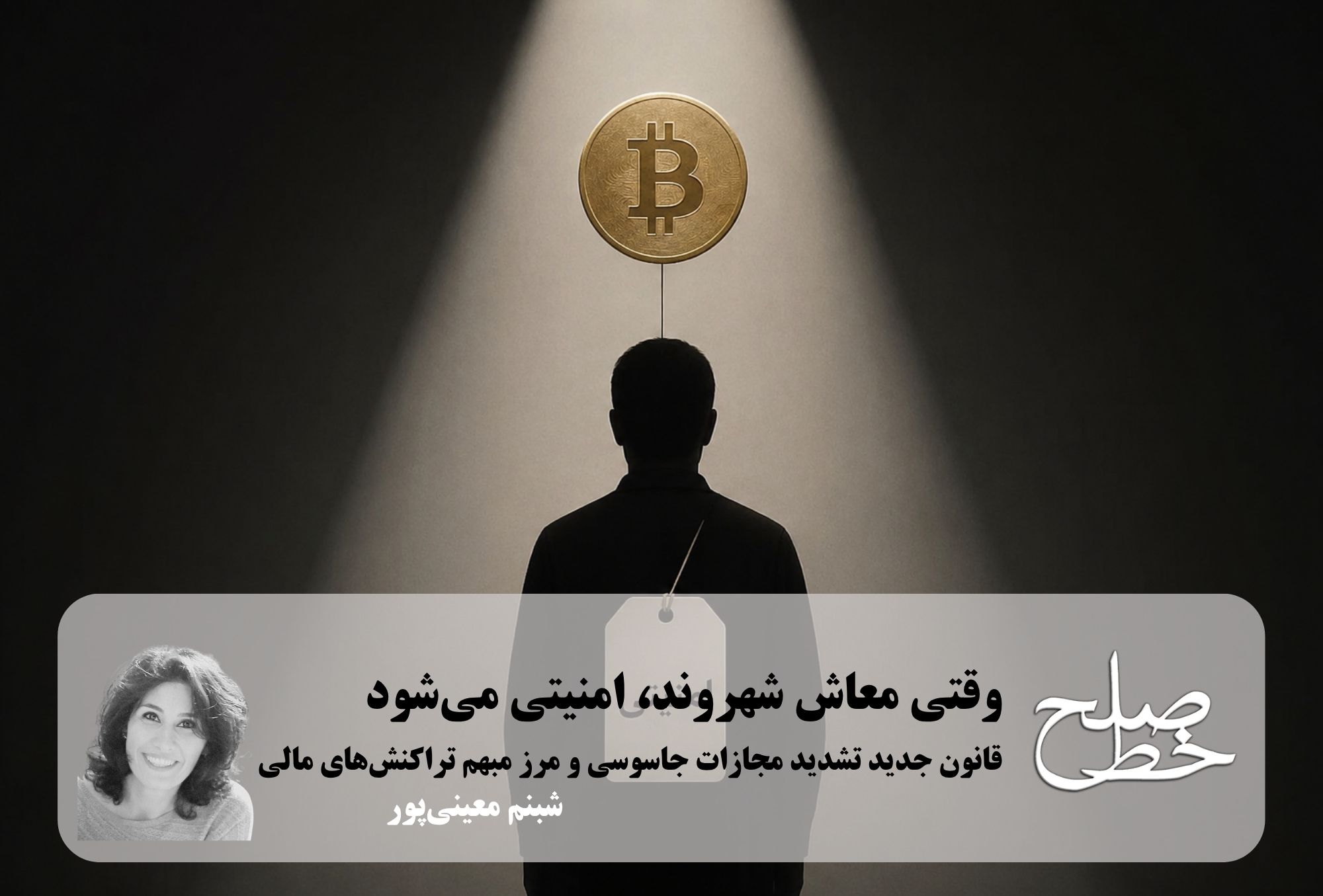
Iran’s New Espionage Law and the Blurred Boundaries of Financial Transactions/ Shabnam Moinipour
Espionage, cooperation with the intelligence services of other countries, and the financing of violent acts are undoubtedly matters in which criminal-law intervention is legitimate. No responsible legal system can remain indifferent to genuine threats to the lives of citizens, territorial integrity, public security, or critical infrastructure. The problem begins when “national security” shifts from being […]...
Read More
Created By:
Shabnam Moinipour May 22, 2026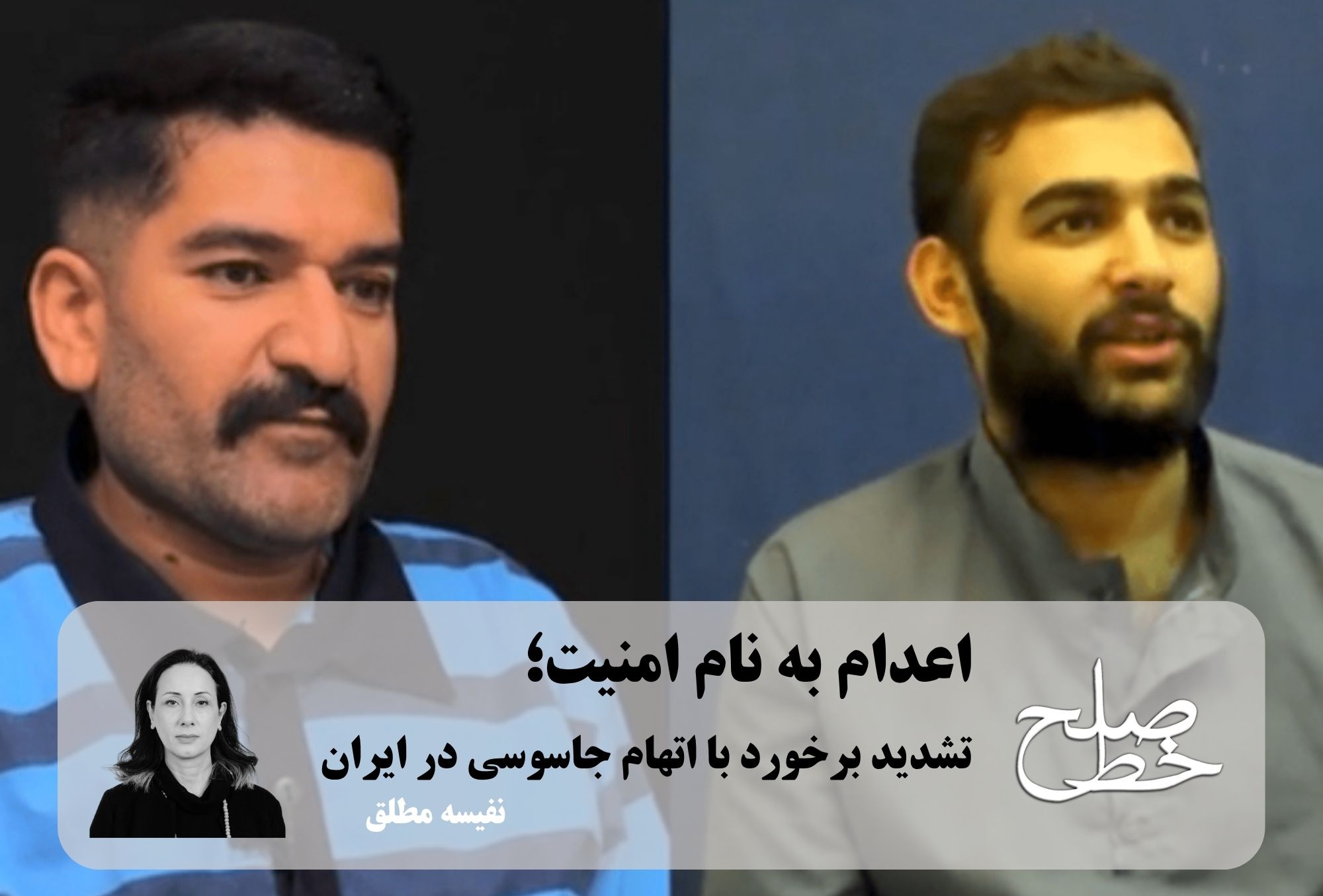
Execution in the name of security; Intensification of the crackdown on espionage charges in Iran/ Nafiseh Motlagh
Following the escalation of military tensions and attacks by the United States and Israel, the judicial process of dealing with charges of “espionage” and “collaboration with hostile states” in Iran has entered a new phase. What is more controversial than the laws themselves is the way they are implemented: expedited proceedings, lack of transparency, and […]...
Read More
Created By:
Nafiseh Motlagh May 22, 2026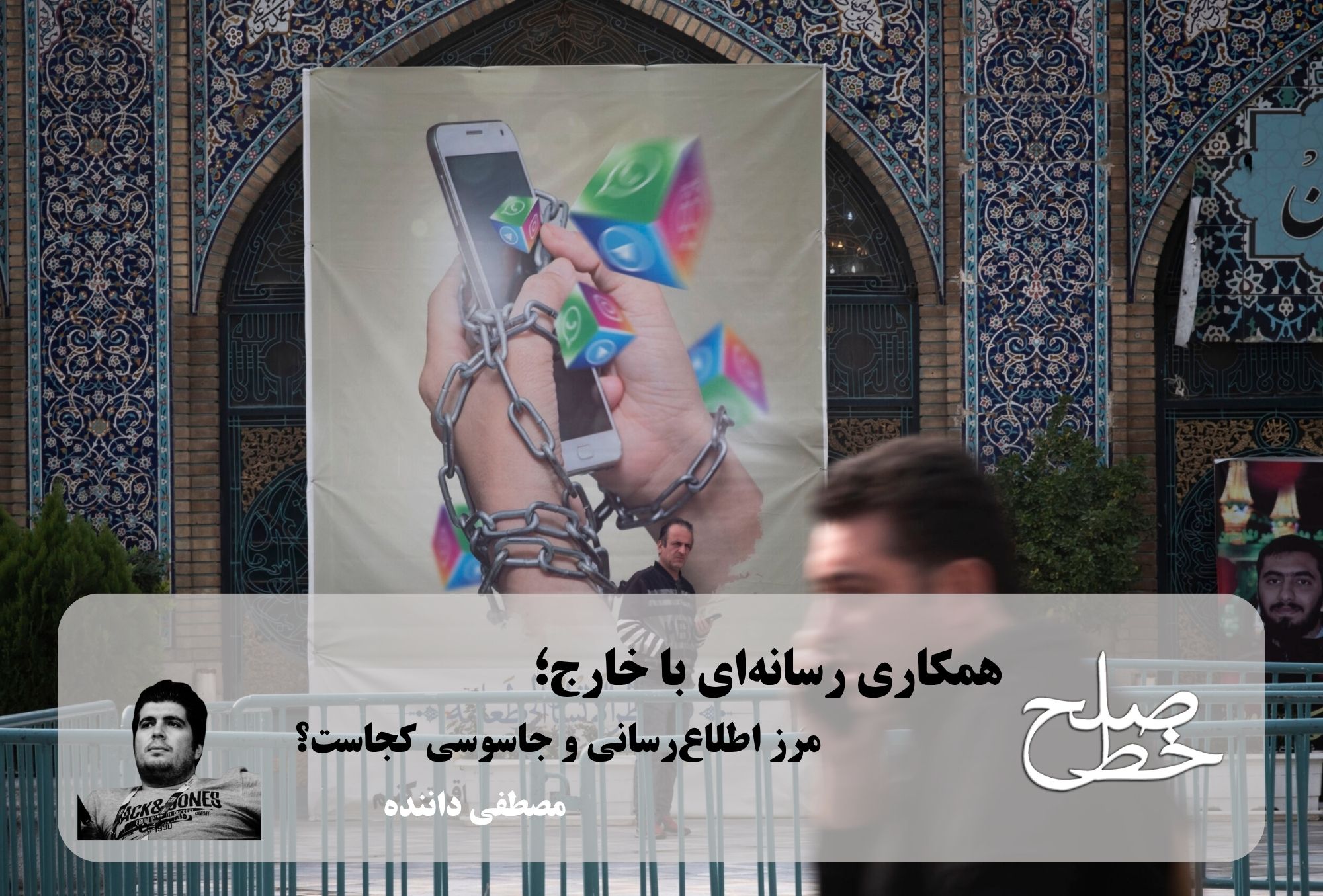
Media Cooperation with Abroad: Where Is the Boundary Between Reporting and Espionage?/ Mustafa Danandeh
During the two twelve-day and forty-day wars, the relationship between “media activity” and “national security” in Iran entered a new stage. A stage in which sending a video, publishing a report, or even speaking with media outlets outside the country can be interpreted under concepts such as “cooperation with a hostile state” or “espionage.” The […]...
Read More
Created By:
Mustafa Danandeh May 22, 2026
