


Articles
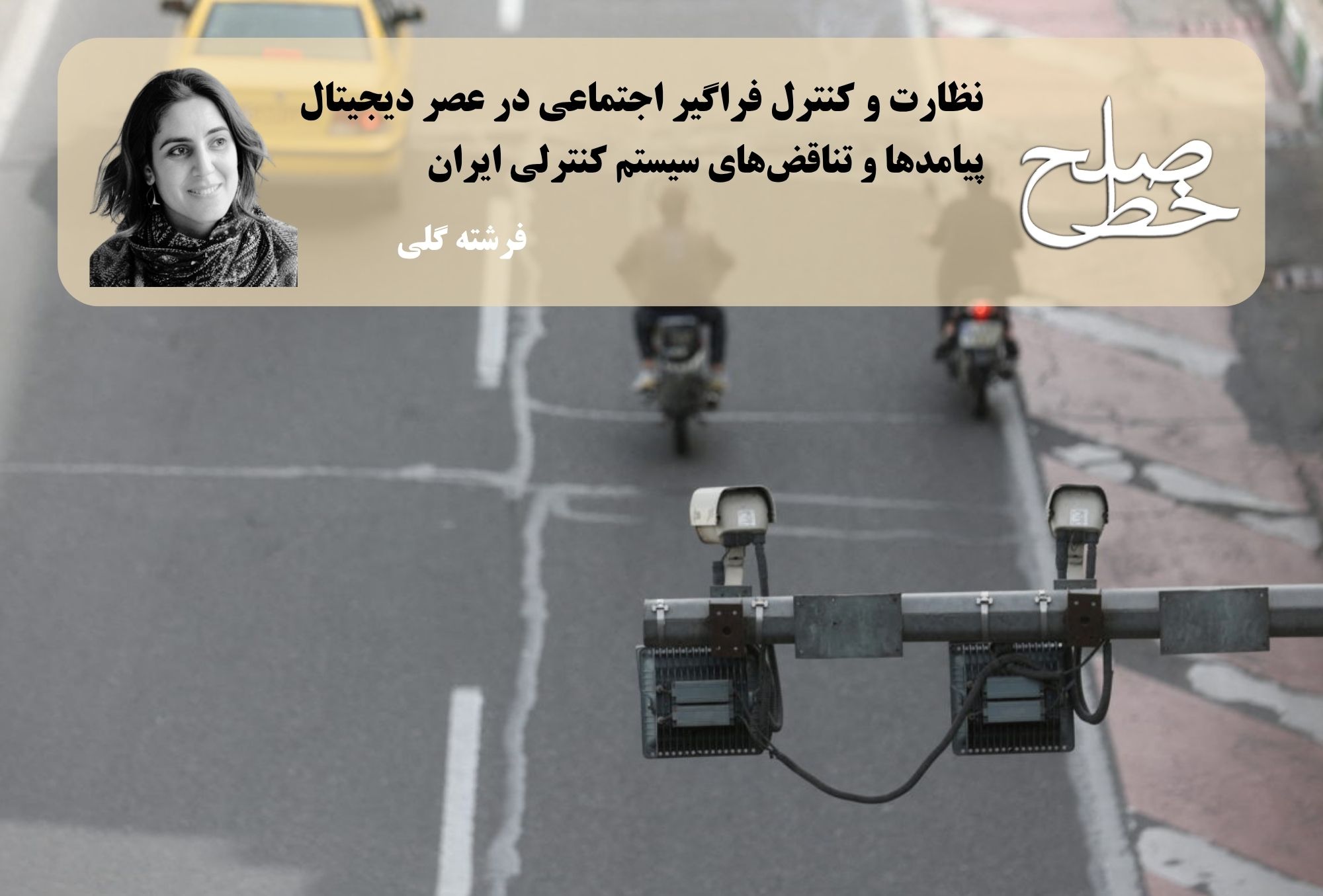
Pervasive Social Surveillance and Control in the Digital Age/ Fereshteh Goli
In recent years, the Islamic Republic has taken major steps in using new technologies for social surveillance and control. This trend, rooted in global developments and what the government regards as domestic needs, has been pursued at different speeds during different periods, but what has turned it into a prominent issue is the increasing acceleration […]...
Read more By: Fereshteh Goli
 August 23, 2026
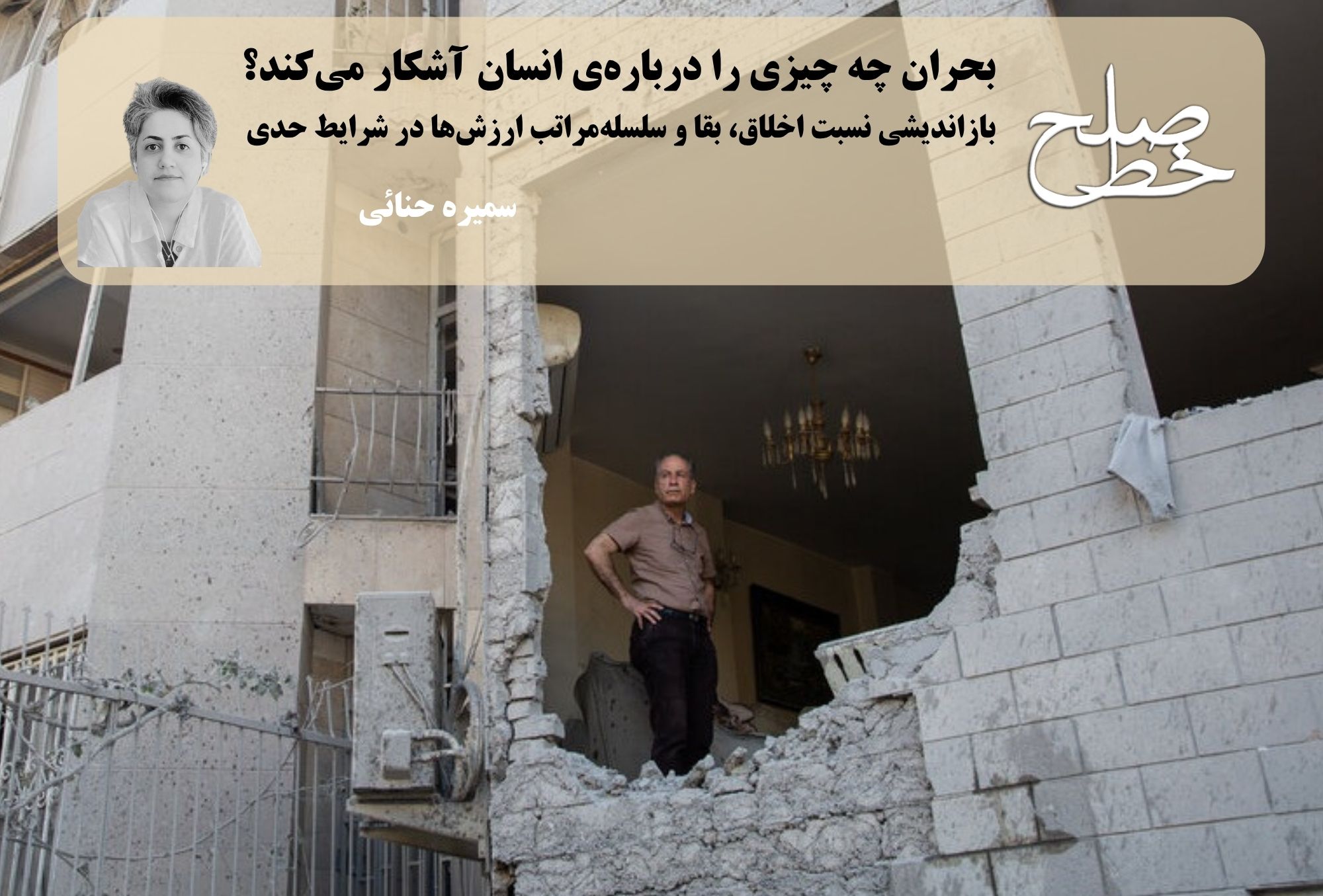
What Does Crisis Reveal About Human Beings? / Samireh Hanaei
War does not only destroy cities. Crisis does not only unravel political or economic order. Perhaps the deepest effect of crisis lies where it is less visible: the moment when a person realizes that they can no longer preserve everything that is valuable to them at the same time. In ordinary life, many moral choices […]...
Read more
By: Samireh Hanai August 23, 2026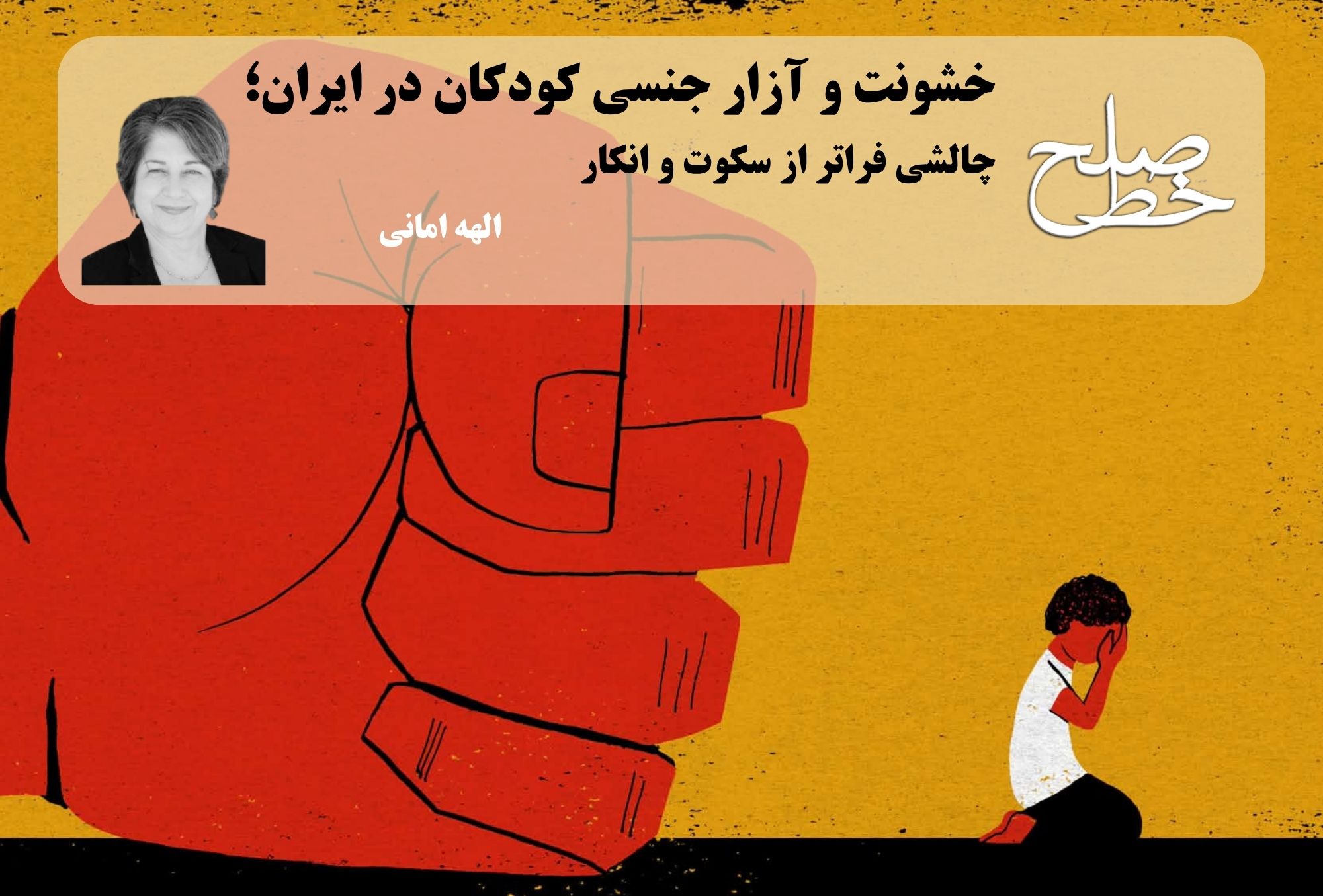
Sexual Violence and Abuse of Children in Iran: A Challenge Beyond Silence and Denial / Elahe Amani
“We owe our children, the most vulnerable citizens in any society, a life free from violence and fear.” — Nelson Mandela A review of the performance of the Society for the Protection of the Rights of the Child in 1404 and the fact that child sexual abuse ranks at the top of the issues in […]...
Read more
By: Elahe Amani August 23, 2026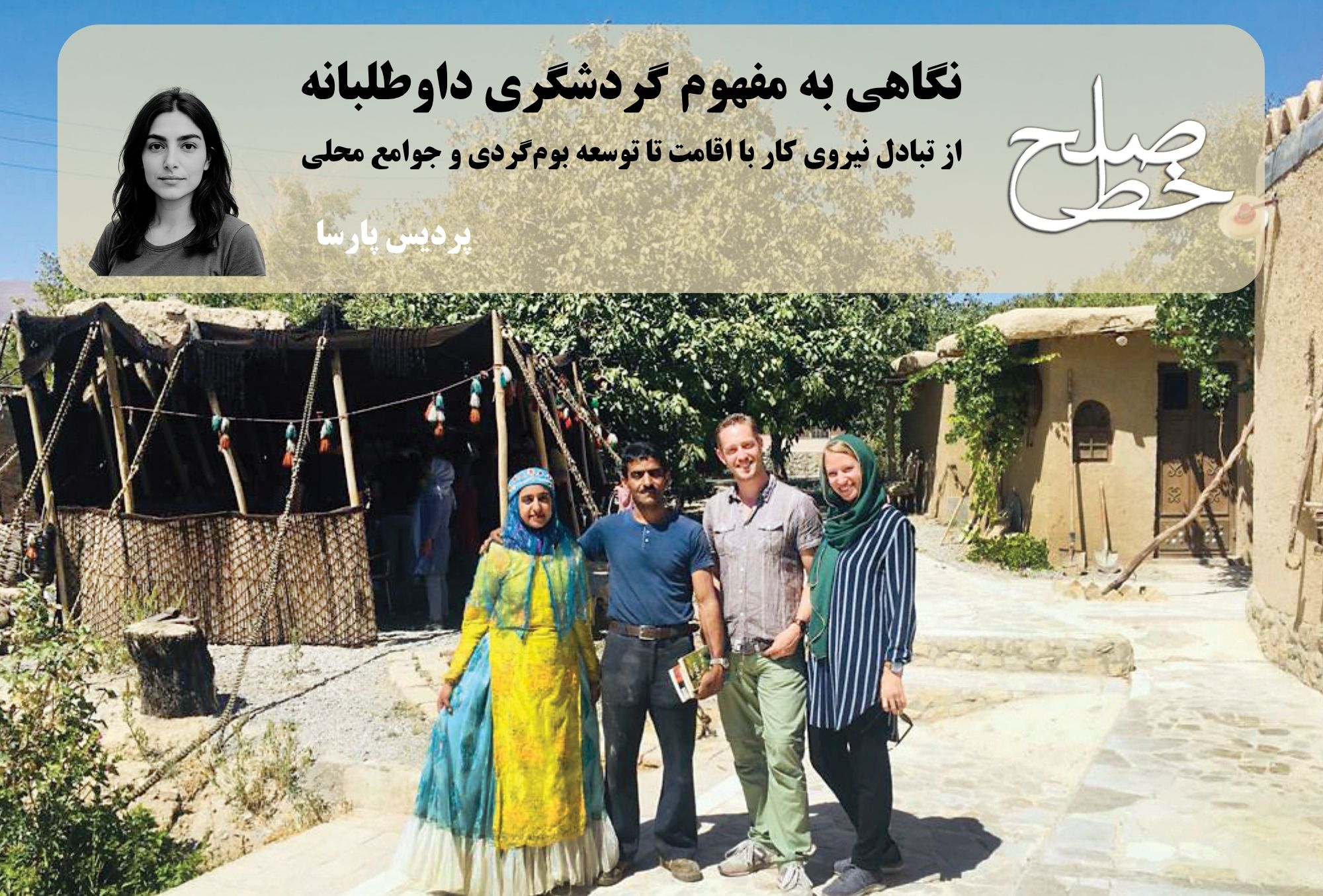
A look at the concept of Volunteer Tourism/Pardis Parsa
While traditional models of mass tourism are largely based on consumerism, a particular approach to volunteer tourism has expanded in recent decades, founded on non-monetary exchange. Under this structured approach, rather than acting as a passive consumer and paying for accommodation and food, the tourist contributes part of their time, expertise, and physical or intellectual […]...
Read more
By: Pardis Parsa August 23, 2026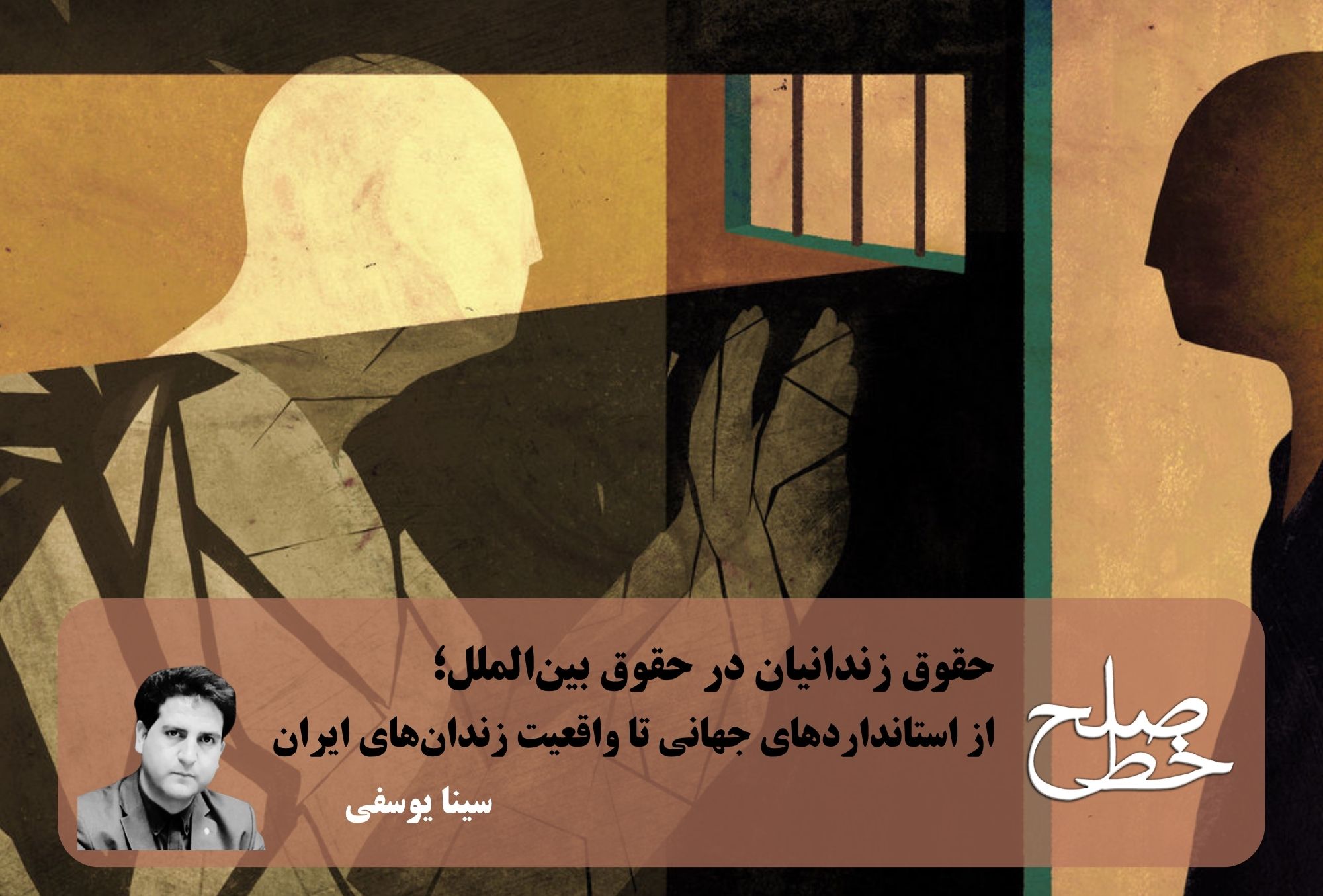
Prisoners’ rights in international law; from global standards to the reality of Iranian prisons/Sina Yousefi
The extent to which a legal system adheres to the rule of law cannot be measured solely through criminal laws or court decisions; one of the most accurate measures of its assessment is the way in which individuals who are deprived of their liberty for any reason are treated. Contrary to popular belief, prison is […]...
Read more
By: Sina Yousefi July 23, 2026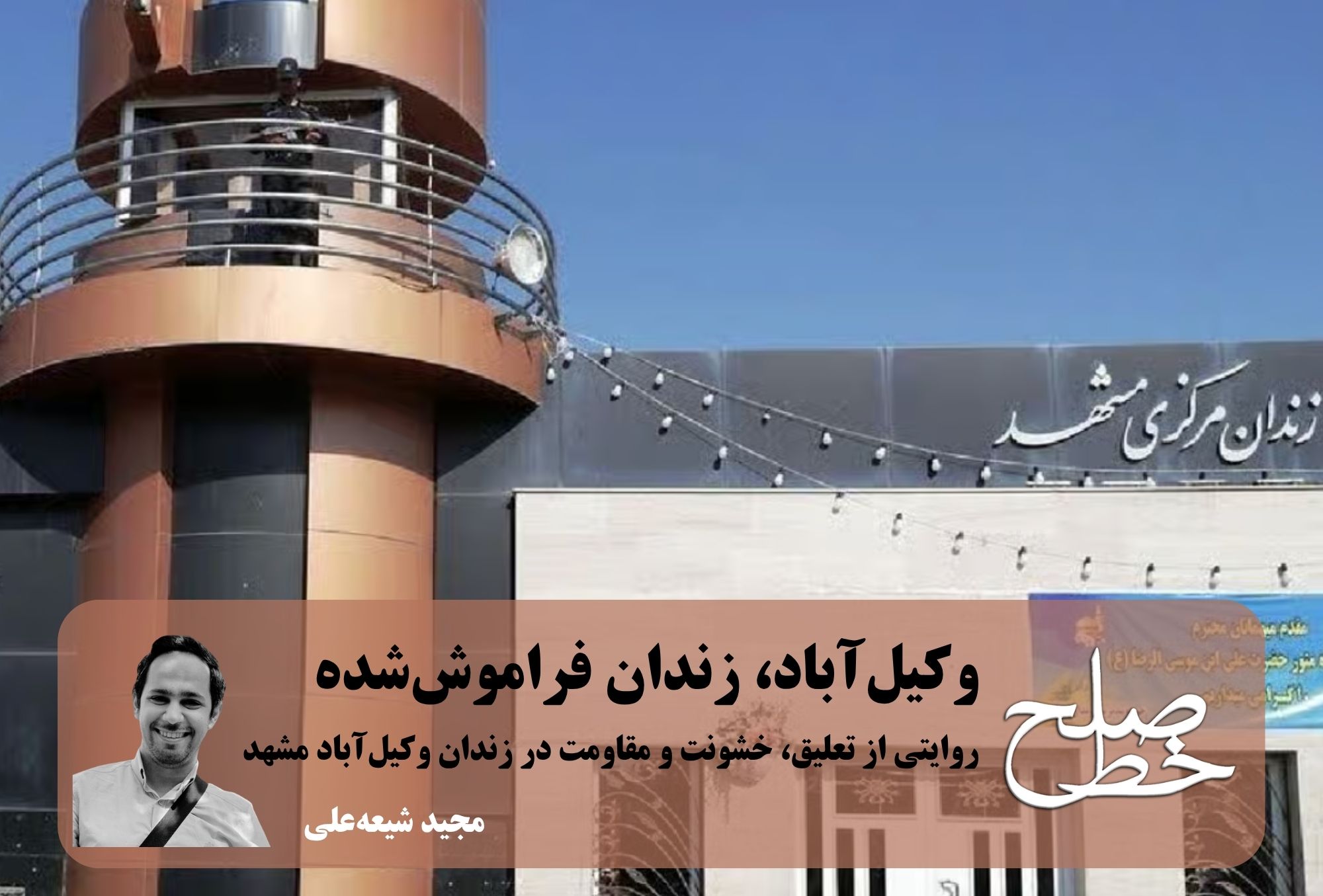
Vakilabad, the Forgotten Prison/ Majid Shia’ali
Last July, events occurred in Vakilabad Prison in Mashhad that have had little precedent in the history of this prison. The detainees of the protests of last January are still present in this prison in large numbers. Although the number of detainees has decreased from more than a thousand to about four hundred during this […]...
Read more
By: Majid Shia’ali July 23, 2026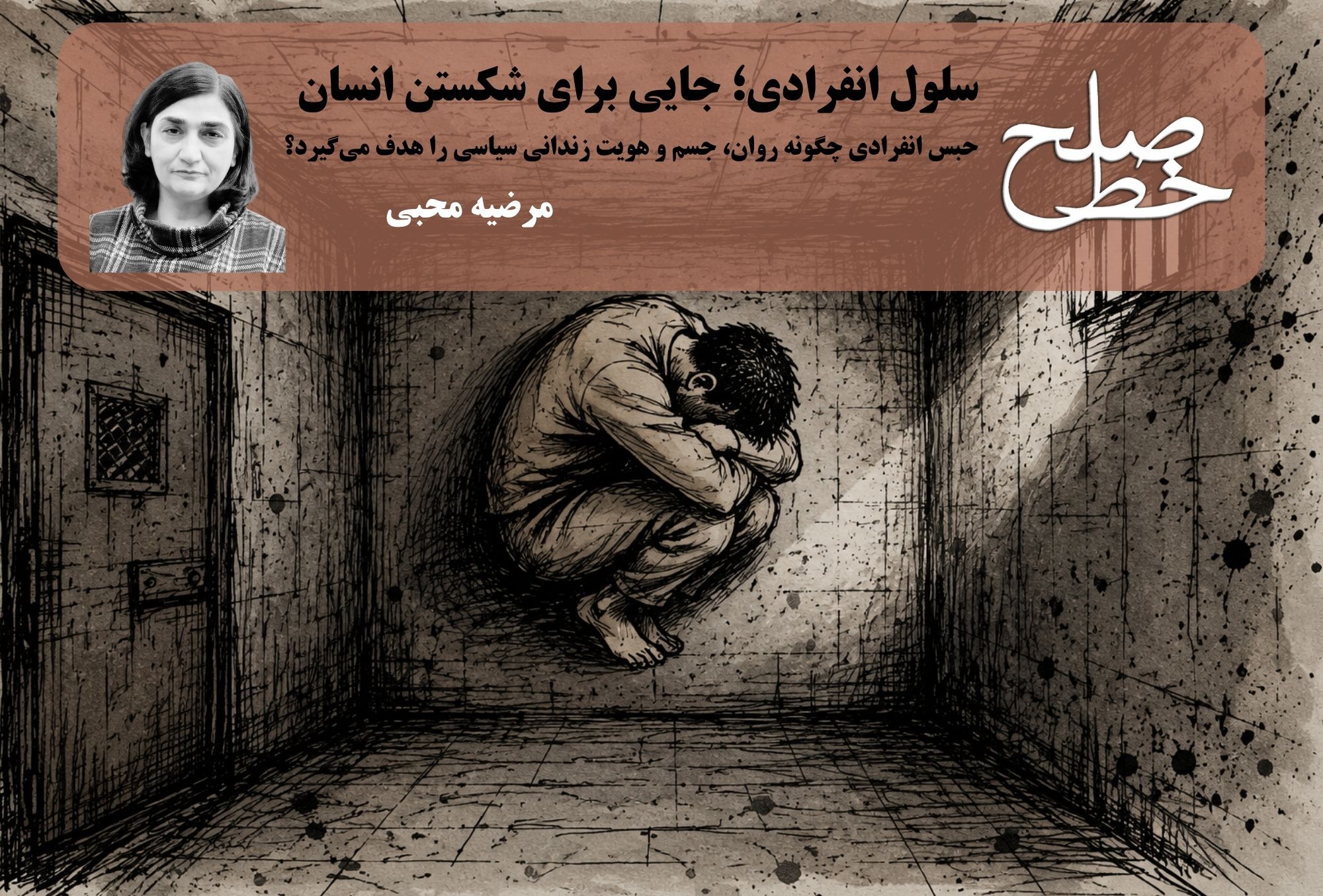
Solitary cell: A place to break a person/ Marziye Mohebbi
What is solitary confinement, what are its conditions, is it essentially torture or punishment, and how does it debilitate a prisoner and cause his psyche to go into turmoil? How does loneliness and disconnection from the world destroy humanity, and why does the Islamic Republic, in its unparalleled and advanced set of physical and mental […]...
Read more
By: Marziye Mohebbi July 23, 2026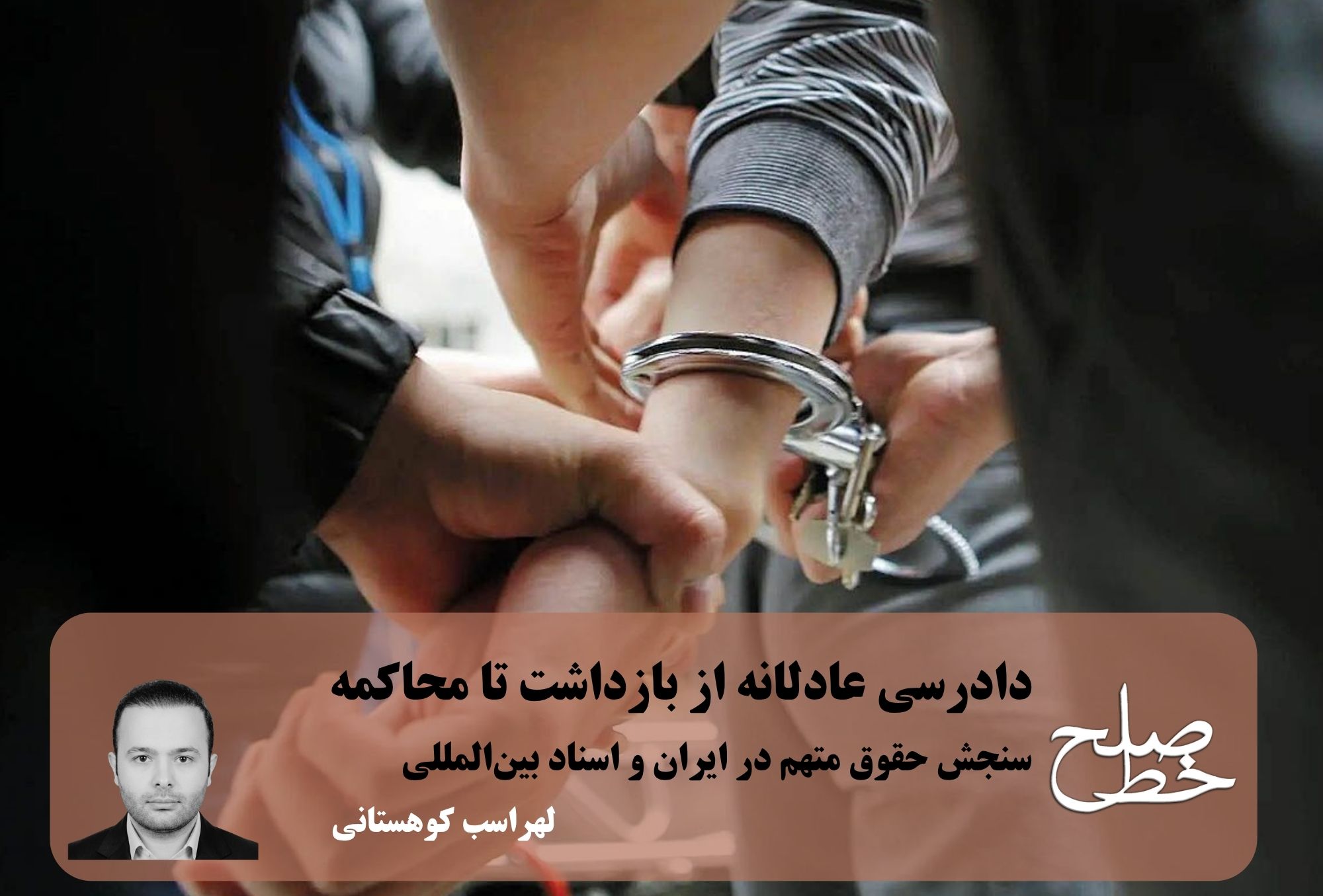
Fair trial from arrest to trial/ Lohrasb Kouhestani
The interval between the moment of arrest and the day of trial is the most sensitive, critical, and at the same time the most vulnerable part of the criminal justice process. It is during this period that the individual is directly confronted with the powerful and organized machine of state prosecution; while his guilt has […]...
Read more
By: Lohrasb Kouhestani July 23, 2026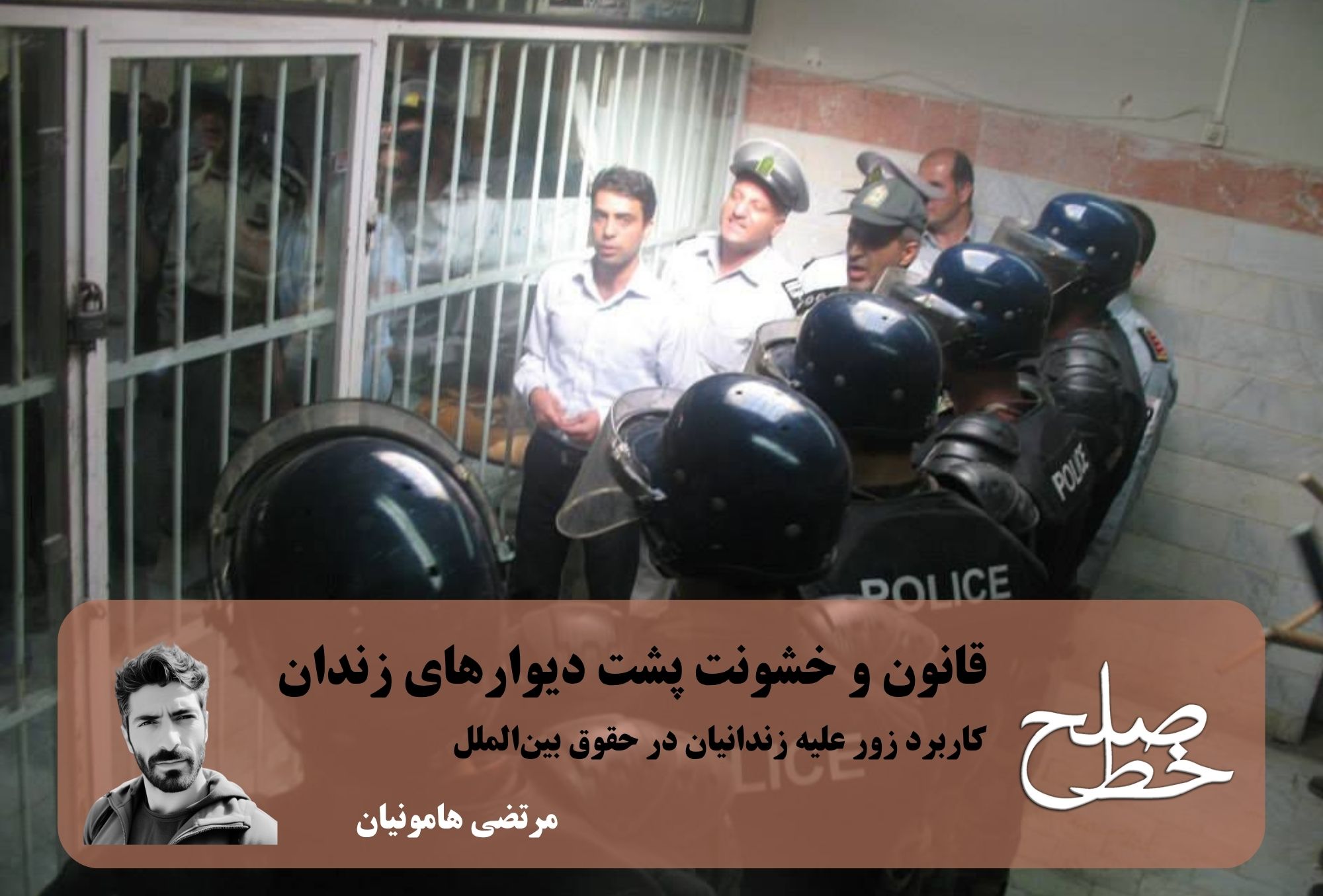
Law and Violence Behind Prison Walls/ Morteza Hamounian
It is no longer strange for officers to shoot at people in the streets and in the face of public protests. Of course, it was strange at one time; an air shot in the ceiling would scare everyone, wondering why the security officers had started shooting. But today, and especially after what happened in 2009, […]...
Read more
By: Morteza Hamounian July 23, 2026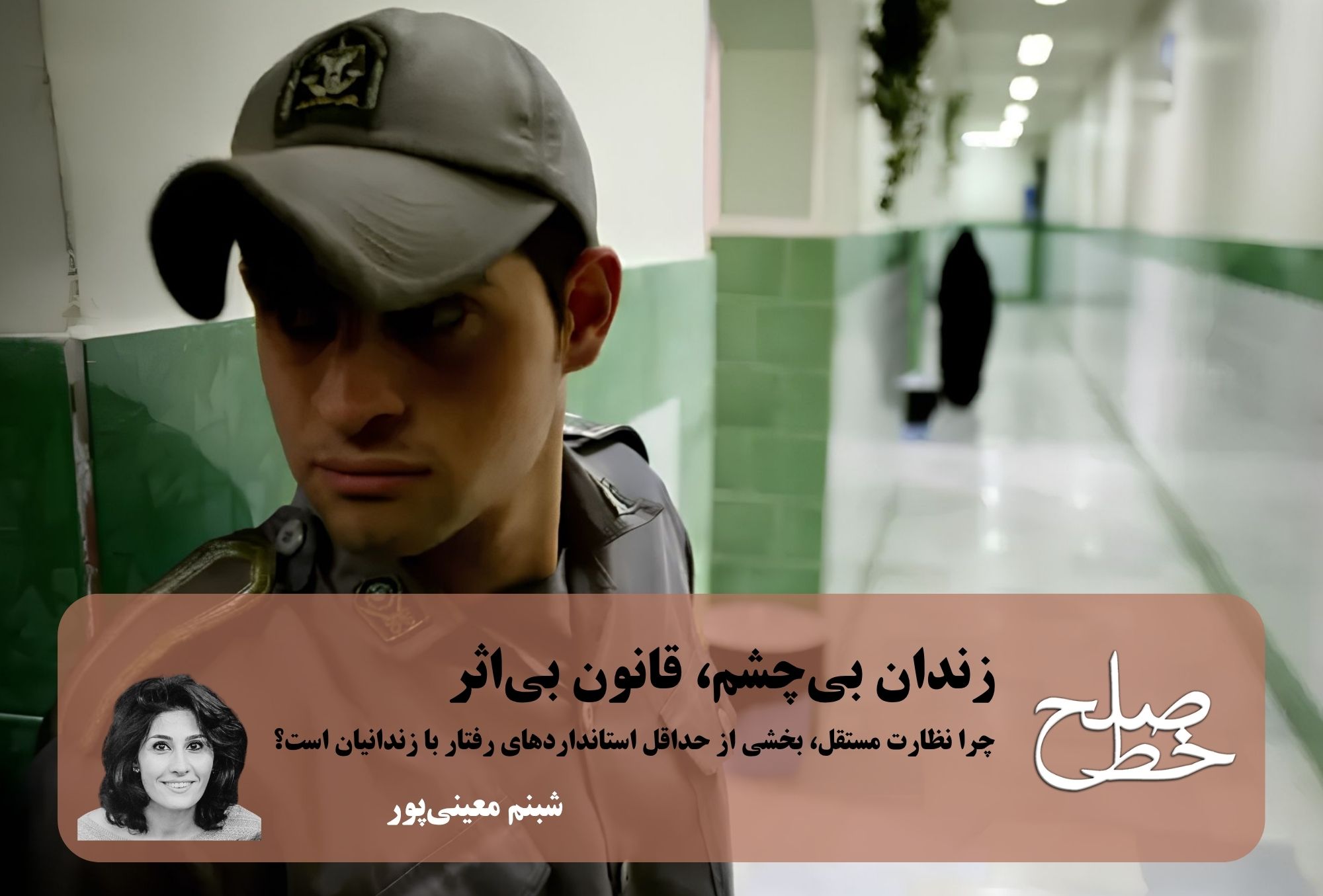
Why Independent Monitoring Is Part of the Minimum Standards for the Treatment of Prisoners/ Shabnam Moinipour
When prison doors close, the state does more than deprive a person of liberty. Water, food, medication, sleep, light, contact with family, access to a lawyer, the ability to lodge a complaint, and even the recording of what has happened to the prisoner all come under the control of the institution responsible for the detention. […]...
Read more
By: Shabnam Moinipour July 23, 2026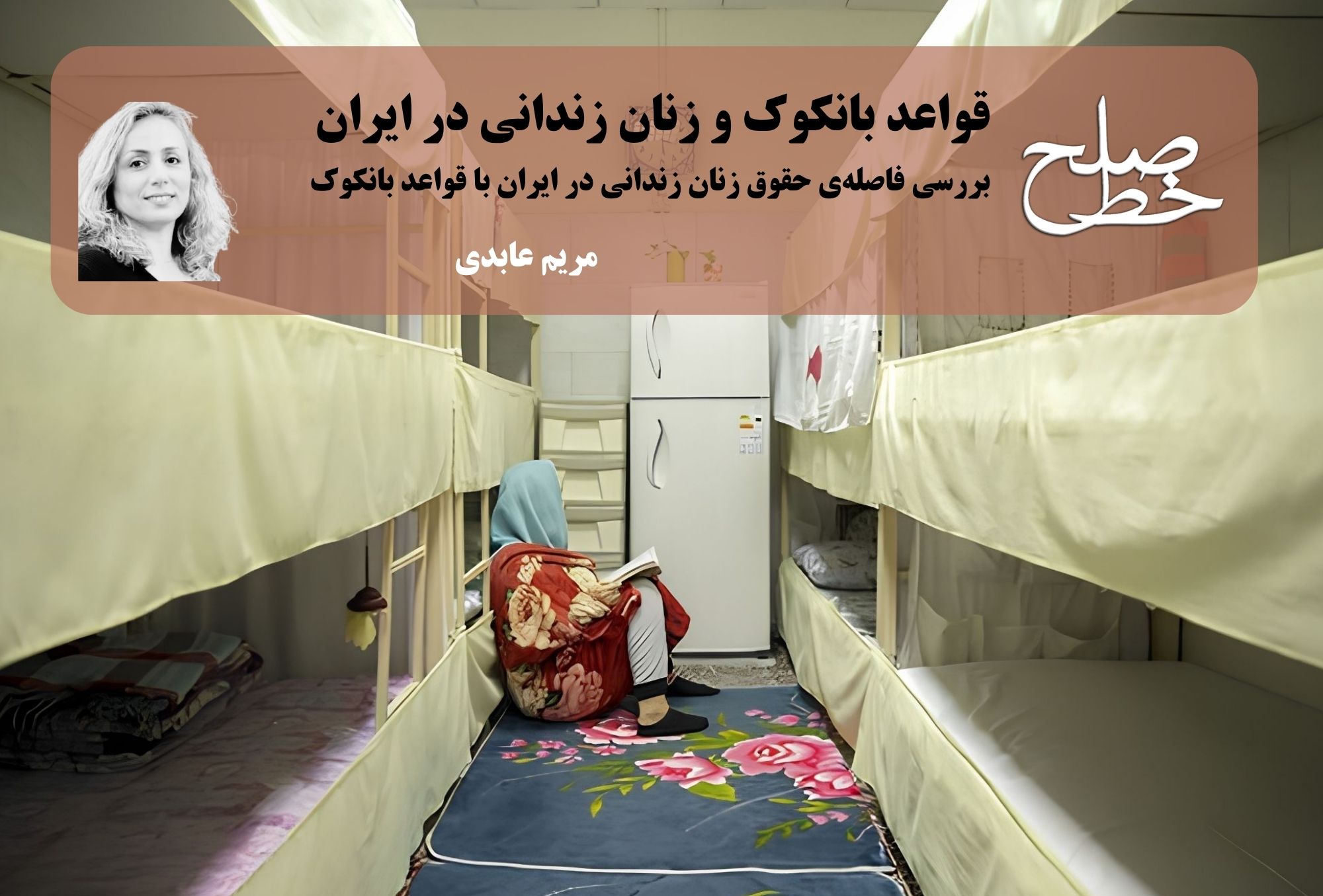
Bangkok Rules and Women Prisoners in Iran/ Maryam Abedi
The protection of human dignity is a fundamental principle of international human rights law and the basis for the treatment of persons deprived of their liberty. Deprivation of liberty refers solely to the deprivation of freedom of movement, and states are still obliged to guarantee the fundamental rights of prisoners, including the right to health, […]...
Read more
By: Maryam Abedi July 23, 2026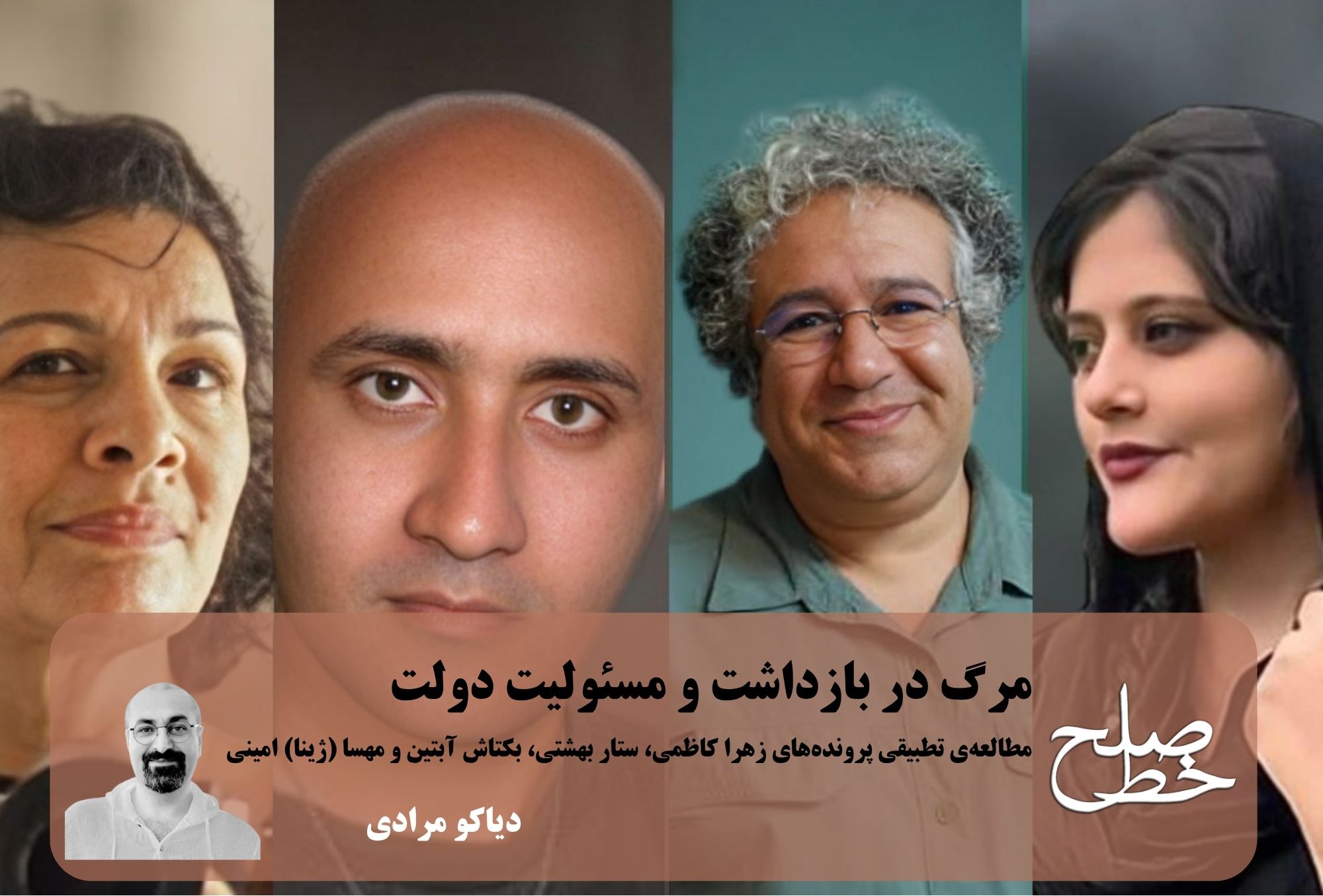
Death in Custody and State Responsibility/ Diako Moradi
Deaths in custody are among the most sensitive issues in international human rights law and one of the most significant indicators for assessing a state’s commitment to the rule of law. When an individual is deprived of liberty, the state assumes not only the authority to restrict that person’s freedom but also the direct responsibility […]...
Read more
By: Diako Moradi July 23, 2026
