


peace line
 By:
Admin
 November 22, 2026
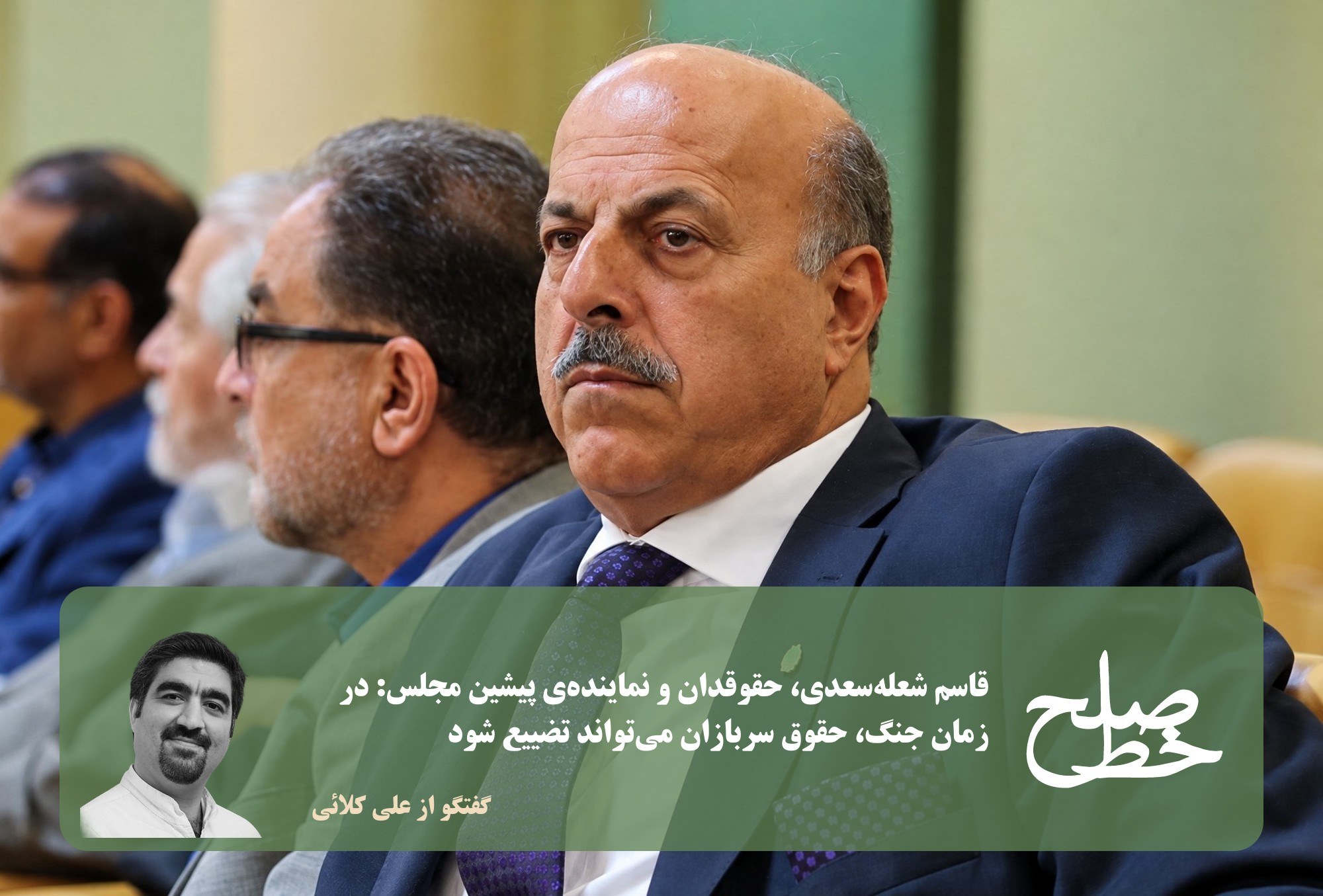
Qasem Sho’leh-Saadi: In wartime, soldiers’ rights may be violated / Ali Kolaei
In Iran, conscription in wartime is no longer merely about spending part of conscripts’ youth in service; it becomes intertwined with their right to life. The killing and injury of a number of conscripts following air strikes on barracks and military centers in recent wars has brought the legal and human dimensions of compulsory military service into sharper focus—from the government’s responsibility to protect soldiers’ lives and the possibility of criminal prosecution of officials if negligence is established, to the right…...
Read more
By:
Ali Kalaei November 22, 2026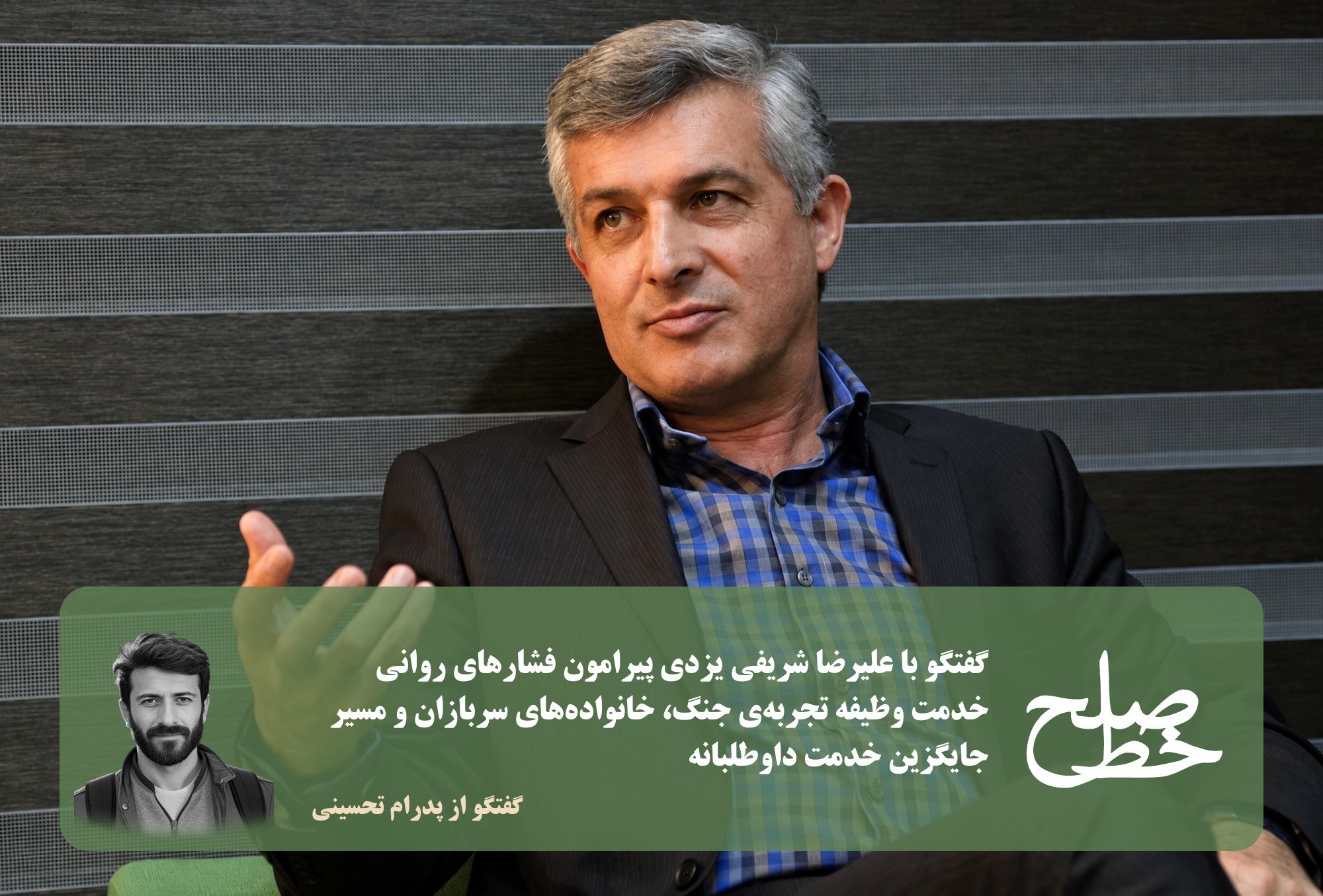
An Interview with Alireza Sharifi Yazdi on the Psychological Pressures of Compulsory Military Service / Pedram Tahsini
Although compulsory military service is implemented to ensure security and national defense, it can have serious consequences for the lives, mental health, and future of young people and their families. Forced presence in a military environment with rigid regulations and limited autonomy may lead to anxiety, depression, and a sense of powerlessness—pressures that are exacerbated in wartime conditions by the fear of death and injury, while also impacting the soldiers' families…...
Read more
By:
Padram Tahsini November 22, 2026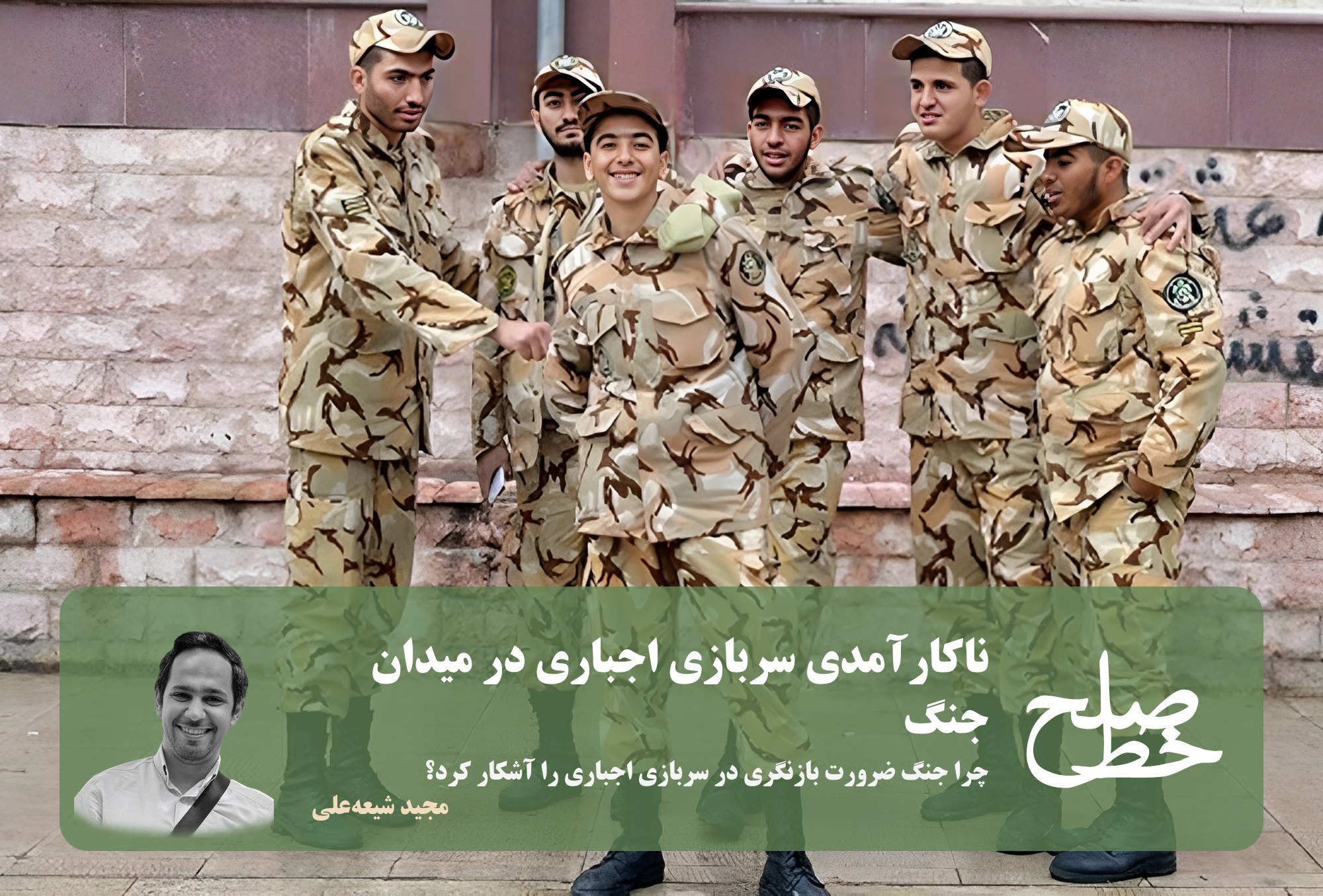
The Inefficacy of Mandatory Military Service on the Battlefield / Majid Shieh-Ali
Why Did the War Expose the Need to Re-examine Conscription?...
Read more
By:
Majid Shia’ali November 22, 2026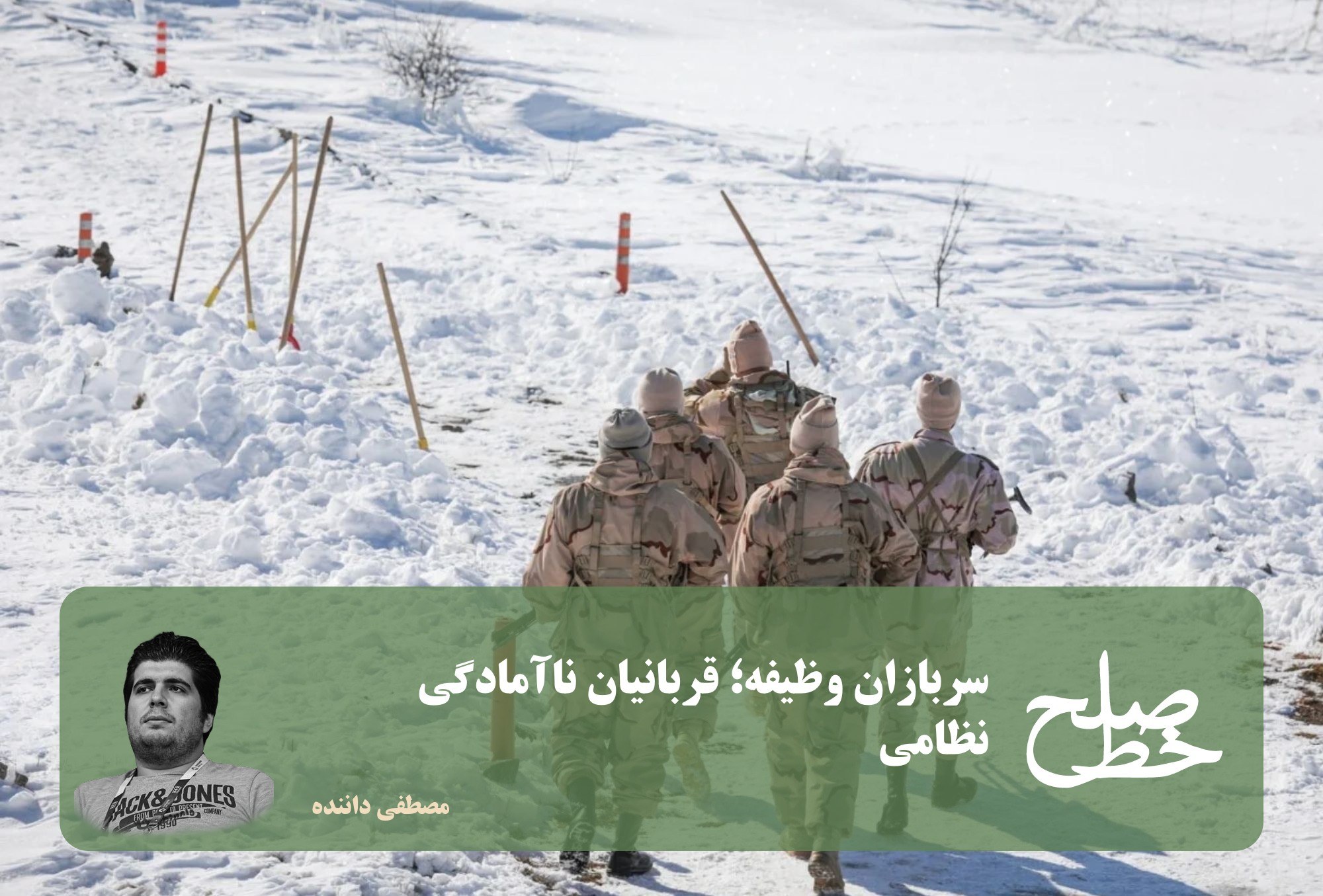
Conscripts: Victims of Military Unpreparedness / Mostafa Danandeh
War is not the time for slogans; it is the time to confront the realities of the battlefield. In wartime, the gap between what commanders claim and what soldiers experience on the ground can mean the difference between life and death. Among them, one of the most vulnerable groups is conscripts: young men who entered the armed forces not by professional choice, but under a legal obligation—or rather, by compulsion—and who......
Read more
By:
Mustafa Danandeh November 22, 2026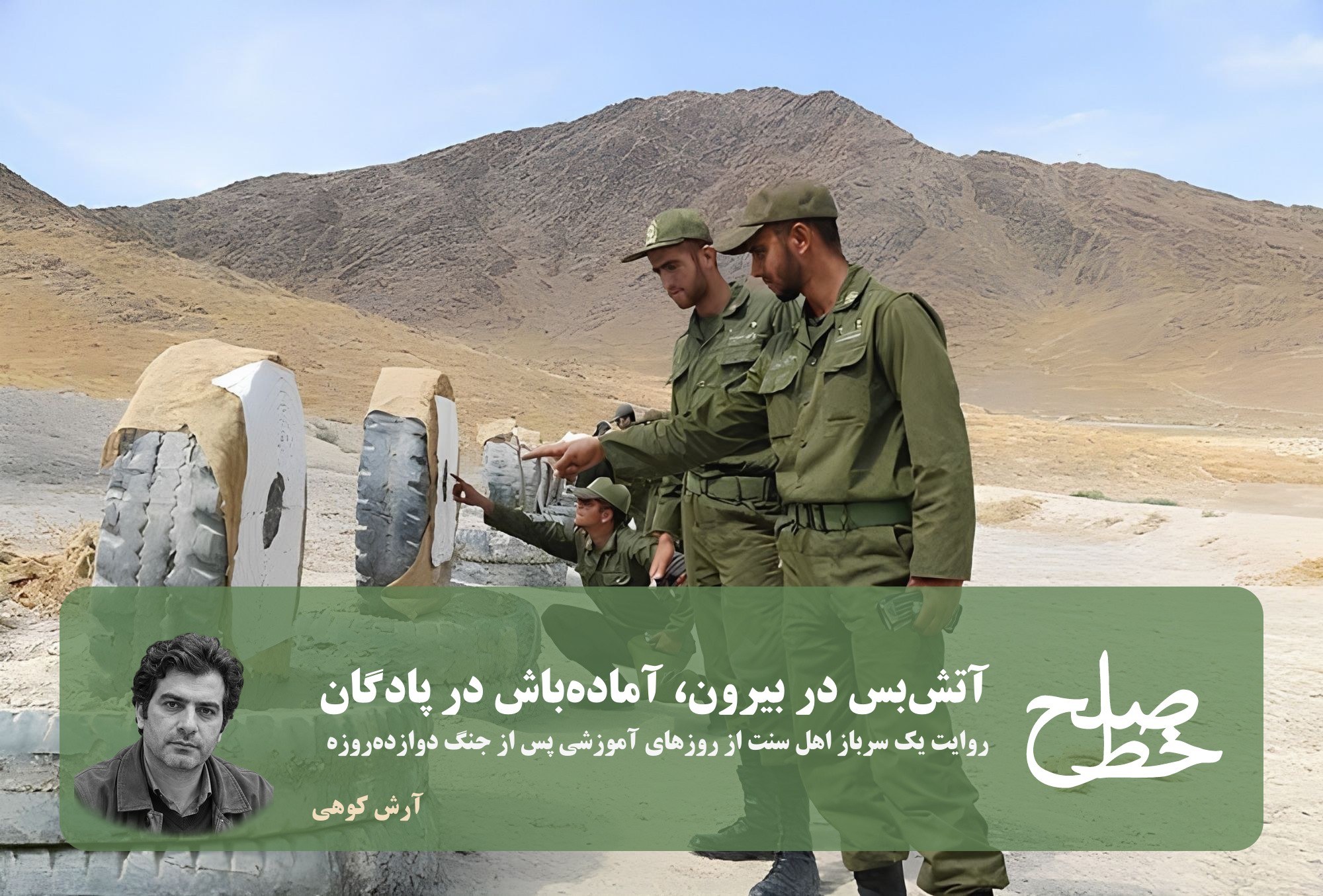
Ceasefire Outside, Standby in the Barracks / Arash Kouhi
A Sunni soldier's account of basic training in the aftermath of the twelve-day war...
Read more
By:
Arash Kouhi November 22, 2026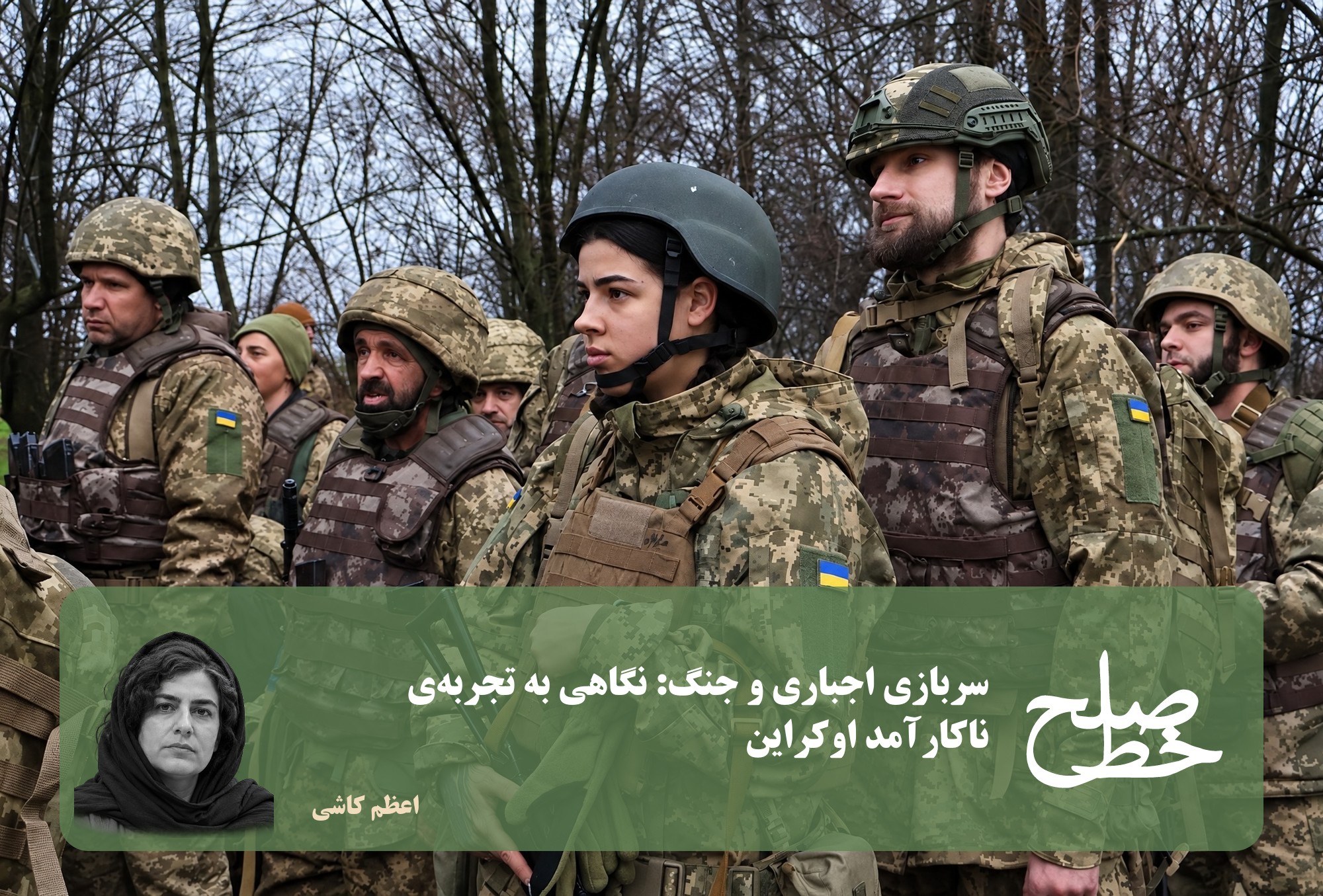
Conscription and War: A Look at Ukraine’s Ineffective Experience / Azam Kashi
Conscription is not uncommon around the world. In one study, at least 60 out of 191 countries examined had some form of compulsory military service. This includes mandatory service for all eligible individuals or lottery-based drafting and similar mechanisms, depending on the quota needed. The United States is also an example where registration for military service is mandatory, though conscription is not carried out under normal circumstances....
Read more
By:
Azam Kashi November 22, 2026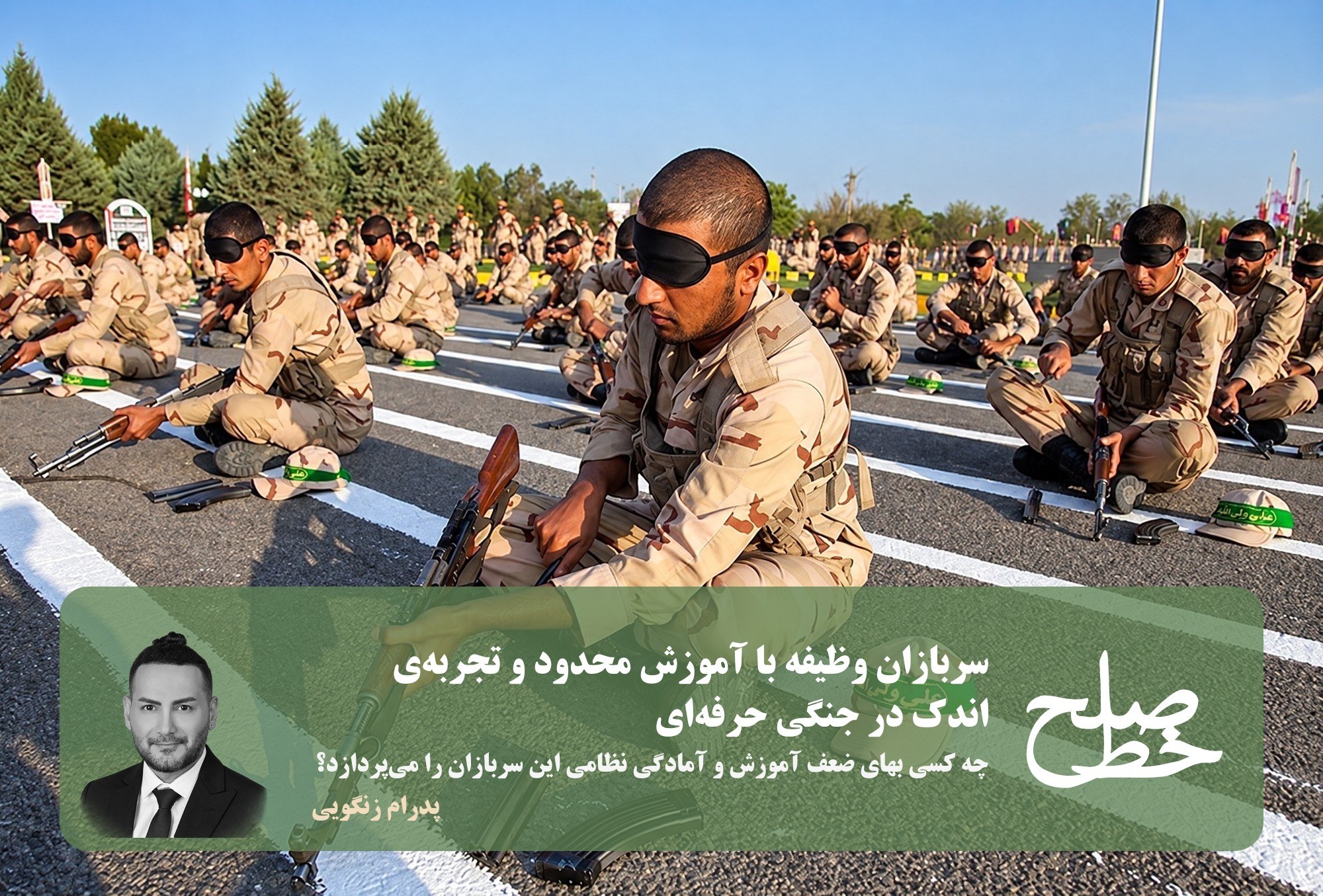
Conscripts with limited training and little experience in a professional war / Pedram Zangouyi
Who pays the price for these soldiers’ lack of training and military readiness?...
Read more
By:
Pedram Zangouyi November 22, 2026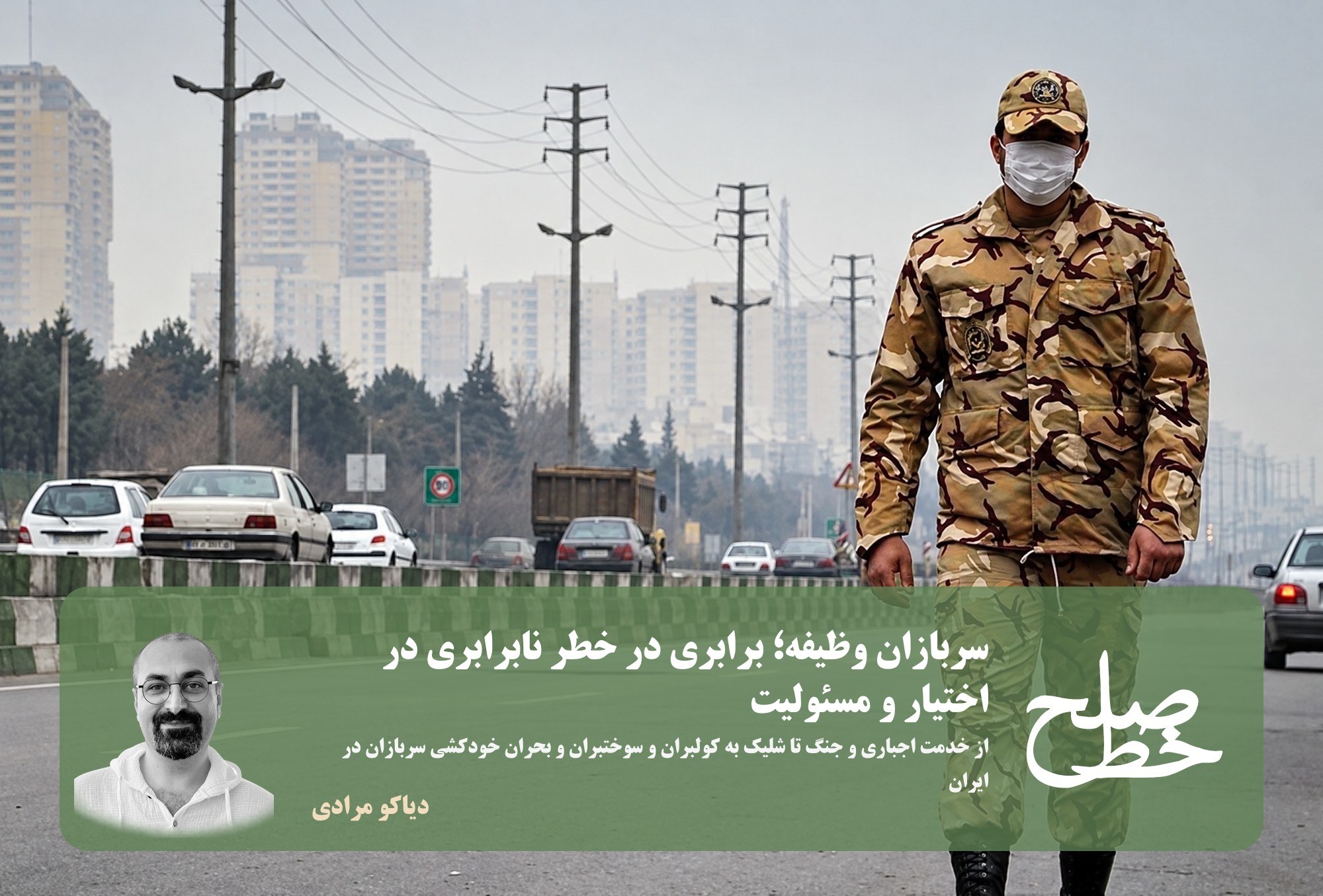
Conscript Soldiers: Equality in Danger, Inequality in Authority and Responsibility / Diako Moradi
From Conscription and War to Shootings of Kolbars and Fuel Carriers, and the Conscript Suicide Crisis in Iran...
Read more
By:
Diako Moradi November 22, 2026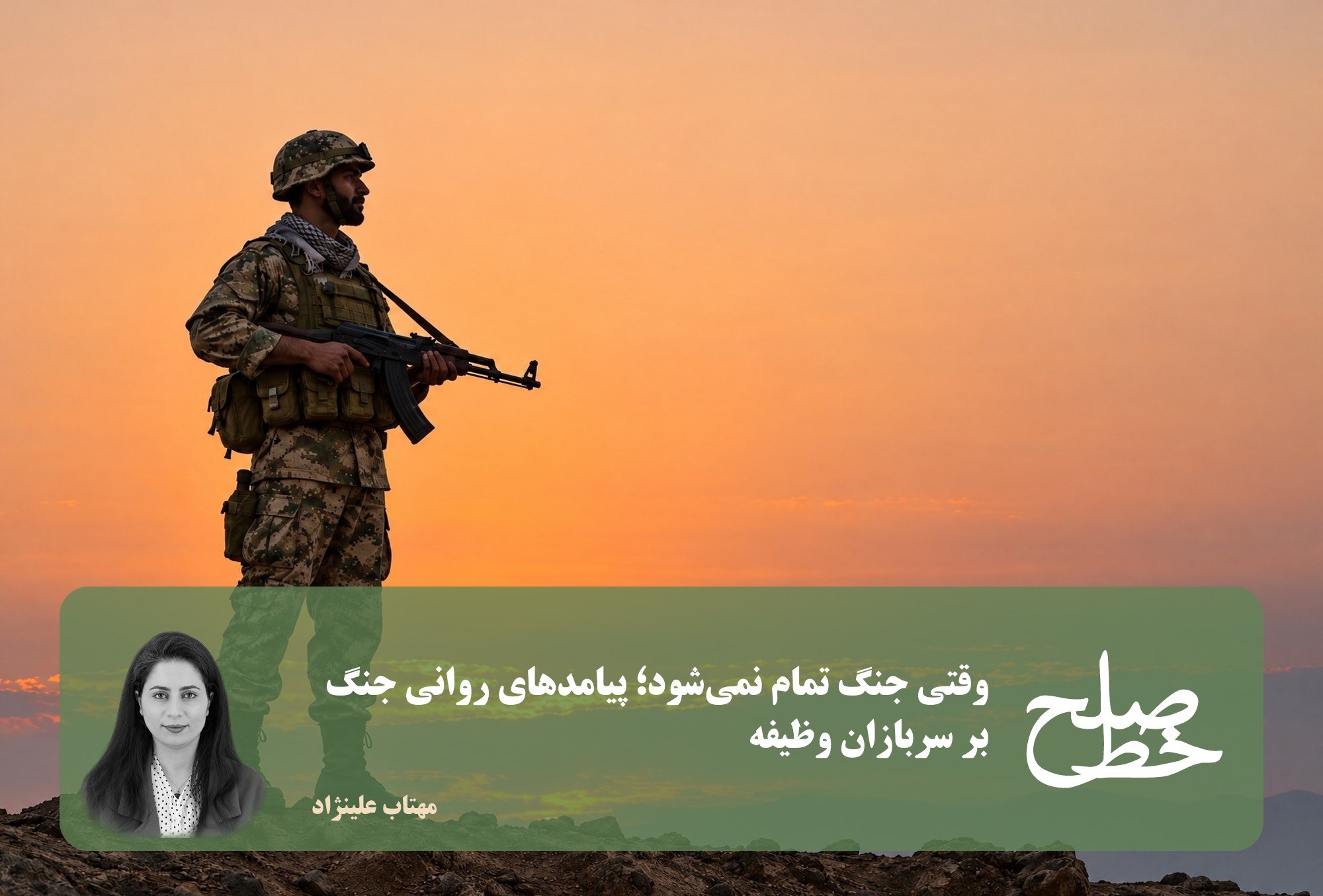
When the War Does Not End: The Psychological Consequences of War for Conscripts / Mahtab Alinejad
In official narratives of war, the focus is usually on victory and defeat, advances and retreats, the dead and the wounded, and military losses. Yet within these accounts there is a human reality that receives less attention: the psychological fate of soldiers who may have gone to the battlefield not by personal choice, but due to legal compulsion, social pressures, or political and military circumstances....
Read more
By:
Mahtab Alinezhad November 22, 2026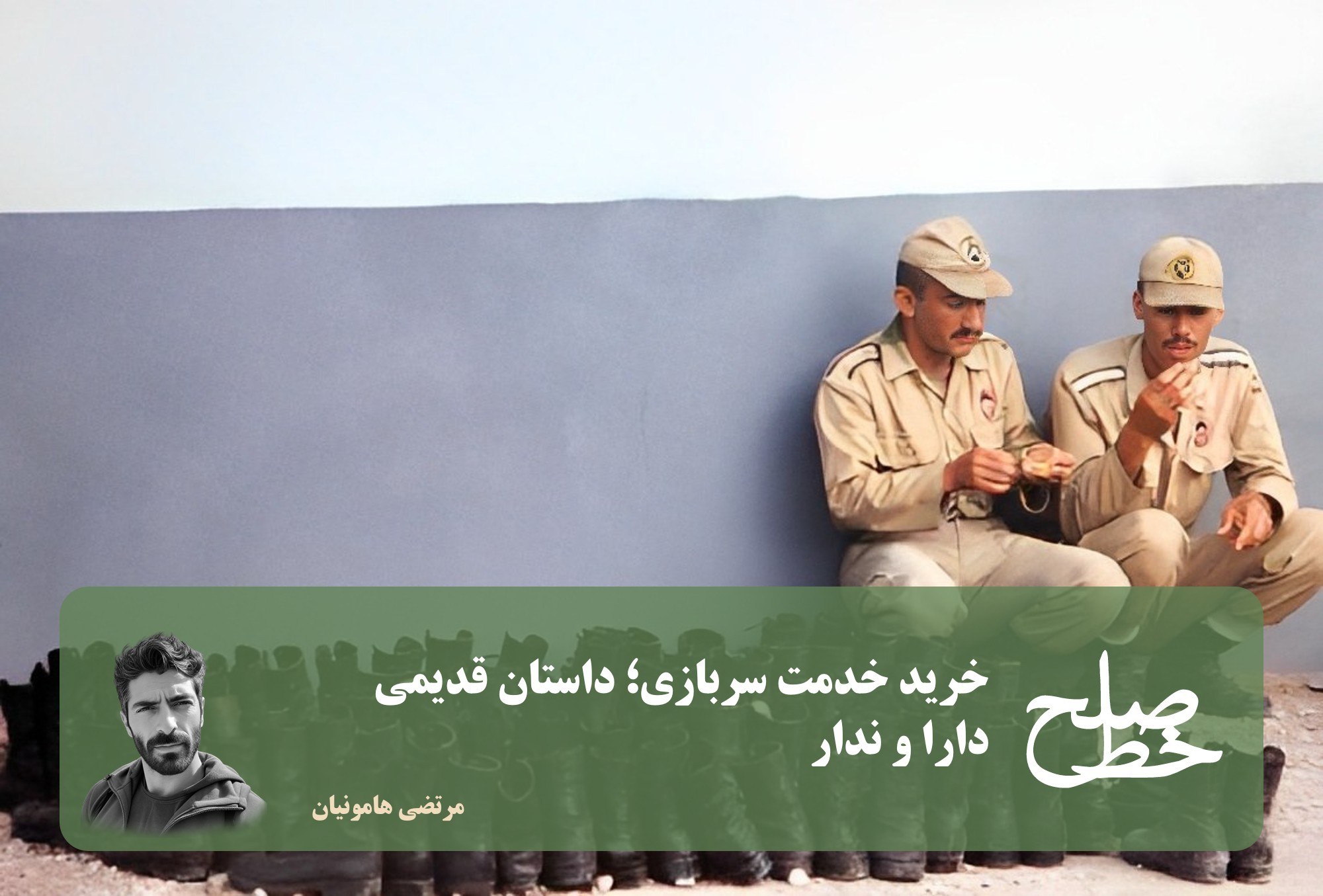
Buying Out Military Service: The Old Story of the Haves and the Have-Nots / Morteza Hamounian
The story of difference and discrimination between those who have and those who do not has always, everywhere, made itself felt. It is as though this economic inequality—where some have so much they do not know what to do with it, and others, as the saying goes, do not even have a sigh to trade for a groan—runs through every stage of an Iranian’s life: from birth to childhood, then school and university, and for families’ male children, military service. A military service that, at various times, has been made purchasable…...
Read more
By:
Morteza Hamounian November 22, 2026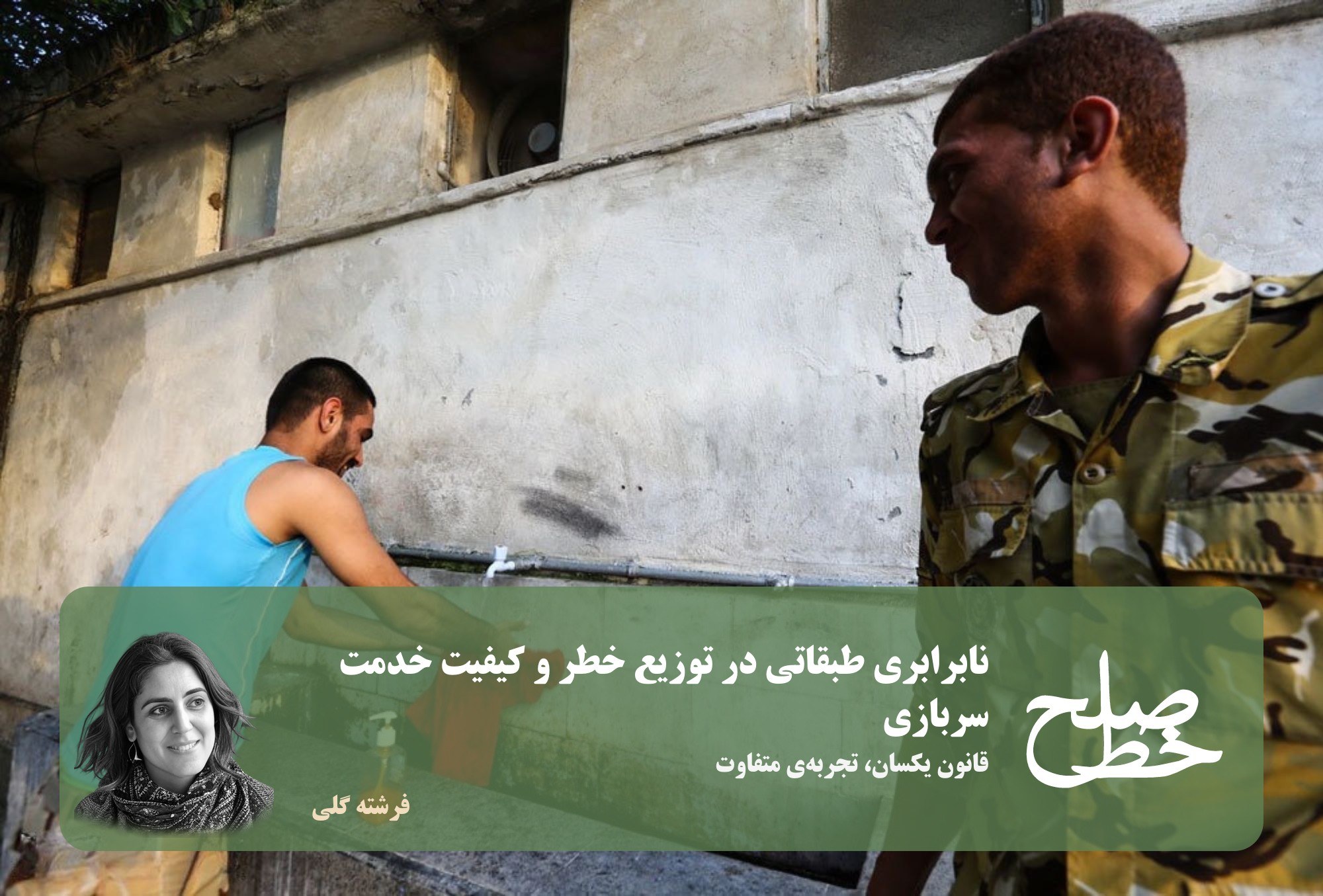
Class Inequality in the Distribution of Risk and the Quality of Military Service / Fereshteh Goli
Uniform Law, Disparate Experience...
Read more
By:
Fereshteh Goli November 22, 2026
