


Peace Line 180
Legal Examination of the Shift in Criminal Policy Toward Seizure and Confiscation of Property; Conversation with Hassan Asadi Zeydabadi/ Ali Kalaei
The tense developments and the war of the United States and Israel with Iran have brought about noticeable changes in the country’s domestic environment. These changes have not been limited merely to the security and political spheres, but their effects are also clearly observable in the legal and judicial arena. Reports have emerged of the […]...
Read More Created By:
Ali Kalaei
Created By:
Ali Kalaei April 21, 2026
Legal Examination of the Presence of Children at Checkpoints in Conversation with Ameneh Asgari/ Nafiseh Sharafaldini
In a situation where reports of the use of individuals under 18 at checkpoints are being published, this question becomes increasingly important as to how such actions are evaluated within the framework of international law and the obligations of states. Examining this issue is important not only from a legal perspective, but also from a […]...
Read More
Created By:
Nafiseh Sharafaldini April 21, 2026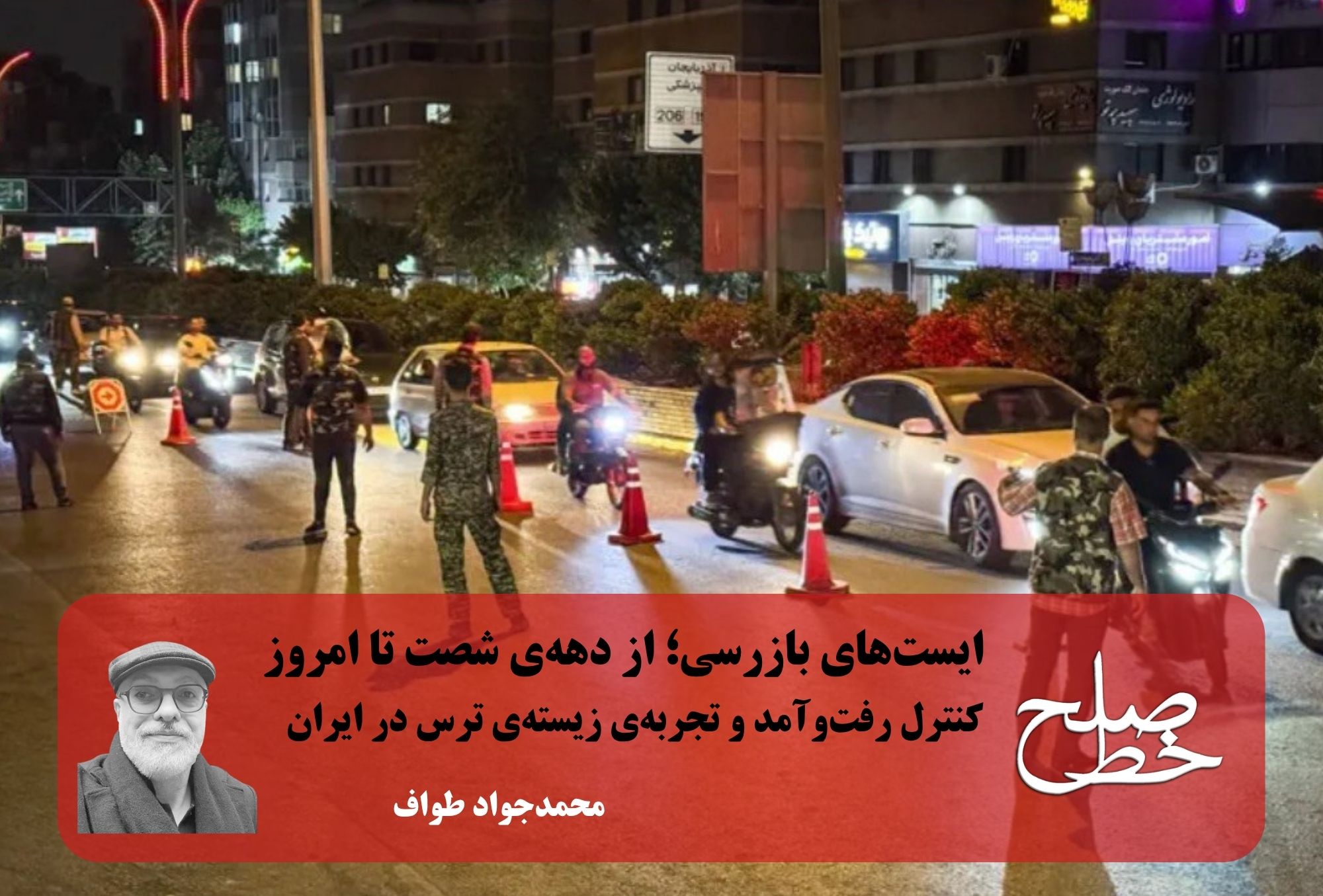
Checkpoint Stops; From the Past to Today/ Mohammad Javad Tavaf
One media activist has recounted a memory from the years of the sixties on social networks: “It was night, my cousin and I wanted to go from Khaniabad to Yousefabad, to our aunt’s house. I said: Hooshang, it’s a desert there, let’s take a little of this aragh too. He double-layered a freezer bag, poured […]...
Read More
Created By:
Mohammad Javad Tavaf April 21, 2026
Can Mere Filming of Strike Sites Lead to Arrest?/ Sina Yousefi
In wartime conditions, the question of respect for human rights is always raised as one of the fundamental challenges. It is a challenge in which the boundary between security necessities and human rights obligations becomes extremely narrow and slippery. Historical experience has shown that in times of crisis, states are more inclined than ever to […]...
Read More
Created By:
Sina Yousefi April 21, 2026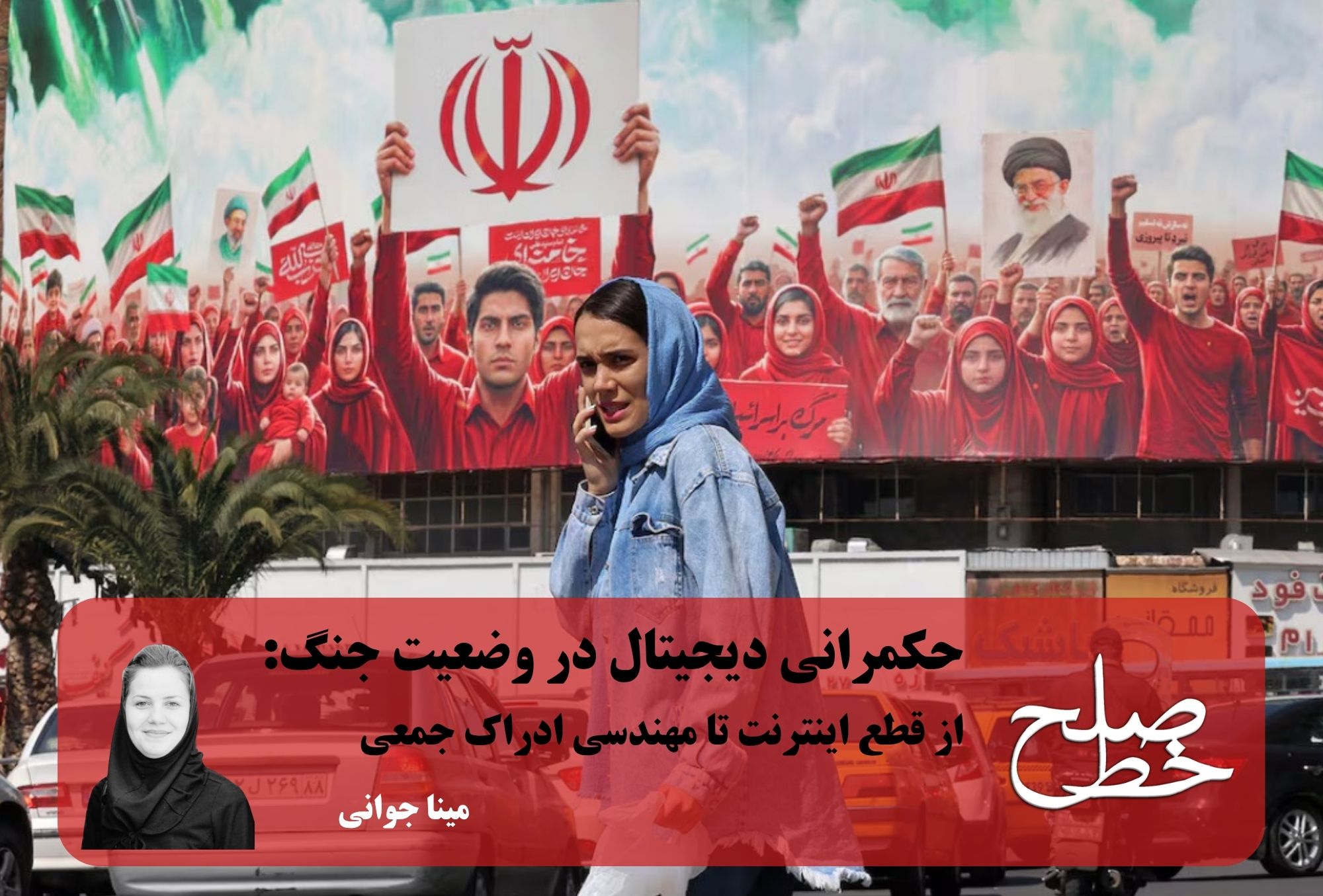
Digital Governance in a State of War: From Internet Shutdowns to the Engineering of Collective Perception/ Mina Javani
Sometimes, in the midst of war, what disappears is not only sounds and images, but access to reality itself. The internet, this seemingly obvious and always-available platform, suddenly goes dark in such moments and plunges society into a state of informational rupture; a condition in which the boundary between what is happening and what is […]...
Read More
Created By:
Mina Javani April 21, 2026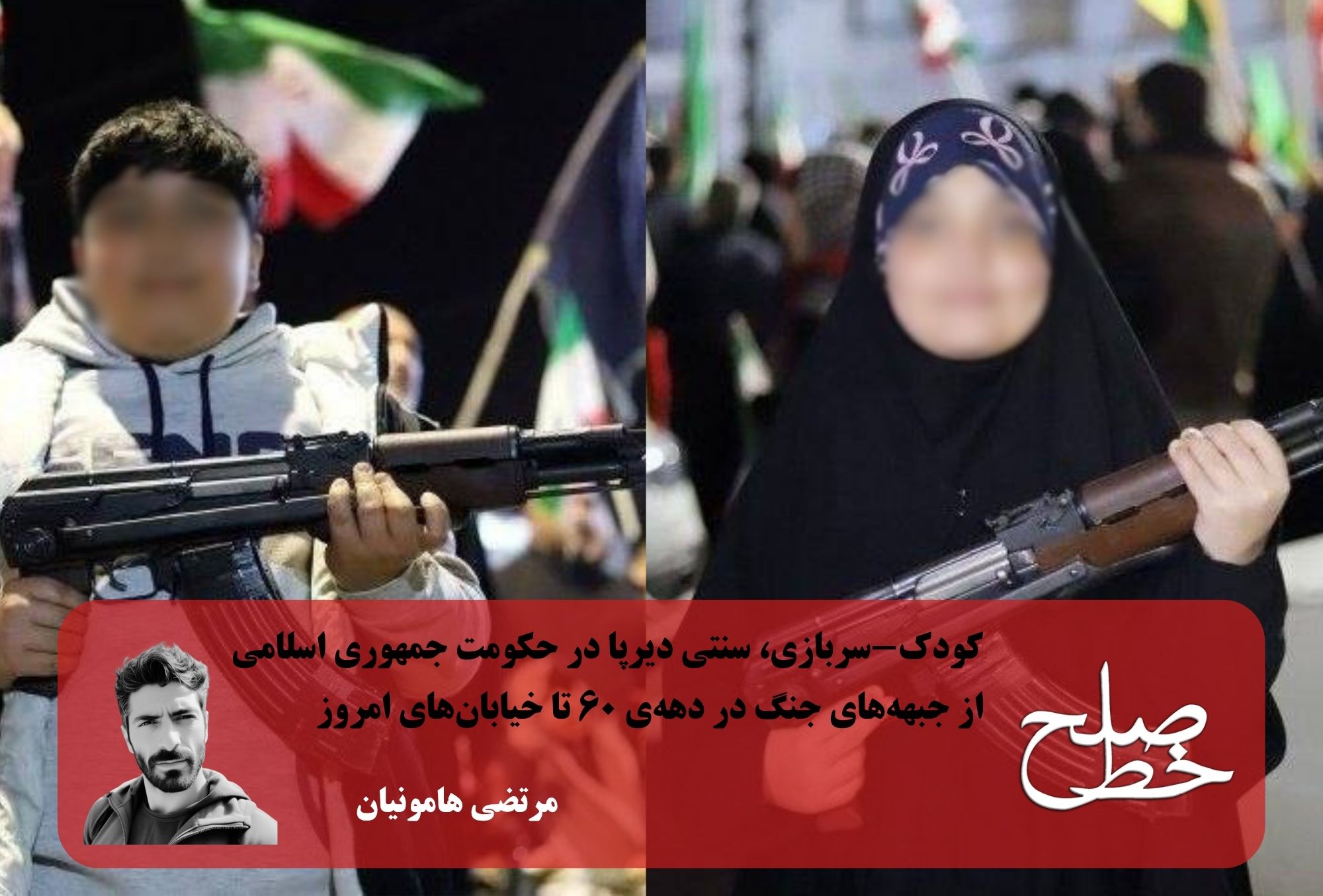
Child Soldiering, a Long-Standing Tradition in the Islamic Republic / Morteza Hamounian
Children are among the first victims of war; whether they are present in war themselves or killed as a result of an act of war; whether they are armed and fire in one direction, or are not present in war and are killed or wounded in its turmoil. Even merely witnessing the catastrophe of war […]...
Read More
Created By:
Morteza Hamounian April 21, 2026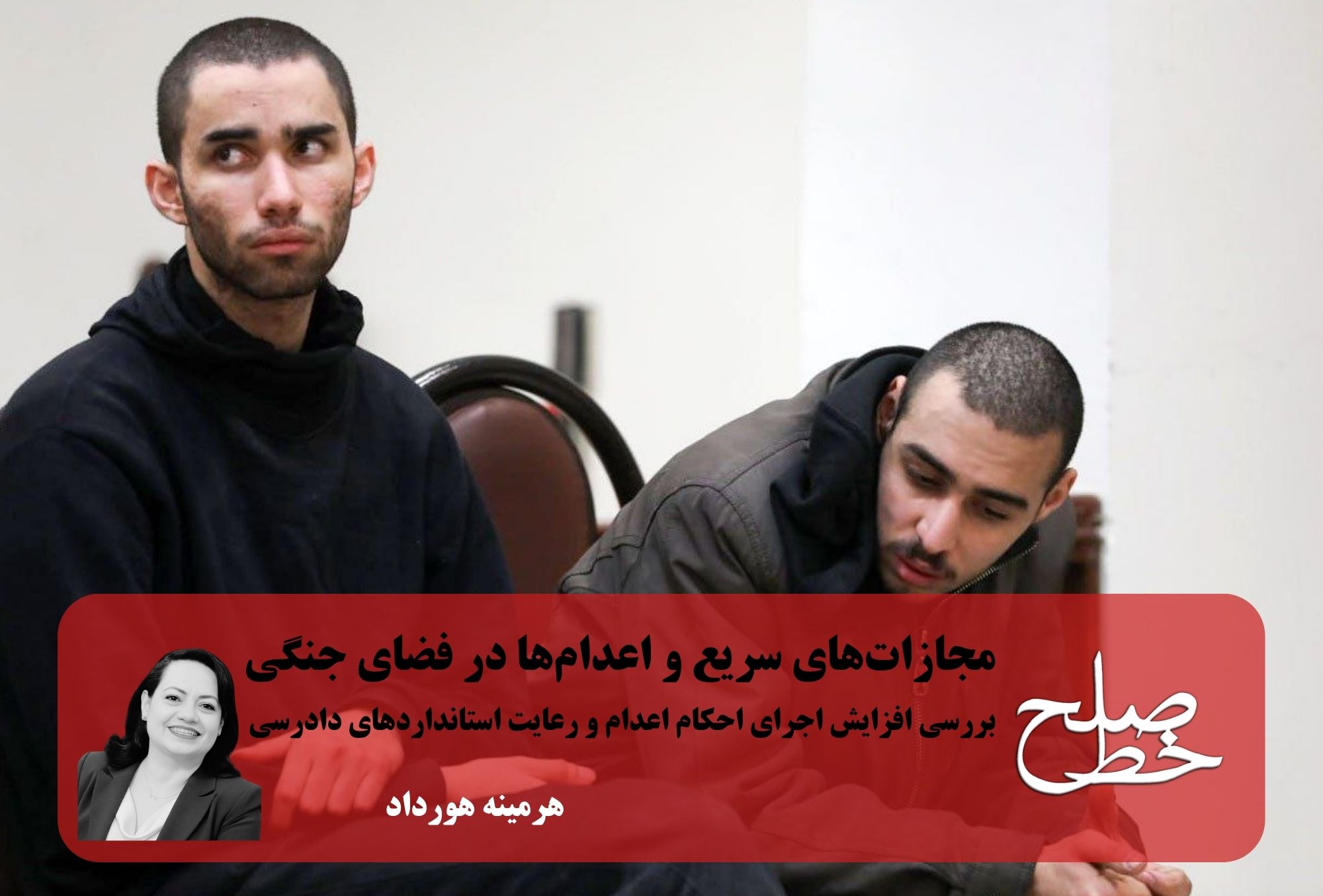
Rapid Punishments and Executions in Wartime Conditions/ Hermineh Hourdad
To understand the mechanisms of power in the Islamic Republic, no point is as significant as execution, because in this system execution is not merely a judicial punishment, but a political instrument for producing fear, silencing dissent, and pushing society toward silence and marginalization. Each time the Islamic Republic has faced crisis, war, or instability, […]...
Read More
Created By:
Hermineh Hourdad April 21, 2026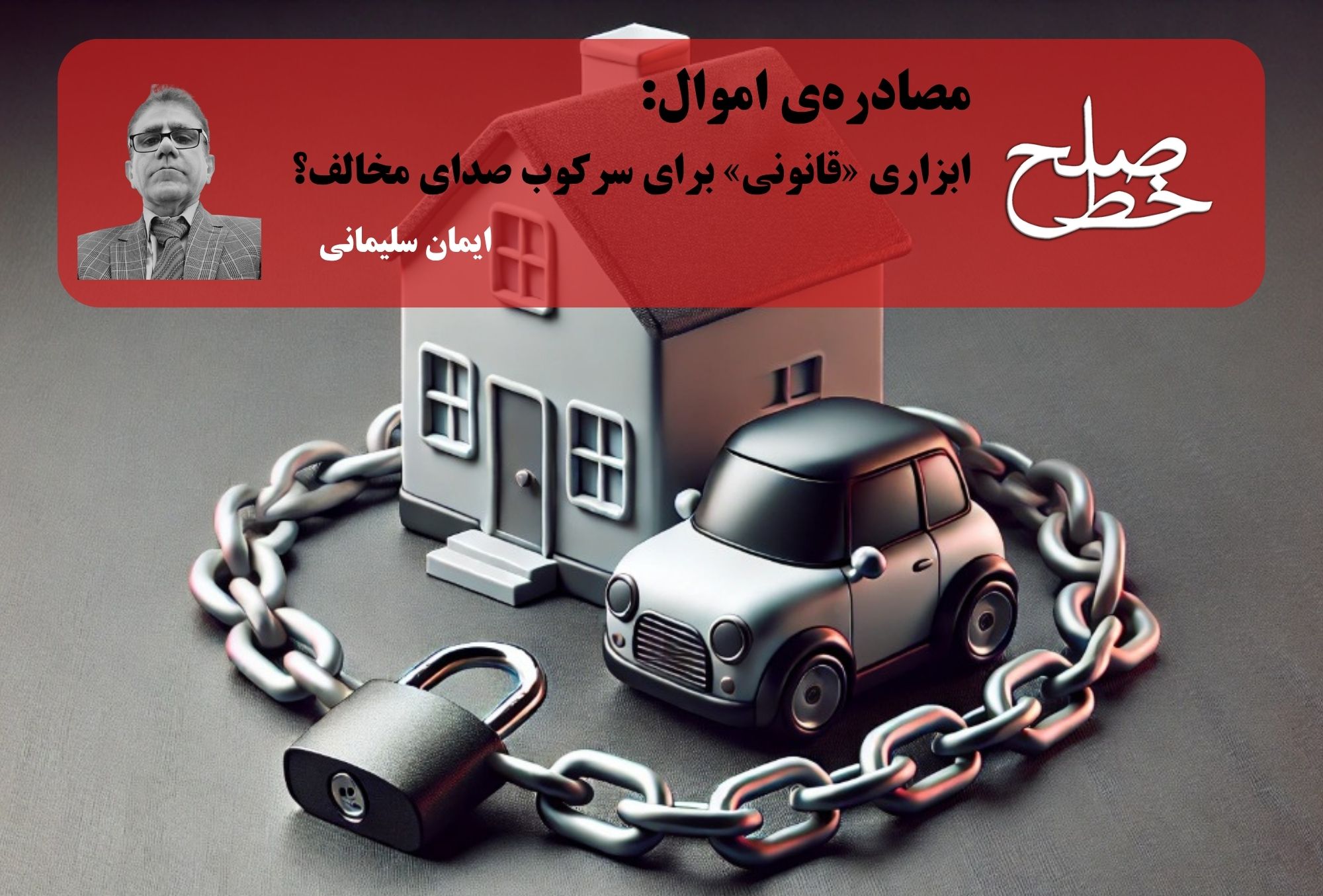
Confiscation of Property: A “Legal” Tool for Silencing Dissent?/ Iman Soleimani
In recent years, particularly following the adoption and implementation of the law titled “Intensification of Punishment for Espionage and Cooperation with the Zionist Regime and Hostile Countries Against National Security and Interests” in October 2025 (Mehr 1404), the issue of confiscation and seizure of the assets of Iranian citizens—especially those living abroad, ranging from ordinary […]...
Read More
Created By:
Iman Soleimani April 21, 2026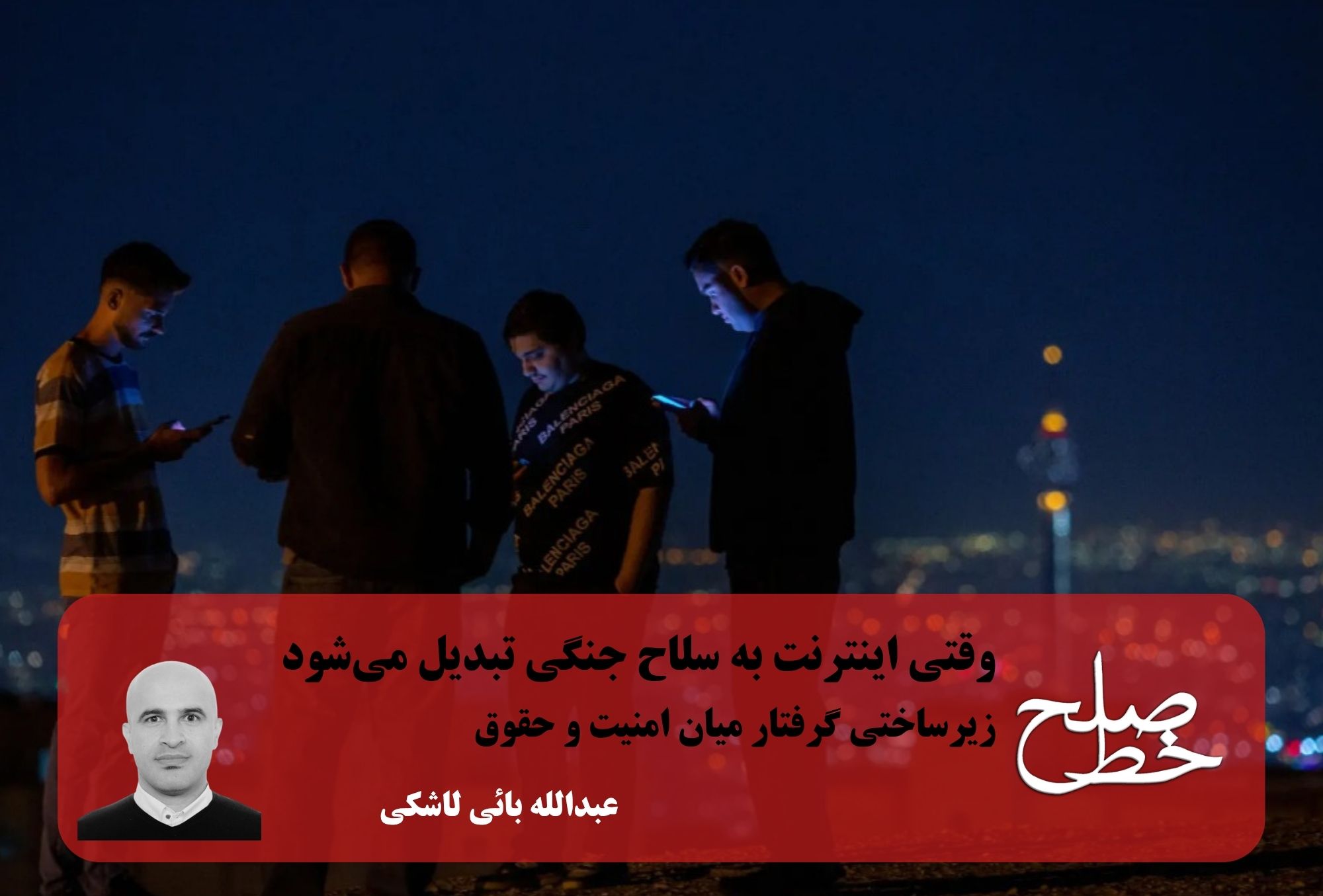
When the Internet Becomes a Weapon of War/ Abdollah Bai Lashaki
In the contemporary world, the internet is no longer merely a communication tool; it has become one of the fundamental pillars of social, economic, and political organization. Critical infrastructures—from banking and healthcare systems to media, education, and even emergency response mechanisms—depend, to varying degrees, on stable access to the internet. However, in situations of armed […]...
Read More
Created By:
Abdullah Bai Lashaki April 21, 2026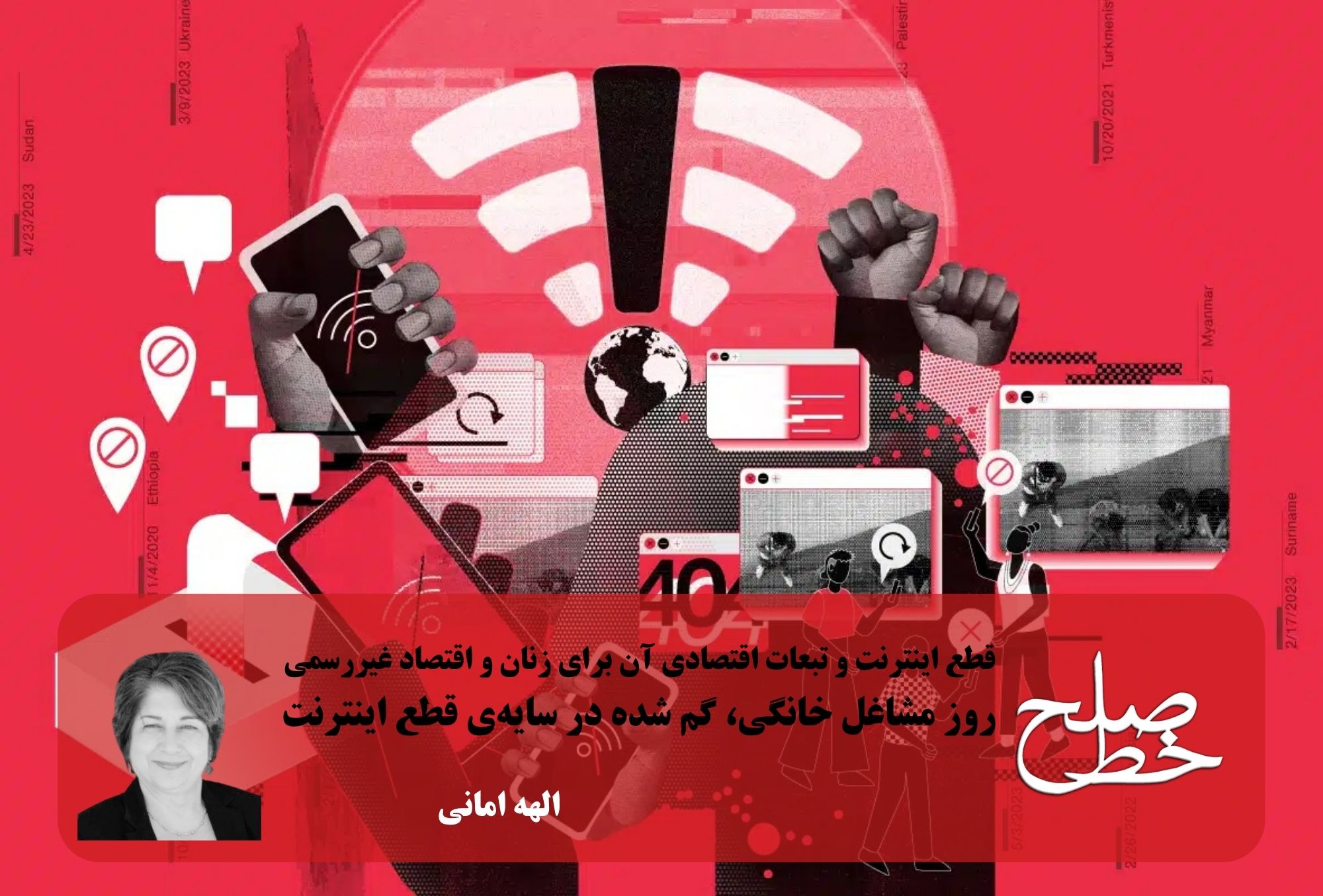
Internet Shutdowns and Their Economic Consequences for Women and the Informal Economy/ Elaheh Amani
This article is not about the catastrophic depth of war as an absolute evil; it is not about the innocent children who lost their lives and never returned home; it is not about the civilians in Iran and other countries of the region who were killed; it is not about the historical heritage destroyed and […]...
Read More
Created By:
Elahe Amani April 21, 2026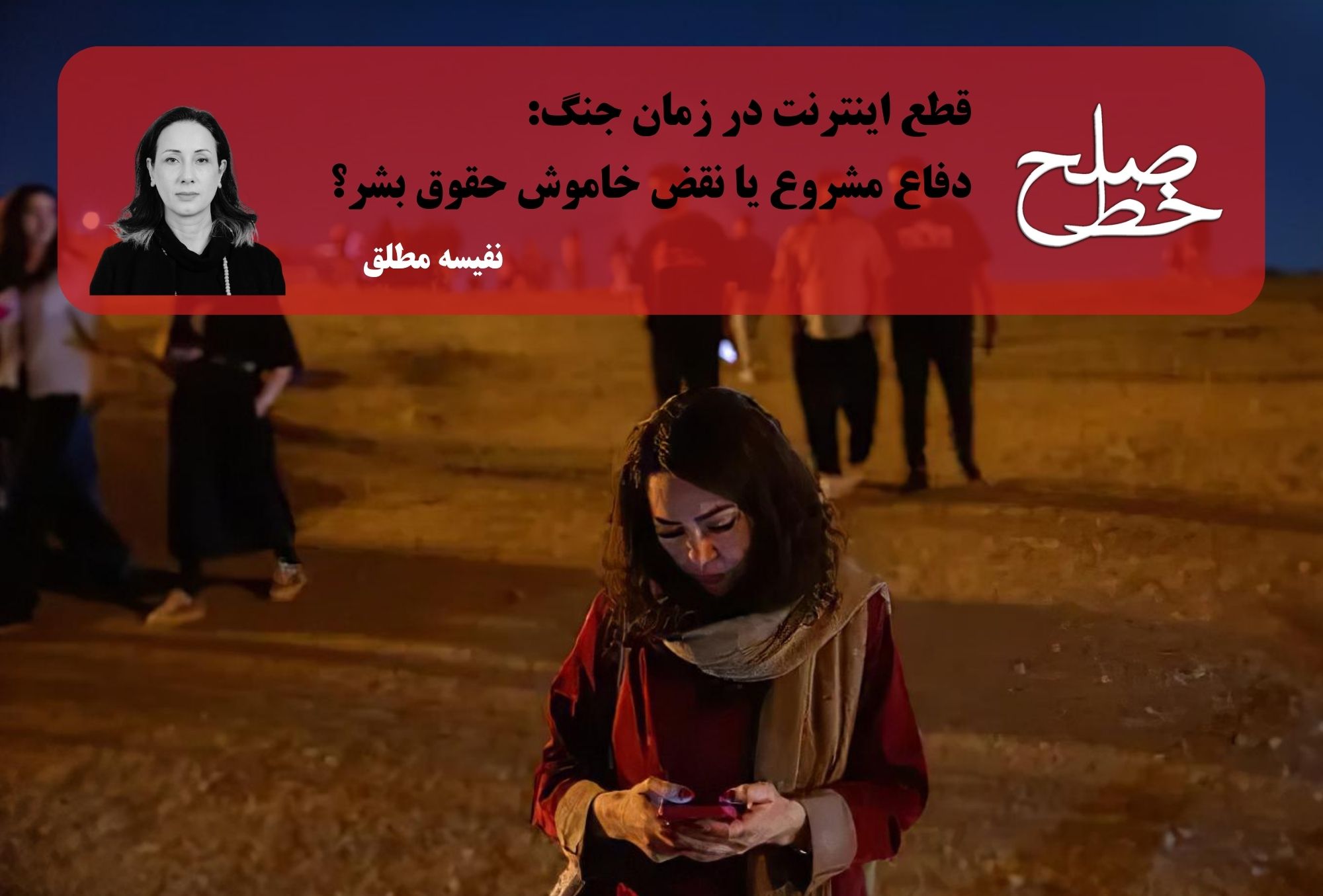
Internet Shutdowns During Wartime: Legitimate Defense or a Silent Violation of Human Rights?/ Nafiseh Motlagh
In the contemporary world, access to the internet is considered one of the vital pillars of social and economic life, and even a condition for the survival of citizens. However, this reality has not yet been explicitly recognized in international law—neither as an “independent human right” nor as a “critical infrastructure.” This legal gap has […]...
Read More
Created By:
Nafiseh Motlagh April 21, 2026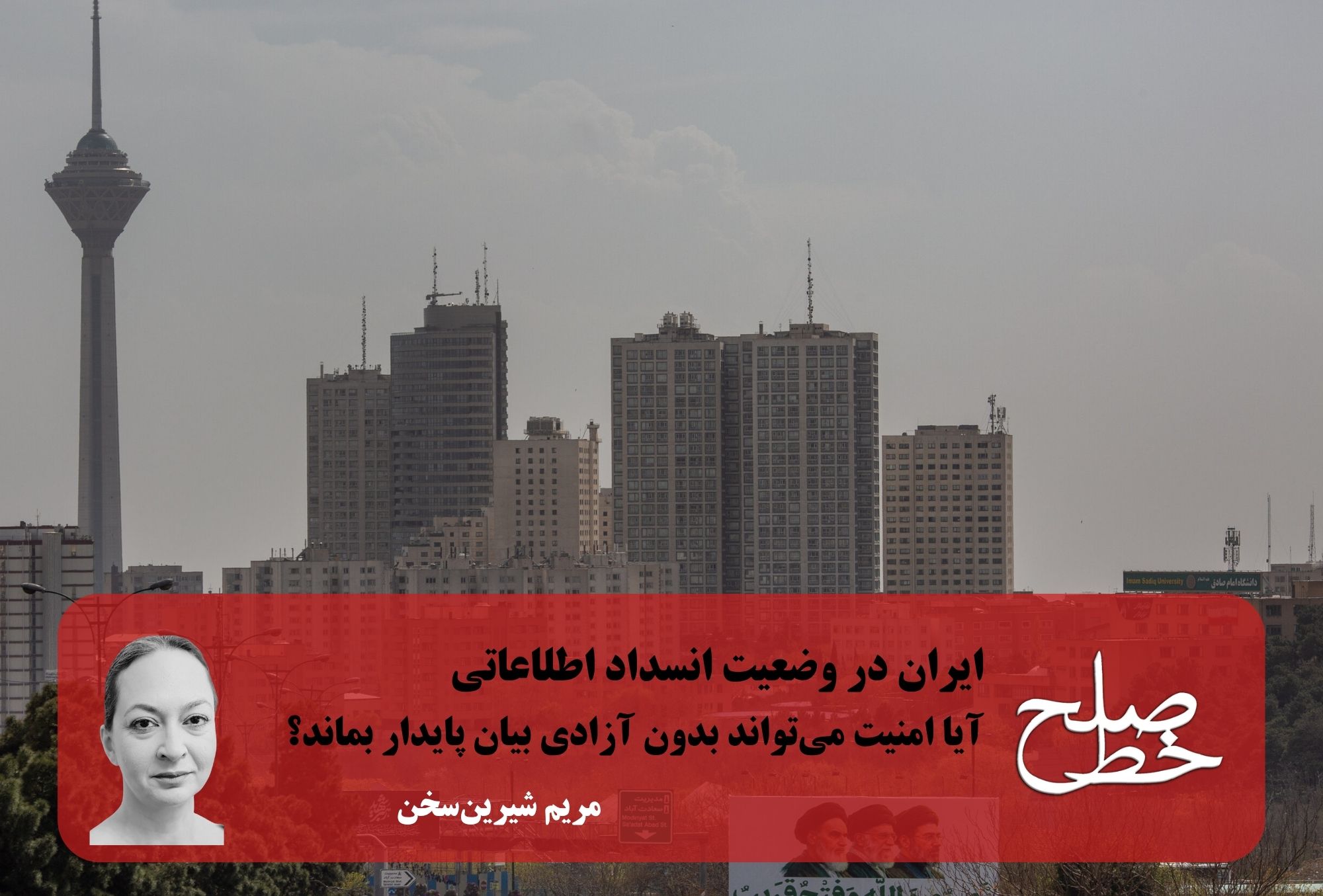
Iran in a State of Information Blockade / Maryam Shirin Sokhan
These days, Iran is undergoing an unprecedented experience: weeks of widespread internet shutdowns, severe restrictions on media, and the concentration of narratives within a single official channel. For more than two months, access to the internet in Iran has been completely cut off. Although limited access has recently been granted to certain individuals and professional […]...
Read More
Created By:
Maryam Shirin Sokhan April 21, 2026
