


Latest Posts
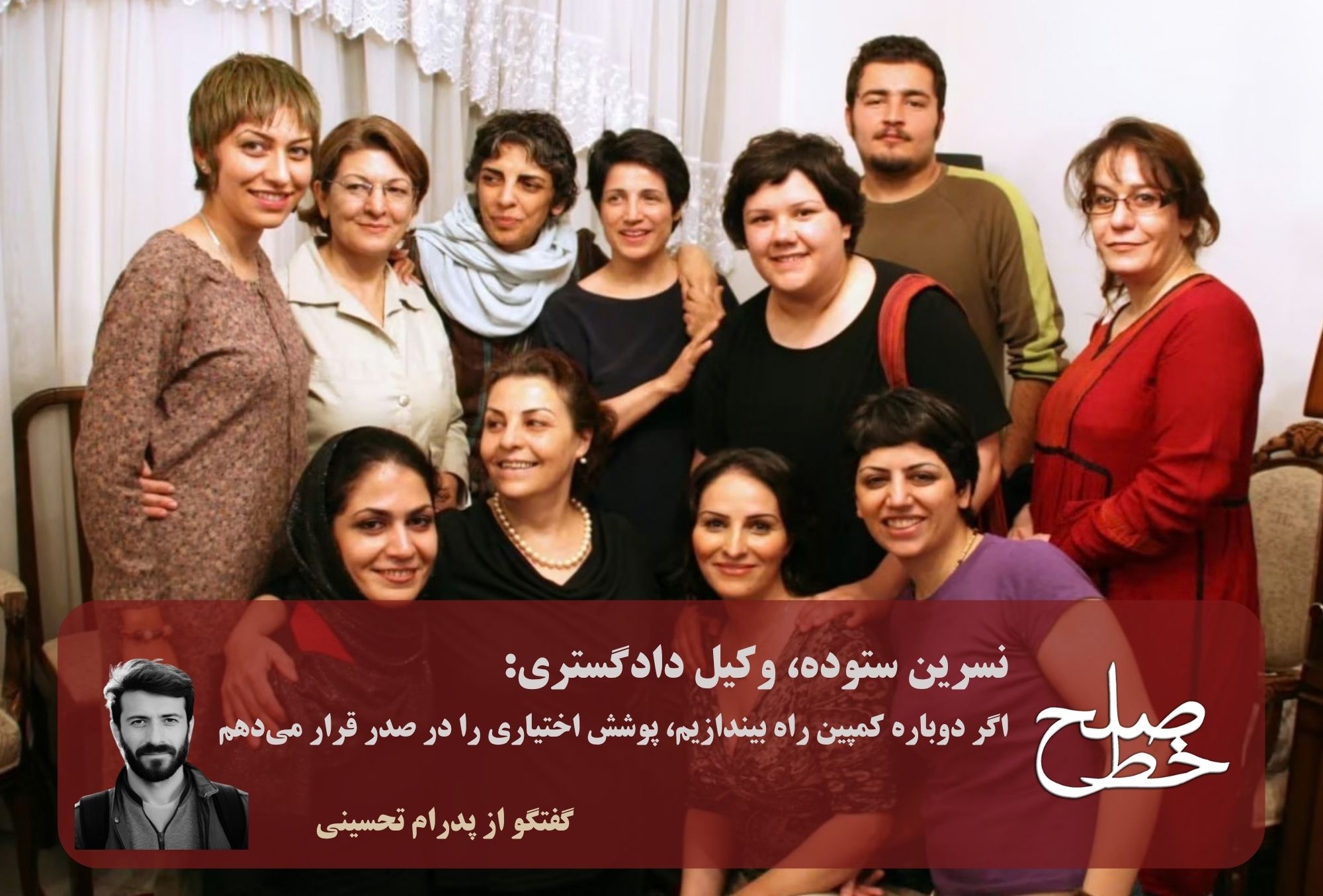
Nasrin Sotoudeh: If We Were to Launch the Campaign Again, I Would Put Optional Hijab at the Top of the Agenda/ Pedram Tahsini
The One Million Signatures Campaign can be regarded as one of the most important and influential experiences of women’s civil activism in contemporary Iran—an experience that emerged from legal demands, entered the public sphere, faced repression, and, despite the cessation of its activities, played a significant role in changing attitudes and expanding women’s demands. What […]...
Read More Created By: Padram Tahsini
 September 23, 2026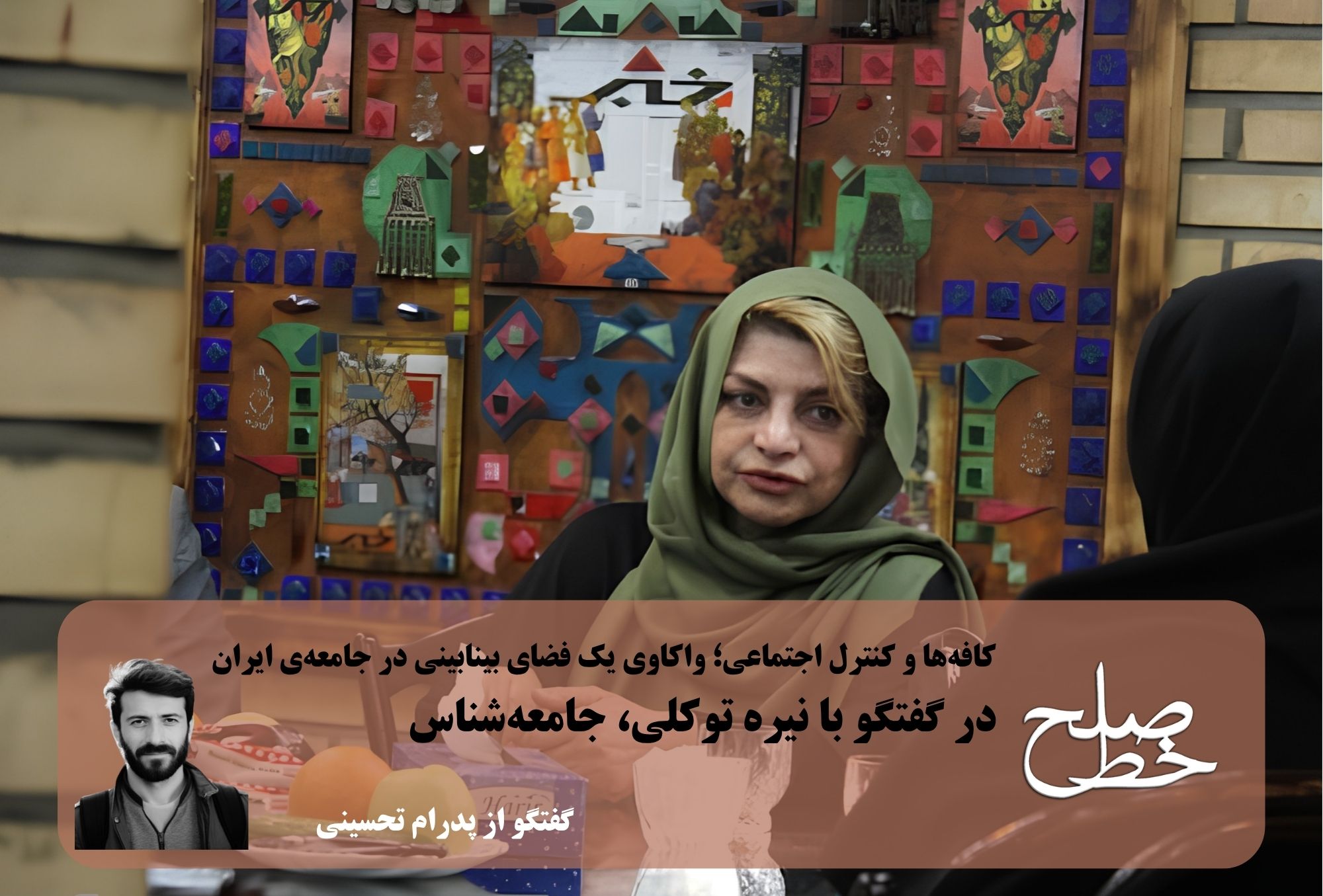
Cafés and Social Control: Examining an Intermediate Space in Iranian Society; An Interview with Nayereh Tavakoli/ Pedram Tahsini
In contemporary Iranian society, urban spaces have become not only the setting of everyday life, but also arenas for redefining identities, values, and social relations. Among these, cafés, as one of the most important intermediate public-private spaces, play a dual role: on the one hand, they are places where young people gather, converse, and spend […]...
Read More
Created By: Padram Tahsini
August 23, 2026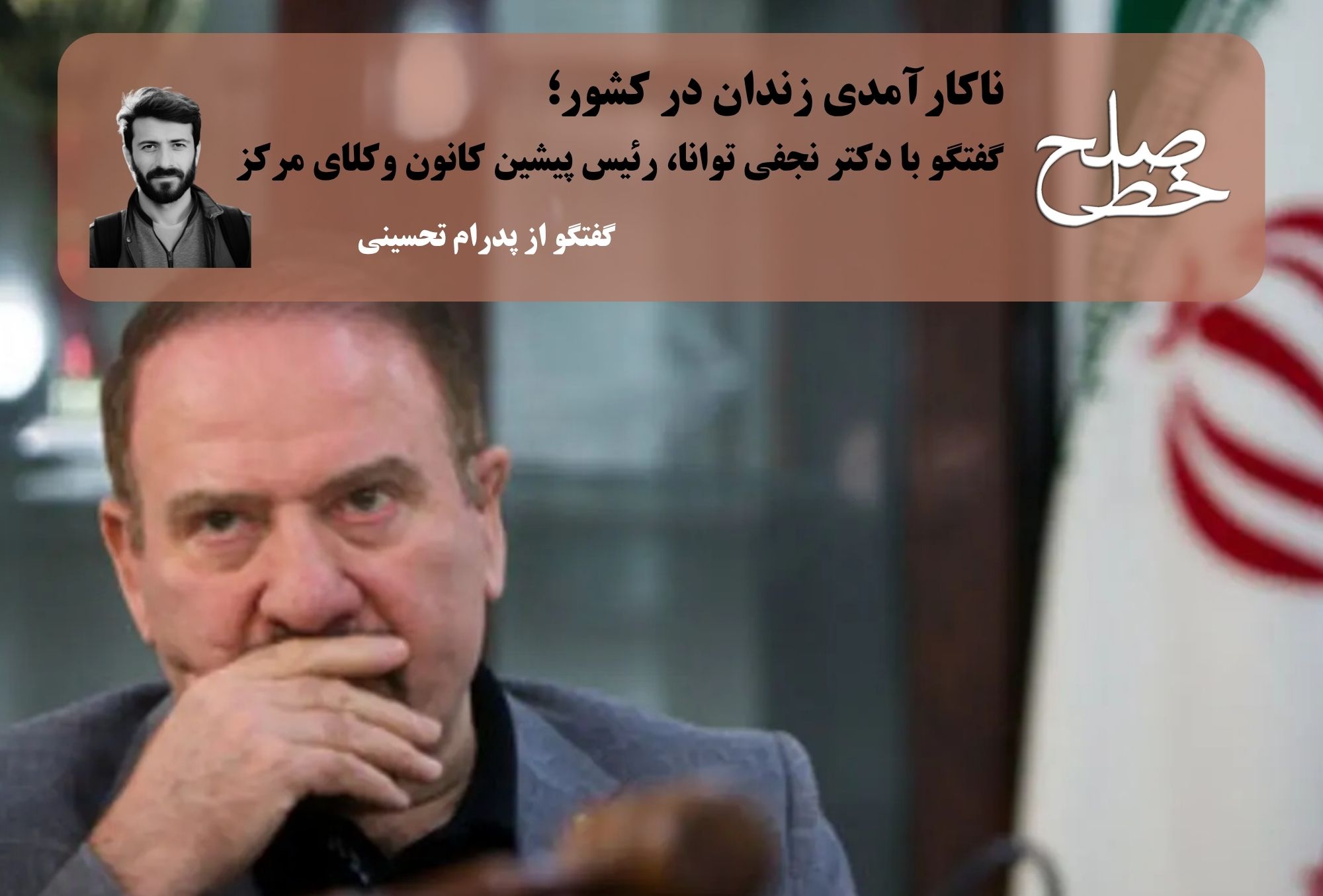
Prison Inefficiency in the Country; Interview with Dr. Najafi Tavana, Former Head of the Central Bar Association/Pedram Tahsini
Ali Najafi Tavana was born in 1953 in the Alamut region of Qazvin. He completed his primary education in Tonekabon and completed his secondary education at Hafeziyeh High School in the same city. In 1972, he entered the Faculty of Law of the University of Tehran and in 1975, he obtained a Bachelor of Laws […]...
Read More
Created By: Padram Tahsini
July 23, 2026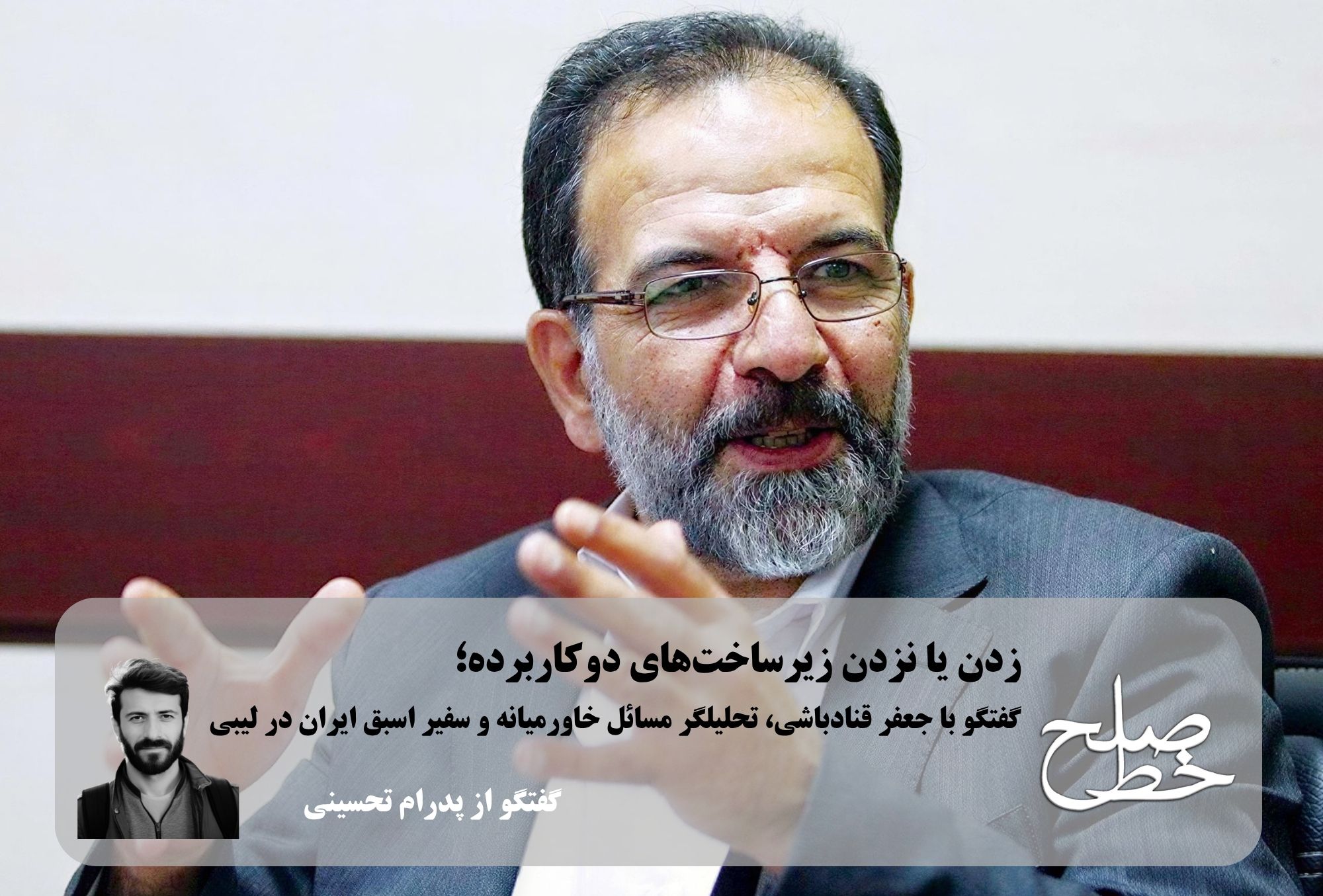
To Strike or Not to Strike Dual-Use Infrastructure: An Interview with Jafar Ghanadbashi, Former IRI’s Ambassador to Libya/ Pedram Tahsini
Dual-use infrastructure refers to a set of physical, networked, systemic, and technological assets that are originally designed and operated for civilian and peaceful purposes, such as transportation, energy, communications, or industrial production; but because of their strategic nature, broad coverage, high capacity, or embedded technical capabilities, they can also be used in conditions of crisis, […]...
Read More
Created By: Padram Tahsini
June 22, 2026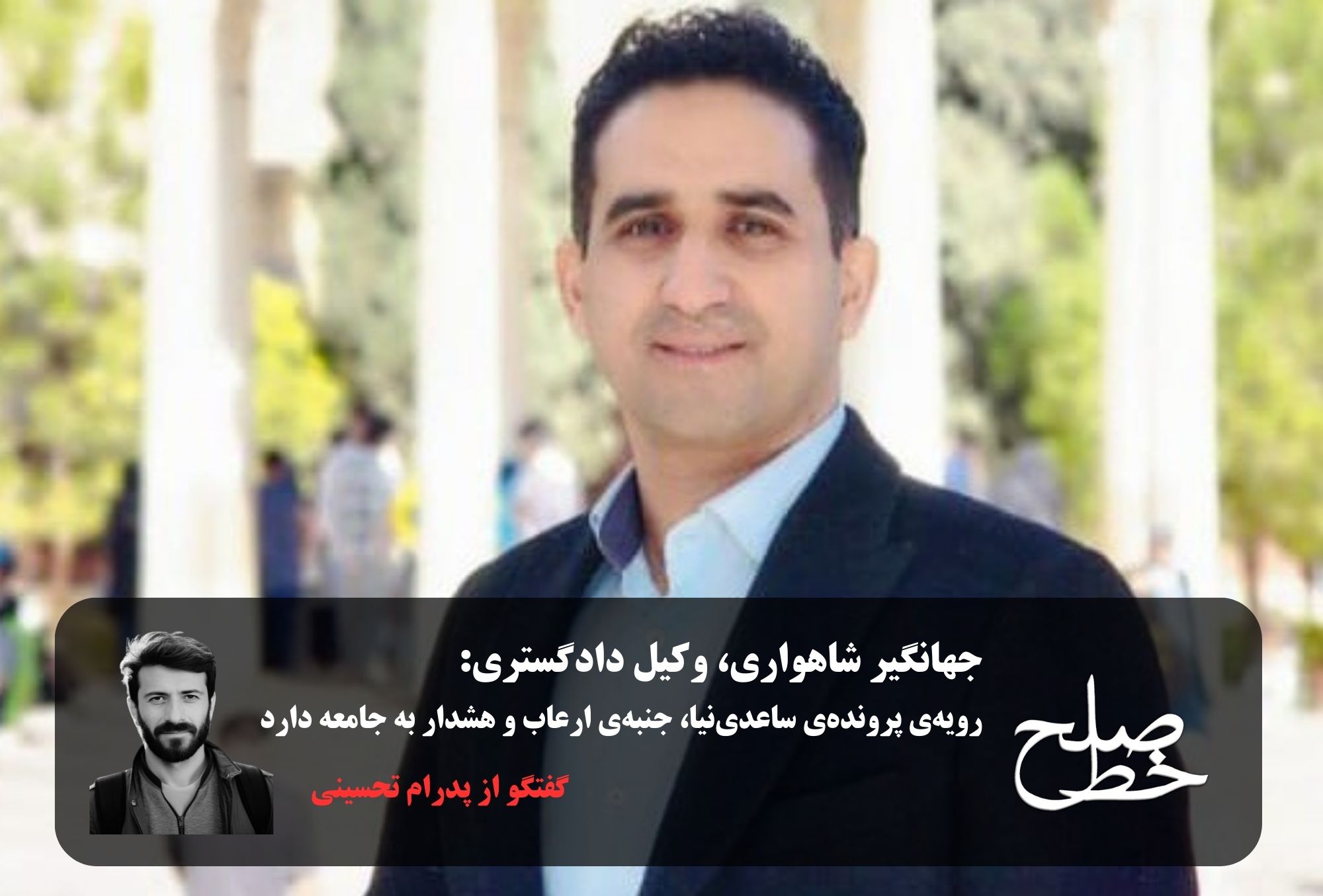
Jahangir Shahvari: The Saedinia case is intended to intimidate and warn society / Pedram Tahseni
The protests of January 1404, which resulted in the deaths of thousands of protesters and the widespread use of violence by security agencies, have been described by many as the bloodiest protests in the contemporary history of Iran and the world. The consequences of these protests were not limited to the streets and mass arrests, […]...
Read More
Created By: Padram Tahsini
February 20, 2026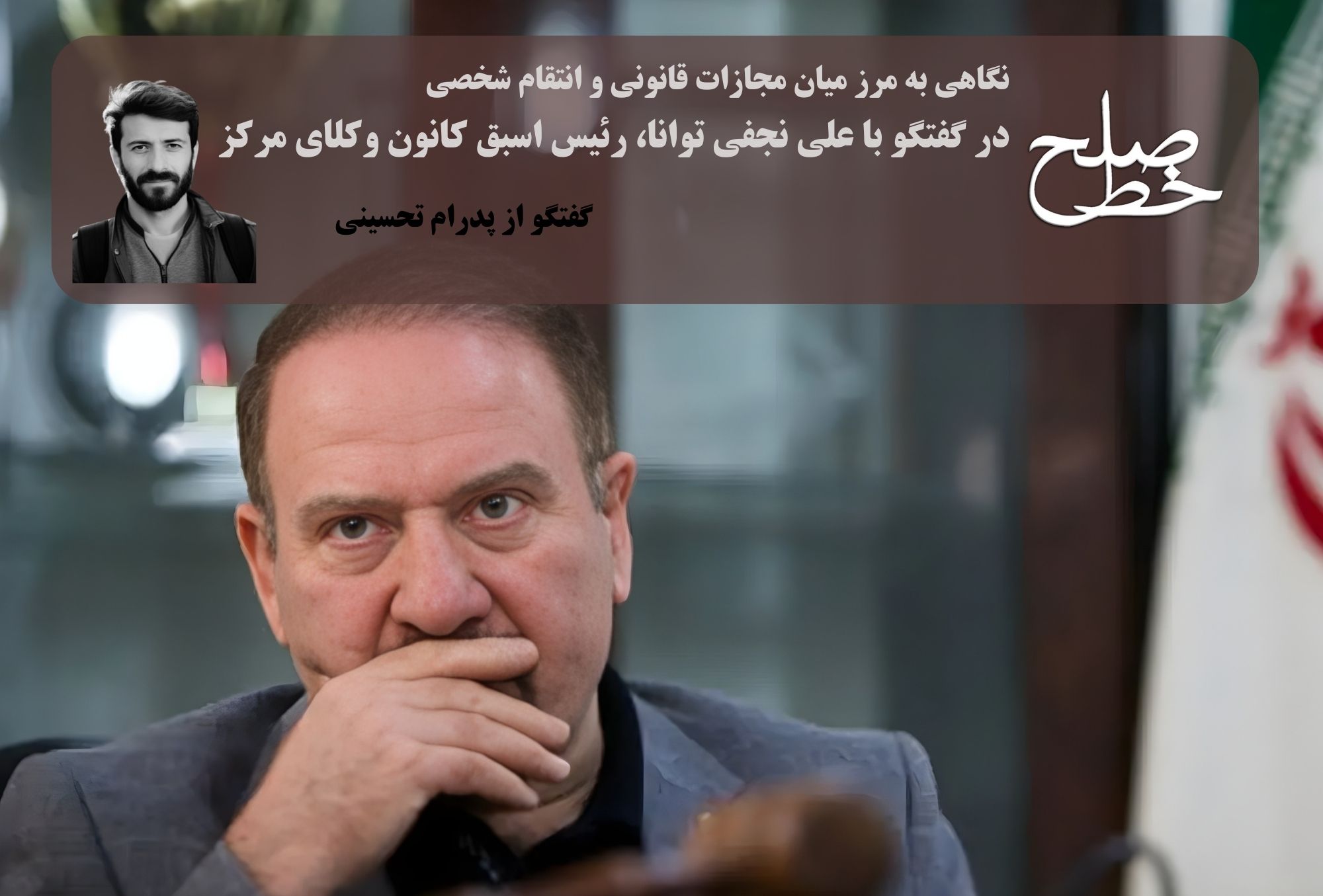
A Look at the Line Between Legal Punishment and Personal Revenge; A Conversation with Ali Najafi Tavana/ Pedram Tahsini
Ali Najafi Tavana was born in 1953 (1332) in the Alamut region of Qazvin. He completed his primary education in Tonekabon and graduated from Hafeziyeh High School in the same city. In 1972 (1351), he was admitted to the Faculty of Law at the University of Tehran, where he earned a bachelor’s degree in judicial […]...
Read More
Created By: Padram Tahsini
December 22, 2025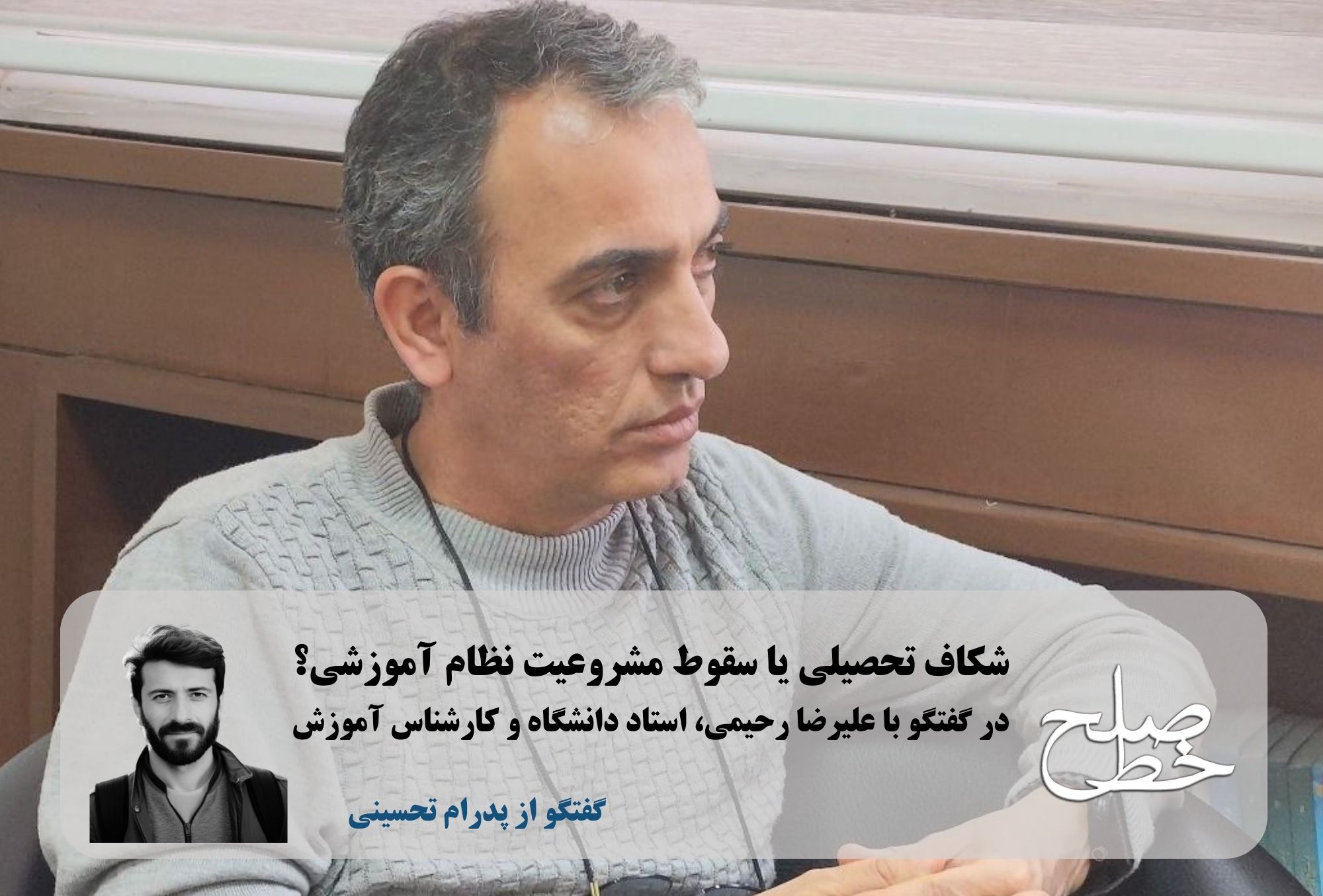
The Educational Gap or the Fall of the Legitimacy of the Educational System?; In Conversation with Alireza Rahimi/Pedram Tahseni
Alireza Rahimi is a university professor and education expert. Since 1986, he has been teaching in schools (from elementary to high school), higher education institutions, universities, and numerous educational courses and workshops. At the same time, he has been engaged in research, writing articles, and authoring books in the field of education. The result of […]...
Read More
Created By: Padram Tahsini
November 22, 2025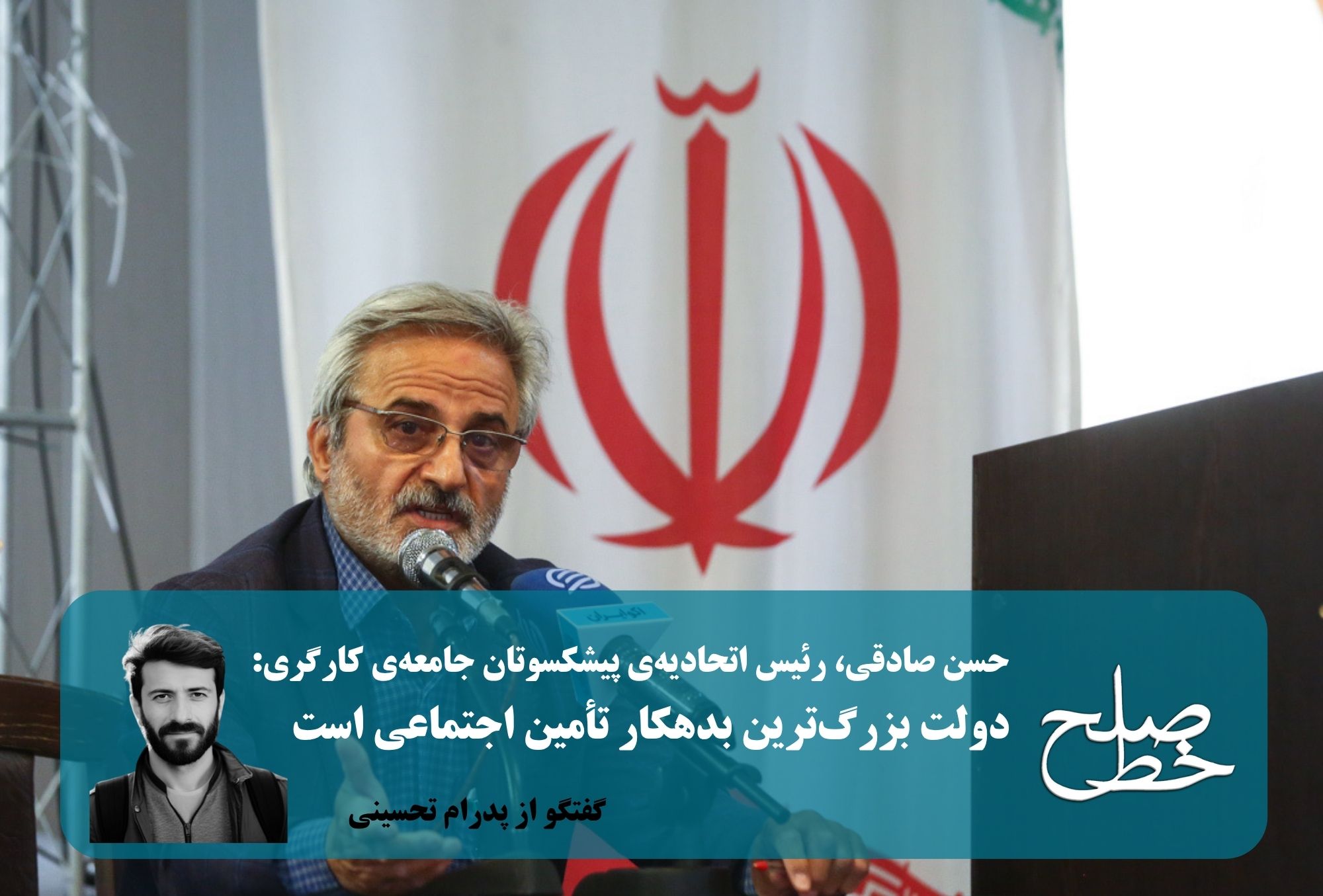
Hassan Sadeghi: The Government Is Social Security’s Biggest Debtor/ Pedram Tahassoni
In recent years, as the shadow of crisis has grown heavier over the country’s pension systems, conversations with those who have spent their lives working in this field have become all the more vital. The social security system, as one of the main pillars of social justice and economic sustainability, reflects—both in Iran and elsewhere—the […]...
Read More
Created By: Padram Tahsini
October 23, 2025
Mahmoud Alizadeh Tabatabaei: The Default Rule is the Prohibition of Public Punishment / Pedram Tahsini
Seyed Mahmoud Alizadeh Tabatabaei, a licensed attorney, political activist, and member of the board of directors of the Central Bar Association, was also a representative in the first term of the Islamic City Council of Tehran (1997–2001). He has represented many Iranian political figures and senior officials, particularly those affiliated with the reformist movement, including […]...
Read More
Created By: Padram Tahsini
September 23, 2025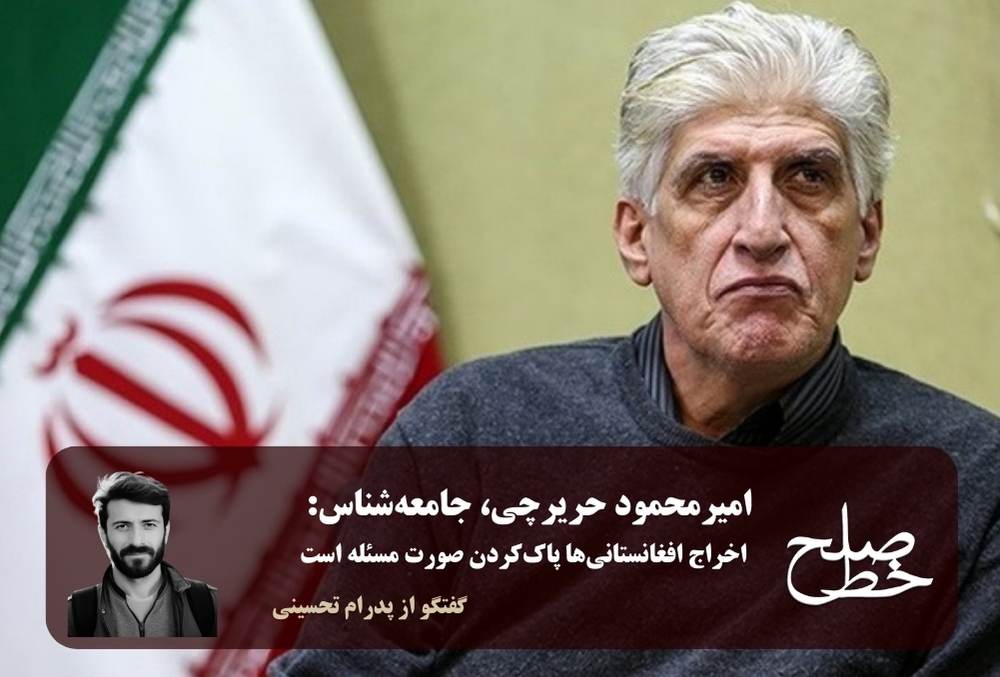
Amir Mahmoud Harirchi: Deporting Afghans is just sweeping the problem under the rug/ Pedram Tahsini
Migration is not a new story; it is an ancient narrative embedded in the annals of every nation’s history — filled with tales both great and small, of triumphs and defeats. But for the people of Afghanistan, this narrative is steeped in sorrow. It is a historical pain for our eastern neighbor, who also happens […]...
Read More
Created By: Padram Tahsini
August 23, 2025
