


Sukhtabar
Asia Arianfar: In military courts, the blood of kolbars is declared “wasted” / Ali Kalai
The shooting of Kolbars in the western border regions of Iran has raised serious questions about the right to life, the limits of the powers of armed officers, and the right of victims to seek justice for years. Although the Law on the Organization of Border Trade has set a framework for some of the […]...
Read more By:
Ali Kalaei
 October 23, 2026
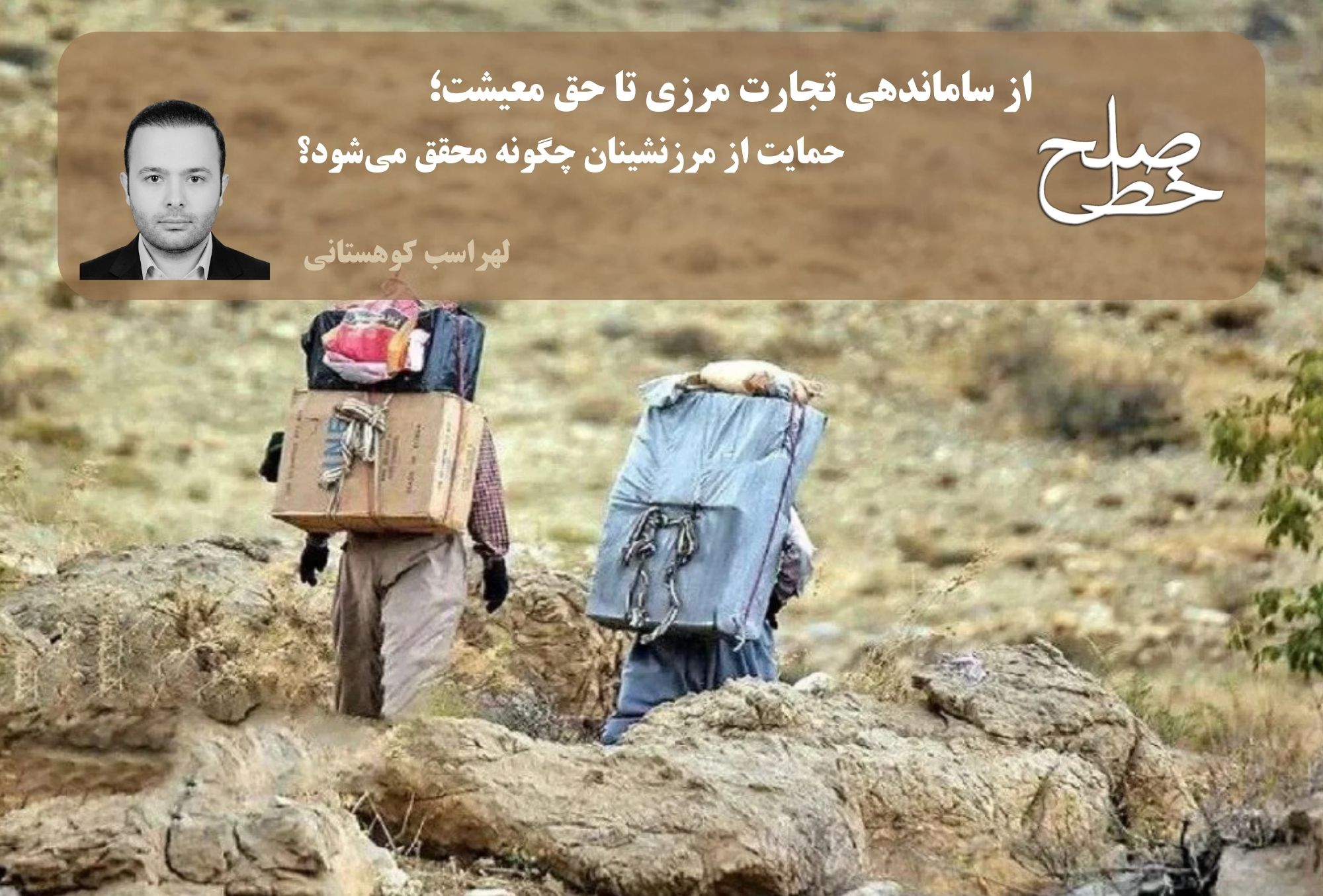
From regulating cross-border trade to the right to livelihood; how is support for border residents achieved? / Lohrasb Kohistani
Let’s say a resident of Marivan applies for a border trade quota. He has submitted his residency documents, but the answer is simply: Your conditions were not met. He does not know which document was incomplete, whether the quota capacity was filled or other people had priority. More importantly, he does not know where to […]...
Read more
By:
Lohrasb Kouhestani October 23, 2026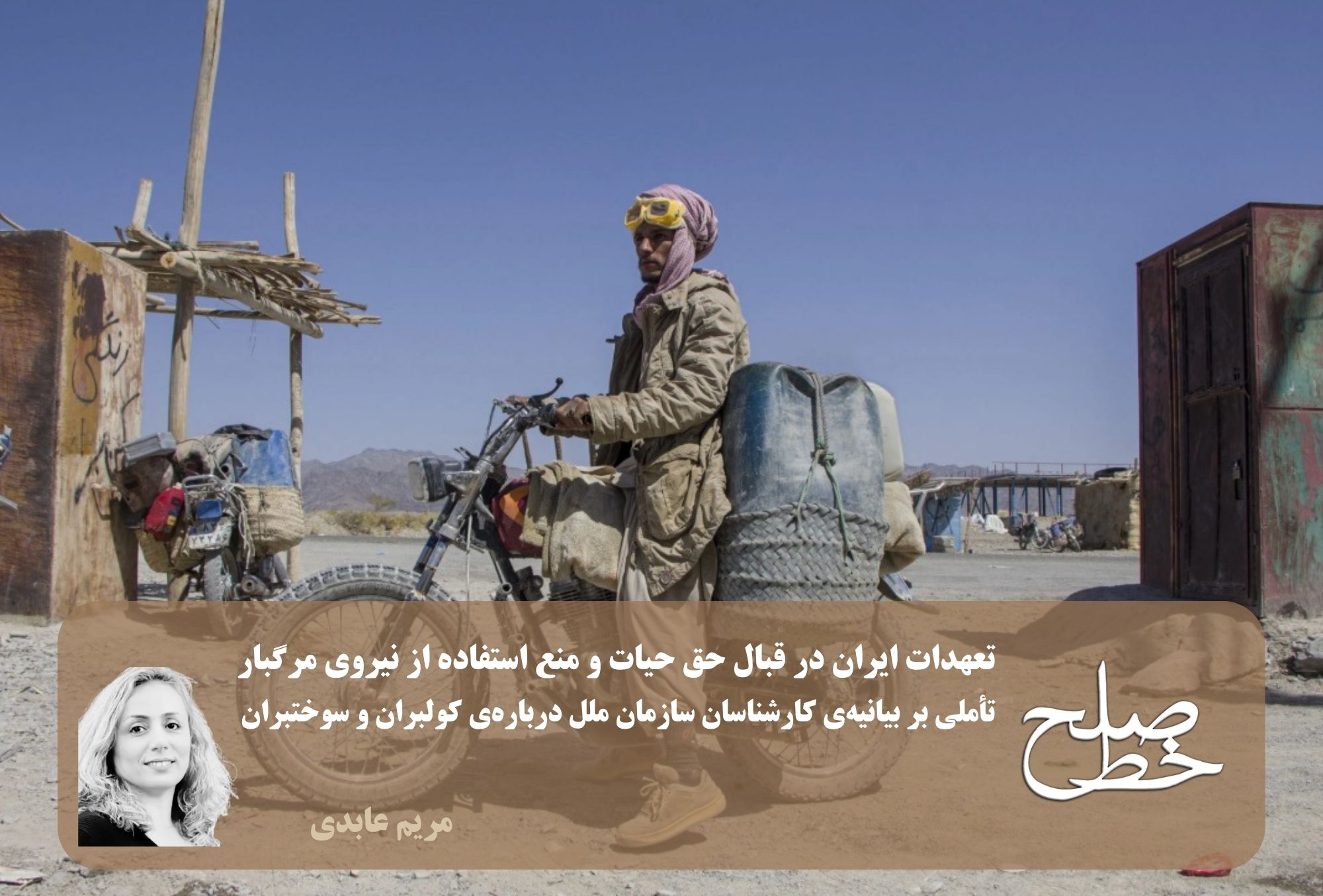
Iran’s Commitments to the Right to Life and the Prohibition of the Use of Deadly Force/ Maryam Abedi
Kolbari and fuel bartering cannot be analyzed within the classical framework of informal trade practices; this phenomenon is, first and foremost, a survival strategy in the context of structural poverty, chronic unemployment, and regional discrimination. It was in this context that the “Law on the Organization and Supervision of Border Trade (Kolbari and Melvani) and […]...
Read more
By:
Maryam Abedi October 23, 2026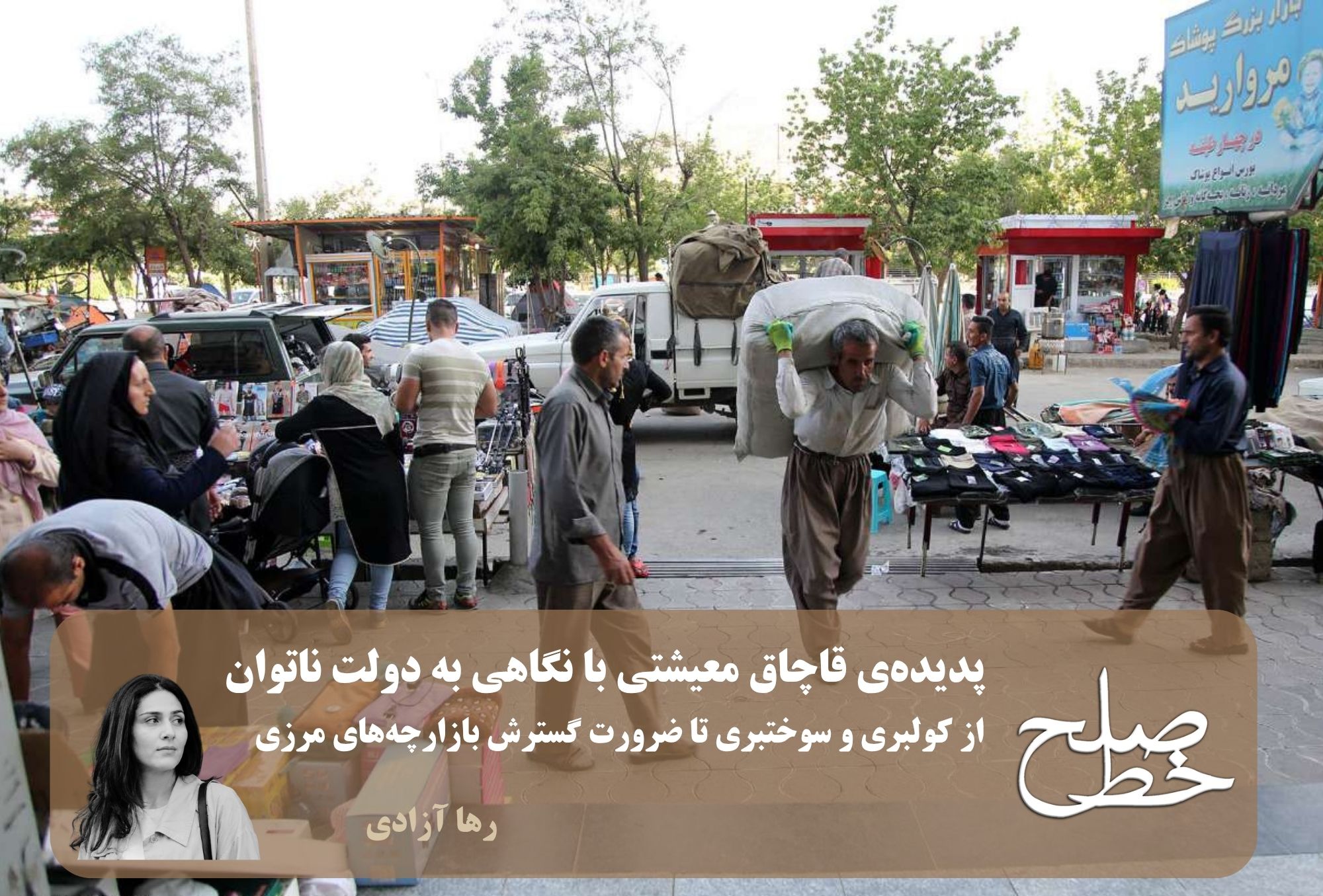
The phenomenon of subsistence smuggling with a view to the incompetent government/Raha Azadi
A failed state is a state that is unable to perform its functions as a state. Such a state is incapable of establishing social order, monopolizing the use of violence, meeting the basic needs of the people of the society, establishing security and the rule of law, and some of its functions are performed by […]...
Read more
By:
Raha Azadi October 23, 2026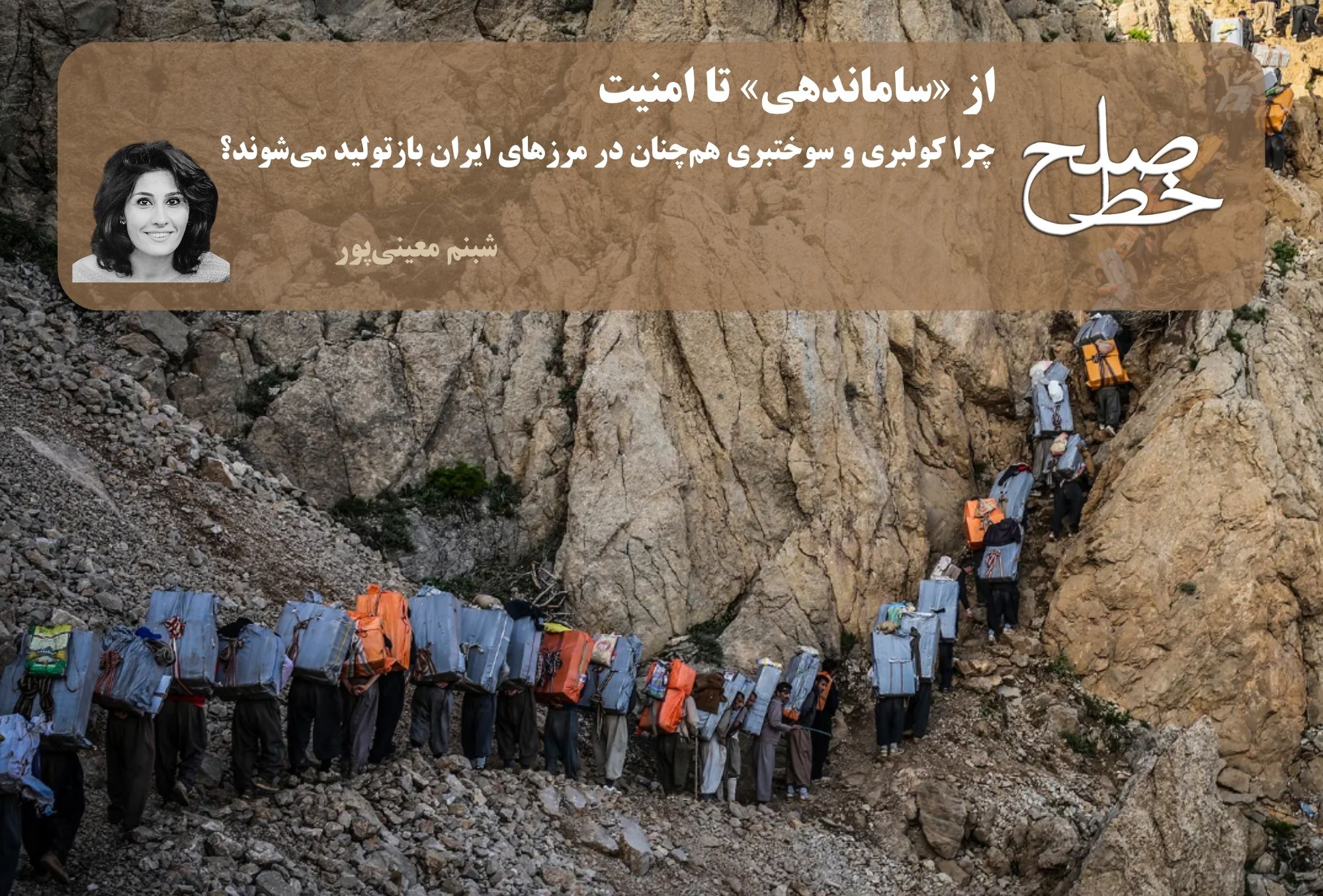
From Regulation to Security: Why Kulbari and Sukhtbari Persist Along Iran’s Borders/ Shabnam Moinipour
The adoption of the Law on the Organisation and Supervision of Border Trade (Kulbari and Maritime Trade) and the Creation of Sustainable Employment for Border Residents in 2024 can be understood as a form of official acknowledgement by the Islamic Republic that kulbari, the practice of carrying goods across borders, cannot be viewed solely through […]...
Read more
By:
Shabnam Moinipour October 23, 2026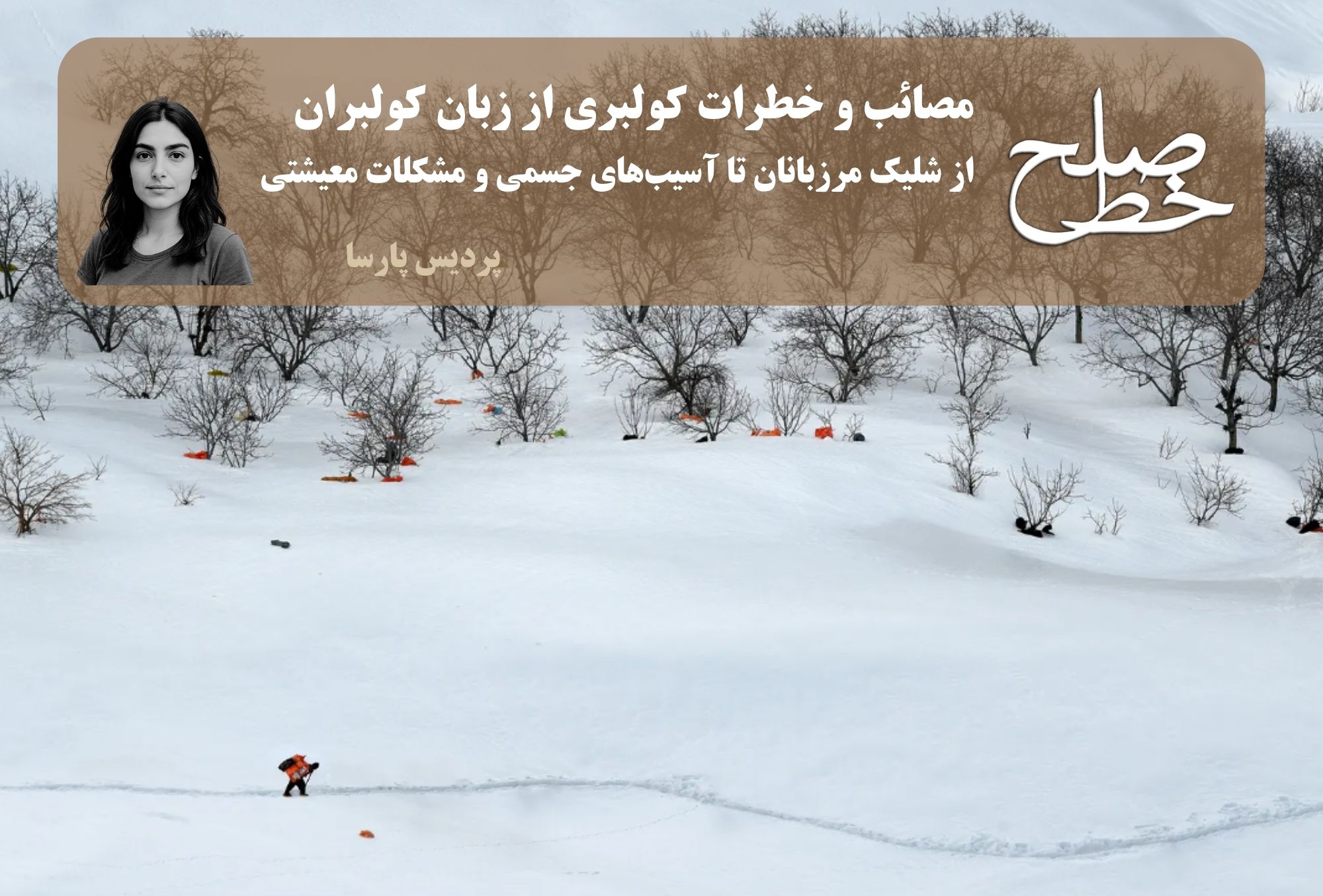
The hardships and dangers of kolbari, as told by kolbaris/Pardis Parsa
The phenomenon of kolbari has become one of the most painful manifestations of the informal economy in the western and northwestern borders of Iran in recent decades. Kolbari is mainly prevalent in the provinces of West Azerbaijan, Kurdistan, Kermanshah and Ilam. Field estimates show that about 70 thousand people are kolbari in the provinces of […]...
Read more
By:
Pardis Parsa October 23, 2026 By:
Admin October 23, 2026

From acting to smuggling/ Negar Jokar
Kolbari and sukhatabari are laborious occupations that a significant percentage of citizens are engaged in due to the lack of suitable and equal job opportunities. Every year, a large number of kolbars and sukhatabars are injured and killed as a result of military shootings, falling from mountains, and freezing in Iran. On the fifth of […]...
Read more
By:
Negar Jokar April 20, 2024
“Kulbari and fuel smuggling are the result of lack of social justice in Iran / Bahar Abbasi”
On the fifth day of Esfand month, military forces affiliated with the Islamic Revolutionary Guard Corps (IRGC) in the border areas of Sistan and Baluchestan province opened fire on a group of Baloch fuel smugglers. As a result, several of the smugglers were killed or injured. The deceased were fuel smugglers who would buy fuel […]...
Read more
By:
Bahar Abbasi March 21, 2021
Kulbar; Non-citizenship with the burden of life on their shoulders/ Ronaak Faraji
Kolbari, which has become a familiar concept in the vocabulary of language speakers living in the geographical regions of Iran, has become a symbol of endless suffering and pain for the human beings who originate from the systematic discrimination of the ruling system in the western and northwestern border regions of this geography. Kolbari is […]...
Read more
By:
Ronak Faraji January 21, 2020
