


Others
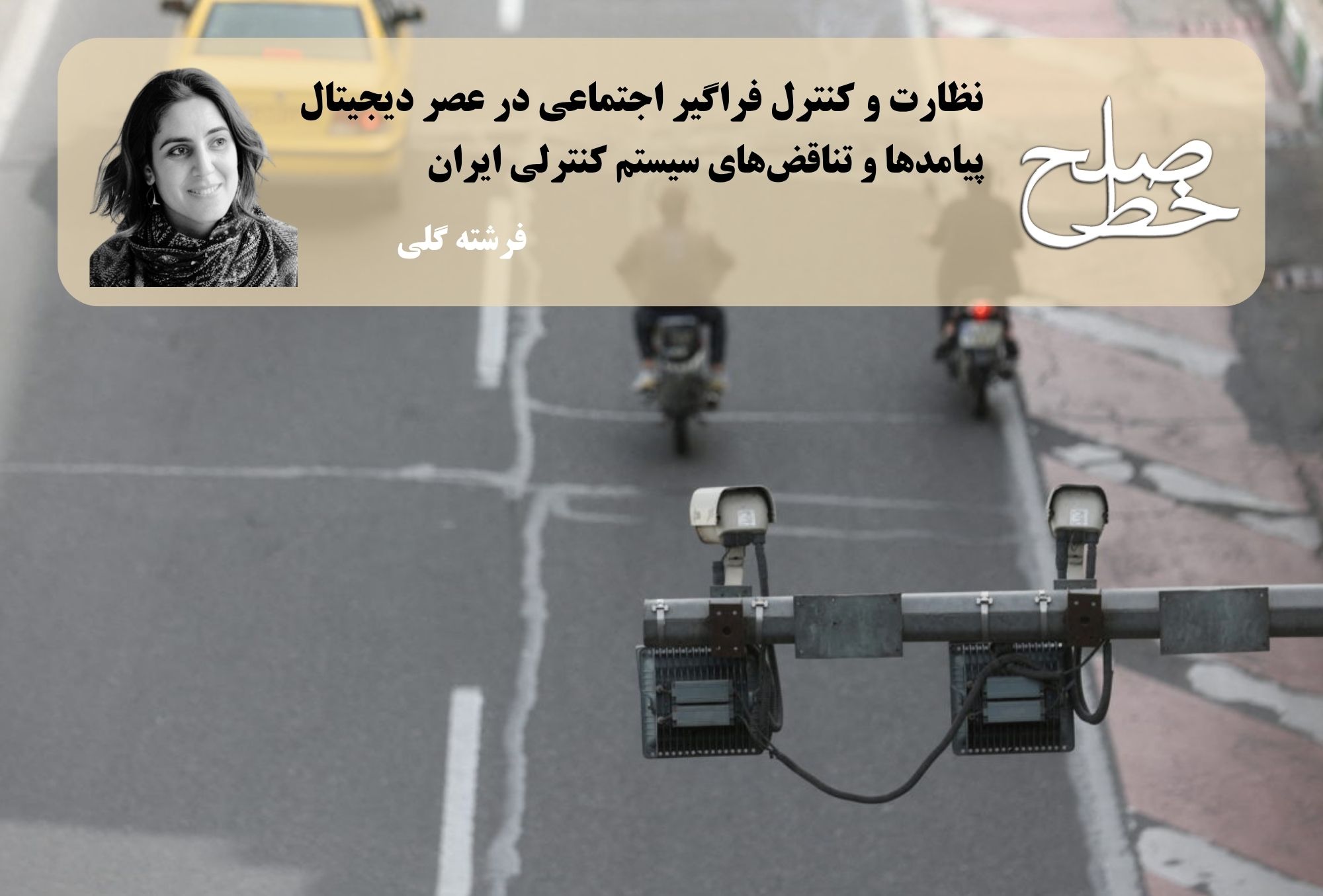
Pervasive Social Surveillance and Control in the Digital Age/ Fereshteh Goli
In recent years, the Islamic Republic has taken major steps in using new technologies for social surveillance and control. This trend, rooted in global developments and what the government regards as domestic needs, has been pursued at different speeds during different periods, but what has turned it into a prominent issue is the increasing acceleration […]...
Read More Created By: Fereshteh Goli
 August 23, 2026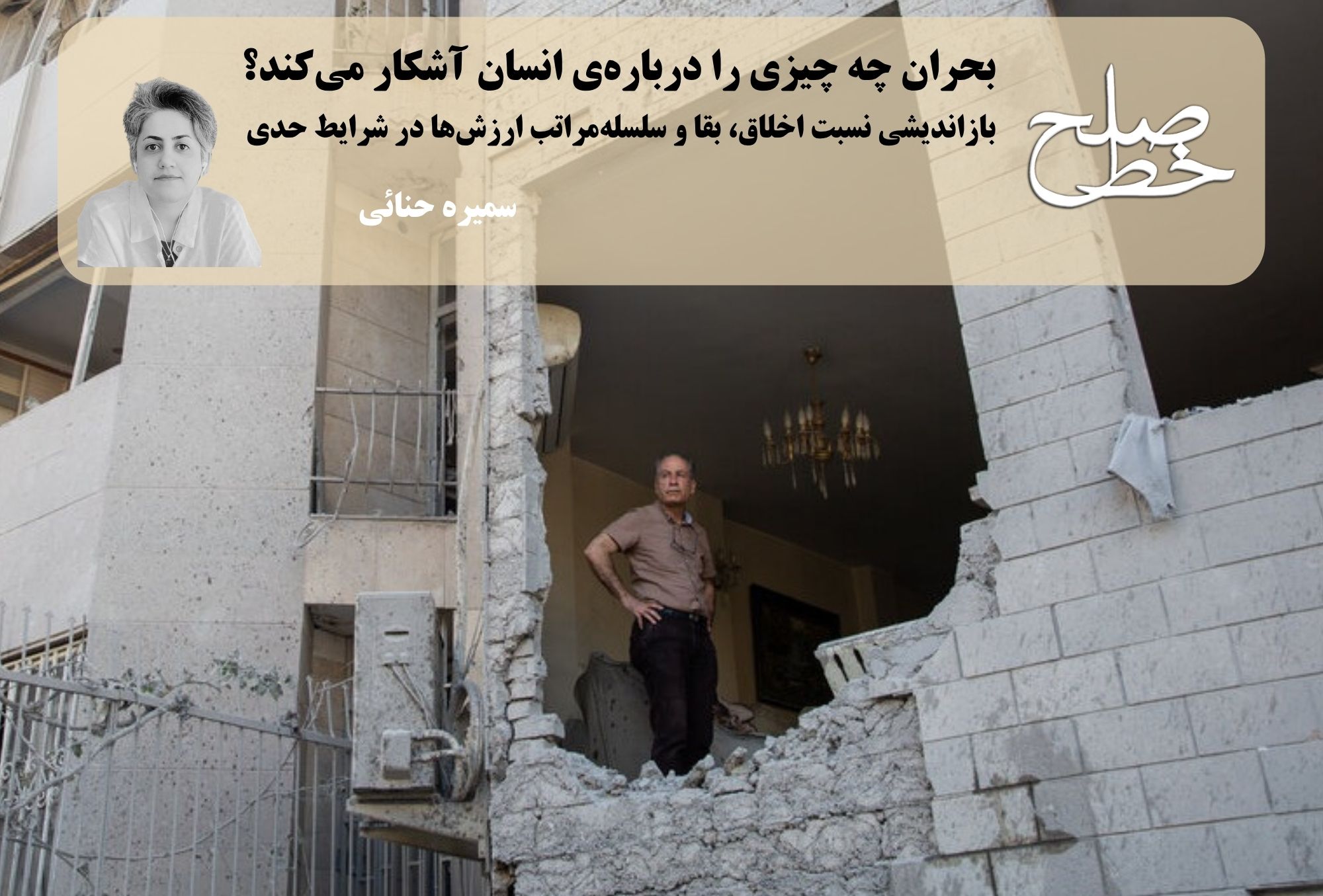
What Does Crisis Reveal About Human Beings? / Samireh Hanaei
War does not only destroy cities. Crisis does not only unravel political or economic order. Perhaps the deepest effect of crisis lies where it is less visible: the moment when a person realizes that they can no longer preserve everything that is valuable to them at the same time. In ordinary life, many moral choices […]...
Read More
Created By: Samireh Hanai August 23, 2026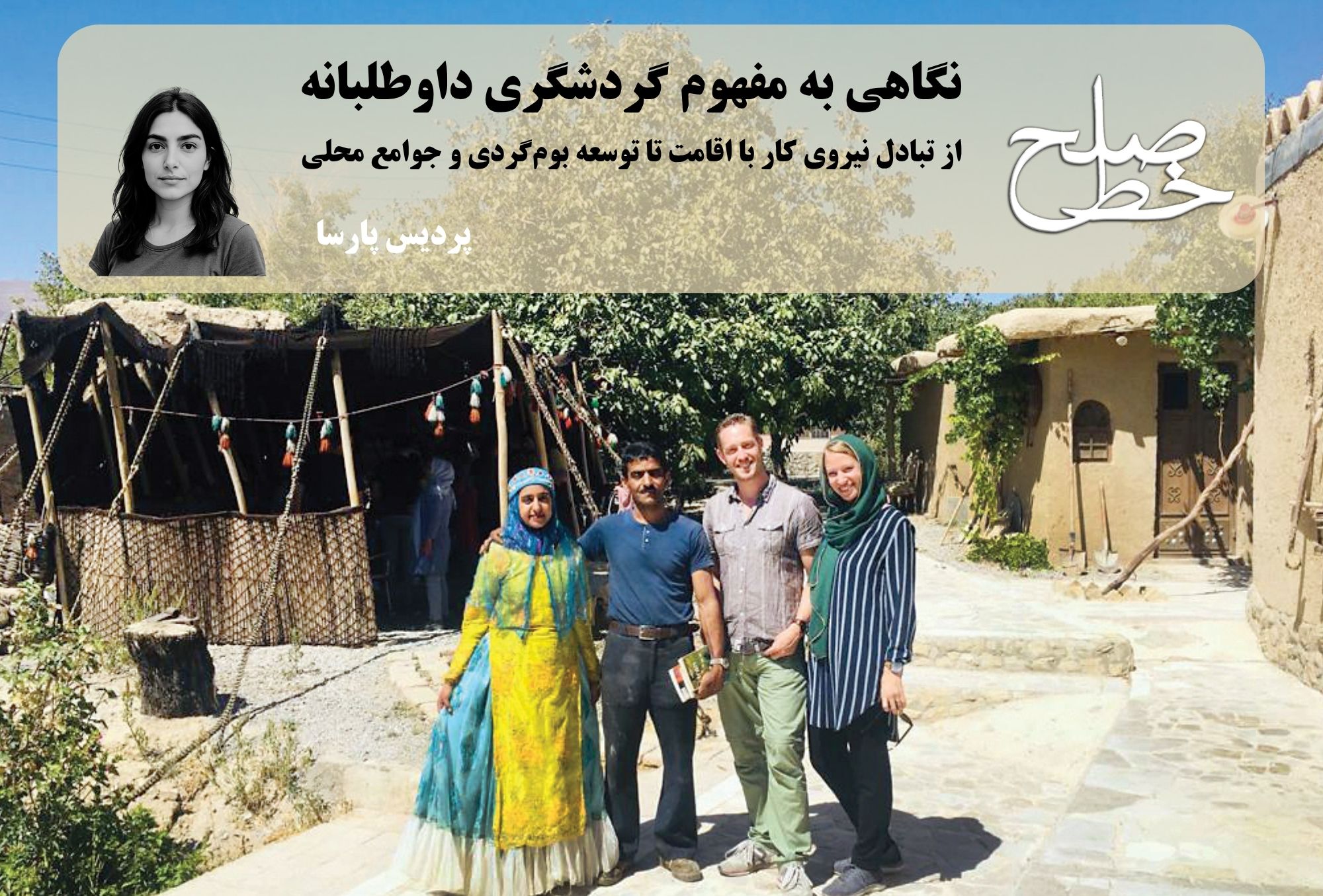
A look at the concept of Volunteer Tourism/Pardis Parsa
While traditional models of mass tourism are largely based on consumerism, a particular approach to volunteer tourism has expanded in recent decades, founded on non-monetary exchange. Under this structured approach, rather than acting as a passive consumer and paying for accommodation and food, the tourist contributes part of their time, expertise, and physical or intellectual […]...
Read More
Created By: Pardis Parsa August 23, 2026 Created By: Admin August 23, 2026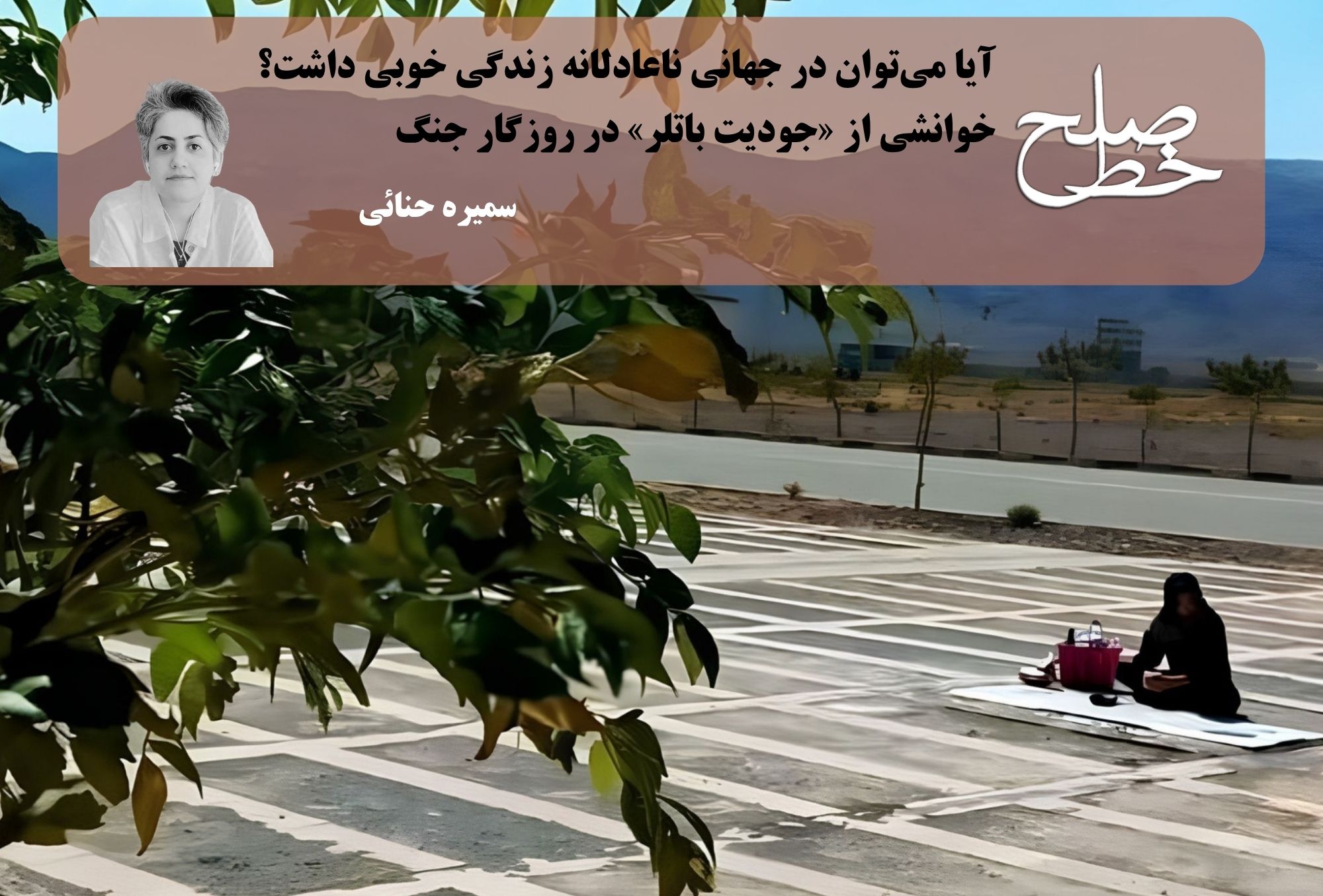
Is it possible to live a good life in an unjust world? / Samira Hanaei
The world has once again become accustomed to war. Images of destruction, displacement and death flash before our eyes every day; so much so that we sometimes forget that behind every image, there was a human being. However, not all victims are seen equally. For some deaths, official ceremonies are held, the media writes about […]...
Read More
Created By: Samireh Hanai July 23, 2026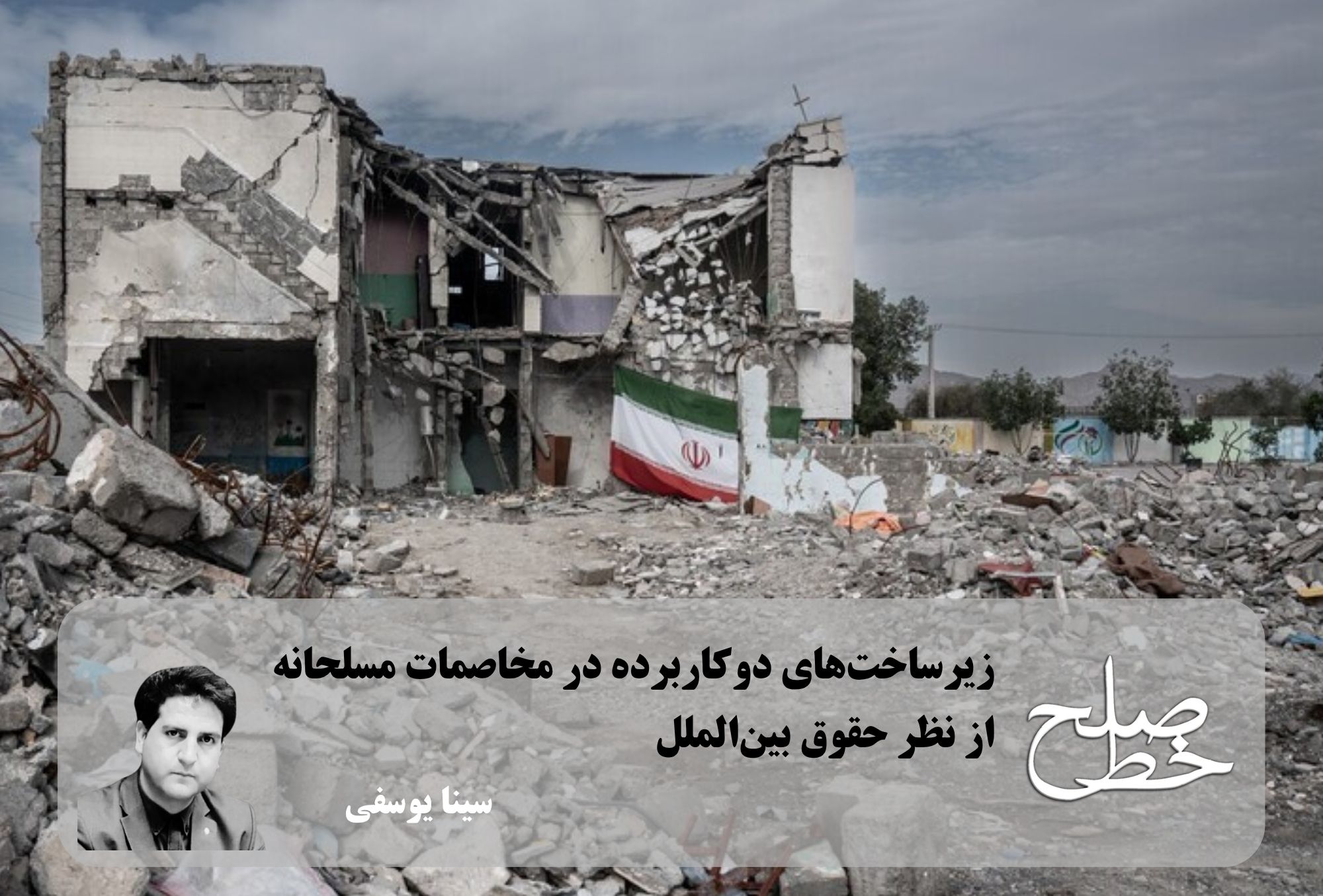
Dual-Use Infrastructure in Armed Conflicts from the Perspective of International Law/ Sina Yousefi
Before the recent war between Iran on one side and Israel and the United States on the other, the term “dual-use infrastructure” was mainly used in the specialized literature of the law of armed conflict and strategic studies. But with the expansion of the scope of military operations and attacks on facilities that appear civilian […]...
Read More
Created By: Sina Yousefi June 22, 2026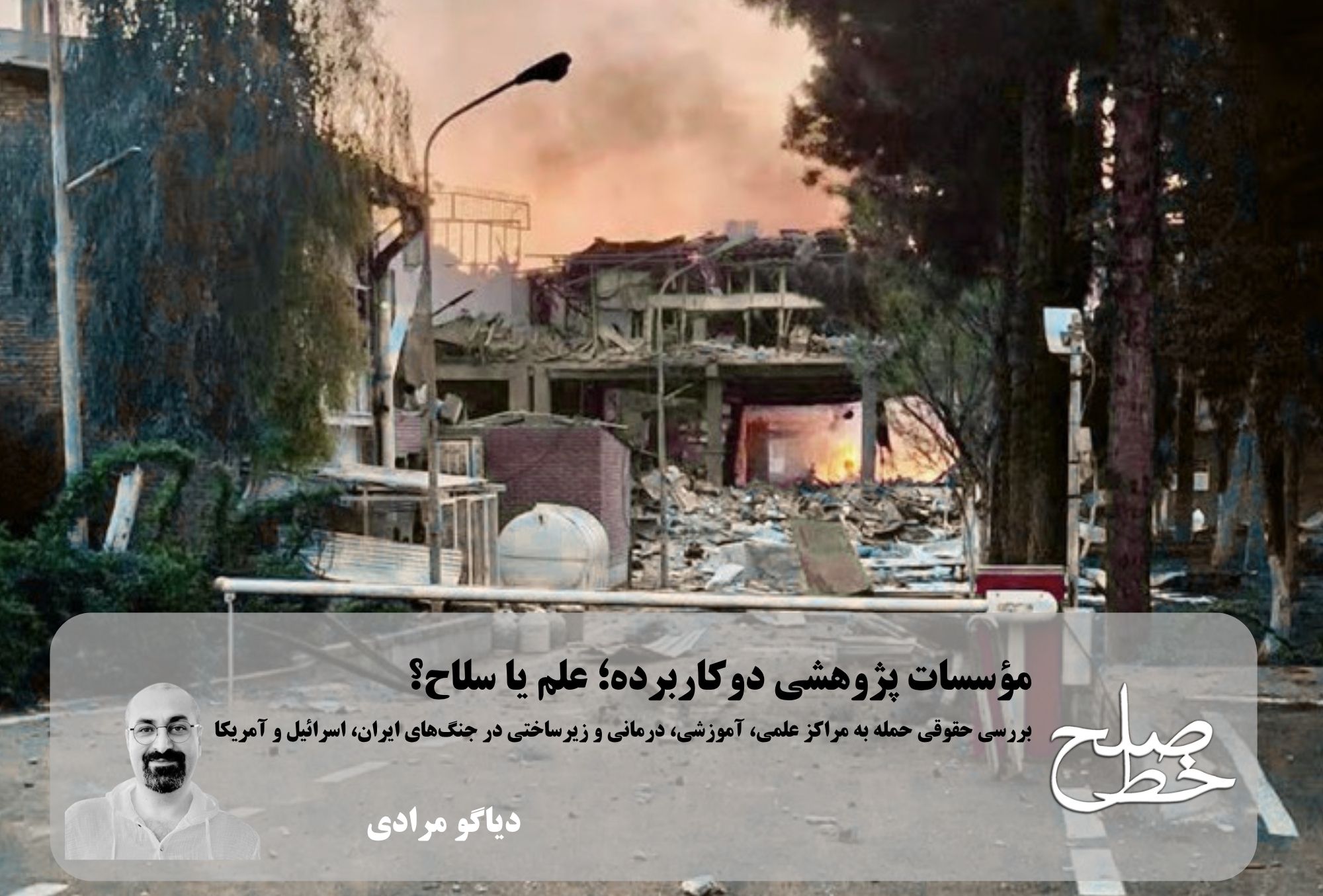
Dual-Use Research Institutions: Science or Weapon?/ Diako Moradi
Technological developments in recent decades have made the boundary between military and civilian objectives more ambiguous than ever. Universities, research centers, biomedical institutions, data networks, and communications infrastructure, while having civilian functions, can in some cases play a direct or indirect role in states’ defense capabilities. This situation has transformed the concept of “dual-use” from […]...
Read More
Created By: Diako Moradi June 22, 2026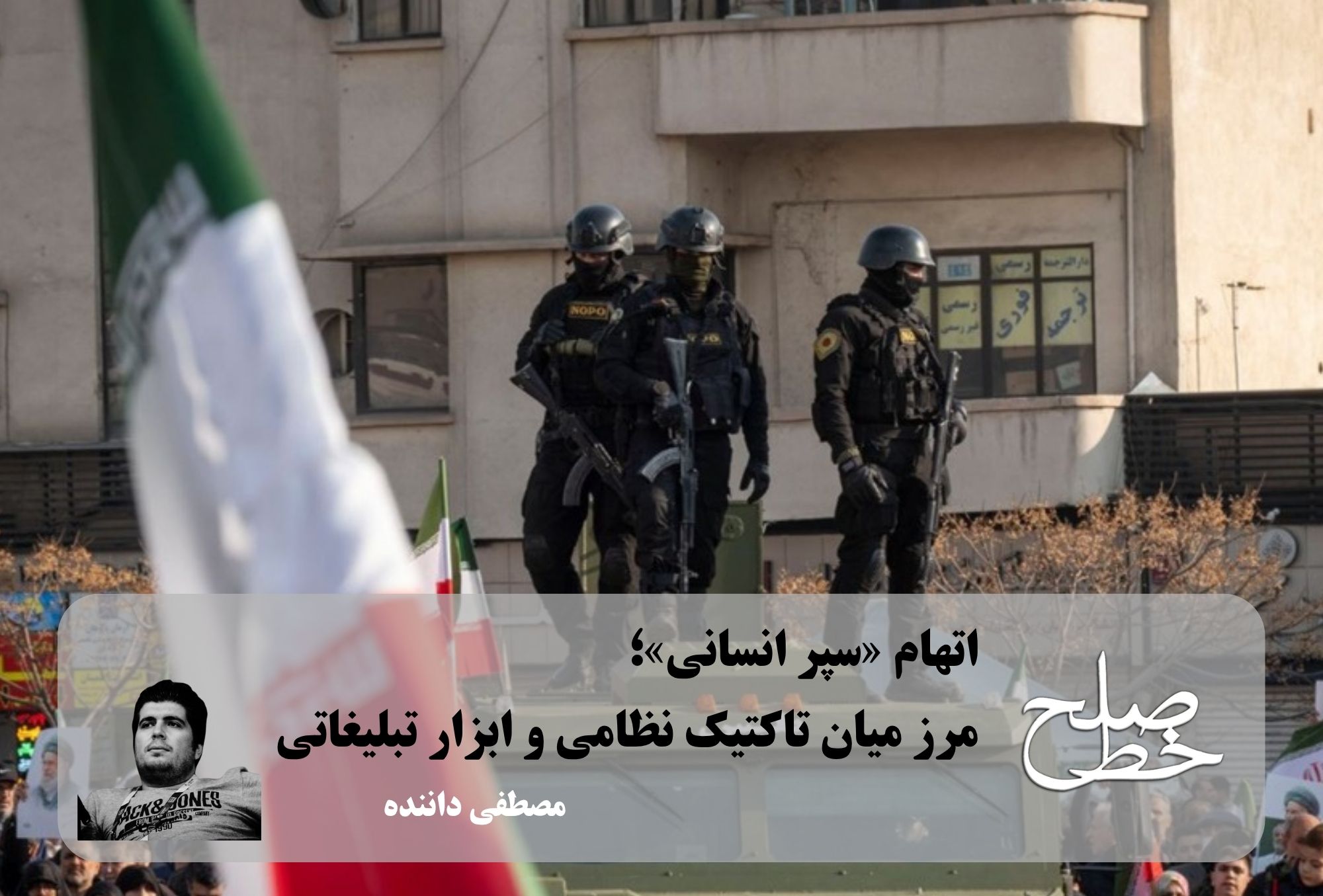
The Accusation of “Human Shields”: The Boundary Between Military Tactic and Propaganda Tool/ Mustafa Danandeh
Contemporary wars no longer unfold only on the battlefield. Alongside missiles, drones, and military operations, another battle also takes shape in the realm of narratives and legitimacy-building; a war in which each side seeks to justify its own actions within the framework of international law and present the actions of the other side as violations […]...
Read More
Created By: Mustafa Danandeh June 22, 2026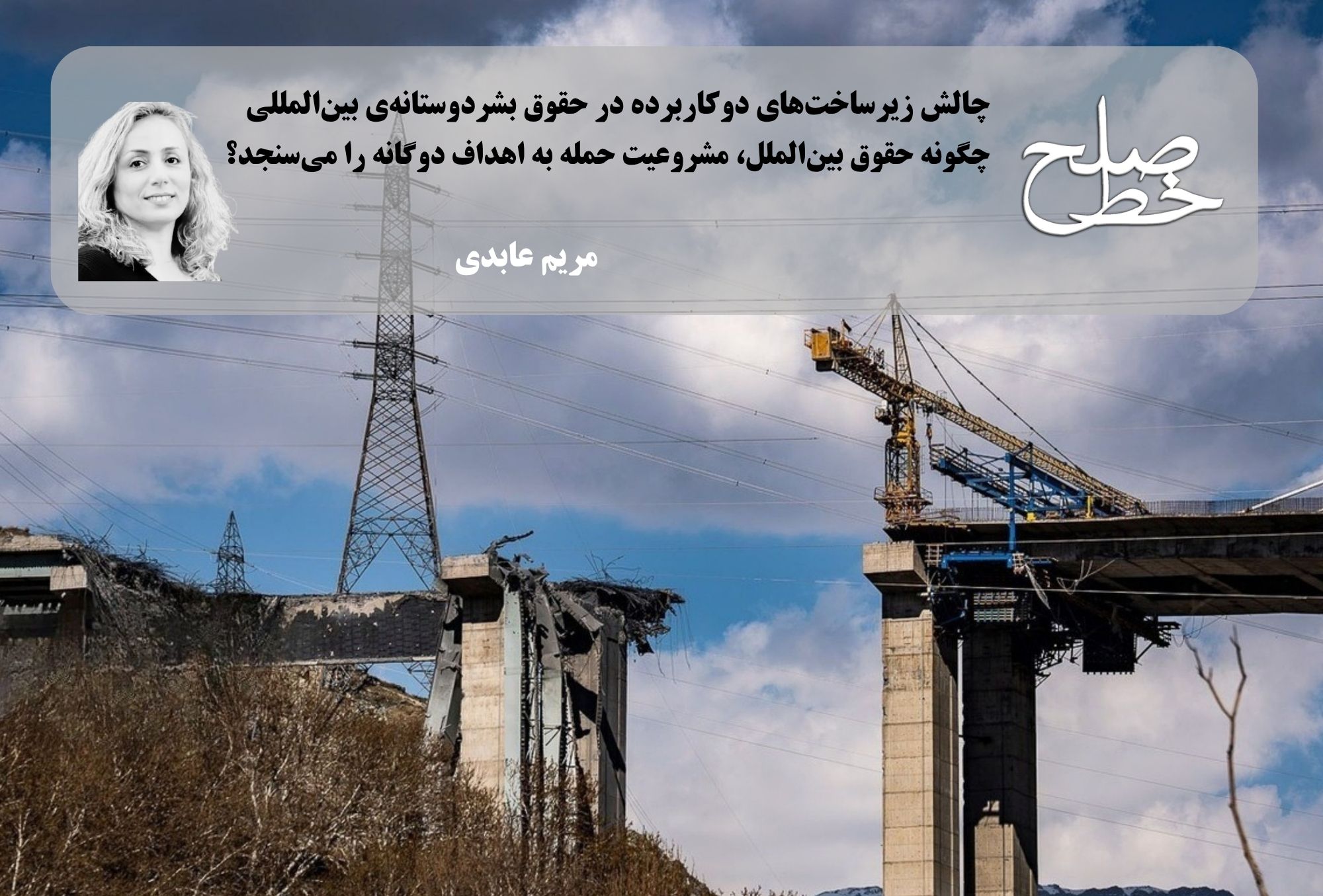
How Does International Law Assess the Legitimacy of Attacks on Dual-use infrastructure Targets?/ Maryam Abedi
Dual-use infrastructure is precisely the gray area of international humanitarian law; because it has neither an independent definition in treaties nor an absolute prohibition. Therefore, its definition must be sought within legal texts. In international law, the term “dual-use infrastructure” is not used directly, but its definition can be inferred from Article 52, paragraph 2, […]...
Read More
Created By: Maryam Abedi June 22, 2026
From Missiles to Plastic: The Continuation of War in Everyday Life/ Ali Kalaei
Wars do not end after they are over. This sentence may seem somewhat strange because, naturally, once a war ends, it should become part of memory. But what happens in reality is not like that. Wars sometimes continue for ordinary people in a country through refrigerators going off, reduced water pressure in homes, the rising […]...
Read More Created By: Ali Kalaei June 22, 2026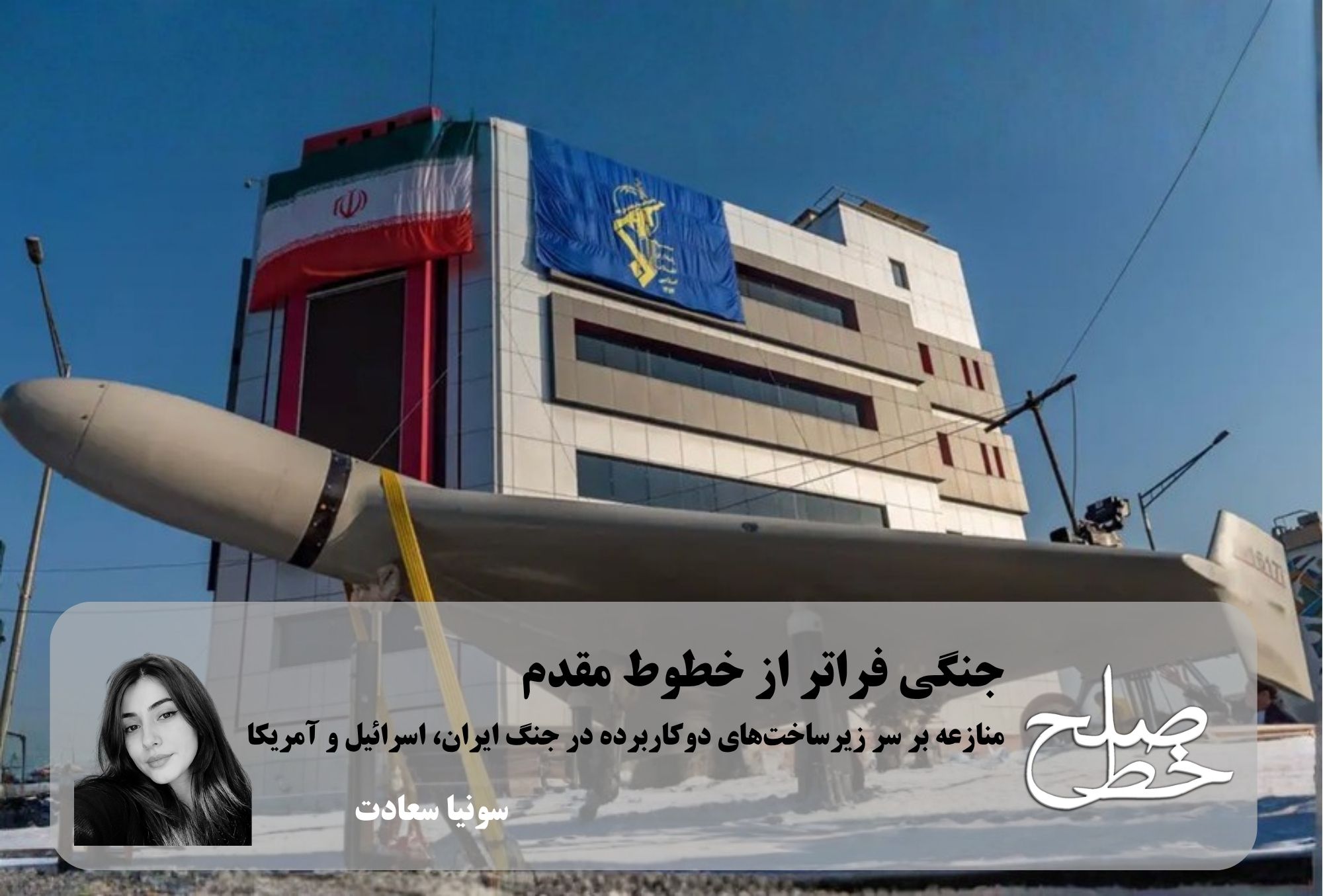
The Dispute over Dual-Use Infrastructure in the Iran, Israel, and U.S. War/ Sonia Saadat
The patterns of conflict and strategic transformations in the international system over recent decades have undergone a fundamental metamorphosis that challenges the traditional concept of war. Modern conflicts are no longer limited to direct and classical confrontation between armed forces on front lines. In the contemporary era, technological advancement and societies’ deep structural dependence on […]...
Read More
Created By: Sonia Saadat June 22, 2026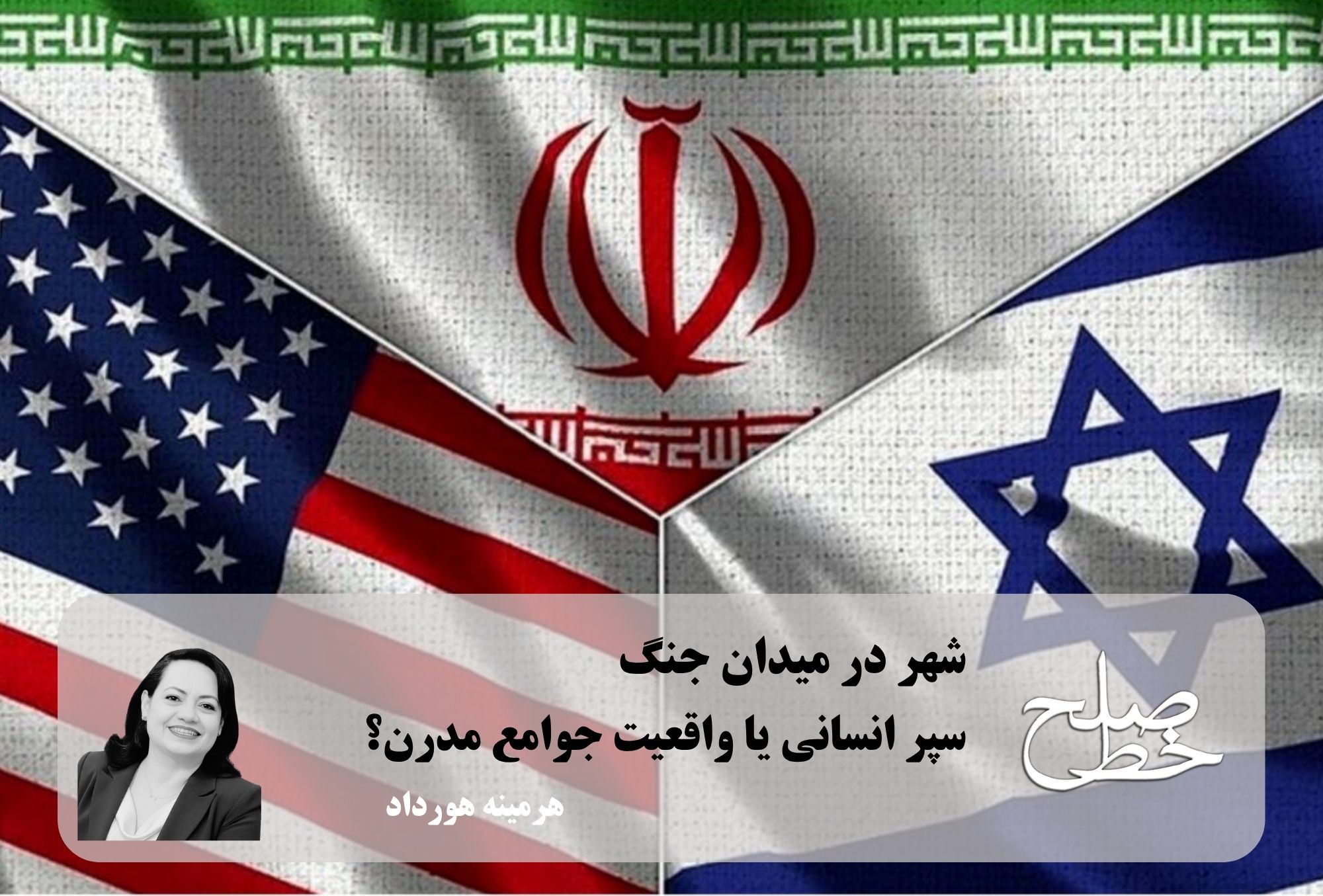
The City on the Battlefield: Human Shield or the Reality of Modern Societies?/ Hermineh Hourdad
In recent years, alongside the expansion of military conflicts in the Middle East, this question has repeatedly been raised: does the Islamic Republic of Iran deliberately use people as “human shields,” or is what we are witnessing the product of the complex structure of modern societies and the concentration of infrastructure in cities? This question […]...
Read More
Created By: Hermineh Hourdad June 22, 2026
