


Others
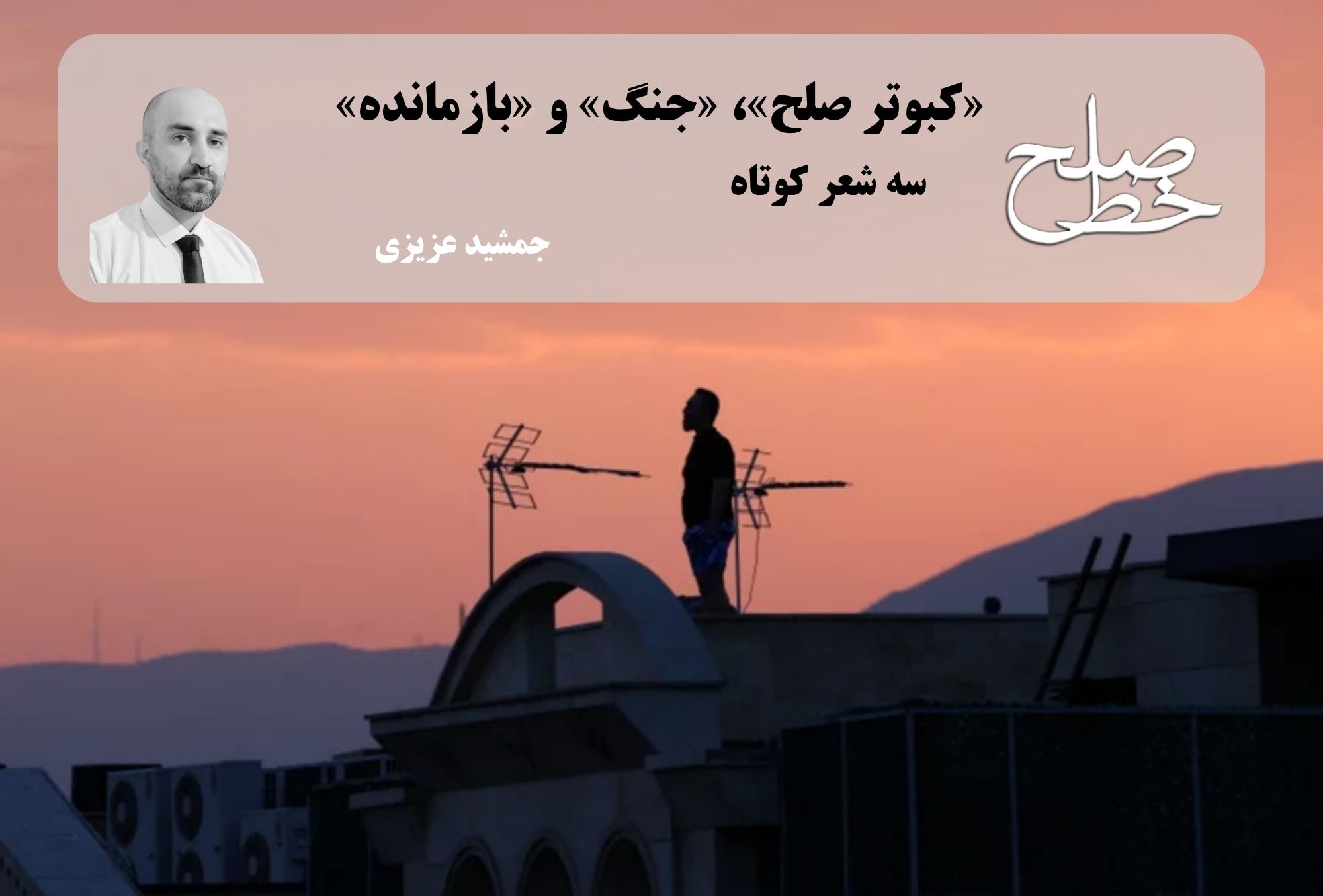
“Peace Dove”, “War” and “Survivor”; Three Short Poems by Jamshid Azizi
Dove of peace In the bosom of poetry On a land that, instead of soil, It smells like gunpowder. After the rain of wishes I seek the shelter of your hands. Oh, boundless dove! Our tired earth He can’t stand the boots anymore. *** War The sun is shining. That our work and burden It’s […]...
Read More Created By: Jamshid Azizi
 May 22, 2026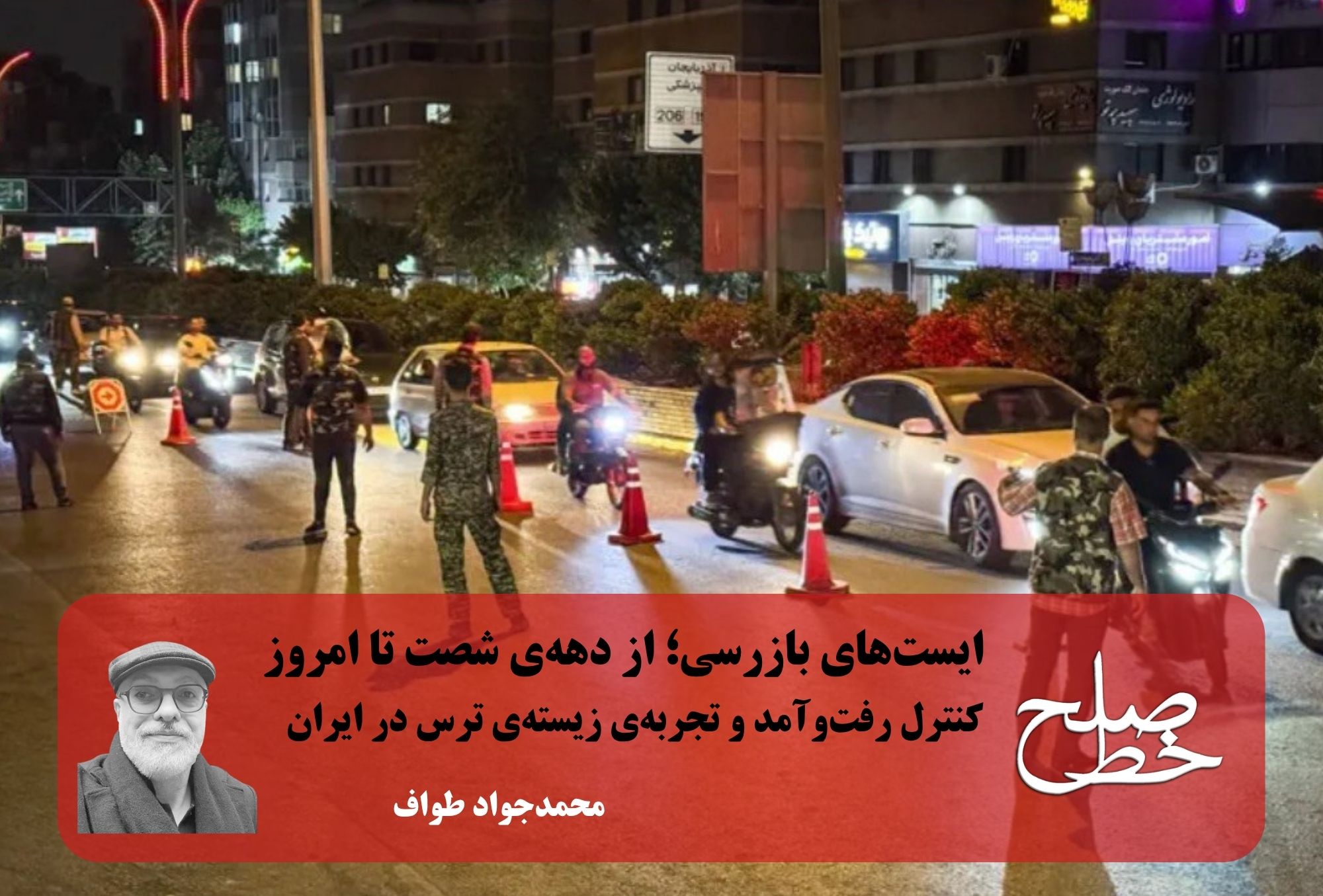
Checkpoint Stops; From the Past to Today/ Mohammad Javad Tavaf
One media activist has recounted a memory from the years of the sixties on social networks: “It was night, my cousin and I wanted to go from Khaniabad to Yousefabad, to our aunt’s house. I said: Hooshang, it’s a desert there, let’s take a little of this aragh too. He double-layered a freezer bag, poured […]...
Read More
Created By: Mohammad Javad Tavaf April 21, 2026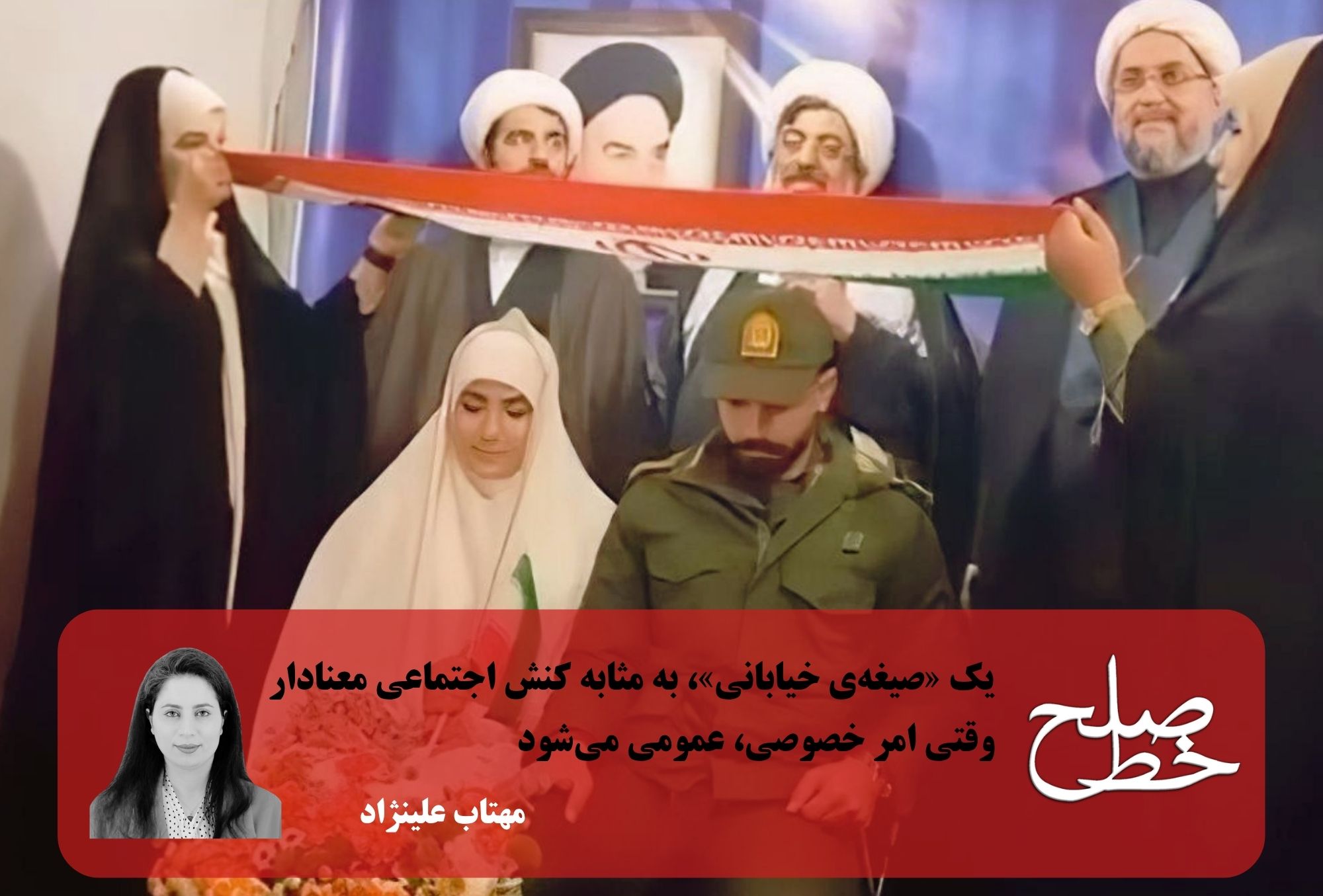
A “Street Sigheh” as a Meaningful Social Act / Mahtab Alinejad
What at first glance appears in the form of a “temporary marriage” can easily be interpreted within religious and legal frameworks; an agreement between two individuals that is also recognized within Iran’s legal system. But the issue becomes more complex when this relationship leaves the private sphere and enters public view. This shift is not […]...
Read More
Created By: Mahtab Alinezhad April 21, 2026
The Chain of Trust Crisis in Iranian Society/ Majid Shieh-Ali
The murder of a doctor in Yasuj and the widespread support for the perpetrator is an issue that, amid the significant crises and incidents of recent months, has gone largely overlooked. Although the act itself was deeply painful, the broad support for the murderer—even from official figures—revealed that we are facing a fundamental crisis. The […]...
Read More
Created By: Majid Shia’ali December 22, 2025
The Collective Psychology of Anger/ Mehdi Anbari
In both narratives, there is a moment when time seems to stop—a moment when the individual or the family realizes they can no longer wait. In one case, a doctor loses his life at work; in the other, a child who should have been within the safest circle of life becomes the victim of profound […]...
Read More
Created By: Mehdi Anbari December 22, 2025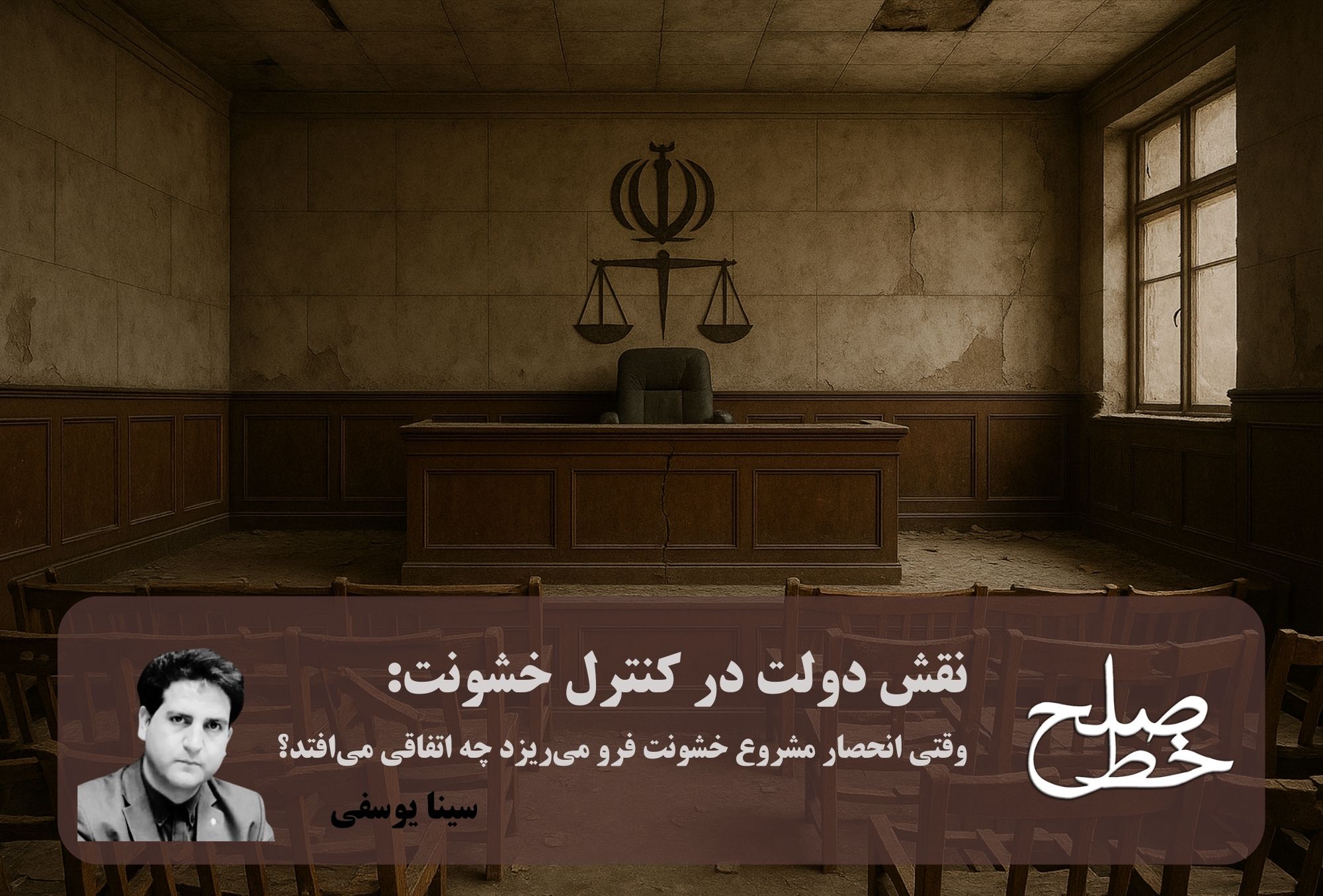
The Role of the State in Controlling Violence/ Sina Yousefi
Public trust in the judiciary is one of the fundamental indicators of achieving justice, and its absence paves the way for the emergence of personal justice-seeking. Personal justice-seeking is a behavior in which individuals, instead of referring to legal authorities, take matters into their own hands to obtain rights and punish violators. Such an approach […]...
Read More
Created By: Sina Yousefi December 22, 2025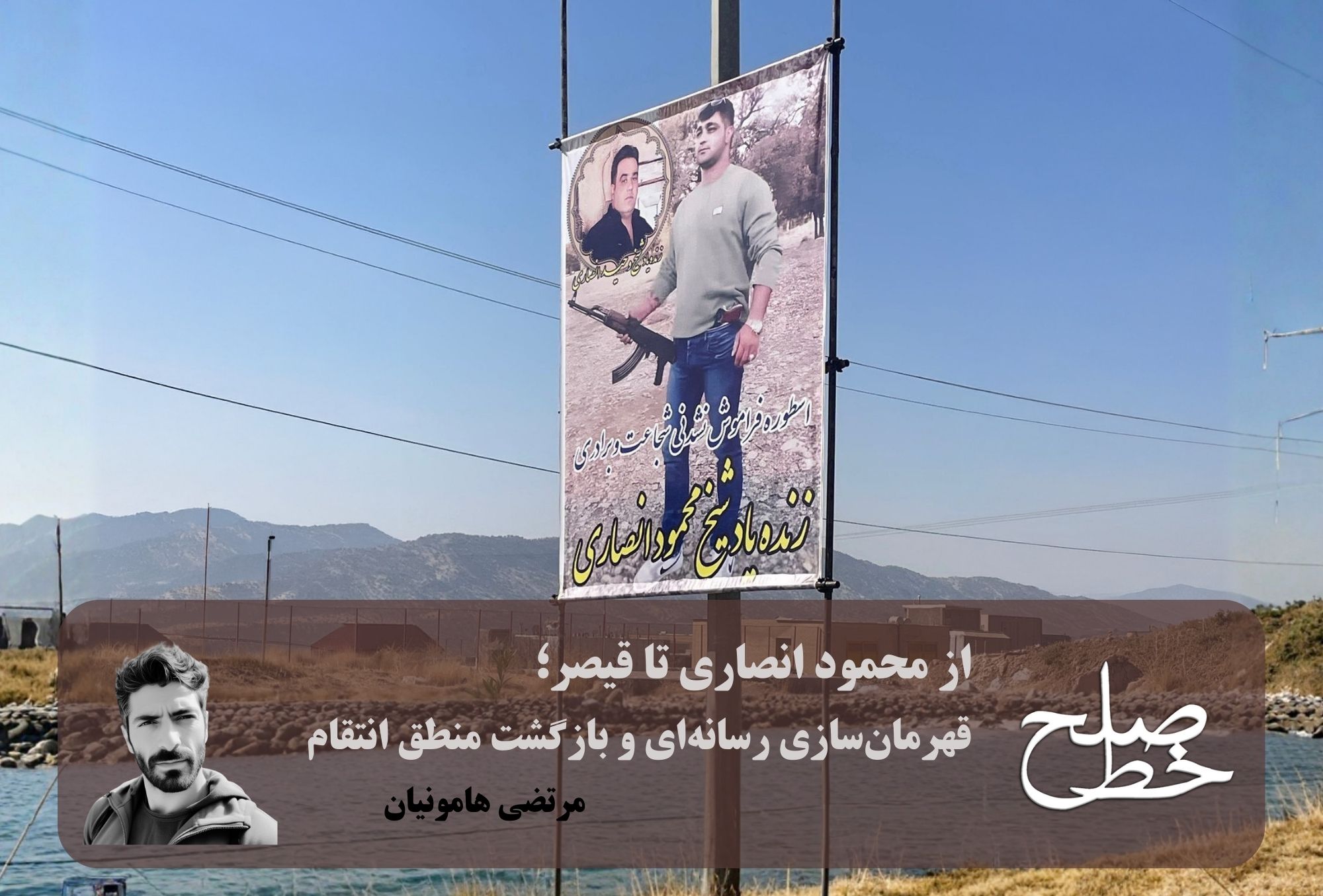
From Mahmoud Ansari to Qaisar; Media Heroism and the Return of the Logic of Revenge / Morteza Hamounian
In Yasuj, the capital of Kohgiluyeh and Boyer-Ahmad province, a doctor is murdered. The accused of the murder says that this doctor (Masoud Davoudi) is to blame for his brother’s death and that he committed medical negligence. So he takes action and kills the doctor. The accused of the murder is sentenced to self-retribution by […]...
Read More
Created By: Morteza Hamounian December 22, 2025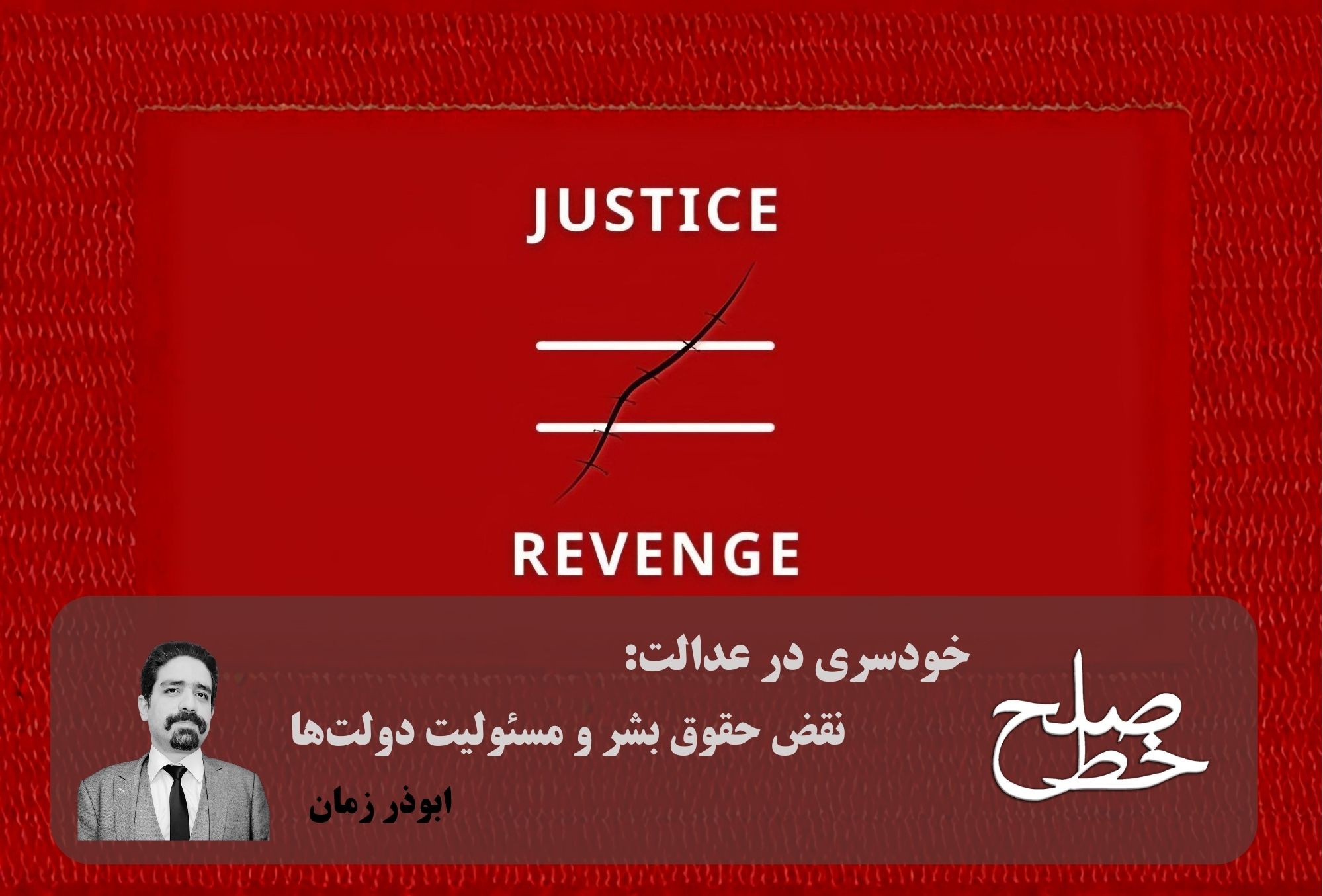
Arbitrariness in Justice: Violations of Human Rights and the Responsibility of States/Abuzar Zaman
The evolution of criminal justice and the transition from personal revenge and arbitrary justice to modern legal and penal systems is one of the signs of the civilization of human societies. Today, resorting to arbitrary justice is in clear contradiction with the right to a fair trial and human rights and in conflict with the […]...
Read More
Created By: Abouzar Zaman December 22, 2025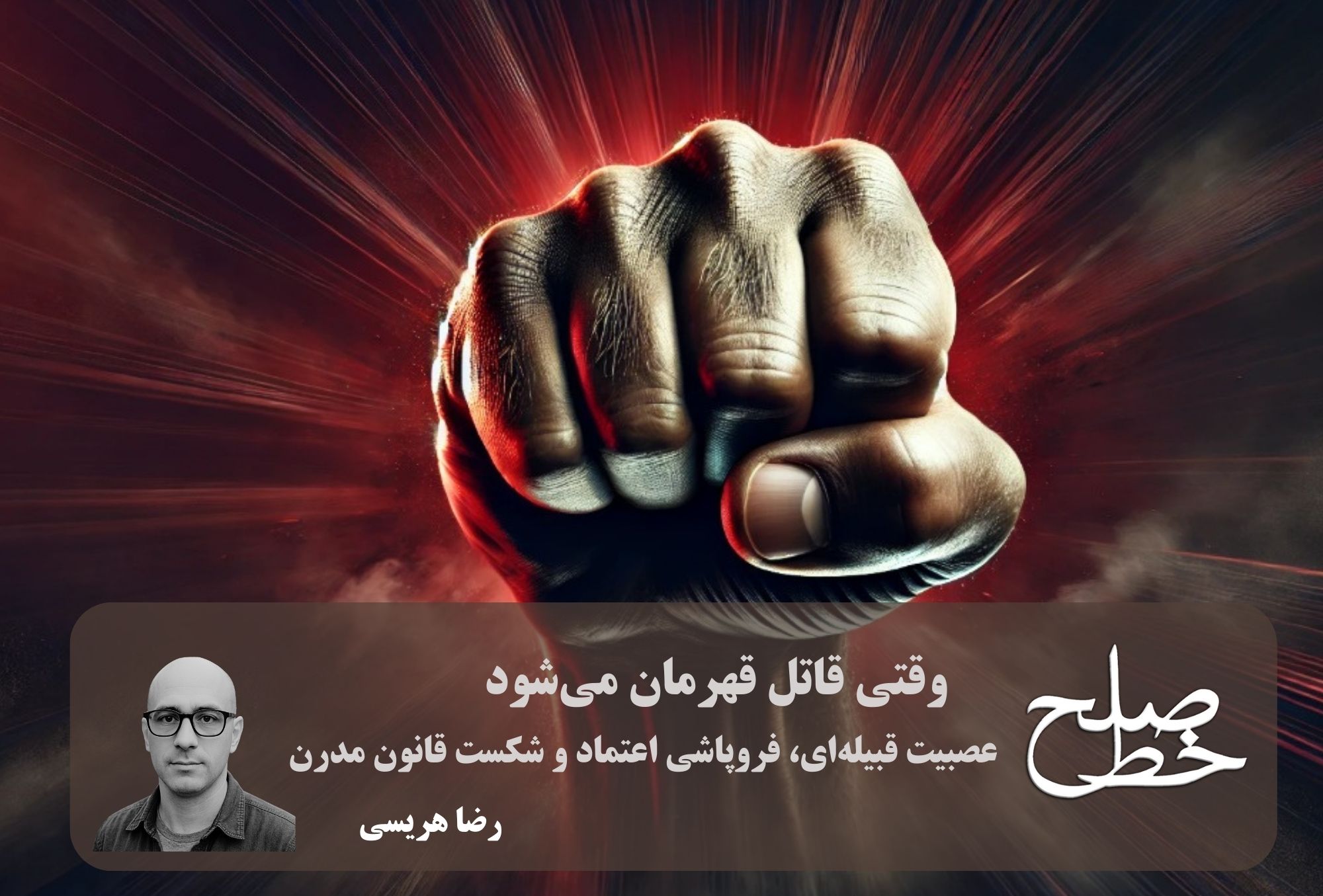
When a murderer becomes a hero/Reza Harisi
In the framework of modern ethics and legal systems based on collective rationality, “murder” is defined as the most fundamental assault on human life and the violation of all social conventions; whether the victim is a young woman who is the victim of an honor killing on suspicion of wrongdoing in emotional and sexual relationships, […]...
Read More
Created By: Reza Harisi December 22, 2025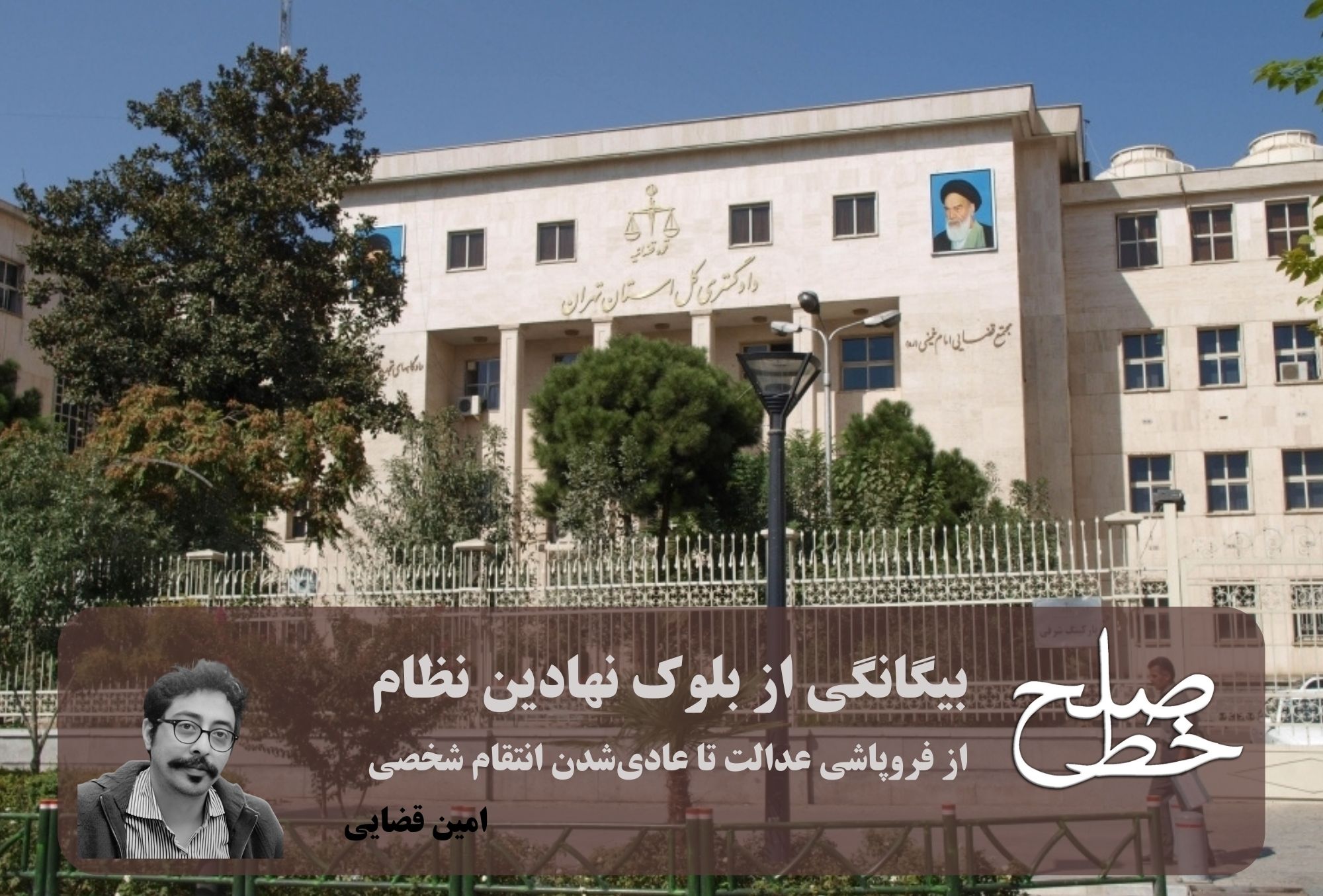
Alienation from the institutional bloc of the system/Judicial trustee
Administrative corruption is usually defined as the abuse of power and authority for personal gain. In the case of the judiciary, clients who witness such corruption distrust law enforcement institutions (police and judiciary) and may, as a result, engage in personal vigilantism in response to attacks on their lives and property. Simply put, when people […]...
Read More Created By: Amin Ghazaie December 22, 2025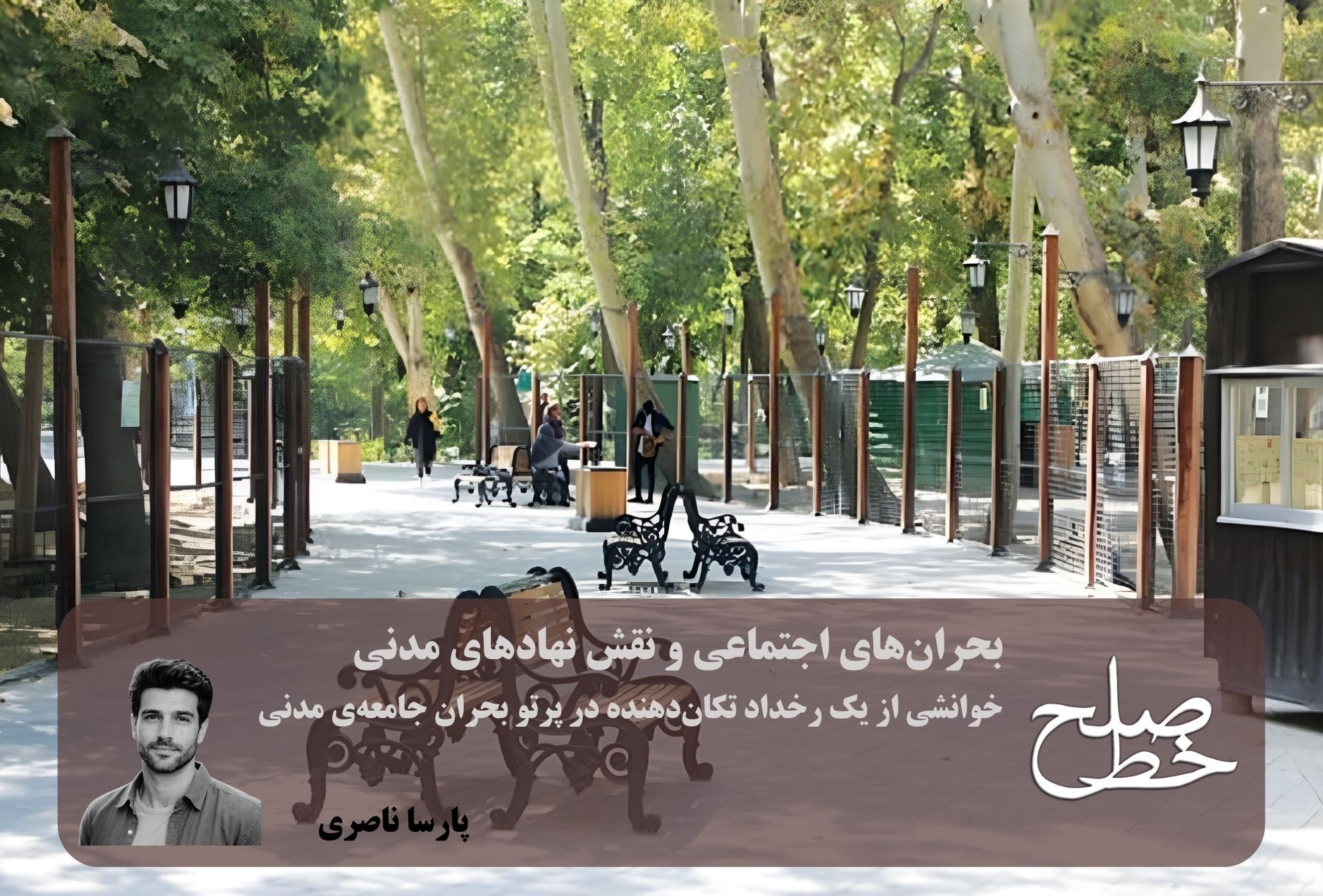
Social Crises and the Role of Civil Society Institutions/Parsa Naseri
This article is dedicated to Hoda Saber, a concerned activist and researcher who dedicated her life to raising awareness and being actively involved in social and political arenas. Not long ago, in a southern city of the country, after the execution of the murderer of a doctor in Yasuj, a phenomenon occurred that was […]...
Read More
Created By: Parsa Naseri December 22, 2025
The collapse of trust between people and medical staff in Iran / Nafiseh Sharafeddini
Trust is a delicate bond between patient and therapist that distinguishes the treatment process from a mere business transaction. But in recent years, we have seen that this pillar in the Iranian medical environment has been severely damaged, giving way to cynicism and misunderstanding. What is happening in the crowded corridors of hospitals and waiting […]...
Read More
Created By: Nafiseh Sharafaldini December 22, 2025
