


Others
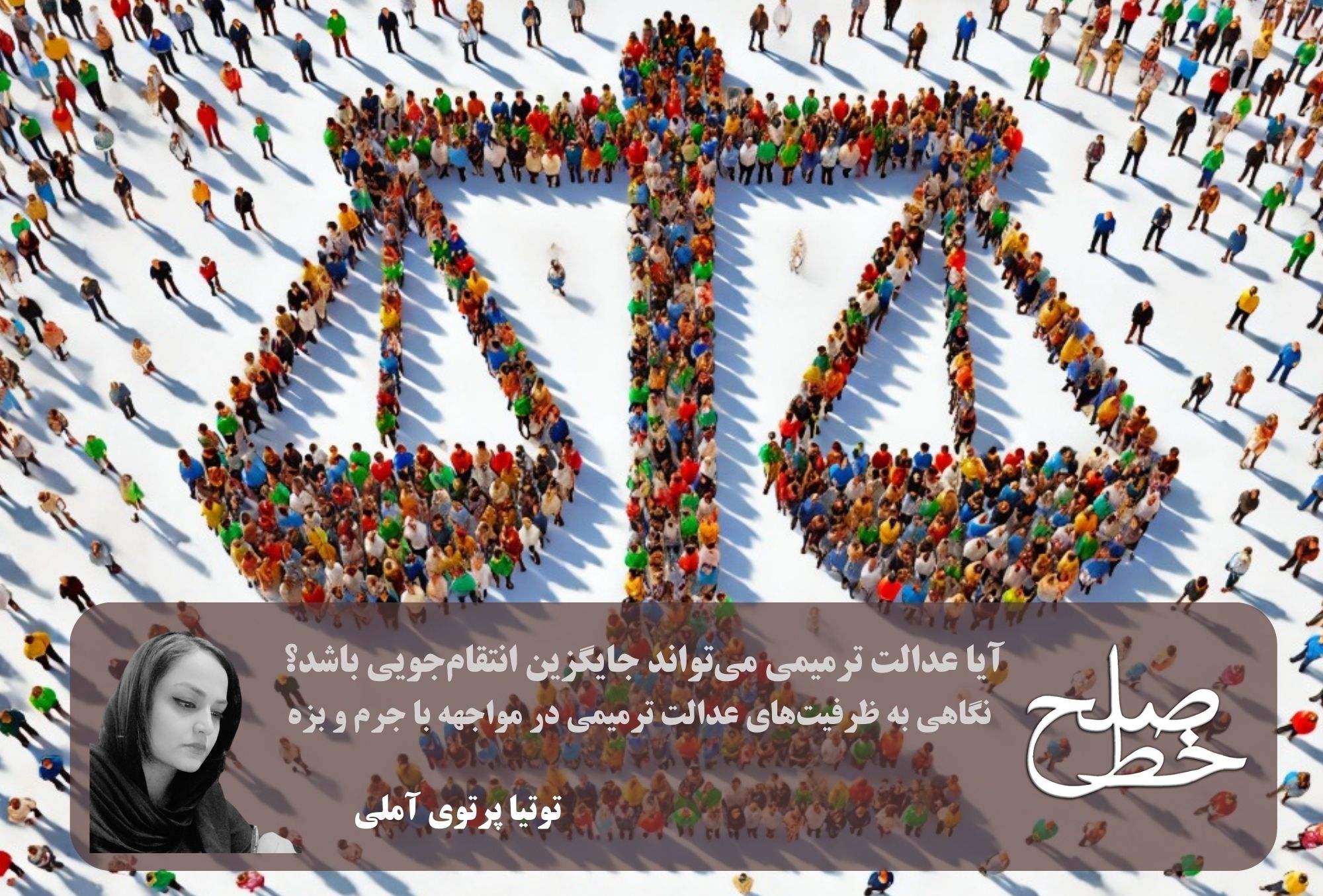
Can restorative justice replace revenge? / Totia Partovi Amoli
We witness countless court cases every day that result in the issuance of a verdict and ultimately the punishment of the offender. However, experience has shown that in today’s world, the issuance and execution of sentences does not necessarily mean the realization of justice. In many cases, the victim is still dissatisfied after the end […]...
Read More Created By: Toutia Partovi Amoli
 December 22, 2025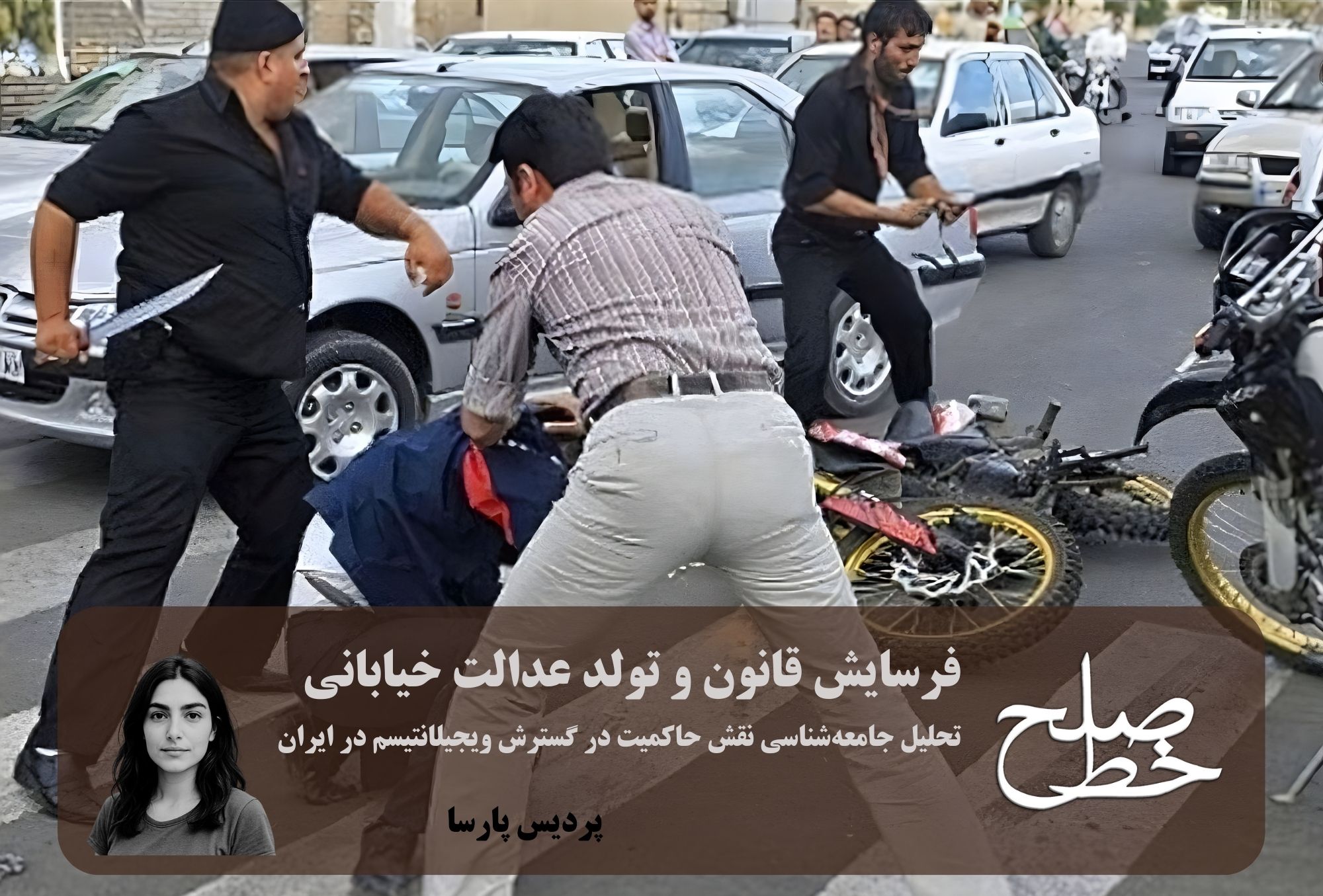
The erosion of law and the birth of street justice/Pardis Parsa
In the turbulent transition of the fifth decade after the 1979 revolution, Iran is facing a fundamental challenge in the field of public order and security that can be called the “erosion of the authority of the law.” The increasing statistics of street fights and personal conflicts in recent years only reveal the tip of […]...
Read More
Created By: Pardis Parsa December 22, 2025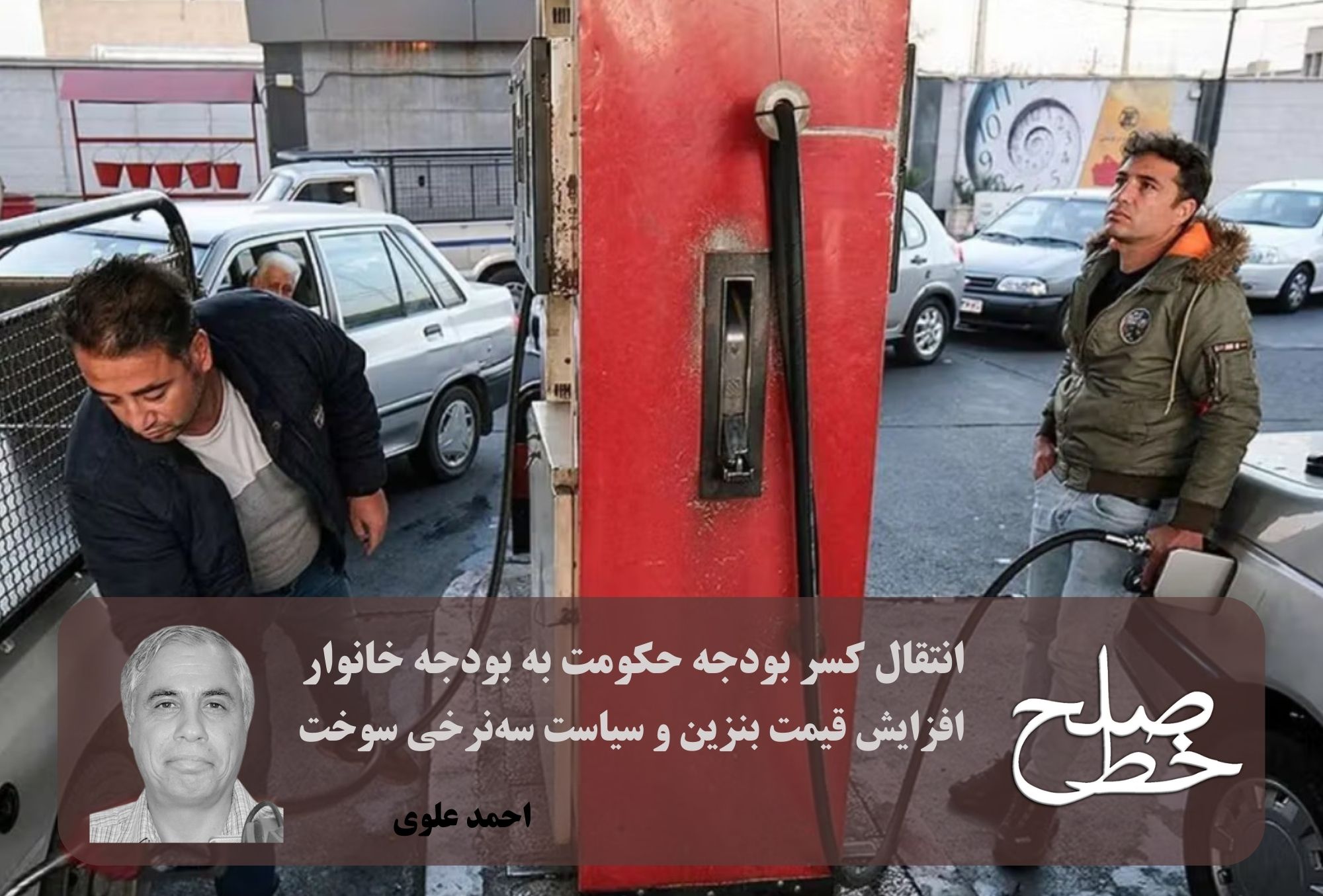
Transferring the government budget deficit to the household budget/Ahmad Alavi
Recent developments in Iran’s energy policy, particularly the triple-price gasoline pricing and price increases, have once again brought the long-standing issue of the relationship between pricing policies, governance structure, and household economics into the spotlight. The government promotes this policy with ostensibly economic goals, including controlling consumption, targeting subsidies, and reducing pressure on the public […]...
Read More
Created By: Ahmad Alavi December 22, 2025 Created By: Admin December 22, 2025
Deepening Class Divides Through Inequality in Affordability and Access/ Amin Ghazaei
The deepening of class divisions is structurally rooted in the cycle of production within the capitalist system. Since the minimum wage of the working class is always determined by the minimum required to reproduce labor power, while on the other hand, the wealth of capitalists accumulates through cycles of investment and production, class disparity continuously […]...
Read More Created By: Amin Ghazaie November 22, 2025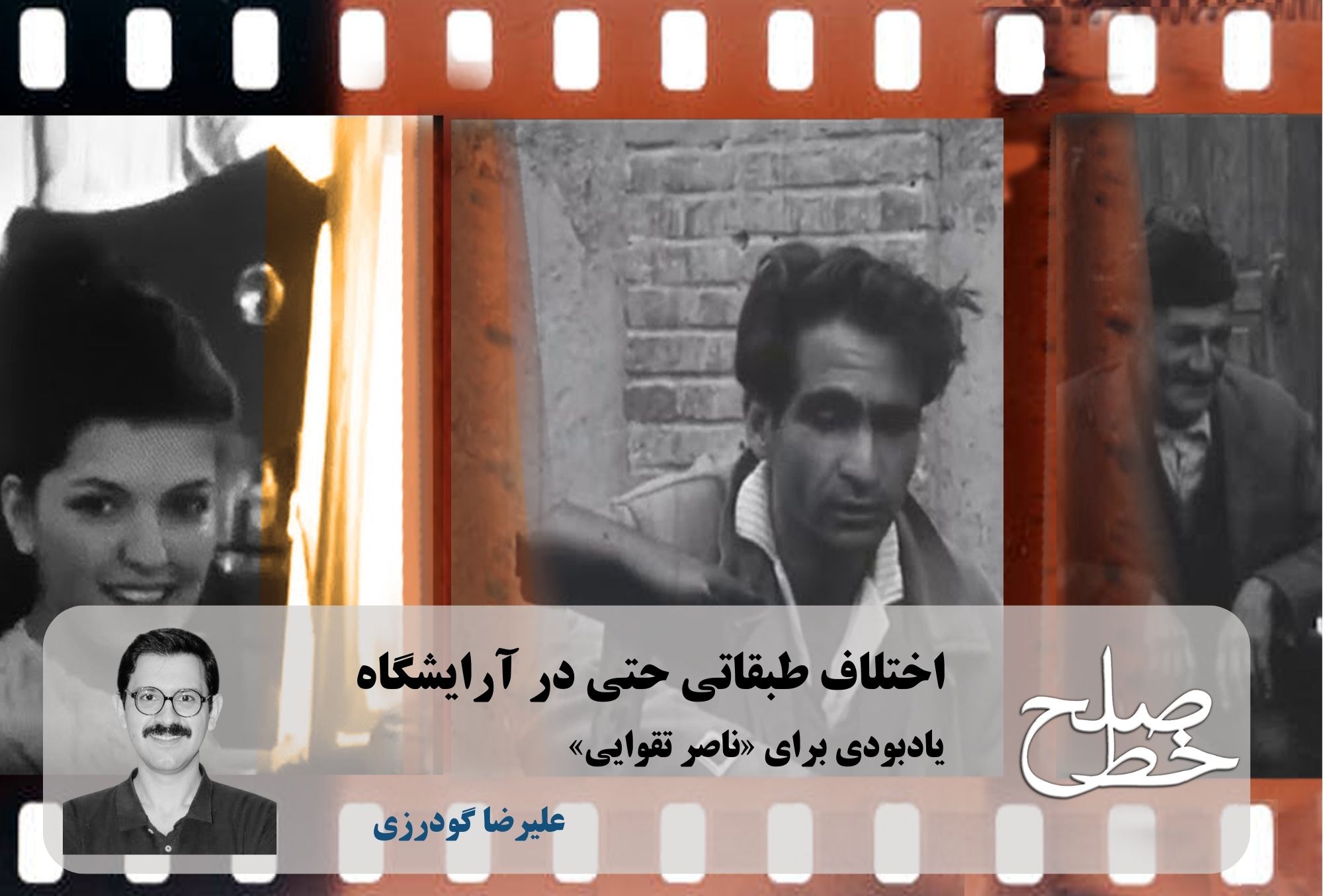
Class Divide, Even at the Barbershop/ Alireza Goodarzi
Last month, Nasser Taghvai passed away. For our generation, Taghvai was a director whose every film was made with a precise and committed eye on society, and the stunning details of his work spilled beyond the frame of cinema and television. For decades now, some of the catchphrases from his TV series Dāyi Jān Napoleon […]...
Read More
Created By: Alireza Goodarzi November 22, 2025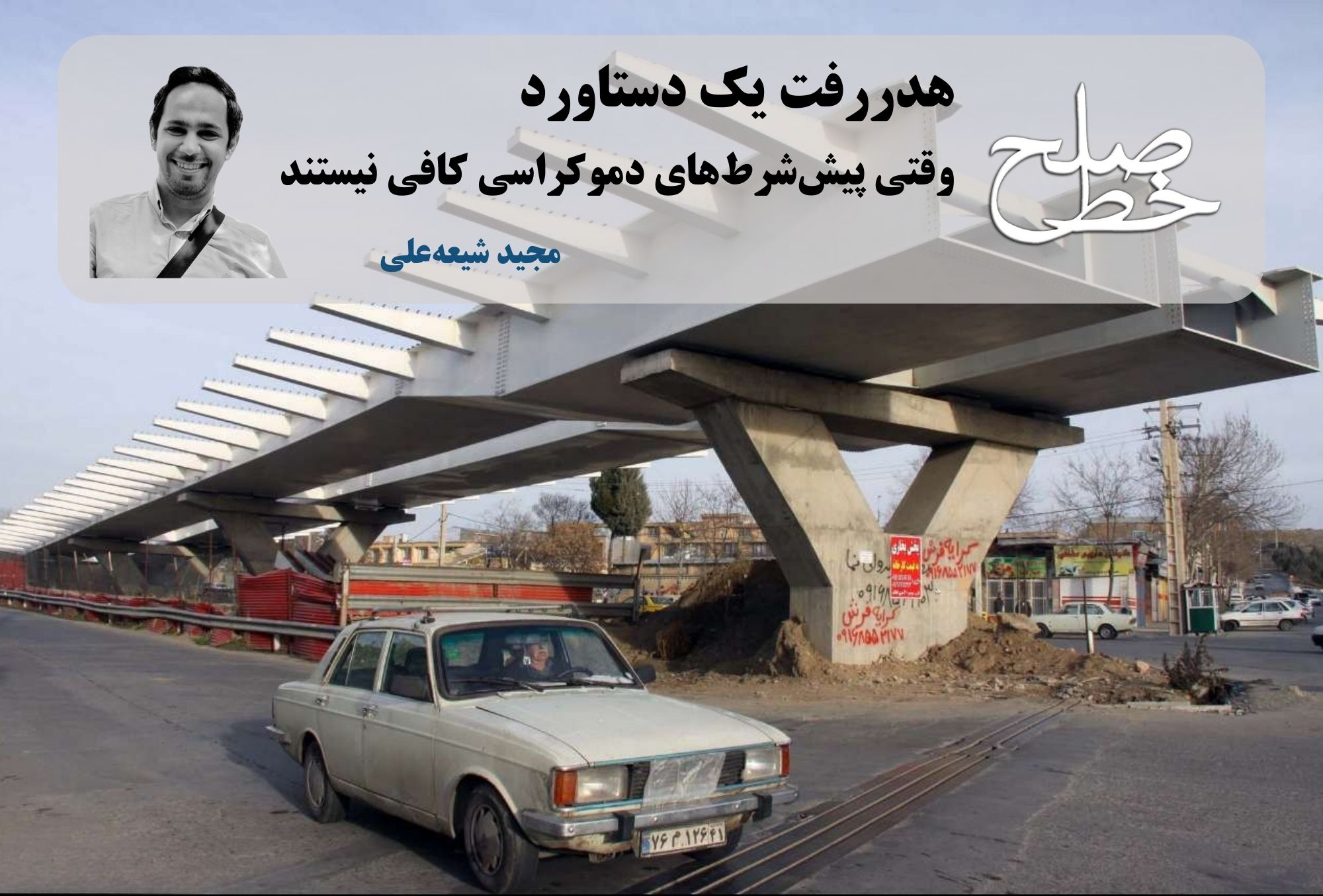
The Squandering of a Milestone: When Preconditions for Democracy Are Not Enough/ Majid Shieh-Ali
Many political researchers who study political transformations, comparative political systems, and topics such as revolutions, democratization, and similar subjects tend to have a relative theoretical consensus regarding the types of revolutions that can lead to democracy. They consider elements such as global political developments in different periods, the level of industrialization and development in society, […]...
Read More
Created By: Majid Shia’ali November 22, 2025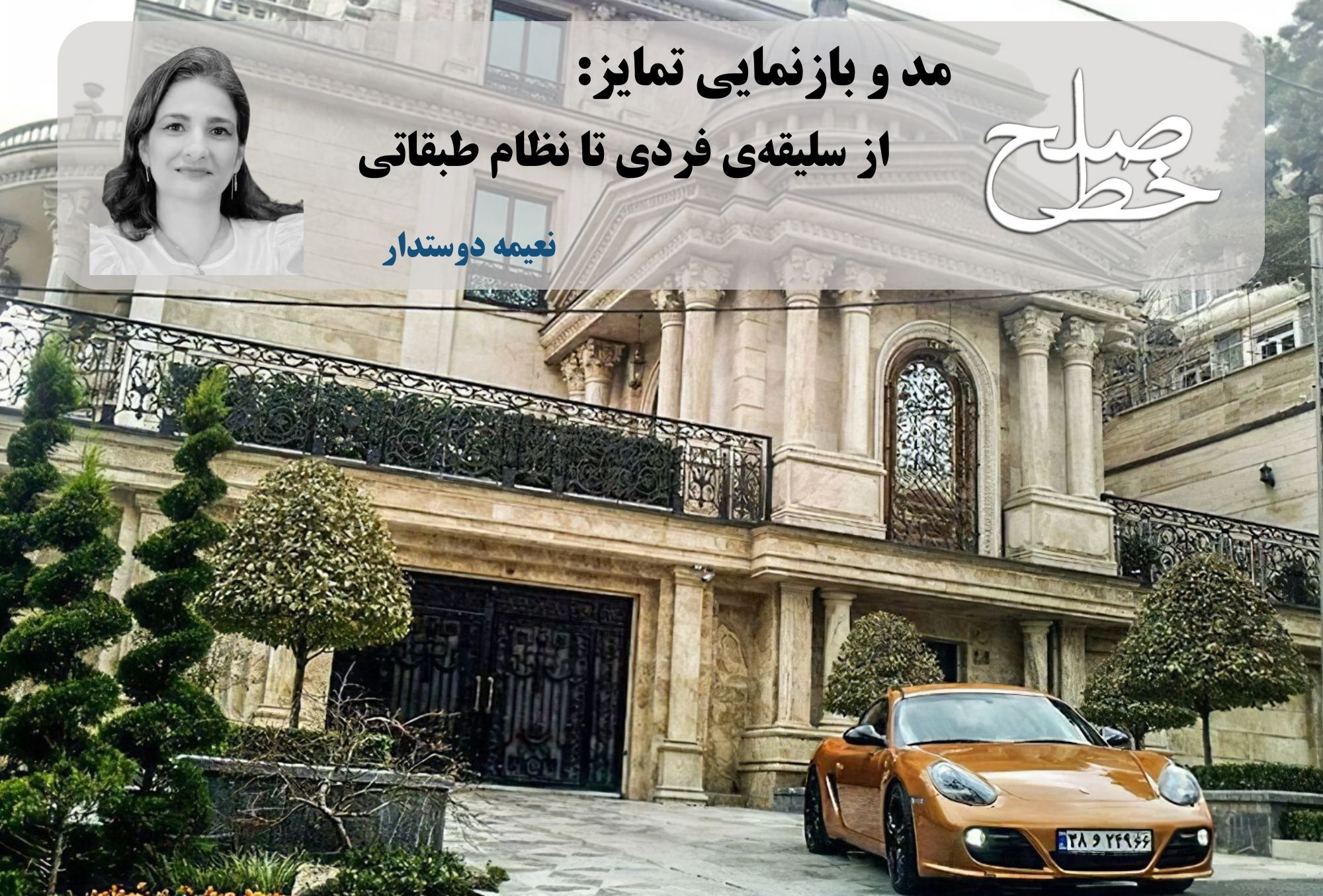
Fashion and the Representation of Distinction: From Personal Taste to Class System/ Naeimeh Doostdar
What is seen on the streets today is not merely a variety of styles, but a silent, ongoing competition between social classes—inscribed on the surface of the body. Hair color, eyebrow shape, the cut of a manteau, and even the quality of makeup have become markers that reveal opportunities, limitations, and economic divides. In a […]...
Read More Created By: Naeimeh Doustar November 22, 2025
From Bread to Justice/ Mina Javani
Food insecurity in Iran is no longer merely a subsistence issue; it is a symptom of deeper fractures in the country’s economic, environmental, and institutional structures. In a world where food production has never been so technologically widespread, the persistence of hunger and malnutrition across societies points above all to inequality in resource distribution and […]...
Read More
Created By: Mina Javani November 22, 2025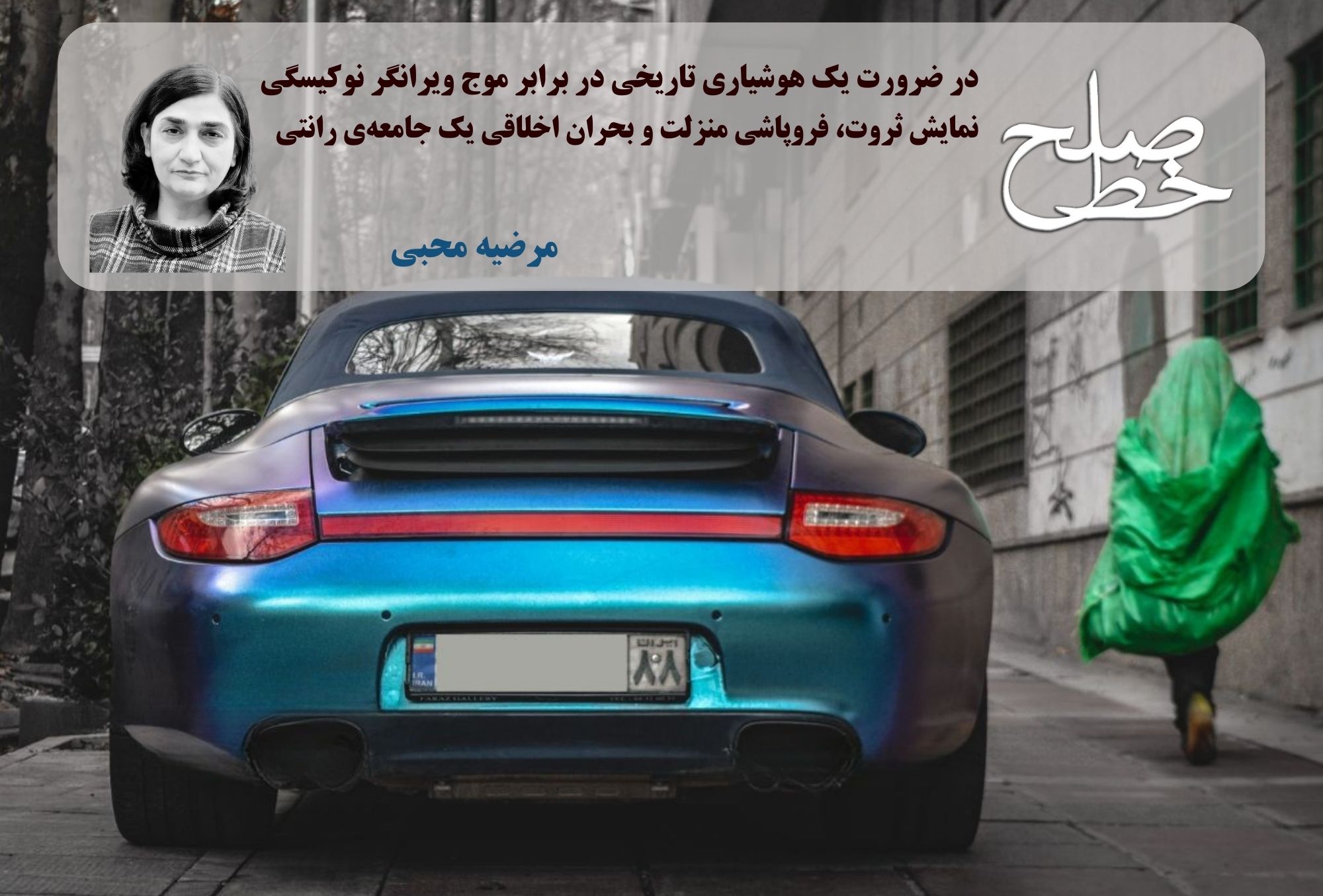
On the Necessity of Historical Vigilance Against the Destructive Wave of Nouveau Riche Culture/ Marziyeh Mohebbbi
They do not know what to do with their windfall fortunes, nor how to convince their peers, friends, acquaintances, and the general public that they have swiftly ascended the ladders of prosperity, civilization, and wealth—so rapidly, in fact, that they now count themselves among the legendary elite and aristocracy. Sometimes, they showcase their financial power […]...
Read More
Created By: Marziye Mohebbi November 22, 2025
Selling Happiness on Social Media/ Pardis Parsa
In recent decades, with the dizzying speed of technological advancement and the growth of communication tools, people’s lives and their social relations have inevitably come under the influence of media. Social media platforms—especially image-based ones like Instagram, which entered the scene promising to eliminate distances—have, in practice, turned into the main stage for displaying social […]...
Read More
Created By: Pardis Parsa November 22, 2025
Class Divide, Erosion of Public Welfare, and Structural Inefficiency/ By Fereshteh Goli
Social classes refer to structural divisions in society that categorize individuals or groups based on economic, social, cultural, and political factors. These divisions are typically shaped by inequalities in resources (wealth, income, education, occupation, and power) and influence social relations, opportunities, and individuals’ lifestyles. Social classes are defined based on various elements such as economy, […]...
Read More
Created By: Fereshteh Goli November 22, 2025
