


Social control
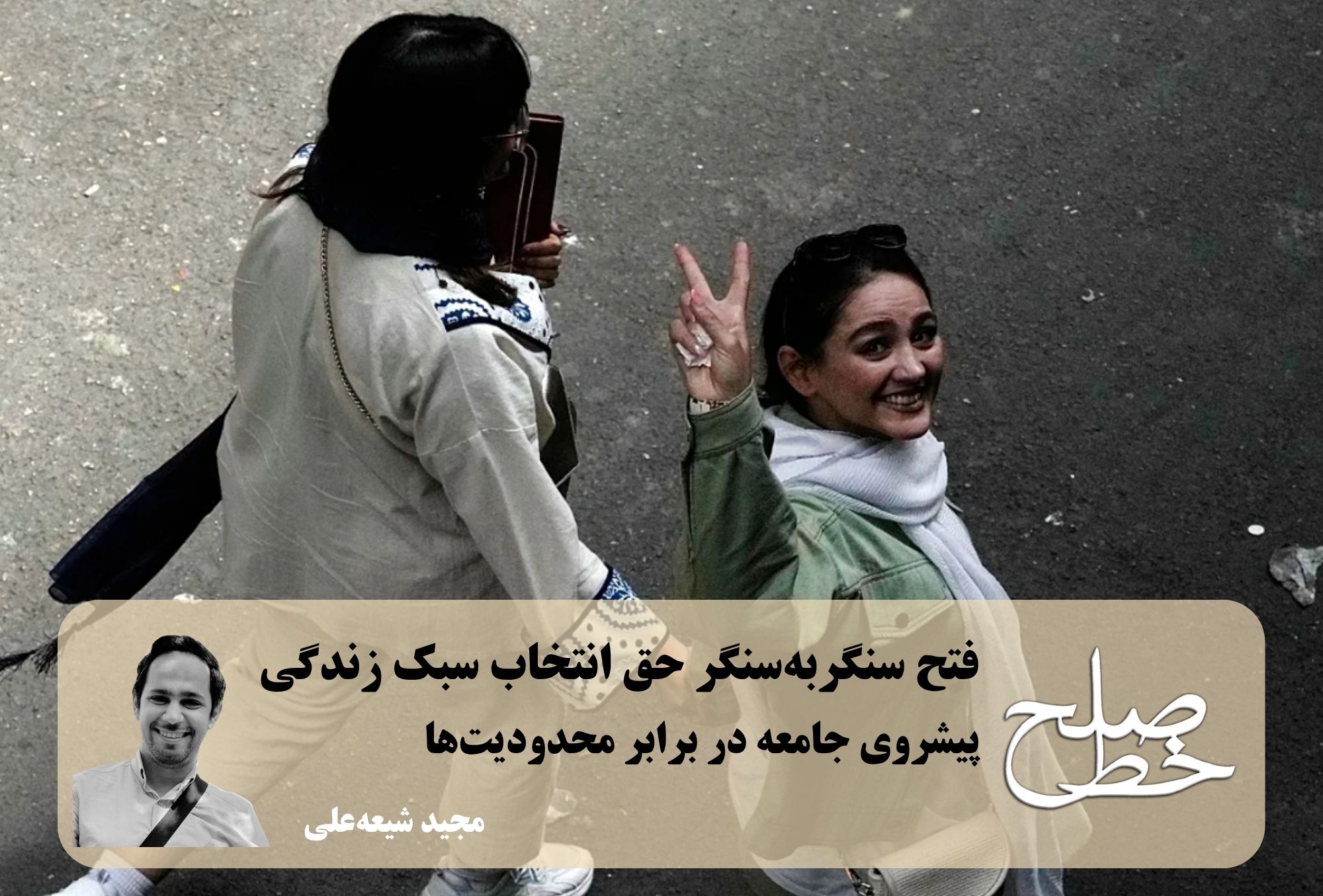
The Step-by-Step Conquest of the Right to Choose One’s Lifestyle/ Majid Shia’ali
From the very first days of the 1979 Revolution, when groups among the revolutionaries sought to restrict citizens’ lifestyles to one particular preference, resistance to this tendency also emerged. This resistance ranged broadly, from figures among the revolution’s leaders such as Ayatollah Taleghani to the large women’s gathering on March 8. The forms of resistance […]...
Read More Created By:
Majid Shia’ali
Created By:
Majid Shia’ali August 23, 2026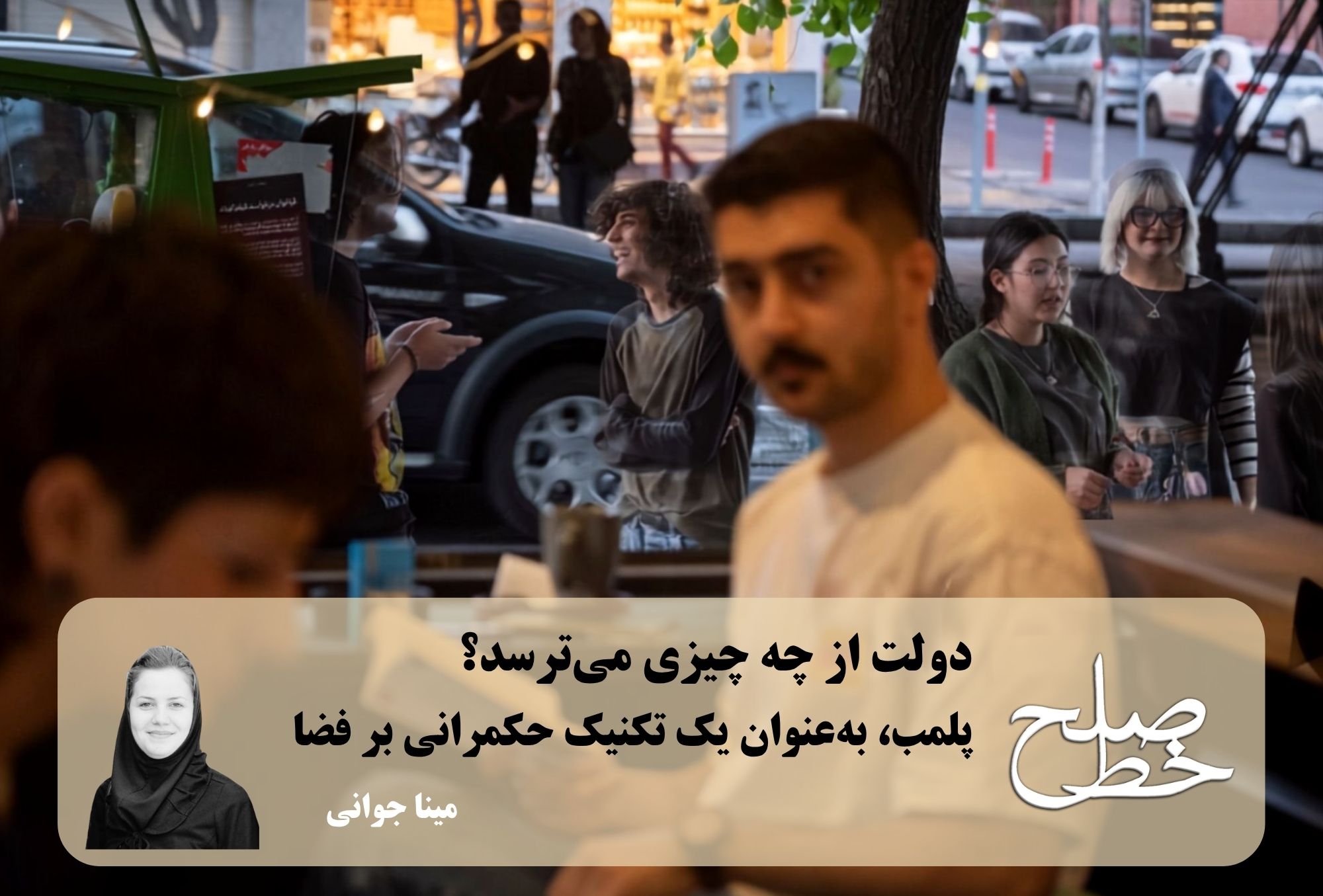
What Is the State Afraid Of? Sealing as a Technique of Governing Space/ Mina Javani
Political power is not exercised only through laws and formal institutions; it also manifests itself in the way spaces are organized, movement is regulated, and the limits of social presence are defined. One way to observe the logic of power in action is to examine moments when a place becomes the subject of intervention not […]...
Read More
Created By:
Mina Javani August 23, 2026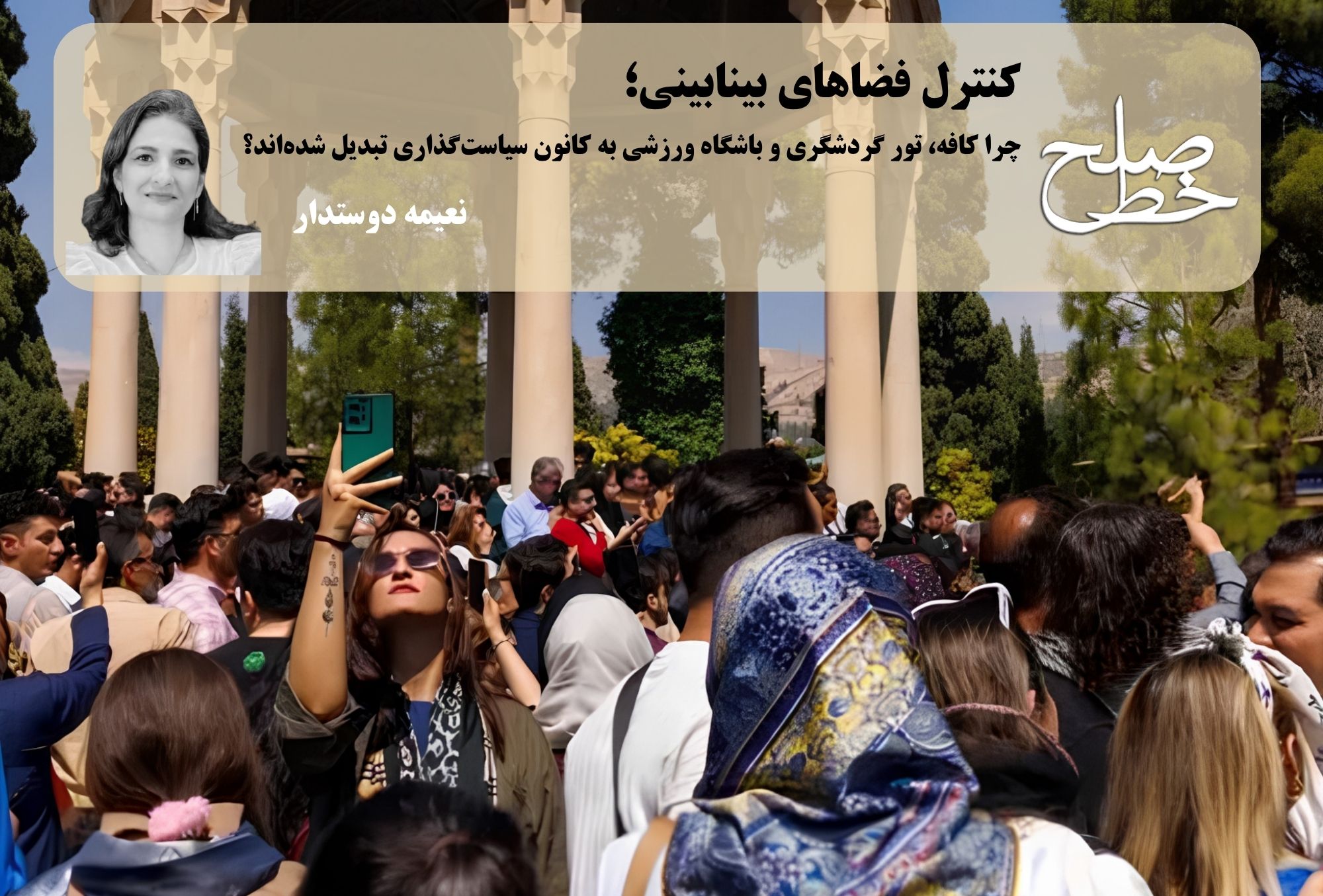
Why Have Cafés, Tourism Tours, and Sports Clubs Become Focal Points of Policymaking?/ Naeimeh Doustdar
Between July 11 and August 1, 2026 (20 Tir to 10 Mordad 1405), at least 72 well-known pages and accounts on Iranian social media were blocked or seized, the administrators of at least 21 pages were forced to publish pledges, and at least 23 business establishments in different cities were sealed. The scope of the […]...
Read More
Created By:
Naeimeh Doustar August 23, 2026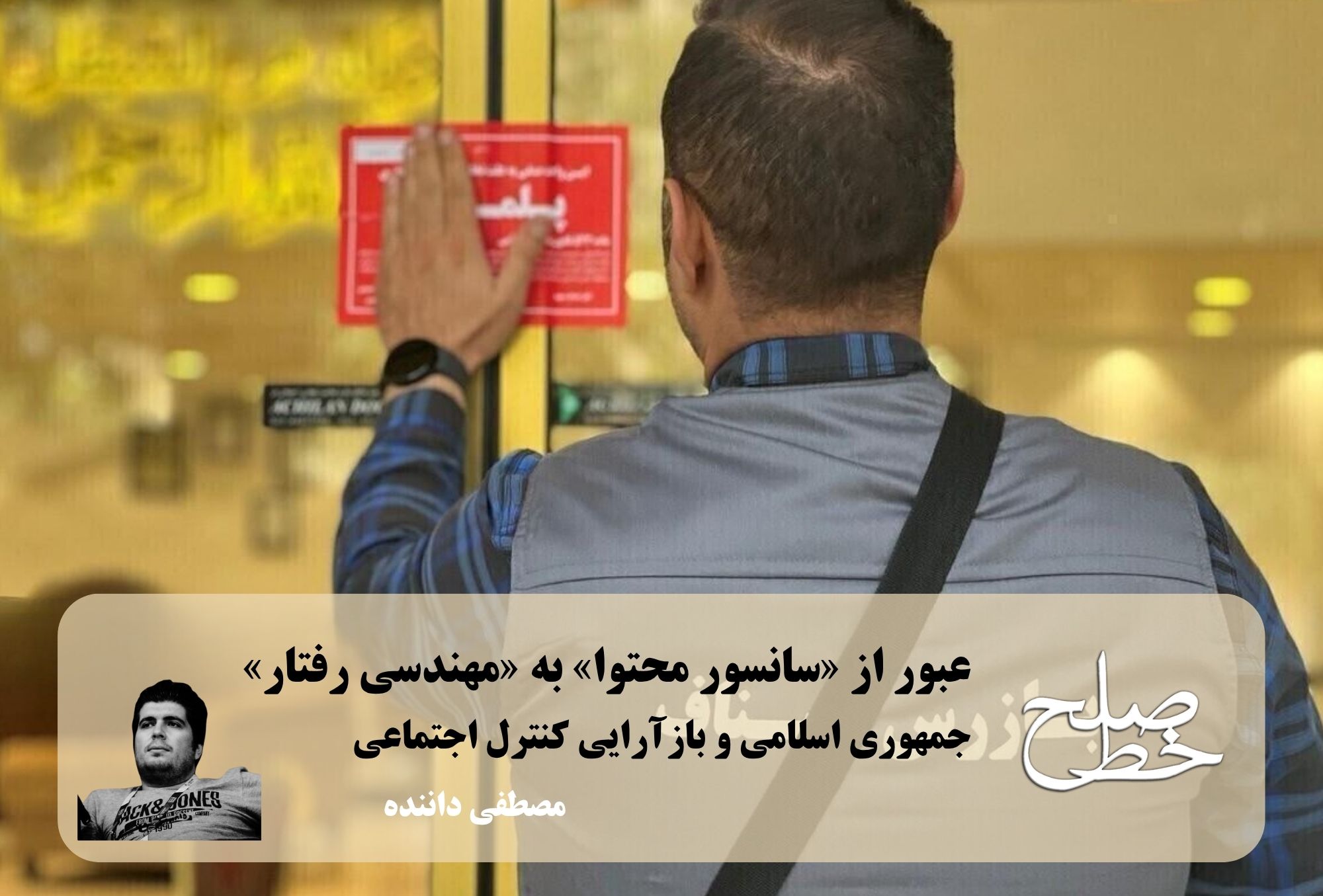
From “Content Censorship” to “Behavioral Engineering”/ Mustafa Danandeh
The issue is not merely the closure of an Instagram page. It is not merely the sealing of a café or the summoning of a blogger. The issue is not even only hijab, music, tourism tours, or the content of an online page. What has been seen in Iran in recent weeks, when viewed together, […]...
Read More
Created By:
Mustafa Danandeh August 23, 2026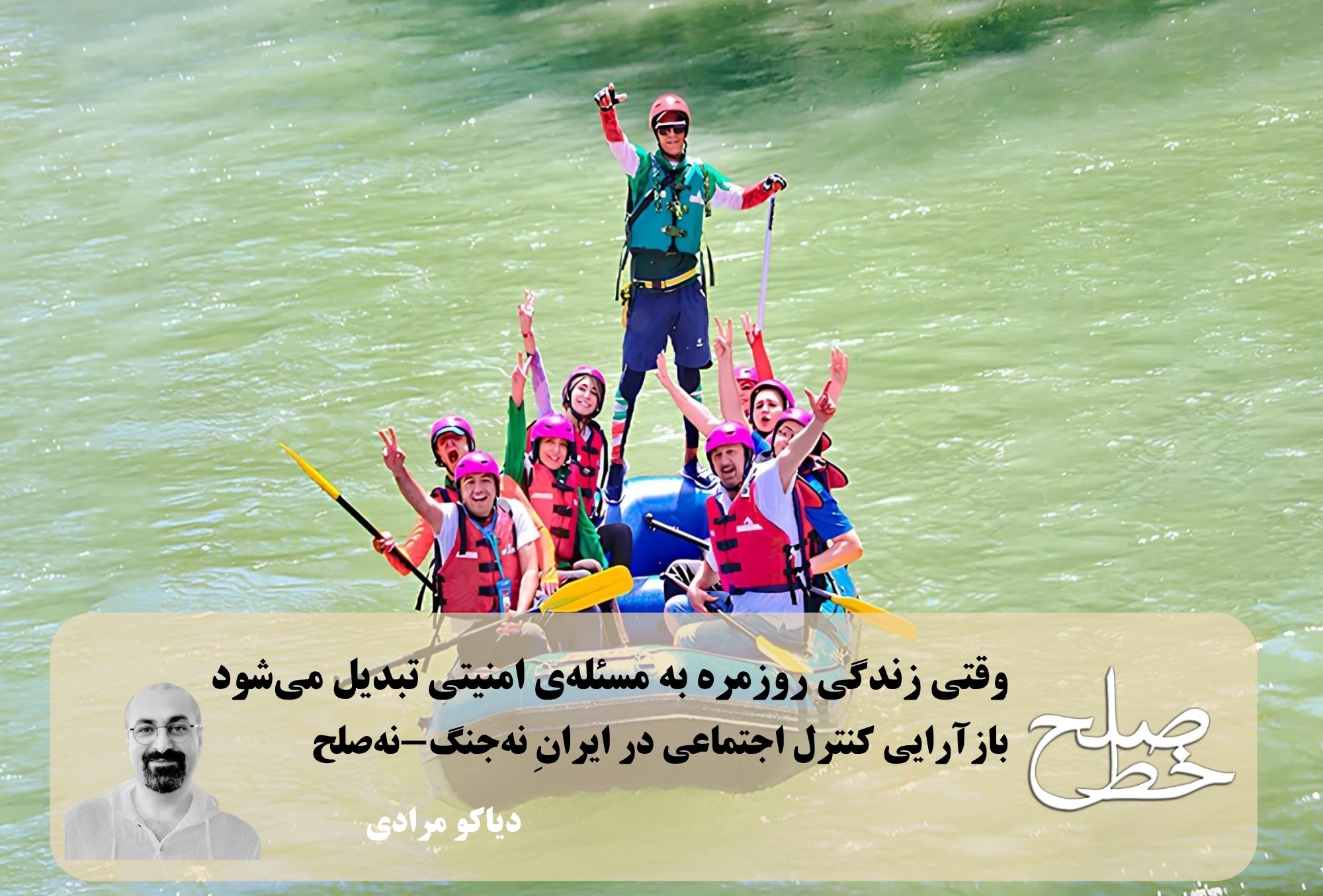
When Everyday Life Becomes a Security Issue/ Diako Moradi
In recent months, as the discourse of war has relatively subsided, significant signs have emerged of intensified government intervention in areas that, at first glance, are not directly political: the sealing of cafés and café-bookstores, measures against tour operators, the blocking of Instagram pages, the summoning of bloggers, removal of content, compulsory pledges, and pressure […]...
Read More
Created By:
Diako Moradi August 23, 2026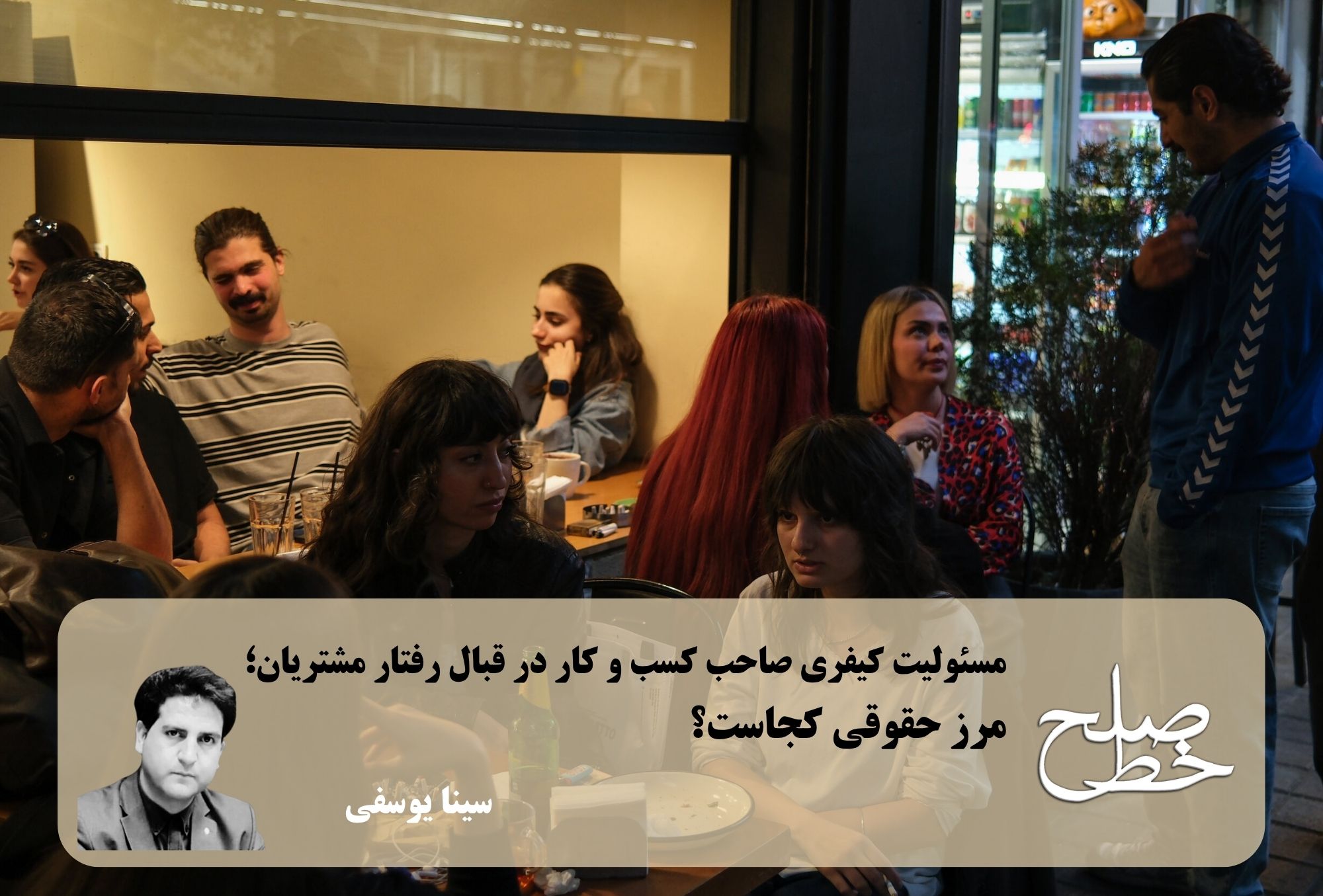
Criminal Liability of Business Owners for Customers’ Conduct: Where Is the Legal Boundary?/ Sina Yousefi
In recent years, one of the significant changes in the way social control policies are enforced in Iran has been the expansion of business owners’ responsibility for the conduct of individuals who are neither their employees nor necessarily under their legal authority or supervision. The owner of a restaurant, café, gym, or tourism center, or […]...
Read More
Created By:
Sina Yousefi August 23, 2026
Norm-Breaking: An Ambiguous Label, Broad Criminal Discretion/ Eldar Khiavi
Introduction: Two Complementary Movements in the Language of Power In the official discourse of the Islamic Republic, “norm-breaking” appears to be a simple term used to describe deviation from accepted social rules. But this sociological appearance conceals its political and criminal function. In part of the political discourse of recent years, the central instance of […]...
Read More
Created By:
Eldar Khiavi August 23, 2026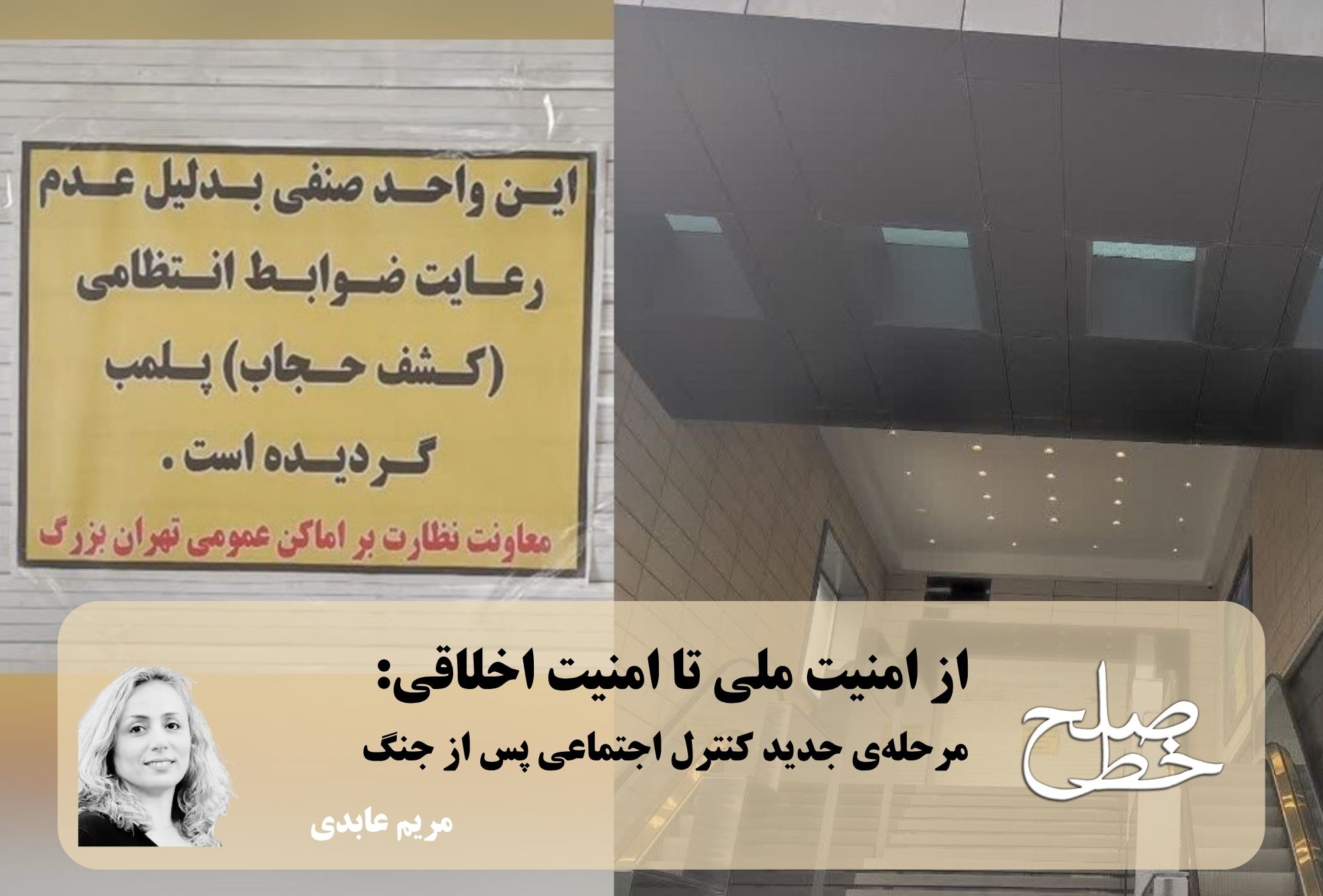
From National Security to Moral Security: The New Stage of Post-War Social Control / Maryam Abedi
In recent months, as the war has subsided, what has been seen on the streets, Instagram, and cyberspace is the return of the focus of governance from Iranian soil to the city; from the sealing of cafes and book cafes in Sana’i and Iranshahr to the crackdown on tourist tours and the blocking of bloggers’ […]...
Read More
Created By:
Maryam Abedi August 23, 2026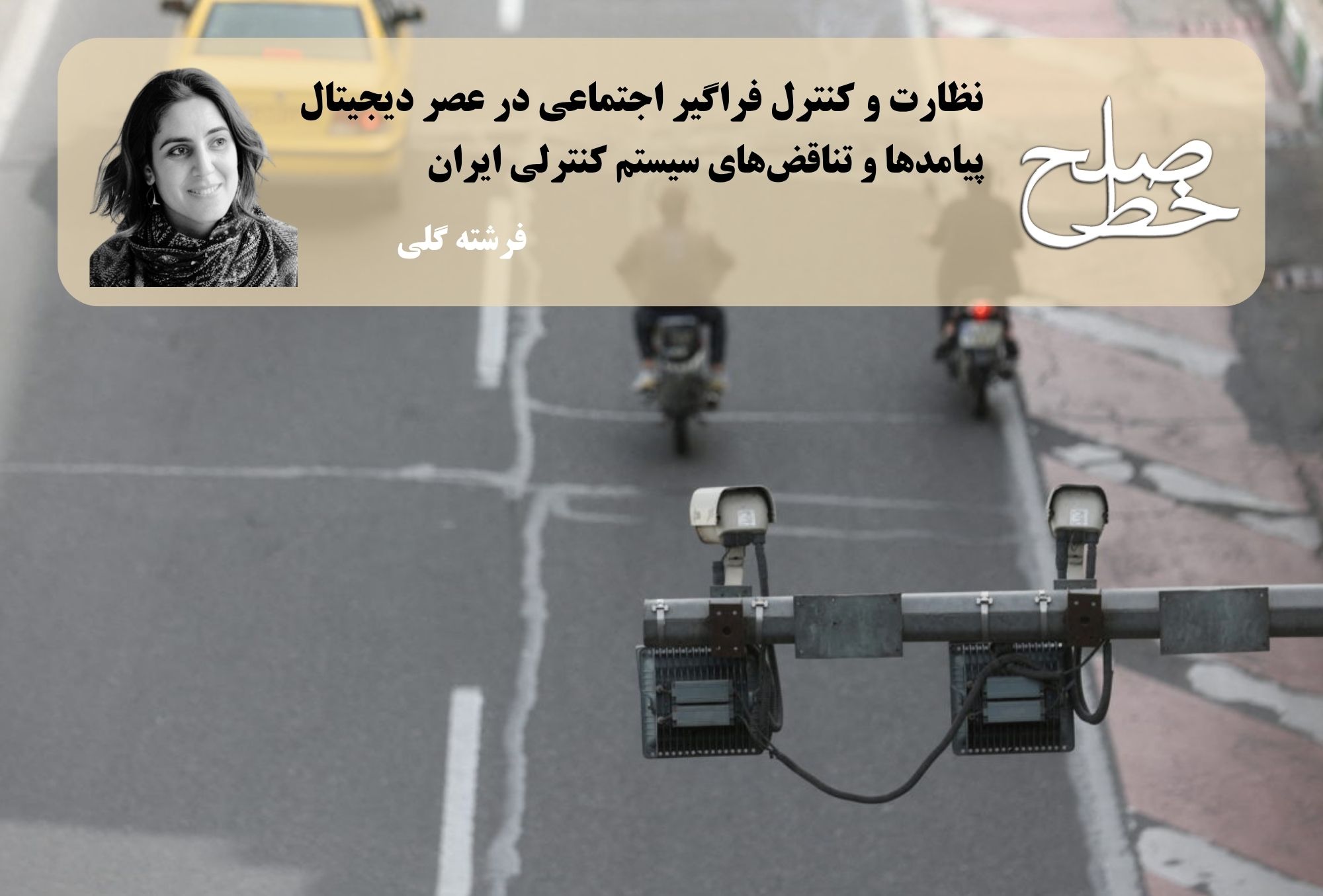
Pervasive Social Surveillance and Control in the Digital Age/ Fereshteh Goli
In recent years, the Islamic Republic has taken major steps in using new technologies for social surveillance and control. This trend, rooted in global developments and what the government regards as domestic needs, has been pursued at different speeds during different periods, but what has turned it into a prominent issue is the increasing acceleration […]...
Read More
Created By:
Fereshteh Goli August 23, 2026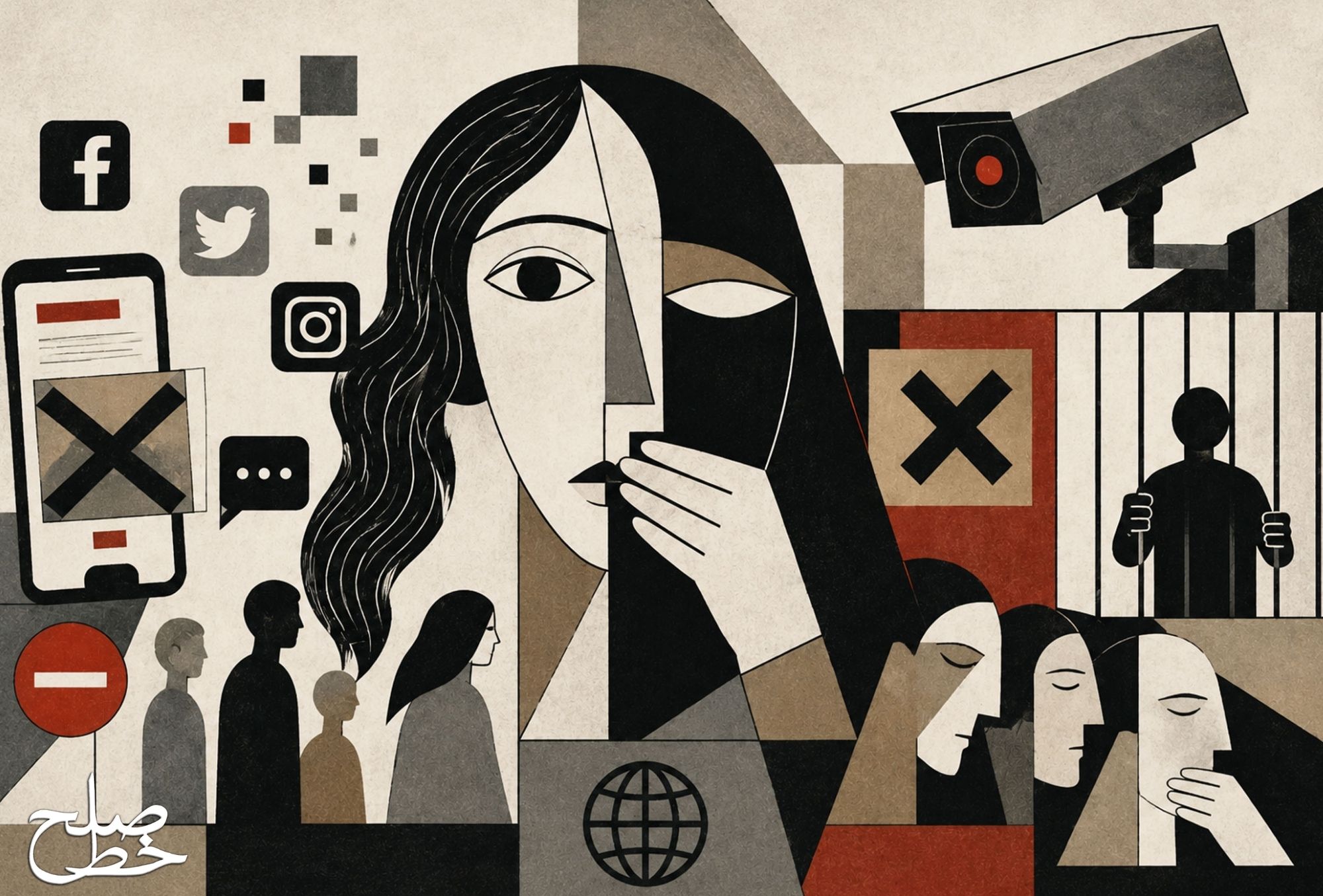 Created By:
Admin August 23, 2026
Created By:
Admin August 23, 2026
Cold peace as a model of governance in the post-crisis era/ Mina Javani
After the end of the twelve-day war, the situation in Iran has seemingly entered a phase of stability; a phase that in political discourse is referred to as “mutual restraint” or “controlled tension”, but at a structural level, it is not only a sign of a return to normalcy, but also a continuation of the […]...
Read More
Created By:
Mina Javani August 23, 2025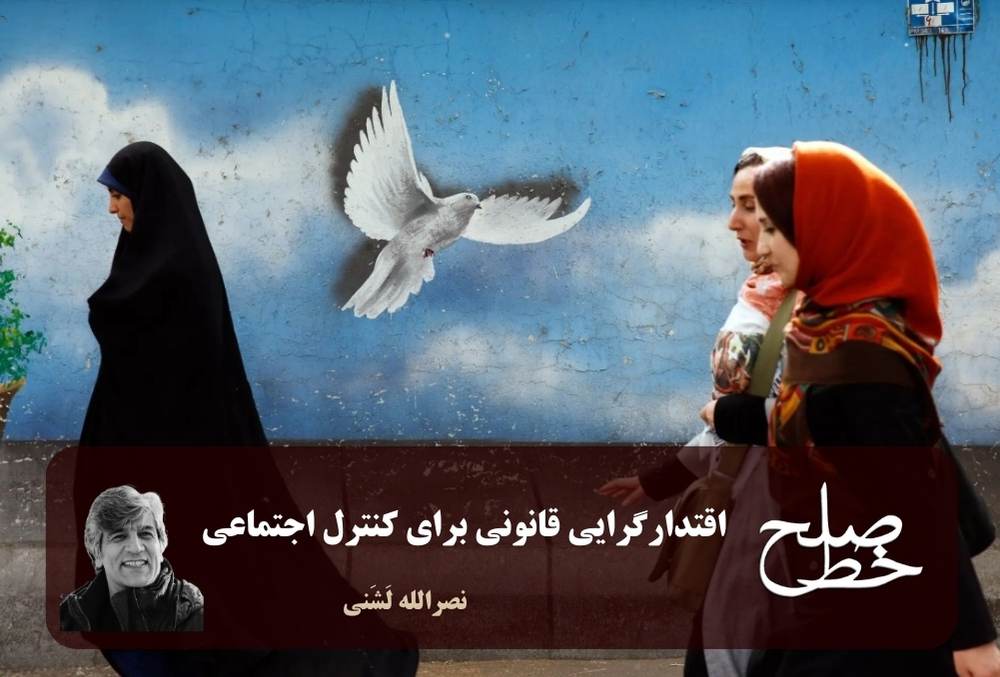
Legal Authoritarianism for Social Control/ Nasrollah Lashani
The importance of the constitution in establishing and solidifying democracy is a legacy of the American Revolution. After the victory of the American Revolution and the independence of this country from British monarchy, the revolutionaries emphasized and focused on the drafting and regulation of the constitution, striving to carefully and skillfully design a national covenant […]...
Read More
Created By:
Nasrollah Lashni August 23, 2025
