


Internet outage
Interview with Sara Yousefi, Disability Rights Activist, on Internet Shutdowns During Wartime/ Nafiseh Sharafaldini
In recent years, digital technologies, the internet, and AI-based tools have played an important role in increasing independence and accessibility for persons with disabilities. For many of these individuals, screen readers, navigation apps, online services, social networks, and smart tools are not merely conveniences, but essential tools for work, education, communication, and even carrying out […]...
Read More Created By:
Nafiseh Sharafaldini
Created By:
Nafiseh Sharafaldini June 22, 2026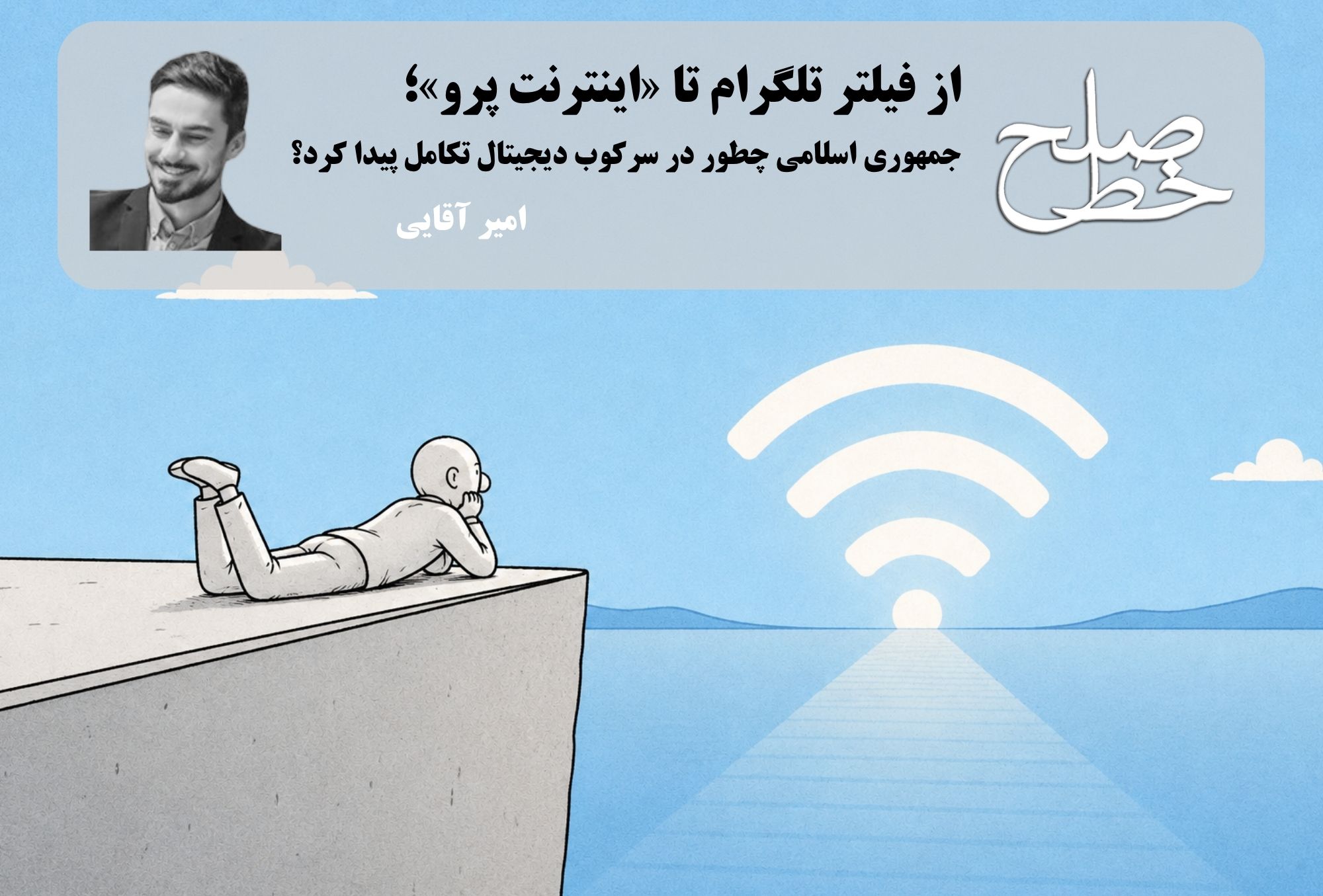
From the Filtering of Telegram to “Pro Internet” / Amir Aghaei
The Islamic Republic is breaking many negative records in the field of digital repression. Iranians, during perhaps one of the most turbulent periods in their history — from the start of the 12-day war to the Dey protests and after that the 40-day war, which it is still not clear has completely ended or not […]...
Read More
Created By:
Amir Aghayi May 22, 2026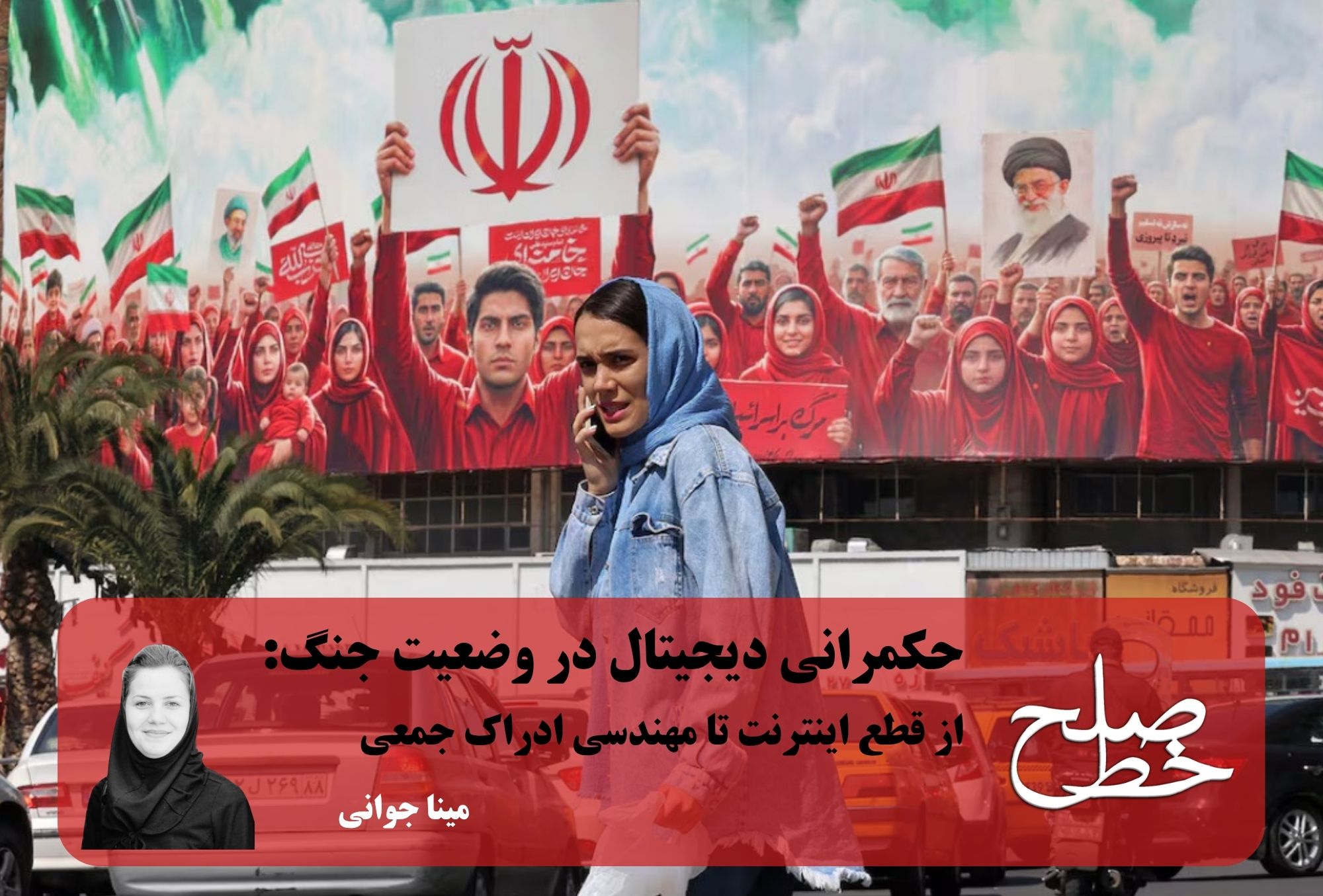
Digital Governance in a State of War: From Internet Shutdowns to the Engineering of Collective Perception/ Mina Javani
Sometimes, in the midst of war, what disappears is not only sounds and images, but access to reality itself. The internet, this seemingly obvious and always-available platform, suddenly goes dark in such moments and plunges society into a state of informational rupture; a condition in which the boundary between what is happening and what is […]...
Read More
Created By:
Mina Javani April 21, 2026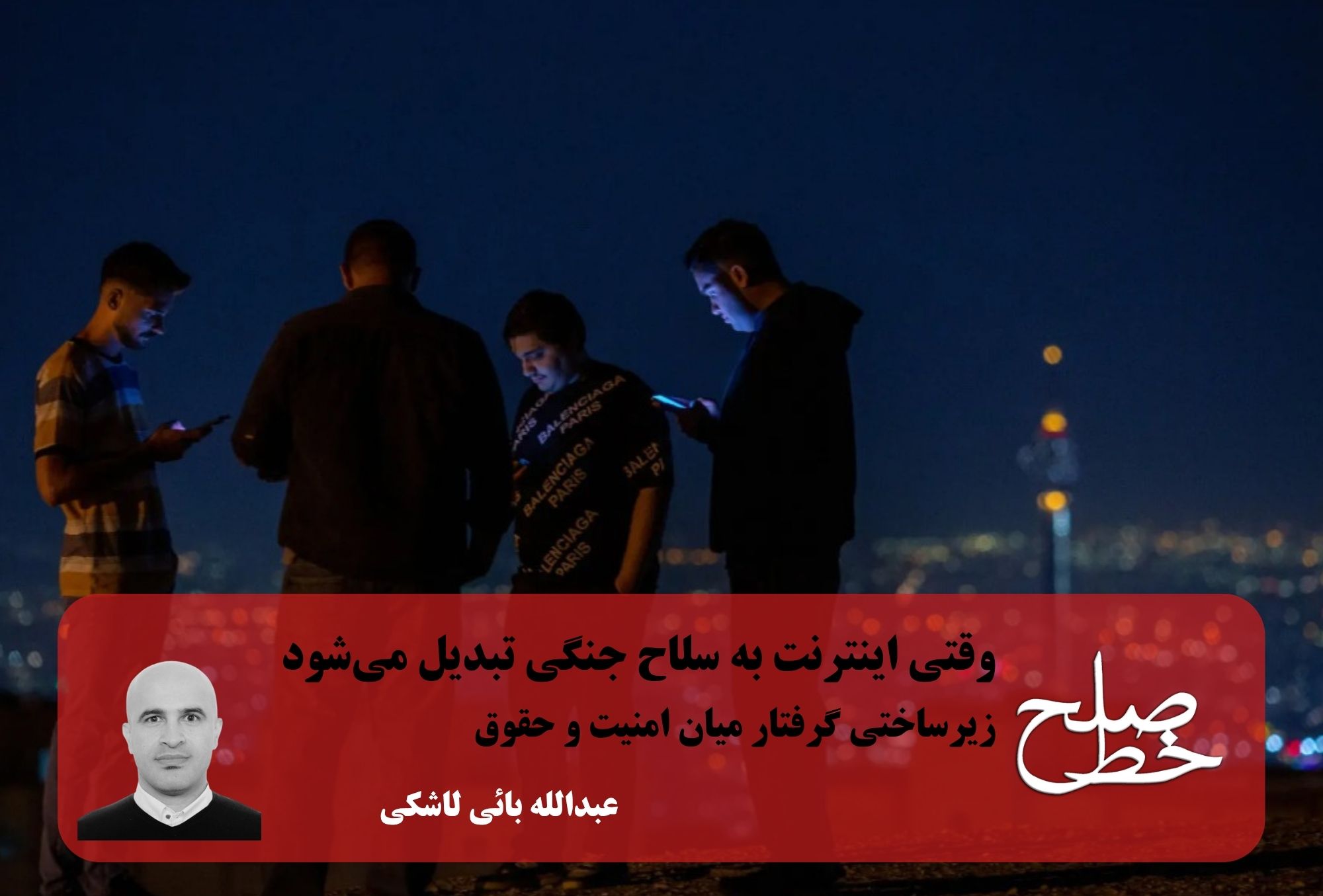
When the Internet Becomes a Weapon of War/ Abdollah Bai Lashaki
In the contemporary world, the internet is no longer merely a communication tool; it has become one of the fundamental pillars of social, economic, and political organization. Critical infrastructures—from banking and healthcare systems to media, education, and even emergency response mechanisms—depend, to varying degrees, on stable access to the internet. However, in situations of armed […]...
Read More
Created By:
Abdullah Bai Lashaki April 21, 2026
Internet Shutdowns and Their Economic Consequences for Women and the Informal Economy/ Elaheh Amani
This article is not about the catastrophic depth of war as an absolute evil; it is not about the innocent children who lost their lives and never returned home; it is not about the civilians in Iran and other countries of the region who were killed; it is not about the historical heritage destroyed and […]...
Read More
Created By:
Elahe Amani April 21, 2026
Internet Shutdowns During Wartime: Legitimate Defense or a Silent Violation of Human Rights?/ Nafiseh Motlagh
In the contemporary world, access to the internet is considered one of the vital pillars of social and economic life, and even a condition for the survival of citizens. However, this reality has not yet been explicitly recognized in international law—neither as an “independent human right” nor as a “critical infrastructure.” This legal gap has […]...
Read More
Created By:
Nafiseh Motlagh April 21, 2026
Iran in a State of Information Blockade / Maryam Shirin Sokhan
These days, Iran is undergoing an unprecedented experience: weeks of widespread internet shutdowns, severe restrictions on media, and the concentration of narratives within a single official channel. For more than two months, access to the internet in Iran has been completely cut off. Although limited access has recently been granted to certain individuals and professional […]...
Read More
Created By:
Maryam Shirin Sokhan April 21, 2026
Information Security or Narrative Control?/ Hadi Aghazari
This article is being written at a time when more than one thousand hours have passed since the widespread internet shutdown in Iran, justified on the grounds of maintaining security. During this period, communication between Iranians inside and outside the country has been seriously disrupted, and access for those inside the country to the outside […]...
Read More
Created By:
Hadi Aghazari April 21, 2026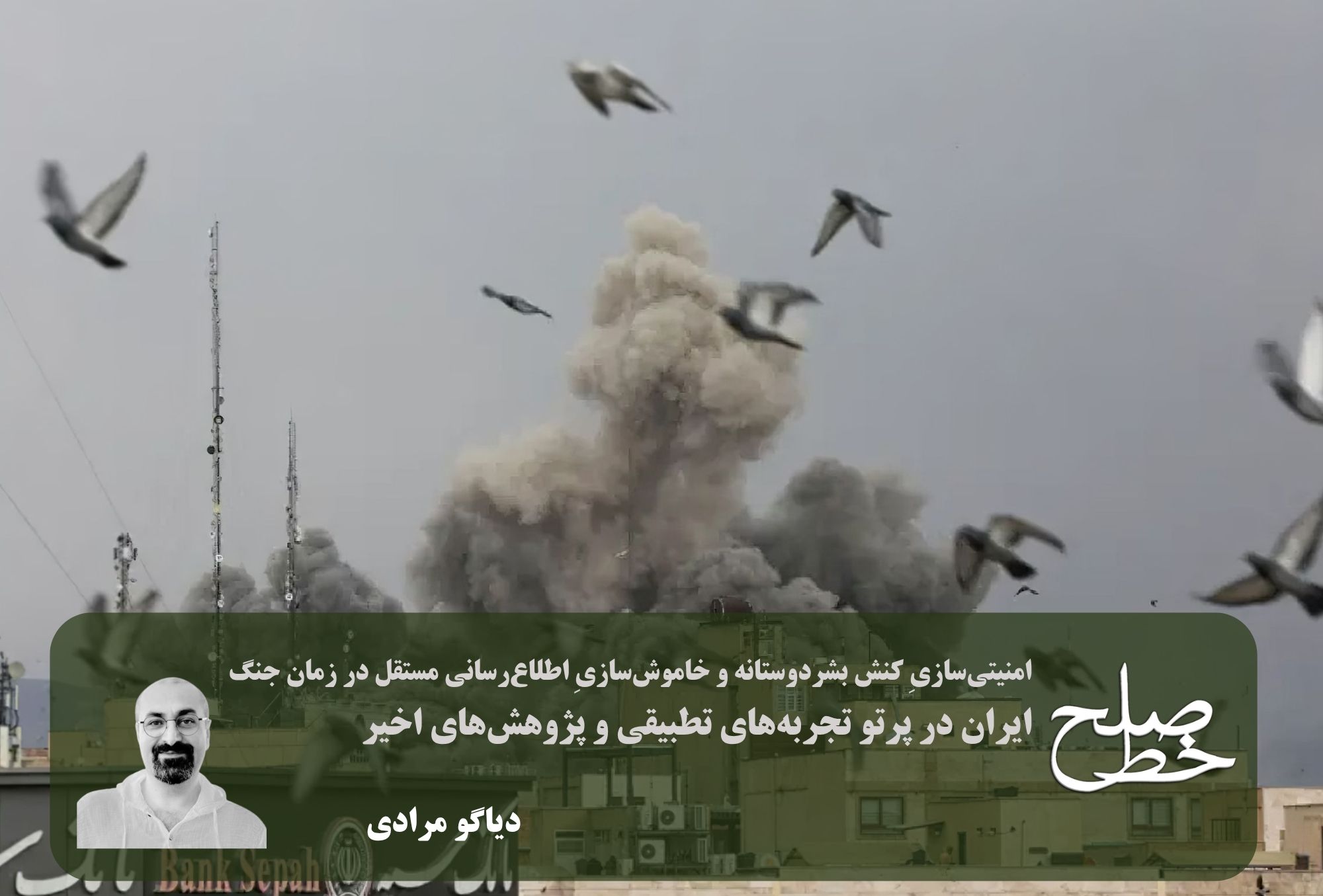
Securitizing Humanitarian Action and Silencing Independent Reporting in Times of War/Diako Moradi
This article attempts to show that in contemporary wars, the battlefield is no longer limited to the military arena, but that the humanitarian, media, communication, and legal spheres are increasingly integrated into the logic of war. In such a situation, war is waged not only through weapons, bombing, and the destruction of physical infrastructure, but […]...
Read More
Created By:
Diako Moradi March 21, 2026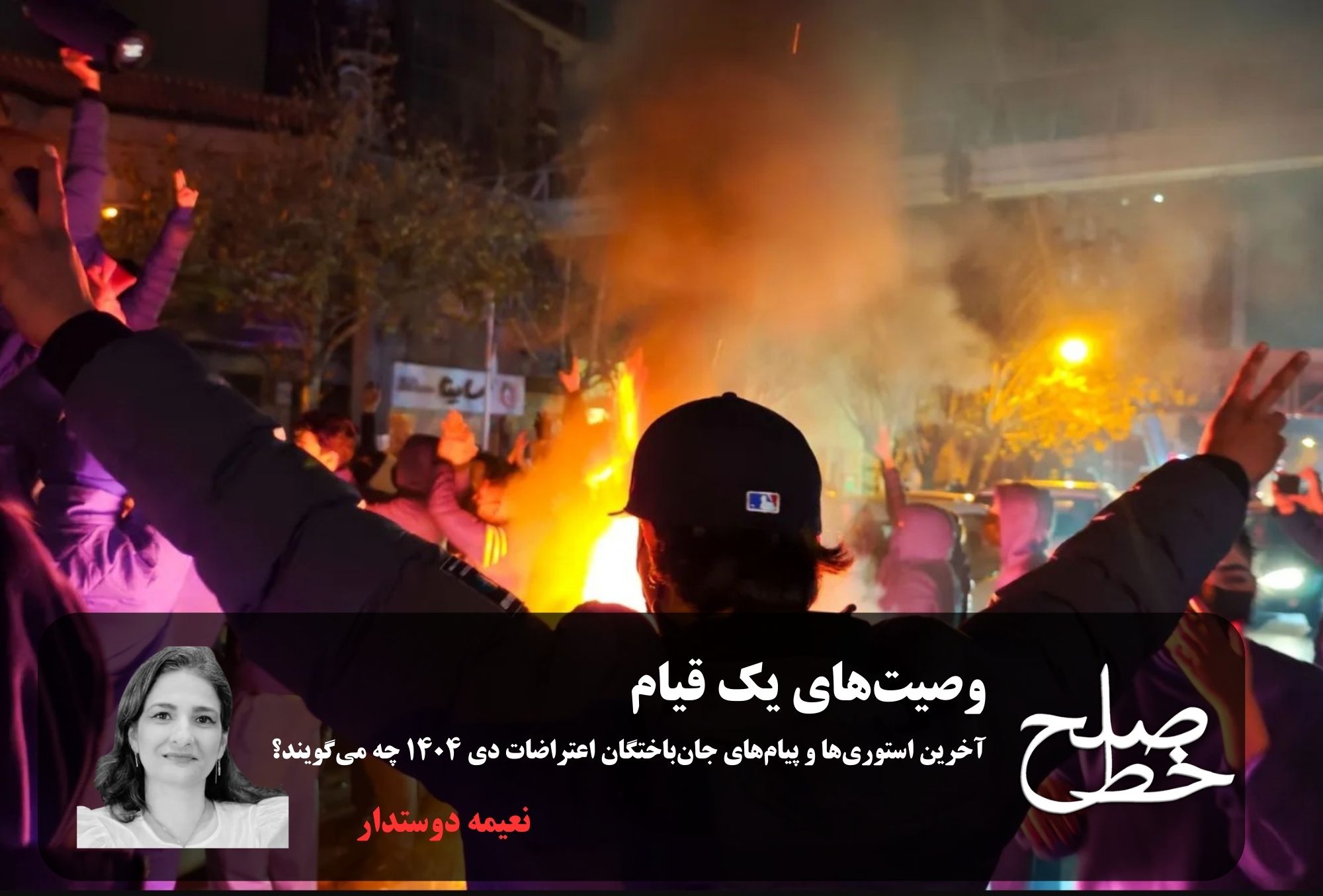
Testaments of an Uprising/Naimeh Doostdar
January 1404 was a time for a number of protesters to say their “last words”; a sentence recorded in a few lines on Instagram stories, or in a few-second video, sometimes in a brief call to family, and sometimes in a will that the survivors tried to carry out without fail. These messages, republished in […]...
Read More
Created By:
Naeimeh Doustar February 20, 2026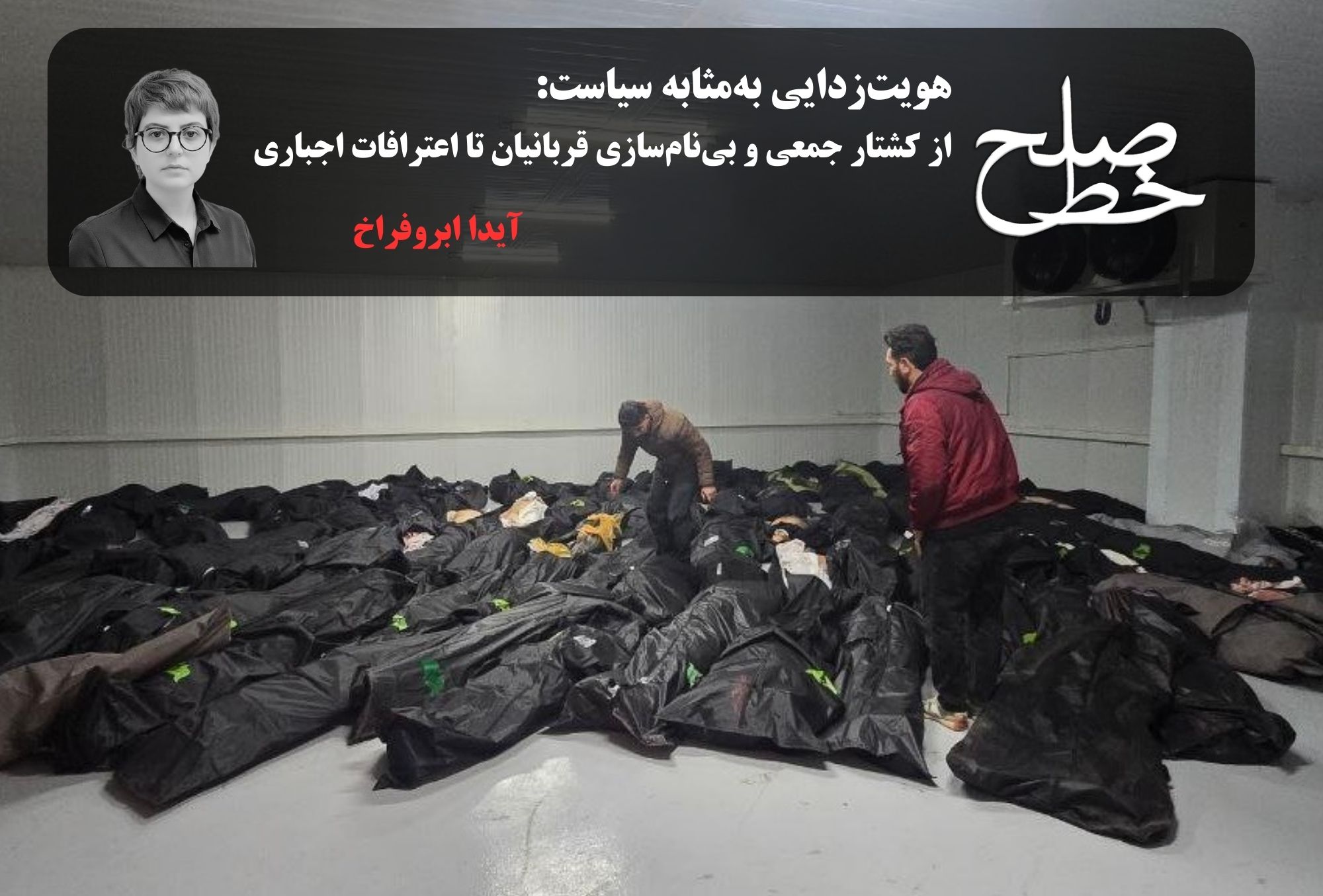
De-identification as Politics/Aida Abrofarakh
In the analysis of state violence, a focus solely on the moment of killing or the number of victims often obscures the deeper mechanisms that enable and anchor widespread violence in a social context. Violence, especially in the form of mass killing, is not a sudden, momentary act, but a gradual process that begins before […]...
Read More
Created By:
Aida Abroufarakh February 20, 2026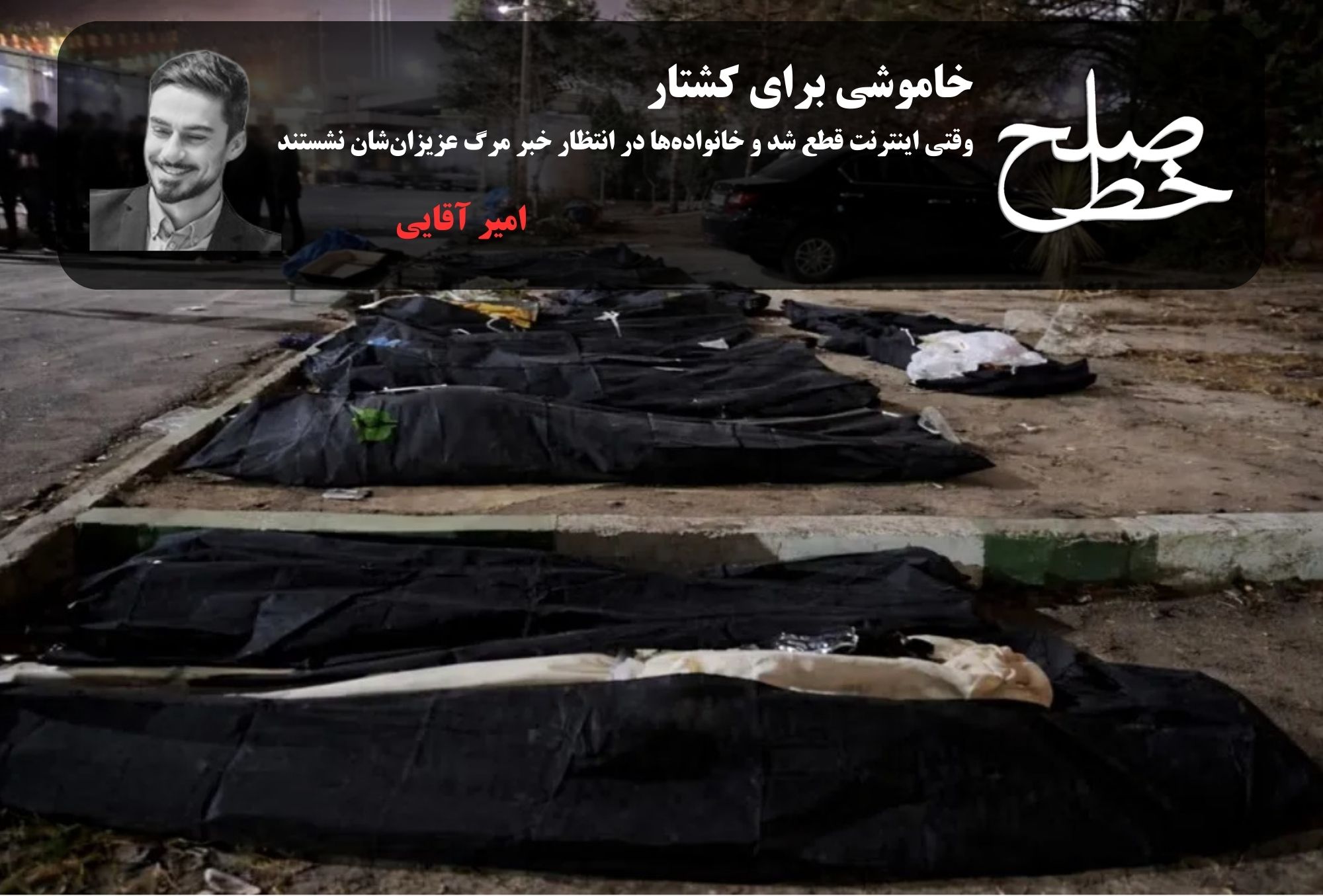
Silence for the Killing/Amir Aghaei
The following text is a scribble by a young man from inside Iran about the internet shutdown during the recent protests. It was originally supposed to be a report on the internet shutdown, but I couldn’t. No matter how much I tried to maintain an impartial tone of reporting, I couldn’t. No matter how much […]...
Read More
Created By:
Amir Aghayi February 20, 2026
