


Latest Posts
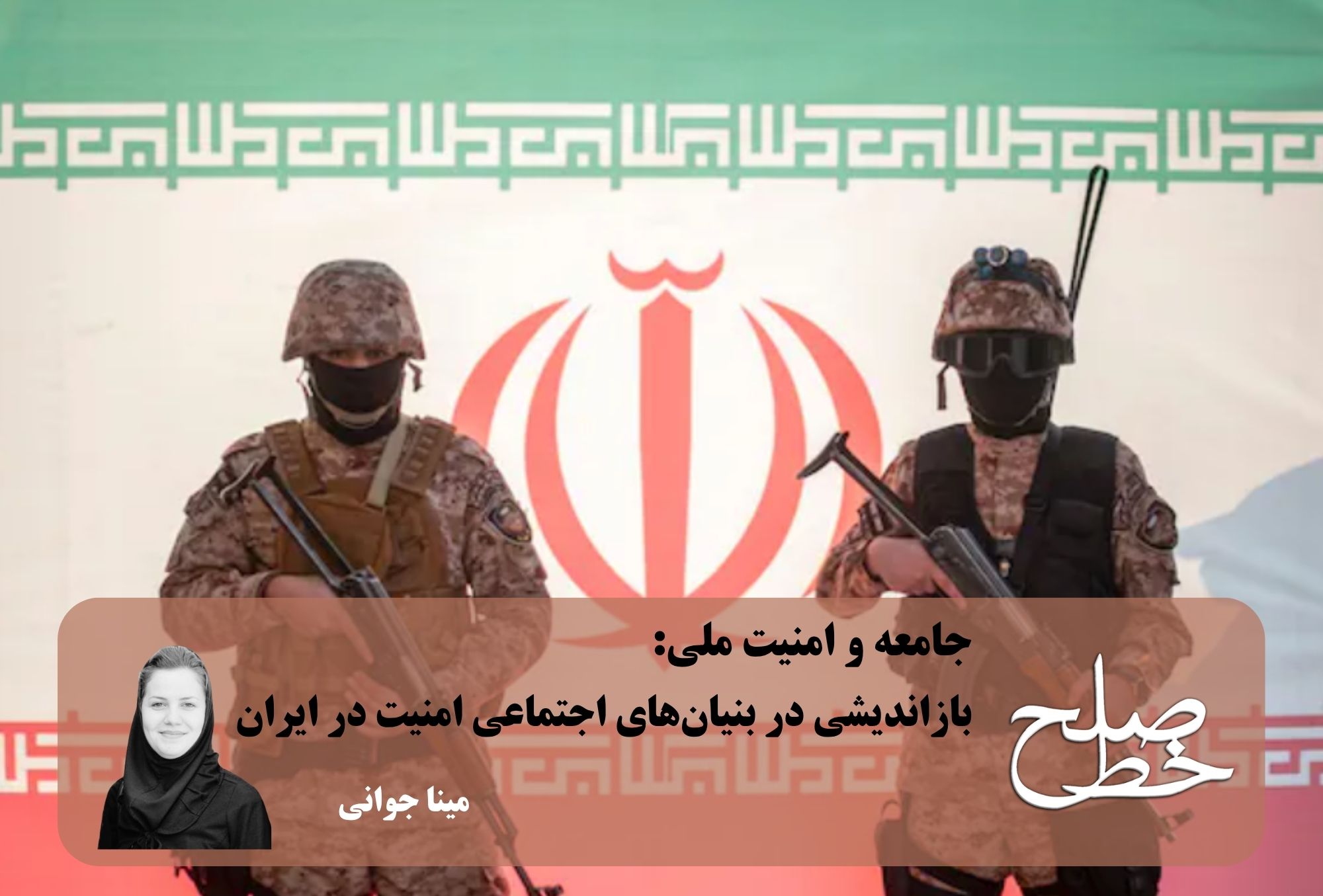
Society and National Security: Rethinking the Social Foundations of Security in Iran/ Mina Javani
In periods of heightened external threats, the concept of national security naturally becomes the focus of public policymaking. In such circumstances, the expansion of state authority, the strengthening of security institutions, and the restriction of certain civil liberties are often justified by invoking the “necessity of security.” This logic is based on the assumption that […]...
Read More Created By: Mina Javani
 July 23, 2026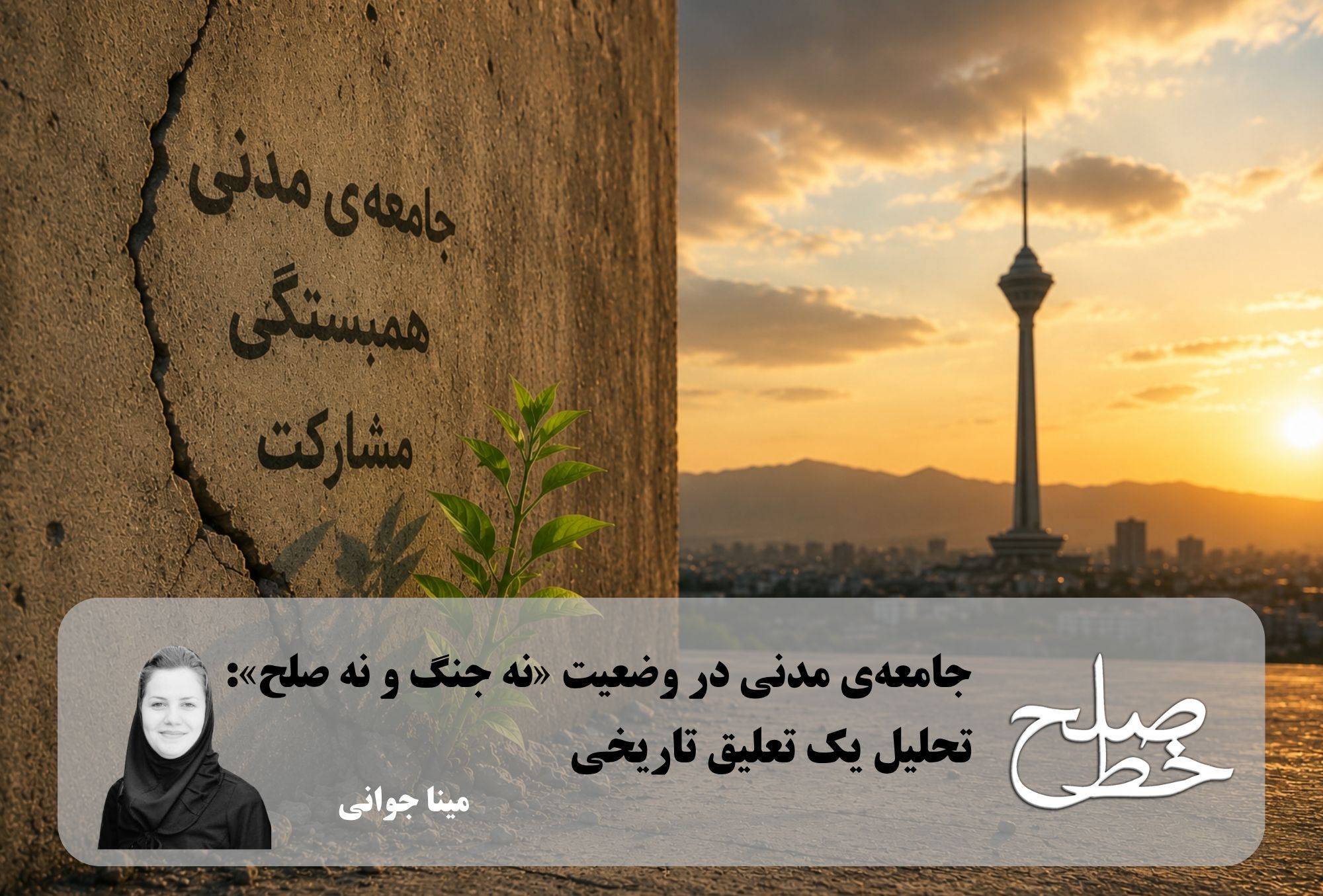
Civil Society in a State of “Neither War nor Peace”: An Analysis of a Historical Suspension/ Mina Javani
At important historical moments, what changes more than anything else is not only political and economic structures, but the way time itself is experienced. In such moments, societies no longer move along the ordinary continuum of past and future; rather, they become trapped in a kind of prolonged and suspended present. A major event has […]...
Read More
Created By: Mina Javani
June 22, 2026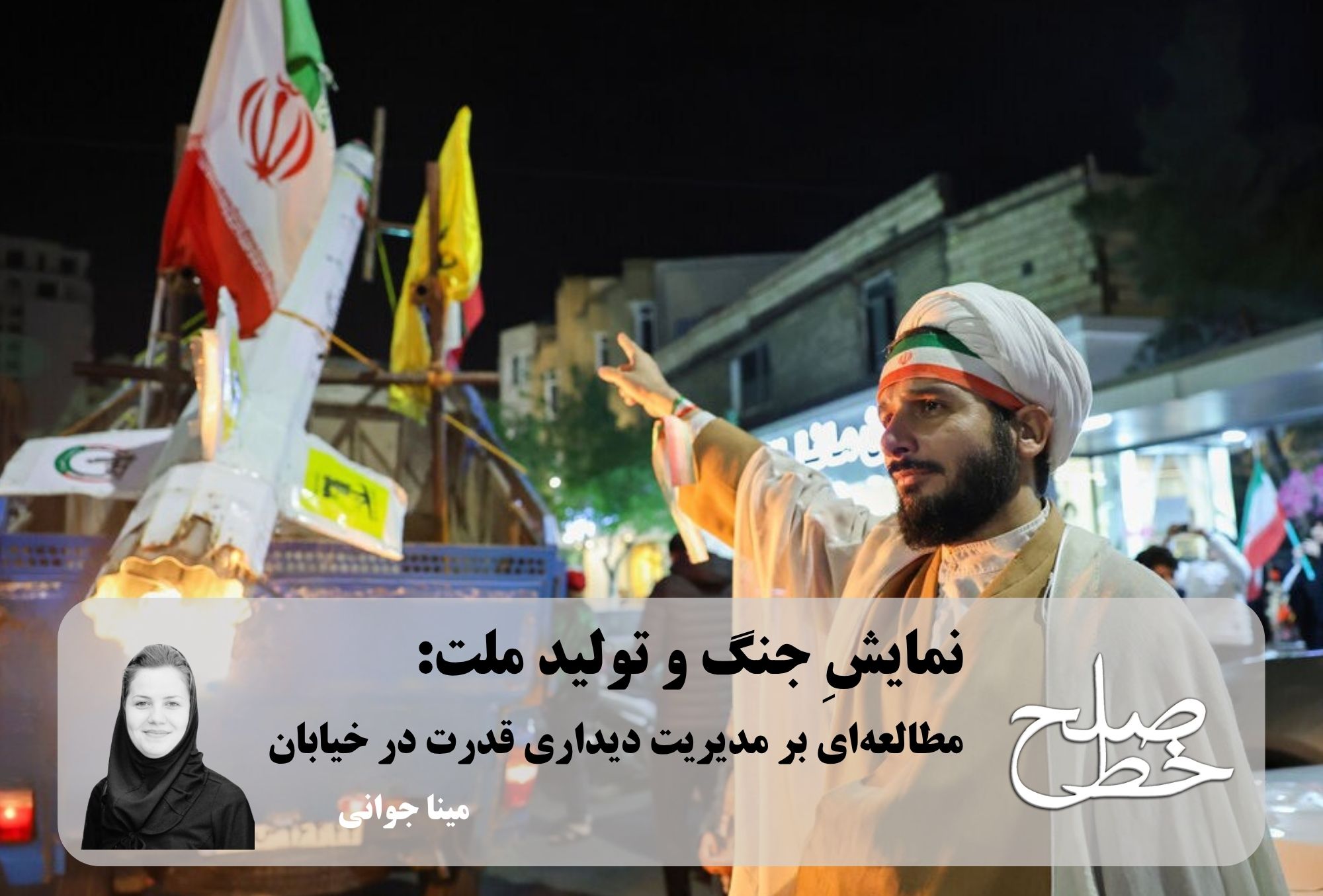
The Spectacle of War and the Production of the Nation: A Study of the Visual Management of Power in the Street / Mina Javani
Since the first nights of the war, the streets of Iranian cities have become the stage for a form of theatrical politics: gatherings, supported by the government, filled with lights, flags, anthems, and mowkebs, which seemed less a natural reflection of the social situation than an attempt to produce a uniform and coherent image of […]...
Read More
Created By: Mina Javani
May 22, 2026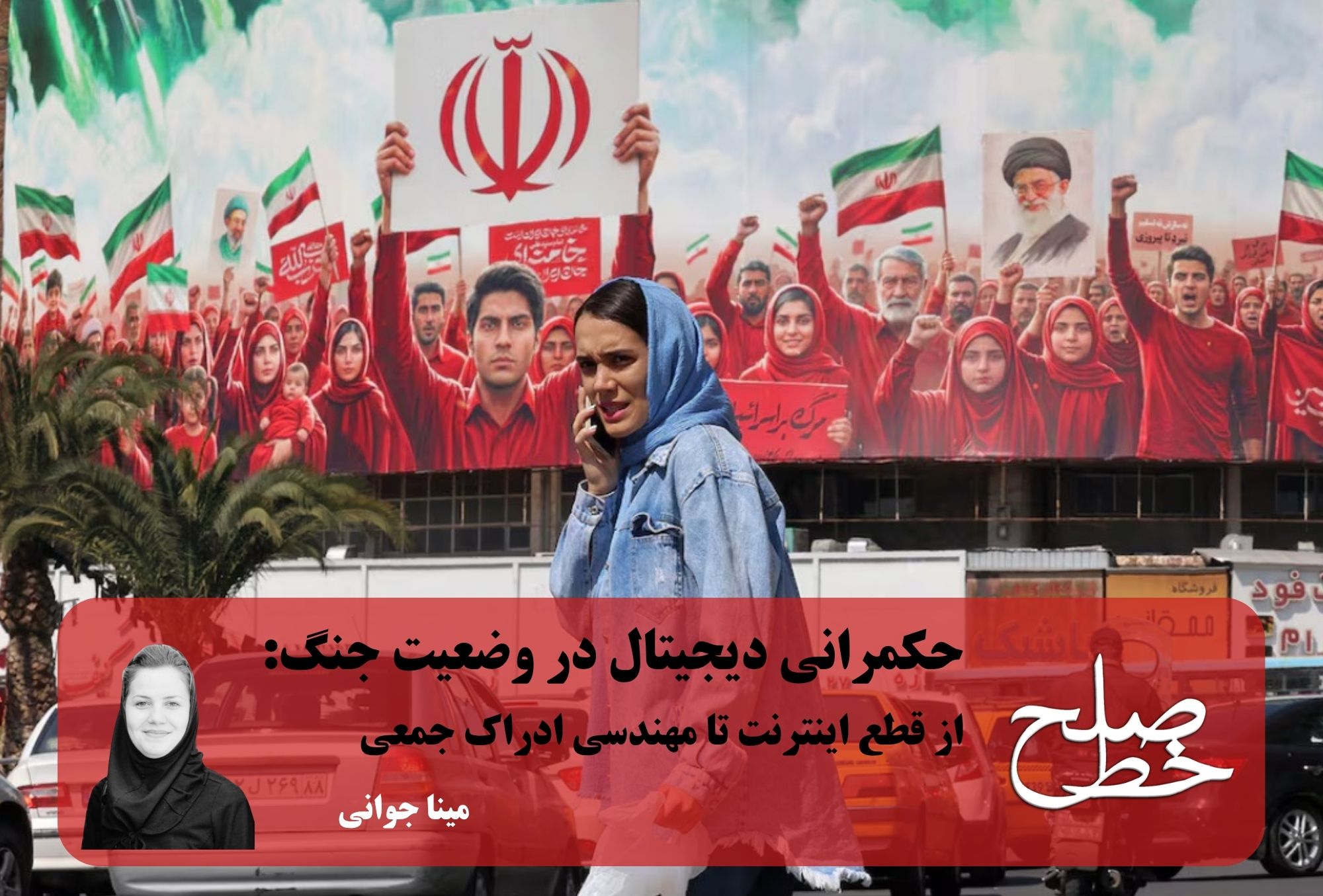
Digital Governance in a State of War: From Internet Shutdowns to the Engineering of Collective Perception/ Mina Javani
Sometimes, in the midst of war, what disappears is not only sounds and images, but access to reality itself. The internet, this seemingly obvious and always-available platform, suddenly goes dark in such moments and plunges society into a state of informational rupture; a condition in which the boundary between what is happening and what is […]...
Read More
Created By: Mina Javani
April 21, 2026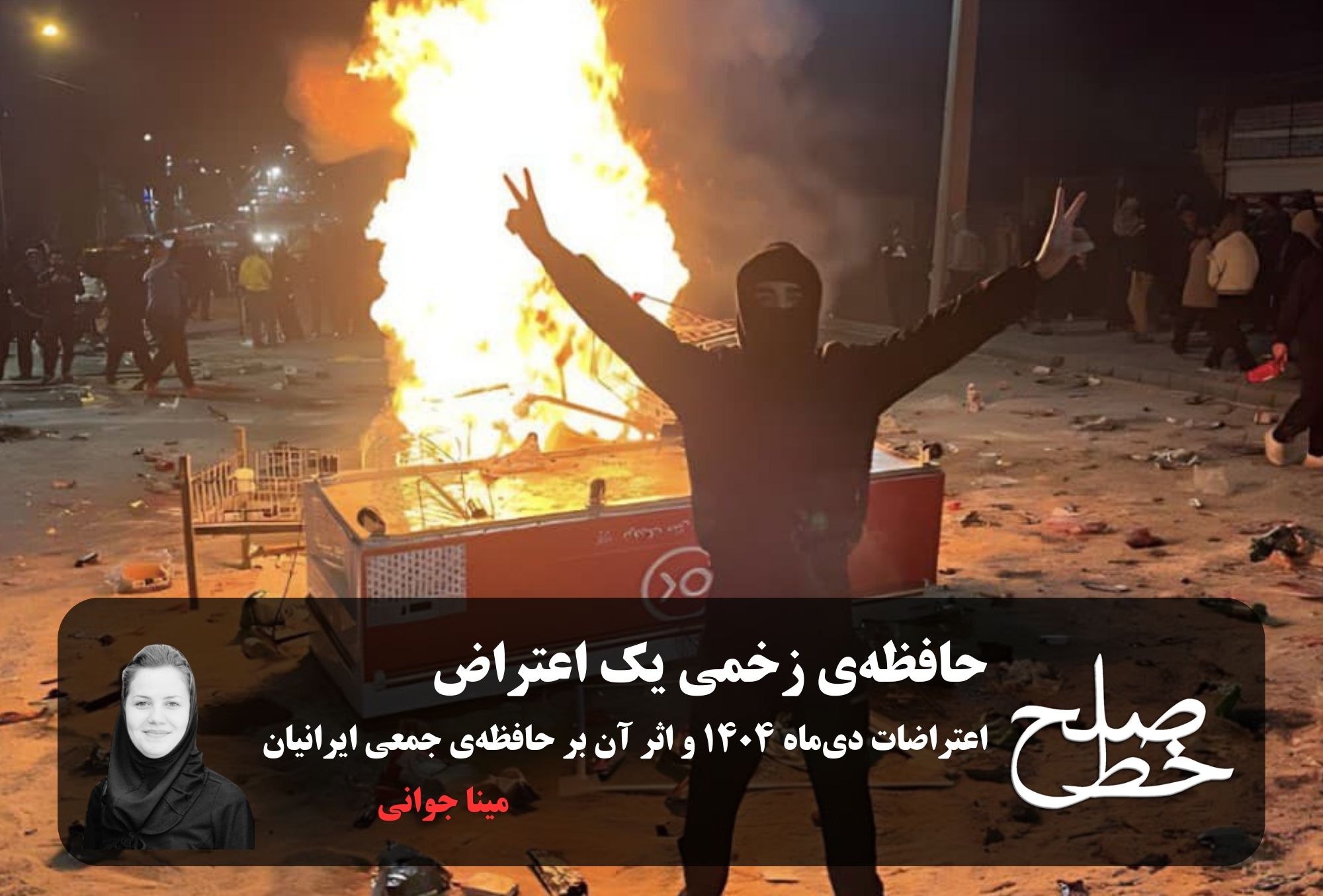
The Wounded Memory of a Protest/Mina Jawani
The protests of January 1404 are remembered neither as a single image nor as a narrative that can be easily retold. What remains is more of a scattering: unfinished scenes, videos that were cut short, streets that emptied sooner than expected. They neither became a moment of triumph nor a complete defeat; they remain in […]...
Read More
Created By: Mina Javani
February 20, 2026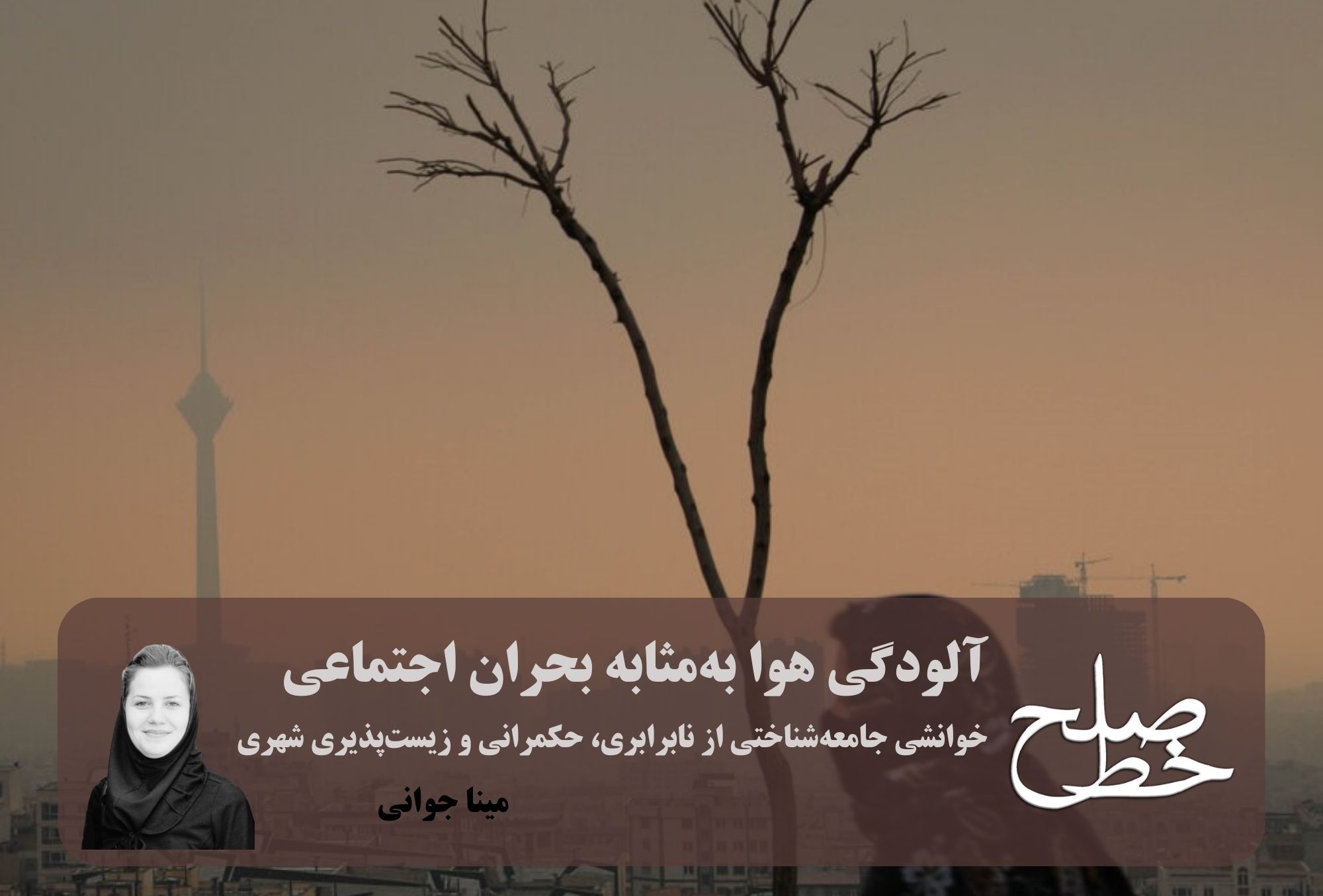
Air Pollution as a Social Crisis/Mina Jawani
In recent decades, air pollution has become one of the most persistent and complex environmental and social challenges in Iran’s major cities; a challenge that, although seemingly an environmental and public health issue, functions far beyond an ecological crisis in sociological analysis. Today, air pollution has emerged as a “full-fledged social phenomenon”; a phenomenon in […]...
Read More
Created By: Mina Javani
December 22, 2025
From Bread to Justice/ Mina Javani
Food insecurity in Iran is no longer merely a subsistence issue; it is a symptom of deeper fractures in the country’s economic, environmental, and institutional structures. In a world where food production has never been so technologically widespread, the persistence of hunger and malnutrition across societies points above all to inequality in resource distribution and […]...
Read More
Created By: Mina Javani
November 22, 2025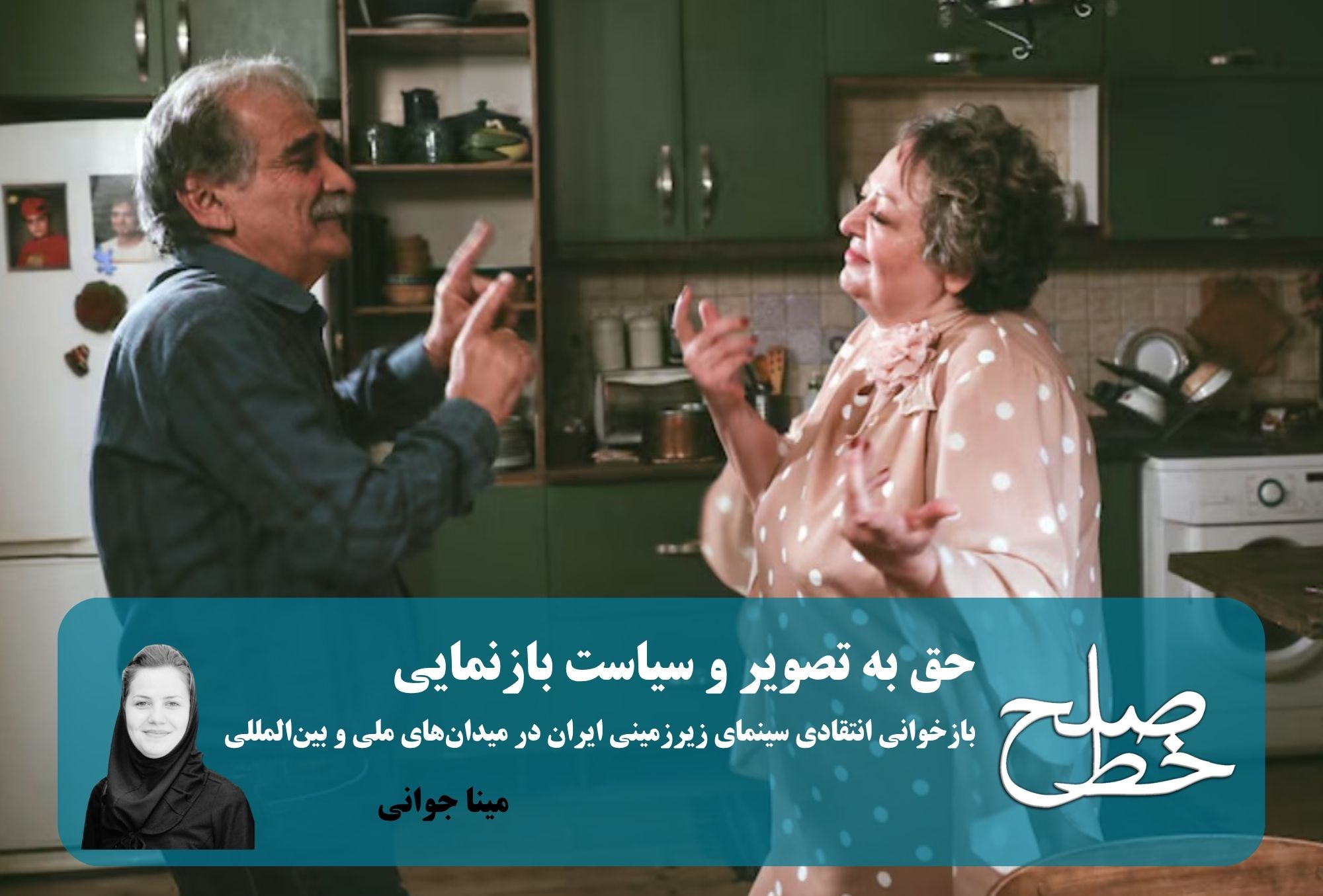
The Right to Image and the Politics of Representation/ Mina Javani
Iran’s underground cinema, as a semi-independent and often marginal sector of the country’s film production, has consistently navigated the intersection of legal restrictions, cultural pressures, and media representations. These films, produced outside the official mechanisms of Iranian cinema, not only provide a platform for expressing real social and ecological experiences, but also serve as vehicles […]...
Read More
Created By: Mina Javani
October 23, 2025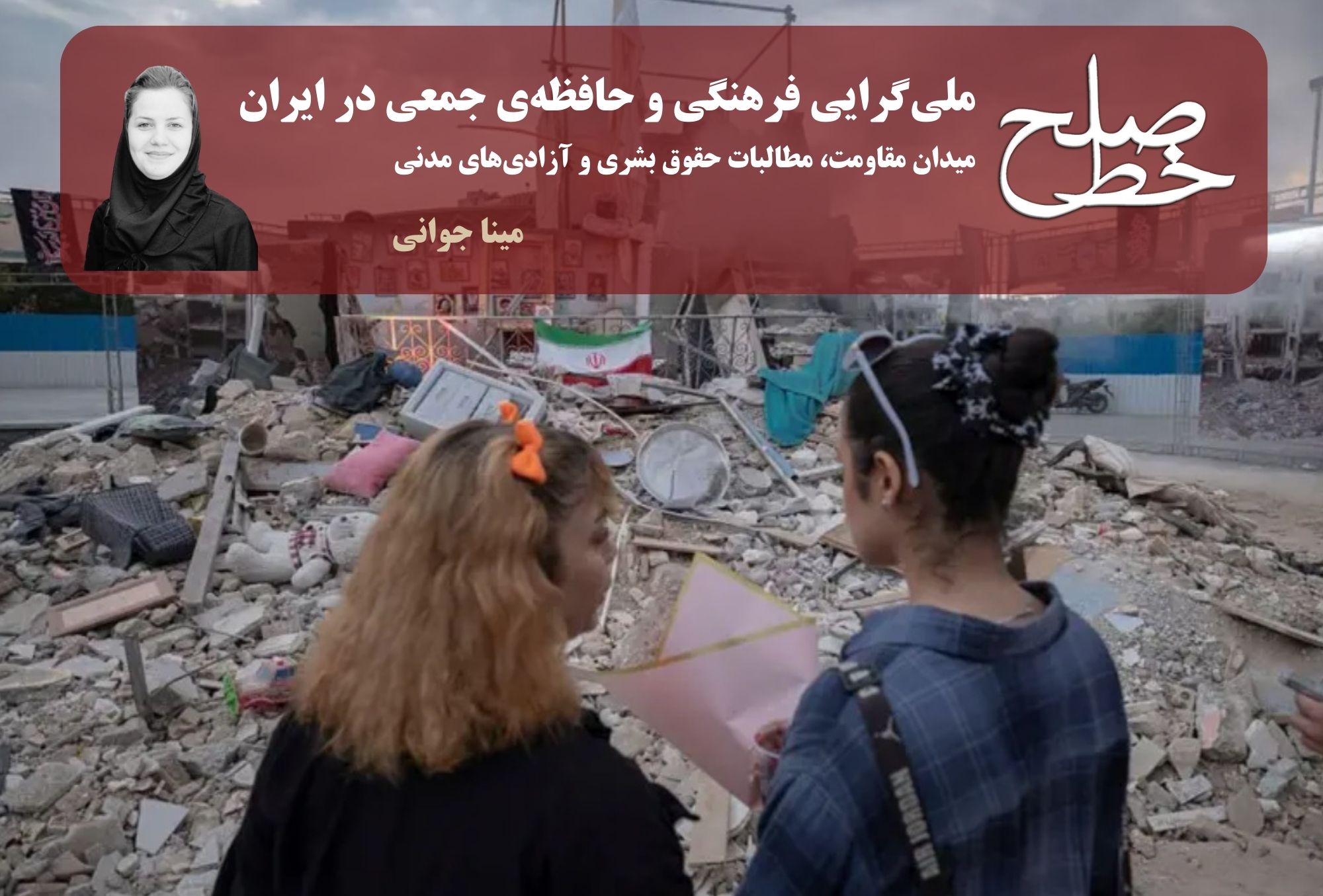
Cultural Nationalism and Collective Memory in Iran/ Mina Javani
Collective memory in societies grappling with political crises and repressive structures functions not merely as a recollection of the past, but as a space for cultural resistance, redefinition of social identity, and advocacy for human rights. In contemporary Iran, the representation of national symbols—ranging from flags and cultural rituals to patriotic poetry and music—has taken […]...
Read More
Created By: Mina Javani
September 23, 2025
Cold peace as a model of governance in the post-crisis era/ Mina Javani
After the end of the twelve-day war, the situation in Iran has seemingly entered a phase of stability; a phase that in political discourse is referred to as “mutual restraint” or “controlled tension”, but at a structural level, it is not only a sign of a return to normalcy, but also a continuation of the […]...
Read More
Created By: Mina Javani
August 23, 2025
