


Latest Posts

Revisiting the Role of the Media in the Twelve-Day War/ Mina Javani
In times of crisis—particularly within the context of military conflicts—the media move beyond their conventional role as mere transmitters of information. They become active agents in shaping public opinion, constructing dominant narratives, and organizing collective emotions. The twelve-day war between Iran and Israel once again demonstrated that the battlefield is not confined to weaponry and […]...
Read More Created By: Mina Javani
 July 23, 2025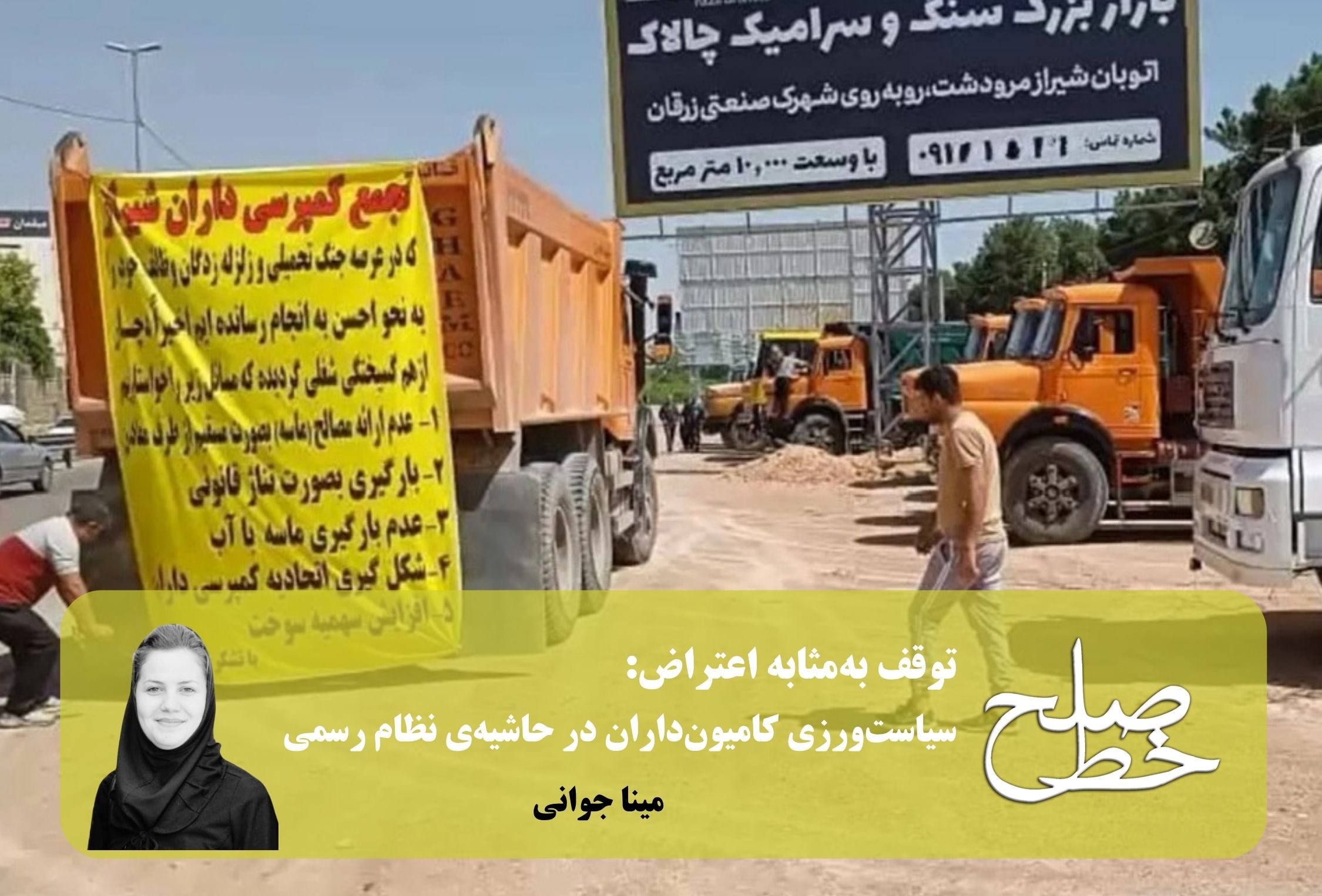
Stopping as Protest: The Political Practice of Truck Drivers on the Margins of Iran’s Formal System/ Mina Javani
In recent decades, strikes—as one of the main forms of collective action in contemporary societies—have become more than merely a professional response. They have transformed into powerful tools for expressing demands in contexts where institutionalized and formal participation is limited or blocked. In Iran, too—where structures for labor and trade union organization face legal, political, […]...
Read More
Created By: Mina Javani
June 22, 2025
Policy of Mourning: In search of solidarity amidst today’s crises / Mina Javani
Grief is not only a personal experience of loss, but also a social and political phenomenon that is closely linked to power structures, storytelling, and collective memory. In societies under the rule of authoritarian governments, mass deaths – particularly those caused by structural incapacity, widespread censorship, or management crises – take on a special political […]...
Read More
Created By: Mina Javani
May 22, 2025
“Exploring Financial Insecurity and Erosion of Social Capital in Contemporary Iran / Mina Javani”
In the midst of the recent years’ intense transformations and chronic instabilities, Iranian society has been faced with a multifaceted erosion of social fabric; a situation that is not only observable in economic and political indicators, but also in the lived experiences of citizens. Among the key components of this multi-layered crisis, three phenomena stand […]...
Read More
Created By: Mina Javani
April 21, 2025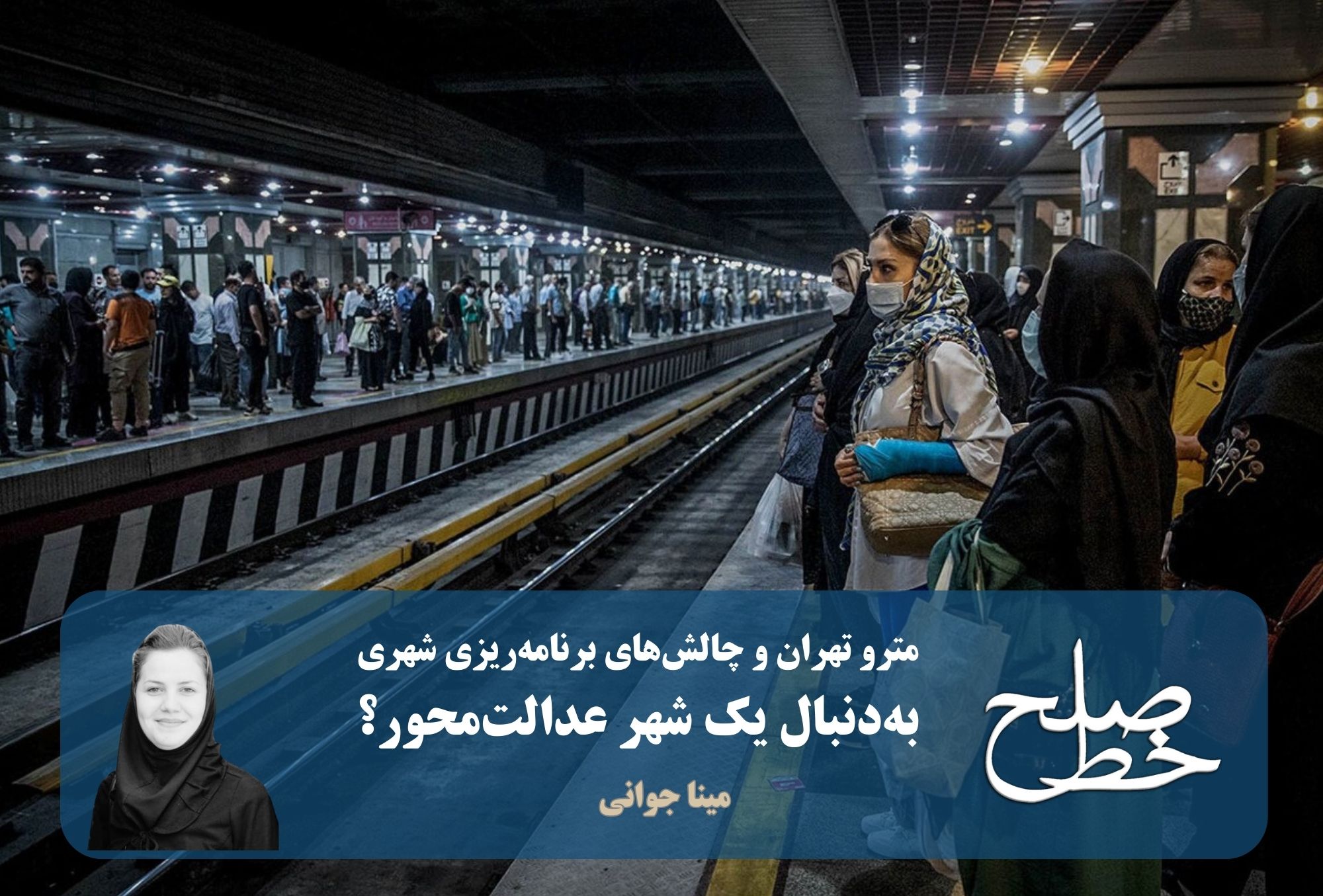
Looking for a justice-centered city?/ Mina Javani
The Tehran metro is no longer just a means of public transportation, but has turned into a battleground where tension, struggle, and survival take place in every corner. Every day, thousands of passengers search for a chance to catch their breath amidst the overcrowding and pressure at stations that cannot accommodate such a large population. […]...
Read More
Created By: Mina Javani
March 21, 2025
City as a Territory: Reproducing Inequalities through Spatial Policies in Tehran / Mina Javani
The division between center and periphery is one of the fundamental mechanisms shaping economic, social, and cultural inequalities in modern societies. This distinction, which is reproduced in historical and structural contexts, is not only evident in macro-level policies, but also in the smallest elements of urban life. The recent decision by the Tehran City Council […]...
Read More
Created By: Mina Javani
February 19, 2025
A Cold Winter, a Silent Market/ Mina Javani
As winter begins, cold weather and rising energy consumption have once again cast the shadow of a power outage crisis over the daily lives of people and their economic activities. These blackouts, often occurring without prior notice, have paralyzed both small and large businesses while placing additional pressure on households. The Hassanabad Market and Tehran’s […]...
Read More
Created By: Mina Javani
December 21, 2024
