


Women’s movement
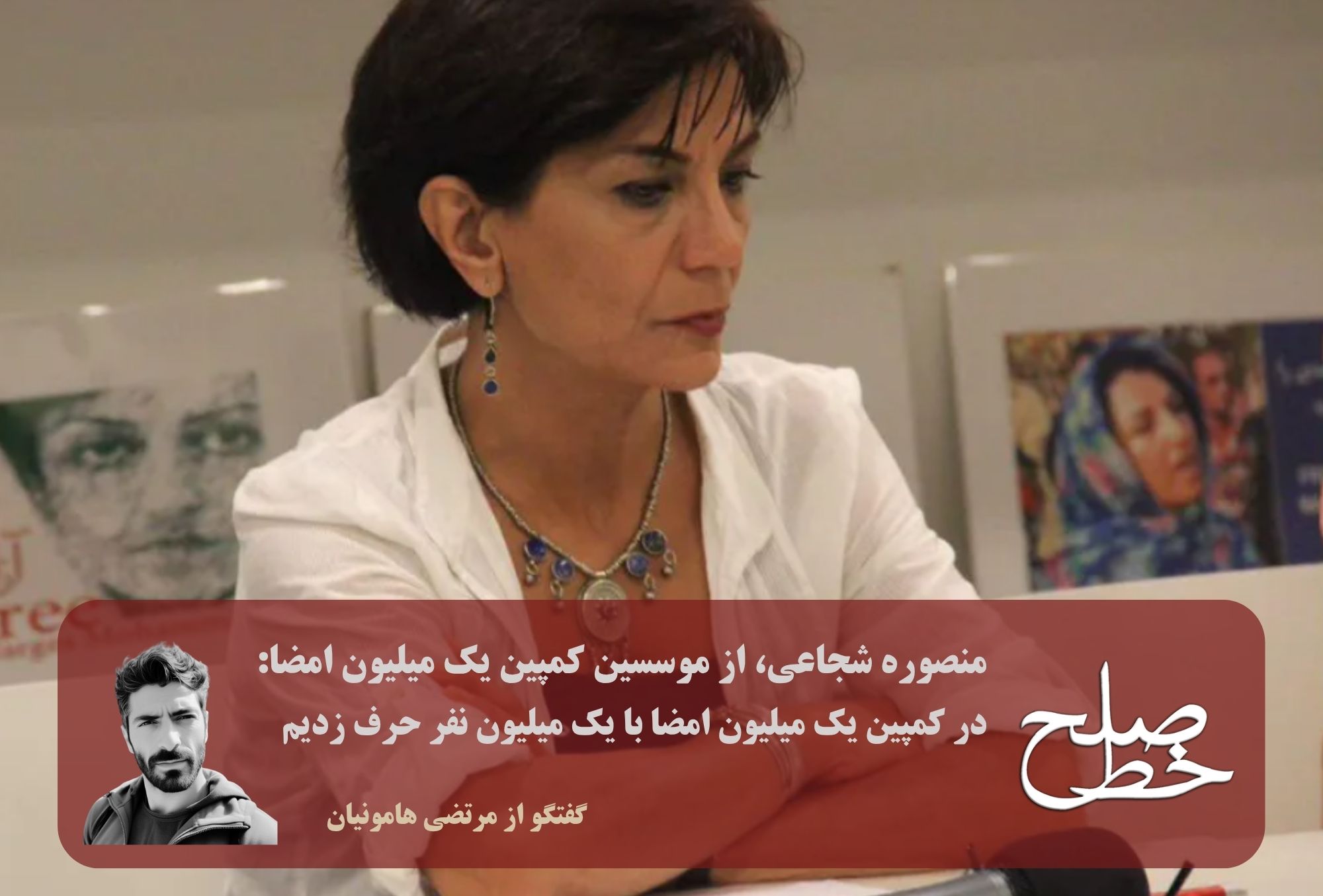
Mansoureh Shojaee: In the One Million Signatures Campaign, We Spoke with One Million People/ Morteza Hamounian
The One Million Signatures Campaign to Change Discriminatory Laws was one of the important and influential experiences of the Iranian women’s movement in the 2000s; a campaign launched in September 2006 (Shahrivar 1385) with the aim of changing unequal laws against women, whose activities were based on direct dialogue with people, legal education, and a […]...
Read More Created By:
Morteza Hamounian
Created By:
Morteza Hamounian September 23, 2026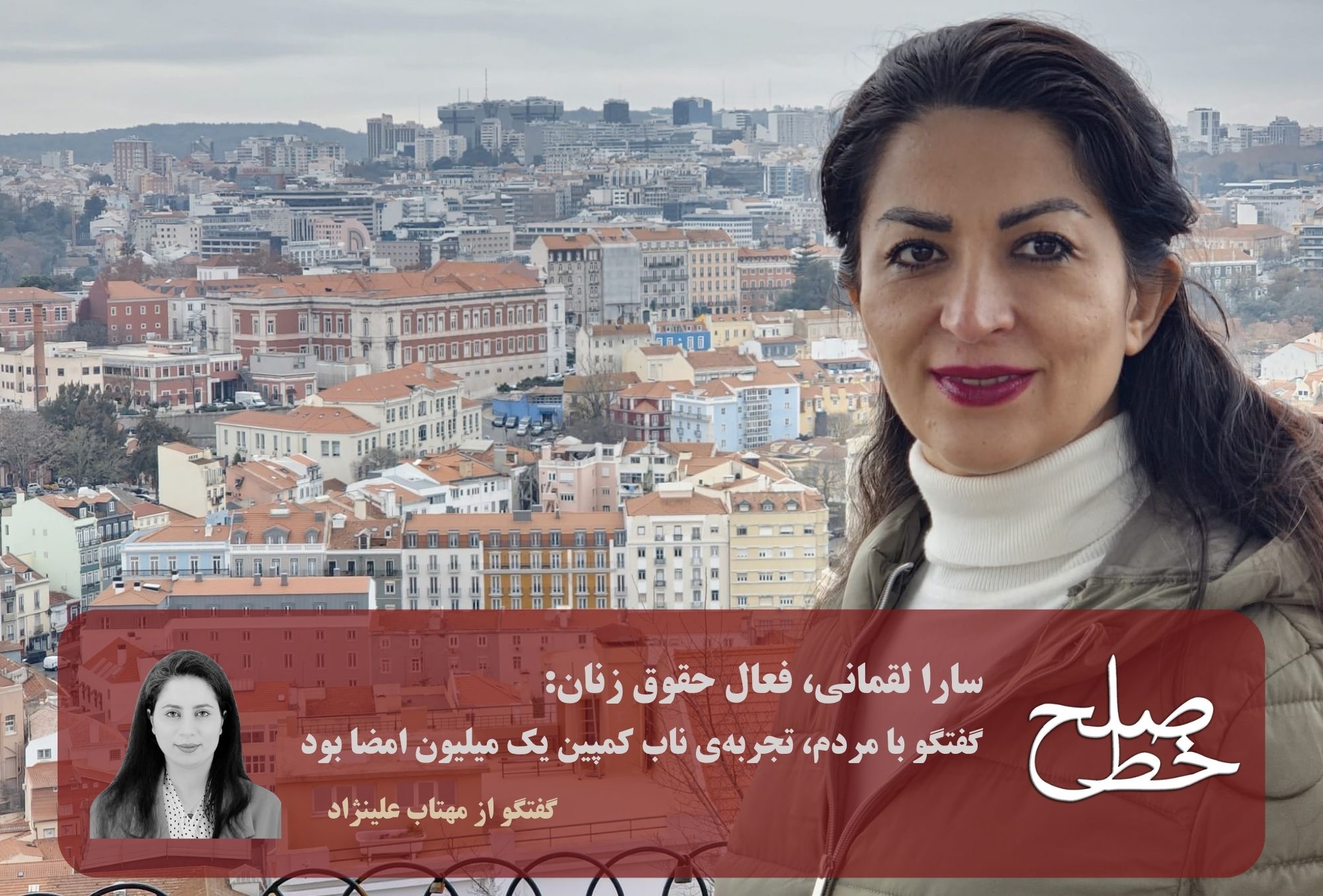
Sara Loghmani: Talking with People Was the One Million Signatures Campaign’s Most Unique Experience/ Mahtab Alinejad
On the twentieth anniversary of the formation of the “One Million Signatures Campaign to Change Discriminatory Laws,” revisiting this experience has once again taken on particular importance. Launched in September 2006 (Shahrivar 1385) with the aim of reforming laws that discriminated against women, the campaign did not limit its activities to collecting signatures. Through direct […]...
Read More
Created By:
Mahtab Alinezhad September 23, 2026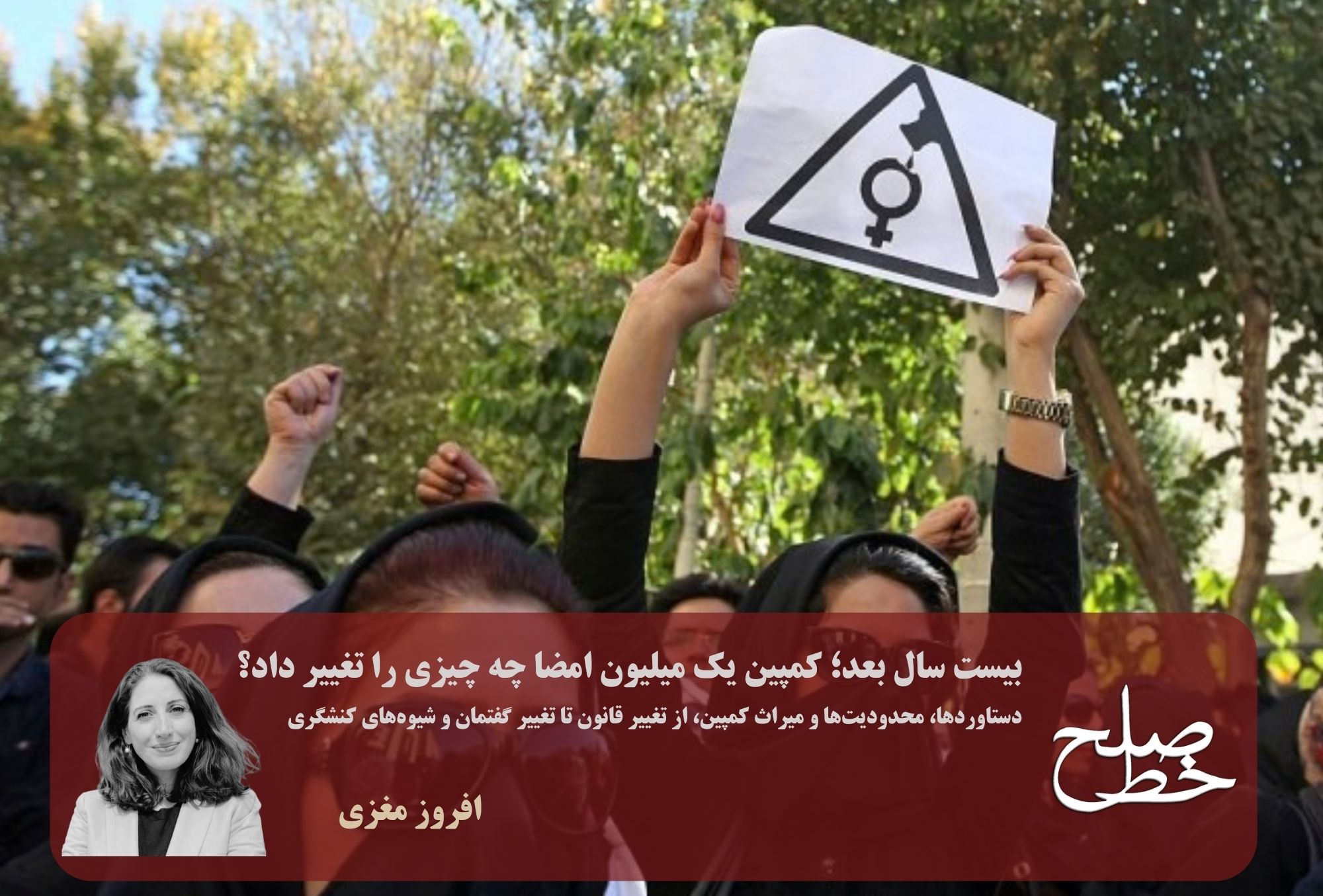
Twenty Years Later: What Did the One Million Signatures Campaign Change?/ Afrouz Maghzi
Question 1: Looking back from a distance of twenty years at August 27, 2006 (5 Shahrivar 1385), and the launch of the “One Million Signatures Campaign,” what is the greatest misconception in evaluating this movement, and where should its real achievement be sought? The greatest mistake is to measure the campaign’s success or failure solely […]...
Read More
Created By:
Afrouz Maghzi September 23, 2026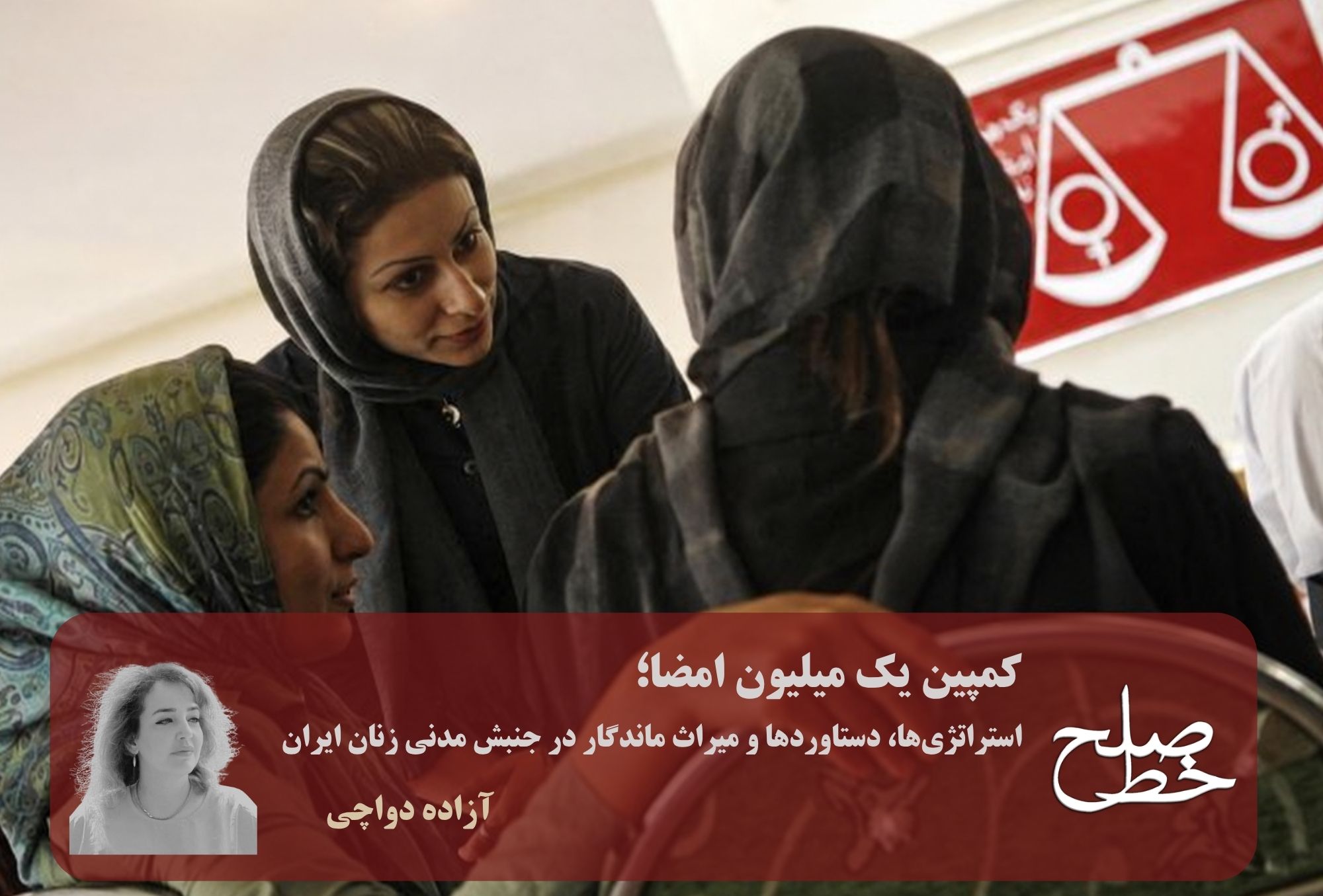
The One Million Signatures Campaign: Strategies, Achievements, and an Enduring Legacy in Iran’s Women’s Civil Movement/ Azadeh Davachi
The “One Million Signatures Campaign to Change Discriminatory Laws” (Change for Equality), launched in August 2006 (Mordad 1385) through the efforts of a group of women’s rights activists, is regarded as one of the most prominent, cohesive, and influential collective actions in Iran’s contemporary history. By adopting an issue-oriented approach and making use of social […]...
Read More
Created By:
Azadeh Davachi September 23, 2026
How the “Women’s Freedom Movement” made it impossible to go back; a conversation with Azar Tashakkor / Pedram Tahsini
Azar Tashakor is a sociologist and an active researcher who is concerned with social changes. She has carried out various research and facilitation projects throughout Iran, mostly in the areas of cities and women. In addition to observing, writing, and presenting sociological analyses, Azar Tashakor is also a life coach. She explains that coaching is […]...
Read More
Created By:
Padram Tahsini August 22, 2024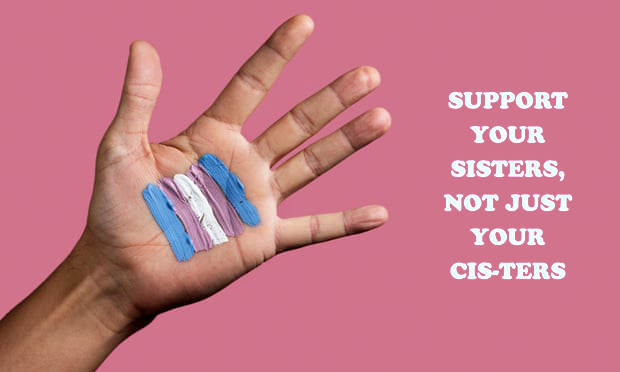
Feminism and historical revolutions towards a gender-inclusive society/Razvaneh Mohammadi
During recent months, after the transphobic remarks of the famous British writer J.K. Rowling, some cisgender feminists came to her defense, believing that their experience as women is not being recognized enough and their voices were at risk of being silenced. They argued that the oppression experienced by cisgender women has been overshadowed by the […]...
Read More
Created By:
Razvaneh Mohammadi January 20, 2021
Created By:
Aida Abroufarakh July 28, 2015
