


War
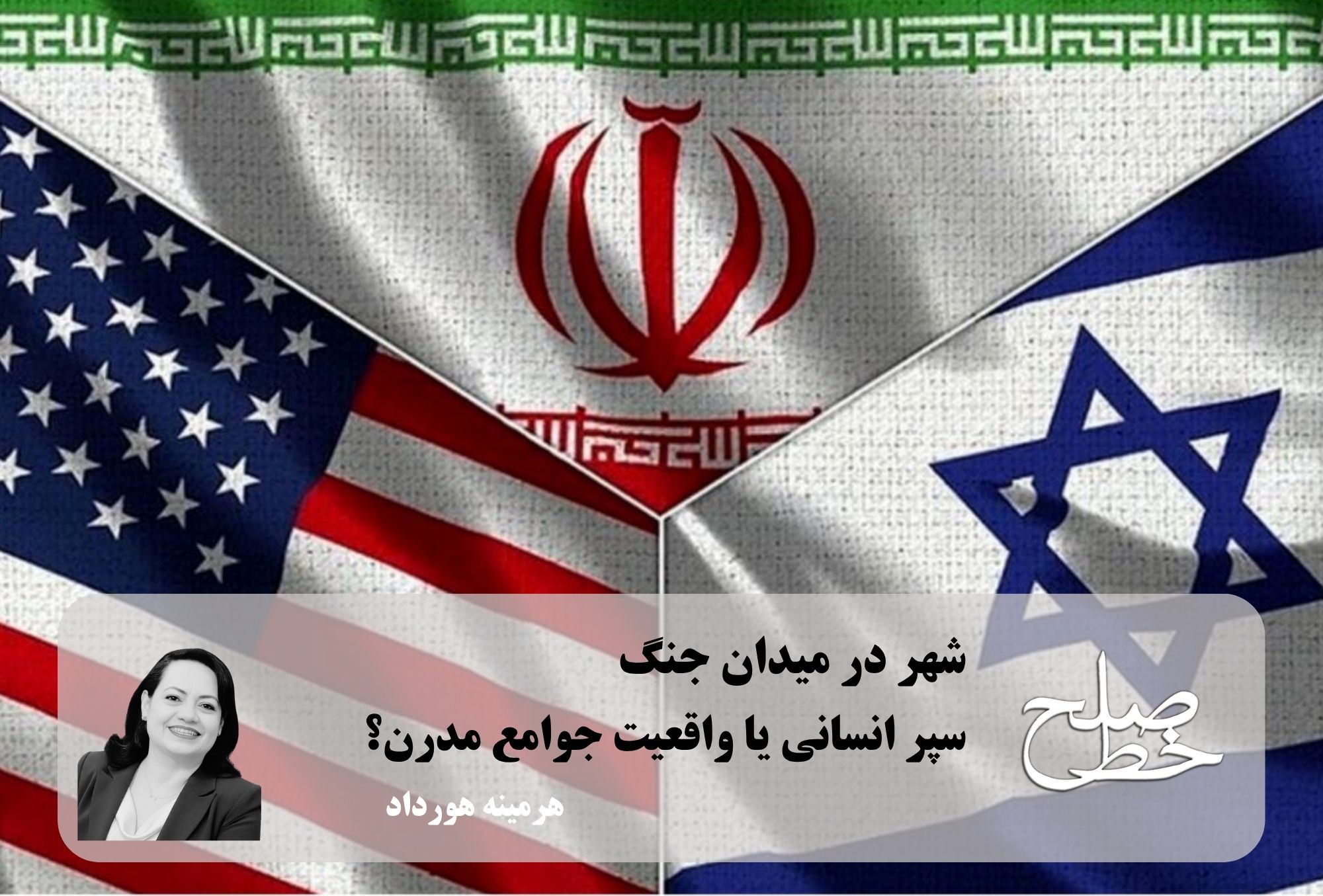
The City on the Battlefield: Human Shield or the Reality of Modern Societies?/ Hermineh Hourdad
In recent years, alongside the expansion of military conflicts in the Middle East, this question has repeatedly been raised: does the Islamic Republic of Iran deliberately use people as “human shields,” or is what we are witnessing the product of the complex structure of modern societies and the concentration of infrastructure in cities? This question […]...
Read More Created By:
Hermineh Hourdad
Created By:
Hermineh Hourdad June 22, 2026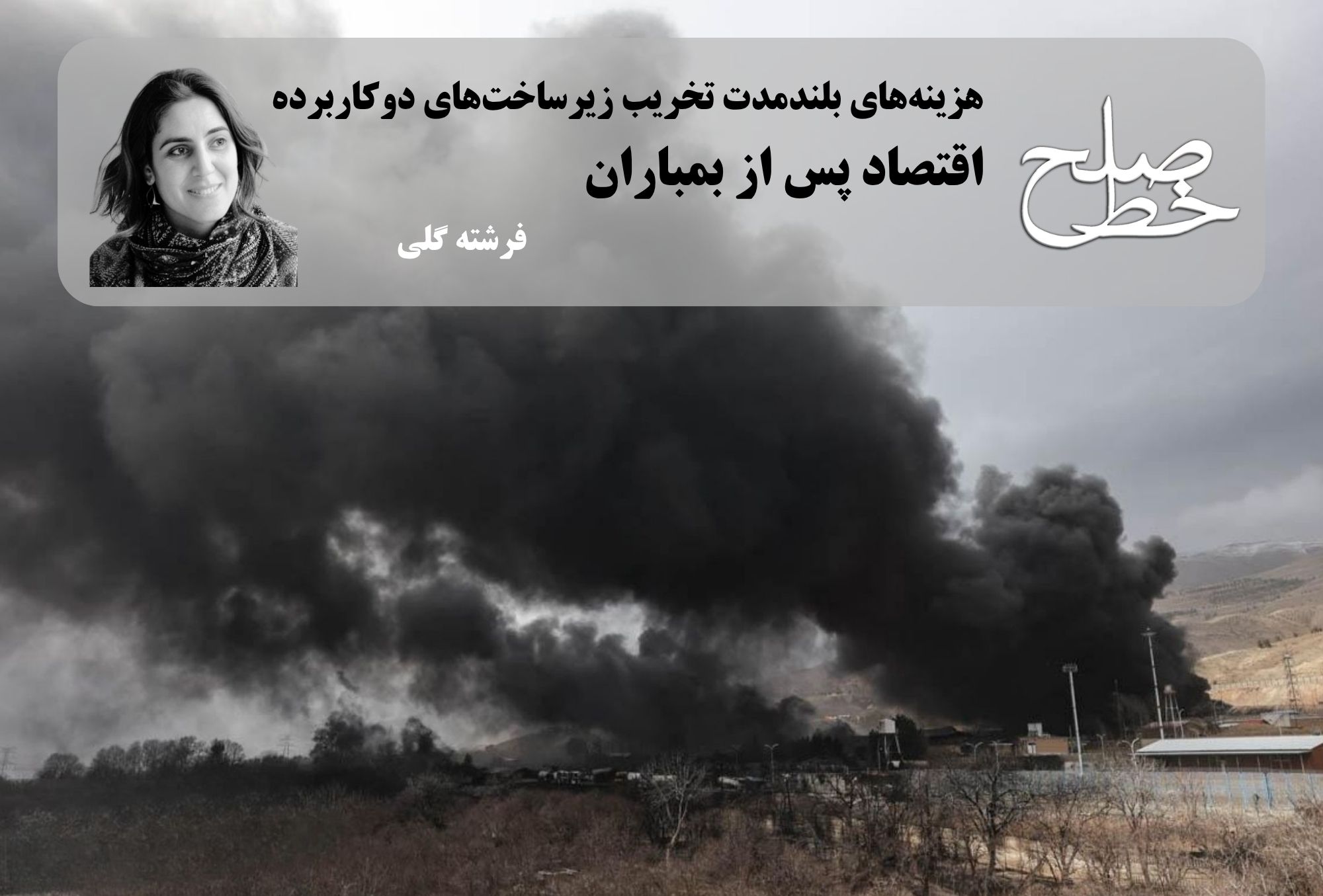
The long-term costs of destroying dual-use infrastructure/ Fereshteh Goli
Before addressing the main subject of this note, it is better to offer a definition of dual-use infrastructure. Although no clear and direct definition has been provided for “dual-use industries and infrastructure,” based on general concepts and the use of this term in texts related to security and economics, it can be said that dual-use […]...
Read More
Created By:
Fereshteh Goli June 22, 2026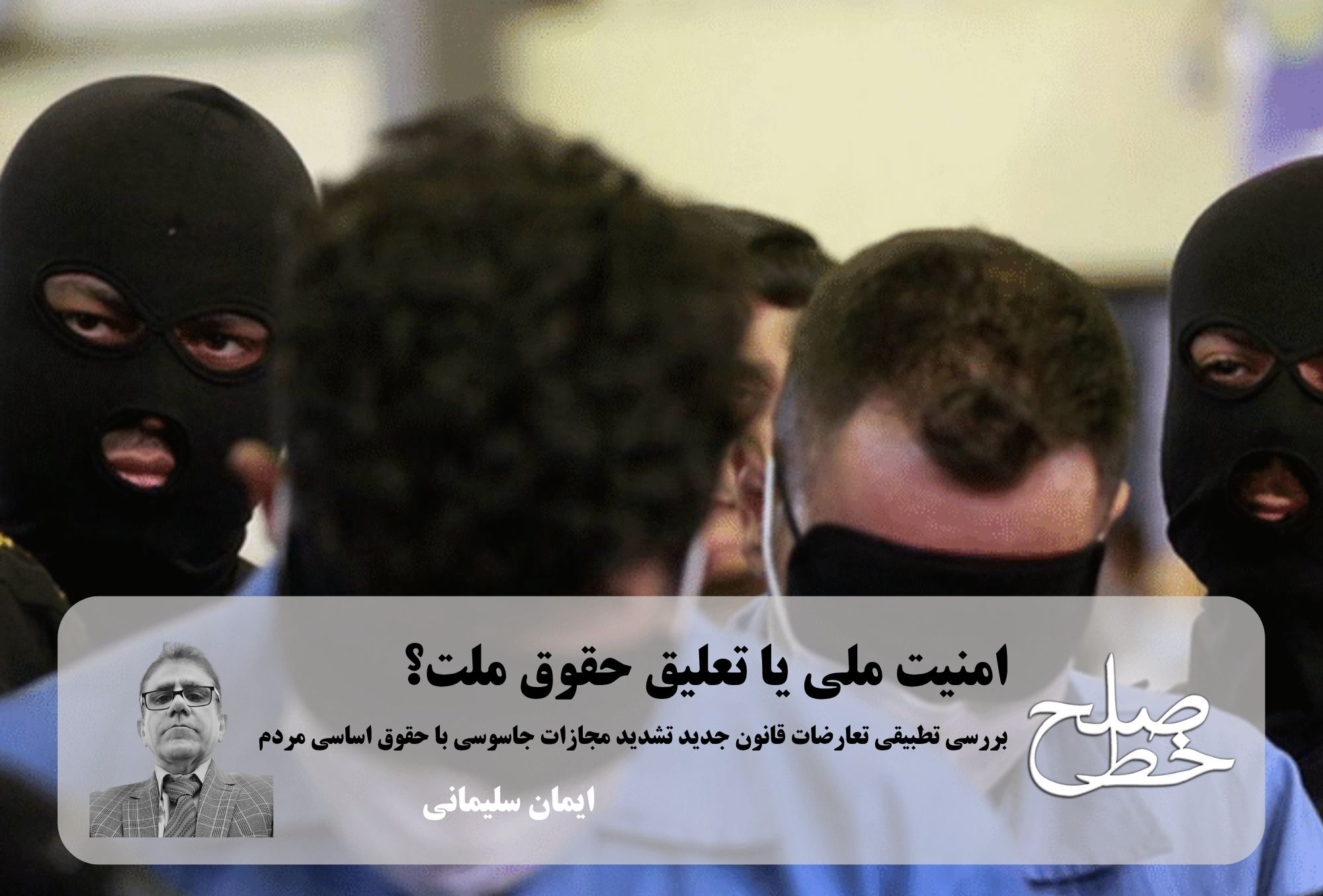
A Comparative Review of the Conflicts Between the New Law Intensifying Punishment for Espionage and the Fundamental Rights of the People/ Iman Soleimani
The law titled “Intensifying Punishment for Espionage and Cooperation with the Zionist Regime and Hostile Countries Against National Security and Interests” (approved by Parliament in Mehr 1404 and confirmed by the Guardian Council) is among the Islamic Republic’s recent security laws, prescribing heavy punishments such as execution and full confiscation of property for a wide […]...
Read More
Created By:
Iman Soleimani May 22, 2026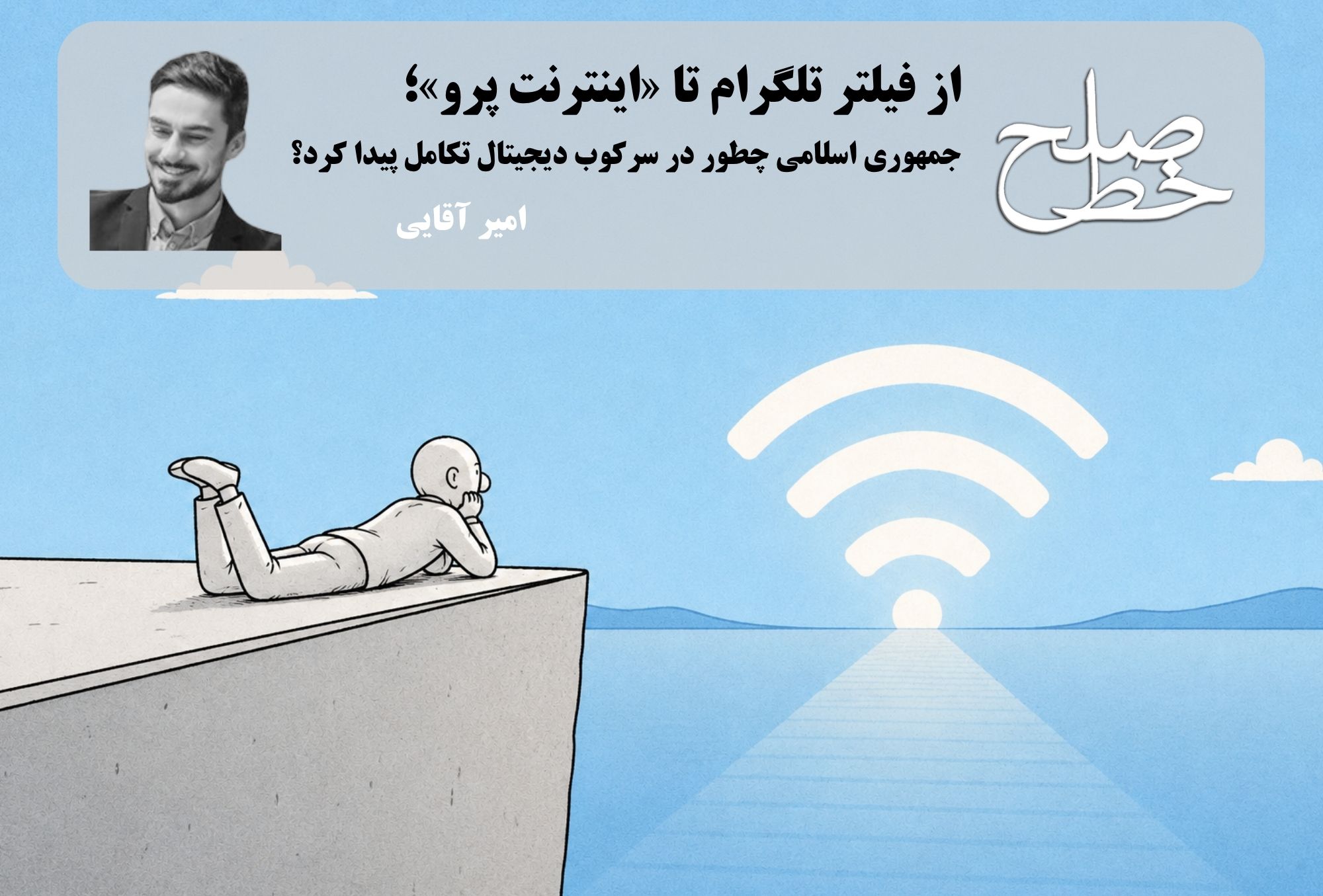
From the Filtering of Telegram to “Pro Internet” / Amir Aghaei
The Islamic Republic is breaking many negative records in the field of digital repression. Iranians, during perhaps one of the most turbulent periods in their history — from the start of the 12-day war to the Dey protests and after that the 40-day war, which it is still not clear has completely ended or not […]...
Read More
Created By:
Amir Aghayi May 22, 2026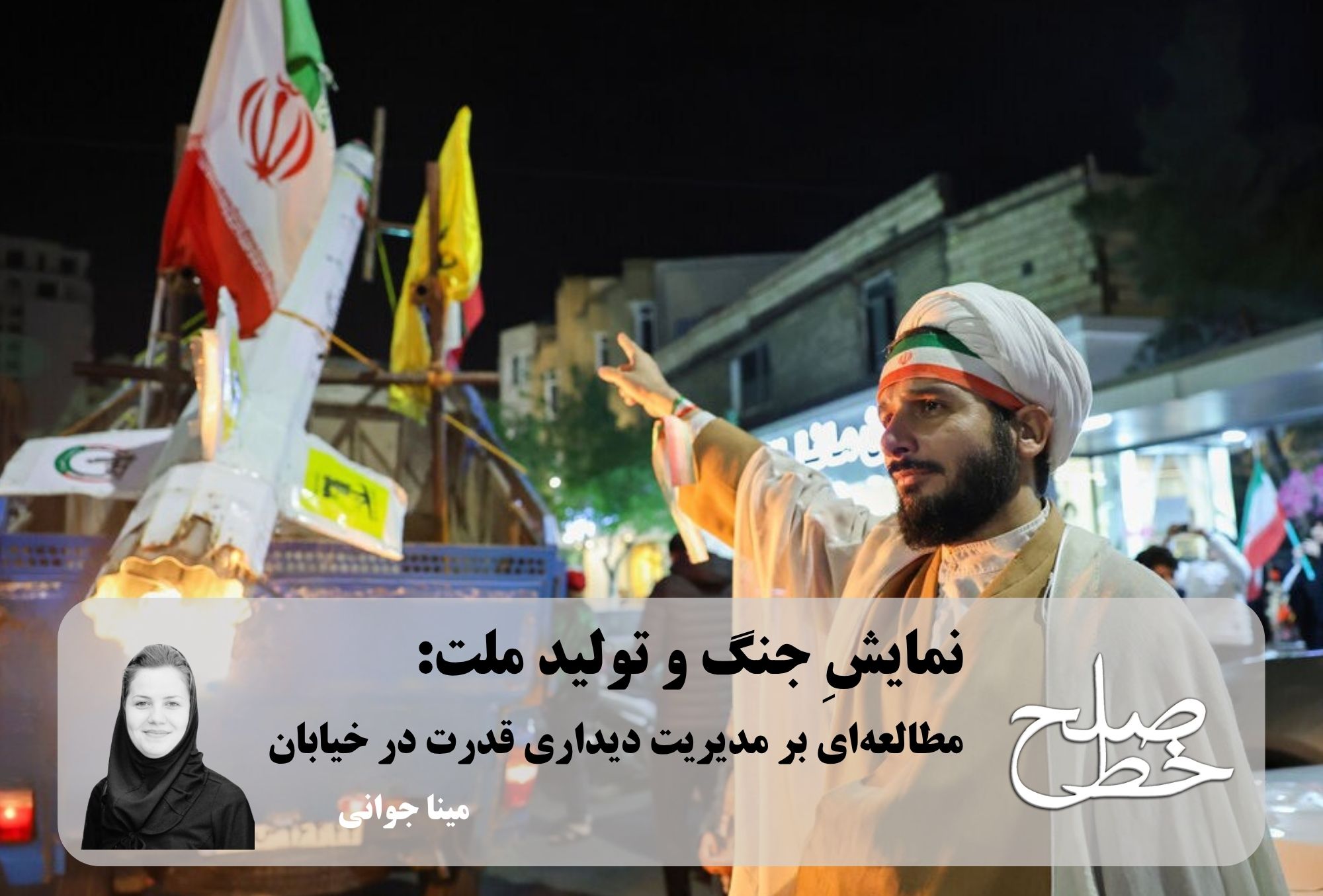
The Spectacle of War and the Production of the Nation: A Study of the Visual Management of Power in the Street / Mina Javani
Since the first nights of the war, the streets of Iranian cities have become the stage for a form of theatrical politics: gatherings, supported by the government, filled with lights, flags, anthems, and mowkebs, which seemed less a natural reflection of the social situation than an attempt to produce a uniform and coherent image of […]...
Read More
Created By:
Mina Javani May 22, 2026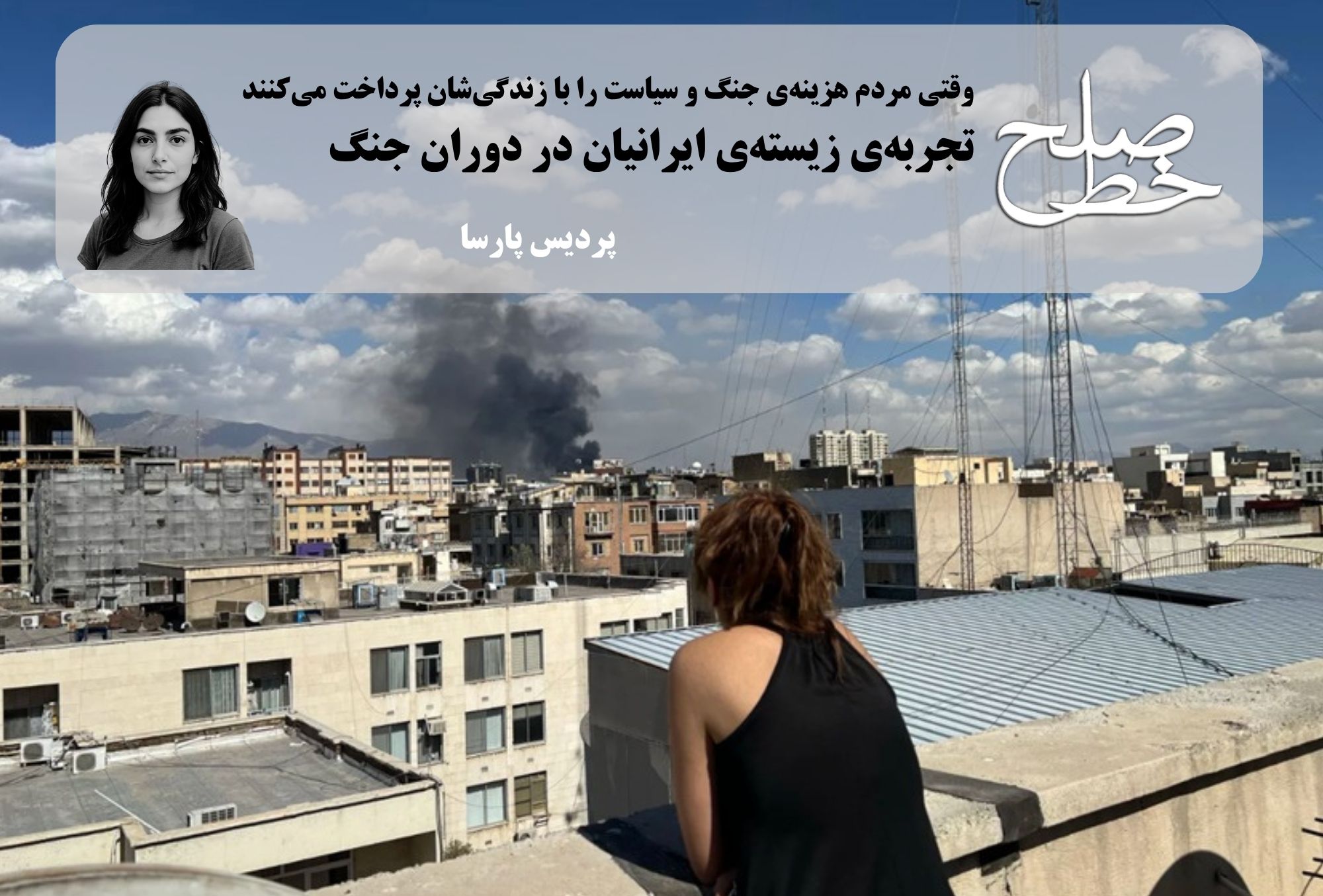
The lived experience of Iranians during the war/ Pardis Parsa
The outbreak of war between Iran, the United States, and Israel was the inevitable consequence of years of ideological adventurism and tension-generating state policies that have consistently prioritized political survival over the safety, welfare, and lives of citizens. This war once again stripped away the illusion of “security” — a claim that for years had […]...
Read More
Created By:
Pardis Parsa May 22, 2026
“Peace Dove”, “War” and “Survivor”; Three Short Poems by Jamshid Azizi
Dove of peace In the bosom of poetry On a land that, instead of soil, It smells like gunpowder. After the rain of wishes I seek the shelter of your hands. Oh, boundless dove! Our tired earth He can’t stand the boots anymore. *** War The sun is shining. That our work and burden It’s […]...
Read More
Created By:
Jamshid Azizi May 22, 2026
Legal Examination of the Shift in Criminal Policy Toward Seizure and Confiscation of Property; Conversation with Hassan Asadi Zeydabadi/ Ali Kalaei
The tense developments and the war of the United States and Israel with Iran have brought about noticeable changes in the country’s domestic environment. These changes have not been limited merely to the security and political spheres, but their effects are also clearly observable in the legal and judicial arena. Reports have emerged of the […]...
Read More
Created By:
Ali Kalaei April 21, 2026
Legal Examination of the Presence of Children at Checkpoints in Conversation with Ameneh Asgari/ Nafiseh Sharafaldini
In a situation where reports of the use of individuals under 18 at checkpoints are being published, this question becomes increasingly important as to how such actions are evaluated within the framework of international law and the obligations of states. Examining this issue is important not only from a legal perspective, but also from a […]...
Read More
Created By:
Nafiseh Sharafaldini April 21, 2026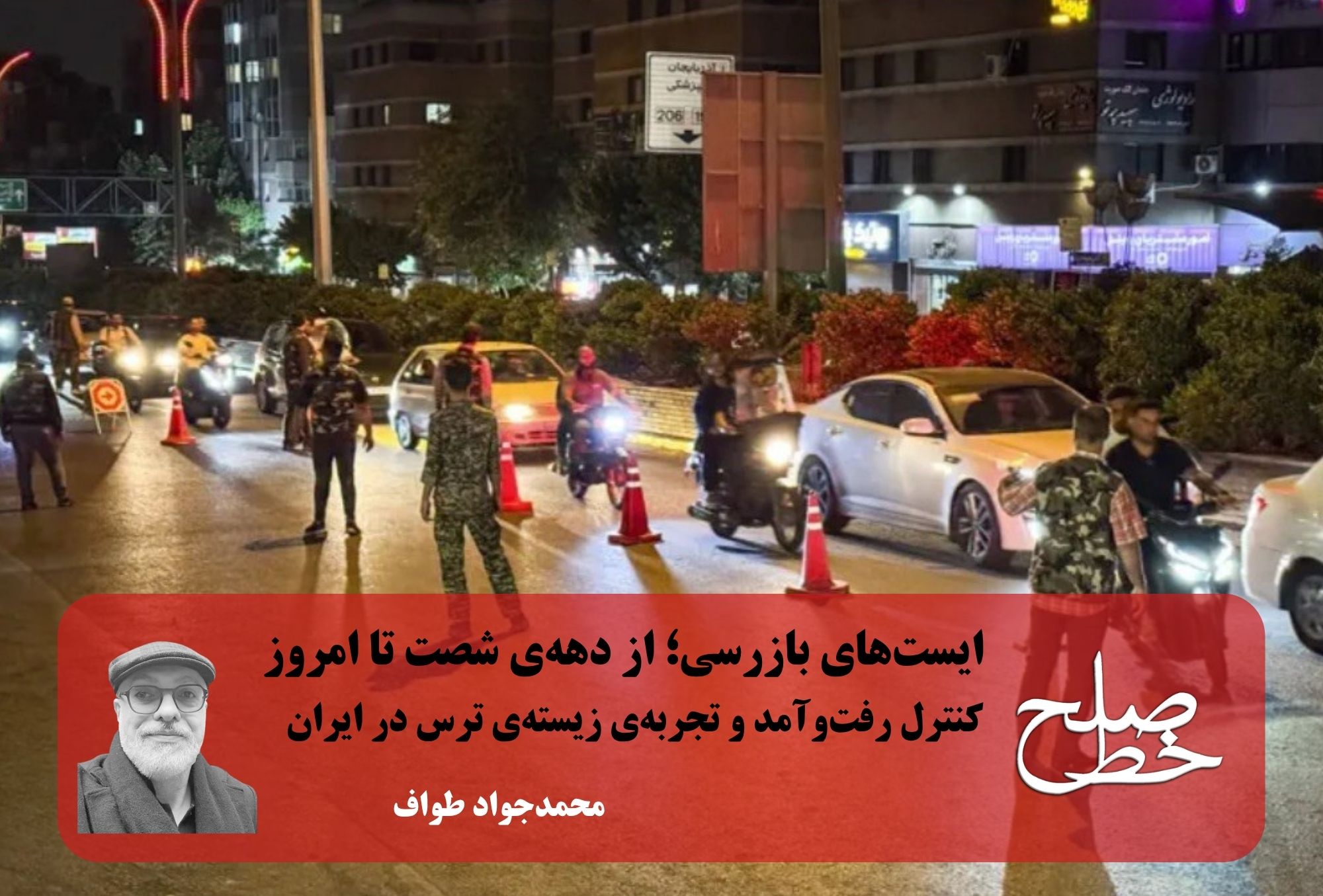
Checkpoint Stops; From the Past to Today/ Mohammad Javad Tavaf
One media activist has recounted a memory from the years of the sixties on social networks: “It was night, my cousin and I wanted to go from Khaniabad to Yousefabad, to our aunt’s house. I said: Hooshang, it’s a desert there, let’s take a little of this aragh too. He double-layered a freezer bag, poured […]...
Read More
Created By:
Mohammad Javad Tavaf April 21, 2026
Can Mere Filming of Strike Sites Lead to Arrest?/ Sina Yousefi
In wartime conditions, the question of respect for human rights is always raised as one of the fundamental challenges. It is a challenge in which the boundary between security necessities and human rights obligations becomes extremely narrow and slippery. Historical experience has shown that in times of crisis, states are more inclined than ever to […]...
Read More
Created By:
Sina Yousefi April 21, 2026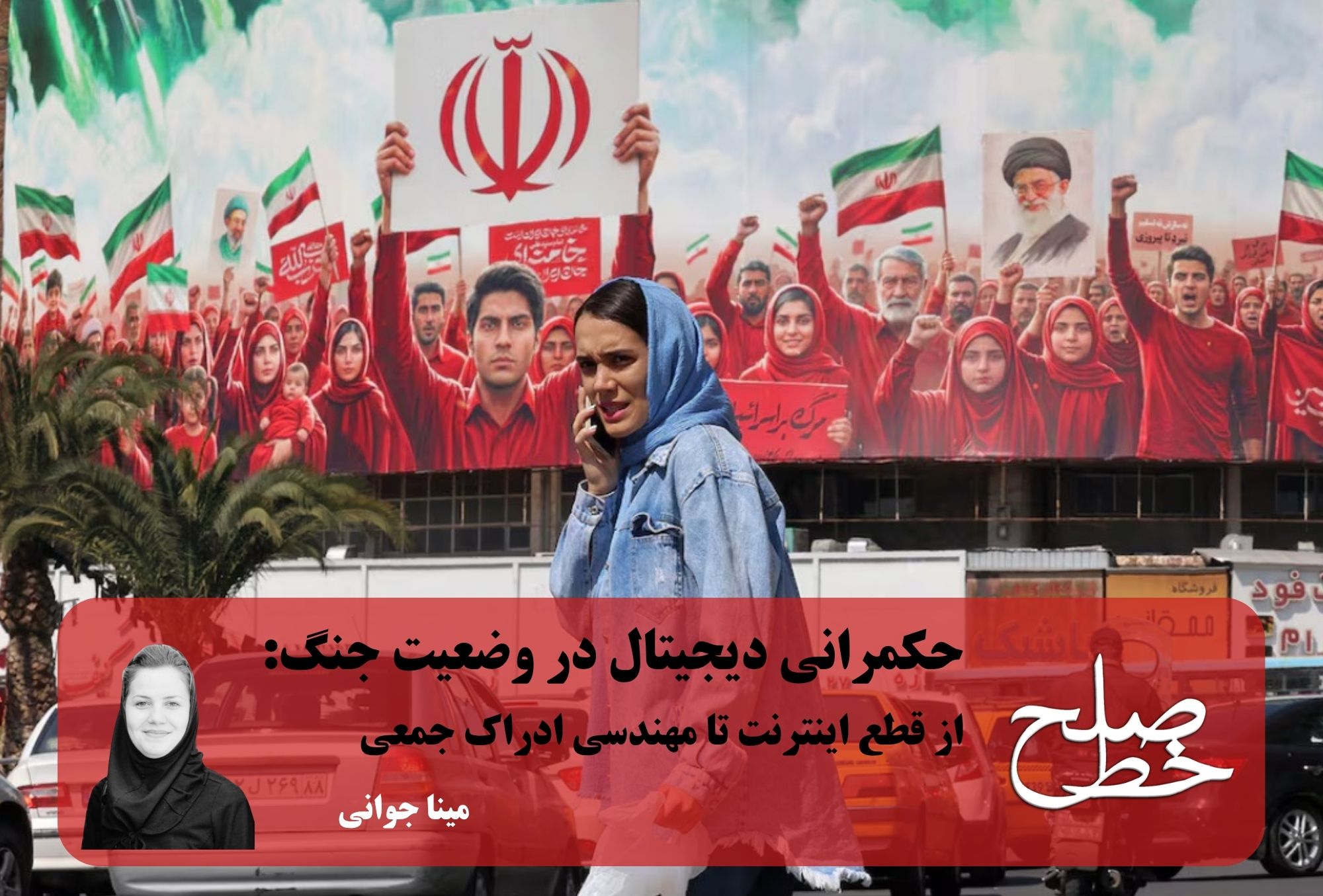
Digital Governance in a State of War: From Internet Shutdowns to the Engineering of Collective Perception/ Mina Javani
Sometimes, in the midst of war, what disappears is not only sounds and images, but access to reality itself. The internet, this seemingly obvious and always-available platform, suddenly goes dark in such moments and plunges society into a state of informational rupture; a condition in which the boundary between what is happening and what is […]...
Read More
Created By:
Mina Javani April 21, 2026
