


ماهنامه خط صلح
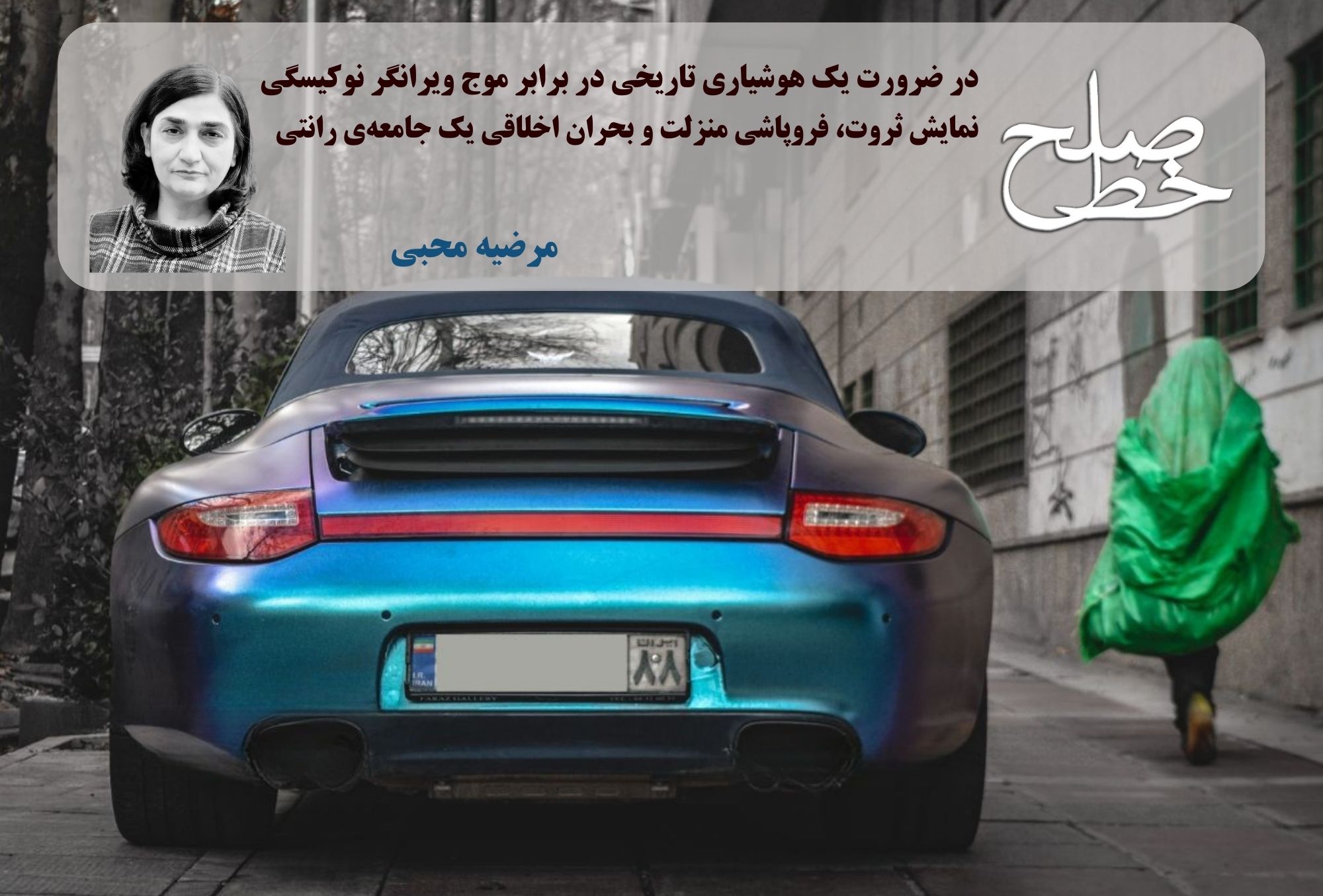
On the Necessity of Historical Vigilance Against the Destructive Wave of Nouveau Riche Culture/ Marziyeh Mohebbbi
They do not know what to do with their windfall fortunes, nor how to convince their peers, friends, acquaintances, and the general public that they have swiftly ascended the ladders of prosperity, civilization, and wealth—so rapidly, in fact, that they now count themselves among the legendary elite and aristocracy. Sometimes, they showcase their financial power […]...
Read More Created By:
Marziye Mohebbi
Created By:
Marziye Mohebbi November 22, 2025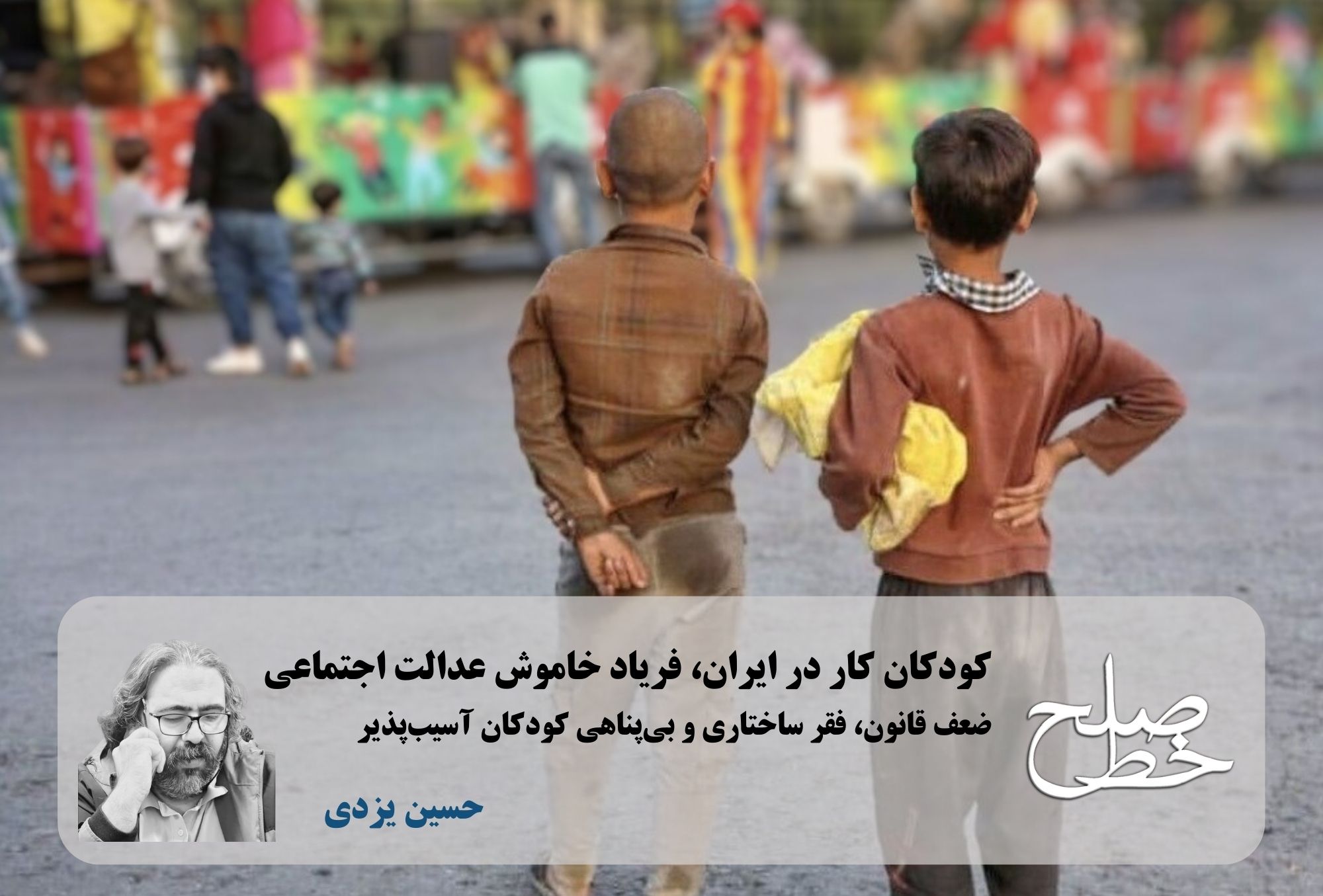
Child Labor in Iran: The Silent Outcry for Social Justice/ Hossein Yazdi
The phenomenon of child labor in Iran serves as a full-length mirror reflecting entrenched economic injustice, educational inequality, and foundational flaws in social policymaking. Drawing on official statistics, global reports, and reputable research, this article demonstrates how institutionalized poverty, forced migration, and ineffective protective legislation push children into the hidden labor market. This process not […]...
Read More
Created By:
Hossein Yazdi November 22, 2025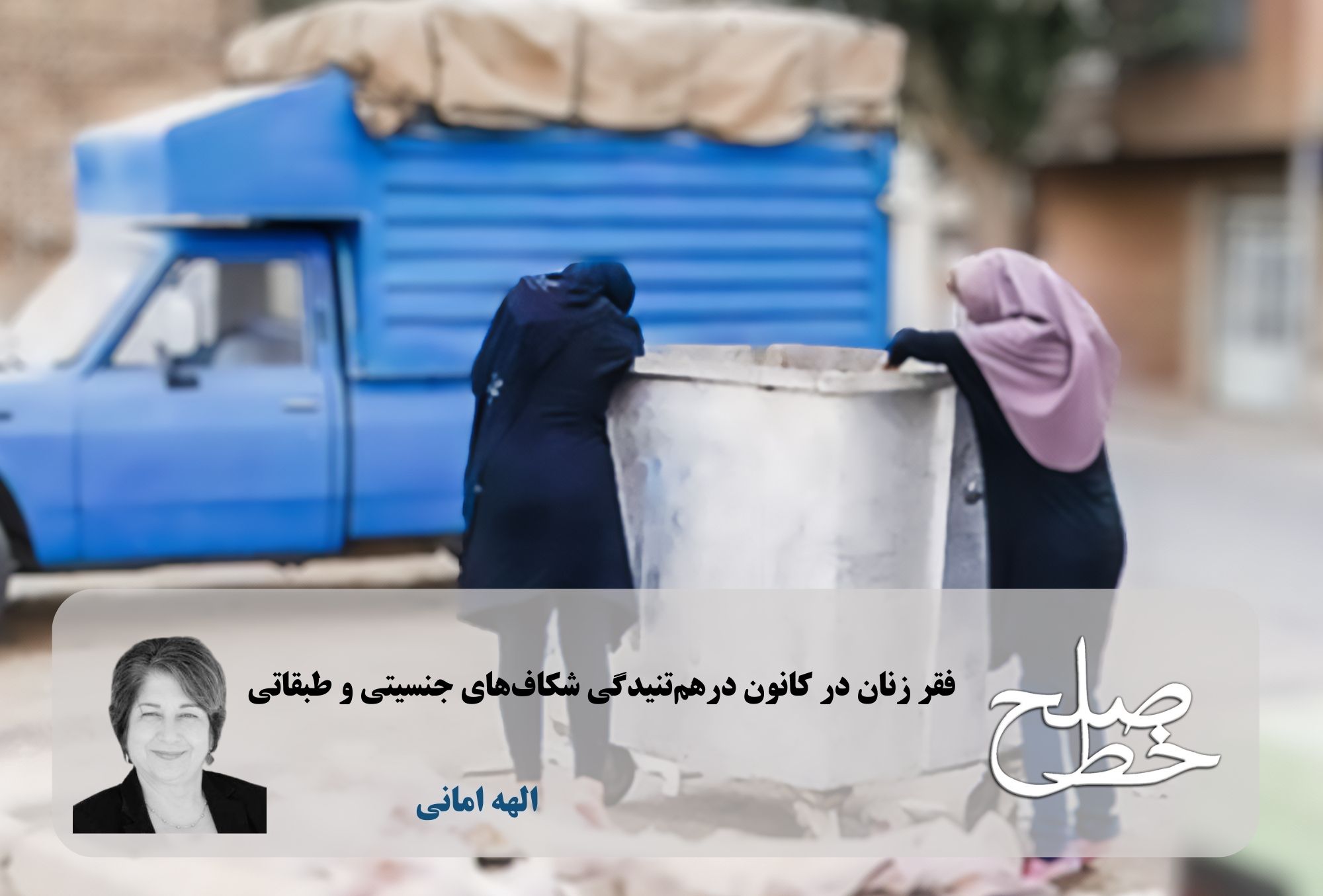
The Feminization of Poverty at the Intersection of Gender and Class Inequality/ Elahe Amani
In his 2020 speech at the “Nelson Mandela Annual Lecture” titled “Tackling the Inequality Pandemic: A New Social Contract for a New Era,” António Guterres, Secretary-General of the United Nations, offered strong criticism of neoliberal politicians and theorists. These were the same individuals who, at the height of the COVID-19 pandemic, claimed, under the slogan […]...
Read More
Created By:
Elahe Amani November 22, 2025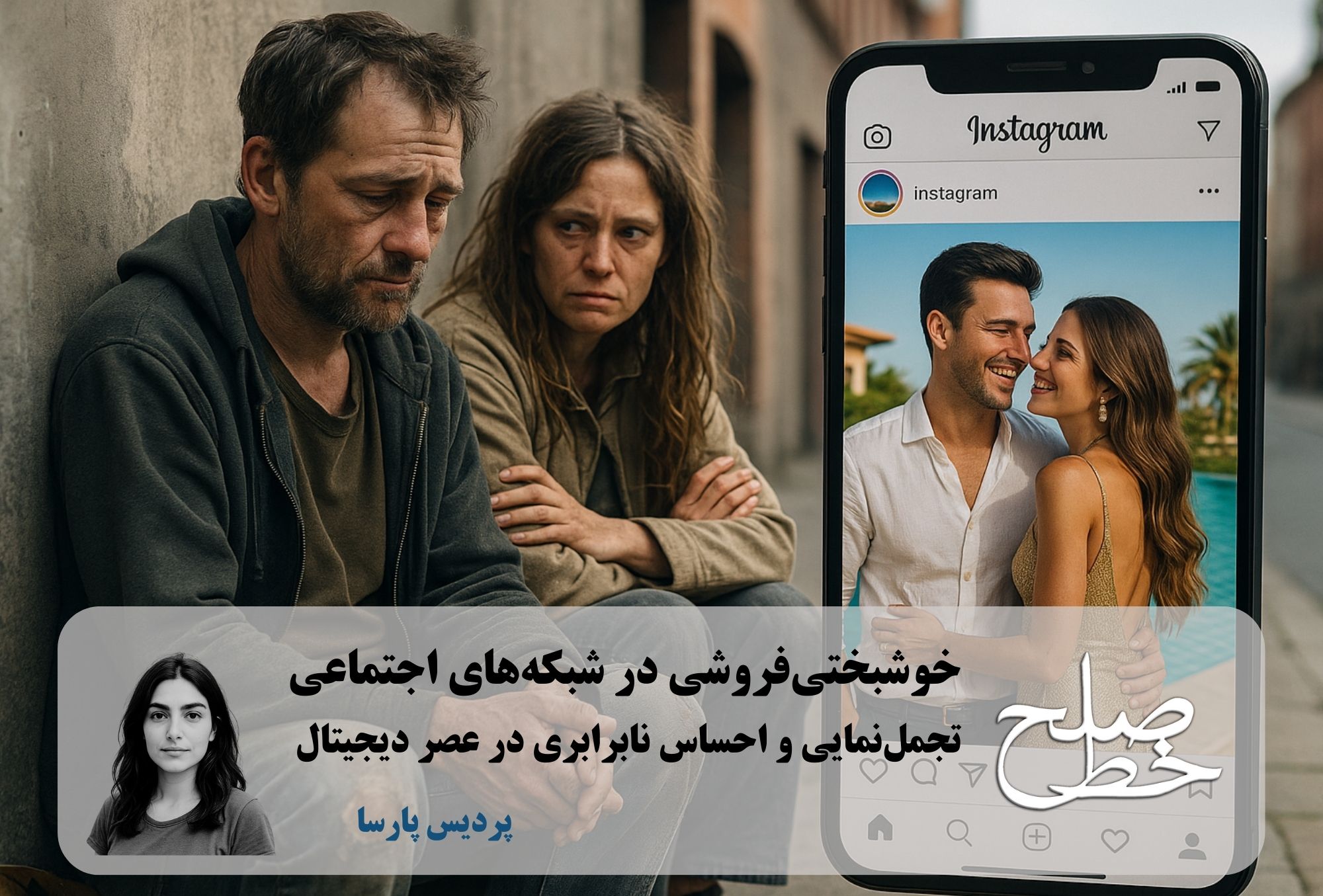
Selling Happiness on Social Media/ Pardis Parsa
In recent decades, with the dizzying speed of technological advancement and the growth of communication tools, people’s lives and their social relations have inevitably come under the influence of media. Social media platforms—especially image-based ones like Instagram, which entered the scene promising to eliminate distances—have, in practice, turned into the main stage for displaying social […]...
Read More
Created By:
Pardis Parsa November 22, 2025
Class Divide, Erosion of Public Welfare, and Structural Inefficiency/ By Fereshteh Goli
Social classes refer to structural divisions in society that categorize individuals or groups based on economic, social, cultural, and political factors. These divisions are typically shaped by inequalities in resources (wealth, income, education, occupation, and power) and influence social relations, opportunities, and individuals’ lifestyles. Social classes are defined based on various elements such as economy, […]...
Read More
Created By:
Fereshteh Goli November 22, 2025
Penal System or System of Belief? / Sina Yousefi
Repentance (tawba) has long been regarded in Islamic jurisprudence as a moral and devotional concept, and over time, it has also gained a significant role in criminal proceedings. Islamic jurisprudence, by linking the realm of religious ethics with the domain of punishment, has created an institution in which inner transformation can lead to the annulment […]...
Read More
Created By:
Sina Yousefi November 22, 2025
he Water Crisis: The Sun Proves the Watering Can / Nikahang Kowsar
Perhaps no object better illustrates water governance and management in Iran than the “aftabeh” (watering can). It is unclear exactly to which monarch’s era the historical origins of the aftabeh go back, but the mere mention of it brings to mind, for many, the image of Ayatollah Ruhollah Khomeini—a photo taken months before his return […]...
Read More
Created By:
Nikahang Kowsar November 22, 2025
Femicide in Iran: Unequal Law, Violent Structures, and the Cycle of Impunity / Maryam Hosseini
Femicide in Iran is a crisis phenomenon that reflects deep gender inequalities, legal gaps, and a culture of male dominance. The increase in the number of women being murdered, along with the absence of a strong legal framework that specifically addresses the killing of women based on gender, has raised concerns that some of these […]...
Read More
Created By:
مریم حسینی November 22, 2025
In Memory of “Ahmad Baledi,” the Ahwazi Student Who Self‑Immolated / By Motehareh Jafari
...
Read More
Created By:
Admin November 22, 2025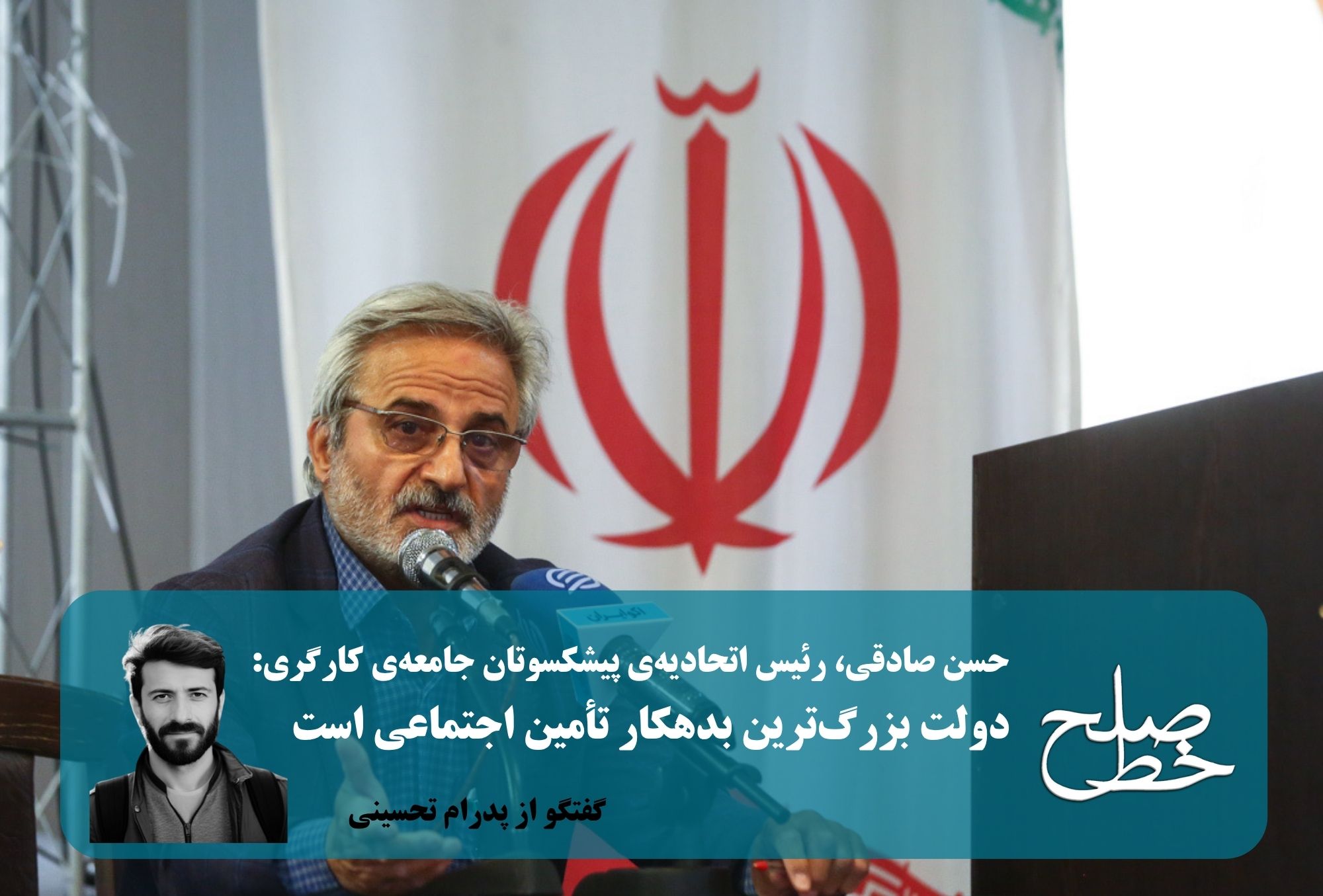
Hassan Sadeghi: The Government Is Social Security’s Biggest Debtor/ Pedram Tahassoni
In recent years, as the shadow of crisis has grown heavier over the country’s pension systems, conversations with those who have spent their lives working in this field have become all the more vital. The social security system, as one of the main pillars of social justice and economic sustainability, reflects—both in Iran and elsewhere—the […]...
Read More
Created By:
Padram Tahsini October 23, 2025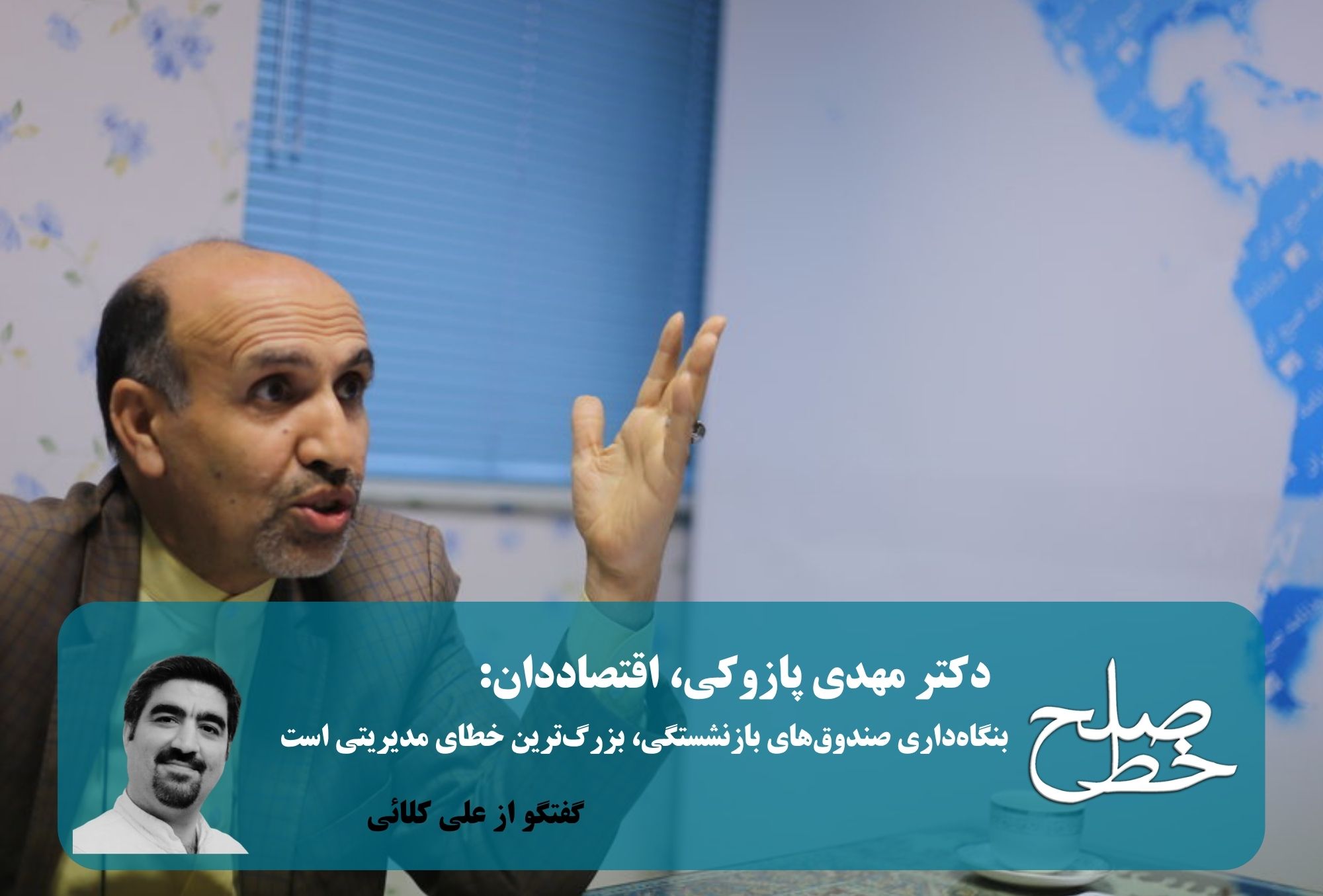
Mehdi Pazouki: The Business Operations of Pension Funds Are the Greatest Managerial Mistake/ Ali Kalaei
While signs of bankruptcy among Iran’s pension funds are appearing one after another, and their financial burden increasingly weighs on the national budget each year, the need to discuss the causes and consequences of this situation is more urgent than ever. Peace Mark Monthly Magazine, in this regard, conducted a candid interview with Dr. Mehdi […]...
Read More
Created By:
Ali Kalaei October 23, 2025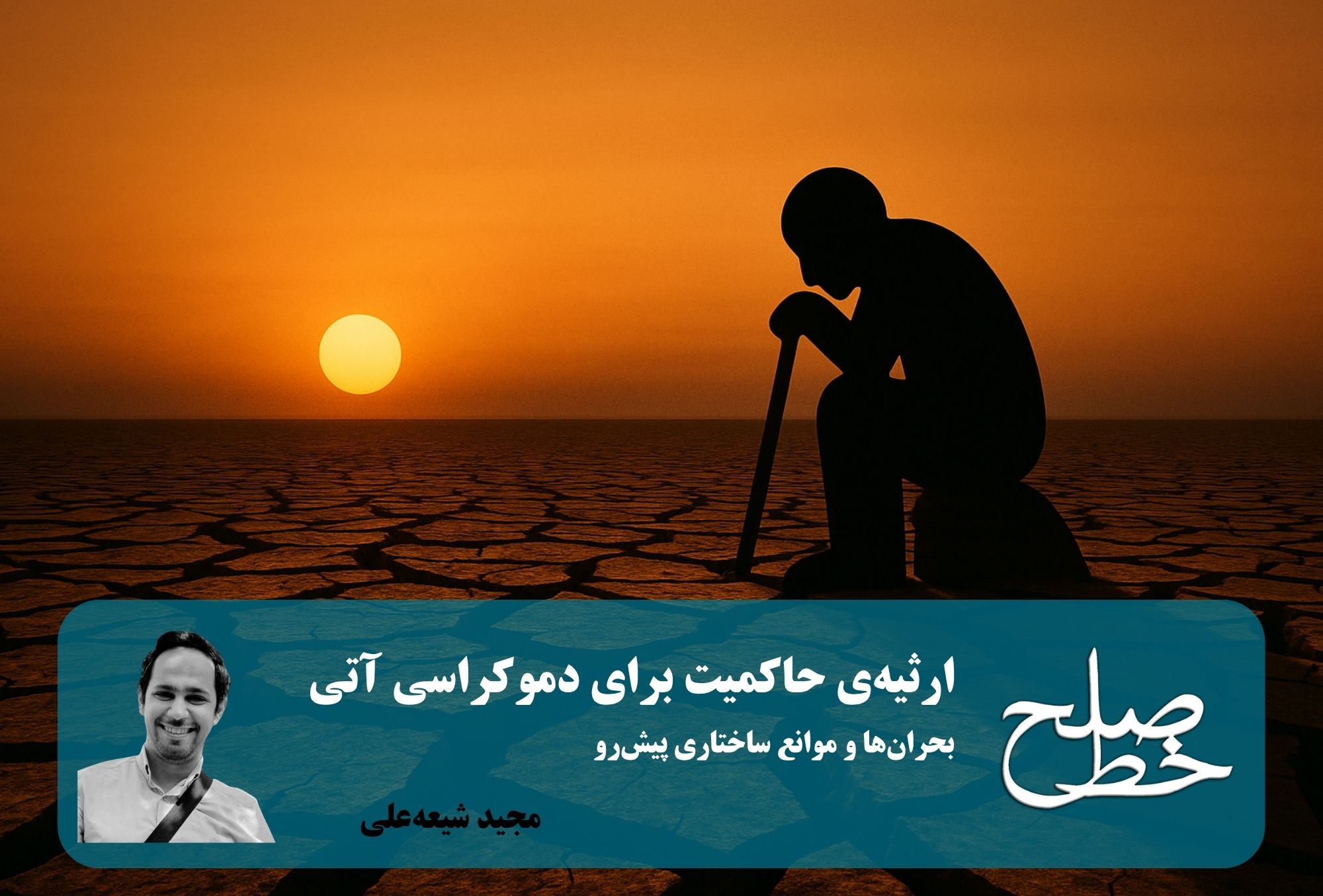
The Authoritarian Legacy for a Future Democracy/ Majid Shia’ali
In recent years, experts in various fields have spoken of deeply rooted crises in Iran. Among these are crises stemming from conflict with nature, such as the drying of lakes and rivers and, as a result, land subsidence in various regions to the extent that the habitability of this land is seriously endangered. On one […]...
Read More
Created By:
Majid Shia’ali October 23, 2025
