


ماهنامه خط صلح
The Collective Psychology of Anger/ Mehdi Anbari
In both narratives, there is a moment when time seems to stop—a moment when the individual or the family realizes they can no longer wait. In one case, a doctor loses his life at work; in the other, a child who should have been within the safest circle of life becomes the victim of profound […]...
Read More Created By:
Mehdi Anbari
Created By:
Mehdi Anbari December 22, 2025
The Role of the State in Controlling Violence/ Sina Yousefi
Public trust in the judiciary is one of the fundamental indicators of achieving justice, and its absence paves the way for the emergence of personal justice-seeking. Personal justice-seeking is a behavior in which individuals, instead of referring to legal authorities, take matters into their own hands to obtain rights and punish violators. Such an approach […]...
Read More
Created By:
Sina Yousefi December 22, 2025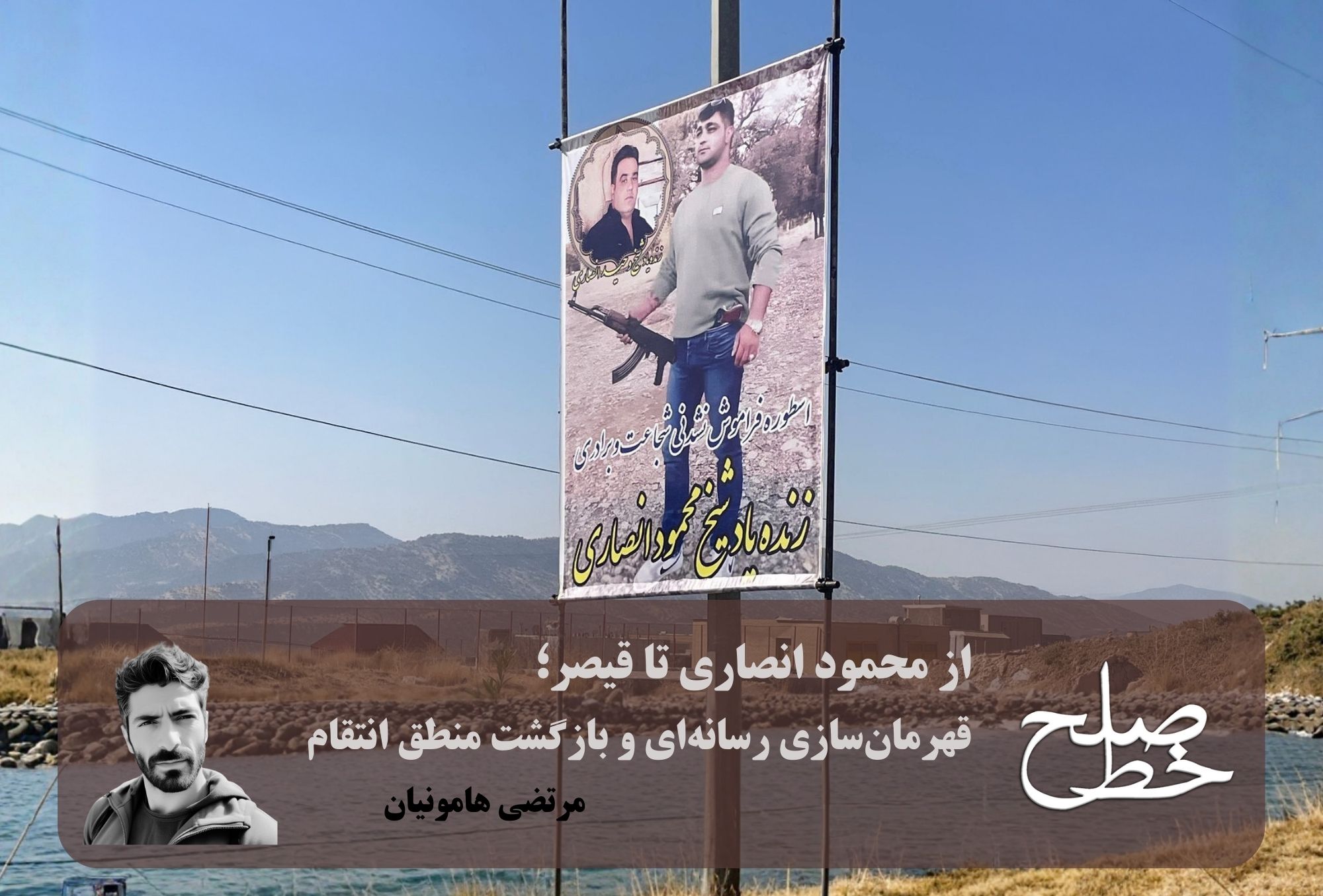
From Mahmoud Ansari to Qaisar; Media Heroism and the Return of the Logic of Revenge / Morteza Hamounian
In Yasuj, the capital of Kohgiluyeh and Boyer-Ahmad province, a doctor is murdered. The accused of the murder says that this doctor (Masoud Davoudi) is to blame for his brother’s death and that he committed medical negligence. So he takes action and kills the doctor. The accused of the murder is sentenced to self-retribution by […]...
Read More
Created By:
Morteza Hamounian December 22, 2025
Arbitrariness in Justice: Violations of Human Rights and the Responsibility of States/Abuzar Zaman
The evolution of criminal justice and the transition from personal revenge and arbitrary justice to modern legal and penal systems is one of the signs of the civilization of human societies. Today, resorting to arbitrary justice is in clear contradiction with the right to a fair trial and human rights and in conflict with the […]...
Read More
Created By:
Abouzar Zaman December 22, 2025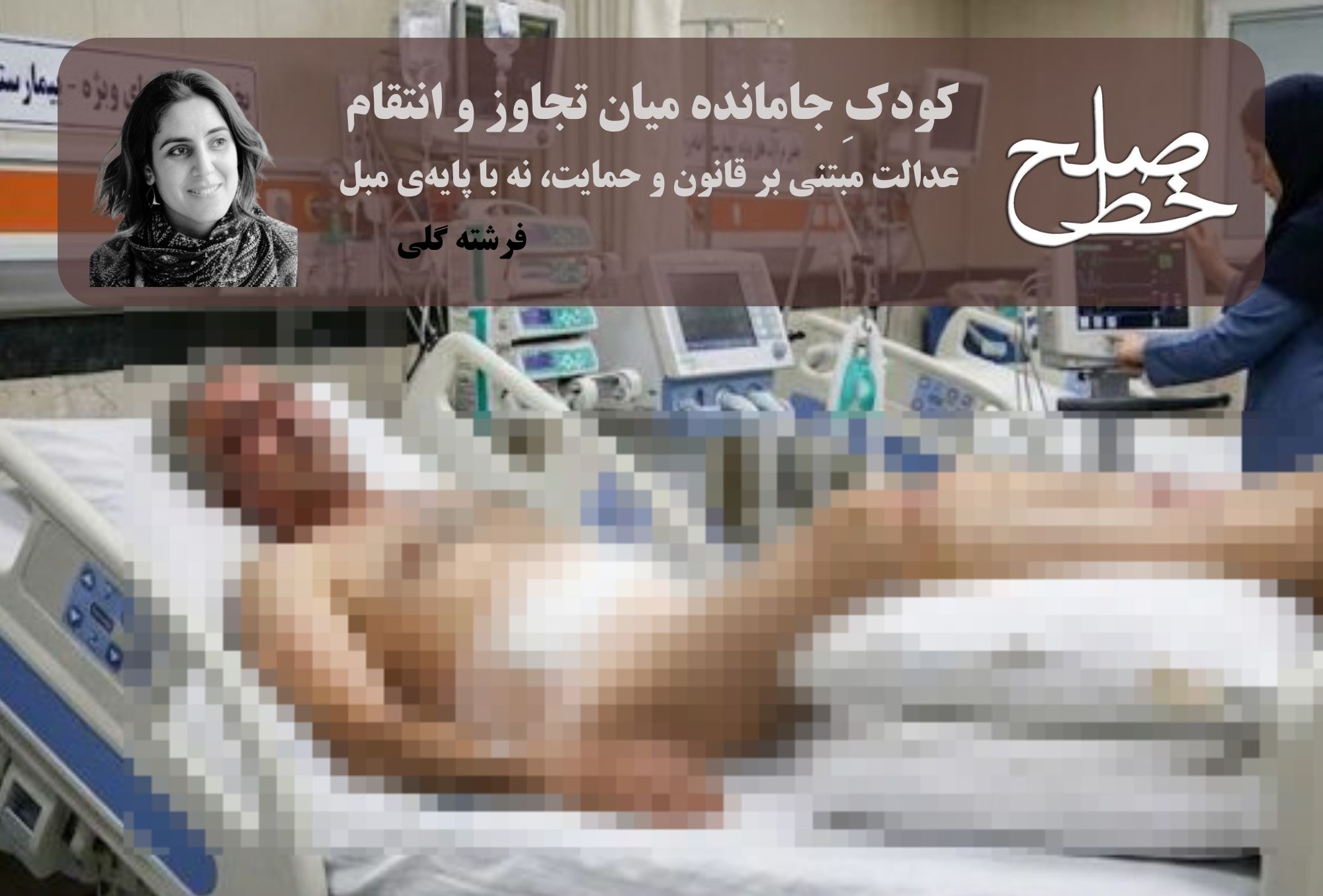
The Child Left Between Rape and Revenge/Fereshteh Goli
Lost in the chaos of Iranian news, a story with catastrophic depth was the story of an old man raping a boy in Tabriz, which led to personal revenge by the boy’s family, who sent the old man to the hospital and into surgery; revenge whose instrument was a wooden sofa leg. In this note, […]...
Read More
Created By:
Fereshteh Goli December 22, 2025
When a murderer becomes a hero/Reza Harisi
In the framework of modern ethics and legal systems based on collective rationality, “murder” is defined as the most fundamental assault on human life and the violation of all social conventions; whether the victim is a young woman who is the victim of an honor killing on suspicion of wrongdoing in emotional and sexual relationships, […]...
Read More
Created By:
Reza Harisi December 22, 2025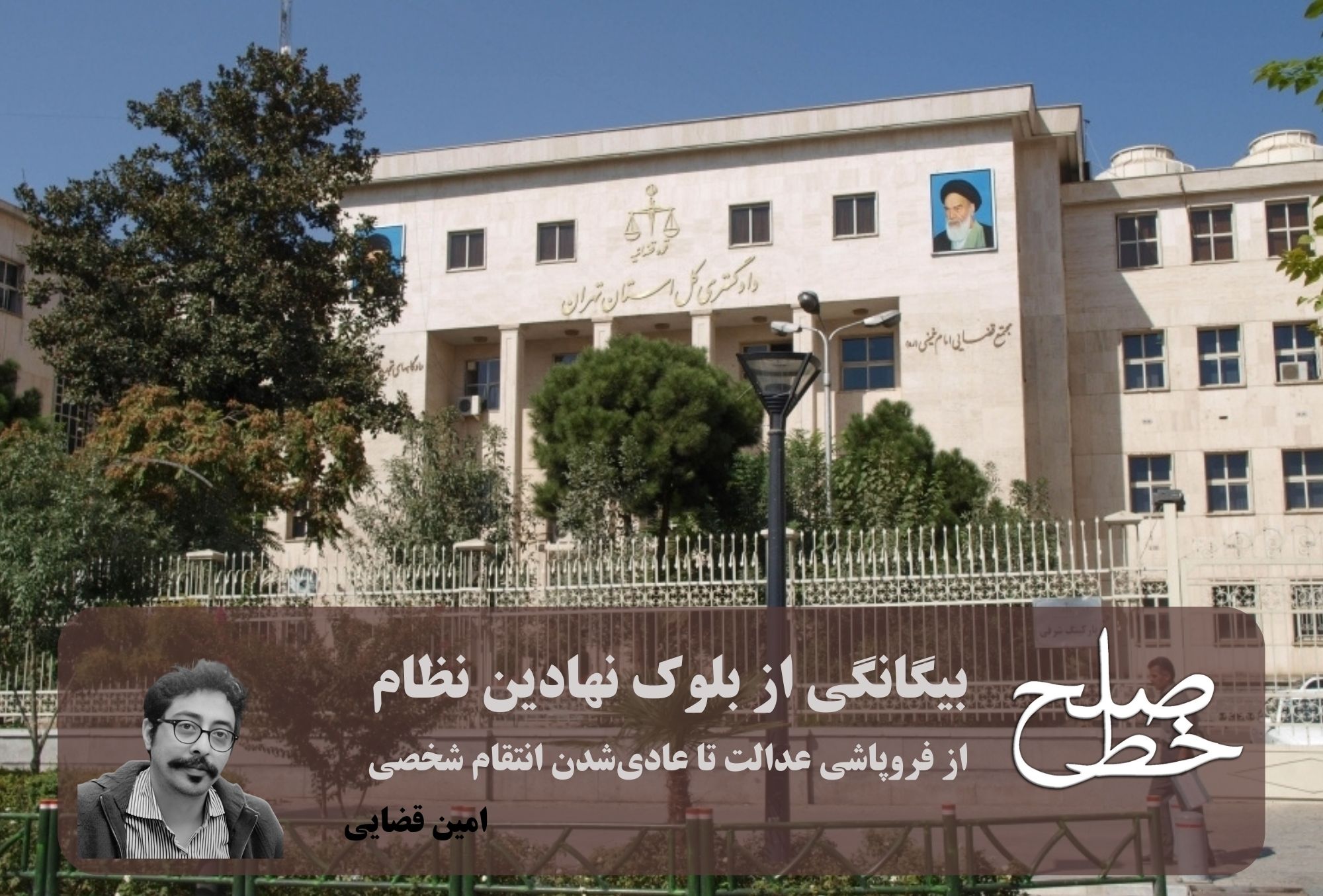
Alienation from the institutional bloc of the system/Judicial trustee
Administrative corruption is usually defined as the abuse of power and authority for personal gain. In the case of the judiciary, clients who witness such corruption distrust law enforcement institutions (police and judiciary) and may, as a result, engage in personal vigilantism in response to attacks on their lives and property. Simply put, when people […]...
Read More
Created By:
Amin Ghazaie December 22, 2025
Social Crises and the Role of Civil Society Institutions/Parsa Naseri
This article is dedicated to Hoda Saber, a concerned activist and researcher who dedicated her life to raising awareness and being actively involved in social and political arenas. Not long ago, in a southern city of the country, after the execution of the murderer of a doctor in Yasuj, a phenomenon occurred that was […]...
Read More
Created By:
Parsa Naseri December 22, 2025
The collapse of trust between people and medical staff in Iran / Nafiseh Sharafeddini
Trust is a delicate bond between patient and therapist that distinguishes the treatment process from a mere business transaction. But in recent years, we have seen that this pillar in the Iranian medical environment has been severely damaged, giving way to cynicism and misunderstanding. What is happening in the crowded corridors of hospitals and waiting […]...
Read More
Created By:
Nafiseh Sharafaldini December 22, 2025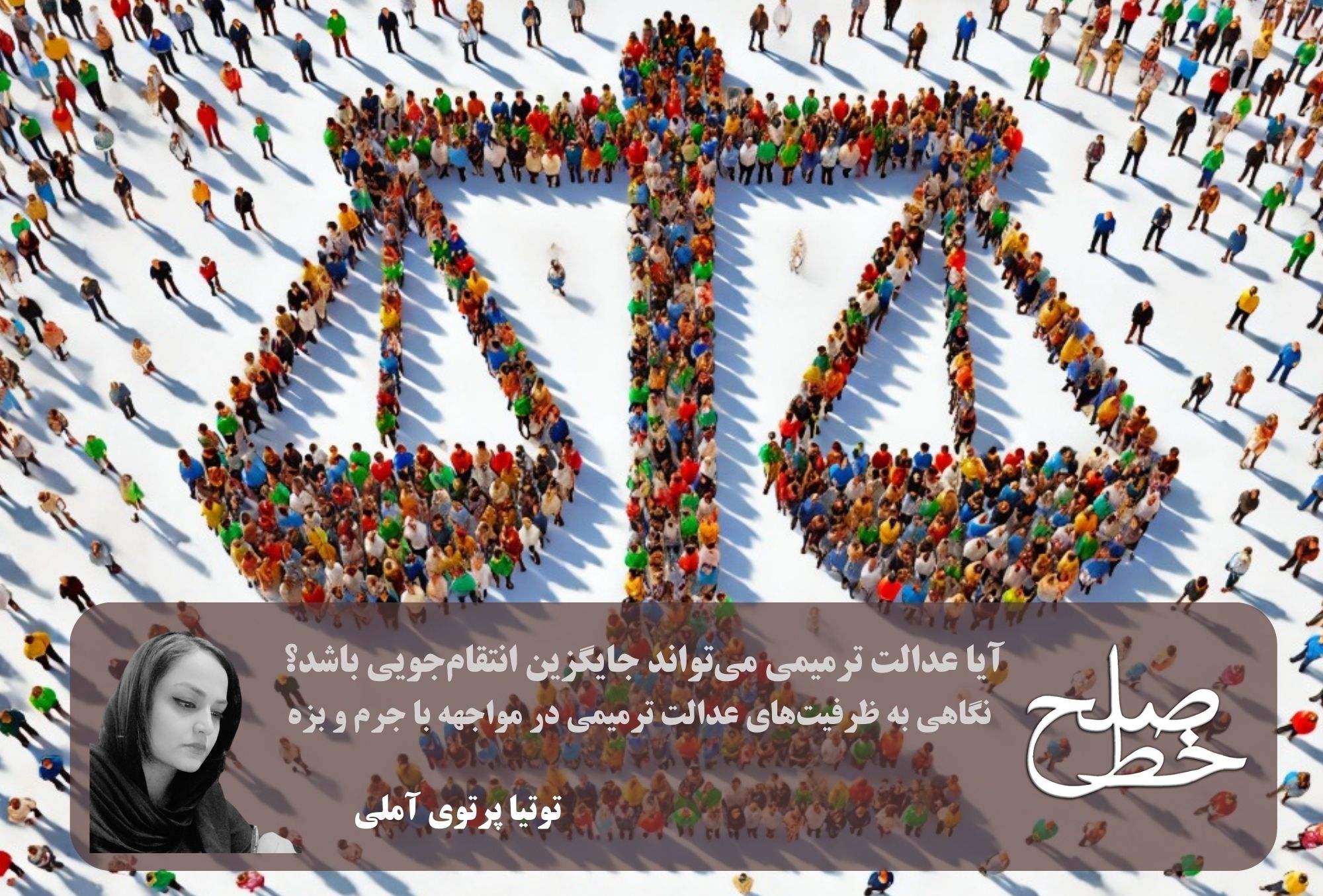
Can restorative justice replace revenge? / Totia Partovi Amoli
We witness countless court cases every day that result in the issuance of a verdict and ultimately the punishment of the offender. However, experience has shown that in today’s world, the issuance and execution of sentences does not necessarily mean the realization of justice. In many cases, the victim is still dissatisfied after the end […]...
Read More
Created By:
Toutia Partovi Amoli December 22, 2025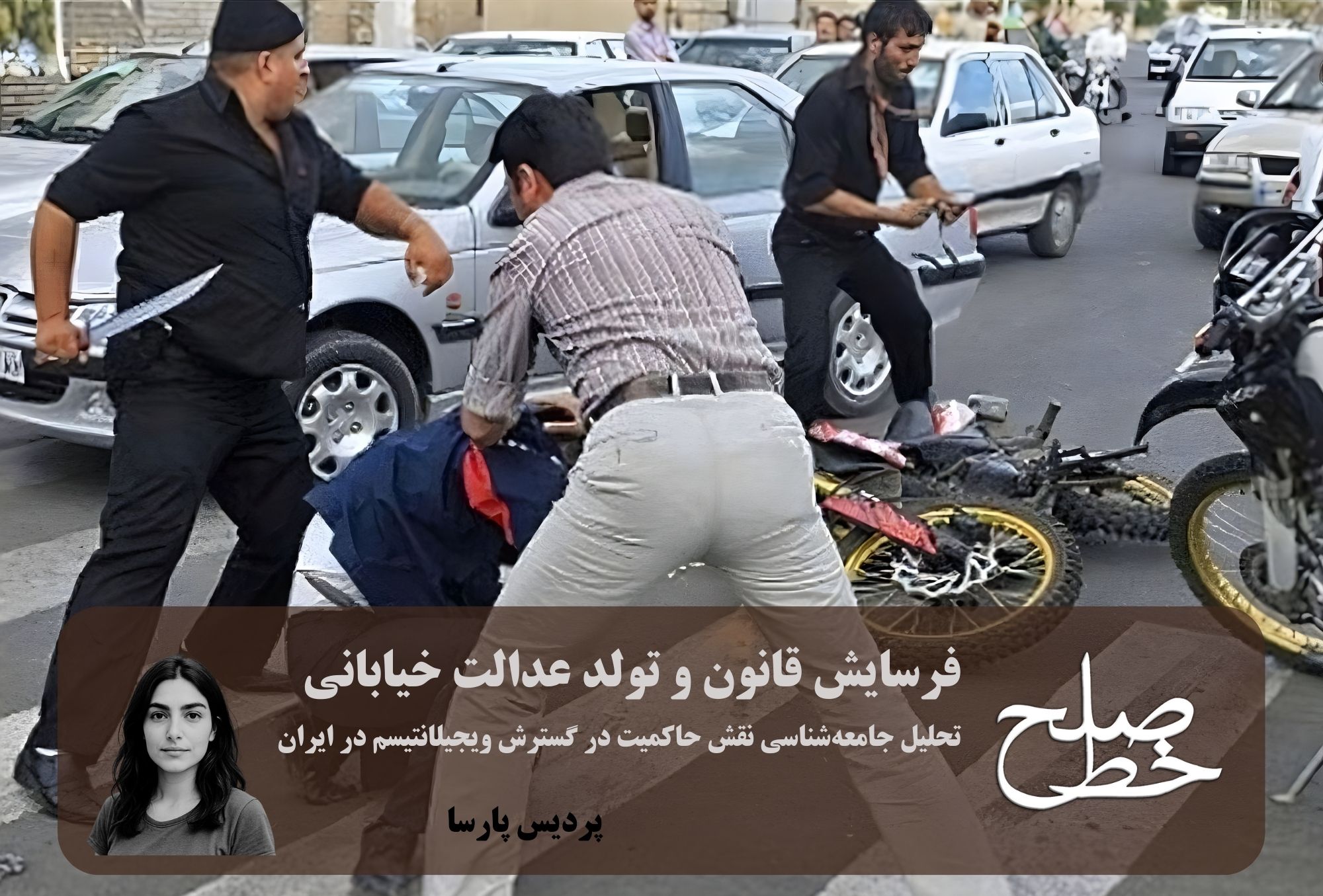
The erosion of law and the birth of street justice/Pardis Parsa
In the turbulent transition of the fifth decade after the 1979 revolution, Iran is facing a fundamental challenge in the field of public order and security that can be called the “erosion of the authority of the law.” The increasing statistics of street fights and personal conflicts in recent years only reveal the tip of […]...
Read More
Created By:
Pardis Parsa December 22, 2025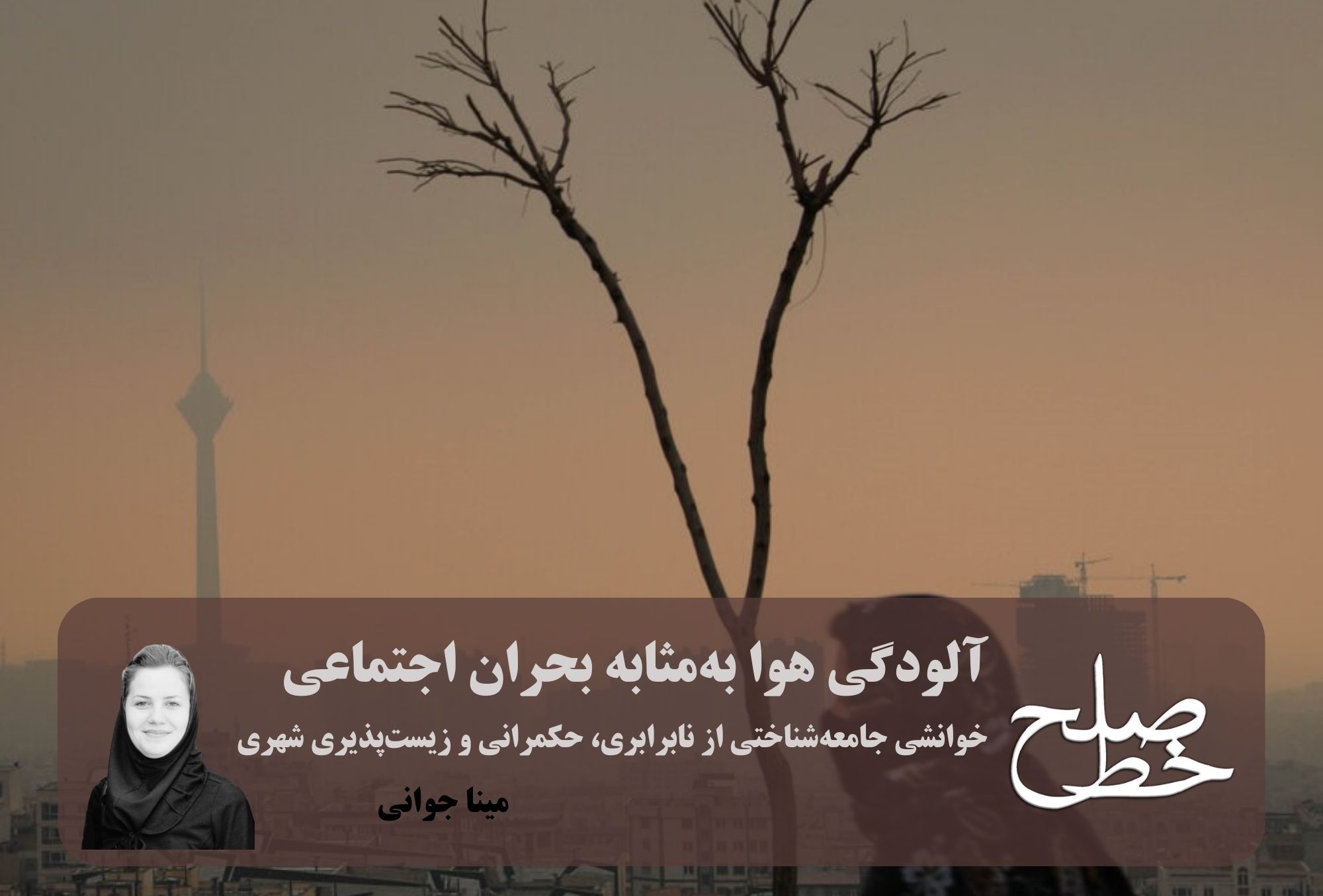
Air Pollution as a Social Crisis/Mina Jawani
In recent decades, air pollution has become one of the most persistent and complex environmental and social challenges in Iran’s major cities; a challenge that, although seemingly an environmental and public health issue, functions far beyond an ecological crisis in sociological analysis. Today, air pollution has emerged as a “full-fledged social phenomenon”; a phenomenon in […]...
Read More
Created By:
Mina Javani December 22, 2025
