


ماهنامه خط صلح
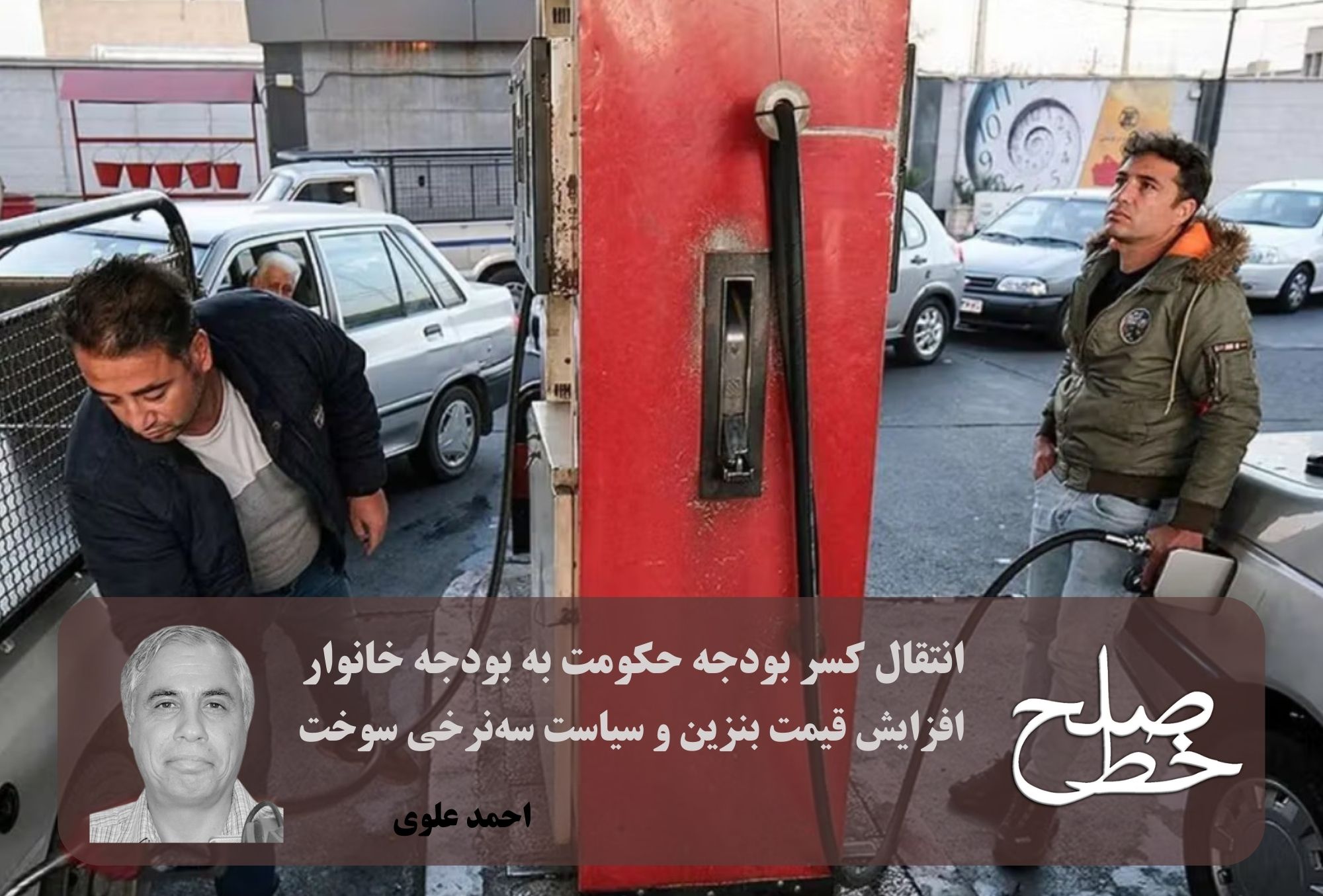
Transferring the government budget deficit to the household budget/Ahmad Alavi
Recent developments in Iran’s energy policy, particularly the triple-price gasoline pricing and price increases, have once again brought the long-standing issue of the relationship between pricing policies, governance structure, and household economics into the spotlight. The government promotes this policy with ostensibly economic goals, including controlling consumption, targeting subsidies, and reducing pressure on the public […]...
Read More Created By:
Ahmad Alavi
Created By:
Ahmad Alavi December 22, 2025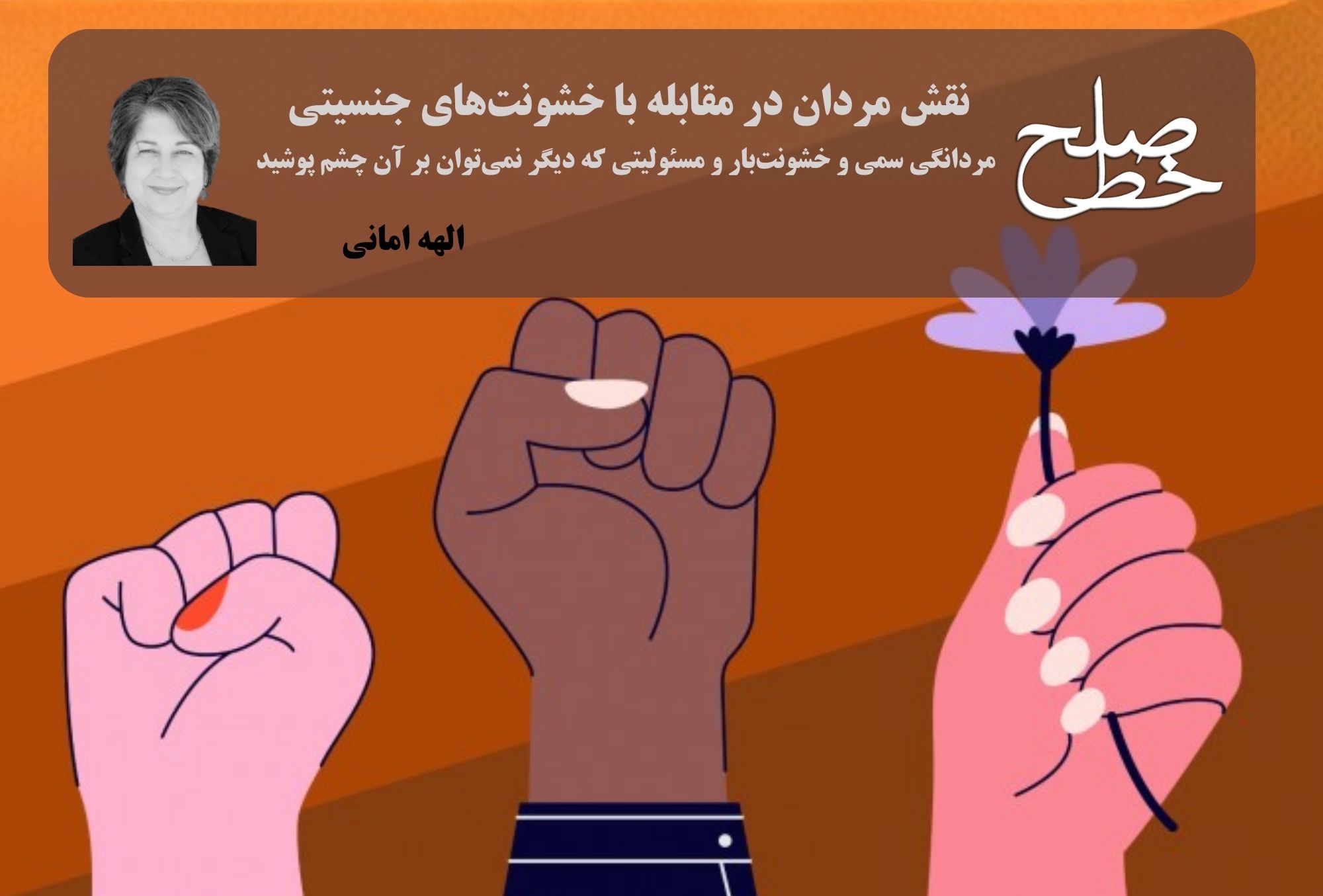
The role of men in confronting gender-based violence/ Elahe Amani
The annual international campaign “16 Days of Activism Against Gender-Based Violence”, entitled “16 Orange Days”, ended on December 10, coinciding with International Human Rights Day. Although public awareness of violence against women has increased during the 34 years of the global campaign, the path to ending this violence remains long and complex. Violence against women […]...
Read More
Created By:
Elahe Amani December 22, 2025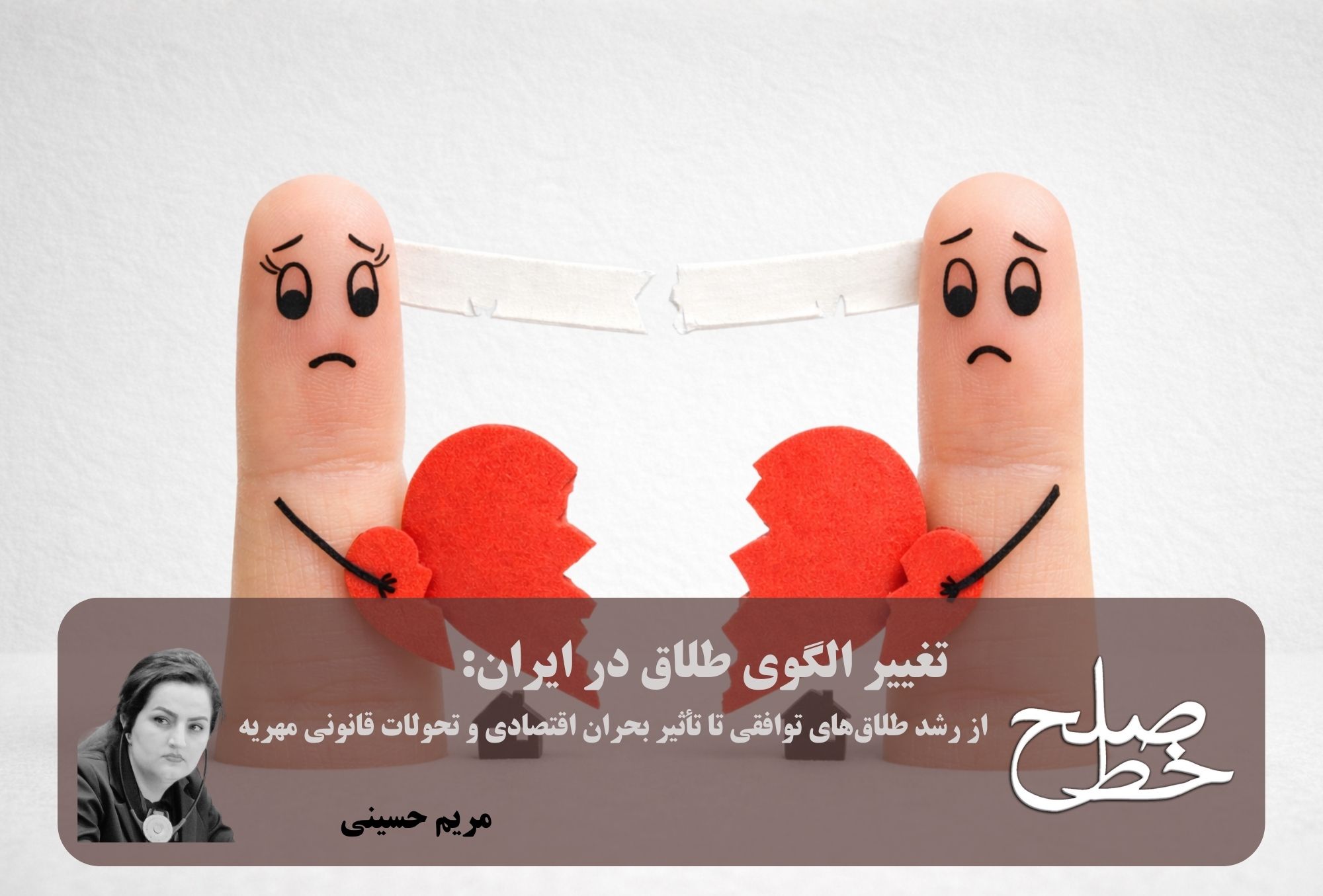
Changing divorce patterns in Iran/ Maryam Hosseini
Divorce in Iranian society is no longer a marginal or merely individual phenomenon, but a social, legal, and economic issue; an issue that reflects profound changes in the family structure, gender relations, and living conditions of society. The increase in the number of separations, especially consensual divorces, the change in the age of divorce, and […]...
Read More
Created By:
مریم حسینی December 22, 2025 Created By:
Admin December 22, 2025
Created By:
Admin December 22, 2025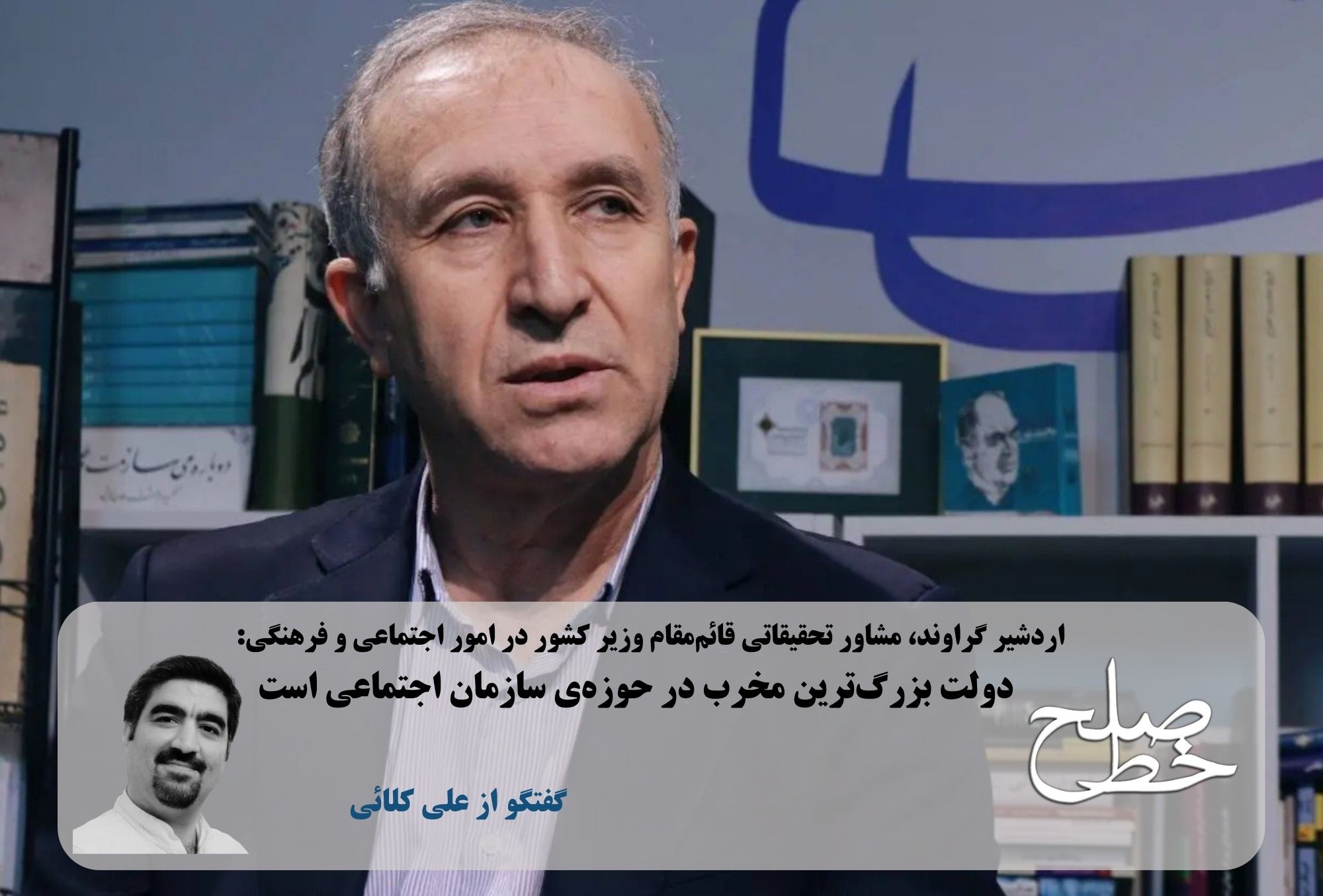
Ardeshir Garavand: The government is the greatest destroyer in the field of social organization/Ali Kalai
In Iran today, inequality is no longer limited to the gap in income or lifestyle, but rather this inequality and class differences have taken on new dimensions and found new practices. The question is: how have these gaps formed and in what direction are they taking Iranian society? Are we still faced with traditional patterns […]...
Read More
Created By:
Ali Kalaei November 22, 2025
The Educational Gap or the Fall of the Legitimacy of the Educational System?; In Conversation with Alireza Rahimi/Pedram Tahseni
Alireza Rahimi is a university professor and education expert. Since 1986, he has been teaching in schools (from elementary to high school), higher education institutions, universities, and numerous educational courses and workshops. At the same time, he has been engaged in research, writing articles, and authoring books in the field of education. The result of […]...
Read More
Created By:
Padram Tahsini November 22, 2025
Deepening Class Divides Through Inequality in Affordability and Access/ Amin Ghazaei
The deepening of class divisions is structurally rooted in the cycle of production within the capitalist system. Since the minimum wage of the working class is always determined by the minimum required to reproduce labor power, while on the other hand, the wealth of capitalists accumulates through cycles of investment and production, class disparity continuously […]...
Read More
Created By:
Amin Ghazaie November 22, 2025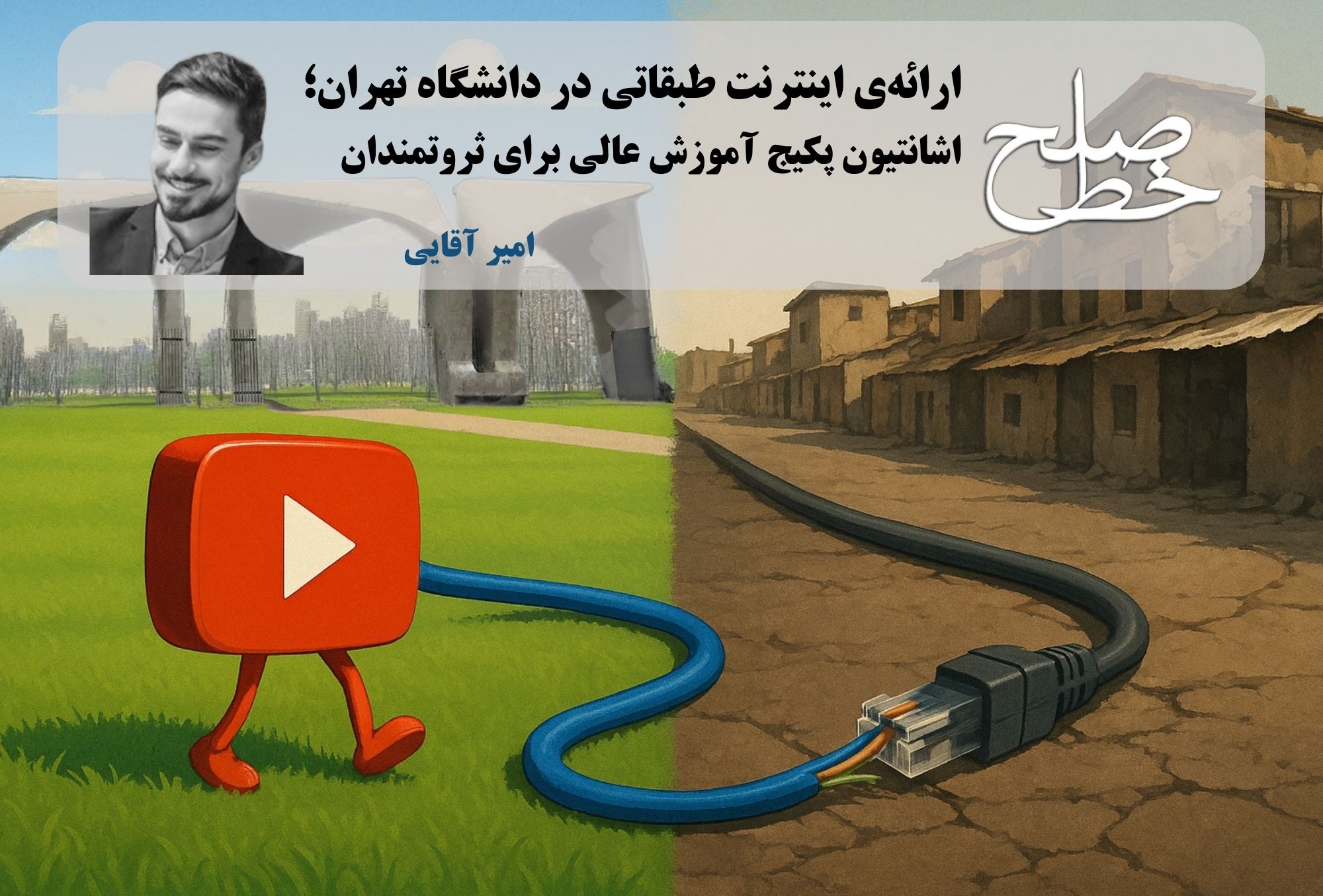
The Rollout of Tiered Internet Access at the University of Tehran/ Amir Aghaei
If you flip through any glossary of specialized terminology, you won’t find the term “class-based internet” or a precise definition of it. However, by implementing this project over the past 20 years, the rulers of the Islamic Republic have compelled Iranian internet users to adopt a term to describe it. Class-based internet refers to the […]...
Read More
Created By:
Amir Aghayi November 22, 2025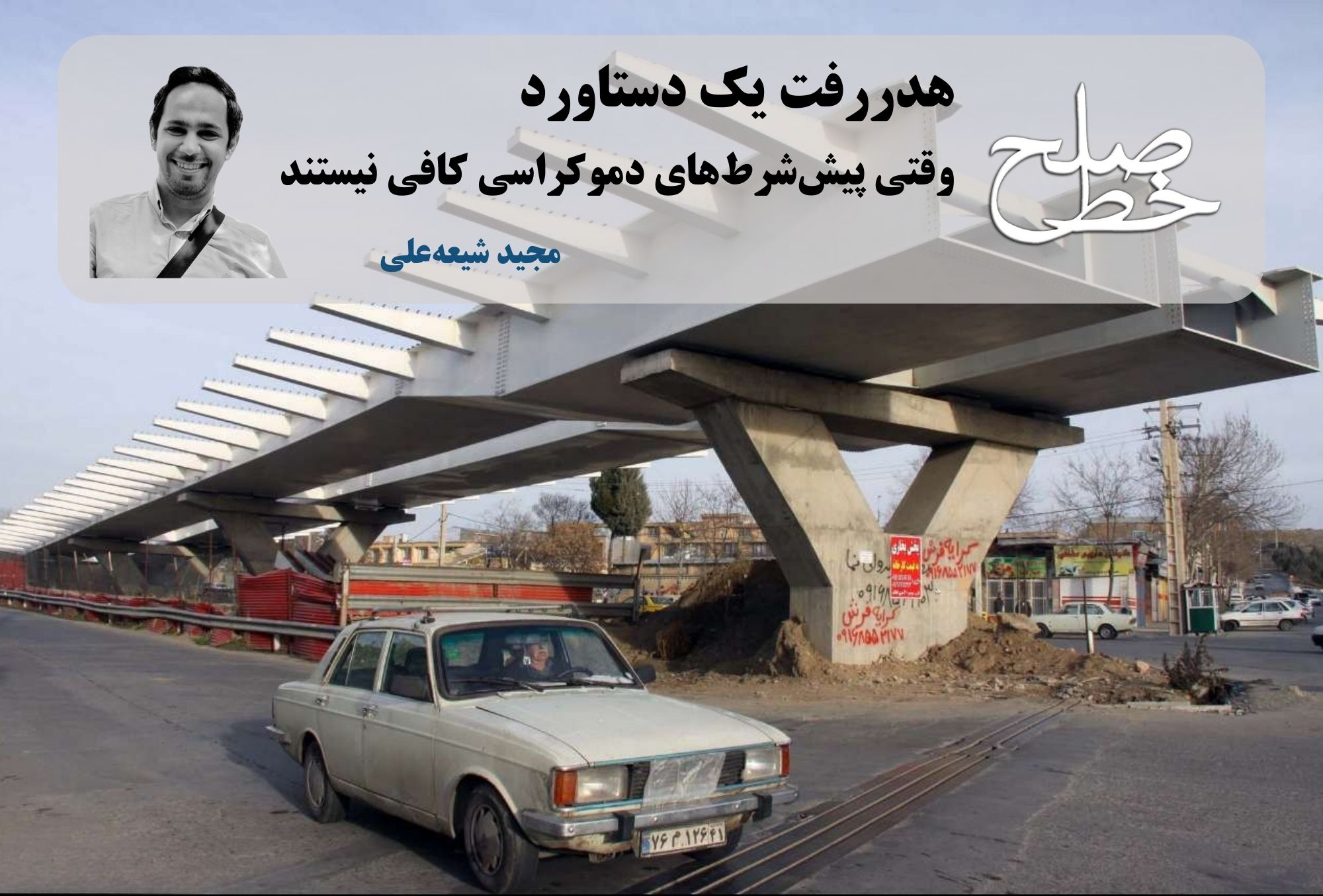
The Squandering of a Milestone: When Preconditions for Democracy Are Not Enough/ Majid Shieh-Ali
Many political researchers who study political transformations, comparative political systems, and topics such as revolutions, democratization, and similar subjects tend to have a relative theoretical consensus regarding the types of revolutions that can lead to democracy. They consider elements such as global political developments in different periods, the level of industrialization and development in society, […]...
Read More
Created By:
Majid Shia’ali November 22, 2025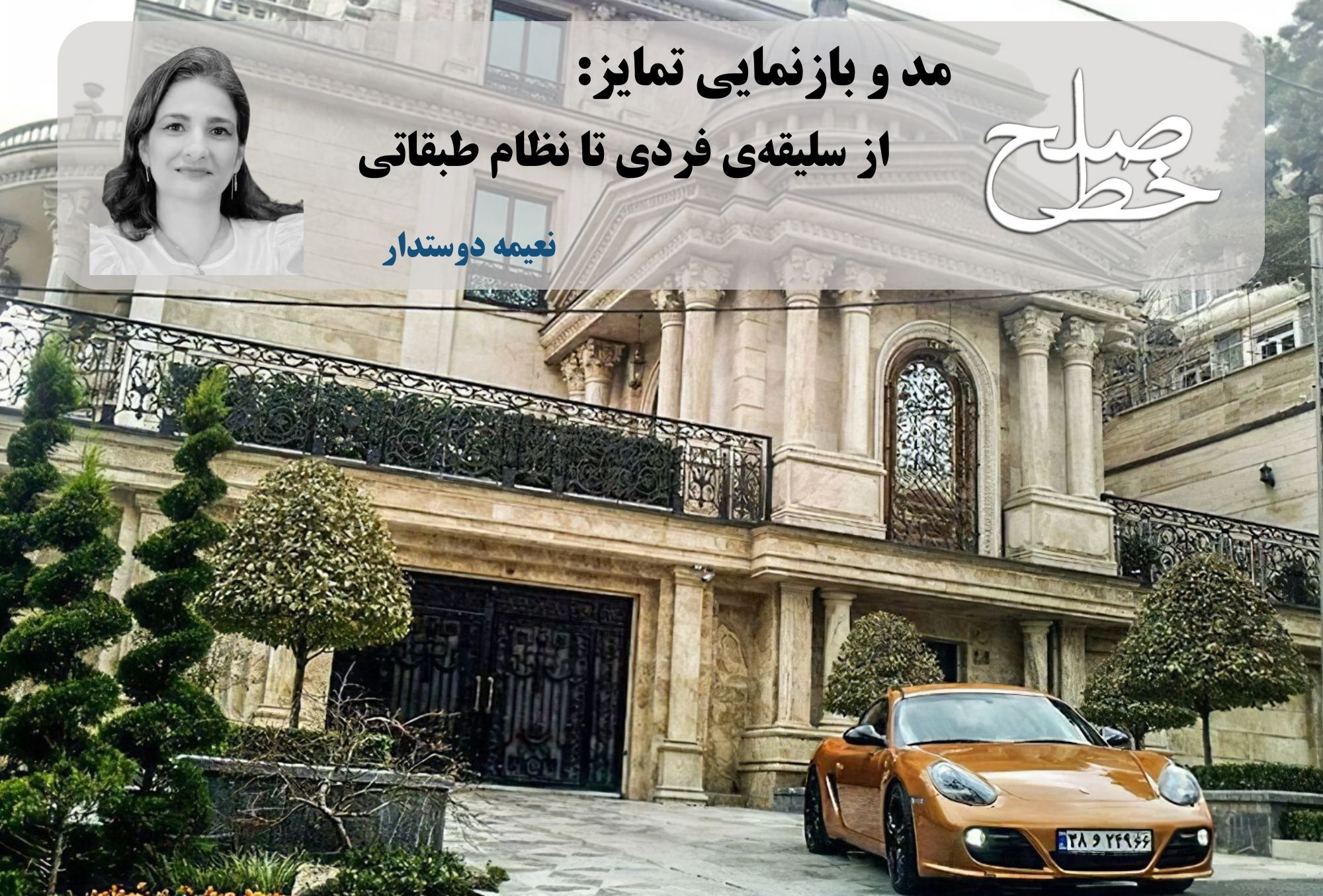
Fashion and the Representation of Distinction: From Personal Taste to Class System/ Naeimeh Doostdar
What is seen on the streets today is not merely a variety of styles, but a silent, ongoing competition between social classes—inscribed on the surface of the body. Hair color, eyebrow shape, the cut of a manteau, and even the quality of makeup have become markers that reveal opportunities, limitations, and economic divides. In a […]...
Read More
Created By:
Naeimeh Doustar November 22, 2025
From Bread to Justice/ Mina Javani
Food insecurity in Iran is no longer merely a subsistence issue; it is a symptom of deeper fractures in the country’s economic, environmental, and institutional structures. In a world where food production has never been so technologically widespread, the persistence of hunger and malnutrition across societies points above all to inequality in resource distribution and […]...
Read More
Created By:
Mina Javani November 22, 2025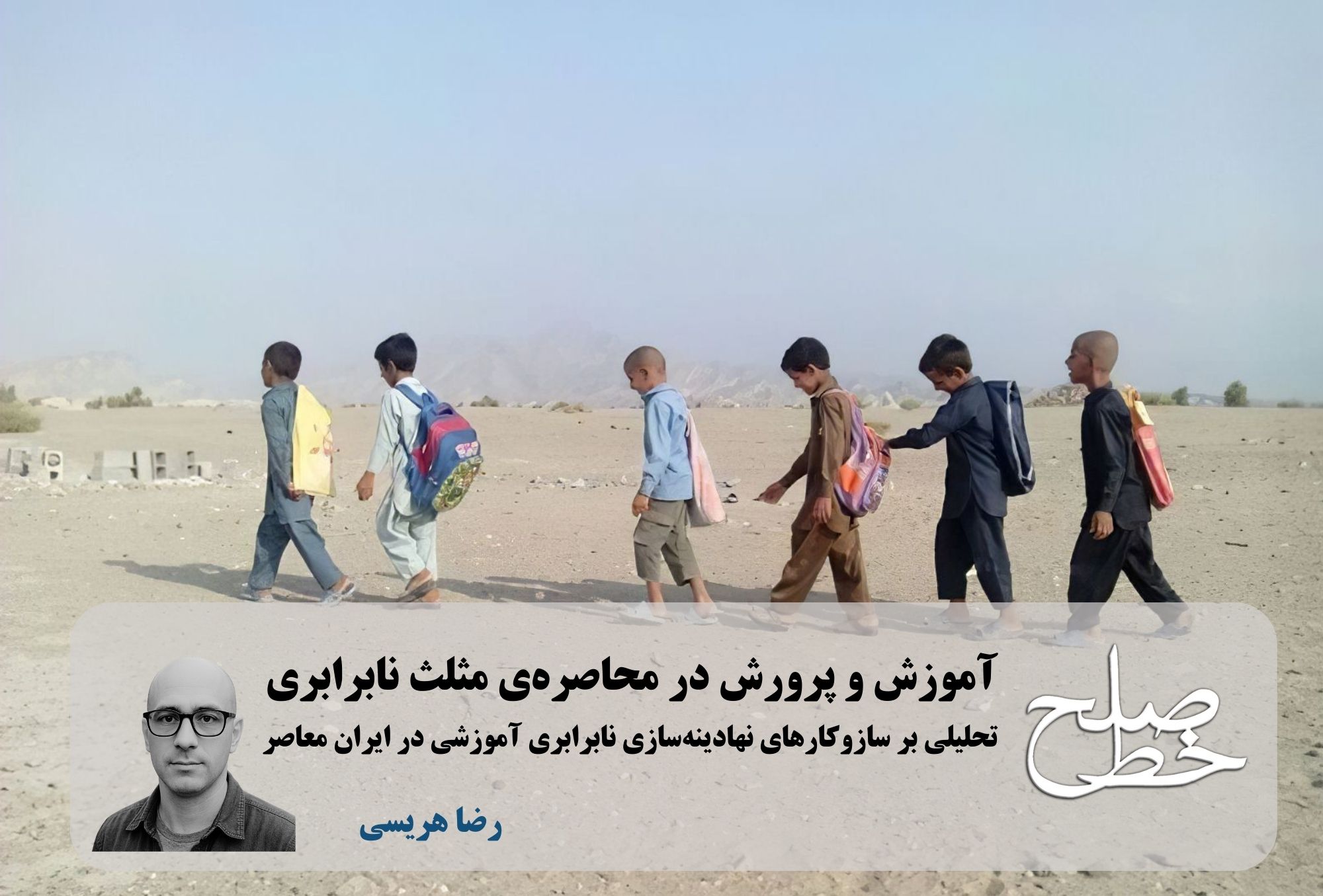
Education Trapped in a Triangle of Inequality/ Reza Herisi
In the official discourse of development, the educational system is consistently portrayed as the engine of social mobility and the embodiment of meritocracy. Ideally, this modern institution is tasked with fostering talent by providing equal opportunities regardless of class, ethnicity, or geographic origin, thereby enabling a fair distribution of societal positions. However, accumulated evidence in […]...
Read More
Created By:
Reza Harisi November 22, 2025
