


ماهنامه خط صلح
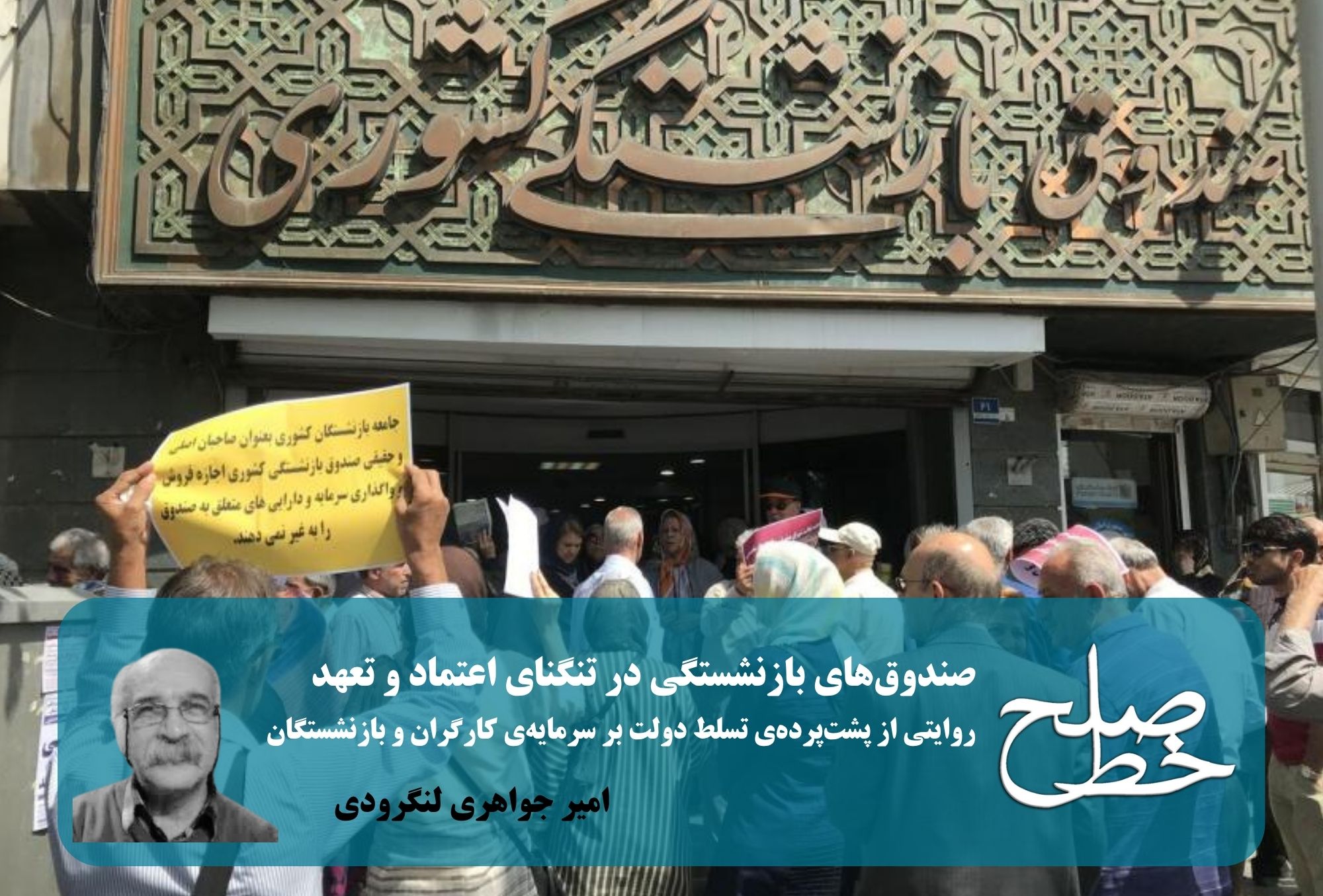
Pension Funds in the Strait of Trust and Obligation/ Amir Javaheri Langroudi
In recent years, the condition of pension funds—especially the Cultural Workers Reserve Fund and the performance of the Social Security Organization—has attracted the attention of many researchers, social activists, and fund members. The importance of this issue is evident not only in theory but also in practice, as its crisis-inducing consequences directly and significantly impact […]...
Read More Created By:
Amir Javaheri Langaroudi
Created By:
Amir Javaheri Langaroudi October 23, 2025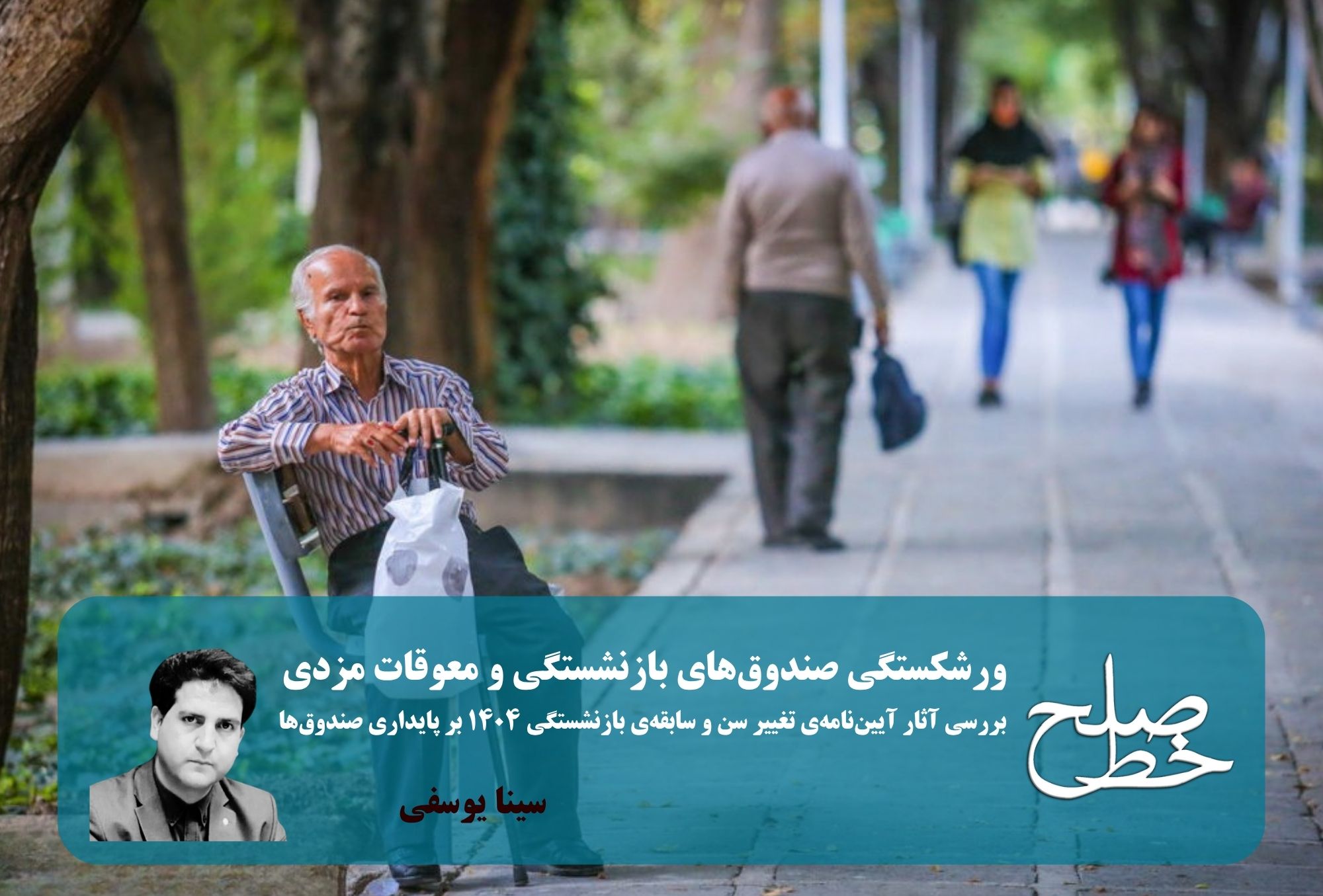
The Bankruptcy of Pension Funds and Wage Arrears/ Sina Yousefi
In recent decades, the country’s pension funds—especially the Civil Servants Pension Fund, the Social Security Organization, and the Armed Forces Pension Fund—have faced a deep structural crisis. This crisis stems from chronic imbalance between resources and expenditures, unprofessional policymaking, and weak corporate governance in managing these institutions. The share of public budget contributions to cover […]...
Read More
Created By:
Sina Yousefi October 23, 2025
Pension Funds: From the Dream of Security to the Crisis of Reality/ Morteza Hamounian
During the Roman Empire, soldiers received money or land after completing their service. That is, when a soldier ended his military duty and was to be discharged with honor, he was granted a payment and sometimes a plot of land. A similar system existed in ancient China and Greece. Later, during the Middle Ages, guilds […]...
Read More
Created By:
Morteza Hamounian October 23, 2025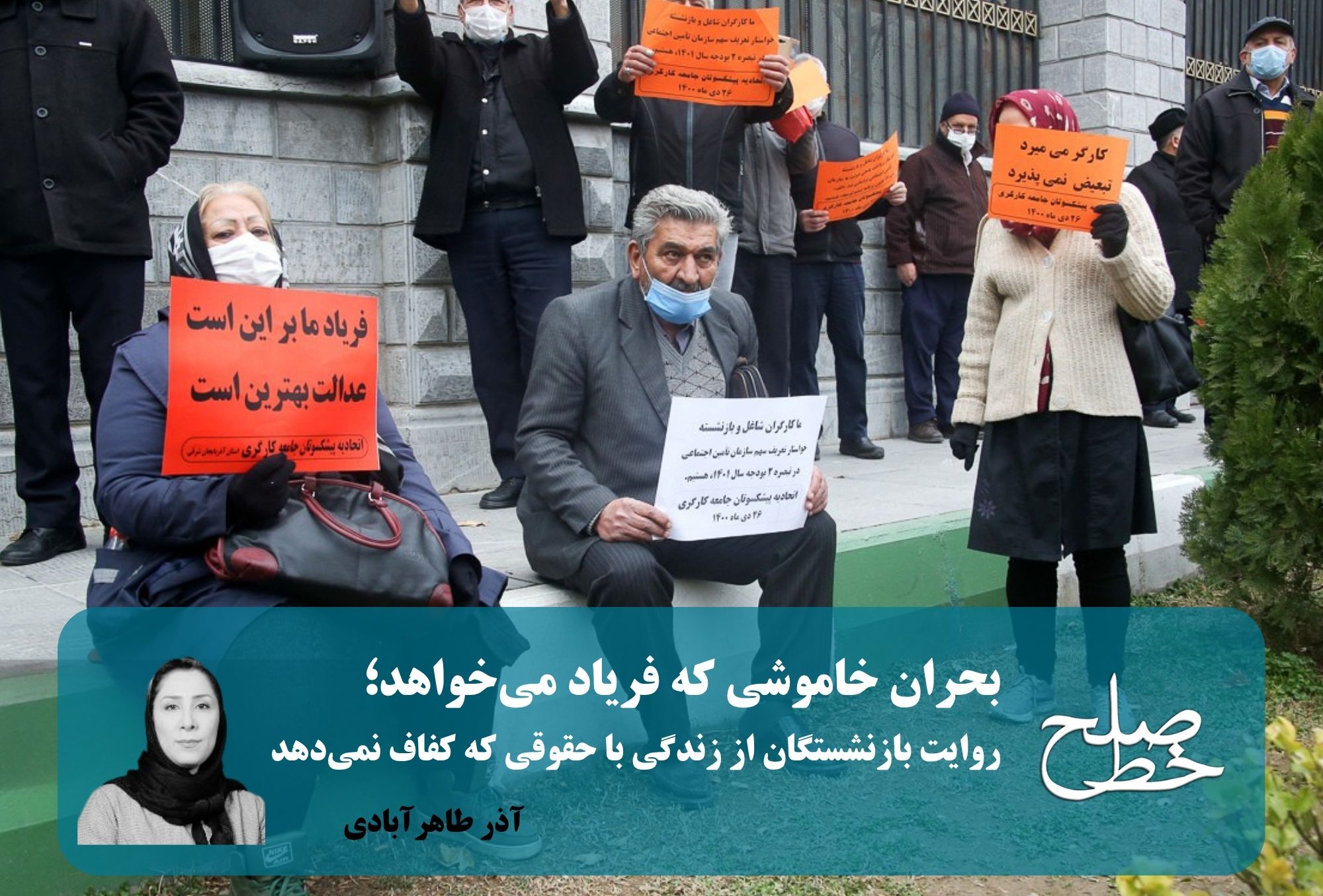
Retirees’ Accounts of Life with Inadequate Pensions/ Azar Taherabadi
Pension funds in Iran have been struggling with financial crises for years—a crisis that has now reached the brink of bankruptcy, leaving millions of retirees facing fear and economic instability. According to official data, the Civil Servants Pension Fund (CSPF), the Social Security Organization, and the Armed Forces Pension Fund cover a significant portion of […]...
Read More
Created By:
Azar Taherabad October 23, 2025
The Pension Crisis in Iran Through a Global Lens/ Ahmad Alavi
Pension funds, as the cornerstones of social security systems, play a key role in ensuring economic security, reducing poverty, and strengthening social cohesion. However, inefficiencies in these funds can lead to economic instability, increased inequality, and erosion of public trust. In Iran, pension funds such as the Civil Servants Pension Fund and the Social Security […]...
Read More
Created By:
Ahmad Alavi October 23, 2025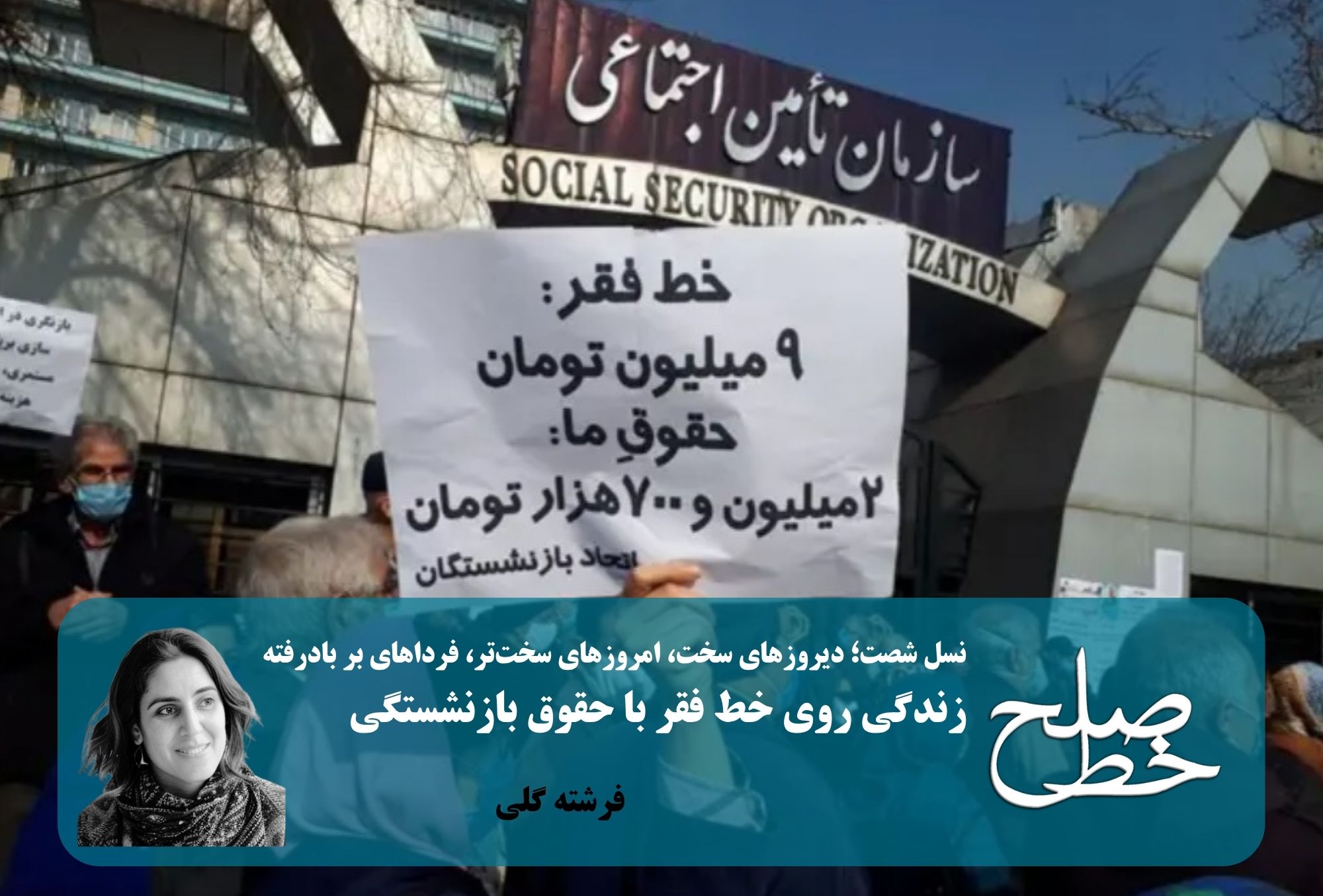
Generation of the 1980s: Hard Yesterdays, Harder Todays, Vanished Tomorrows/ Fereshteh Goli
In Iran, pension funds are financial-social institutions established to provide for individuals during old age and retirement. Their mechanisms rely on collecting insurance premiums from the workforce (employees and employers) and investing these funds, so that monthly pensions and other legal benefits can be paid to retirees. In essence, these institutions operate based on an […]...
Read More
Created By:
Fereshteh Goli October 23, 2025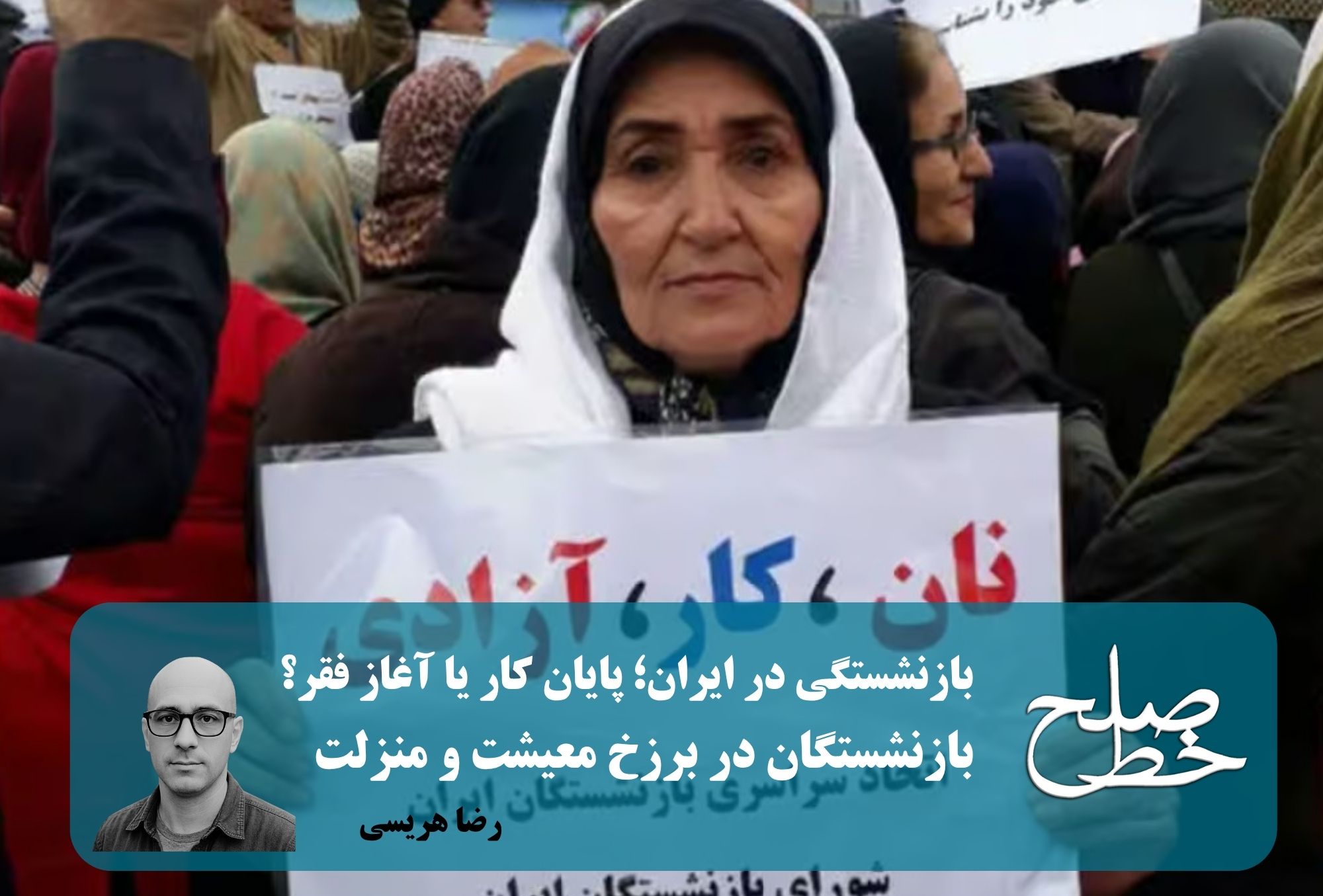
Retirement in Iran: End of Work or Onset of Poverty?/ Reza Herisi
In the lexicon of nations, retirement is synonymous with honor, comfort, and reaping the fruits of a lifetime of labor. It is not the end, but the beginning of a new chapter in life—a time when the retiree, free from the daily grind, devotes themselves to family, self, and personal interests. This concept represents an […]...
Read More
Created By:
Reza Harisi October 23, 2025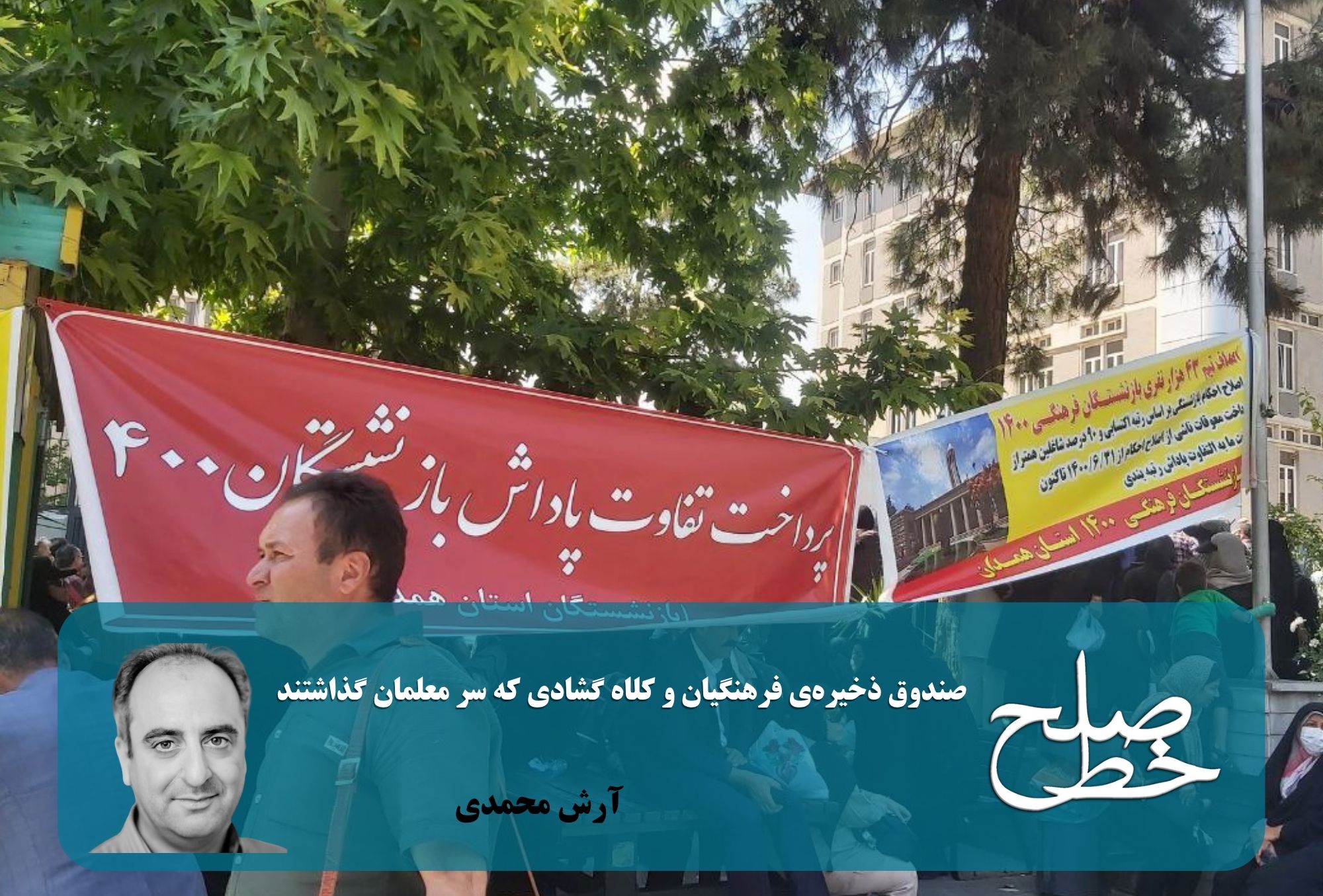
The Teachers’ Reserve Fund and the Grand Deception Played on Educators/ Arash Mohammadi
Now that I’ve reached retirement, I sit and reflect—one by one—on all the miseries I tried to overcome during the thirty years I went to and from school. I inhaled chalk dust, developed trembling knees, suffered nervous disorders… yet those miseries never ended. I sit and think about which of life’s wounds I can possibly […]...
Read More
Created By:
Arash Mohammadi October 23, 2025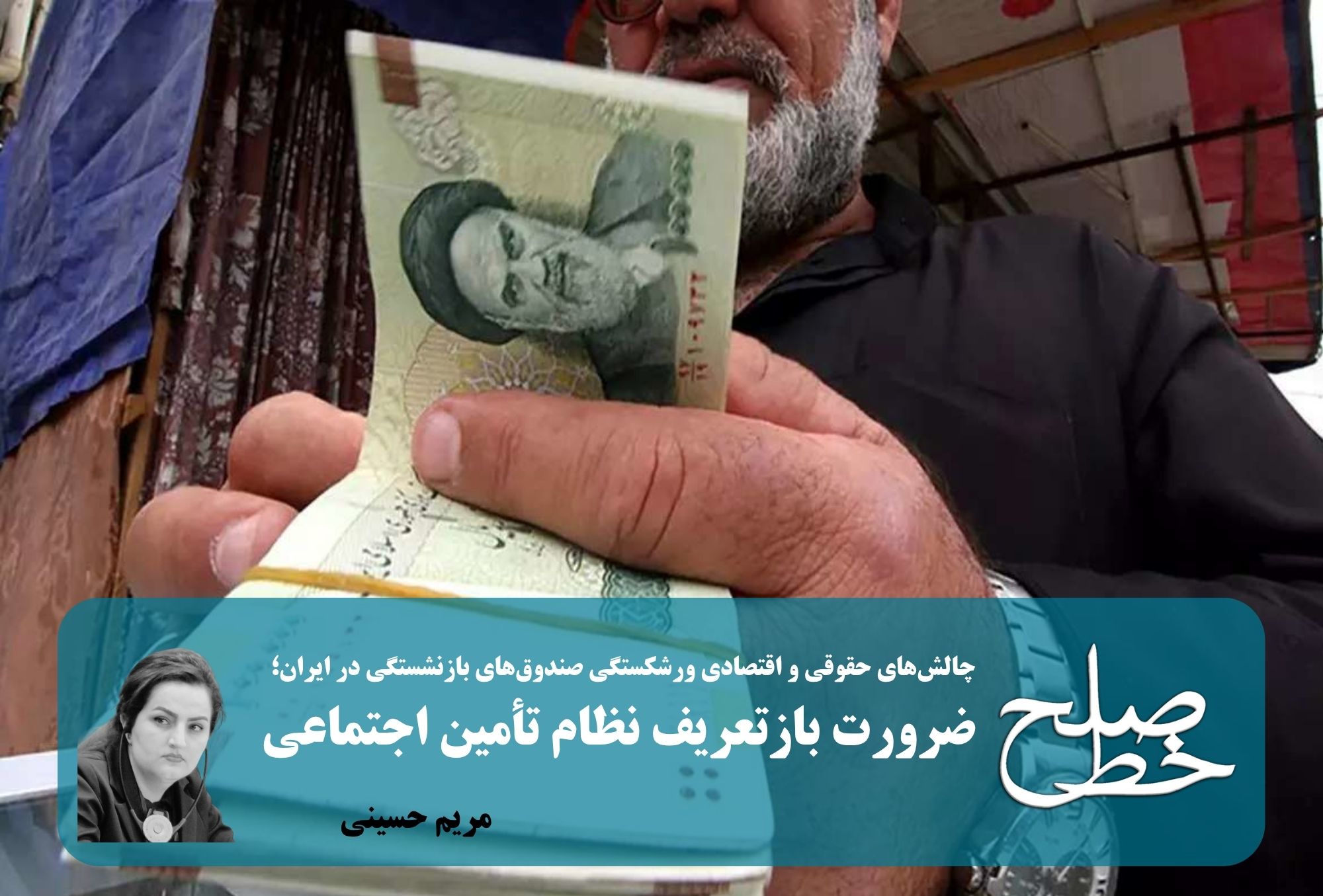
Legal and Economic Challenges of Pension Fund Bankruptcy in Iran/ Maryam Hosseini
Pension funds are the cornerstone of economic security and social justice in any country. These institutions, by collecting insurance premiums from workers and employers, allow retirees to enjoy a dignified life after the end of their working period. In Iran, multiple pension funds, including the Civil Servants Pension Fund, the Military Pension Fund, and the […]...
Read More
Created By:
مریم حسینی October 23, 2025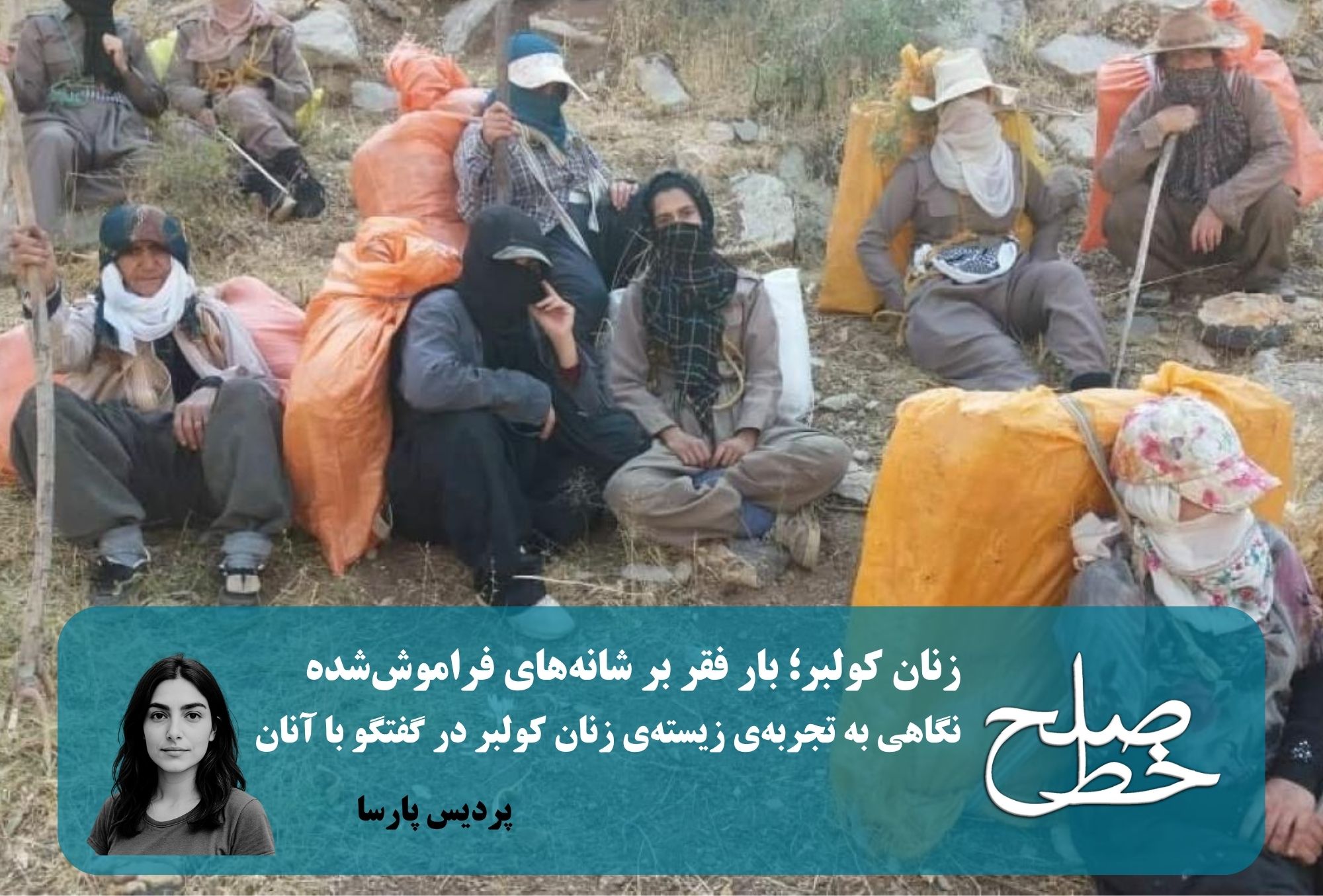
Women Kolbars: The Burden of Poverty on Forgotten Shoulders/ Pardis Parsa
Kolbari, a practice most common in the provinces of Kurdistan, Kermanshah, and West Azerbaijan, is a phenomenon tightly intertwined with structural poverty, underdevelopment, and centralized governance policies. The state, through continuous underdevelopment of non-Shia and non-Persian regions, has exacerbated this issue—particularly in the Kurdish border areas. Years of neglect, historical insecurity, and a securitized view […]...
Read More
Created By:
Pardis Parsa October 23, 2025
The Right to Image and the Politics of Representation/ Mina Javani
Iran’s underground cinema, as a semi-independent and often marginal sector of the country’s film production, has consistently navigated the intersection of legal restrictions, cultural pressures, and media representations. These films, produced outside the official mechanisms of Iranian cinema, not only provide a platform for expressing real social and ecological experiences, but also serve as vehicles […]...
Read More
Created By:
Mina Javani October 23, 2025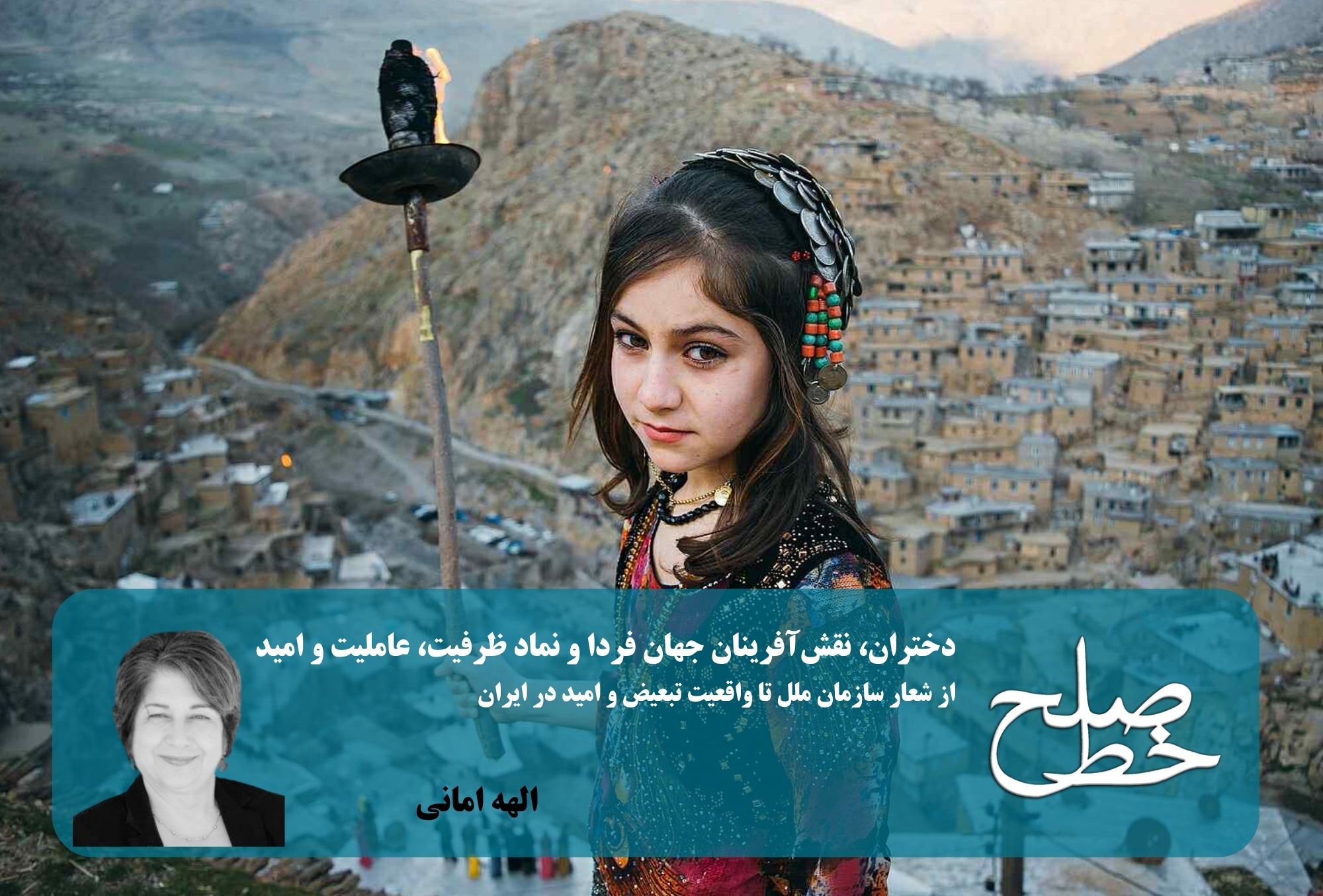
Girls: Architects of Tomorrow and Symbols of Capacity, Agency, and Hope/ Elahe Amani
In today’s world, girls are no longer mere observers of change; they are themselves the driving force behind transformation. By standing against discrimination, with an informed mind and active presence in society, they are redefining the path to the future. From classrooms to social movements, from scientific innovations to civic engagement, girls are symbols of […]...
Read More
Created By:
Elahe Amani October 23, 2025
