


Alcoholic beverages are handmade and a source of fear for poison victims to visit medical centers; Interview with Dr. Mozhgan Mokhtari / Pegah Hamzei
“ما در حال تلاش برای بهبود زندگی خود هستیم”
“We are striving to improve our lives.”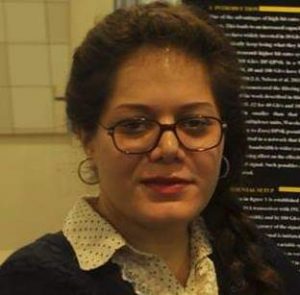
Pegah Hamzei
Alcoholic beverages have been handcrafted for years and have been making headlines around the world; drinks that, due to religious or legal restrictions, or even lower prices than factory-made samples, are produced and consumed illegally in many countries. As a result, the demand for cheap alcohol or the demand for alcohol in places where access to it is difficult, leads to its illegal, unregulated and underground production, which some people produce for their own consumption and others for sale. The Iranian Legal Medical Organization does not provide statistics on the number of consumers and types of alcoholic beverages, but the market for handcrafted alcoholic beverages in Iran is thriving due to their legal prohibition and despite the expected legal penalties. In the midst of this, the only shocking statistic is the victims, which are sometimes reported. Ysna Behmanesh, Secretary of the Central Information Center for Drugs and Poisons, told ISNA in an interview that at least 2 to 4 percent of the poisonings referred to medical centers are
Production of alcohol in Iran
Mohammad Reza Ghadirzadeh, the general manager of the Legal Medicine Organization, has previously told Jahan-e Sanat newspaper about the financial and alcohol industry turnover in Iran: The total turnover of financial transactions and buying and selling of alcohol in the country is 658 billion tomans, and there are 23 alcohol production factories in the country. Tehran, Alborz, Isfahan, Lorestan, and Kermanshah provinces have the highest alcohol consumption, while Bushehr, Sistan and Baluchestan, Chaharmahal and Bakhtiari, and Markazi have the lowest consumption according to statistics. According to this newspaper, due to the low and specified alcohol concentration in foreign countries, the potential dangers of consuming alcohol in those countries are low; however, in Iran, the alcohol concentration in alcoholic beverages is not specified at all, and the consumption of alcoholic beverages in the country is not standardized. The consumer of this drink in the country
Alcohol comes in various types, and its consumption usually does not cause severe problems apart from short-term and long-term consequences of intoxication. However, one of the issues raised these days is the use of counterfeit alcohol. The production of alcoholic beverages in Western countries follows a specific process. Finally, the alcohol produced by the factory is tested to confirm its quality. Since these activities are prohibited in Iran, alcohol is obtained illegally from unreliable sources and reaches consumers. Possible contamination in the process of making these beverages may result in the production of non-drinkable alcohol. The main ingredient of these unwanted alcohols is wood alcohol, which is created from cellulose materials found in the raw materials of alcoholic beverages such as wood attached to grapes and raisins or their pits, which cannot be distinguished from drinkable alcohol based on taste and flavor. Many of the drinkable alcohols sold in the illegal market in Iran are counterfeit.
According to IRNA, in recent days, the homemade alcohol poisoning has led to the hospitalization of 247 people in Bandar Abbas. Reports of 45 cases of poisoning in Karaj and 25 cases in the cities of Bojnourd and Shirvan have also been heard. In the past months, the consumption of homemade alcoholic beverages in the provinces of Bandar Abbas, Fars, Hormozgan, South Khorasan, Alborz, and Mazandaran has claimed the lives of dozens of people. Some of the poisoned individuals have died, while others are undergoing dialysis or are hospitalized in intensive care units. ISNA news agency, quoting Pirhossein Koolivand, the head of the Emergency Organization, wrote that at least 290 people have been poisoned in the past month due to the consumption of homemade alcoholic beverages in four provinces. Even in April of this year, two tourists died of brain death due to the consumption of homemade alcohol. However, it was
Alcohol poisoning from homemade drinks
Fake poisoning is often due to the consumption of methanol, also known as wood alcohol. Symptoms of methanol consumption include dizziness, blurred vision or blindness, stomach pain, and shortness of breath. The severity of poisoning depends on the amount of methanol consumed, which is converted into a deadly compound in the body. In the initial stage, methanol poisoning presents as dizziness, drowsiness, nausea, vomiting, stomach pain, headache, and central nervous system impairment. These initial symptoms are similar to alcohol intoxication and are not taken seriously. After these symptoms, there is a hidden period that lasts approximately six to twenty-four hours, depending on the amount of methanol consumed, and after that, it can cause visual impairment and ultimately brain death. Dr. Mojgan Mokhtari, a pathologist and professor at Isfahan University of Medical Sciences, in an interview with Khat-e-Solh, refers to this hand-made alcohol poisoning caused by methanol present
Alcohol, also known as ethanol, is the main treatment.
Dr. Mokhtari talks about the care that should be given to a person who has been poisoned with alcohol, saying that white alcohol or ethanol is the main treatment. Generally, ethanol, respiratory care, vital signs, and of course the use of appropriate antidotes are useful treatment options. He emphasizes that the treatment of this poisoning depends on the amount of consumption and the percentage of impurities of methanol and the mentioned drugs. For example, in case of high doses, treatment is ineffective. He believes that a large part of the danger of homemade alcoholic beverages is due to the simultaneous impurities of drugs, which depending on what drug is added, has specific symptoms along with the specific symptoms of ethanol and methanol. Dr. Mokhtari says, “Even in this case, the symptoms of the drug group are clear and based on those symptoms, we can start treating the poisoning.”
Death or confession to breaking the law
This doctor talks about the healthcare system in Iran and how much this type of poisoning and its symptoms and treatment methods are known for this system. He says, “Poisoning with homemade drinks in Iran is very similar to the treatment panel in other countries and only its special care facilities are not as equipped and complete.”
He emphasizes that both general physicians and toxicology specialists are familiar with the signs of this type of poisoning. However, the main problem with treatment in Iran is the fear of seeking help or giving accurate information to the healthcare provider. In fact, many poisoned individuals only confess to consuming alcohol when the situation becomes severe and irreversible due to fear of the consequences.
This is an important issue where many people who have been poisoned are often not willing to cooperate with treatment due to fear of the consequences of consuming a prohibited drink, and they lose the limited time available for treatment. When they admit to consuming alcohol, they have suffered severe consequences and other treatment methods will not be effective. Stomach washing is only effective in the early hours of methanol consumption. Therefore, in these serious conditions, taking the signs of poisoning seriously, which are mistakenly interpreted as drunkenness, and quickly seeking medical treatment and informing the medical team of the consumption of homemade drinks, is crucial. In addition, with this kind of cooperation and information, it is possible to prevent others from consuming the same poisoned homemade drink. This is while the prohibition of alcohol consumption and fear of punishment can lead to the death of the individual.
Hossein Hassanian Moghadam, a specialist in clinical toxicology and poisoning and an associate professor at Shahid Beheshti University of Medical Sciences, also recently emphasized the importance of collaboration with physicians in an interview with the health magazine. He stated that in case of poisoning due to alcohol consumption, it is necessary to seek medical treatment as soon as possible or contact emergency services. Unfortunately, many people delay seeking medical treatment due to fear of arrest or being questioned by the police, putting their lives at risk. They should know that the goal of medical staff is only to help the patient and save their life. These individuals are seen as patients in medical centers, not criminals. The sooner a person seeks medical treatment, the lower the chances of complications.
Although in Iran before the revolution, “dog sweat” was also made from raisins and had 65% alcohol content, but homemade alcoholic beverages have been produced in large quantities after the revolution, despite legal prohibition and criminal and monetary penalties. On the other hand, the recent number of victims of alcohol poisoning in several provinces of the country indicates a rapid increase in the number of consumers and a decrease in their average age. The average age of recent poisoning victims, which has been between 17 and 50 years old, emphasizes the need for education on the consumption of alcoholic beverages in Iran; an issue that has been neglected due to the prohibition of these drinks in the country and has doubled its consequences.
 Created By: Pegah Hamzei
 October 23, 2018
Tags
Alcohol is white. Alcoholic beverages Dr. Mojgan Mokhtari Drinking wine Methanol Monthly Peace Line Magazine peace line Pegah Hamzei پیمان صلح ماهنامه خط صلح ماهنامه خط صلح