


peace line
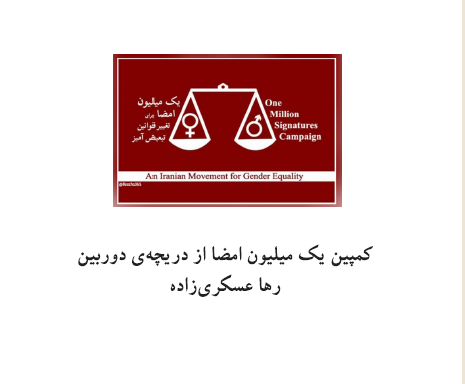
The One Million Signatures Campaign Through the Lens of Raha Askarizadeh’s Camera
Joining the campaign was a turning point in my life. From behind the doors of Raad Institute to bringing the signature sheet out of Evin Prison, every day is a vivid memory for me. The following photo collection is part of the history of those days....
Read More Created By:
Admin
Created By:
Admin September 25, 2026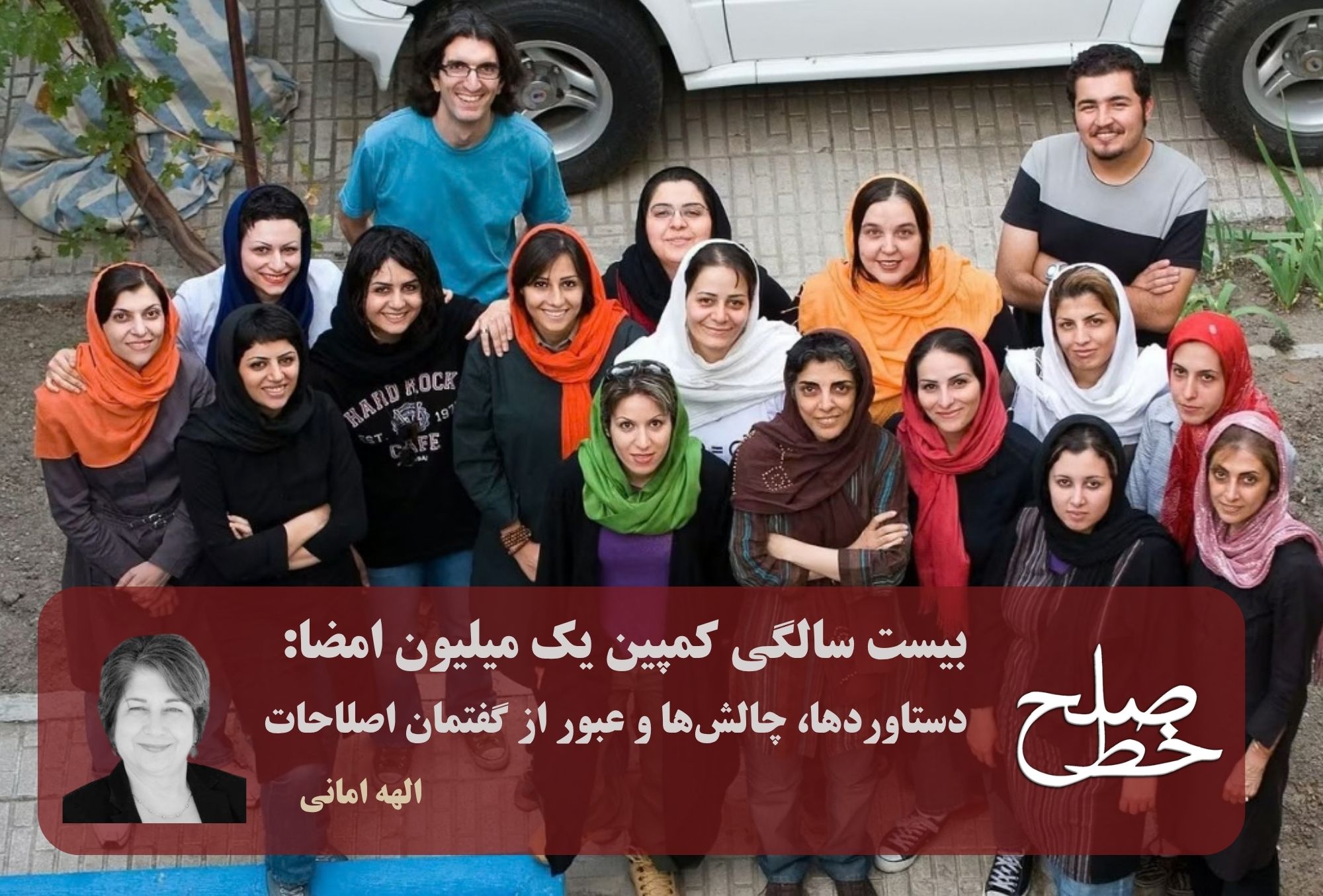
The Twentieth Anniversary of the One Million Signatures Campaign: Achievements, Challenges, and Moving Beyond the Reformist Discourse/ Elahe Amani
The One Million Signatures Campaign in Iran cannot be understood without considering the experience of the women’s movement in Morocco in the early 1990s. Iranian women activists drew inspiration from the Moroccan experience, particularly its use of large-scale signature collection as a tool for social mobilization, raising public awareness, and creating pressure to reform discriminatory […]...
Read More
Created By:
Elahe Amani September 23, 2026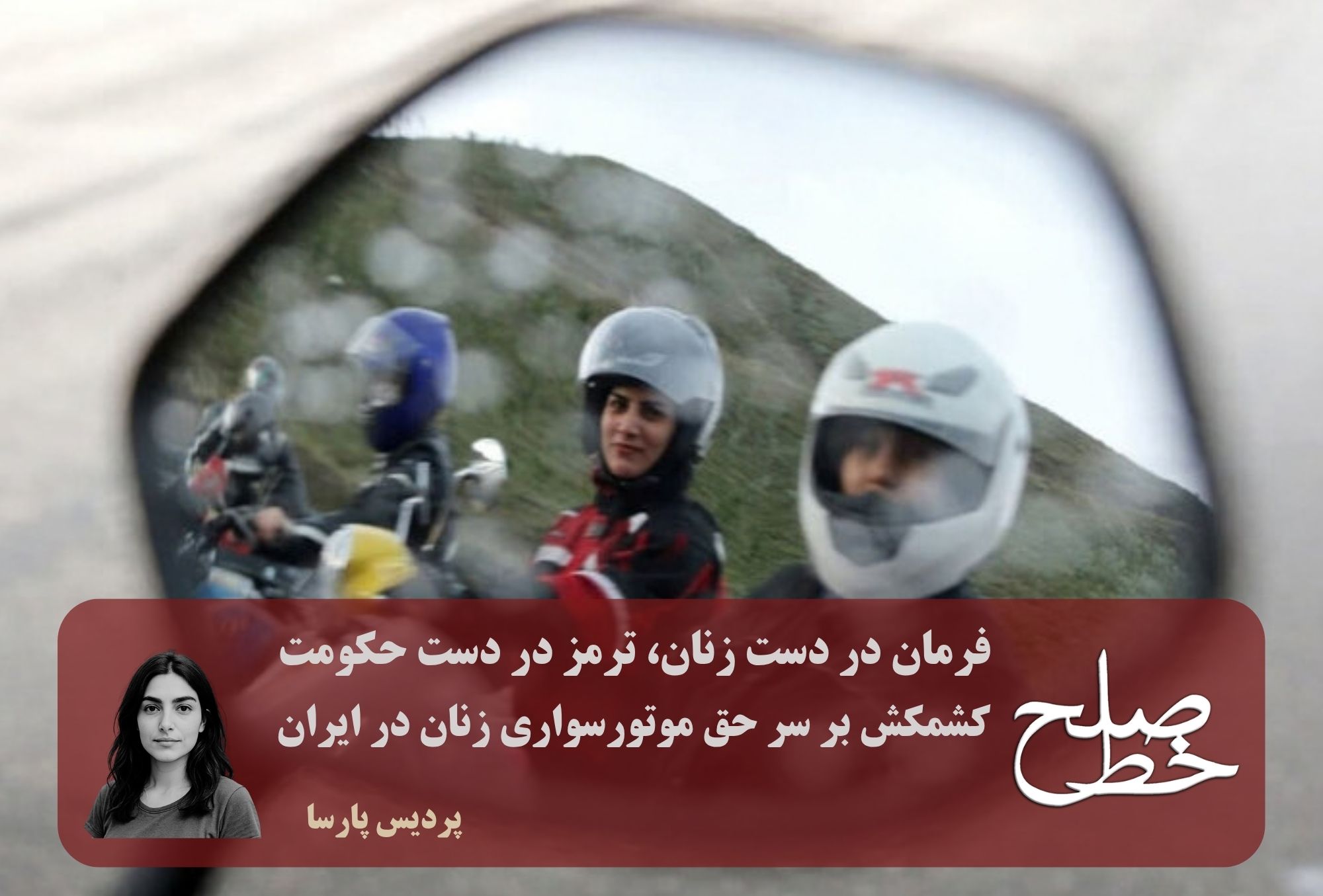
Women at the Helm, the Government on the Brakes/ Pardis Parsa
Today in Iran, motorcycles and electric scooters have evolved from recreational vehicles or means of transportation associated with particular social classes into essential tools for earning a livelihood and for fast, inexpensive transportation. Nevertheless, the absence of a single, transparent procedure for issuing licenses to half of the country’s population has pushed women motorcyclists into […]...
Read More
Created By:
Pardis Parsa September 23, 2026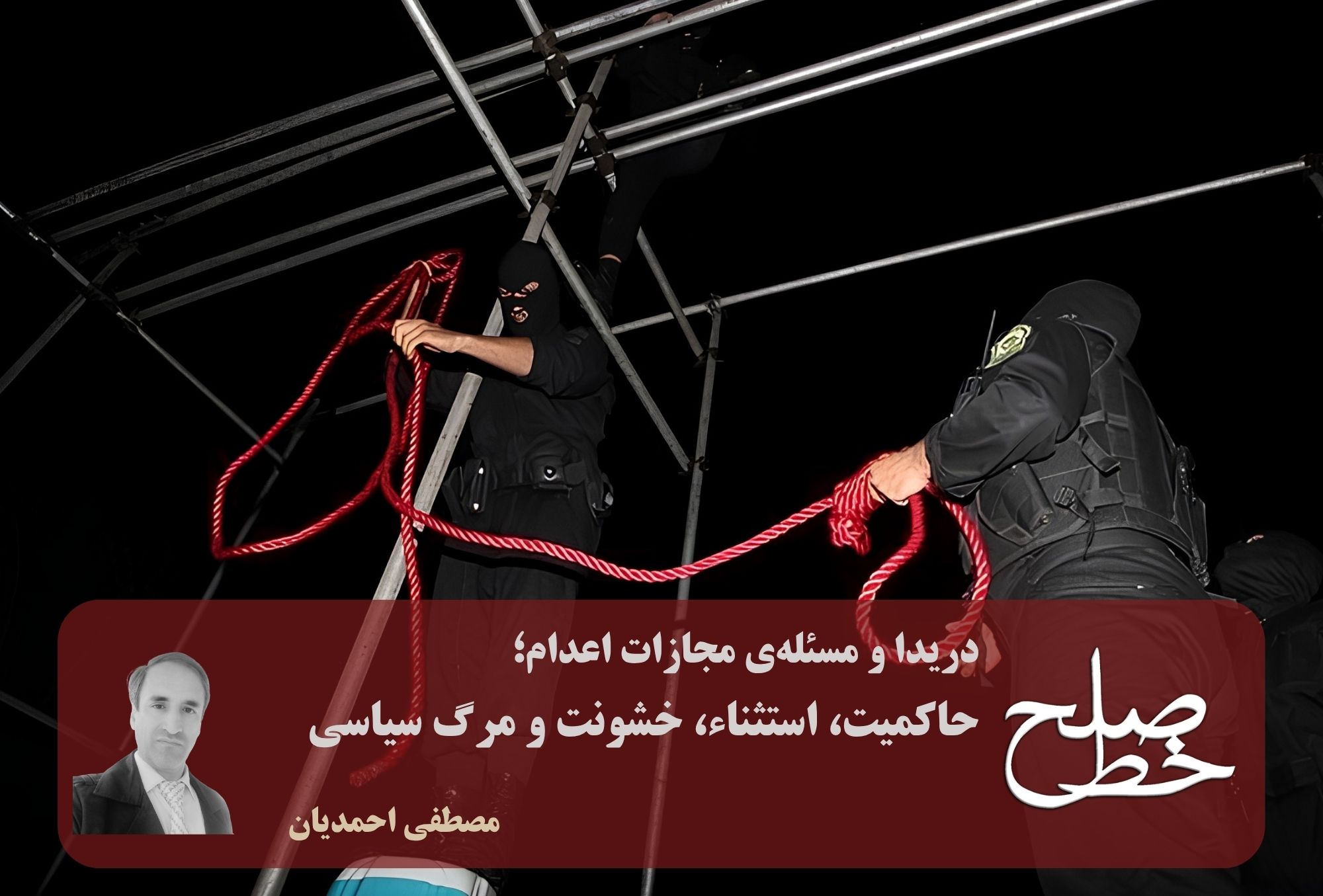
Derrida and the Question of the Death Penalty: Sovereignty, Exception, Violence, and Political Death/ Mustafa Ahmadian
Introduction: When the Law Arrives at Death Discussions of the death penalty usually begin from a point that the law has already determined: what constitutes a crime, what constitutes punishment, and in which cases the most severe punishment—the deprivation of life—may be applied. For this reason, a large part of the legal literature on the […]...
Read More
Created By:
Mustafa Ahmadian September 23, 2026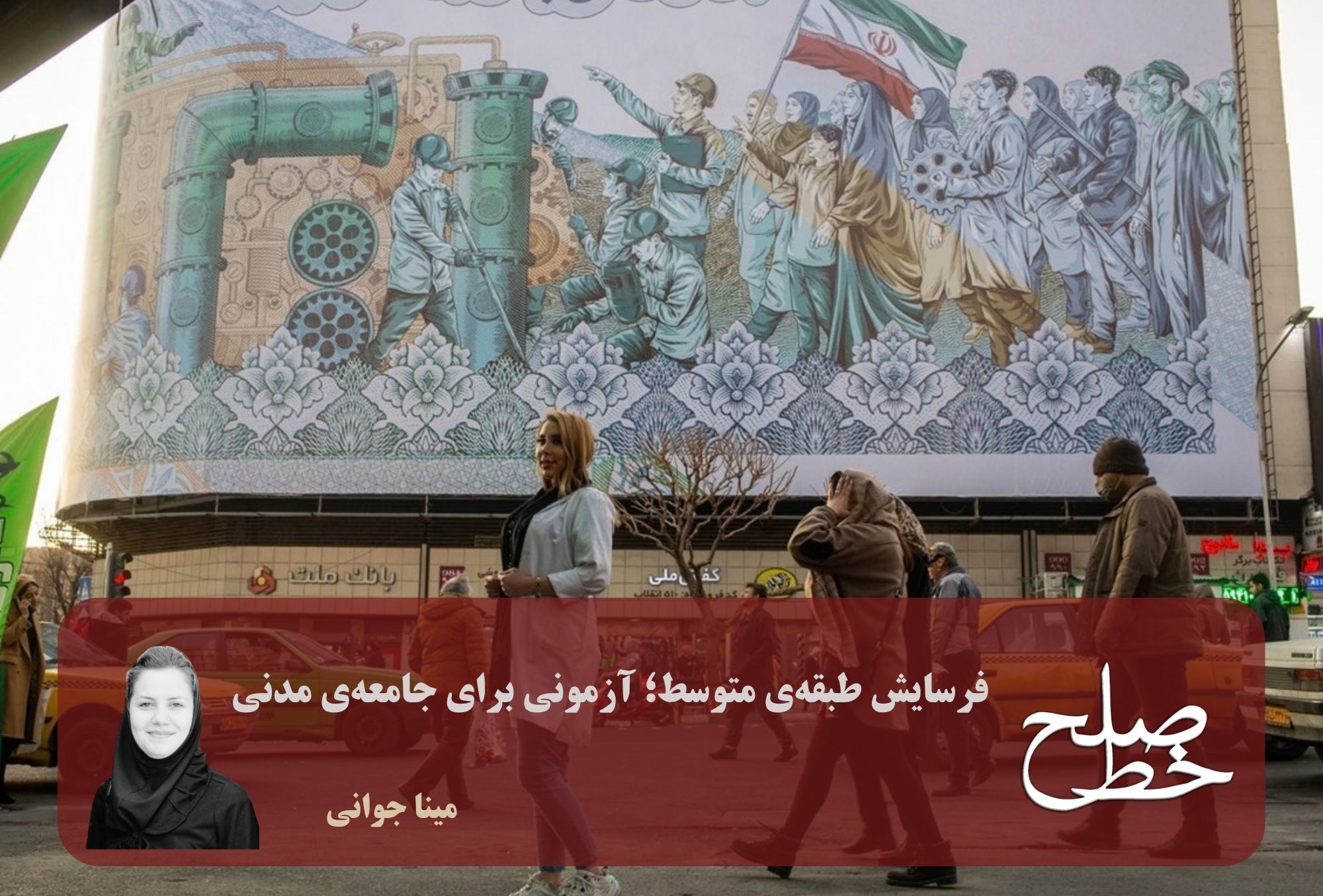
The Erosion of the Middle Class: A Test for Civil Society/ Mina Javani
The middle class is usually defined in terms of income level, consumption patterns, or educational attainment, as though the issue were merely one of drawing an economic boundary separating one segment of society from the lower and upper classes. Yet the historical and political significance of this class cannot be reduced to its economic position. […]...
Read More
Created By:
Mina Javani September 23, 2026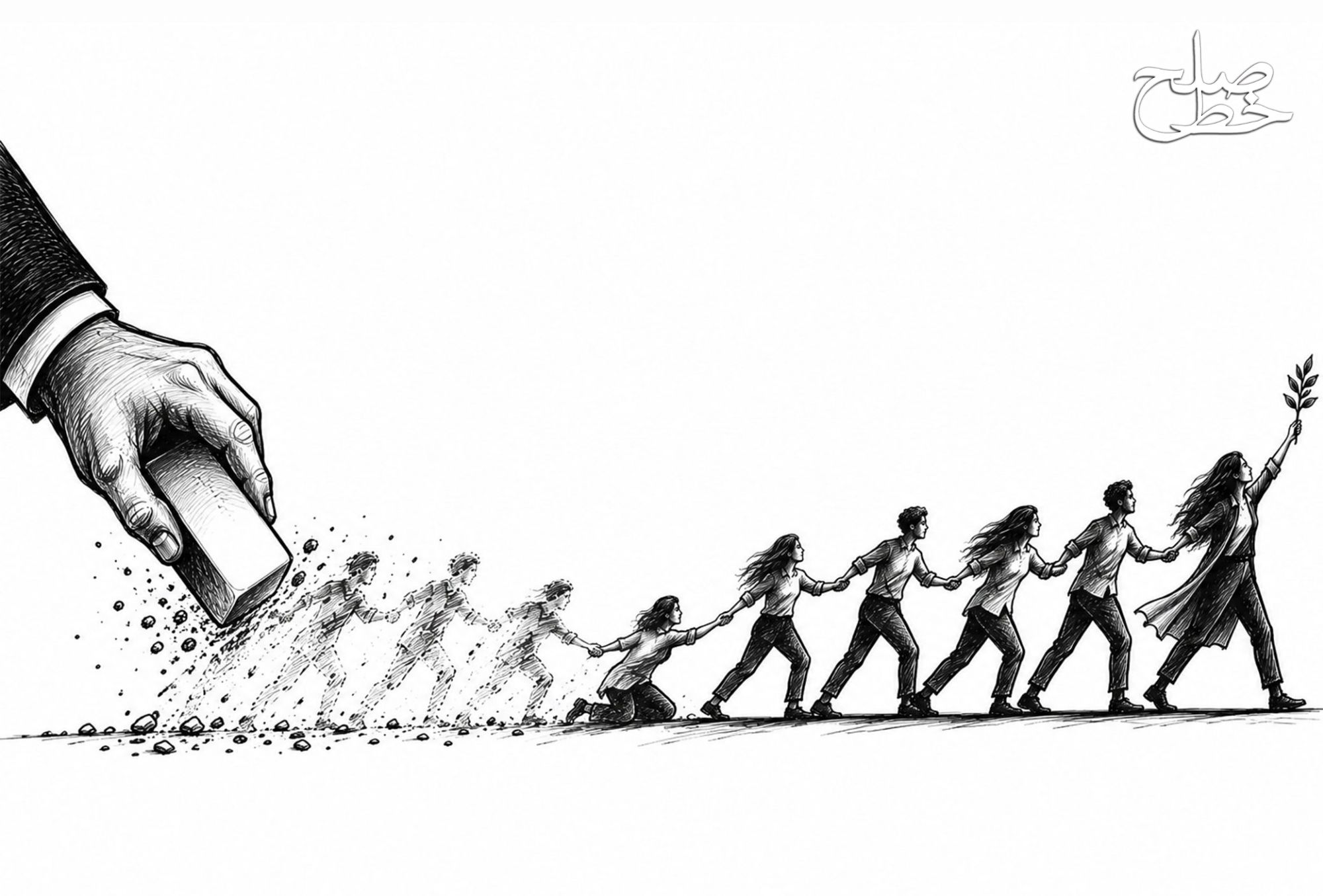 Created By:
Admin September 23, 2026
Created By:
Admin September 23, 2026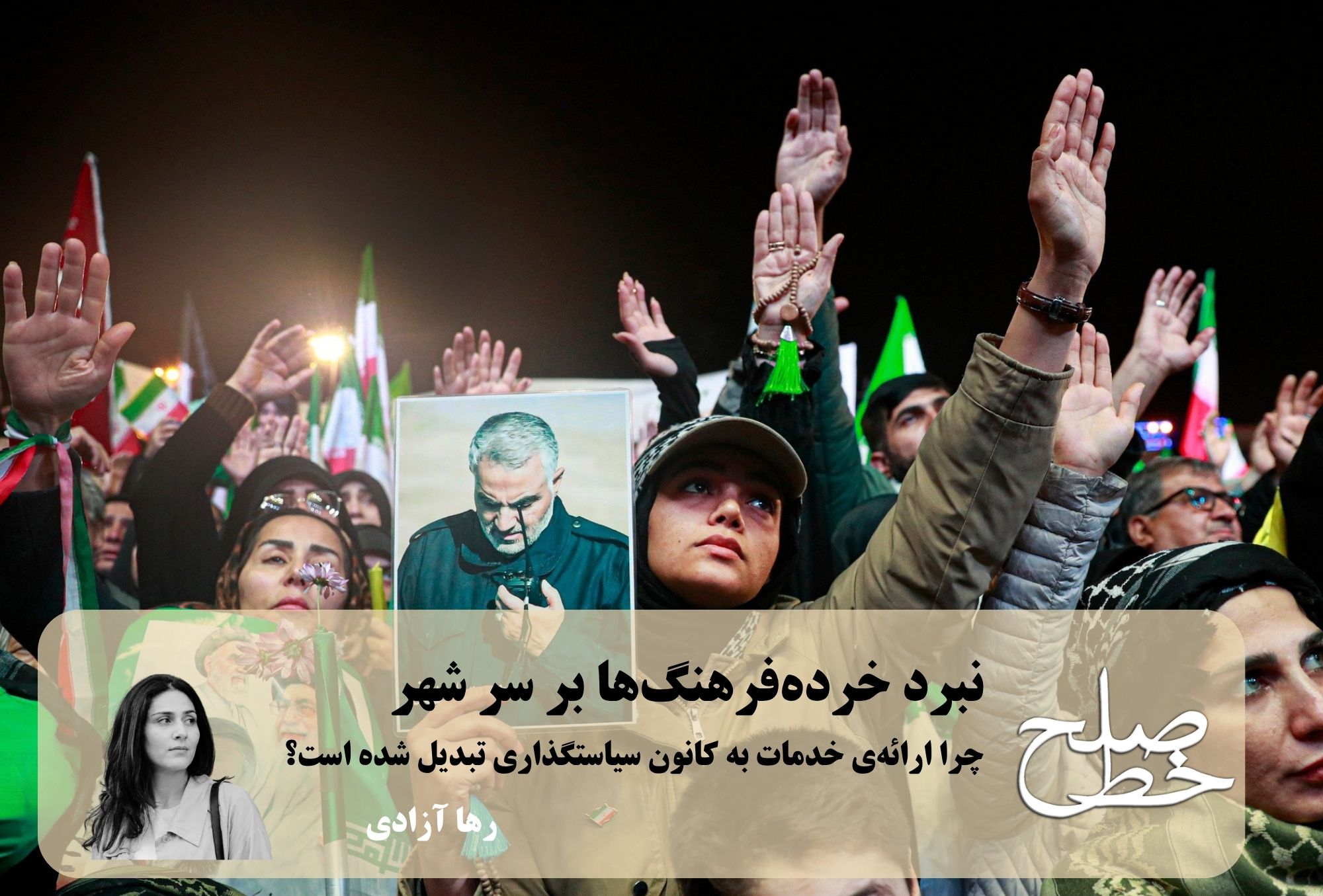
The Battle of Subcultures over the City/Raha Azadi
After the ceasefire in Iran, public policymaking, especially regarding public spaces and service occupations, underwent extensive changes. After 1401, with some twists and turns, the policy that Ali Motahari referred to as the “Sa’ah Sadr Nizam” was put on the agenda, and the previous strictures were somewhat relaxed. In these two or three years, it […]...
Read More
Created By:
Raha Azadi August 23, 2026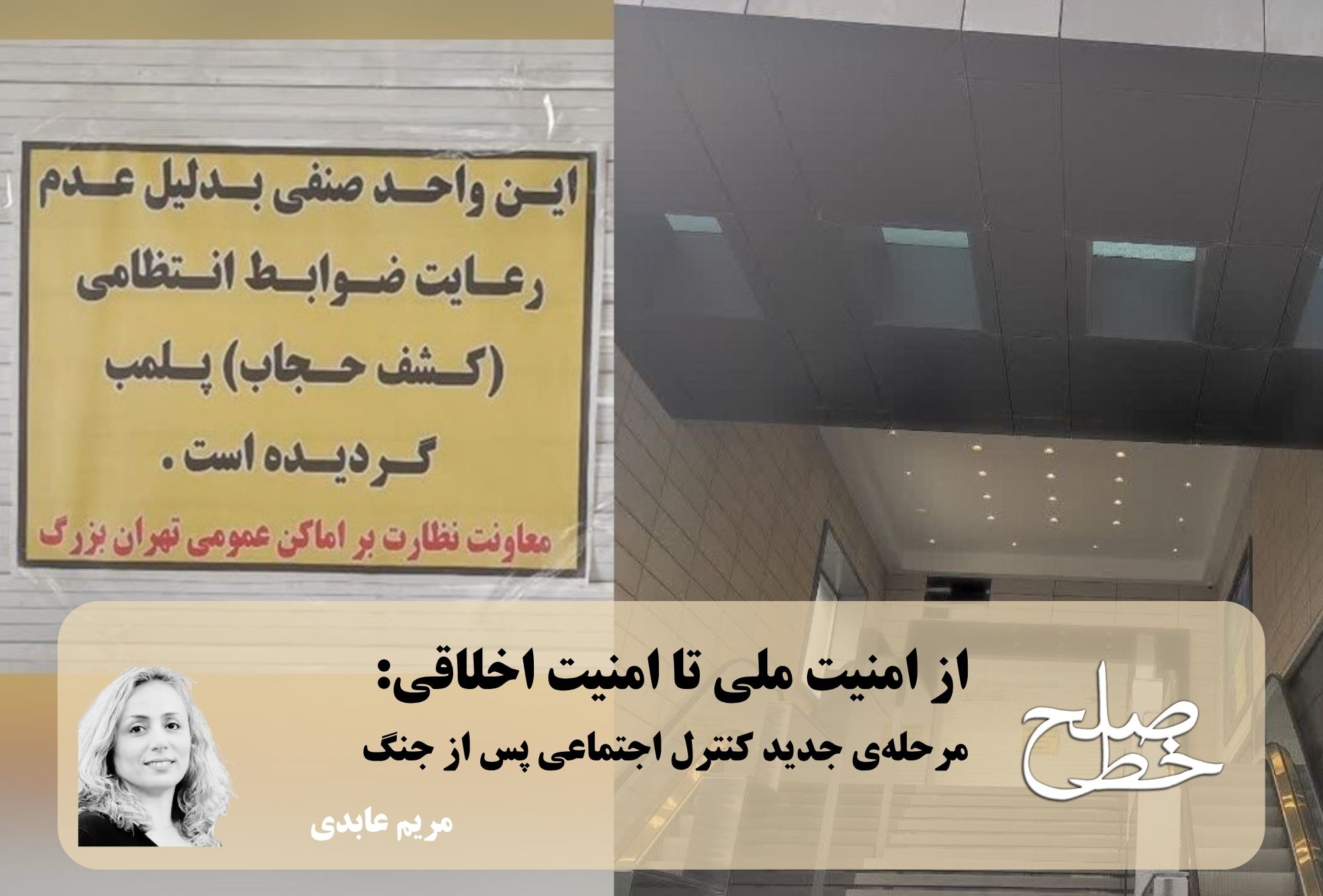
From National Security to Moral Security: The New Stage of Post-War Social Control / Maryam Abedi
In recent months, as the war has subsided, what has been seen on the streets, Instagram, and cyberspace is the return of the focus of governance from Iranian soil to the city; from the sealing of cafes and book cafes in Sana’i and Iranshahr to the crackdown on tourist tours and the blocking of bloggers’ […]...
Read More
Created By:
Maryam Abedi August 23, 2026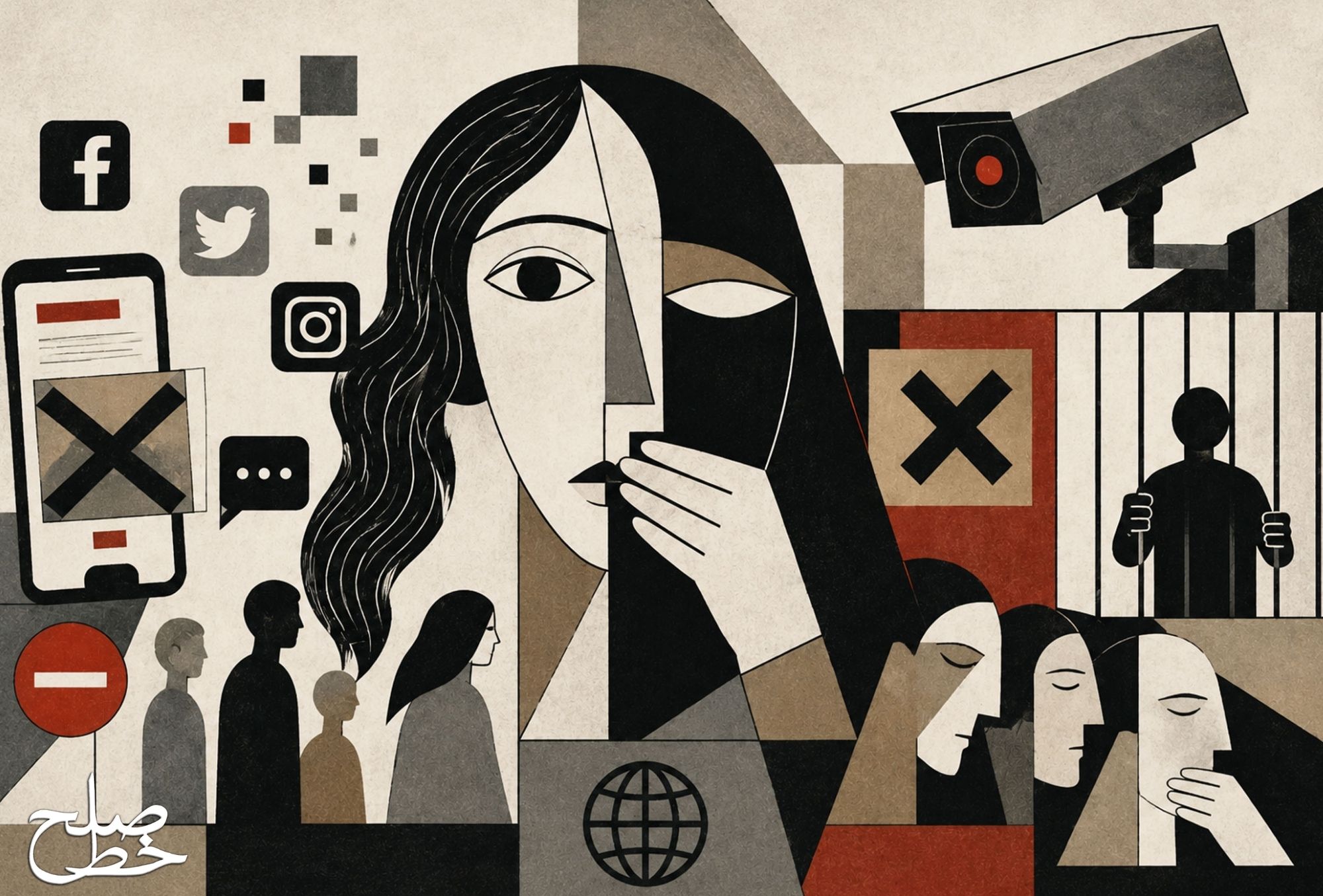 Created By:
Admin August 23, 2026
Created By:
Admin August 23, 2026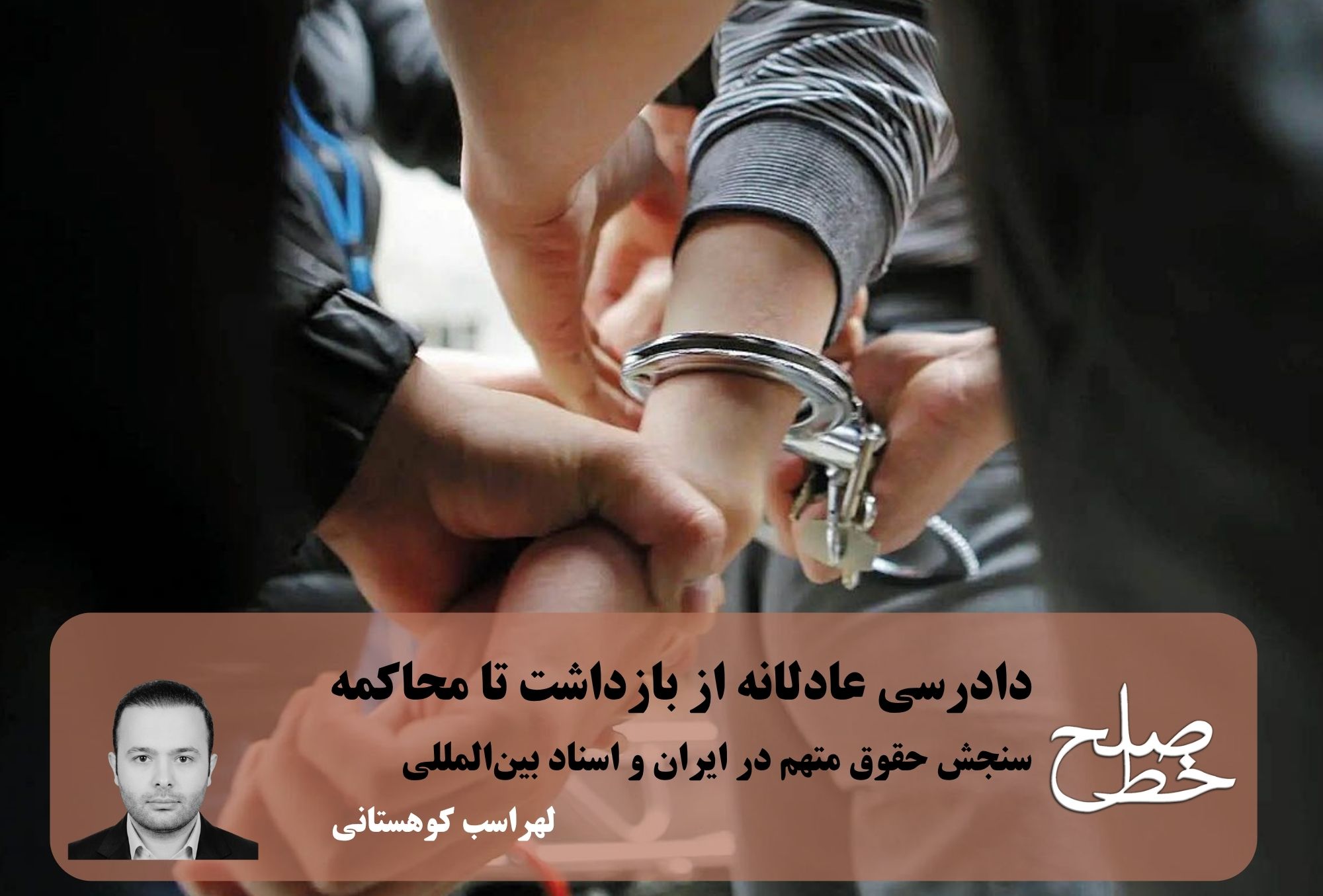
Fair trial from arrest to trial/ Lohrasb Kouhestani
The interval between the moment of arrest and the day of trial is the most sensitive, critical, and at the same time the most vulnerable part of the criminal justice process. It is during this period that the individual is directly confronted with the powerful and organized machine of state prosecution; while his guilt has […]...
Read More
Created By:
Lohrasb Kouhestani July 23, 2026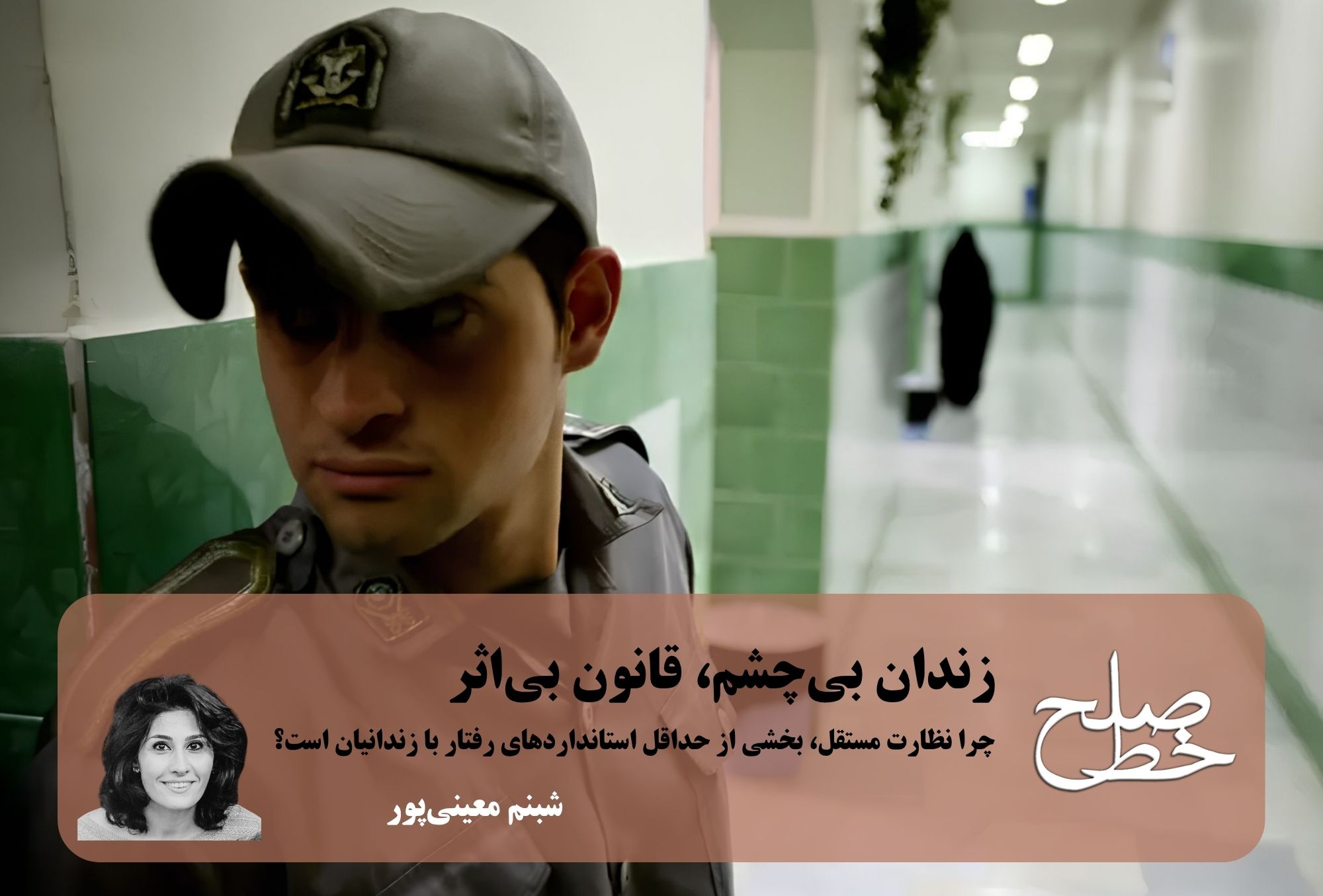
Why Independent Monitoring Is Part of the Minimum Standards for the Treatment of Prisoners/ Shabnam Moinipour
When prison doors close, the state does more than deprive a person of liberty. Water, food, medication, sleep, light, contact with family, access to a lawyer, the ability to lodge a complaint, and even the recording of what has happened to the prisoner all come under the control of the institution responsible for the detention. […]...
Read More
Created By:
Shabnam Moinipour July 23, 2026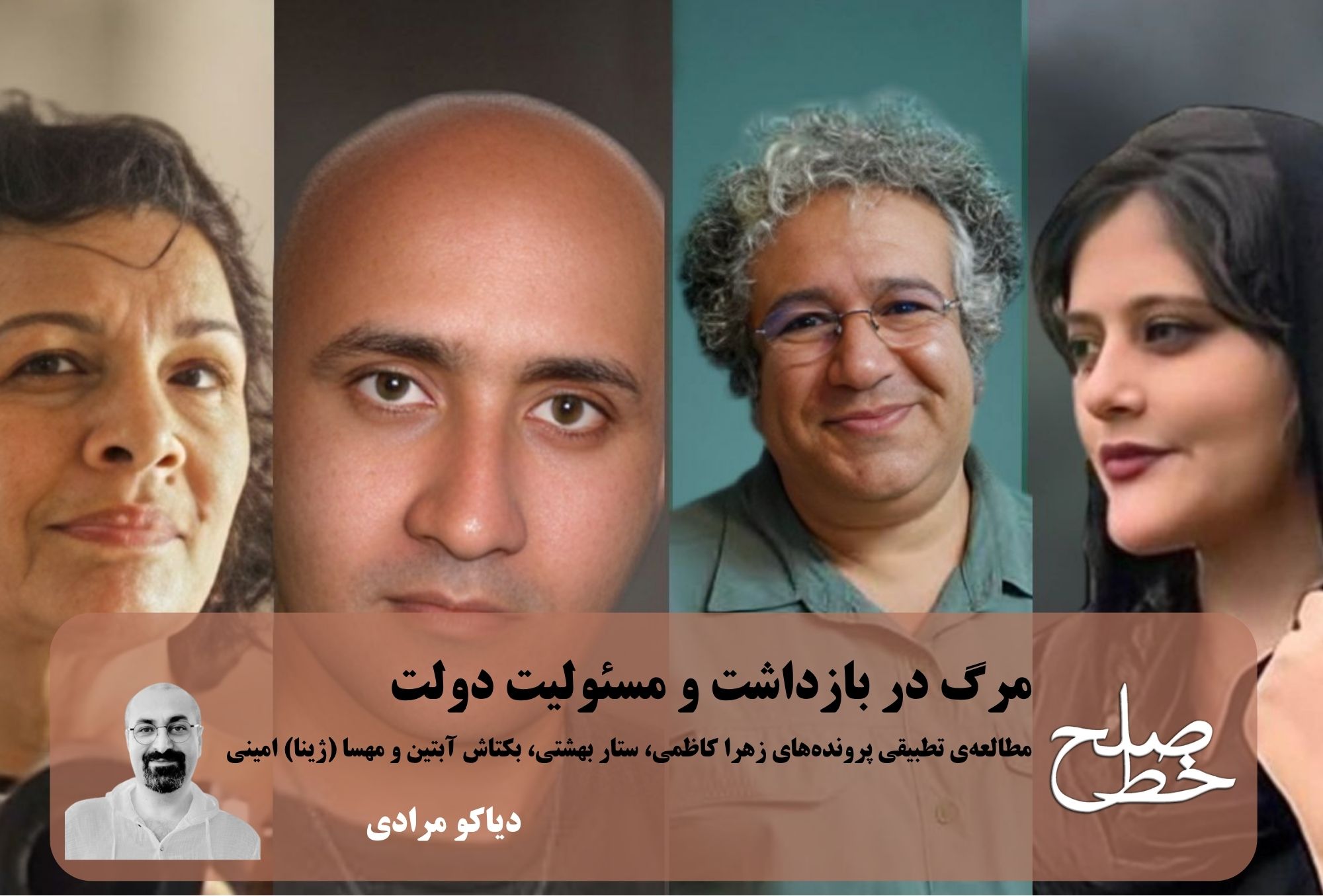
Death in Custody and State Responsibility/ Diako Moradi
Deaths in custody are among the most sensitive issues in international human rights law and one of the most significant indicators for assessing a state’s commitment to the rule of law. When an individual is deprived of liberty, the state assumes not only the authority to restrict that person’s freedom but also the direct responsibility […]...
Read More
Created By:
Diako Moradi July 23, 2026
