


peace line
Tannaz Kolahchian: Under the New Law on Intensifying Espionage, Any Citizen Can Be Accused of Espionage/ Ali Kalaei
After the adoption and communication of the “Law on Intensifying Punishment for Espionage and Cooperation with the Zionist Regime and Hostile States Against National Security and Interests” in October 2025 (Mehr 1404), concerns have intensified in Iran over the expansion of the security atmosphere, the broadening of criminalization, and the escalation of severe punishments, including […]...
Read More Created By:
Ali Kalaei
Created By:
Ali Kalaei May 22, 2026
Saeed Peyvandi: The Law on Intensifying Punishment for Espionage Will Deepen Hostility Between Society and the Government/ Nafiseh Sharafaldini
Following the adoption and communication of the “Law on Intensifying Punishment for Espionage and Cooperation with the Zionist Regime and Hostile States Against National Security and Interests,” extensive debates have emerged regarding the legal, political, and social consequences of this law. Many critics believe that the expansion of concepts such as “cooperation with a hostile […]...
Read More
Created By:
Nafiseh Sharafaldini May 22, 2026
Comparing the New Law on Intensifying Punishment for Espionage with Previous Laws/ Sina Yousefi
In contemporary criminal law systems, the crime of espionage has always been classified among the most serious offenses against national security, because it concerns attacks on the fundamental interests of the state and the disclosure of information that may endanger the country’s political, military, or diplomatic security. However, the gravity of this crime has never […]...
Read More
Created By:
Sina Yousefi May 22, 2026
Examining the Ambiguity and Expansion of the Crime of Espionage in Iranian Criminal Law/ Mousa Barzin
After the 12-day war between Iran and Israel, the number of cases related to espionage and cooperation with hostile states increased significantly. The atmosphere in the country after the war became highly securitized, and the government tried to show that a significant part of the damage and blows suffered had resulted from intelligence infiltration and […]...
Read More
Created By:
Mousa Barzin May 22, 2026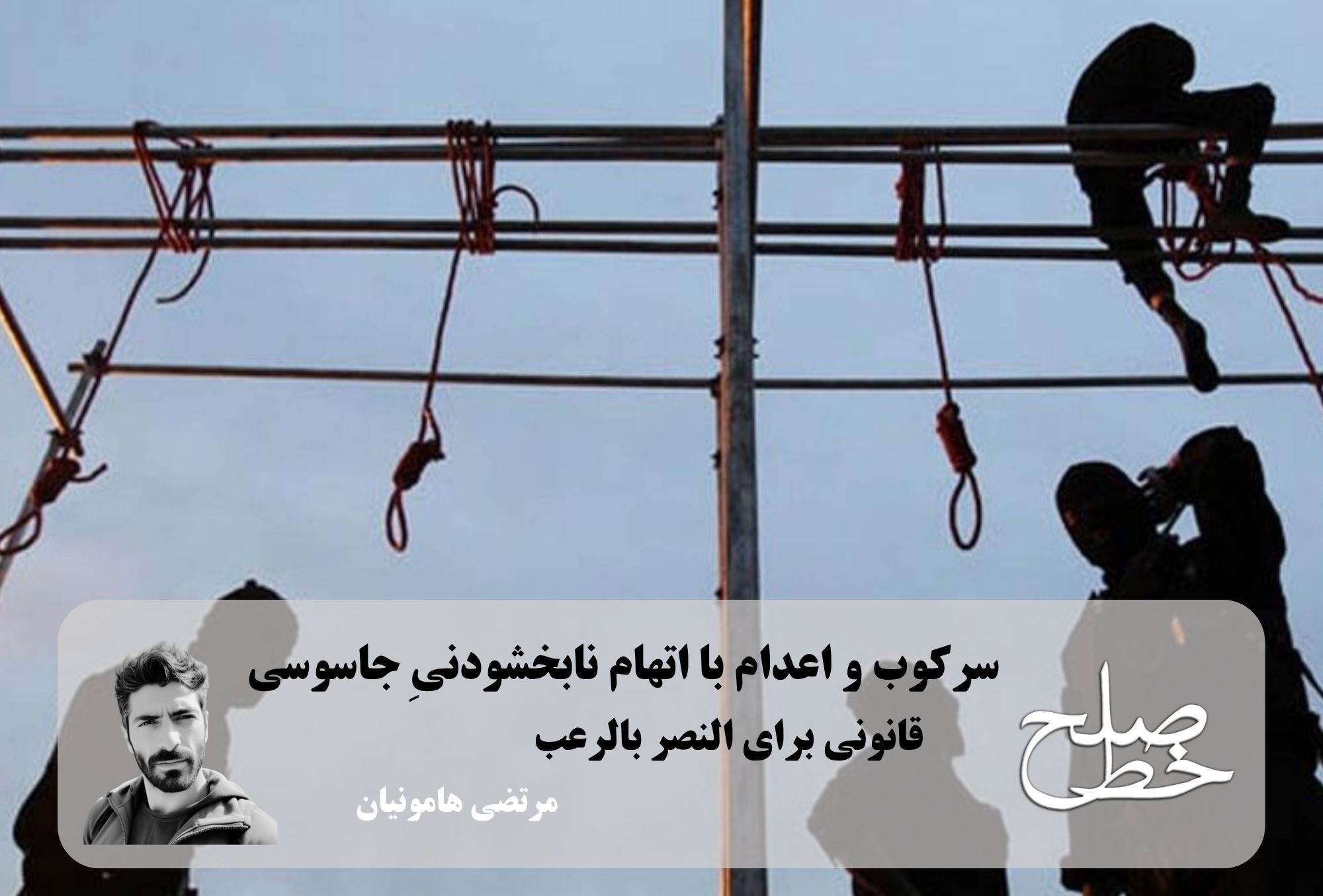
Repression and Execution Under the Unforgivable Charge of Espionage/ Morteza Hamounian
Each time, the government finds a new pretext to take human lives; a government that, throughout its existence, has shown that it places no value on the lives of citizens. The latest example became clear during the war between the United States and Israel and Iran, when it was revealed that for years, massive budgets […]...
Read More
Created By:
Morteza Hamounian May 22, 2026
From the Crime of “Espionage” to the Criminalization of “Intent to Collaborate”/ Maryam Abedi
Crimes against national security have always been regarded among the most sensitive and severe areas of criminal law. In all legal systems, governments consider the protection of secrets, classified information, vital facilities, and security structures to be among the fundamental elements of their political and sovereign survival. For this reason, espionage is recognized as one […]...
Read More
Created By:
Maryam Abedi May 22, 2026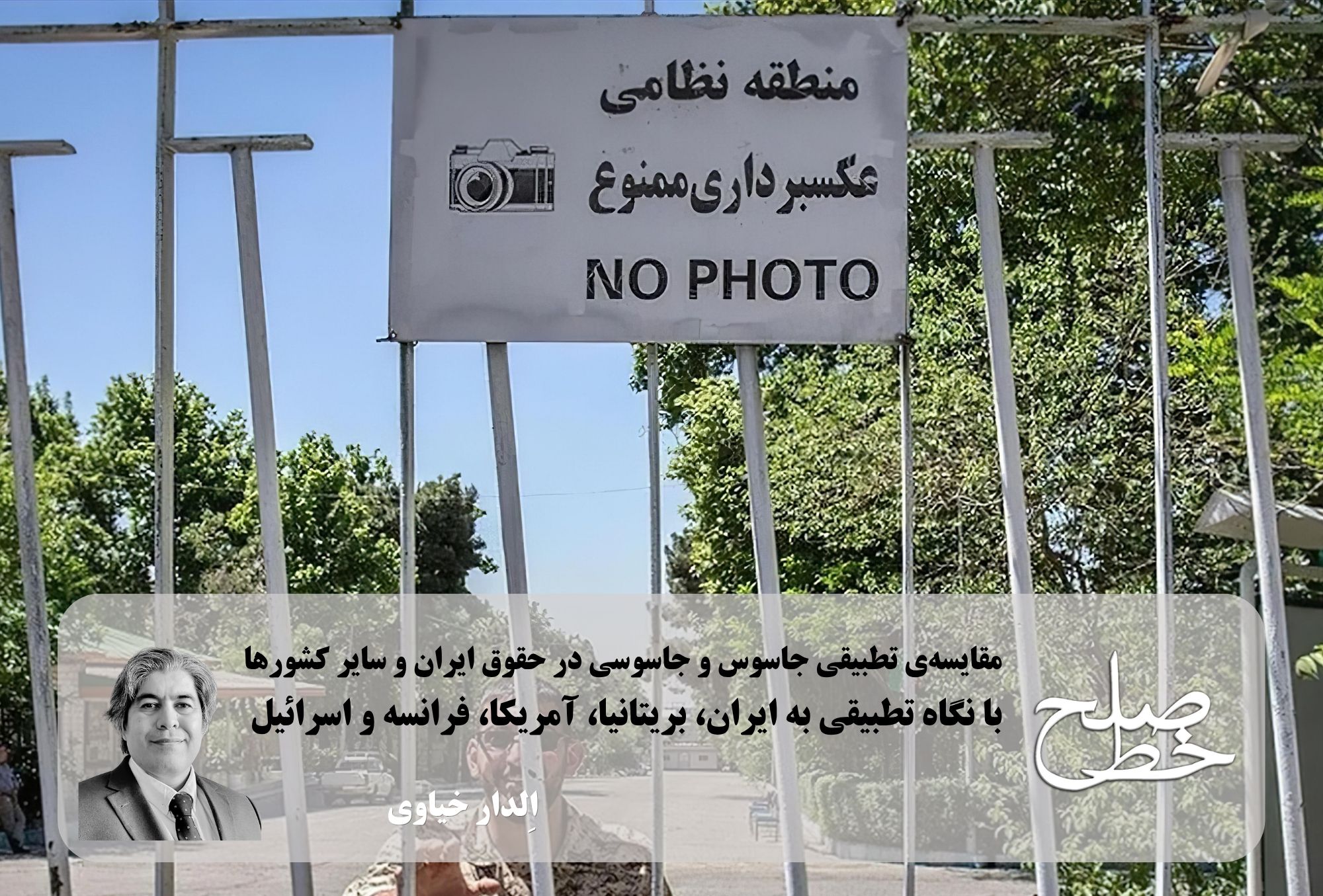
Comparative Comparison of Spy and Espionage in the Law of Iran and Other Countries / Eldar Khiavi
The public atmosphere in Iran has become heavy and frightening in recent months with the news of the successive executions of individuals convicted of espionage. The term “espionage” is not a common term in public opinion, especially in times of war, external threat, or security crisis. This charge is linked to the security of the […]...
Read More
Created By:
Eldar Khiavi May 22, 2026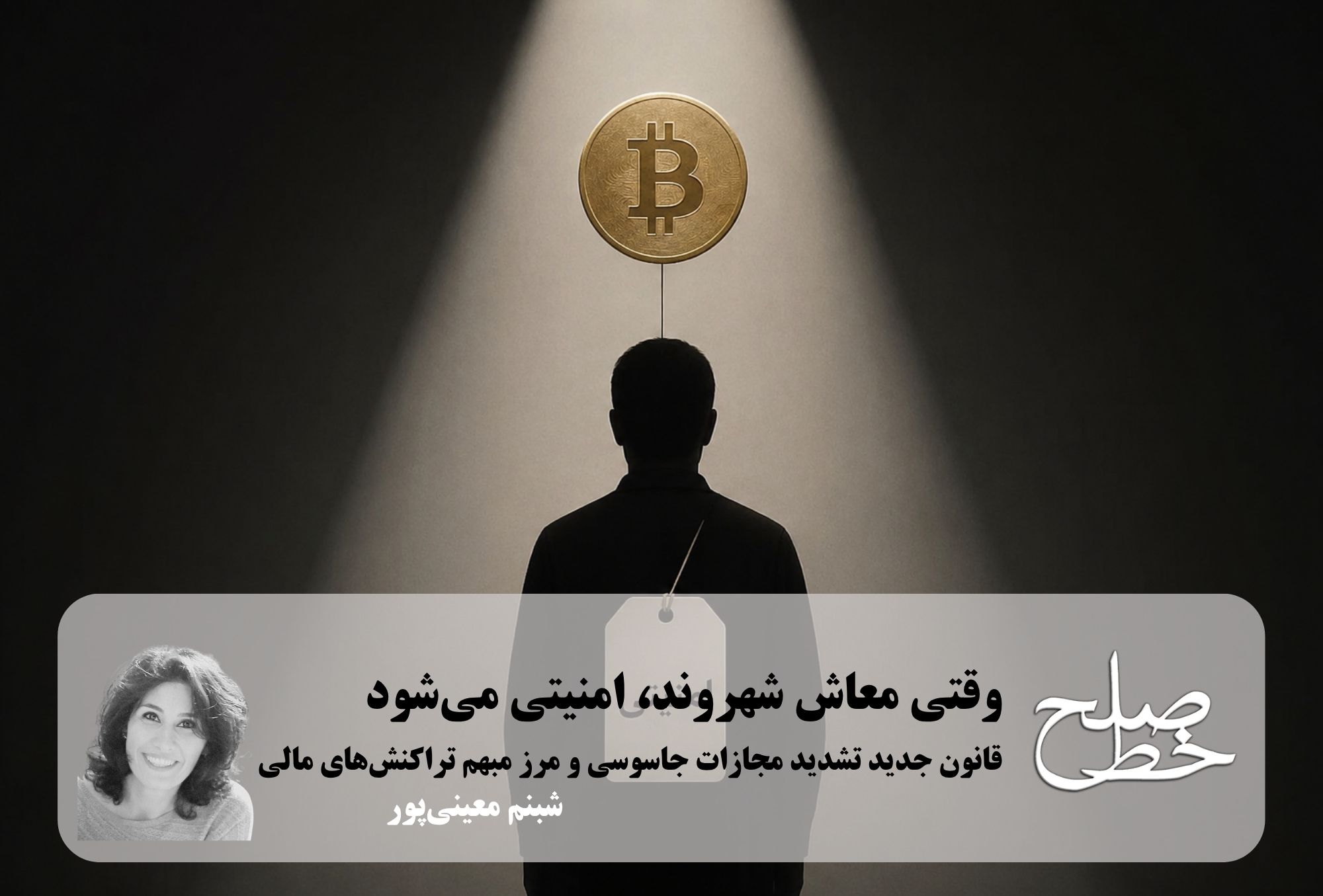
Iran’s New Espionage Law and the Blurred Boundaries of Financial Transactions/ Shabnam Moinipour
Espionage, cooperation with the intelligence services of other countries, and the financing of violent acts are undoubtedly matters in which criminal-law intervention is legitimate. No responsible legal system can remain indifferent to genuine threats to the lives of citizens, territorial integrity, public security, or critical infrastructure. The problem begins when “national security” shifts from being […]...
Read More
Created By:
Shabnam Moinipour May 22, 2026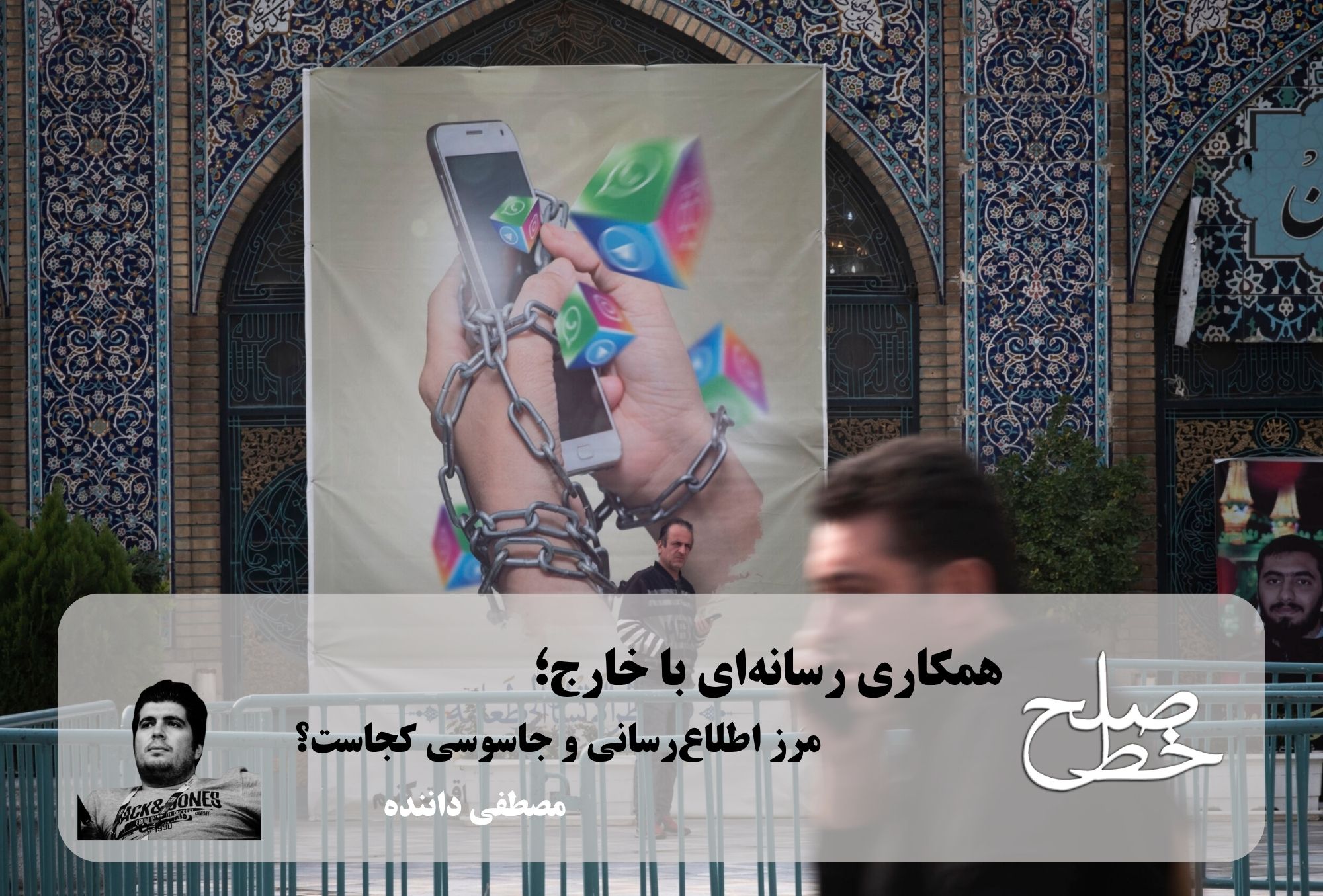
Media Cooperation with Abroad: Where Is the Boundary Between Reporting and Espionage?/ Mustafa Danandeh
During the two twelve-day and forty-day wars, the relationship between “media activity” and “national security” in Iran entered a new stage. A stage in which sending a video, publishing a report, or even speaking with media outlets outside the country can be interpreted under concepts such as “cooperation with a hostile state” or “espionage.” The […]...
Read More
Created By:
Mustafa Danandeh May 22, 2026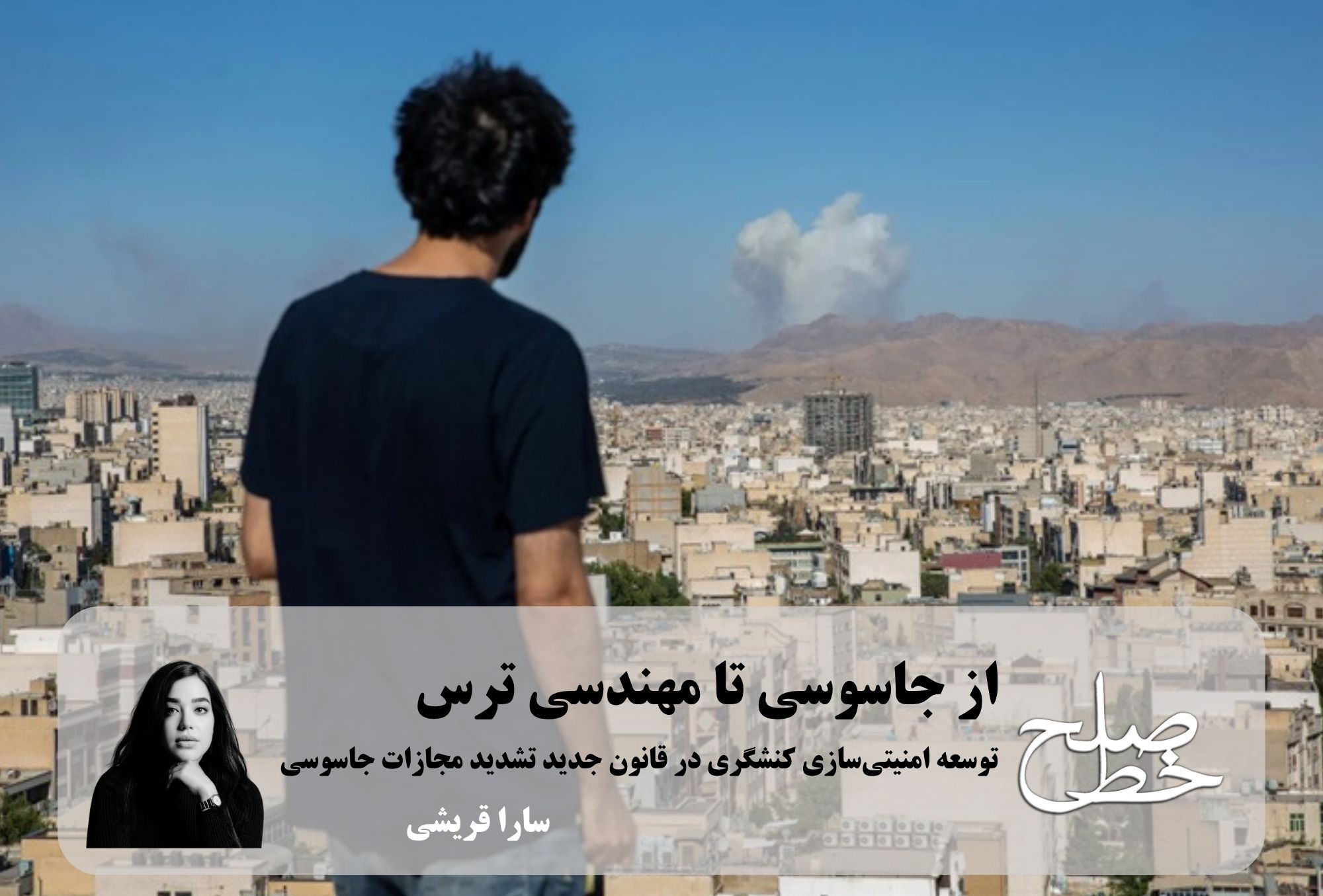
The Expansion of Securitizing Activism in the New Law Intensifying Punishment for Espionage/ Sara Qoreyshi
An Ordinary Day, an Extraordinary Accusation It is ten o’clock at night. From the window of your apartment, you hear chants. You pick up your phone, record a few seconds of video, and send it to a news channel outside the country. The next day, you face a summons whose title is not “publishing an […]...
Read More
Created By:
Sara Qoreyshi May 22, 2026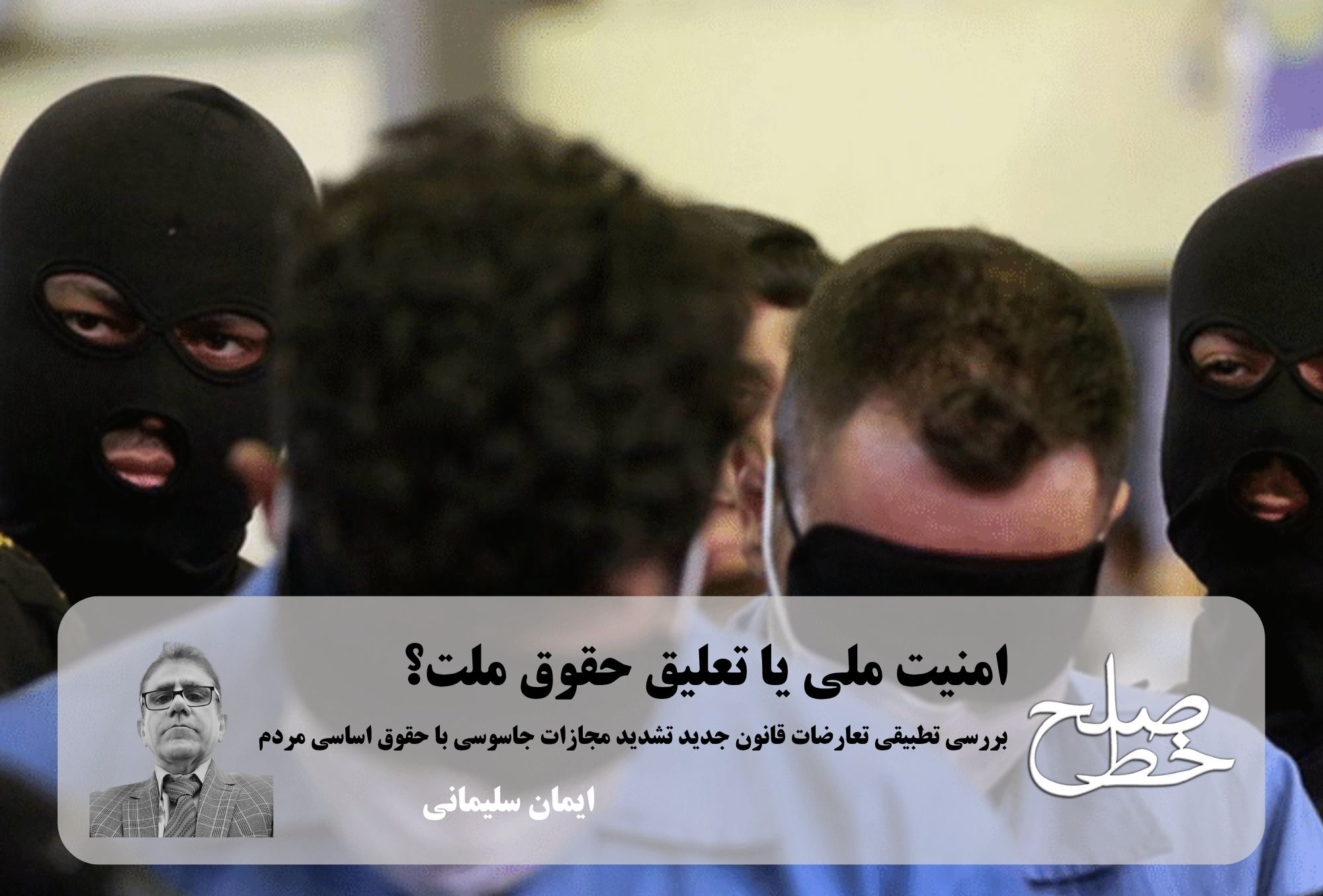
A Comparative Review of the Conflicts Between the New Law Intensifying Punishment for Espionage and the Fundamental Rights of the People/ Iman Soleimani
The law titled “Intensifying Punishment for Espionage and Cooperation with the Zionist Regime and Hostile Countries Against National Security and Interests” (approved by Parliament in Mehr 1404 and confirmed by the Guardian Council) is among the Islamic Republic’s recent security laws, prescribing heavy punishments such as execution and full confiscation of property for a wide […]...
Read More
Created By:
Iman Soleimani May 22, 2026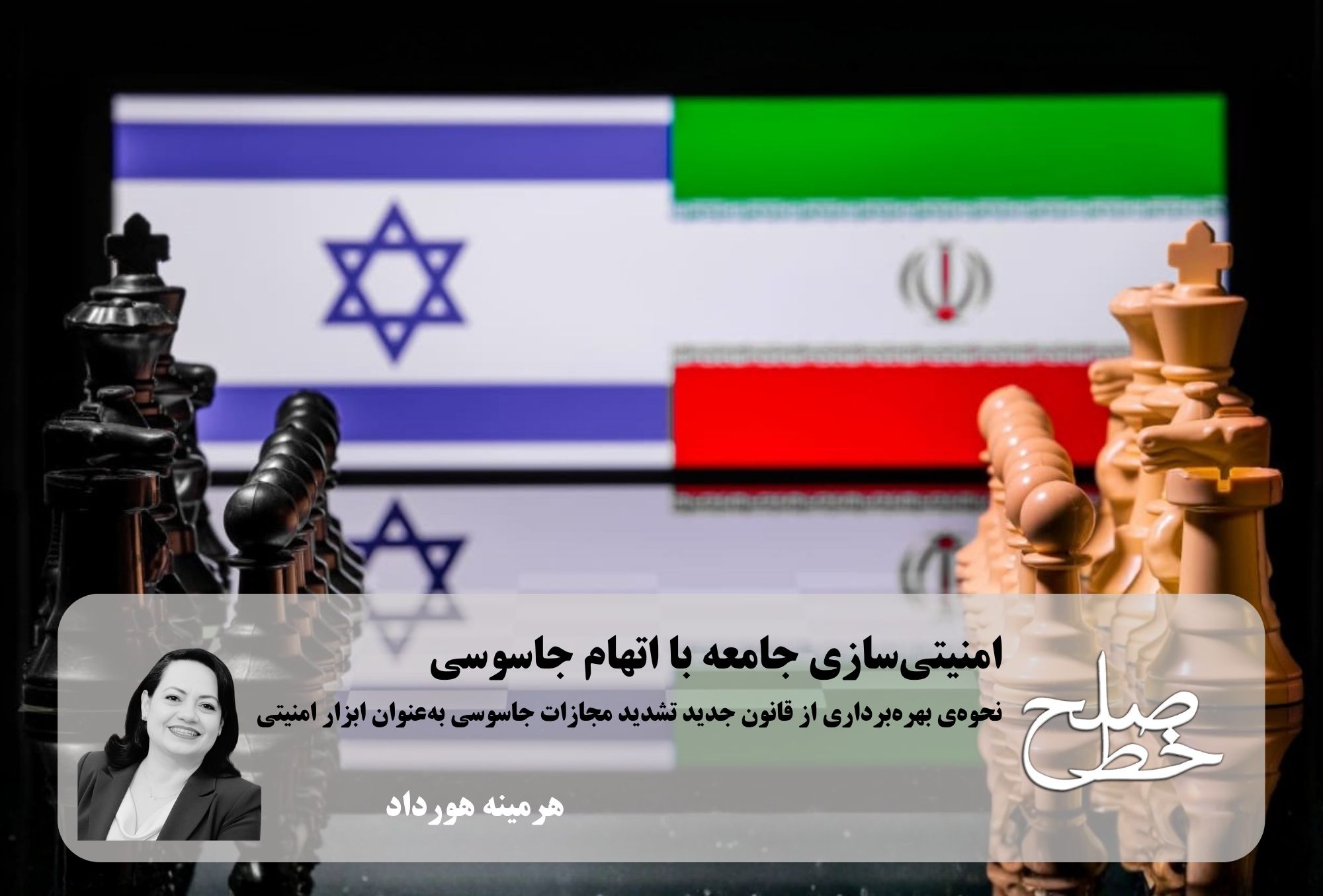
Securitizing Society Through Accusations of Espionage/ Hermineh Hourdad
Since its establishment, the Islamic Republic, as a phenomenon in the form and appearance of the government ruling Iran, has made one of its main actions emptying everything of its original meaning, placing its own desired meaning inside that form, and imposing it on society. The accusation of espionage is no exception to this rule; […]...
Read More
Created By:
Hermineh Hourdad May 22, 2026
