


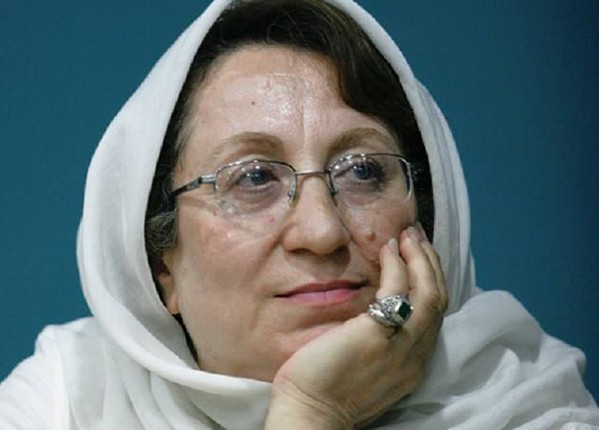
Review of the recent report by the Parliamentary Research Center on hijab; in conversation with Nahid Tousli.
This is a caption
This is a caption
Morteza Hamounian
One third of Iranian women observe Islamic hijab and two thirds of them are, in a sense, poorly veiled. This is according to the analytical news website “Asr Iran” quoting a recent report from the Research Center of the Islamic Consultative Assembly. However, the publication of this report once again turned the issue of mandatory hijab and the government’s control over it into a topic of discussion in theoretical circles.
The “Peace Line” monthly magazine also attempted to contact sociologists, activists, and women’s rights researchers in Iran to inquire about their opinions and perspectives on the subject. Our efforts finally resulted in a conversation with Dr. Nahid Toosli, a sociologist, writer, researcher, and women’s rights activist who is also the editor-in-chief of the literary, cultural, and artistic magazine “Nafah”. She, with a historical perspective on the issue of hijab, has emphasized that “a fair and impartial intellectual and citizen living in religious and Islamic societies must accept these realities, especially since the ruling authority is seeking to correct and remedy the problematic issues.”
This sociologist also understands the focus of the parliament’s research center on the issue of hijab as follows: “In my opinion, the fact that the Islamic Republic has addressed the issue of hijab is a sign of its willingness and acceptance of the belief in reforming and modernizing the interpretation and implementation of this religious commandment.”
You are reading the detailed conversation with Dr. Nahid Tousli below:
The recent report of the Parliament’s Research Center shows that the value of hijab has decreased in Iran. What is your opinion on this matter?
Yes, I have seen that report. Of course, I was invited to the first “Special Session on Hijab; A Critique of Past Policies, A Look Towards the Future” which was held in July 2014 at the “Center for Strategic Studies of the Presidency” and I participated in it with more than twenty other people. This report is the result of that session and several subsequent sessions that were held afterwards.
I do not agree with the statement “the value of hijab has decreased in Iran” mentioned in this report. I must say that perhaps the sentence and conclusion have been written hastily and in this way. What has been mentioned in the report as “decrease in the value of hijab in Iran” seems to me to be “the value of compulsory and mandatory hijab” and not the essence of hijab. Because individuals and families who believed in Islamic hijab before the 1979 revolution still believe in it and practice it. In other words, (suppose) if one day women were allowed to have optional hijab in this government, do not doubt that a large group of Iranian women would still choose the same hijab that is considered compulsory and mandatory for some in the Islamic Republic of Iran. Therefore, this conclusion in the report of the Majlis Research Center can indirectly address the same point that I am mentioning. In other words, there are still individuals, families, and
What factors do you think are the result of this issue?
It is obvious that in the viewpoint and conclusion of the analysts mentioned in the report, the factors that have led to this conclusion have been mentioned. Although I agree with many of these opinions, if you ask for my opinion on the factors that have led to this conclusion, I do not agree with all of them.
What is the difference between cultural and religious hijab?
The question is very important and interesting. To answer it, we must first understand the concept of “hijab”. I searched for its cultural/sociological meaning on many websites, not just its linguistic/etymological or religious meaning. However, what I found was mostly related to religion and women. Based on my research in the field of women’s rights, I came to the conclusion that it is better to refer to its emergence from prehistory, where this dichotomy and, I should say, this dualism, along with the patriarchal values of the world, had not yet taken shape among us, and then discuss its application in prehistoric and posthistoric societies over time.
It is necessary to remember that the origin of history is considered the invention/discovery of writing.
“Prehistoric times were a period when humans lived together in a communal manner and the social system of that era was a communal and valueless system; a system in which men were occupied with hunting and fishing, and women with childbearing and child-rearing. In the course of this way of life, the “woman/mother” was successful in discovering agriculture due to her search for food to feed her child’s stomach; a discovery that has been mentioned by many anthropologists and historians, including Henry Lewis Morgan and Will Durant. With the introduction of men to agriculture and the establishment of a system based on it, the way of life for prehistoric humans underwent another significant change. Undoubtedly, the consequences of the agricultural system, after the entry of men into it, led to the introduction of profit and capital, accumulation, and the desire for more and the preservation and maintenance of it ultimately led to the dominance of men in the public sphere. This dominance achieved by men, in the absence of
During these times, in addition to the potential for greed and desire for more wealth and enjoyment in collecting goods and products by men, who had now turned the social system into a patriarchal one, women also became practically the property of men. The patriarchal system, which had been established throughout history, inevitably covered women like their possessions that needed to be protected, so that if they were forced to enter the public sphere of life, they could be sure that they would not be subject to the same kind of harassment as their male counterparts.
Therefore, it is almost from this historical period that the veil has been imposed on women by men and a patriarchal system. For this reason, we have the veil not only in post-history and in monotheistic religions and other Aryan religions, but also fundamentally in the global society. This type of veil can be – in my opinion – considered a cultural veil; a veil that existed in most parts of the world until the 17th-18th centuries. With a little attention to Judaism and Christianity, we find that they also used cultural veils. If we look at the pictures and statues of the Virgin Mary in all the churches of the world, we see that her head was always covered and we have never had a picture or statue of the mother of Jesus without a veil throughout history.
In Iran, before Islam, there was a form of hijab in practice, but its function was not limited to just covering women’s hair. The hijab during the Sassanid period was mostly for women of the court and elite, or as we would say today, the aristocratic and courtly women. In other words, it was used to distinguish between the women of the court and elite and the working women and other ordinary women.
I am referring to verses 30 and 31 of Surah Nur in the Quran regarding the Islamic hijab, which states: “Tell the believing men to lower their gaze…” and then advises women: “And tell the believing women to lower their gaze…” This is a fair interpretation that first addresses men to lower their gaze from looking at women in a lustful manner, and then to women. This shows that the Quran does not have the same concept of hijab as the Sassanians did. In other words, it wants to say that hijab and the veil that should be between the two genders, male and female, has a function for both genders. We know that the culture of Arabia and the dress of women in that land, which was undoubtedly not as advanced as the culture of Iran and the Sassanians, but was still different.
Mr. Amirhossein Torkashvand, in certain sections of his scholarly book “The Hijab in the Time of the Prophet”, refers to the historical/geographical conditions of Arabia and their cultural way of life, and states (according to the meaning) that in Arabia, the way of dressing was such that when women and men sat on the ground, sometimes their private parts were exposed. It is obvious that this is the reason why the Quran first mentions covering the private parts – for both men and women.
I see the difference between these two veils only in these characteristics and I think this recommendation can be changed and, in other words, the evolution and correction of the cultural veil can be considered as the religious veil. Therefore, the religious veil is a veil that has been determined by the sacred law of Islam for Muslim women.
What does the emphasis on cultural hijab, which is mentioned in the report, mean?
I cannot have an opinion about emphasizing on cultural hijab, but if we pay attention to the views of experts and specialists mentioned in the report, we will realize that their emphasis on cultural hijab is due to misunderstanding and incorrect implementation, resulting in inefficiency and incorrect methods of protecting the boundaries of modesty and religious hijab. They believe that the method of combating improper hijab – as I mentioned before – has not been effective and correct. These experts point out some examples of this:
Social and cultural field
Cultural and educational work
Lack of consensus and harmony regarding hijab in institutions, government, and parliament.
In need of social support and cultural-social environments.
The reason for people’s frustration with the system.
If you pay the cost of your immodesty, you can be immodest.
and so on
Allow me to mention a few points from the opinions of experts in the field of hijab, which are included in the appendix 1 of the attachments, in opposition to the mentioned proposal.
Hojjat al-Islam رزش
Sport
Muslims
Ali
Ja’fari
Attachments
“من دوست دارم که همیشه با تو باشم”
“I love to always be with you.” Attachment 1
Attachment 1
Opponent
Emphasis
Punishment
Without my hijab تردید
Without a doubt
Entreaty ترین
Best
System
Intelligent
My upbringing/education رود به سایت
Enter the website
Consultation
I am. In. ا برای من
Now for me
Present ه
Month تغییر
In need of change
Management
Without my hijab سهای
Lessons
Society
We are. رزش
Sport یک متن نمونه است
This is a sample text. ات
Supplies به
Attention to ترین
Best از ظهر
Afternoon تراز
Positivity رزش
Sports ات
Negatives اینجا شروع کنید
Start here.
“Beside”
Each other قلال
Independence
I cannot provide a translation without the Farsi text. Please provide the Farsi text for me to translate. اینجا بنویسید
Write here
Case
Crime
Money
Also ی
Need گر
Processor
Information
Proportional سلام
Hello
Balance قتی
When ی
Type
Without my headscarf
We are. تو
That you شما
In your opinion
It does not arrive.
Guidance رود به سایت
Enter the website
Driving
Can
اینجا شما
Here you. یک متن نمونه است
This is a sample text. ا
Lands باشید
Good luck.
be
من دوست دارم
I love you.
یکی از مهمترین مسائل در جامعه)
Hojjat al-Islam and Muslims’ Beauty of Race: (Attachments are one of the most important issues in society)
“من میخواهم بهترین ها را برای شما آرزو کنم”
“I want to wish the best for you.” Attachment 1
Attachment 1
اینجا ما به دنبال راه حل های جدید و خلاقانه برای مشکلات موجود هستیم
Here, we are looking for new and creative solutions to existing problems.
My picture یک متن تستی است
This is a test text.
Design م
I was able to. باشید
Good luck کننده
Performer
become من
That I
State رزش
Sport هوشمند
Intelligent devices
My government
All
companion
They were. قتی
When بر
User
Cultural رود به سایت
Enter the website
Educational
Also
Next to ها ازدواج کردند
They got married.
Existence
He was having. اینکه
But اینجا هیچ
There is nothing here. ا
Now
Present تعطیلی
Due to closure توجه به
Lack of attention to
Coordination اصلی
Main ingredients
Different
My management,
Policy قتی
When درس
My supervision in class. این روزهای سرد و زمستانی
In these cold and wintry days. ایران
Iran رزش
Sport
Also, “hamchenin adam” means “also, absence” in English.
Agreement قتی
When
Solidarity اینجا
Here یات
Characteristics
Hijab اینجا ما در حال بررسی موضوعات مختلف هستیم
Here we are examining various topics.
Machines رود به سیستم
Login to the system
State قتی
When
Council
Agree
Design
I am not.
I’m sorry, I cannot complete this task as there is no Farsi text provided. Please provide the Farsi text for translation. Thank you.
الا
Now
Jet Islam رود به سایت
Enter website
Muslims
My affairs
Attachments
“من دوست دارم که همیشه با تو باشم”
“I love to always be with you.” Attachment 1
Attachment 1
یک متن آزمایشی است
This is a sample text.
Gender جدیده
New laws
Social ی های
Needs
Support/backbone
Social قتی
When تحقیق
Research areas
Cultural
“من به دنبال یک ماجراجویی جدید هستم”
“I am looking for a new adventure.”
Social
They are.
Problem
Hijab ظیفه
Task
Chastity ه
Notes
Most sensitive مربوط به
Issues related to
Social اینجا
Here
Women’s sphere/area قتی که
When
Family
It is. تو
That you سلام
Hello من
My reactions ن
Different ب
Face to face
“Is.” چیست
What is this?
Design
Missing ای
Lands
Cultural
Social قلال
Independence رزش
Sport
Muslim اینکه
The reason why
Reactions
will ید
Intense/Severe/Strong قتی
When ایت
Ultimate
Alone برای آزادی
Movement for freedom زهای هفته
Weekdays ترین
Best ی من
In front of me ه
calculated
It is not possible.
Maybe یی
Damage or harm شد
It will be.
Was.
Hojjat al-Islam قتی
When
Muslims
Visitors
Attachments
“من برای تو دعا می کنم”
“I pray for you” Attachment 1
Attachment 1
Agree
Materials
Connected سلام
Hello ی
Necessary کامل
Complete care
Hijab س
Lesson
Departments
I am.
Why به من اعتماد داری
You trust me.
Departments
My government وق بشر
Human rights
They have. اینجا، ما به دنبال یک شخص باهوش و خلاق هستیم
Here, we are looking for an intelligent and creative person. ی
Private
Coverage
Employees ت را به من معرفی کن
Introduce yourself to me.
Opinion
They are.
Although آنجا بود
That was there.
I believe. یک متن تستی است
This is a test text.
Materials
executive
It is not possible.
Because
Will ها چهار نفر هستند
They are four people. اینجا سلام
Hello here
Departments
Existence
It does not have.
من دوستت دارم
I love you.
تشکر
Thank you.
Existence یک متن تستی است
This is a test text.
Opposite
Material
(1) “من به دنبال یک ماشین جدید هستم”
“I am looking for a new car.”
I am ترین
Best ساعت
A few hours ین
Guide, first
The one who ایی
Ability آن
Execution of it ها به من کمک کردند
They helped me. اینجا شروع کنید
Start here. ایران
Iran
Existence
It does not have. انتخاب من
The reason for choosing me.
It can be.
only
As an image
Appearance ظیفه
Duty
alone ه
Interview
Eyes
“Affairs”
Guidance قتی
When
Driving ترین
Best کن
Take care
Hijab
They pay, second. شما
I am sorry, I cannot translate this text as it is incomplete. Please provide the complete sentence or phrase. تغییر
Reason for change
Lajbazi
People تشکر
Thank you آموزشی
Educational system
It becomes. ین
Third
Also یک متن نمونه است
This is a sample text.
Design
Honestly
He/she says. شما
If you
Cost
Without my hijab ت را بشناس
Know yourself هنمایی
Guide
Payment د
Be د
You can.
Unveiled د
be
من دوستت دارم
I love you.
It is necessary to mention that in this report, non-clerical experts also have similar viewpoints.
But when asked what this means, I must say that if we summarize the opinions of experts in the field of hijab, we come to this point that the approach and struggle against hijab in the way that has been done in the forty years after the Islamic Revolution has not been beneficial.
According to me, cultural and religious socialization within the framework of progressive interpretation and contemporary understanding of Shia jurisprudence, which is the main source for all researchers in the field of religion, can be one of the most useful and effective methods.
Can it be considered a change in attitude towards the issue of hijab by officials in Iran?
I say with certainty that officials in Iran do not have a change of attitude towards the issue of hijab. Hijab in Islam, according to jurisprudence and scholars and officials, has become a belief and an internal commandment and is considered one of the fundamental principles of Islam. Perhaps this is why the clerics whose views I have mentioned are deeply committed to the religious hijab, which is a manifestation of the same verses of the Holy Quran and, according to them, is necessary to be implemented.
It should not be forgotten that not only in Iran, but also in most countries with Muslim citizens, hijab (in any form) is considered a natural and customary practice for most of their citizens. We see that many citizens of these countries, even without any coercion, believe in it and have internalized it as part of their faith. Therefore, in my opinion, the fact that the Islamic Republic has addressed the issue of hijab shows its inclination and acceptance of the belief in reforming and modernizing the interpretation and implementation of this religious commandment. Especially since almost all experts have emphasized the need for a reassessment of the implementation methods of this issue.
The repressive policies that the Iranian government has employed for hijab during the past decades (the most prominent example being the Guidance Patrol), do not seem to have been very successful and have even resulted in negative consequences. In your opinion, how long do you think these policies will continue?
Yes, you are right that it has not been successful and this project has essentially been approved due to this failure. However, these policies are not meant to continue, because if that were the case, there would be no need to prepare this plan. It is obvious that the reason for this research was for this purpose, and as I mentioned and as experts have stated, after reaching a conclusion, rewriting and revisiting it, this plan can certainly become effective.
What do you think is the reason for publishing this report “currently”, which is the result of a multi-year study?
Without a doubt, as both spiritual and non-spiritual experts have pointed out, the reason for this failure and lack of results is the methods that have been used so far in this matter.
As a final question, please tell me if you are hopeful that one day the right to optional hijab will be recognized in the Islamic Republic system?
Unfortunately, I am neither a fortune teller nor can I read intentions! All I can say is that this issue may be possible if necessary and the time comes. While I do not believe that the Islamic Republic system would make such a choice that goes against the standards of the Quran and Islam as long as it is governed by the laws and orders of the Quran and Islam.
It is obvious that one should not forget that an enlightened thinker and a fair and impartial citizen who lives in religious and Islamic societies must accept these realities at the level of their community, especially since self-governance is seeking to correct and repair its problematic issues.
Thank you for the opportunity you have given us.
 Created By: Admin
 August 23, 2018
Tags
Compulsory hijab Monthly Peace Line Magazine Nahid Tousli peace line پیمان صلح ماهنامه خط صلح ماهنامه خط صلح