


Compulsory hijab
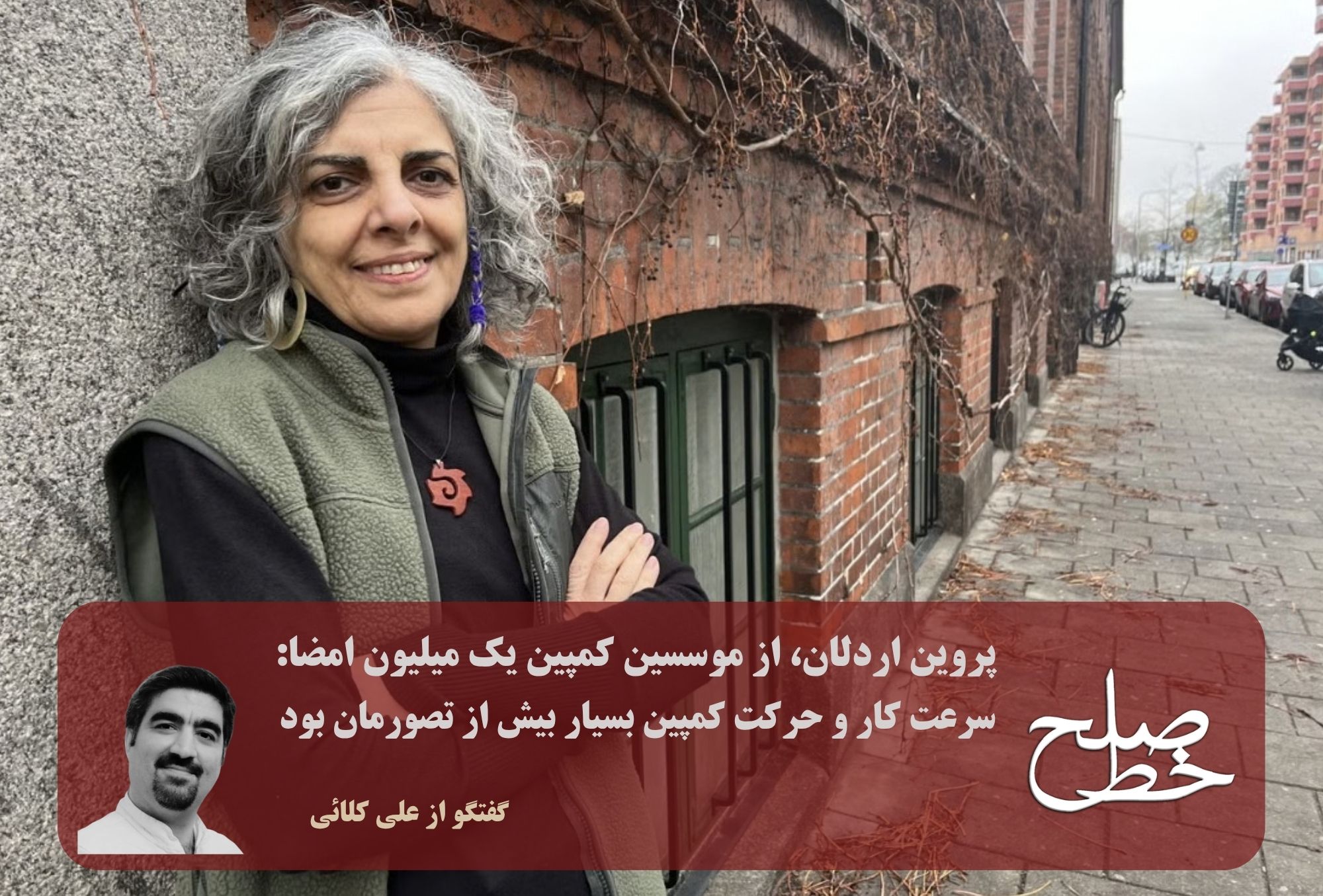
Parvin Ardalan: The Pace of the Campaign’s Work and Movement Was Far Beyond What We Had Imagined/ Ali Kalaei
This September, twenty years have passed since the launch of the “One Million Signatures Campaign to Change Discriminatory Laws,” a rare experience in Iran’s women’s movement that took shape in 2006 (1385), following years of collective discussion and joint activity among various women’s groups. The campaign sought to take the demand for changing unequal laws […]...
Read more By:
Ali Kalaei
 September 23, 2026
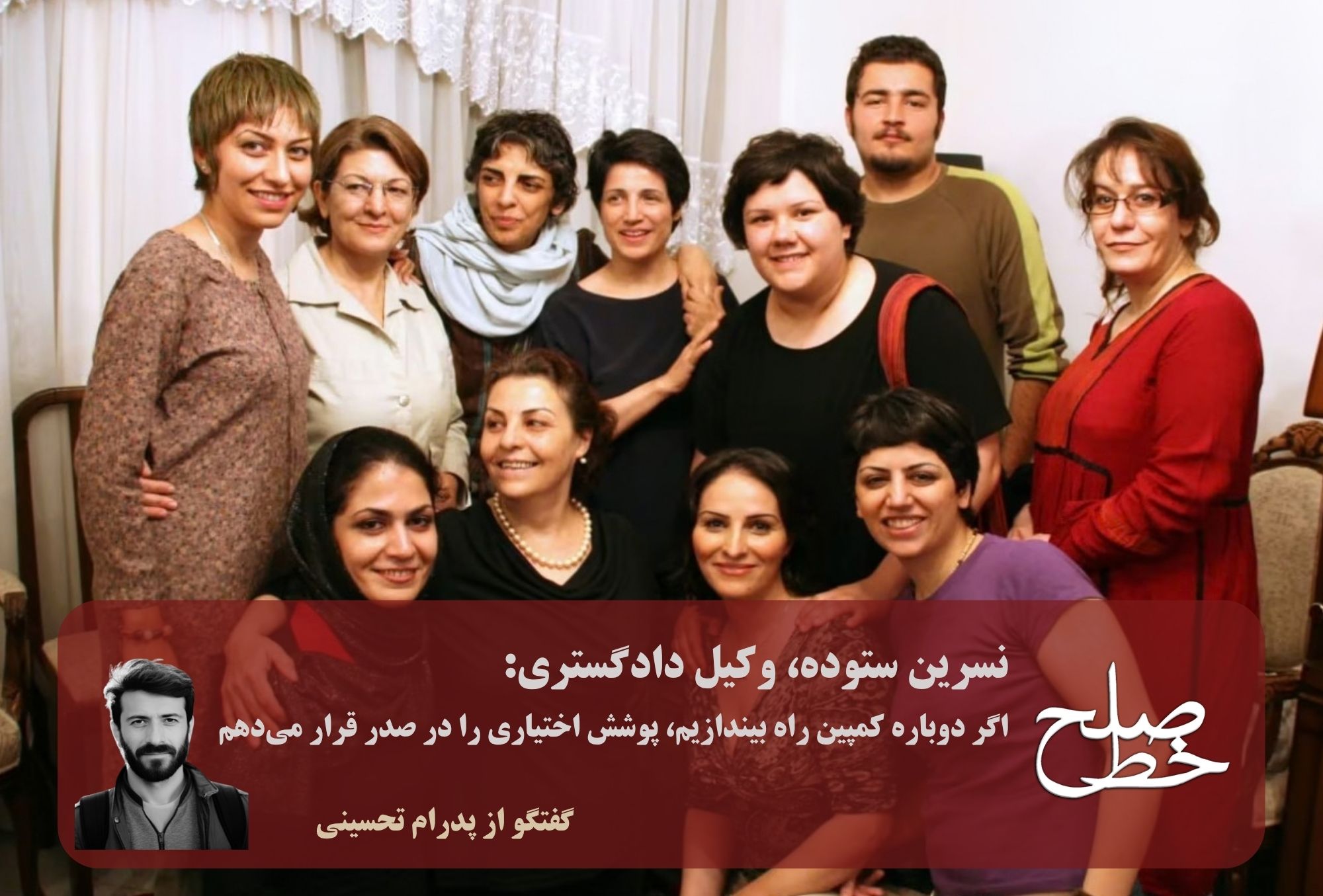
Nasrin Sotoudeh: If We Were to Launch the Campaign Again, I Would Put Optional Hijab at the Top of the Agenda/ Pedram Tahsini
The One Million Signatures Campaign can be regarded as one of the most important and influential experiences of women’s civil activism in contemporary Iran—an experience that emerged from legal demands, entered the public sphere, faced repression, and, despite the cessation of its activities, played a significant role in changing attitudes and expanding women’s demands. What […]...
Read more
By:
Padram Tahsini September 23, 2026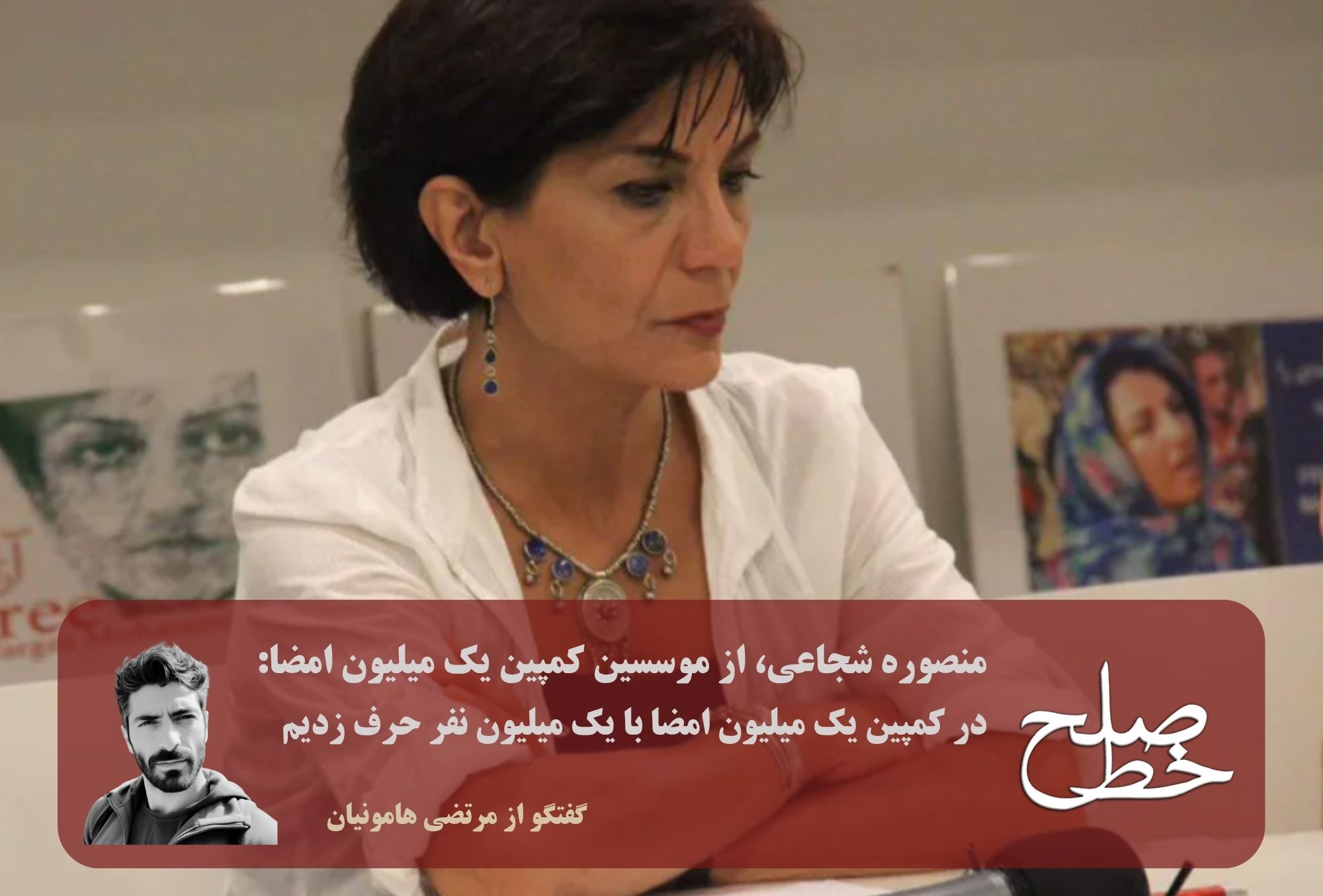
Mansoureh Shojaee: In the One Million Signatures Campaign, We Spoke with One Million People/ Morteza Hamounian
The One Million Signatures Campaign to Change Discriminatory Laws was one of the important and influential experiences of the Iranian women’s movement in the 2000s; a campaign launched in September 2006 (Shahrivar 1385) with the aim of changing unequal laws against women, whose activities were based on direct dialogue with people, legal education, and a […]...
Read more
By:
Morteza Hamounian September 23, 2026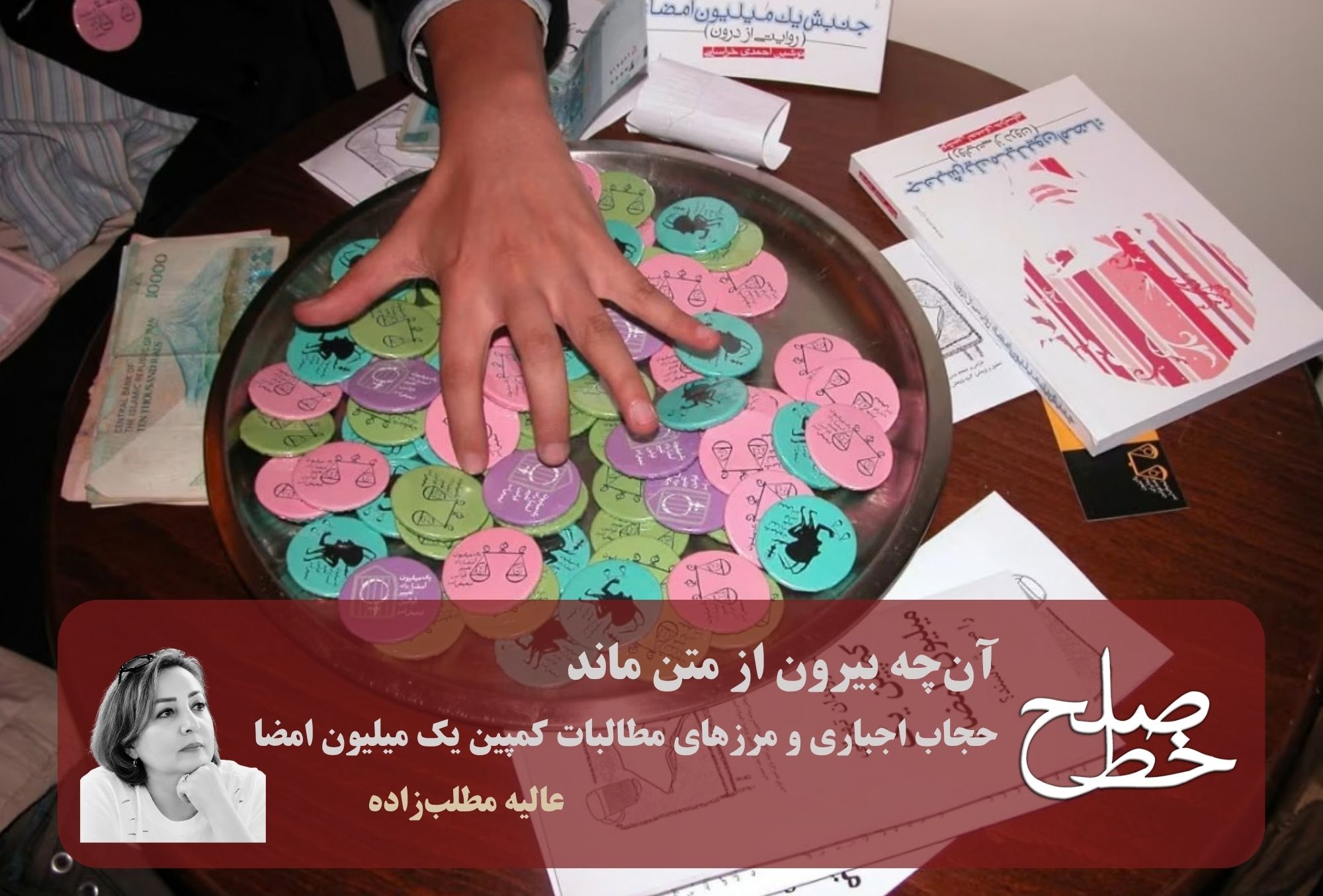
Compulsory Hijab and the Boundaries of the One Million Signatures Campaign’s Demands/ Aliyeh Motalebzadeh
I belong to a generation of women who have spent a large part of their lives in conflict with the Islamic Republic; not only in the streets, in prison, and in civil activism, but also in the media, in photographs and images, in those very places that the government, whenever it has deemed necessary, has […]...
Read more
By:
Aliyeh Motalebzadeh September 23, 2026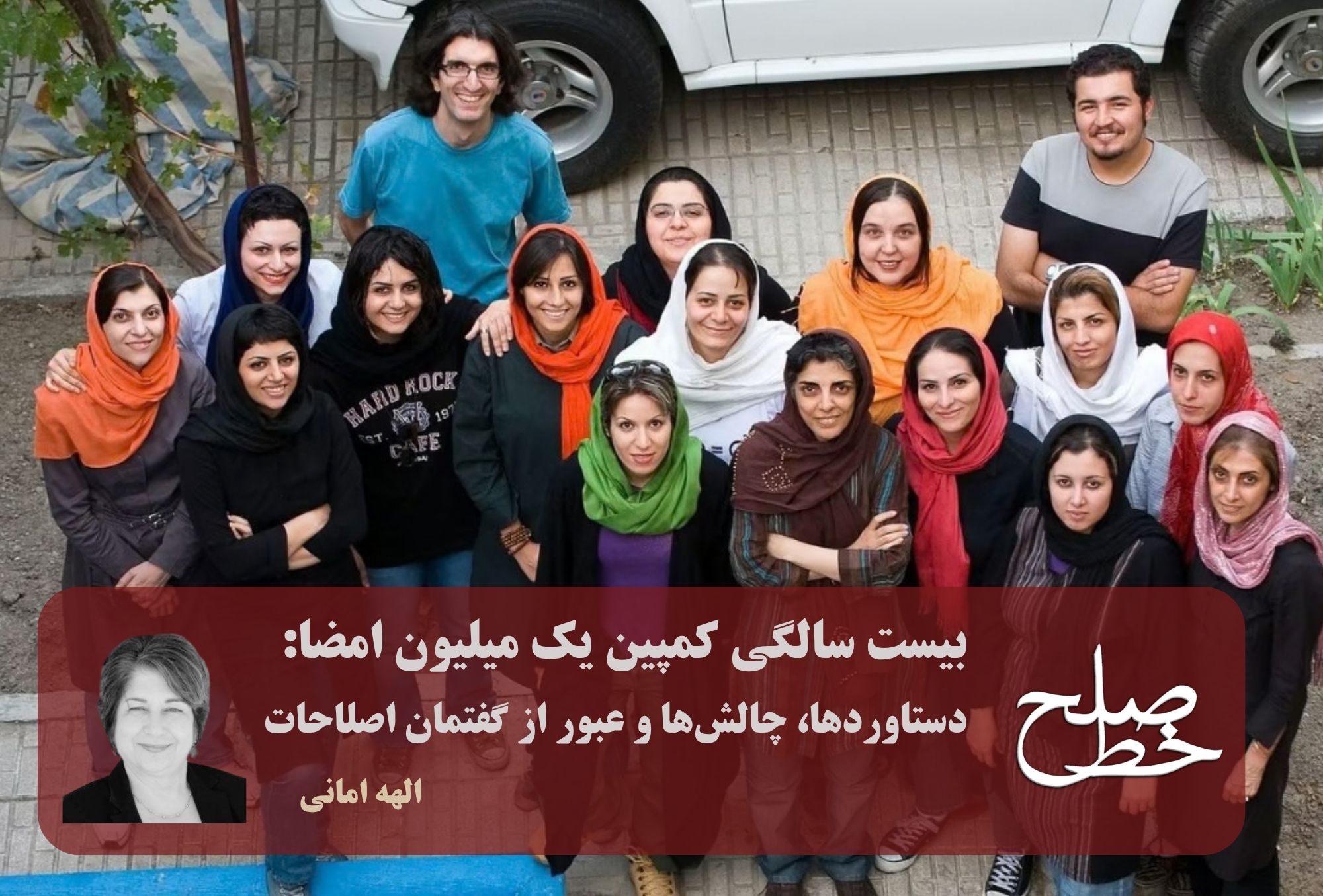
The Twentieth Anniversary of the One Million Signatures Campaign: Achievements, Challenges, and Moving Beyond the Reformist Discourse/ Elahe Amani
The One Million Signatures Campaign in Iran cannot be understood without considering the experience of the women’s movement in Morocco in the early 1990s. Iranian women activists drew inspiration from the Moroccan experience, particularly its use of large-scale signature collection as a tool for social mobilization, raising public awareness, and creating pressure to reform discriminatory […]...
Read more
By:
Elahe Amani September 23, 2026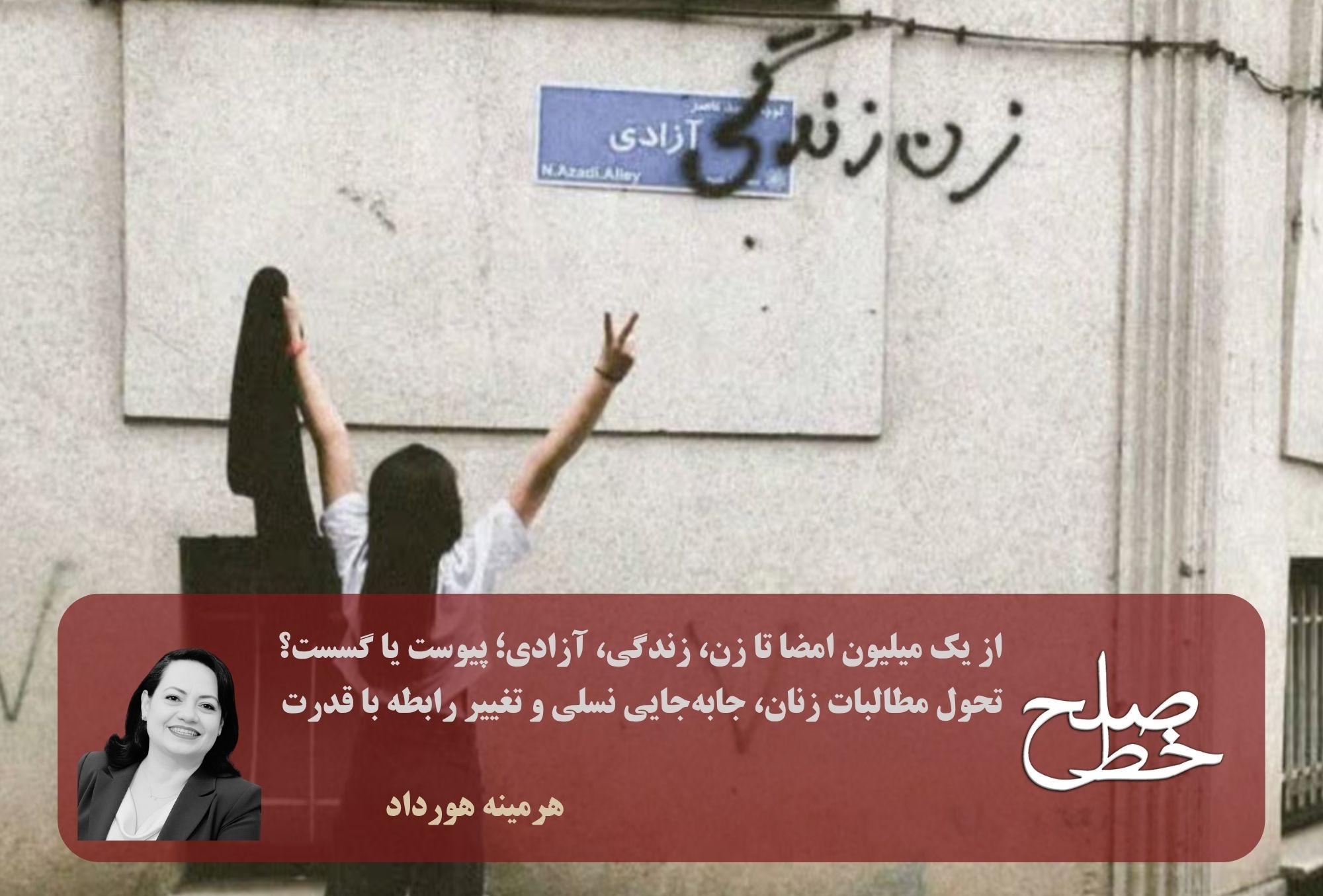
From One Million Signatures to Woman, Life, Freedom: Continuity or Rupture?/ Hermineh Hourdad
When we speak today of the “Woman, Life, Freedom” movement, there is a strong temptation to begin everything in September 2022 (Shahrivar 1401), as though the death of Mahsa (Jina) Amini suddenly gave birth to the questions of women, freedom, and the body in Iranian society. But the memory of the women’s movement tells a […]...
Read more
By:
Hermineh Hourdad September 23, 2026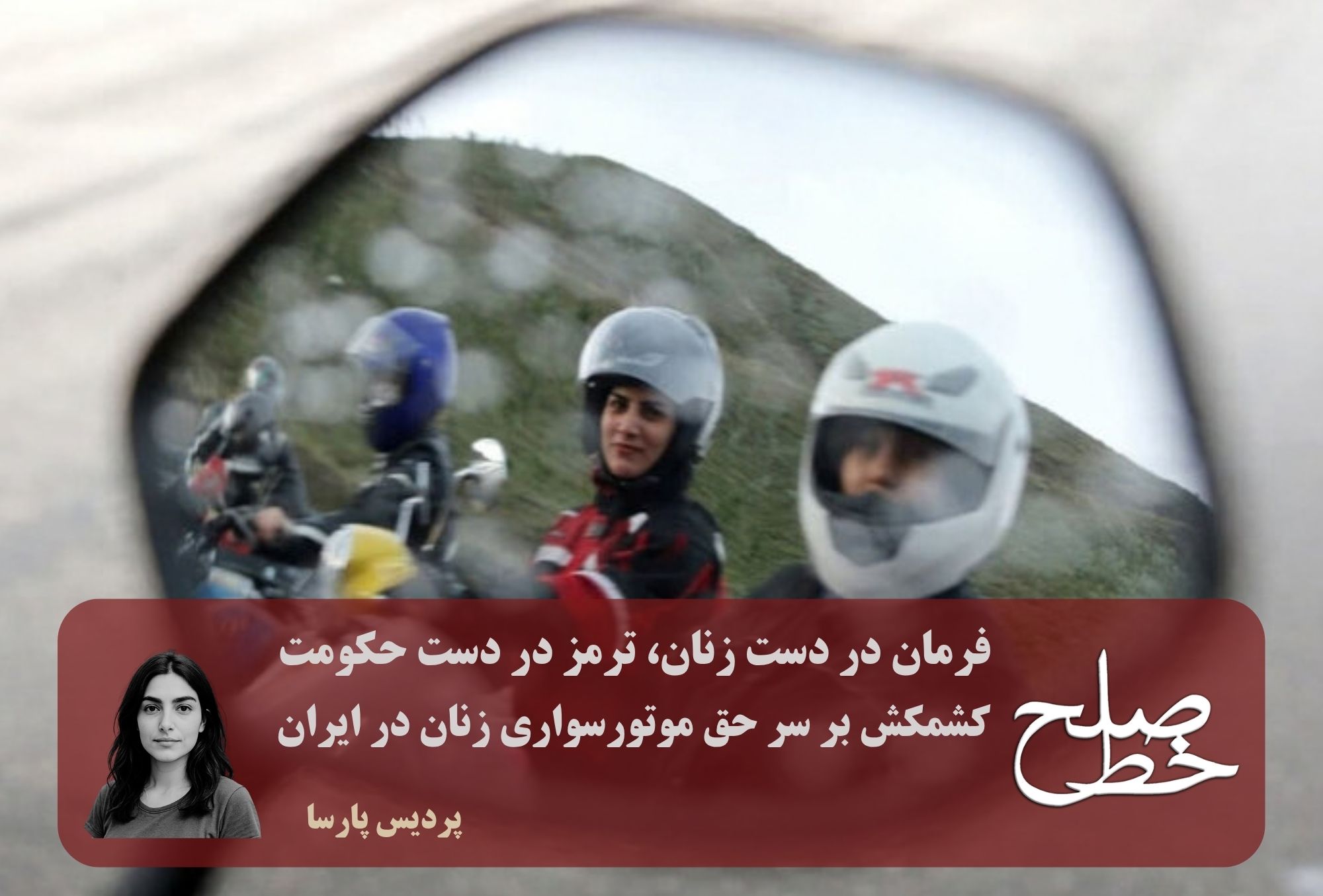
Women at the Helm, the Government on the Brakes/ Pardis Parsa
Today in Iran, motorcycles and electric scooters have evolved from recreational vehicles or means of transportation associated with particular social classes into essential tools for earning a livelihood and for fast, inexpensive transportation. Nevertheless, the absence of a single, transparent procedure for issuing licenses to half of the country’s population has pushed women motorcyclists into […]...
Read more
By:
Pardis Parsa September 23, 2026
The Hijab and Modesty Law on a Challenging Path/ Roza Nateghi
The text of the Hijab and Modesty Law was released on December 1, 2024 (10 Azar 1403). Mohammad Bagher Ghalibaf, Speaker of the Parliament, had previously explained the delay in its release. While defending the law, he stated that its implementation had been postponed due to “events related to the year 1401.” He emphasized that […]...
Read more
By:
Roza Nateghi December 21, 2024
Final Approval of the Hijab and Chastity Bill Amidst Regional Tensions/ Roza Nateghi
The Hijab and Chastity Bill, which had remained dormant since the death of the former president, was recently revived, shocking the public. Ahmad Rastineh, spokesperson for the Cultural Commission of the Islamic Consultative Assembly, and one of the most hardline parliament members, reignited the issue. Rastineh, a staunch supporter of the Hijab and Chastity Bill […]...
Read more
By:
Roza Nateghi October 22, 2024
How the “Women’s Freedom Movement” made it impossible to go back; a conversation with Azar Tashakkor / Pedram Tahsini
Azar Tashakor is a sociologist and an active researcher who is concerned with social changes. She has carried out various research and facilitation projects throughout Iran, mostly in the areas of cities and women. In addition to observing, writing, and presenting sociological analyses, Azar Tashakor is also a life coach. She explains that coaching is […]...
Read more
By:
Padram Tahsini August 22, 2024
Two years after the “Mehsa” movement; Is the Islamic Republic seeking revenge against women? / Sina Yousefi
One of the most significant social and political developments in recent years in Iran is the “Woman, Life, Freedom” movement, also known as the “Mahsa” movement. It began in late summer 2022, coinciding with the death of Mahsa Amini at the hands of the Iranian police (morality police), and has continued in various forms since […]...
Read more
By:
Sina Yousefi August 22, 2024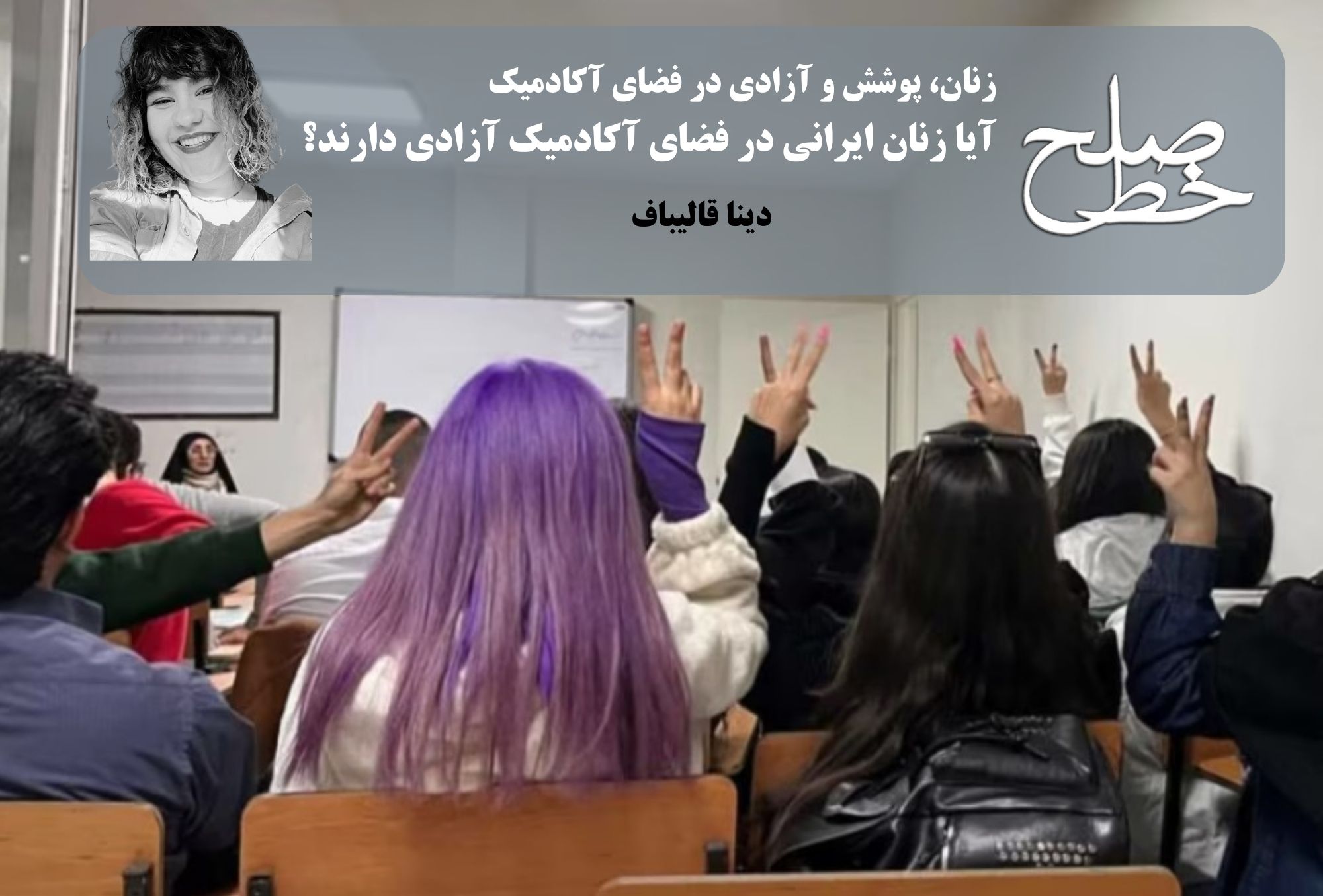
Do Iranian women have freedom in academic spaces? / Dina Ghaleibaf
In Iran, all students sign a commitment when registering at university, stating that after passing the entrance exam, this commitment signature is considered a crucial requirement for entering university or academic spaces. If a student resists signing this commitment, they will not be allowed to register at the university. In the text that students sign, […]...
Read more
By:
Dina Ghalibaf June 21, 2024
