


Right to Life
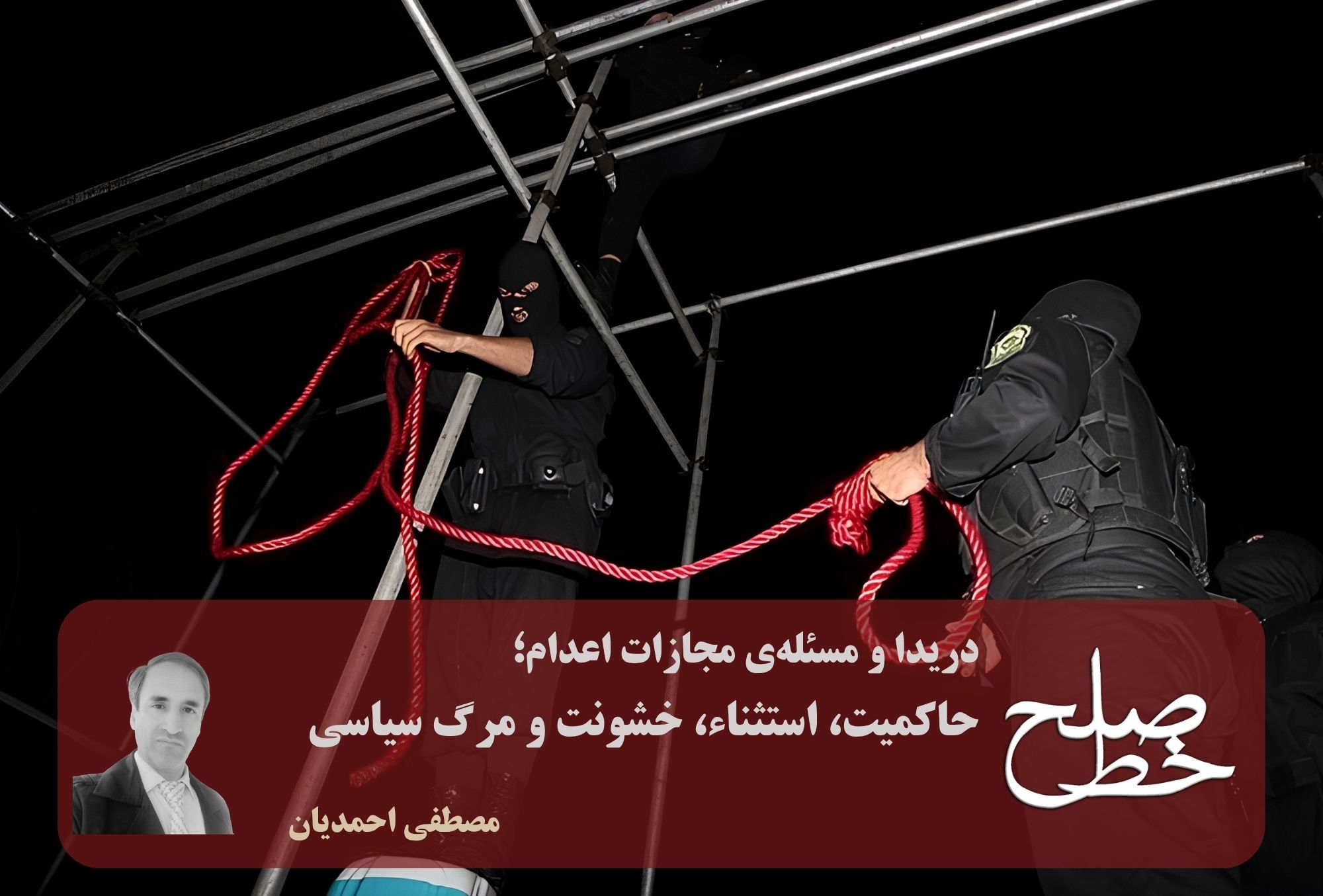
Derrida and the Question of the Death Penalty: Sovereignty, Exception, Violence, and Political Death/ Mustafa Ahmadian
Introduction: When the Law Arrives at Death Discussions of the death penalty usually begin from a point that the law has already determined: what constitutes a crime, what constitutes punishment, and in which cases the most severe punishment—the deprivation of life—may be applied. For this reason, a large part of the legal literature on the […]...
Read more By: Mustafa Ahmadian
 September 23, 2026
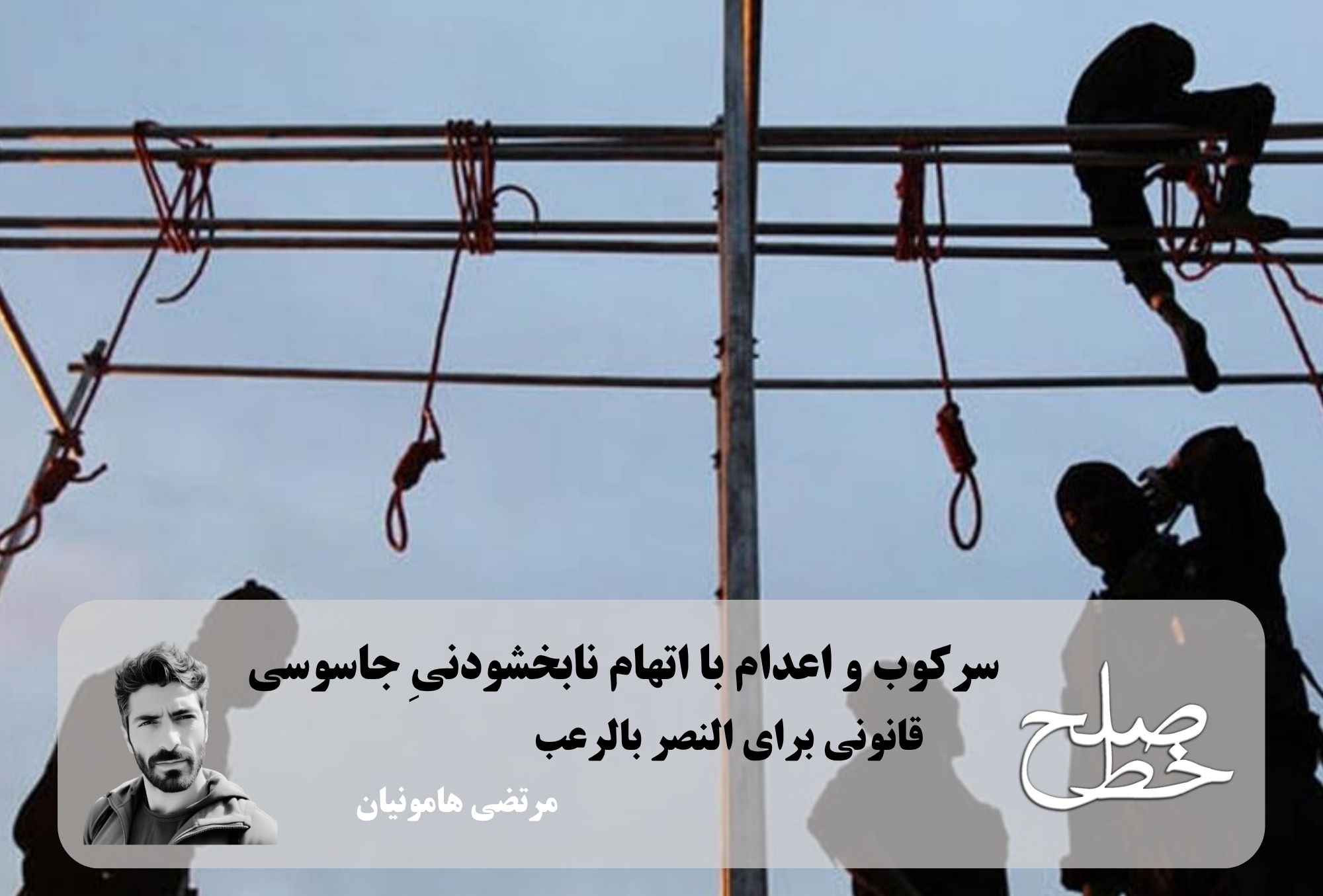
Repression and Execution Under the Unforgivable Charge of Espionage/ Morteza Hamounian
Each time, the government finds a new pretext to take human lives; a government that, throughout its existence, has shown that it places no value on the lives of citizens. The latest example became clear during the war between the United States and Israel and Iran, when it was revealed that for years, massive budgets […]...
Read more
By: Morteza Hamounian May 22, 2026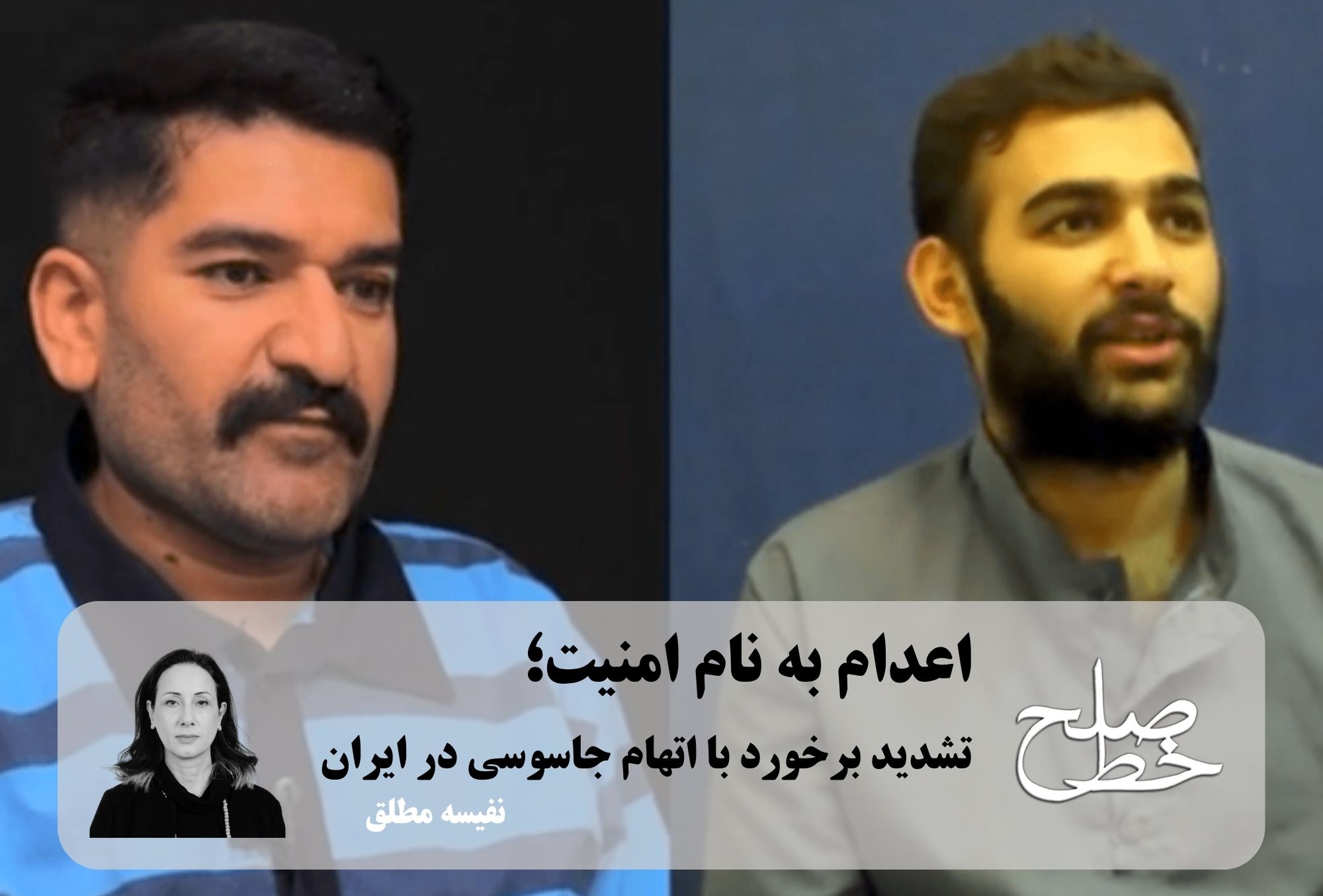
Execution in the name of security; Intensification of the crackdown on espionage charges in Iran/ Nafiseh Motlagh
Following the escalation of military tensions and attacks by the United States and Israel, the judicial process of dealing with charges of “espionage” and “collaboration with hostile states” in Iran has entered a new phase. What is more controversial than the laws themselves is the way they are implemented: expedited proceedings, lack of transparency, and […]...
Read more
By: Nafiseh Motlagh May 22, 2026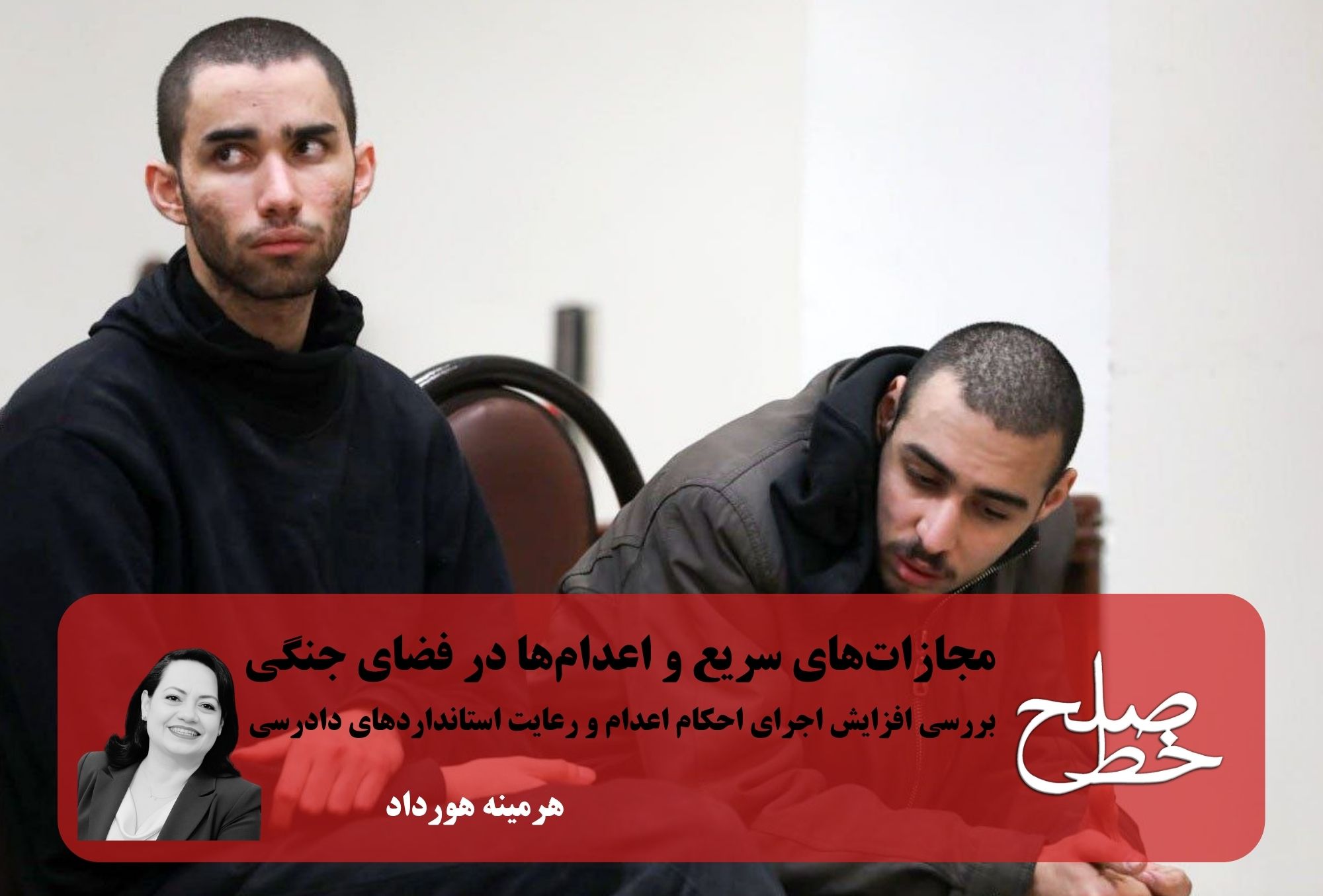
Rapid Punishments and Executions in Wartime Conditions/ Hermineh Hourdad
To understand the mechanisms of power in the Islamic Republic, no point is as significant as execution, because in this system execution is not merely a judicial punishment, but a political instrument for producing fear, silencing dissent, and pushing society toward silence and marginalization. Each time the Islamic Republic has faced crisis, war, or instability, […]...
Read more
By: Hermineh Hourdad April 21, 2026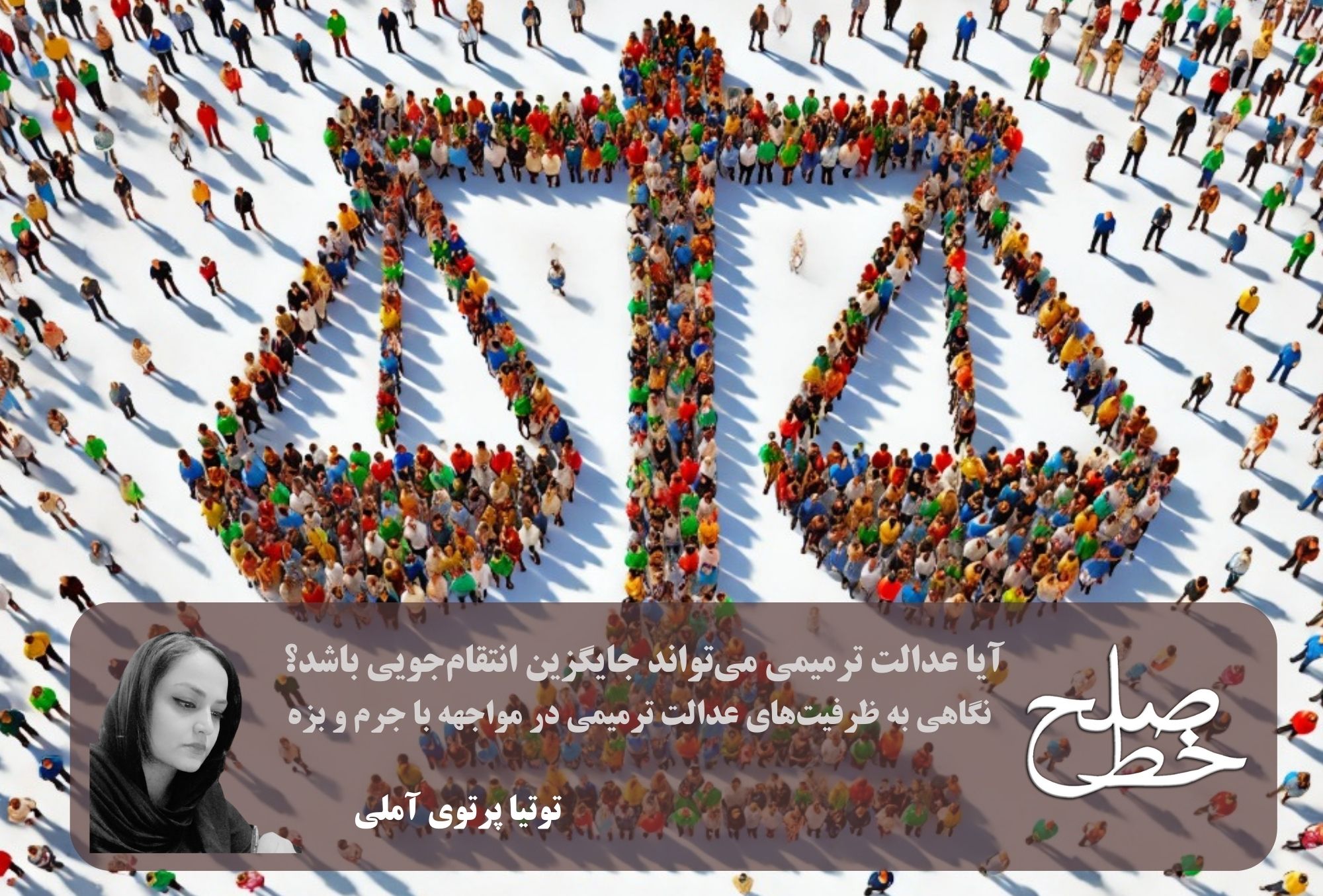
Can restorative justice replace revenge? / Totia Partovi Amoli
We witness countless court cases every day that result in the issuance of a verdict and ultimately the punishment of the offender. However, experience has shown that in today’s world, the issuance and execution of sentences does not necessarily mean the realization of justice. In many cases, the victim is still dissatisfied after the end […]...
Read more
By: Toutia Partovi Amoli December 22, 2025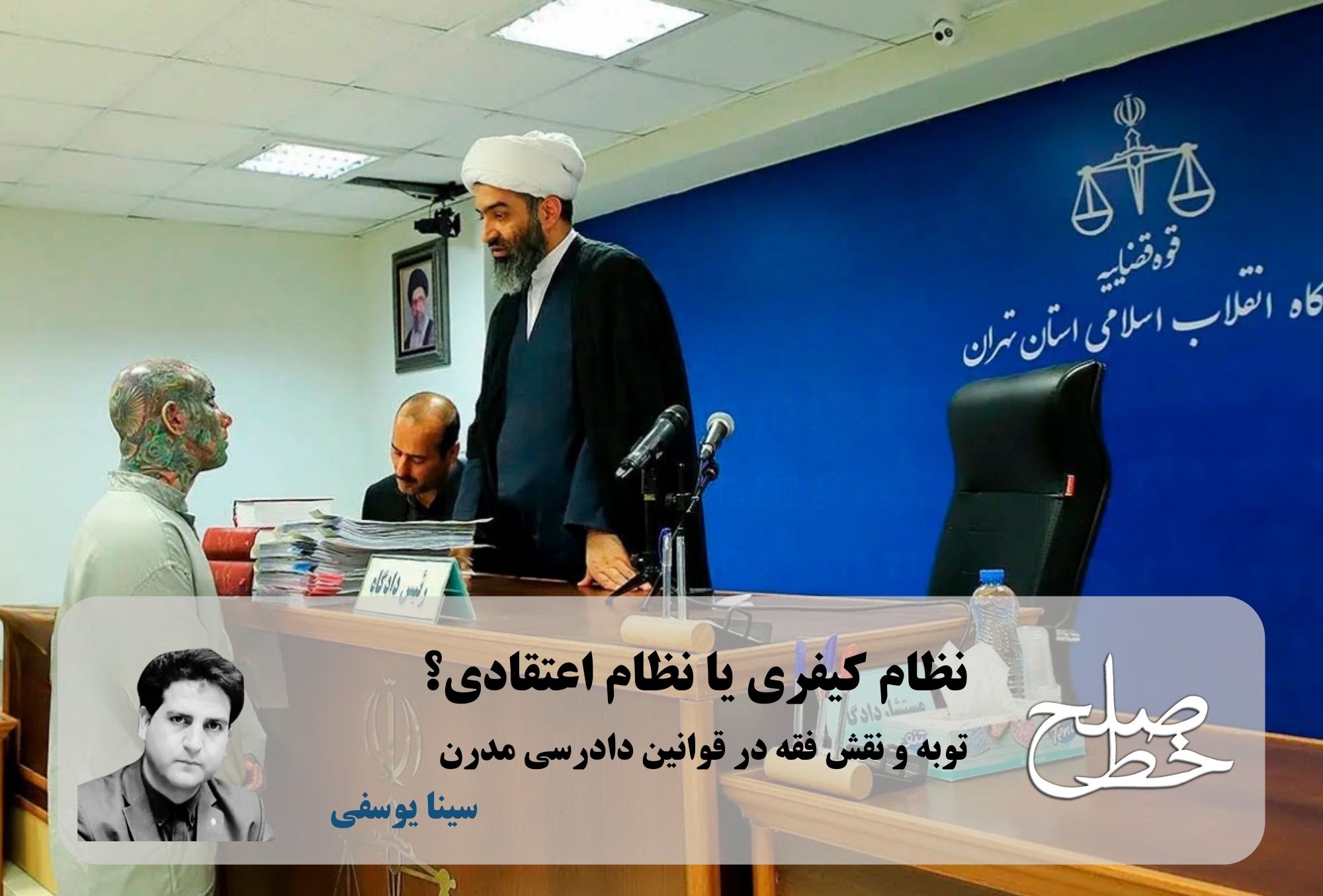
Penal System or System of Belief? / Sina Yousefi
Repentance (tawba) has long been regarded in Islamic jurisprudence as a moral and devotional concept, and over time, it has also gained a significant role in criminal proceedings. Islamic jurisprudence, by linking the realm of religious ethics with the domain of punishment, has created an institution in which inner transformation can lead to the annulment […]...
Read more
By: Sina Yousefi November 22, 2025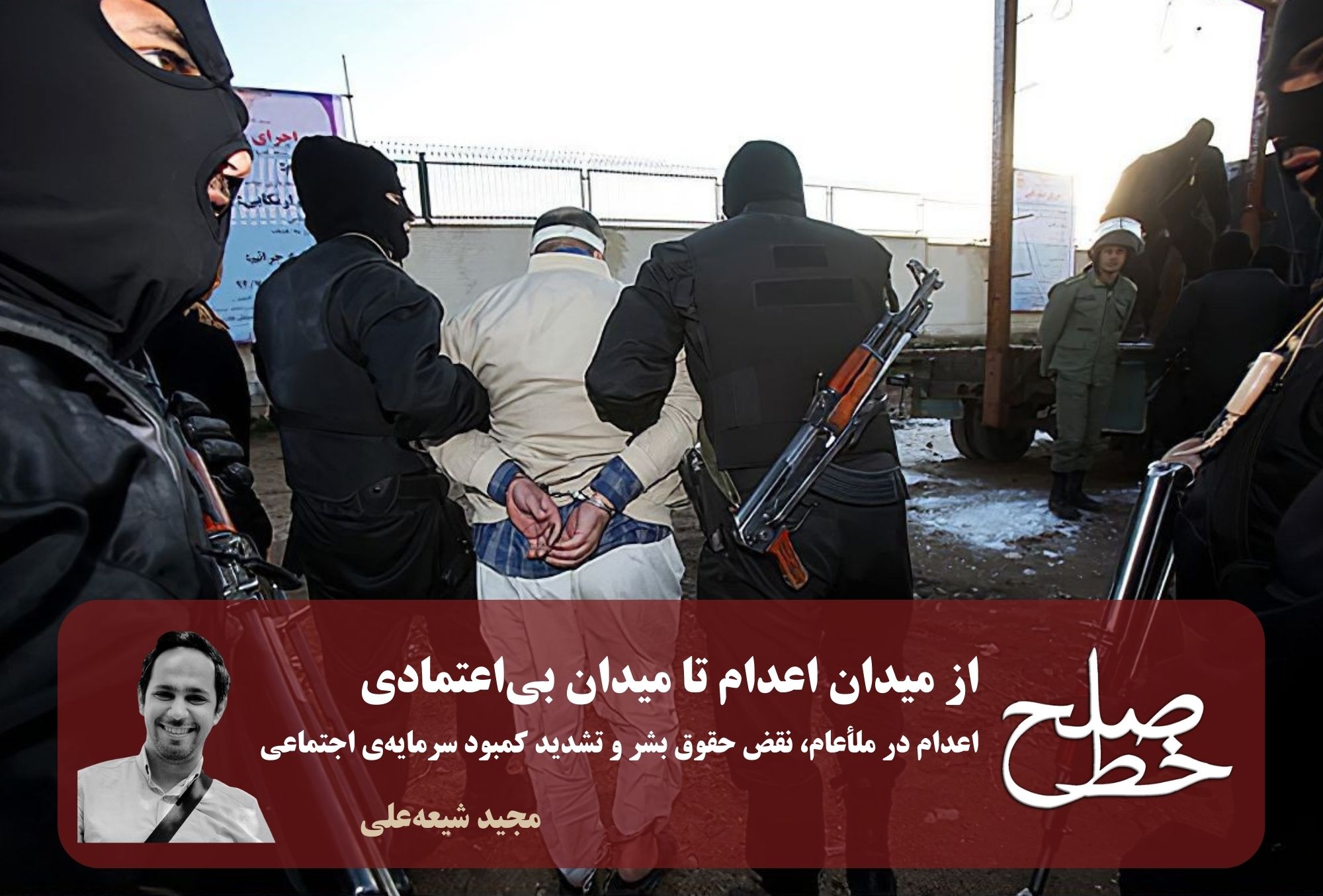
From Execution Square to the Square of Distrust/ Majid Shia’Ali
After several decades of failure in economic development, democratization, and the strengthening of human rights observance, our society is now looking back at its previous experiences. Our society sees that despite experimenting with various revolutionary and reformist strategies, from parliamentary methods to violent confrontations, and experiencing multiple revolutions and social movements, it has still not […]...
Read more
By: Majid Shia’ali September 23, 2025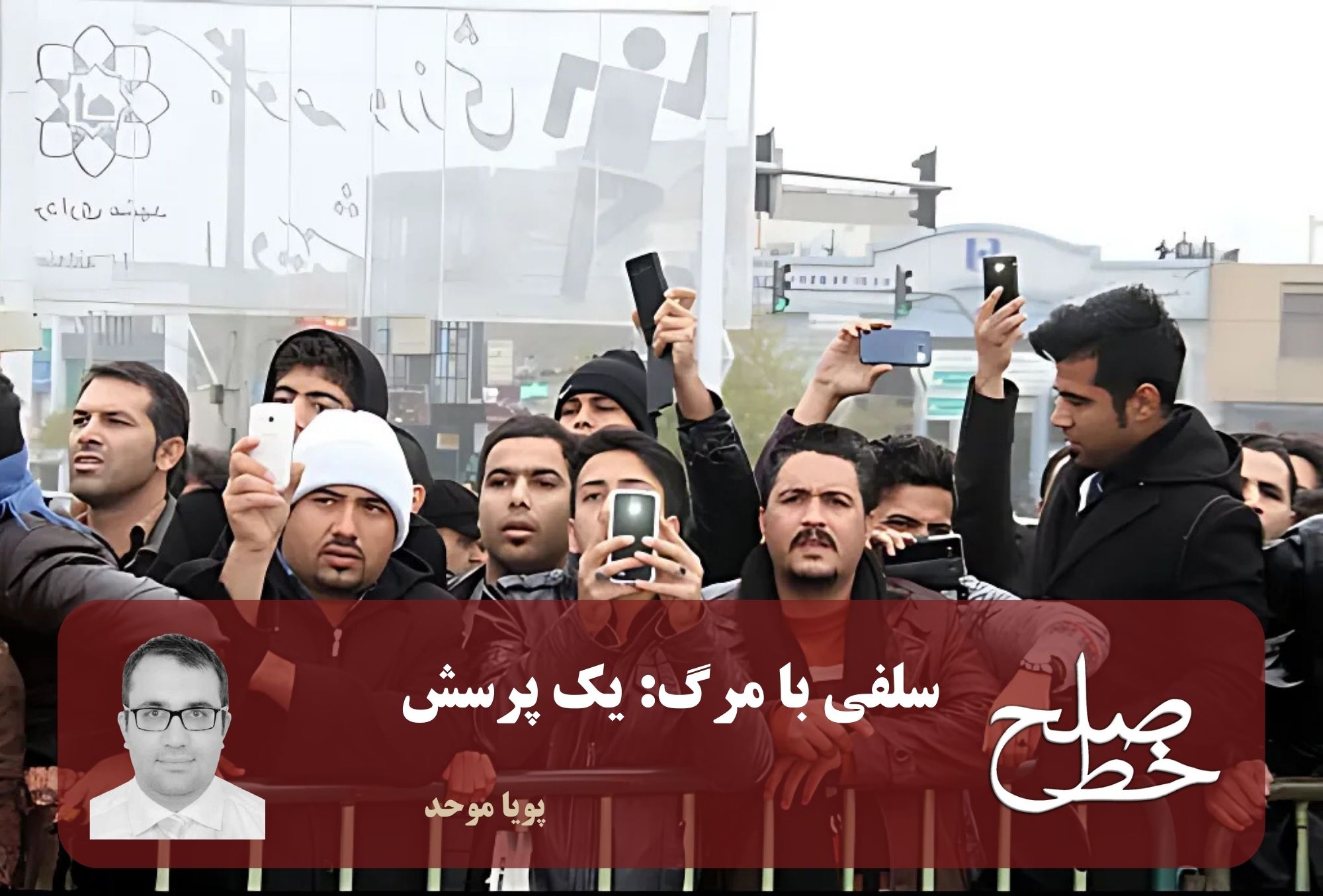
Selfie with Death: A Question/ Pooya Moheb
On a cold morning, the city square is filled with people. A large crane stands in the middle of the square. The rope hanging from the crane sways in the wind. Everyone is in a hurry to find a good spot to watch. A mother gives her child a chocolate to calm them down. Above, […]...
Read more
By: Pouya Movahed September 23, 2025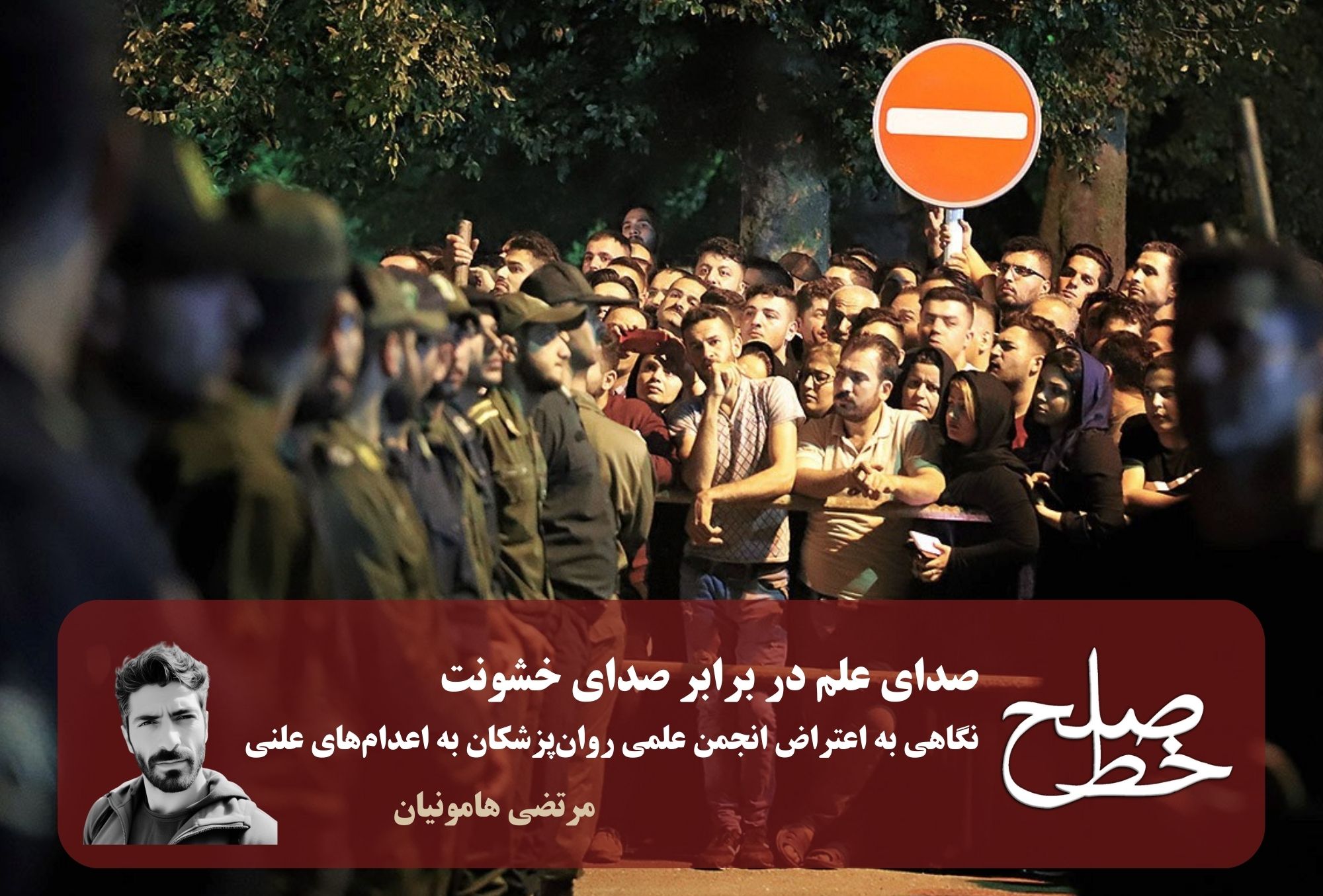
The Voice of Science Against the Voice of Violence/ Morteza Hamounian
The issue of capital punishment has always been a highly contentious matter in Iran. This punishment has been enforced by governments both before and after the February 1979 Revolution, and has consistently been the subject of criticism. At its core, the death penalty is a form of state-sanctioned killing—an act of violence inflicted upon the […]...
Read more
By: Morteza Hamounian September 23, 2025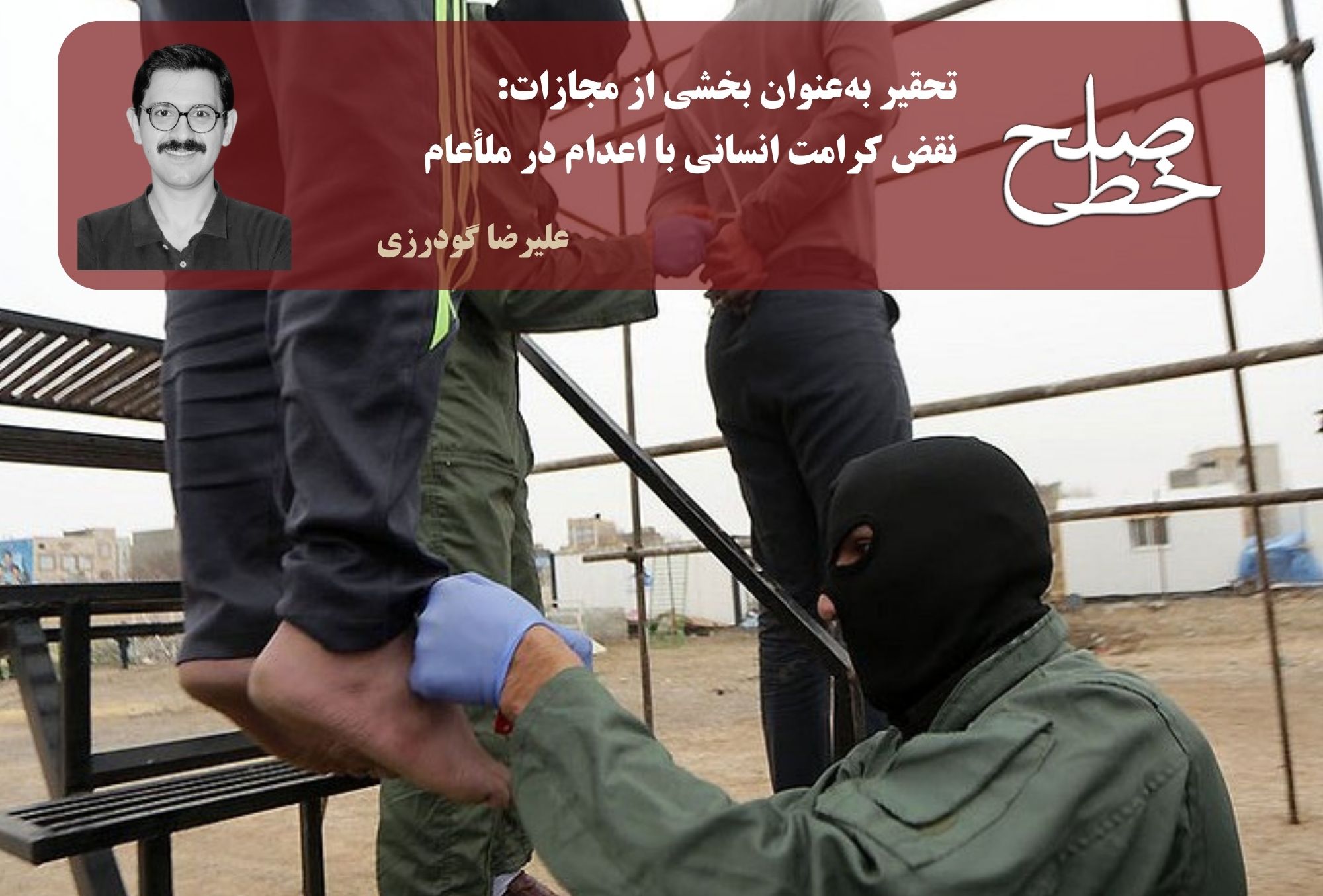
Humiliation as Part of Punishment: The Violation of Human Dignity Through Public Executions/ Alireza Goodarzi
Let us begin by distinguishing between a criminal, a suspect, and anyone else outside these categories. A person living in society may come under legal suspicion of having committed a crime. From that moment on, this individual is referred to as a “suspect.” Once the accusation is proven in a competent court, with all legal […]...
Read more
By: Alireza Goodarzi September 23, 2025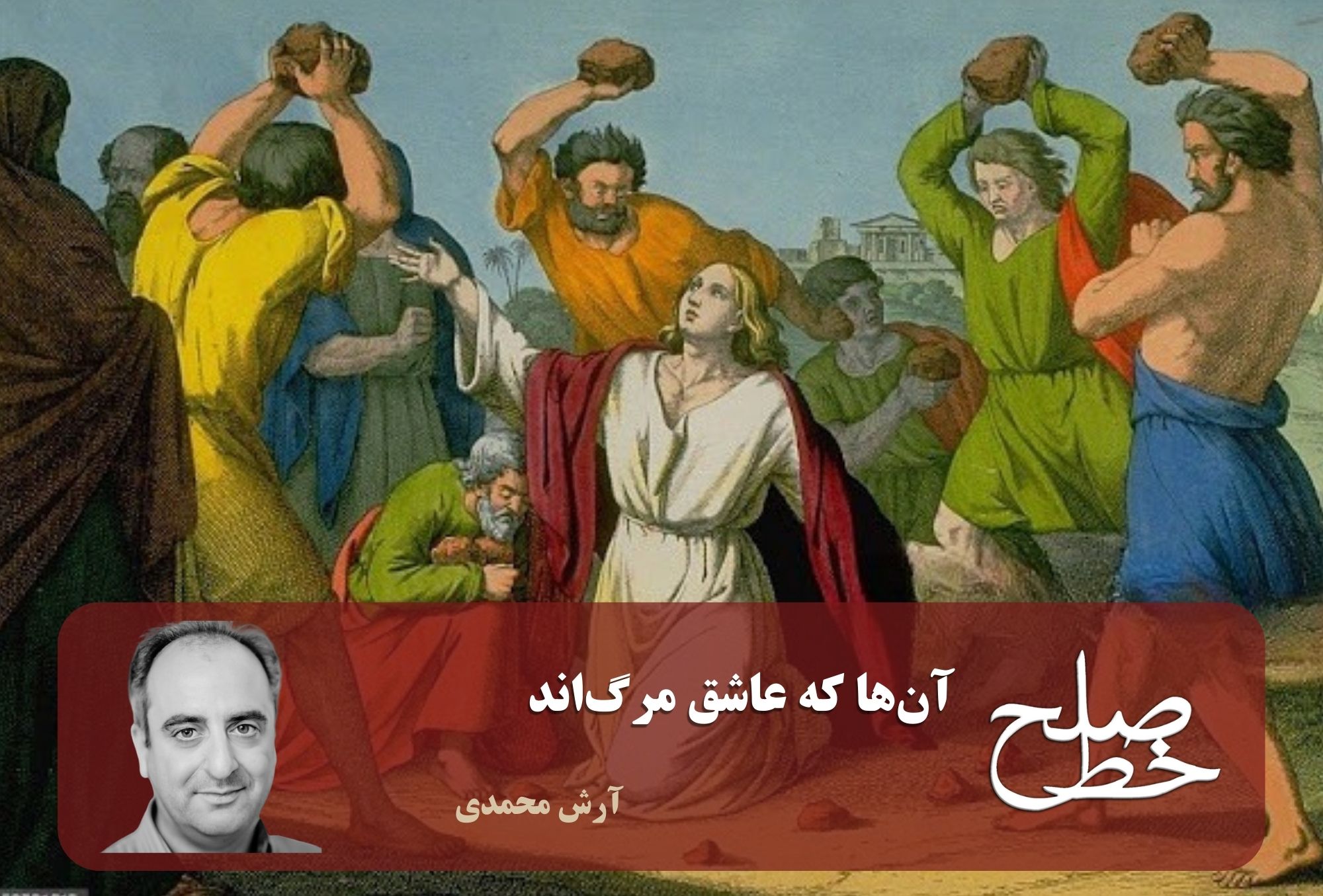
Those Who Love Death/ Arash Mohammadi
I.I was a child—perhaps ten years old. I can’t recall my exact age, but I vividly remember walking past the Baqi Cemetery when I heard a scream. A man and a woman were about to be stoned to death. Out of curiosity, I stopped to watch. The problem was that although a large crowd had […]...
Read more
By: Arash Mohammadi September 23, 2025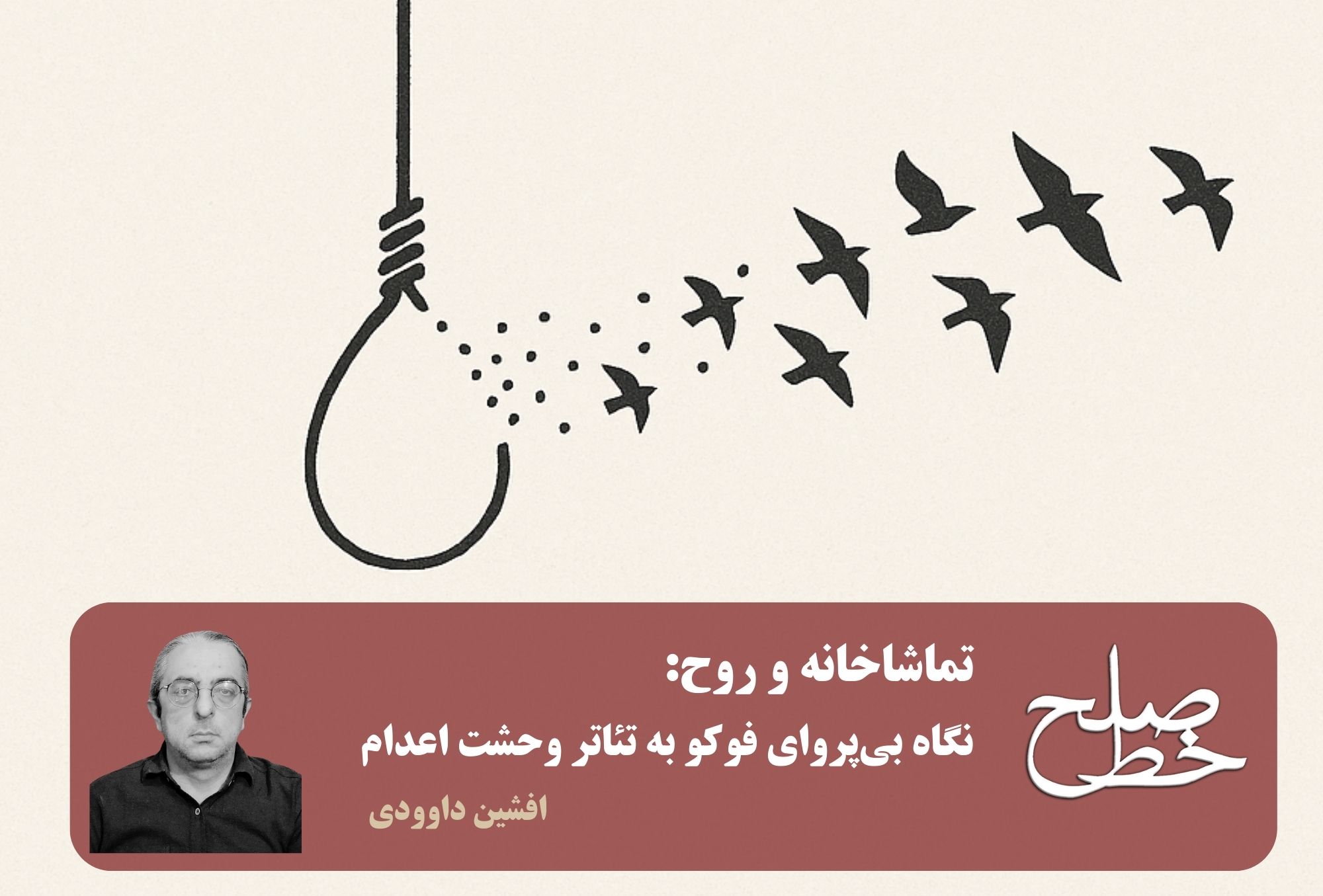
The Theater and the Soul: Foucault’s Unflinching Gaze at the Spectacle of Execution/ Afshin Davoudi
Speaking of public executions evokes a primal image: a crowd gathered in a square, a platform bathed in sunlight or shadow, and the haunting silhouette of the condemned. A scene that feels both ancient and profoundly disturbing. Most modern objections to this practice are based on human rights principles, empathy, and a deep revulsion triggered […]...
Read more
By: Afshin Davoudi September 23, 2025
