


Latest Posts

انDevelopment of the use of weapons against citizens with legal tools/ Osman Mozinan
Is might right? The law on the use of weapons by law enforcement officers in necessary situations was passed in 1373 (1994) and was drafted in the prevailing conditions after the end of the eight-year war. It seems that the aim of this law was to prevent shooting at civilians and reduce the use of […]...
Read More Created By:
Osman Mozayan
Created By:
Osman Mozayan July 22, 2022
What are the laws for police use of weapons in other countries? / Musi Barzin
A look at the laws of Turkey and Pakistan in comparison with Iran. The use of force and weapons by armed forces to maintain order and deal with criminals has always been one of the most important and troublesome issues in the legal systems of countries. On one hand, it cannot be denied that the […]...
Read More Created By:
Mousa Barzin July 22, 2022
Created By:
Mousa Barzin July 22, 2022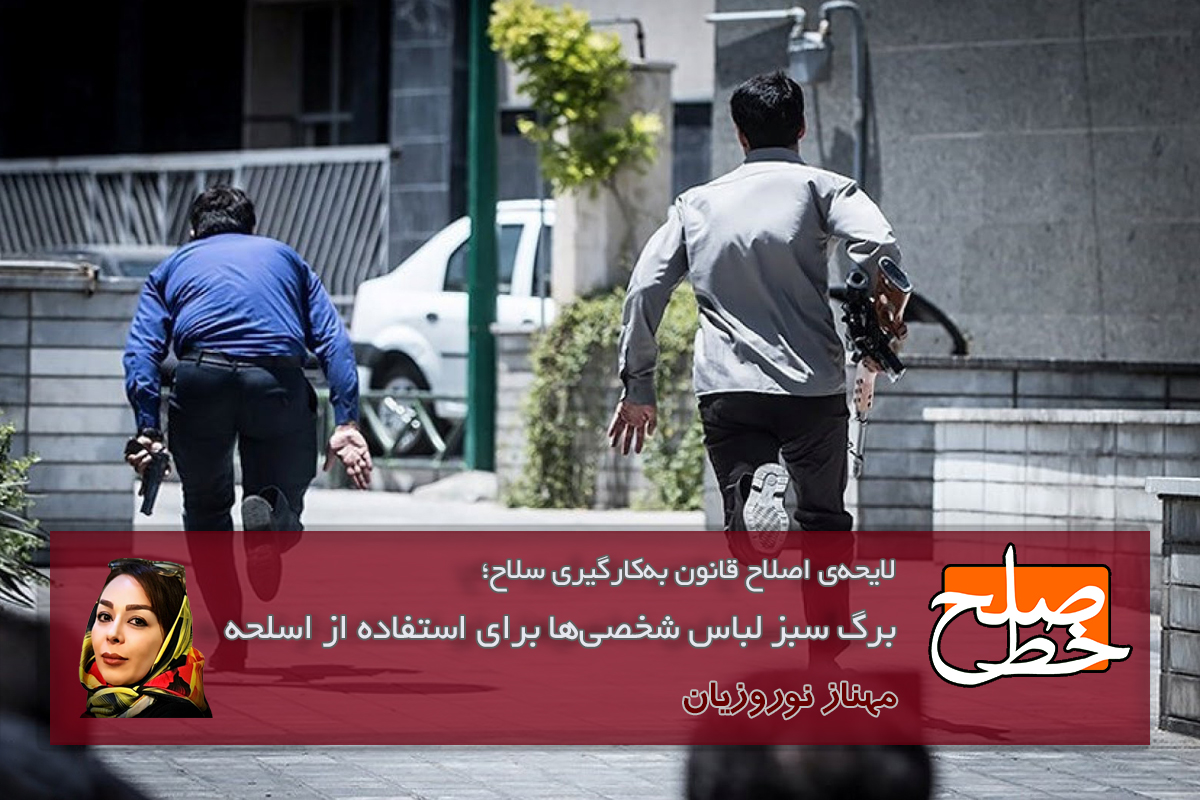
“The Amendment to the ‘Arms Use Law’; Green Light for Personal Clothing to Use Weapons/ Mahnaz Norouzian”
These days, the news of the proposal to amend the law on the use of weapons by armed forces personnel being on the agenda of the parliament and the discussion of changes to the law on the use of weapons and the replacement of the term “armed forces” with “armed personnel” has sparked a heated […]...
Read MoreCreated By:
Mahnaz Norouzian July 22, 2022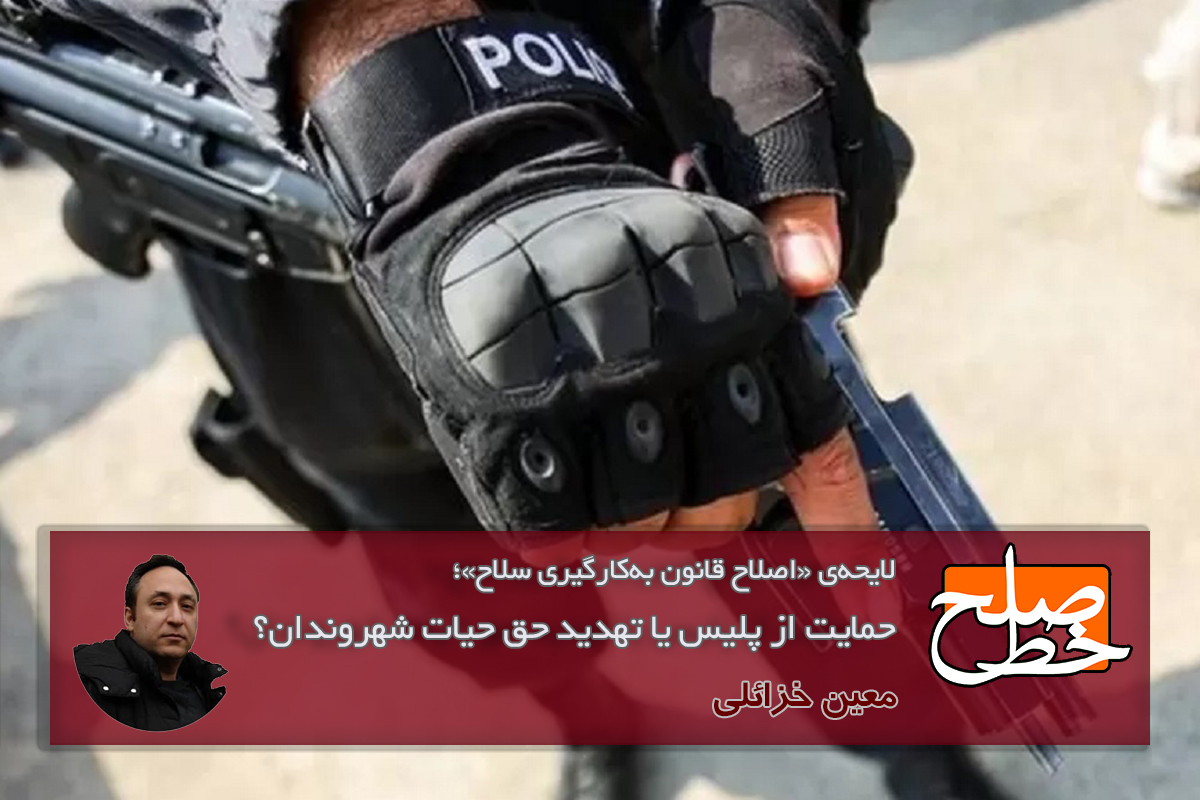
The draft of “Amendment to the Arms Use Law”; Support for the Police or Threat to Citizens’ Right to Life? / Moayen Khazaei
They say everything started with the release of a video; a video in which an officer of the Islamic Republic’s law enforcement forces in “Bidzard” of Shiraz is attacked by a suspect with a cold weapon and as a result of the injuries, loses his life. The main question here was why the police officer […]...
Read MoreCreated By:
Moein Khazaeli July 22, 2022
The salary of men in Iran is four times that of women/ Saeideh Shafiei
Women on the margins of the job market. The Global Gender Gap Report, published by the World Economic Forum (WEF), examines the status of gender gap in all countries and serves as a reference for measuring the level of gender equality among countries. In the recent report, Iran was ranked 150th out of 156 countries […]...
Read MoreCreated By:
Saeideh Shafiei July 22, 2022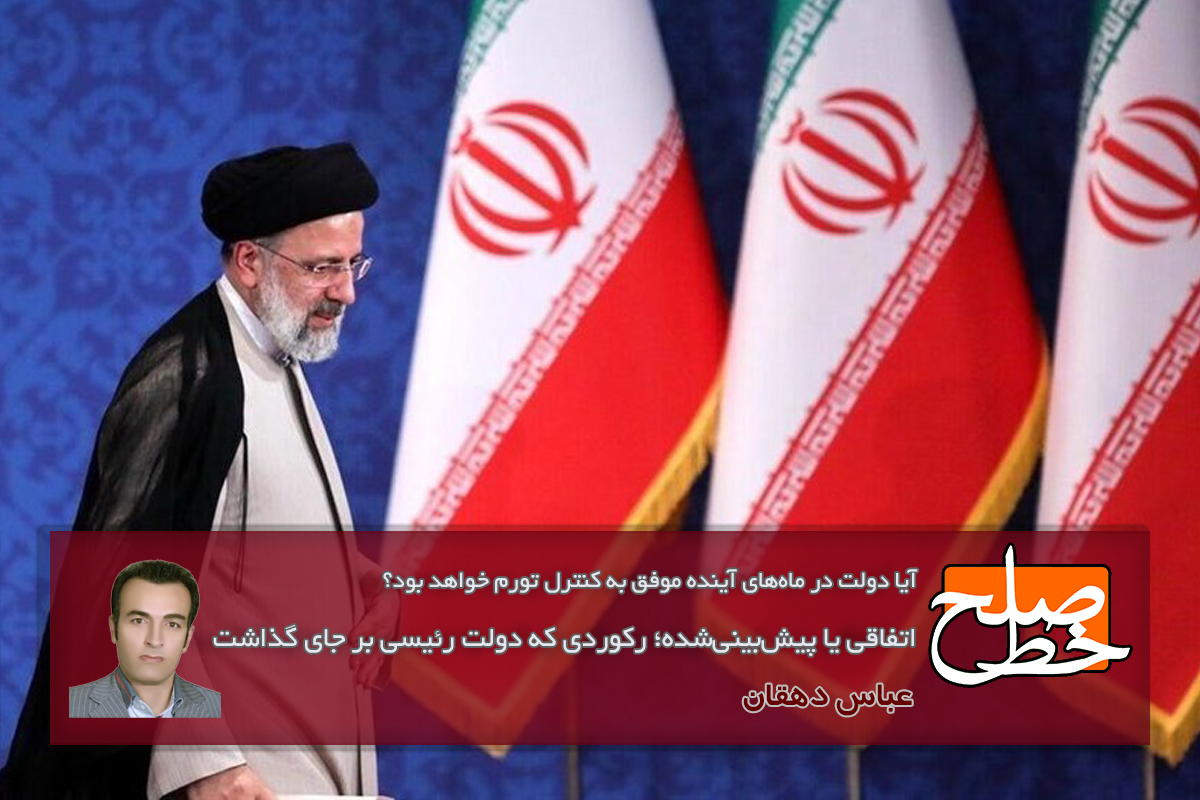
Will the government be successful in controlling inflation in the coming months? / Abbas Dehghan
Accidental or premeditated; The record that the government has set. I’m sorry, but the provided text is not in Farsi. It appears to be a symbol or letter. Can you please provide the correct text? Yasi put it in place. Ibrahim Raeisi had promised to bring inflation down to under 20% within two years after […]...
Read MoreCreated By:
Admin July 22, 2022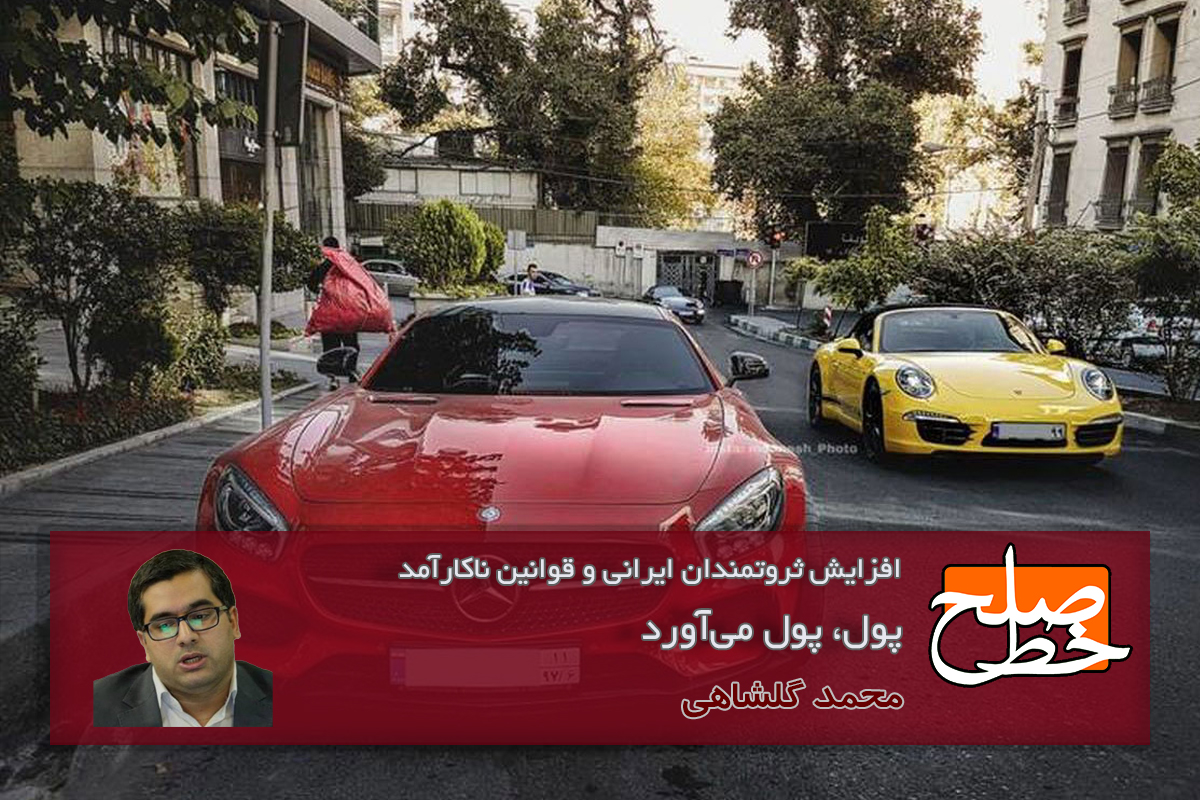
The increase of Iranian wealthy and ineffective laws/ Mohammad Golshahi
Money brings money. Iran’s economy is currently going through its worst conditions, with the pressure of sanctions alongside the government’s liberal economic policies, which have been requested by the economic team of President “Imam Sadeghi”. The record-breaking monthly inflation and the increase in inflation to over seventy percent, especially the rising inflation in the food […]...
Read MoreCreated By:
Mohammad Golshahi July 22, 2022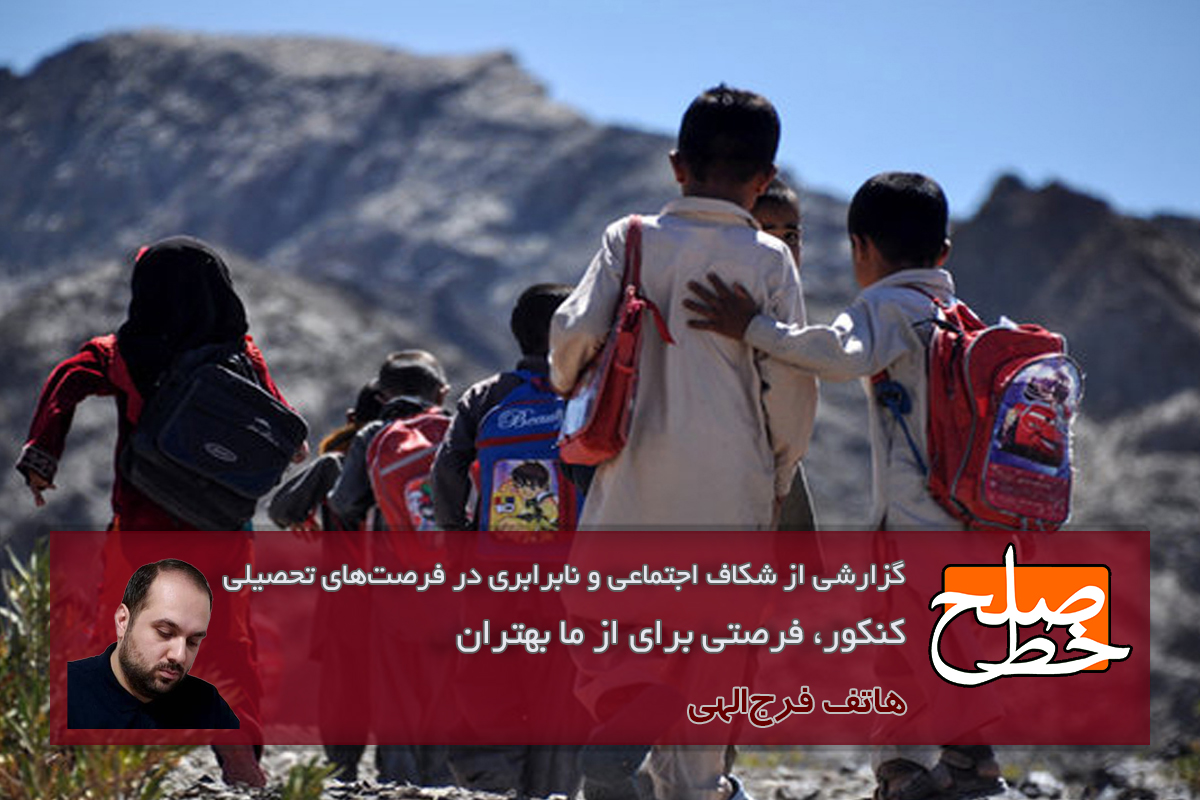
“A Report on Social Gap and Inequality in Educational Opportunities/ Hattaf Farajollahi”
“Konkur, an opportunity for us to become better” A few days ago, Saeed Reza Ameli, the senior secretary of the Cultural Revolution Council of the Islamic Republic of Iran, announced in an interview with Hamshahri Online: “Eighty-four percent of the accepted students in the top three thousand ranks of the entrance exam are among the […]...
Read MoreCreated By:
Hatef Farajollahi July 22, 2022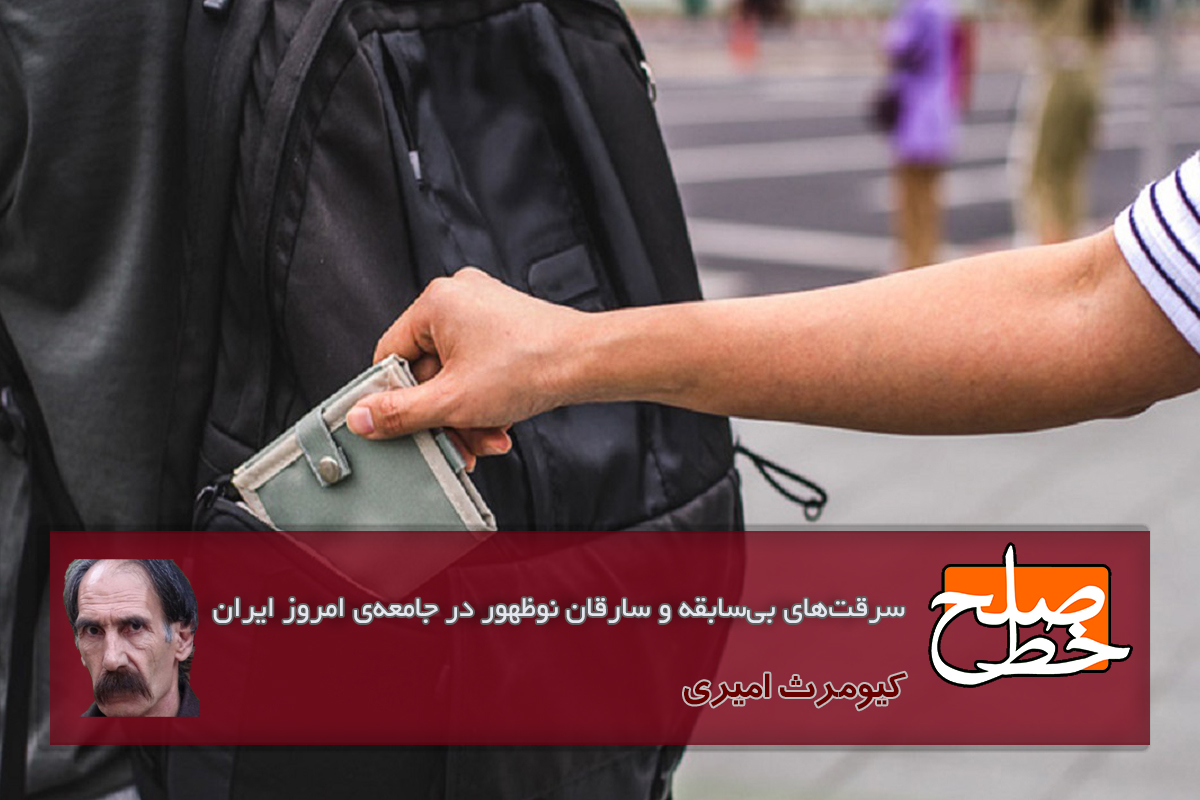
Unprecedented thefts and emerging thieves in today’s Iranian society / Keyumars Amiri
Despite being governed by its own Islamic laws for nearly half a century, it can be argued that today’s society in Iran has the highest rate of theft and the largest number of thieves ever seen. These Islamic laws, which condemn thieves to punishments such as hand amputation, are enforced. As the saying goes, a […]...
Read MoreCreated By:
Kiomars Amiri July 22, 2022
Privacy in the Virtual Space and Gender / Elaheh Amani
Empty space of security The role and importance of communication and information technology in the 21st century world is undeniable. It can confidently be said that the gap between people’s presence in the virtual space and the real world is rapidly closing. In just one year (April 2021 to April 2022), two hundred million more […]...
Read MoreCreated By:
Elahe Amani July 22, 2022
